
Reviewed · MARDI HIMAL BASE CAMP TREKS
Pokhara: 4-Day Mardi Himal Trek
A sunrise at 4,200 meters changes your pace. This 4-day Mardi Himal trek from Pokhara is all about moving from lush hillside forests to the Mardi Himal viewpoint, where Mt. Fishtail (Machhapuchhre) and the Annapurna range pull you into the clouds.
I love two things most: the trek’s steady rhythm through forests, terraced fields, and traditional villages, and the way the guides actually manage the day with you in mind. On this route I’ve heard from teams like Gobinda and Ramit, and also guides such as Kaji, who keep pace comfortable, check how you’re feeling often, and make the tea house stops part of the experience—not just fuel.
One possible drawback: the trek is “moderate,” but it’s still a lot of step-heavy uphill and early mornings, so if you hate stairs or arrive without a solid fitness base, you’ll feel it.
In This Review
- Key Points You’ll Care About
- Why Mardi Himal Feels Worth Your Time
- Getting There from Pokhara: the Kande Start Makes Day 1 Easier
- Forest Camp (2,600 m): Forest Trails, Village Stops, and Real Down-to-Earth Comfort
- High Camp (3,550 m): When the Steps Become the Main Event
- Viewpoint Sunrise at ~4,200 m (and the Base Camp Bonus)
- The Forest Camp to Kalimati Finish: Waterfalls, Quiet Trails, and a Clean Exit
- How Hard Is This Trek, Really?
- Guides and Day-to-Day Support: The Real Difference Maker
- Food, Tea Houses, and the Standard vs Full Package Reality
- Price and Value: What $139 Really Buys You
- When to Go for the Best Views of Fishtail and Annapurna
- What to Pack (Even If Gear Is Provided)
- Should You Book This 4-Day Mardi Himal Trek?
- FAQ
- Where does this trek start?
- How long is the Mardi Himal trek?
- What altitude do you reach?
- Is this trek technical climbing?
- When is the sunrise hike?
- Can I hike to Mardi Himal Base Camp?
- What’s included in the price?
- Does the Standard Package include meals?
- Do I need travel or rescue insurance?
- Is a porter required?
- When to go and what weather should you expect?
Key Points You’ll Care About
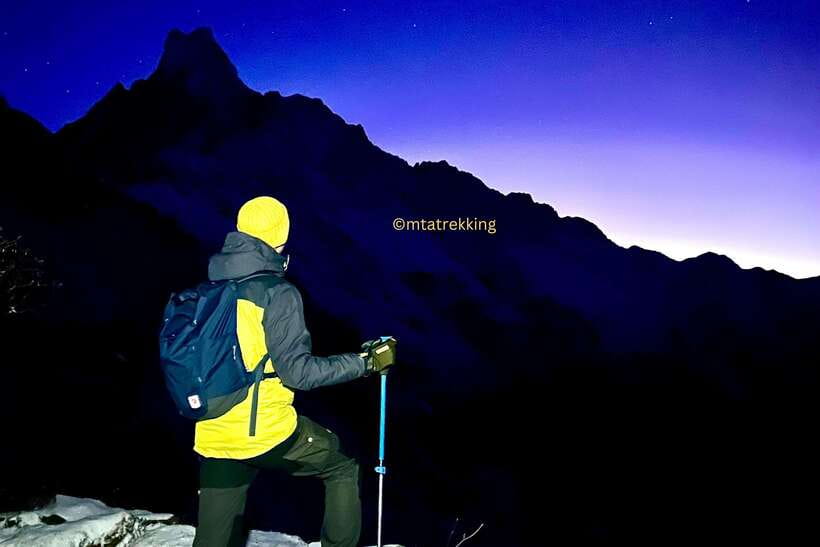
- Sunrise at ~4,200 m with big views of Mt. Fishtail and the Annapurna range
- Forest Camp → High Camp altitude rhythm that stays non-technical while still feeling like altitude
- Private, English/Hindi guiding with a strong emphasis on pace and safety (I’m seeing names like Ramit, Lalit, and Prabit show up repeatedly)
- Tea house trekking culture in Gurung and Magar communities, with warm hospitality and cozy stops
- Optional Mardi Himal Base Camp when conditions allow, with extra winter caution beyond the viewpoint
- Multiple Pokhara pickup points that reduce the “where do we meet” stress
More Mardi Himal itineraries worth comparing.
- Pokhara: 4-Day Mardi Himal Trek★ 4.9 · 59 reviews
- Private Mardi Himal Trek★ 5.0 · 42 reviews
- From Pokhara: 4-Day Mardi Himal Base Camp Trek★ 4.9 · 31 reviews
- Mardi Himal Trek★ 5.0 · 30 reviews
Why Mardi Himal Feels Worth Your Time
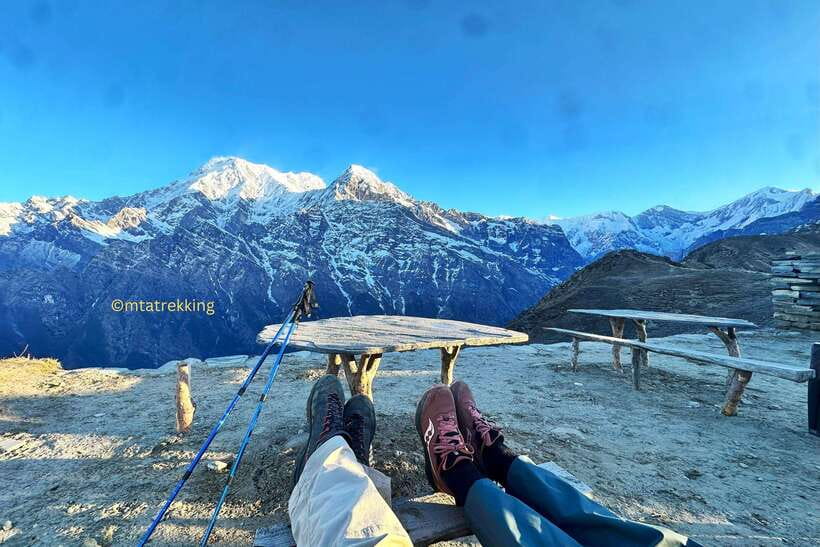
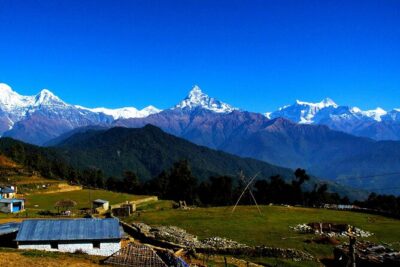
Mardi Himal is one of those Annapurna-region treks where the payoff ramps up fast. You start in the Pokhara area, then gradually rise into cooler air and denser forest until the mountain drama starts feeling personal. The big reason people love this route is the contrast: soft forest trails and village life at lower elevations, then a serious sunrise push toward the view over Machhapuchhre and the Annapurna peaks.
Another big plus is that the trek typically feels quieter than the most famous trails. You’ll still meet other hikers in tea houses, but the vibe stays more “focused” than “crowded.” And if you’re a sunrise person, the route is built around that moment—early hiking, crisp air, and a view that makes you forget the hours of steps.
Still, Mardi Himal is not a flat hike. Even when the climbing is gradual, you’re on stair-like trail for plenty of your time.
Getting There from Pokhara: the Kande Start Makes Day 1 Easier
Your trek starts with a drive from Pokhara to Kande, which gives you a head start before your first long walking day. Depending on your pickup choice, you might be collected from places like Baidam, Pokhara Lakeside, Pame, Lakeside Road, or Lakeside, then transferred to the trailhead area.
Once you reach Kande, you’ll walk for about 5 hours toward Forest Camp (2,600 m / 8,530 ft). This day is a good warm-up because you’re moving through a mix of lush fields, dense forest, and hillside villages, with plenty of opportunities to stop for tea and catch your breath.
Along the way you’ll also likely see the Seti River area from the wider viewpoints during the approach. That first day sets expectations: you’re not just hiking toward a summit—you’re hiking through a living region.
Forest Camp (2,600 m): Forest Trails, Village Stops, and Real Down-to-Earth Comfort
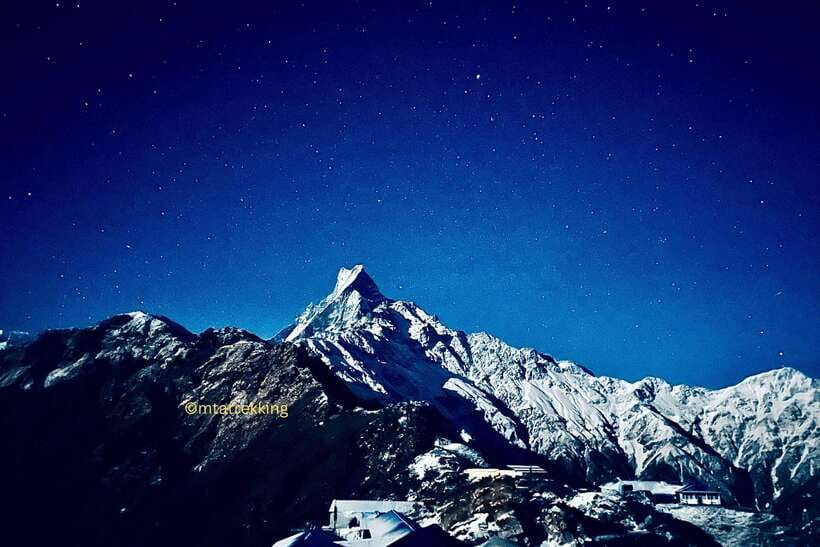
Forest Camp is your first overnight at the lower end of the trek. It’s where the route starts to feel like a proper trekking rhythm: breakfast, then steady walking, then the comfort of a tea house after you’ve earned it.
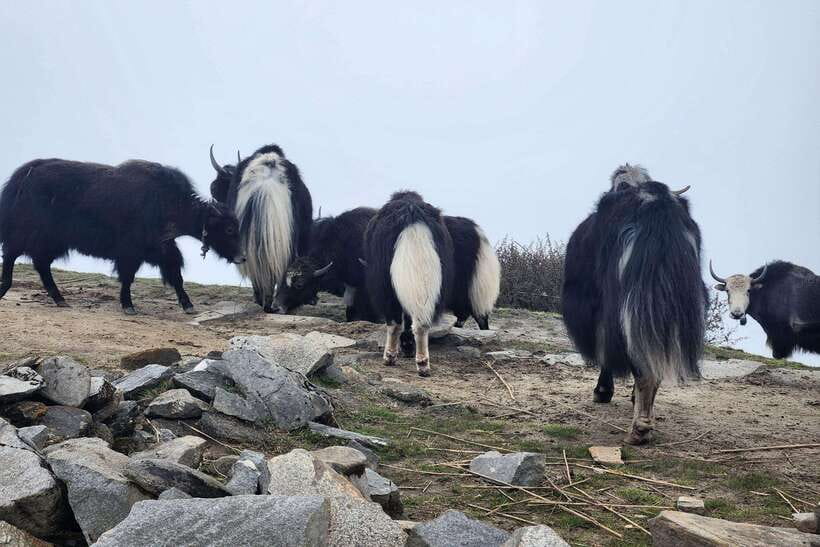
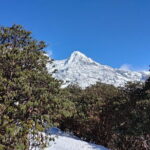
This section is where forest trekking is at its best. You’ll be surrounded by greenery and shaded paths for parts of the day, and it’s also common to encounter small wildlife along the route—birds and butterflies are mentioned, and you might even spot animals like Himalayan thar depending on conditions.
If you do the trek in or near more humid seasons, you should also expect insects and the occasional leech in wetter, leafier sections. One practical mindset helps here: treat it like rainforest trekking. Wear what you need, check your legs and socks when you pause, and move on.
In the evening, tea houses here tend to be warm and welcoming. Many hikers mention cozy accommodations, and that matters because you’ll feel less worn out when the high-morning push comes.
High Camp (3,550 m): When the Steps Become the Main Event
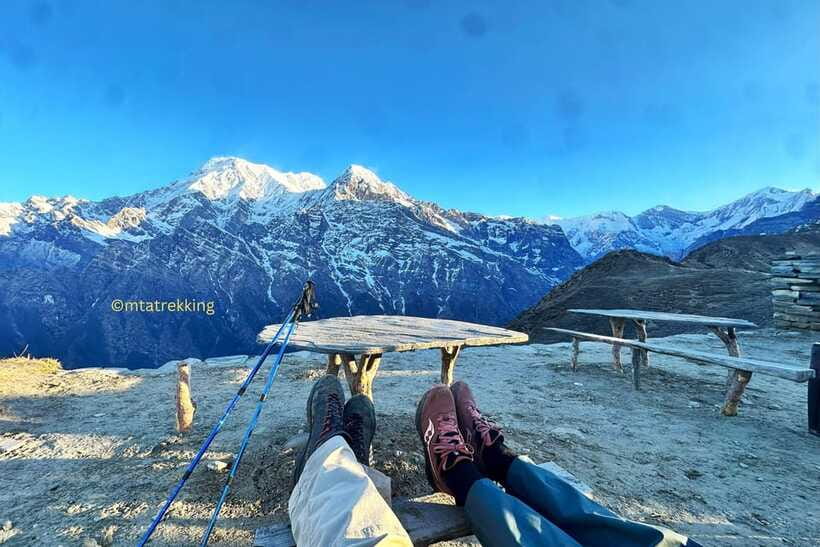
Day 2 is the climb from Forest Camp to High Camp (3,550 m / 11,646 ft), a trek of about 5 hours. This is the day where your legs start keeping the schedule. The trail continues through dense jungle-type sections, and even when the route feels straightforward, the altitude adds weight to each step.
This is also the day where you may notice wildlife more if visibility is good. Since the trek passes through mixed vegetation, you can get brief flashes of what’s going on around you rather than just staring at the ground. Birds, butterflies, and occasional larger sightings are all part of the potential experience here.
High Camp is where you start sleeping at a height that reminds you you’re in the mountains. You’ll likely want to eat well, sip water steadily, and take it slow with exertion. One thing I’d take from guide feedback: guides often adjust pacing for how you feel, which can be the difference between a tired but fine night and a rough one.
More treks and hikes across the Annapurna region.
Viewpoint Sunrise at ~4,200 m (and the Base Camp Bonus)
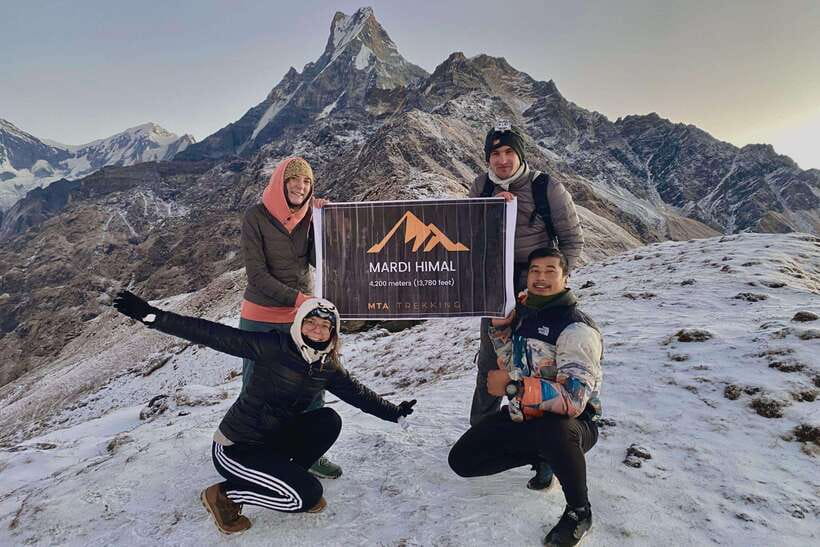
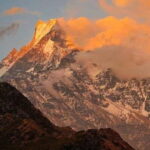
Day 3 is the iconic part. You’ll wake early, around 4:00 am, then hike roughly 1.5 to 2 hours to the sunrise viewpoint (around 4,300 m / 14,108 ft on the way, with the main viewpoint around 4,200 m / 13,779 ft). The goal is simple: reach the lookout before the sky fully wakes up and let the peaks do their thing.
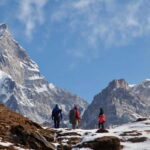
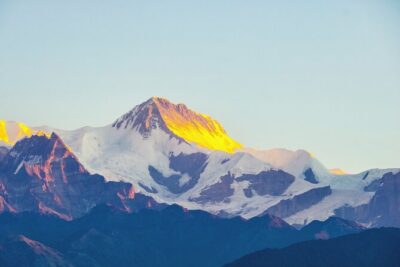
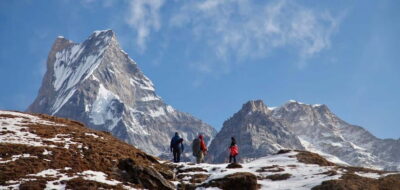
When conditions cooperate, the sunrise is about more than pretty colors. You’re watching Machhapuchhre (Mt. Fishtail) and the Annapurna range open up in front of you, with Mardi Himal in the mix as the focus area.
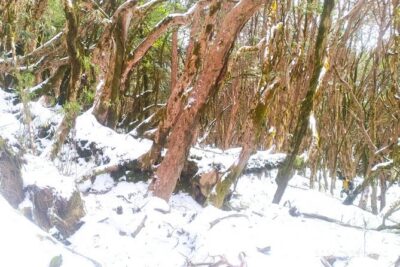
There’s also an optional upgrade if weather permits: continuing on toward Mardi Himal Base Camp (about 4,500 m / 14,764 ft). This section can feel more serious in winter. Heavy snow in January and February can make the path steep and slippery, and in those months crampons are advised. Your guide should make the call based on conditions—safety comes first.
After sunrise and breakfast, you’ll descend back down to Forest Camp for the night. This descent isn’t the hard part in altitude terms, but it’s still time on your feet.
The Forest Camp to Kalimati Finish: Waterfalls, Quiet Trails, and a Clean Exit
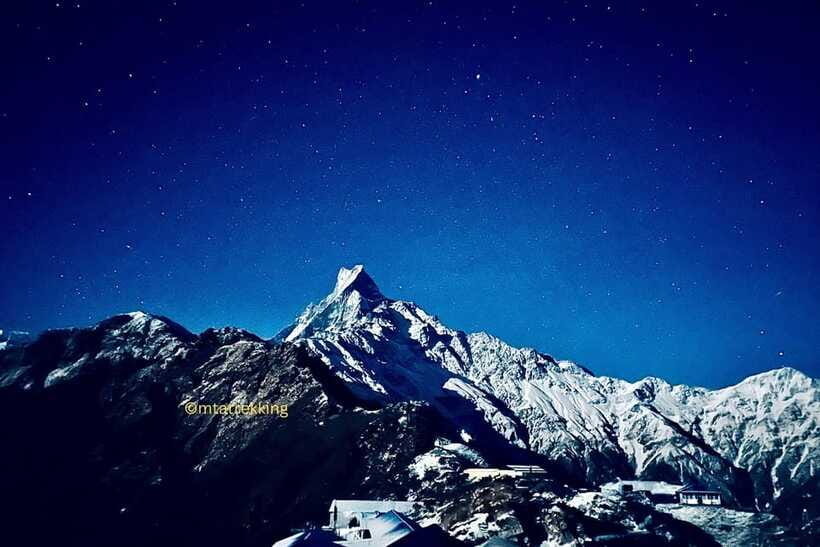
Day 4 turns the volume down. You start with breakfast around Forest Camp, then trek down toward Kalimati (about 1,800 m / 5,905 ft). The route is described as calmer and more natural: bird calls, lush forest pathways, gentle waterfalls, and small bridges.
Along the descent, you’ll likely still see Machhapuchhre for stretches if the weather holds. That can make your final day feel like you’re being escorted out of the mountains rather than just heading home.
From Kalimati, you’ll board a jeep back to Pokhara, usually 1.5 to 2 hours. That matters because it keeps your last day from becoming a long, exhausting grind. You get the payoff of a trek day, then a practical transfer that puts you back into real life.
How Hard Is This Trek, Really?
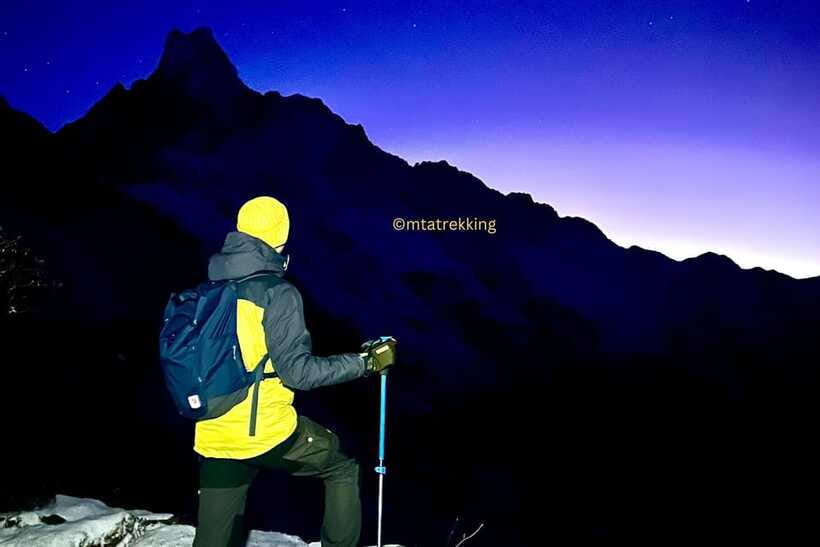
Mardi Himal is labeled moderate and it isn’t technical. That said, it’s still a serious walking trip. Multiple details point to the same reality: you’re dealing with altitude and lots of stairs/steps, even when you’re not doing exposed climbing.
Your main altitude waypoints are:
- Viewpoint ~4,200 m (13,779 ft)
- Base Camp ~4,500 m (14,763 ft) if you go
That’s why this trek is not for everyone. It’s not suitable for pregnant women, people with altitude sickness, or those over 70. If you’re prone to altitude problems, take that seriously and talk with your guide early.
Best seasons help a lot. Spring (March to May) and autumn (September to November) are your best bets for stable weather and clearer mountain views. Winter can mean snow and reduced safety beyond the viewpoint, and monsoon season can bring slippery steep trail with fewer safety features.
Guides and Day-to-Day Support: The Real Difference Maker
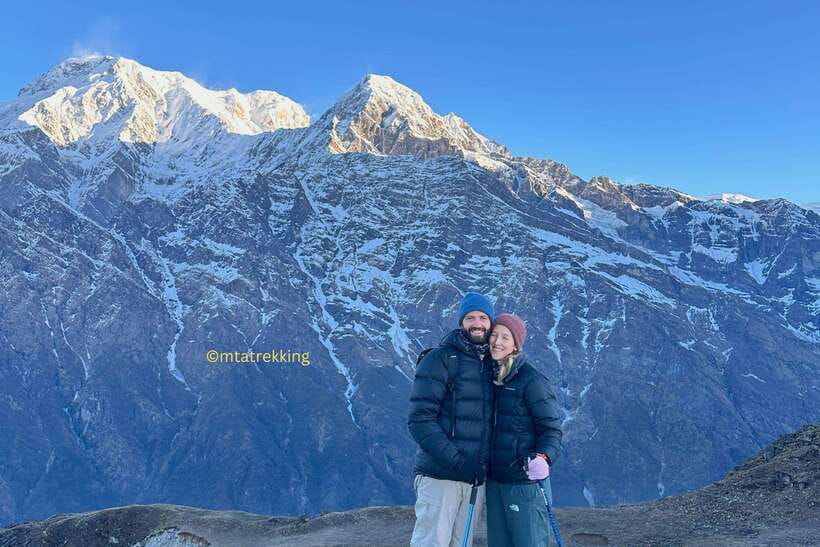
The most praised part of this trek is support. I keep seeing the same pattern in guide stories: guides manage pace, check comfort often, and make the tea house logistics work smoothly so you can focus on walking and views.
Names that come up in successful treks include Ramit, Shishir, Prabit, Kaji, and Lalit, plus people like Gobinda and Santosh. What you should take from that: you’re not just paying for a person to point the route. You’re getting someone who plans rest spots, meal stops, and how quickly you should climb.
A few practical examples from guide behavior that matter to you:
- Regular check-ins on how you’re doing step by step
- Adjusting progress if you feel altitude symptoms
- Helping you order and choose food and tea at the tea houses
- Sharing route knowledge and trekking culture while keeping things relaxed
One small but useful theme: guides often help you avoid unnecessary mistakes like ordering the wrong kind of food too high up or rushing the morning push.
Food, Tea Houses, and the Standard vs Full Package Reality
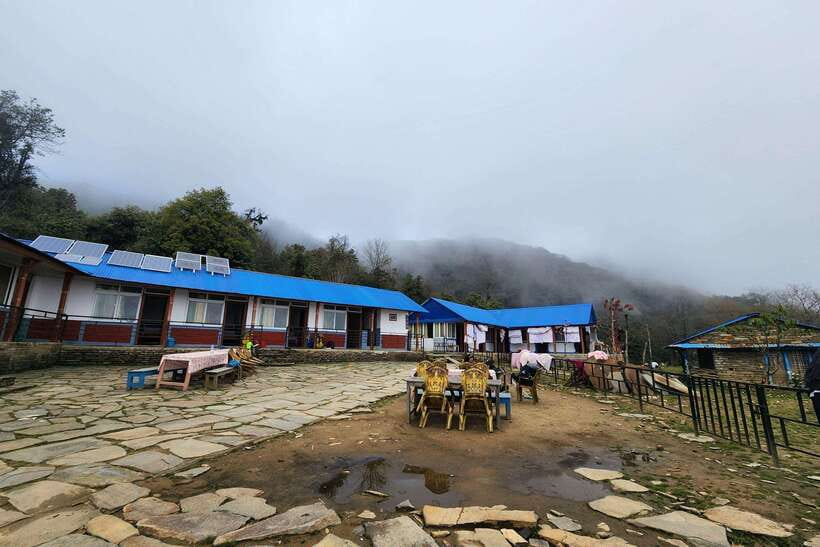
This trek is tea house trekking, so food is part of the rhythm. Your included meals depend on your package:
- The Full Package includes breakfast, lunch, and dinner
- The Standard Package does not include meals
Also note that soft and hard drinks are not included, and personal items like toiletries and phone calls are on you.
Even with meals included, I’d still plan your mindset for extra costs in the mountains. Tea houses may be cozy and welcoming, but you’re still in a cash economy. One practical tip from the experience vibe: bring enough cash for drinks and anything you want beyond what your package covers.
In tea houses, common favorites on the route include ginger/lemon/honey tea and chai. It’s not just about taste—it’s about warming your body when temperatures drop after sunrise hours.
If you’re sensitive to hygiene, consider bringing your own sleeping bag liner or a backup layer. Even if trekking gear is provided, some hikers prefer extra comfort for overnight stays in mountain accommodations.
Price and Value: What $139 Really Buys You
At $139 per person, this trek can feel like a strong deal because so much is handled for you. Included items cover the big friction points:
- Hotel pickup and drop-off in Pokhara
- Licensed, English-speaking guide (also Hindi)
- Permits and TIMS fees
- All applicable taxes
- Tea house or accommodation for the Standard Package
- Private accommodation during the trek (room-sharing may happen for solo travelers in peak season)
- Transportation during the trek
- Trekking gear provided (trekking poles, sleeping bag, etc.)
- Meals only with the Full Package
- Staff expenses like salary, insurance, equipment, and logistics
Where costs can show up:
- If you choose the Standard Package, you’ll need to cover meals yourself.
- Porter costs $20 per day (optional, but helpful if you want less load).
- Travel and rescue insurance is not included.
- Drinks and personal items are not included.
My take: the value is strongest if you want a guide-led trek with permits sorted and you’re okay working with tea house pricing for anything not included. If you’re the type who hates planning anything, this package structure helps.
When to Go for the Best Views of Fishtail and Annapurna
For the clearest odds of seeing the peaks, aim for spring (March to May) or autumn (September to November). The main reason is stable weather and stronger chance of sunrise visibility from around the viewpoint.
If you go in winter, expect colder temperatures and possible snow. The route beyond the viewpoint can get steep, slippery, and lacks safety infrastructure, so your guide may limit the climb to Base Camp depending on conditions.
Monsoon season can also bring weather that changes quickly. Cloud cover happens. If the mountain is hiding, you’ll still get forest walking, village life, and the satisfaction of doing the route—but sunrise visuals may not match your dream scenario.
What to Pack (Even If Gear Is Provided)
Even with trekking poles and a sleeping bag provided, you should bring your own essentials for comfort and safety:
- Warm clothing
- Sunglasses
- Sun hat
- Sunscreen
- Flashlight
I’d also pack a plan for mornings. Sunrise hikes mean cold air, so layer up early rather than waiting until you’re miserable. Keep your eyes protected too—high altitude plus bright light can be a surprise.
Also bring a little patience for early mornings. You start the sunrise push before most people are awake, but the payoff is that you’re one of the only ones moving while the mountains wake up.
Should You Book This 4-Day Mardi Himal Trek?
Book it if you want a classic Annapurna-region experience with forest trekking, village hospitality, and a sunrise viewpoint built into the schedule. It’s a great fit for people who can handle stairs and want a guided route that manages pace and logistics.
Skip it if you’re dealing with limitations related to altitude or mobility. It’s also not the right move for anyone who isn’t comfortable with early starts and sustained uphill walking. If your main priority is a totally relaxed hike with minimal effort, this probably isn’t your trek.
One more practical decision rule: if your budget allows, consider a package that includes meals so you’re not thinking about food logistics every day. And if you’re worried about carrying extra weight, ask about a porter so your energy stays on the trail.
FAQ
Where does this trek start?
It starts from Pokhara. You’ll be picked up from one of several locations in Pokhara and driven to Kande to begin the walking.
How long is the Mardi Himal trek?
The trekking experience is designed for 4 days.
What altitude do you reach?
You’ll reach about 4,200 m at the sunrise viewpoint. Mardi Himal Base Camp is optional at about 4,500 m if conditions allow.
Is this trek technical climbing?
No. It’s described as a moderate trek suitable for different experience levels, including beginners who want an adventure. It still involves lots of steps.
When is the sunrise hike?
You’ll start around 4:00 am for the sunrise viewpoint hike.
Can I hike to Mardi Himal Base Camp?
It’s optional and depends on weather and snow conditions. Your guide may decide based on safety.
What’s included in the price?
Included items cover pickup and drop-off in Pokhara, a licensed guide, permits/TIMS, taxes, accommodations for the trek, transportation during the trek, trekking gear, and staff expenses. Meals are included only in the Full Package.
Does the Standard Package include meals?
No. The Standard Package does not include meals. Full Package includes breakfast, lunch, and dinner.
Do I need travel or rescue insurance?
Travel and rescue insurance is not included, so you’ll need to arrange it yourself.
Is a porter required?
No, but porters can be hired. Porter costs are listed as $20 per day.
When to go and what weather should you expect?
Spring (March to May) and autumn (September to November) are best for more stable weather and better mountain visibility. Winter and monsoon seasons can bring snow or steep slippery sections beyond the viewpoint.
More Treks in the Annapurnas
Also Reviewed Around Pokhara

More Mardi Himal Treks

Newer Pokhara reviews to browse before you decide
Mardi Himal Base Camp Treks, compared.
 ★ 5.0Private Mardi Himal TrekFrom $39942 reviews
 ★ 4.94-Day Mardi Himal Base Camp TrekFrom $13831 reviews
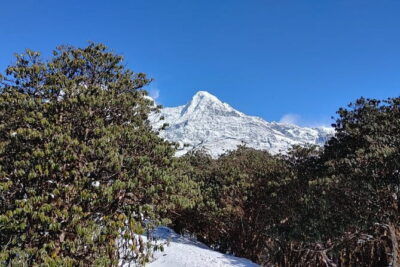 ★ 5.0Mardi Himal TrekFrom $39930 reviews
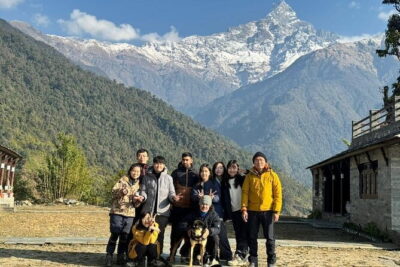 ★ 5.04 Day Mardi Himal Base Camp Trek from PokharaFrom $29018 reviews
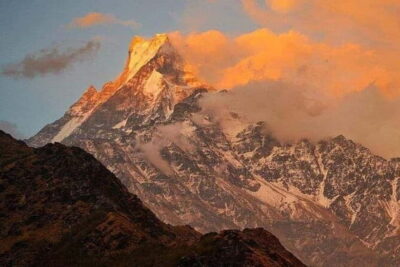 ★ 5.05-Day Mardi Himal Base Camp TrekFrom $18110 reviews
 ★ 5.04 Days Mardi Himal Base Camp Trek from PokharaFrom $2909 reviews
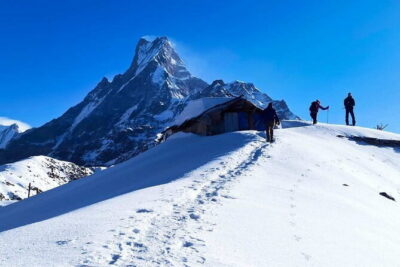 ★ 5.0Mardi Himal Base Camp Trek from Pokhara 4 DaysFrom $2708 reviews
 ★ 5.05 Day Mardi Himal Base Camp Trek in PokharaFrom $2308 reviews
Browse the lists this tour appears in