
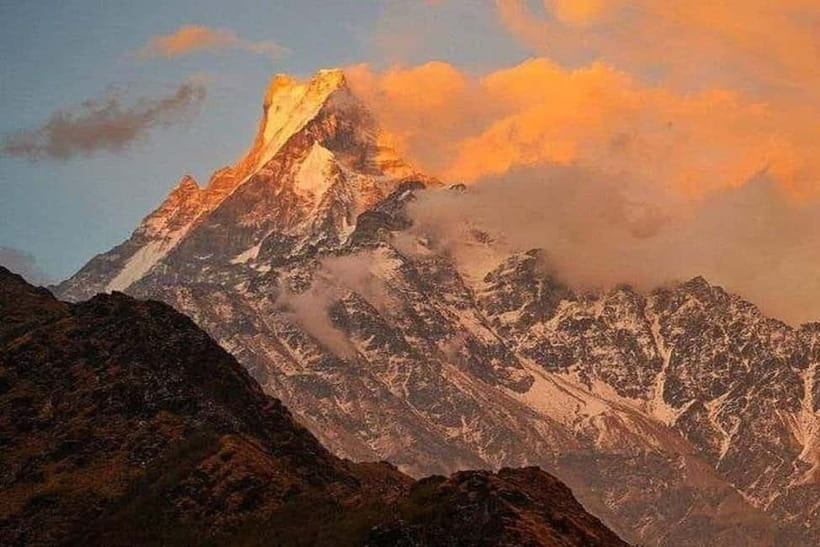
Reviewed · MARDI HIMAL BASE CAMP TREKS
From Pokhara: 5-Day Mardi Himal Base Camp Trek
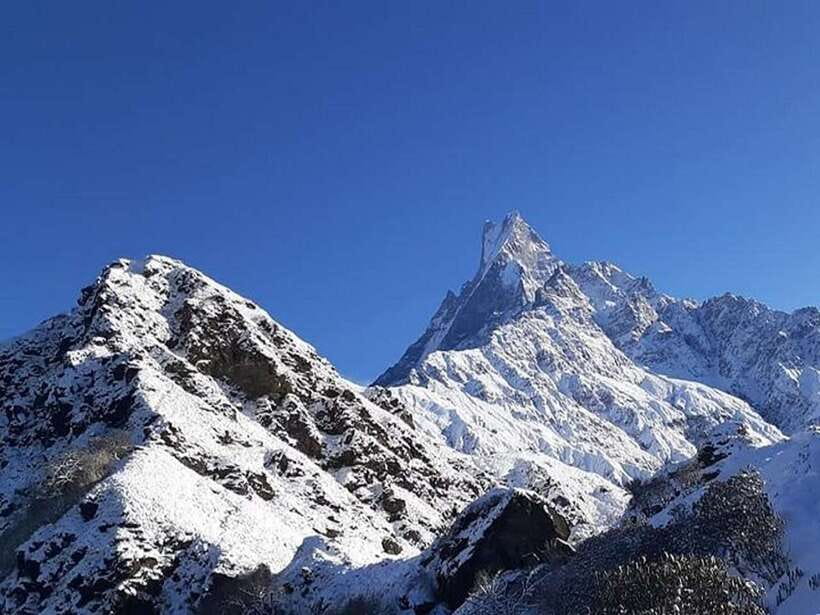
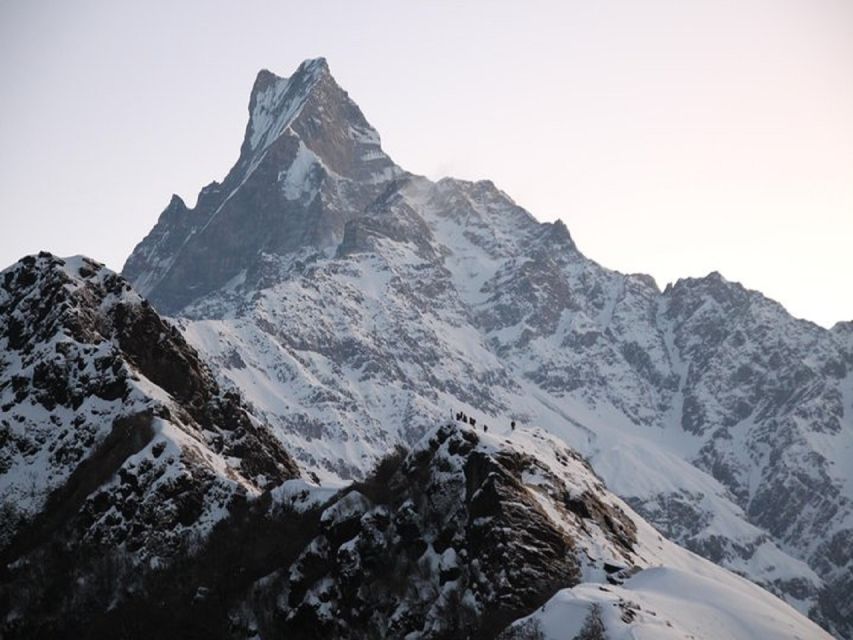
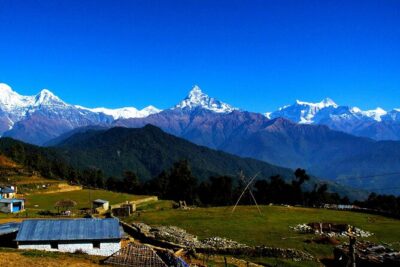
Mardi Himal feels close enough to touch. This 5-day, guide-led trek takes you from Pokhara into Nepal’s Annapurna region for nearby views of Mardi Himal and Machapuchre, with a realistic pace and plenty of time to enjoy the scenery when your body allows.
I especially like the trek’s rhododendron-forest walks early on and the way sunrise and mountain angles shape the experience on the higher days. In the hands of guides like Santosh, you also get trail knowledge and small comforts that make the long hours feel more human, not just athletic.
The main thing to consider is that this trek can be cold and physically demanding at altitude, and meal support depends on your selected option. If you hate carrying cash or you’re sensitive to cold nights, plan ahead and pack for winter-like temperatures up high.
In This Review
- Key highlights that matter on the trail
- Why Mardi Himal Base Camp feels different in just 5 days
- Day 1: Pokhara to Pitam Deurali and the rhododendron start
- Day 2: Low Camp and the steady rhythm through villages
- Day 3: High Camp and why altitude cold should be respected
- Day 4: Base Camp, sunrise, and the return to Low Camp
- Day 5: Lumre canyons, Lwang Ghalel, and the ride back to Pokhara
- Price and value: what $181 covers and where costs can appear
- The guide experience: Santosh, and why English helps more than you think
- Logistics that you should plan for before you go
- Fitness and altitude: how hard is it, really?
- Who should book this trek
- Should you book this 5-day Mardi Himal Base Camp trek?
- FAQ
- How long is the Mardi Himal Base Camp trek from Pokhara?
- Where can I get picked up in Pokhara?
- Are trekking permits included?
- Do I need to submit a passport copy?
- Are meals included?
- Is a porter available?
- Do I need travel insurance?
Key highlights that matter on the trail
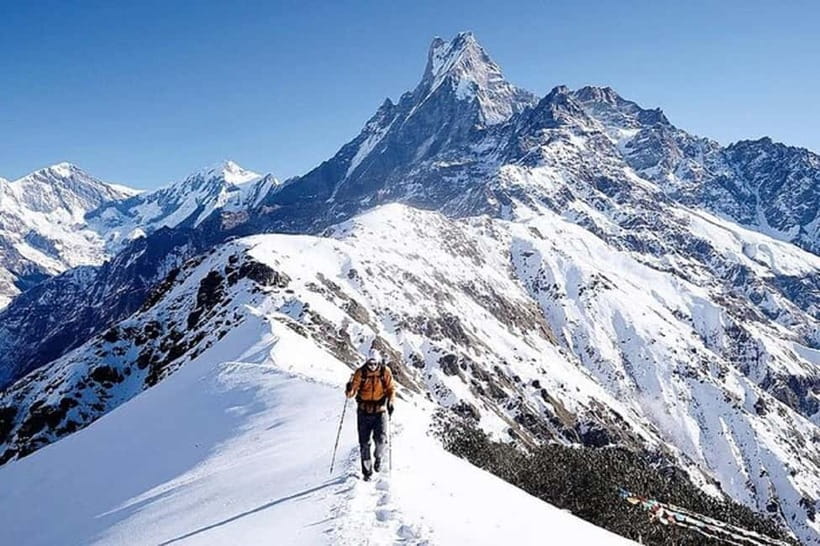
- Close-up Mardi Himal and Machapuchre views: This route gets you really near the action, not just a far-away postcard angle.
- Rhododendron forests + villages: Day 1 and 2 give you a mix of nature and local life instead of only steep climbing.
- Sunrise time at the right altitude: You get a morning payoff on the base-camp day, when visibility can be everything.
- A guide you can trust (often English-speaking): Reviews mention Santosh plus a team that helped with food, pacing, and even extra local stops when time allowed.
- Shorter final trekking blocks: The last couple of days feel less grindy, with more recovery time after lunch.
- Lumre and Lwang-area finish: You end with a canyon-and-village feel before heading back toward Pokhara.
More Mardi Himal itineraries worth comparing.
- Pokhara: 4-Day Mardi Himal Trek★ 4.9 · 59 reviews
- Private Mardi Himal Trek★ 5.0 · 42 reviews
- From Pokhara: 4-Day Mardi Himal Base Camp Trek★ 4.9 · 31 reviews
- Mardi Himal Trek★ 5.0 · 30 reviews
Why Mardi Himal Base Camp feels different in just 5 days
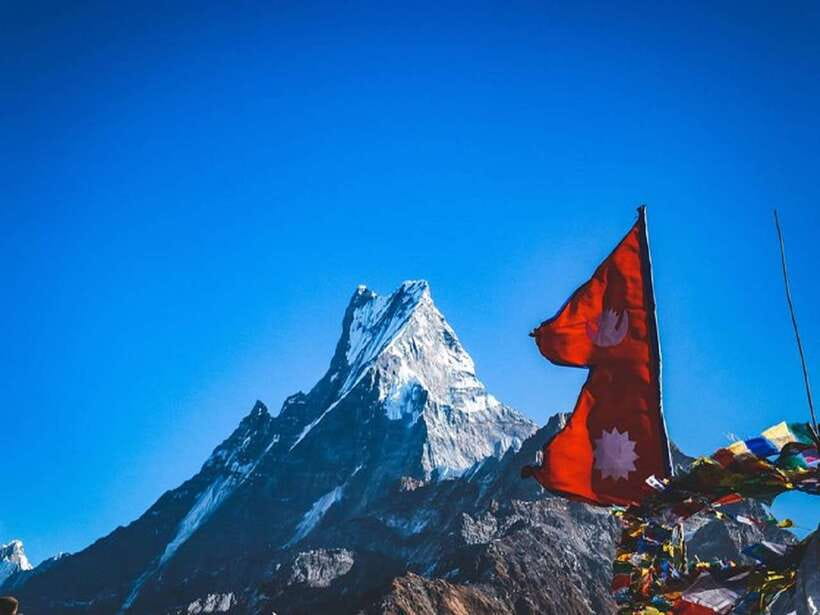
Mardi Himal is the kind of mountain route that rewards attention. You’re not only chasing elevation; you’re chasing changing perspectives—tree line, ridge angles, and that “I can see the texture of the rocks” feeling when the weather cooperates.
This 5-day version works well because the trail time is broken into manageable chunks. You’ll hike enough to feel you earned the views, but it’s not a full-on marathon. The structure also gives you a better shot at enjoying the mountains rather than counting minutes.
The vibe is also practical for real travelers: you start from Pokhara, use simple tea houses for overnight stays, and rely on a guide for safety and route decisions. If you’re newer to multi-day trekking, that guidance matters more than you expect.
Day 1: Pokhara to Pitam Deurali and the rhododendron start
Your trek begins with a scenic drive out of Pokhara, then a hiking transition through areas like Kande and stops such as Australian Camp and Pothana. The key early theme is plants and paths: you’re moving through rhododendron forest scenery and village settings, not just rock and altitude.
By the time you reach Pitam Deurali, the viewpoint and arrival rhythm help you get your bearings fast. Even if you don’t feel like a climber yet, Day 1 sets the tone: cool air, mountain mass in the distance, and a trail that’s more “walk and look” than “survive.”
One practical downside: the first day includes road travel plus hiking. If you’re the type who gets travel-queasy, take it slow on the drive and keep water handy.
Day 2: Low Camp and the steady rhythm through villages
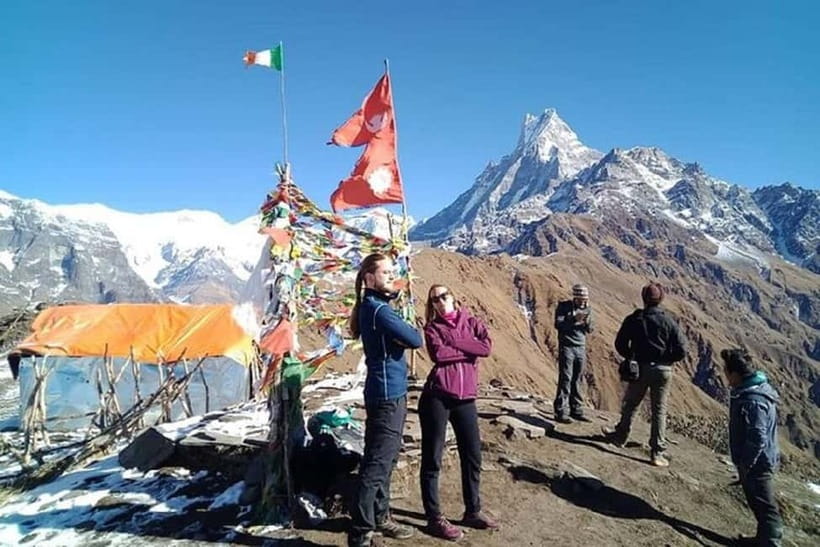
Day 2 takes you from Pitam Deurali style terrain toward Mardi Himal Low Camp, with more settlement life and continued rhododendron forest walking. This is the day where trekking feels like a routine: rise, hike, lunch break, repeat.
The value here is pacing. Low Camp is not the endpoint; it’s the “you’re really in the mountains now” stage. You get time to adjust before going higher, and you’re still surrounded by greenery and local pathways instead of only high-altitude starkness.
A small consideration: tea houses are simple. The accommodation is part of the experience, but don’t expect hotel-level comfort. Bring what you need for warmth and a good sleep setup.
Day 3: High Camp and why altitude cold should be respected
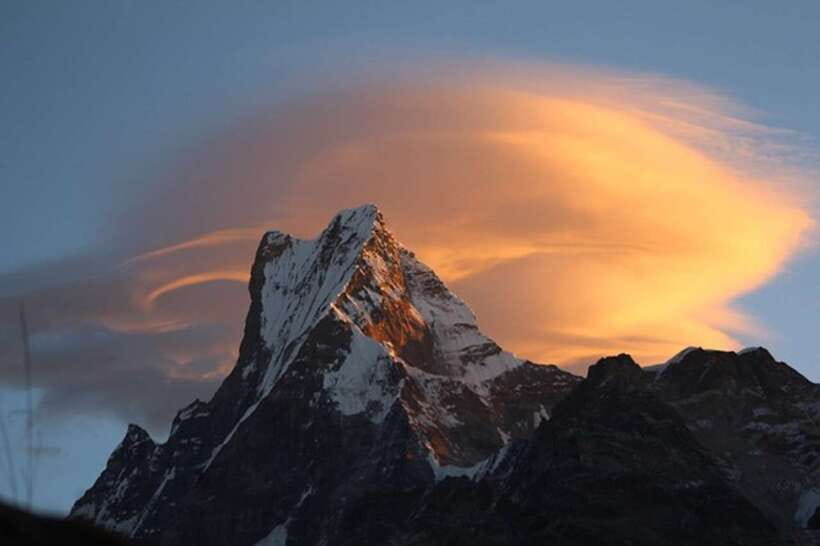
On Day 3 you climb toward Mardi Himal High Camp, with lunch along the route as you work your way higher. This day is the turning point. The air typically feels sharper, and temperatures can drop fast once you’re at elevation.
This is where good packing matters. The tour notes warn that temperatures vary significantly and can be very cold higher up. That’s not theory. It changes how long you want to sit outside, and it changes how quickly you’ll feel tired.
From a trail-experience angle, one reviewer specifically recommended hiking poles and mentioned Diamox (talk to a medical professional if you’re considering altitude meds). Even if you don’t follow that exact advice, it’s a good reminder that you should plan for altitude comfort, not just ambition.
More treks and hikes across the Annapurna region.

Day 4: Base Camp, sunrise, and the return to Low Camp
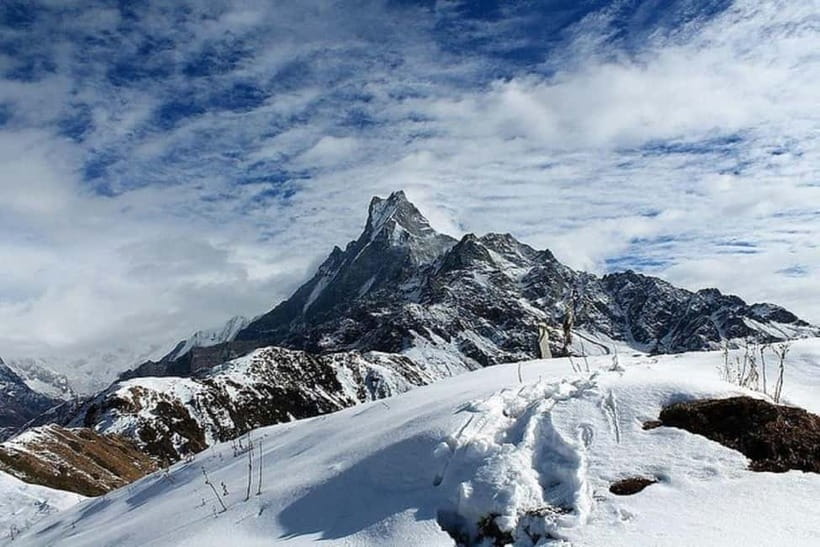
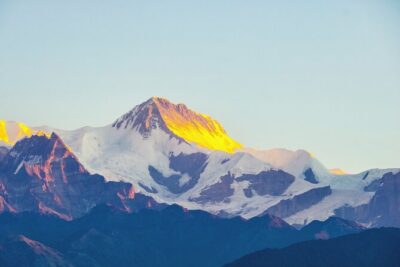
Day 4 is the day most people picture: trekking to Mardi Himal Base Camp with panoramic views of the Annapurna region, plus a sunrise moment over the mountains.
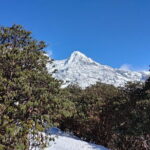
What makes this day special is the closeness. The highlights call out getting an overwhelming sense of being near Mardi Himal and Machapuchre, and that’s the payoff you remember later. When skies are clear, the mountain shapes have depth, not just height. When skies aren’t clear, you still get the big mountain feeling—just with more patience required.
After spending time at base camp, you retrace your steps back to Low Camp for the night. This is smart design. It reduces route complexity and helps you keep energy for the final descent day.
Tip that follows real-world patterns: sunrise depends on weather. If your guide calls for a morning start, go with it. Weather windows don’t ask permission.
Day 5: Lumre canyons, Lwang Ghalel, and the ride back to Pokhara
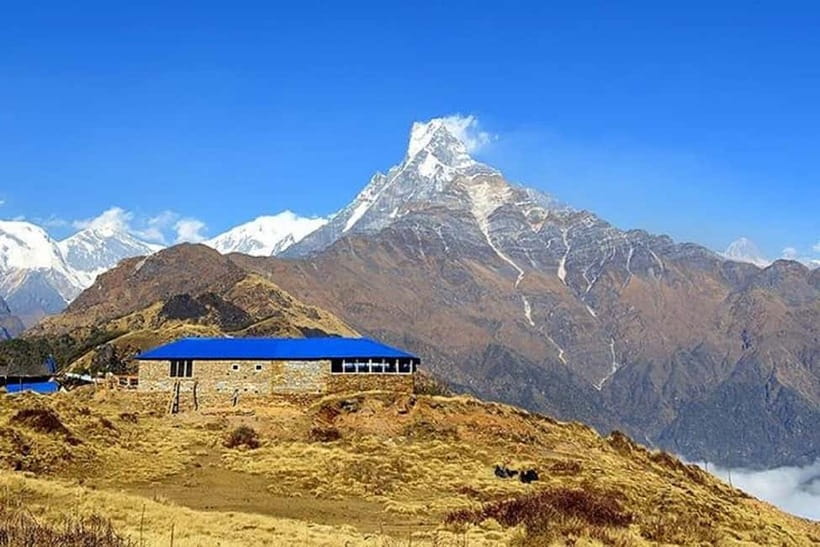
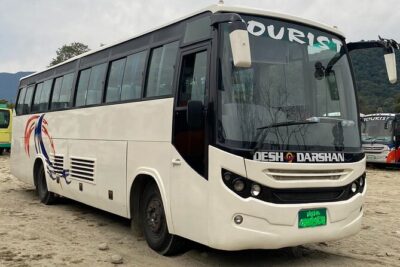
Your final day blends trekking and a downhill release. You descend to areas like Sidding for lunch, then continue toward Lumre, where your vehicle meets you and takes you back toward Pokhara.
This day is also a good time to notice how the trek changes from high altitude back into community spaces. The finish includes canyon-and-village energy rather than more big climbing.
One reviewer mentioned a bumpy road and suggested using a jeep for that final stretch. That’s exactly the kind of practical detail that can make the last hours less annoying, especially if you’re sore.
You might also get extra time if you finish early. In one shared experience, Santosh used that breathing room to head toward the Lwang area for a local volleyball tournament and a barbecue with locals. That sort of add-on only happens if timing allows, but it shows the benefit of having a guide who can read the moment.
Price and value: what $181 covers and where costs can appear
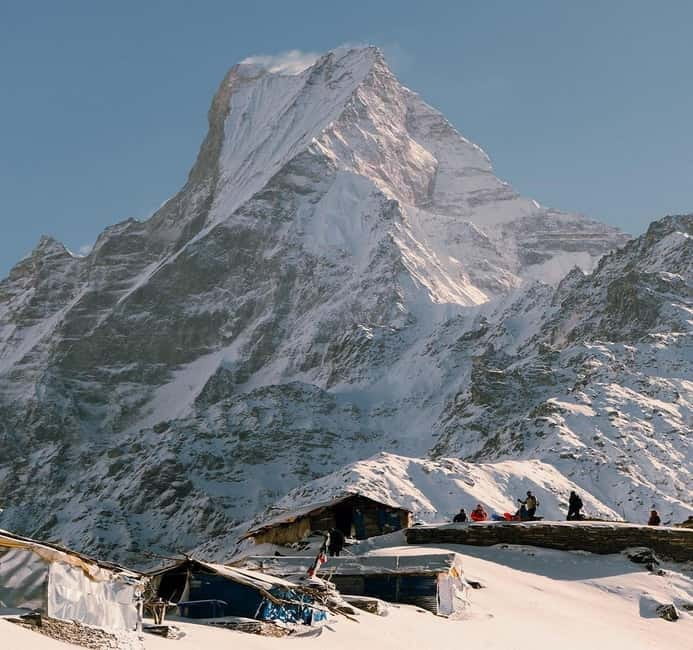
This trek is listed at $181 per person for a 5-day guided experience. At that price point, you’re not just paying for walking time. You’re paying for route support, permits, and the “how do we handle the details” layer.
Here’s what’s included in the tour data:
- Round-trip transportation between your Pokhara location and the trek starting point (and the return)
- Trekking permits and TIMS fees handled for you
- Tea house or lodge accommodation along the route
- Meals throughout the trek depending on the option selected
- An English-speaking guide (certified) and their insurance and expenses
- Luggage storage in Pokhara
- A first aid kit
- Trekking gear support such as a trekking stick / sleeping bag as needed
- Taxes
Not included:
- Meals during the trek if your option doesn’t cover them fully (you can purchase meals on the available basis)
- Personal expenses
- Optional porter hire at about $20 per day
My practical take: the value is strongest if your chosen option includes most of your meals. If it doesn’t, you’ll want to budget cash for tea-house food, snacks, and drinks. And if you don’t want to carry a day pack, consider the optional porter—especially if your legs are already tired from the climb days.
Also plan for travel insurance separately. The tour notes say it’s mandatory, and it’s one of those “small line item” decisions that prevents big stress later.
The guide experience: Santosh, and why English helps more than you think
A good guide changes the trek from a schedule into a story. Reviews consistently name Santosh as a standout, and the details show what that means in real life.
- Santosh is described as kind and helpful, speaking fluent English.
- One person noted that Santosh bought fruit for the group during the trek, which sounds small until you’re dragging yourself uphill with low energy.
- Another reviewer said they were invited for dal bhat at Santosh’s house after the trek, which is a reminder that the route can connect you to local life, not just views.
There are also examples of a father-daughter guiding team, Sun-Bahadur Nepali and Niva Nepali, who reportedly handled food and helped with backpacks and pacing. They even carried day packs downhill for some travelers, which can be a quiet lifesaver when your knees start bargaining.
If you’re going at a slower pace, the guide matters even more. One reviewer with a knee problem still finished and shared that the difficulty felt reasonable for most trekking fans—suggesting that thoughtful guidance and steady pacing can make the difference.
Logistics that you should plan for before you go
A few practical items can make this much smoother:
Passport timing for permits. You’ll need to submit a copy of your passport at least one day before the trek so the permits can be arranged through the Government of Nepal. If you travel last-minute, don’t.
Luggage storage. You can leave luggage in Pokhara for the trek. That’s helpful because the trail is about moving efficiently with what you truly need.
Group type. This is a private group, with a live guide in English, Hindi, or Nepali. Private groups often feel calmer and more flexible, especially for pace and comfort decisions.
Safety basics. The tour notes say emergency rescue services are available if required, and travel insurance is mandatory. You still want to use common sense on footing, especially on colder mornings when conditions can feel slick or stiff.
Fitness and altitude: how hard is it, really?
The tour data says it’s physically demanding for some participants and that you should be in good health with a reasonable fitness level. That’s the honest warning label.
At the same time, the trekking pattern helps. The first two days build you up. The last days include shorter trekking segments and more rest time after lunch, based on shared experiences. That doesn’t remove altitude stress, but it can prevent the “overwork” feeling that ruins a good trek.
Also, you should assume cold nights. Bring a jacket, hat, and comfortable trekking layers. Temperatures can vary a lot from day to night and with altitude.
Who should book this trek
This 5-day Mardi Himal Base Camp trek is a great fit if:
- You want close mountain views without a long multi-week schedule
- You like guided treks where permits and route decisions are handled
- You’d enjoy rhododendron forest walking and village encounters, not just ridge hiking
- You’re okay with tea-house simplicity in exchange for a real mountain experience
It may be less ideal if:
- You hate cold and you travel without proper layering
- You’re counting on all meals being included no matter what option you choose
- You want a completely self-guided experience without a certified guide
Should you book this 5-day Mardi Himal Base Camp trek?
I think you should book it if you want a smart, guided route that hits the best parts of Mardi Himal within a week. The combination of rhododendron scenery, a realistic pace, and a true base-camp/sunrise day makes it a strong value for people who want mountains without chaos.
Choose it with confidence if:
- You can handle some steep effort on the higher days
- You pack for cold nights and rough footing
- You’re ready to follow your guide’s timing on sunrise and weather calls
If cold or altitude are your biggest concerns, talk to your doctor early, pack extra warmth, and consider whether you’ll be happier on a less demanding itinerary. But for most people with reasonable fitness, this trek is exactly the kind of Annapurna-area experience that leaves you with memories bigger than the photos.
FAQ
How long is the Mardi Himal Base Camp trek from Pokhara?
The trek is listed as 5 days.
Where can I get picked up in Pokhara?
Pickup options include Pokhara Lakeside, Pokhara International Airport (PIA), and Lakeside Rd 6.
Are trekking permits included?
Yes. The tour data says required permits, necessary paperwork, and TIMS fees are included.
Do I need to submit a passport copy?
Yes. You should submit a copy of your passport at least one day before the trek so permits can be arranged.
Are meals included?
Meals are included depending on the option selected. The tour notes also say that not all meals are included and you may need to purchase some meals.
Is a porter available?
Yes, a porter can be hired optionally for about $20 per day.
Do I need travel insurance?
Yes. The tour notes say travel insurance is mandatory for your safety and peace of mind.
More Treks in the Annapurnas
Also Reviewed Around Pokhara

More Mardi Himal Treks

Newer Pokhara reviews to browse before you decide
Mardi Himal Base Camp Treks, compared.
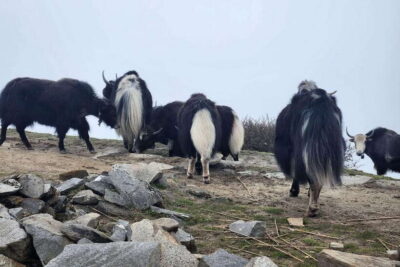 ★ 4.94-Day Mardi Himal TrekFrom $13959 reviews
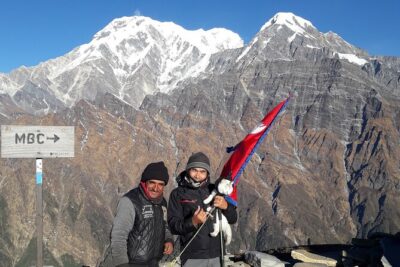 ★ 5.0Private Mardi Himal TrekFrom $39942 reviews
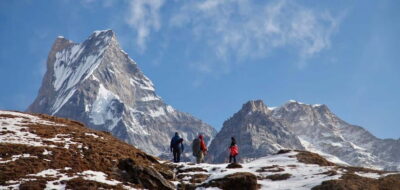 ★ 4.94-Day Mardi Himal Base Camp TrekFrom $13831 reviews
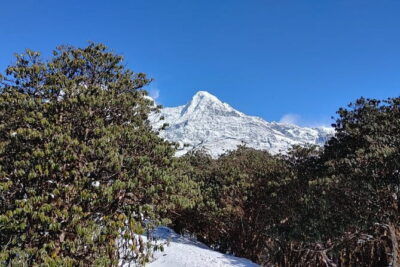 ★ 5.0Mardi Himal TrekFrom $39930 reviews
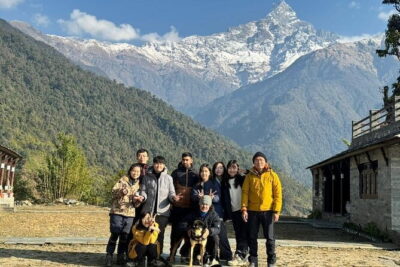 ★ 5.04 Day Mardi Himal Base Camp Trek from PokharaFrom $29018 reviews
 ★ 5.04 Days Mardi Himal Base Camp Trek from PokharaFrom $2909 reviews
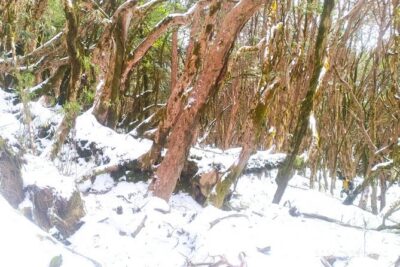 ★ 5.05 Day Mardi Himal Base Camp Trek in PokharaFrom $2308 reviews
★ 5.04 Days Mardi Himal Base Camp Trek from PokharaFrom $2998 reviews
★ 5.05 Day Mardi Himal Base Camp Trek in PokharaFrom $2308 reviews
★ 5.04 Days Mardi Himal Base Camp Trek from PokharaFrom $2998 reviews
Browse the lists this tour appears in