
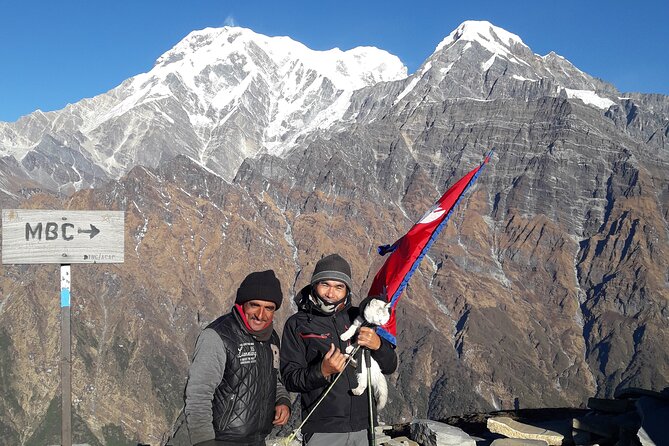
Reviewed · MARDI HIMAL BASE CAMP TREKS
Private Mardi Himal Trek
Mardi Himal rewards patience. This private trek in the Annapurna region mixes classic mountain views with a calmer feel, plus the added comfort of a dedicated guide (the tour description is built around an expert female leader) and a supportive team. You also get a practical route through forests and ridge viewpoints, with lodge nights along the way.
I love the private-group setup: you’re not stuck matching someone else’s pace, and you get help with the small logistics that make trekking easier. I also love the included cold-weather gear, including a sleeping bag for minus-25 degrees plus micro spikes and trekking poles, so you’re not scrambling for the basics at the last minute.
One thing to consider: the itinerary climbs to 3700m at High Camp and includes a cold-weather kit, so you’ll want solid baseline fitness and a mindset for chilly mornings. It’s not hard-core technical climbing, but the altitude and timing still demand respect.
In This Review
- Key things I’d bet on before you go
- Mardi Himal is the Annapurna “yes” trek for people who want less noise
- Price and Logistics: $399 makes sense only if you use what’s included
- The 11:45 pm start time: plan for a late-night ramp-up
- Day 1: Kande to Deurali through forest shade and first Annapurna peeks
- Day 2: Forest Camp lunch, then Low Camp with panoramic stretches
- Day 3: Low Camp to High Camp (3700m) and Machhapuchhre’s big moment
- Day 4: Base Camp hike or shorter viewpoint, then down to Badal Danda
- Day 5: Badal Danda to Siding Village, plus an optional extra hiking day
- Who’s driving the experience: private guide support and porter load sharing
- The included gear you’ll actually notice on the trail
- Meals, lodges, and what your days feel like in practice
- Altitude and fitness: moderate fitness is the right label
- Small costs that can add up: water, tips, and personal insurance
- What I’d call the strongest parts of this private Mardi Himal plan
- Should you book this Private Mardi Himal Trek?
- FAQ
- How long is the Private Mardi Himal Trek?
- Where does the trek start and how do you get to the trailhead?
- Do you get pickup included?
- What permits are included?
- Are guides and porters included?
- What trekking gear is included?
- Is cancellation free?
Key things I’d bet on before you go
- Private pace control: one guide for your group, designed to match trekking rhythm.
- Cold-weather protection included: sleeping bag rated to minus-25 degrees, plus micro spikes and poles.
- Permits and paperwork handled: ACAP and TIMS included, with local tax work covered.
- Teammates who help in real time: porters share load support (one porter for every two trekkers).
- Big views without the longest trek: Machhapuchhre and Annapurna South show up near High Camp.
- Optional extension day: if you want more hiking time, you can add Siding to Lwang via Ghalel.
More Mardi Himal itineraries worth comparing.
- Pokhara: 4-Day Mardi Himal Trek★ 4.9 · 59 reviews
- Private Mardi Himal Trek★ 5.0 · 42 reviews
- From Pokhara: 4-Day Mardi Himal Base Camp Trek★ 4.9 · 31 reviews
- Mardi Himal Trek★ 5.0 · 30 reviews
Mardi Himal is the Annapurna “yes” trek for people who want less noise
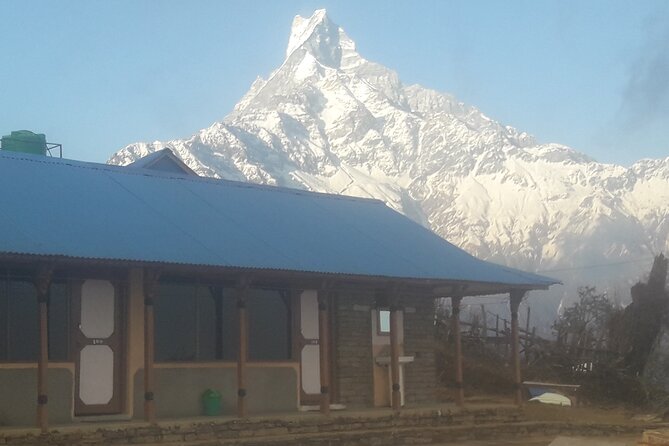
The Mardi Himal Trek is one of those routes that earns its reputation without needing hype. You get Himalayan drama—Machhapuchhre’s signature silhouette is the headline—but the experience stays grounded in villages, forests, and lodge life.
The way this trek is packaged also matters. It’s private, and the guide setup (including the tour’s emphasis on an expert female leader) is built around comfort, clarity, and support. In plain terms, you should feel looked after while still getting your own time on the trail.
Price and Logistics: $399 makes sense only if you use what’s included
At $399 for about 5 days, this is priced like a guided trek where the essentials are covered, not like a bare-bones DIY plan. The biggest value pieces are the permits and the gear. You’re not only paying for someone to walk beside you—you’re also paying for ACAP permit and TIMS card handling, plus cold-weather trekking basics.
What’s included stands out in a way that affects your daily comfort:
- Sleeping bag rated for nights down to minus-25 degrees
- Micro spikes for traction on icy or slippery sections
- Trekking poles
- Kitbag for storing your belongings
And yes, you’re also getting a practical transport plan: a private car or van takes you from Pokhara to Kande, and you return via a shared jeep from Siding Village to Pokhara. Those details save time and reduce the stress of arranging transport yourself.
A small realism check: the tour price doesn’t cover drinks, personal insurance, or tips. Water can also be pricey on the trail, so I’d plan on buying some essentials locally rather than assuming every stop has cheap options.
The 11:45 pm start time: plan for a late-night ramp-up
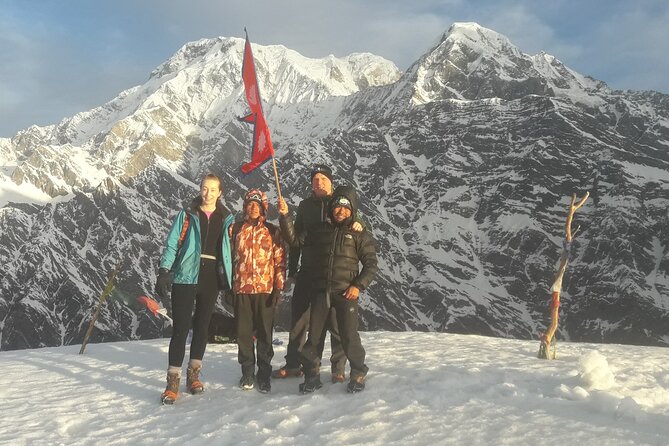
Your scheduled start time is 11:45 pm. That usually means you’re coordinating with the trekking company and driver late in the evening so the group can move toward the trailhead in time for the first hiking day.
I like this kind of timing because it helps the trek start early the next day, but it also means you should treat the first day like a travel day. Pack smart for that night: keep your warm layers accessible, and make sure you can sleep even if the pickup is earlier than you’d prefer.
Day 1: Kande to Deurali through forest shade and first Annapurna peeks
Day 1 begins with a drive from Pokhara to Kande (about 1–1.5 hours), then you start trekking from Kande toward Deurali. The trail runs through lush forest sections, which is great because it gives you variety right away: cooler shade at first, then open viewpoints as the day builds.
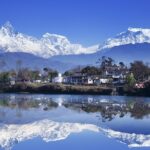
Along the way, you get glimpses of peaks such as Annapurna South and Hiunchuli. Those early views matter because they set expectations for what’s coming—this is not just a “walk and hope” trek. It’s paced so the scenery shows up steadily.
You’ll overnight in Deurali at a lodge. That’s a key comfort factor on a short trek like this: you’re not carrying a heavy backpack for every meal and night. Your day is about moving and acclimating without burning too many matches.
More private, guide-led trips in Pokhara.
Day 2: Forest Camp lunch, then Low Camp with panoramic stretches
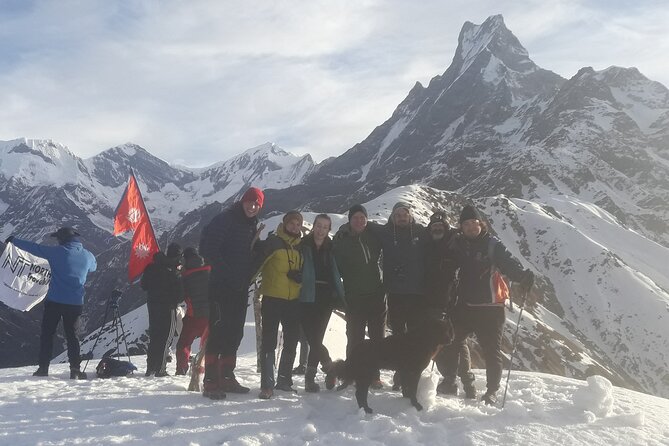
On Day 2, after about 4 hours of trekking, you reach Forest Camp (2600m) for lunch. I like the structure here. A mid-day stop at a defined elevation gives you a clear goal, and it’s easier to manage energy than when lunch is vague or random.
After lunch, you continue to Low Camp, taking a total of around 6 hours from Pothana. The route is described as offering panoramic views along the way, and those ridgeline sightings are where Mardi Himal starts feeling special. You’re building toward the higher camps, and the sky gets wider.
Overnight is at a lodge in Low Camp. This matters because your sleep will shape how you feel the next morning. If you’ve got the included sleeping bag, you’ll have a much better chance of staying comfortable through colder lodge nights.
Day 3: Low Camp to High Camp (3700m) and Machhapuchhre’s big moment
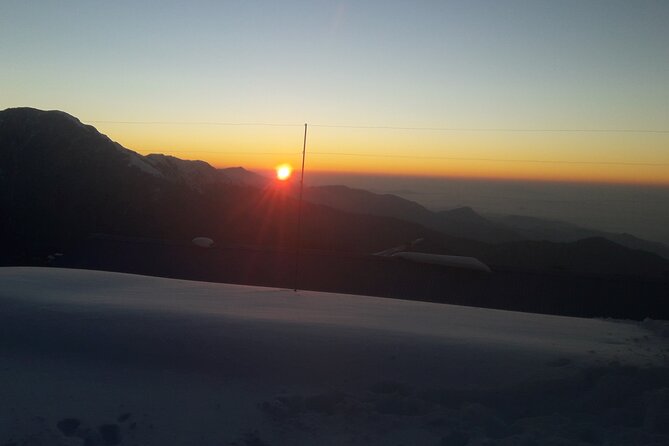
Day 3 climbs from Low Camp to High Camp (3700m) in about 4 hours. This day is one of the “main event” shifts because you’re gaining altitude quickly enough that the air starts to feel different.
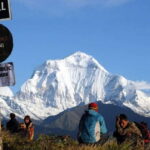
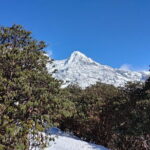
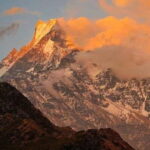
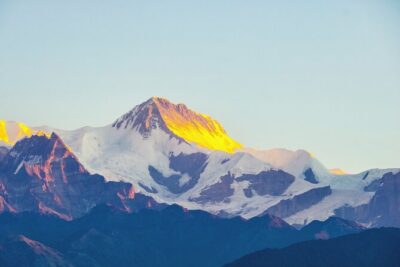
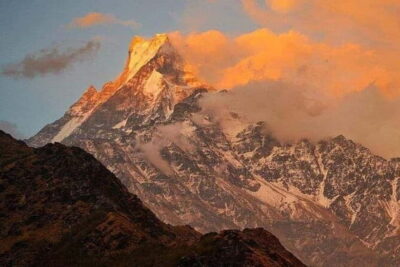
From High Camp, the views are the payoff: Machhapuchhre and Annapurna South are specifically highlighted. Machhapuchhre’s look is unlike many other peaks in the region, and seeing it from this angle is why people choose Mardi Himal in the first place.
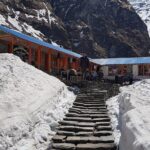
You’ll spend the night at a lodge in High Camp. This is where the cold-weather kit earns its keep. If you’re trekking in colder seasons or even shoulder seasons with chilly nights, having micro spikes and the right sleep gear makes your camp experience less stressful.
Day 4: Base Camp hike or shorter viewpoint, then down to Badal Danda
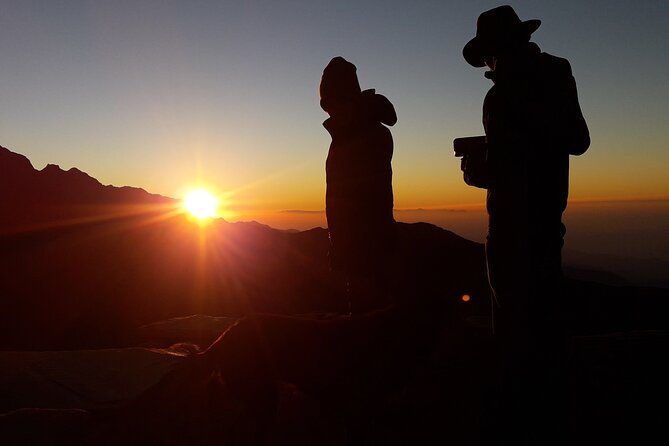
Day 4 is a flexible day, which I really appreciate. You’ll hike from High Camp to Mardi Himal Base Camp for about 4–5 hours round trip. If you’d rather avoid the full out-and-back, there’s a shorter option to a viewpoint halfway.
Flexibility matters because people don’t all feel the same at altitude. If your body says yes, you push to the base camp. If it says not today, you still get a strong view and you still finish the day.
After returning to High Camp, you descend to Badal Danda (3210m) for your overnight lodge stay. That descent is important. It breaks the hardest rhythm of the trek and helps you transition into your exit day without feeling wrecked.
Day 5: Badal Danda to Siding Village, plus an optional extra hiking day
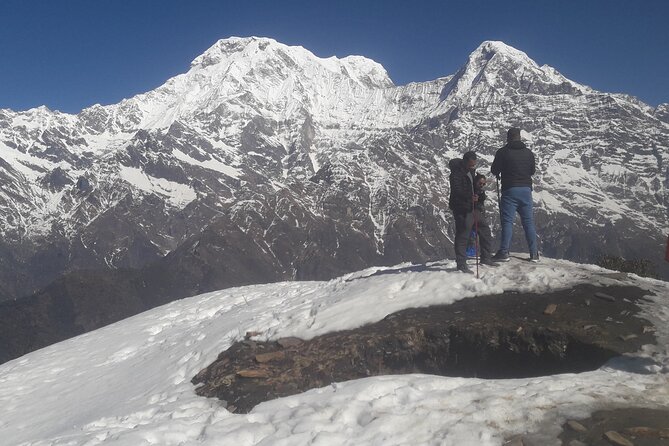
Day 5 starts with a 5-hour trek from Badal Danda to Siding Village, then a drive back to Pokhara. This is a good way to end: you still get a final walking stretch, then you get out and into real food and rest.
If you want more time on trails, you can extend by one day. The optional plan is from Siding to Lwang via Ghalel, taking about 5–6 hours, and then you return to Pokhara.
I like this option for two reasons. First, it lets you tailor the trek to how you feel at the end. Second, it turns the exit from a simple “go back and forget it” routine into a more satisfying finale.
Who’s driving the experience: private guide support and porter load sharing
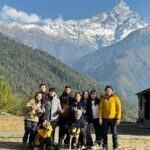
This trek is private, so your group participates together. That changes the feel immediately. You can ask questions without waiting for someone else, and your guide can adjust pace or pacing reminders based on how the day is going.
Your guide is described as fluent in English, government-registered, experienced, and first aid trained. That’s the kind of detail that matters in the real world when weather shifts or someone feels off.
The porter system is also thoughtfully set: one porter for every two trekkers. That means you’re not stuck with every pound on your back, especially on a cold-weather trek where you’ll likely carry extra layers.
From past experiences tied to this operator, I’ve seen real examples of this support showing up through guide names like Saugat Tamang, Bhim, Yakub, Jakub, and porters such as Tashi Tamang, Menjom, Kazoo, Manjung, Gobinda, and Sabin. The consistent theme is caring, punctual arrival, and pacing that respects your trekking rhythm.
The included gear you’ll actually notice on the trail
A lot of treks say you’ll have gear. This one tells you what it gives you, and that’s helpful.
You get:
- Micro spikes (traction for icy or slippery sections)
- Trekking poles (stability on descents and fatigue reduction)
- Sleeping bag rated to minus-25 degrees
- Kitbag for storing belongings
- Certificate of appreciation after a successful trek
Even if you personally don’t sweat cold easily, trekking in the higher elevations can turn into a “chill everything” situation fast—especially early mornings and after sunset. The sleeping bag rating is one of the strongest value signals in the whole package.
If you want to pack lightly, this matters even more. You can plan your clothing around staying warm without overbuying gear in Pokhara.
Meals, lodges, and what your days feel like in practice
You’ll have breakfasts (4), dinners (4), and lunches (5) included, plus clean lodge accommodations along the route. Since this is a short trek, meal planning is a big part of the experience. It keeps you from worrying about finding food options at the wrong time.
Lodge nights also mean you’re not running a campsite setup. That’s a real win on a trek like this where you want the mountain part to be the main work, not logistics.
If you’re the type who likes knowing what’s coming, lodge-to-lodge days create predictable rhythms: hike in the morning, lunch at a planned camp, then arrive for the evening routine. It’s also a good setup for taking photos without rushing every moment.
Altitude and fitness: moderate fitness is the right label
The route reaches High Camp at 3700m and drops afterward to Badal Danda at 3210m. That’s enough altitude to take it seriously, but it’s not presented as a technical climb.
The tour says you should have moderate physical fitness. For you, that means you should be comfortable hiking for several hours with elevation gain, and you should be okay moving at a slower pace than on flat ground.
A practical approach: plan to walk steady, drink water when you can, and use trekking poles early rather than after your legs complain. The trek’s design already includes breaks and lodge nights to help you stay on track.
Small costs that can add up: water, tips, and personal insurance
Two categories show up as common “budget surprises” on treks, and you should handle them up front.
First, drinks are not included. That includes water if you plan to buy it along the way. One practical tip from trek-style experience with this route: water can be expensive at points, so consider carrying a refill method or budgeting for purchases rather than assuming every stop is cheap.
Second, tips for guide and porter aren’t included. Even if your trek experience is well-priced, tipping is usually expected in Nepal trekking culture, and it’s on you to decide the amount.
Also, personal insurance isn’t included. Make sure your policy covers trekking at the elevations you’ll reach.
What I’d call the strongest parts of this private Mardi Himal plan
Here are the parts that get praised most consistently, and they line up with what matters when you’re choosing a trek:
Guide care and pacing. People repeatedly highlight guides adjusting to pace and keeping things calm and organized. Names like Bhim, Yakub, Jakub, and Saugat Tamang show up in this operator’s guide team, and the common thread is friendly professionalism.
Porter support that doesn’t feel like baggage. Porters like Menjom, Kazoo, Manjung, Tashi Tamang, Gobinda, and Sabin come across as helpful with the everyday stuff that adds up: handling items, keeping tasks simple, and being consistently present.
Views that feel earned, not staged. High Camp is the key viewpoint zone, with Machhapuchhre and Annapurna South specifically mentioned. You earn those views with a route that keeps you moving.
Cold-weather readiness. The sleeping bag rating plus micro spikes isn’t a small detail. It’s the difference between coping and struggling if conditions turn chilly.
Should you book this Private Mardi Himal Trek?
Book it if you want a short trek that still feels like real Annapurna country, and you like the comfort of a private guide and porter load sharing. The included gear and permits are also a strong reason to choose this package over a DIY approach.
Don’t book it if you’re chasing a warm-weather stroll with no altitude concern, or if you hate early coordination since the start time is listed as 11:45 pm. Also check your mindset: this is about hiking and lodges, not about luxury.
If you’re somewhere in the middle—moderately fit, open to chilly nights, and excited by Machhapuchhre views—this looks like a very practical way to do Mardi Himal.
FAQ
How long is the Private Mardi Himal Trek?
The trek runs for about 5 days.
Where does the trek start and how do you get to the trailhead?
You’ll be in Pokhara, then a private car or van takes you from Pokhara to Kande for the start of the trek.
Do you get pickup included?
Yes. Pickup/transfer is included as a private car or van from Pokhara to Kande.
What permits are included?
The trek includes an ACAP permit and a TIMS card.
Are guides and porters included?
Yes. The tour includes a fluent English-speaking, government-registered guide who is first aid trained, and there is a porter for every two trekkers.
What trekking gear is included?
You’ll receive a sleeping bag (rated for minus-25 degrees), micro spikes, and trekking poles, plus a kitbag for your belongings.
Is cancellation free?
Free cancellation is available up to 24 hours before the experience start time for a full refund.
If you want, tell me what month you’re going and your hiking background (hours per day you’re comfortable with). I can help you gauge whether you should choose the full Mardi Himal Base Camp hike or the shorter viewpoint option on Day 4.
More Private Trips
Also Reviewed Around Pokhara

More Mardi Himal Treks

Newer Pokhara reviews to browse before you decide
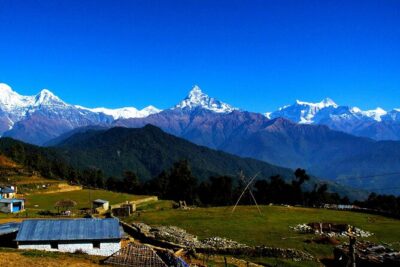
Mardi Himal Base Camp Treks, compared.
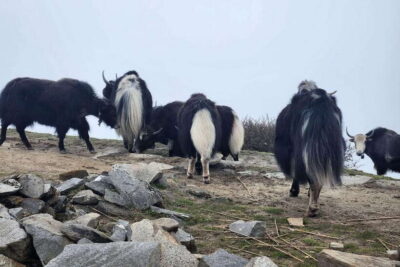 ★ 4.94-Day Mardi Himal TrekFrom $13959 reviews
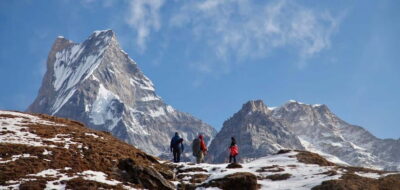 ★ 4.94-Day Mardi Himal Base Camp TrekFrom $13831 reviews
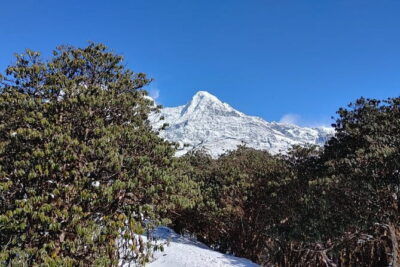 ★ 5.0Mardi Himal TrekFrom $39930 reviews
 ★ 5.04 Day Mardi Himal Base Camp Trek from PokharaFrom $29018 reviews
 ★ 5.05-Day Mardi Himal Base Camp TrekFrom $18110 reviews
 ★ 5.04 Days Mardi Himal Base Camp Trek from PokharaFrom $2909 reviews
 ★ 5.05 Day Mardi Himal Base Camp Trek in PokharaFrom $2308 reviews
★ 5.04 Days Mardi Himal Base Camp Trek from PokharaFrom $2998 reviews
★ 5.05 Day Mardi Himal Base Camp Trek in PokharaFrom $2308 reviews
★ 5.04 Days Mardi Himal Base Camp Trek from PokharaFrom $2998 reviews
Browse the lists this tour appears in