
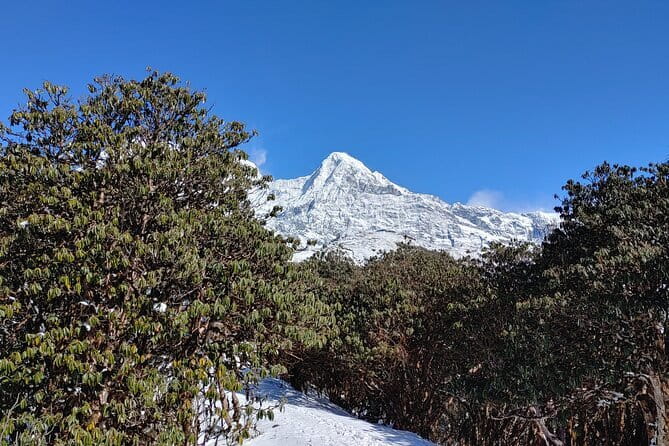
Reviewed · MARDI HIMAL BASE CAMP TREKS
Mardi Himal Trek
Short trek, big mountain payoff.
This Mardi Himal Trek runs about 5 days from Pokhara, with the Annapurna range as your constant backdrop and a route that takes you through forest to high camp days. I also really like how the trip is run as a private experience with licensed guidance, so you get help staying on track instead of just getting dropped on a trail.
The other big win for me is the all-in rhythm of the days: you get planned hiking time, meals during the trek (5 breakfasts, 4 lunches, 4 dinners), and even seasonal fruit after dinner. One thing to keep in mind: this is still a mountain trek, so you need moderate physical fitness, and you should expect weather to affect what you get on the day (and sometimes the schedule).
In This Review
- Key highlights I’d bet on
- Why Mardi Himal Works for a 5-Day Window Near Pokhara
- Meeting at Lakeside Pokhara and the 10:45 Start
- Day 1: Dhampus to Your First Camp Day (Getting Acclimated the Smart Way)
- Day 2: Lwang Ghalel, Low Camp Views, and the Climb to High Camp
- Day 3: Mardi Himal Day With a Real Choice (Base Camp vs View Point)
- Day 4: Landruk Descent and Slower Village Life With Annapurna South
- Day 5: Landruk to Siwai, Ending Back in Pokhara
- What $399 Really Covers on This Trek (and What It Does Not)
- Included on the trek
- Not included (plan these yourself)
- Guide and Porter Support: The Quiet Reason Trips Feel Easy
- Fitness Level and Weather: When This Trek Feels Just Right
- Should You Book This Mardi Himal Trek?
- FAQ
- Where does the Mardi Himal Trek start and end?
- What time does the trek start?
- How long is the Mardi Himal Trek?
- Is this a private trek?
- What’s included in the trek meals?
- Do I need to bring my own trekking equipment?
- Is there porter support?
- Are battery charges, laundry, phone calls, or showers included?
- What if weather is bad or I need to cancel?
Key highlights I’d bet on
- Private trek for your group with a dedicated guide
- 2 guests = 1 porter, so you are not dragging everything alone
- Camp-to-camp progress from Dhampus area through Lwang Ghalel and onward
- View-focused Day 3 with a choice between Mardi Himal base camp and viewpoint
- Meals included every trekking day plus seasonal fruit after dinner
- Private vehicle transfer from Pokhara starting at Lakeside
More Mardi Himal itineraries worth comparing.
- Pokhara: 4-Day Mardi Himal Trek★ 4.9 · 59 reviews
- Private Mardi Himal Trek★ 5.0 · 42 reviews
- From Pokhara: 4-Day Mardi Himal Base Camp Trek★ 4.9 · 31 reviews
- Mardi Himal Trek★ 5.0 · 30 reviews
Why Mardi Himal Works for a 5-Day Window Near Pokhara
If you want Himalayan views without spending weeks on the trail, Mardi Himal is one of the best-fit options around Pokhara. The trek is short enough to feel doable, but the scenery still trends toward real mountains, including big-name landmarks tied to the Annapurna region.
I like the way the itinerary builds in pacing. You start from Dhampus, hike up through camp areas (with Low Camp and High Camp mentioned clearly), and then use Day 3 as your main view day. That structure matters because it keeps the days from turning into one nonstop grind.
Another practical upside: you can keep this trip grounded in one base town. Your start and end are both at Lakeside Pokhara, and the trek returns you back to your hotel. That cuts down the stress of multi-city travel before and after hiking.
Meeting at Lakeside Pokhara and the 10:45 Start
Your pickup and meeting point is Lakeside Pokhara 33700, Nepal. The start time is listed as 10:45 am, and the end is back at the same Lakeside area.
This timing matters. You are not waking up before dawn to reach a trailhead, and you still get a full day to hike. It also makes it easier to arrange your Pokhara hotel stay, because you can plan for one reliable pickup window and one predictable return.
You’ll also be on a private tour/activity format, meaning only your group participates. In plain terms: you are less likely to feel squeezed into other people’s schedules while you’re trying to enjoy the trail and manage your own pace.
Day 1: Dhampus to Your First Camp Day (Getting Acclimated the Smart Way)
Day 1 starts with a drive from Pokhara to Dhampus, about a one-hour ride, then you begin trekking. The itinerary marks this as roughly a 7-hour day, and it’s your entry point into the Mardi Himal area.
What I’d watch for on this day is not just effort, but temperature swings. Early on the hike, it often feels easier than the climbing later. The best approach is to use Day 1 to settle into hiking rhythm, not to race for altitude gains.
Since the next day starts at Forest Camp (explicitly stated for Day 2), Day 1 is essentially your setup day. You’ll be aiming to reach the camp where the higher climb starts. Keeping your load sensible here pays off later when the uphill starts to feel steeper.
Day 2: Lwang Ghalel, Low Camp Views, and the Climb to High Camp
Day 2 is the first big “upshift.” The route is described as trekking from Forest Camp to High Camp, and it includes a stop at Low Camp for views.
This is one of those details that changes how you experience the day. Low Camp isn’t just a waypoint. It’s your chance to pause and take in the scenery while the legs are still fresh enough to enjoy it.
The itinerary gives Day 2 as about 7 hours, so you should expect a full hiking stretch rather than a short scenic stroll. What you’ll probably feel is a gradual shift from calmer walking to sustained climbing. If you go into this day with patience, High Camp feels more like a goal than a punishment.
For altitude comfort, the “stop at Low Camp” structure helps. You get at least one real break before the push to High Camp, and that makes it easier to manage breath and pace.
More treks and hikes across the Annapurna region.


Day 3: Mardi Himal Day With a Real Choice (Base Camp vs View Point)
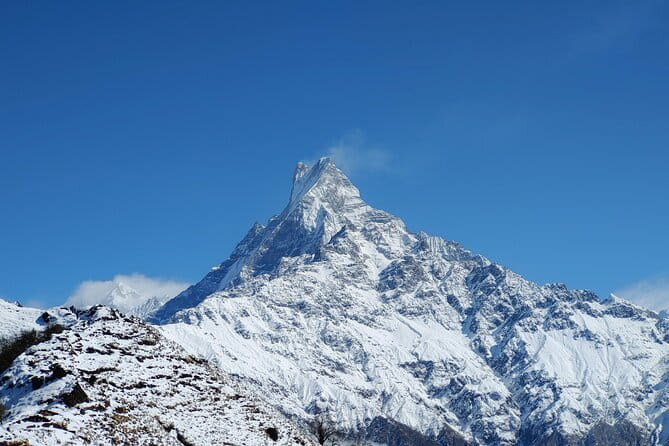
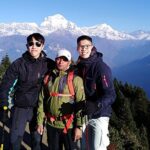
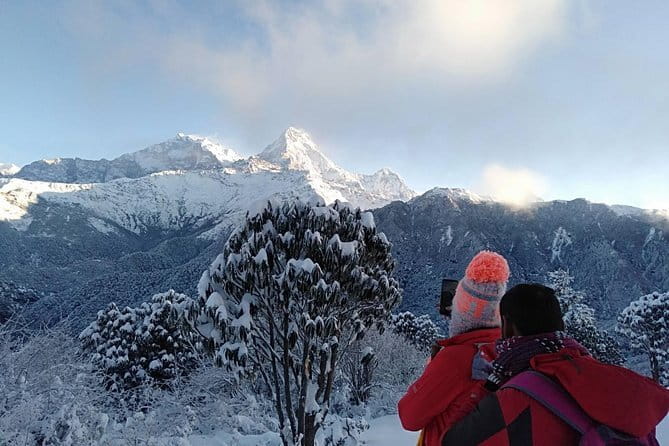
Day 3 is your headline day. You hike to either Mardi Himal Base Camp or Mardi Himal View Point, depending on preference. Along the way, you’ll get views of Fishtail, Annapurna, and Hiunchuli, and the viewpoint or base camp is where that payoff lands.
This is the most valuable feature of the whole trek: you can match the day to your energy and your goals. Want the most “arrived” feeling and a deeper sense of place? Base Camp can be the better fit. Want dramatic panoramas with potentially less commitment? View Point is built for that.
Either way, you’re hiking in the direction of close-up feeling mountains. The trek is close to the Annapurna range, so the names on the route aren’t random. You’re literally using the day to aim for where those peaks show up best.
This is also the day where you should stay flexible if the weather changes. The trek requires good weather (that’s stated for the experience generally), and cloud cover can shift what you can actually see. If conditions aren’t ideal, your guide will still help you make the best call between base camp and viewpoint options.
Day 4: Landruk Descent and Slower Village Life With Annapurna South
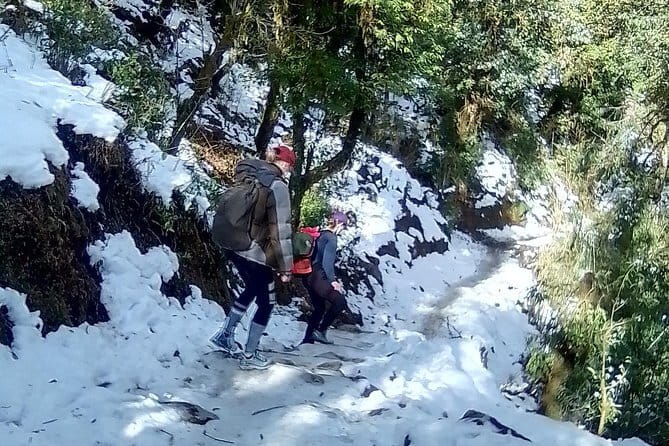
Day 4 is a change of pace. You descend to Landruk, described as a picturesque mountain village where you can see local houses, farmlands, and everyday lifestyle.
This is not a throwaway day. Treks that include a village stop give you a mental reset. After two or three days of uphill effort and camp routines, walking into a place where people live in the hills helps the whole trip feel more human.
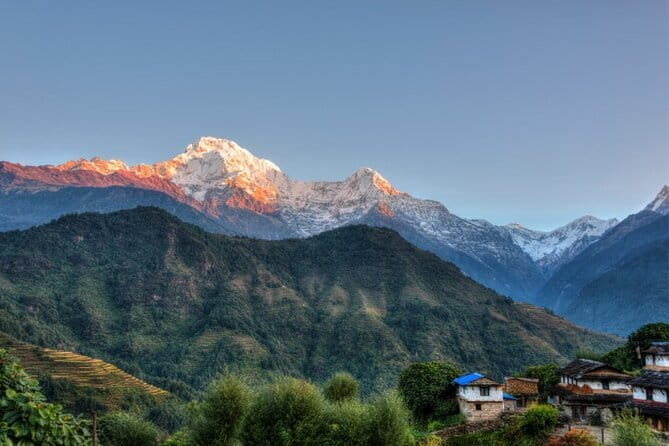
Landruk also comes with a clear view angle: you can enjoy Annapurna South and Hiunchuli from the area. That means Day 4 isn’t just walking downhill for the sake of it. You’re still earning the scenery while transitioning toward the trek’s end.
The itinerary gives Day 4 as about 7 hours, so plan for a long day but with downhill energy and village moments breaking it up. If you’re prone to sore knees, this is the day to take descent carefully rather than quickly.
Day 5: Landruk to Siwai, Ending Back in Pokhara
Your final trekking day is short: a 1.5-hour trek from Landruk to Siwai, and then you finish the trek from there.
That shorter Day 5 is a gift if you’ve got stiff legs from the descent days. You get closure without a final long push, and it makes it easier to travel onward after the trek ends.
Also, the trek ends back in Pokhara. Your meeting point and return point are both listed as Lakeside Pokhara, and the itinerary notes that your trek ends in your hotel in Pokhara. That matters because it means you’re not stuck trying to arrange transport right after hiking.
What $399 Really Covers on This Trek (and What It Does Not)
The price is listed as $399, and the value is in what you don’t have to organize. Included items cover a lot of the moving pieces that can turn trekking planning into stress.
Included on the trek
- A government licensed holder and an experienced guide
- Private transportation
- All fees and taxes
- 2 guest = 1 porter (so you get porter support)
- Meals during trekking: 5 breakfasts, 4 lunches, 4 dinners
- Double occupancy accommodation during trekking
- Seasonal fruits after dinner every trekking day
When I see “meals during the trekking” plus the fruit detail, I read it as real support. You aren’t constantly negotiating food logistics at every camp. That lets you focus on hiking, hydration, and rest.
Not included (plan these yourself)
- Personal trekking equipment
- Meals and accommodation during staying in Kathmandu and Pokhara
- Battery charges, laundry service, phone calls, showers
- Tips for guide and porter (expected)
This matters for budgeting. The trekking package handles a big chunk of your time on the trail, but it doesn’t cover your day-to-day life costs in Pokhara unless you book that separately.
Practical move: pack light but smart. Even if the trek is organized, you’re still carrying your essential items. The “personal trekking equipment” line is a clear sign not to assume the basics will be provided.
Guide and Porter Support: The Quiet Reason Trips Feel Easy
This trek is run as a private activity with your group only. Your guide is part of the core setup, and the porter support ratio is explicitly 2 guest = 1 porter.
That porter detail changes the physical feel of the trek. You’re not stuck doing everything yourself, and you can keep your day pack focused on what you need while walking. The difference is often more about comfort and energy than about speed.
From the trek leadership side, I also appreciated the human factor in the way this company communicates. In the same spirit as the founder responses I’ve seen shared, the organization behind the trek is described as responsive and supportive by name (including Jayaram, and guides/porters like Lama and Navaraj Nepal). That kind of consistency is what you want when you’re dealing with weather uncertainty and a tight 5-day schedule.
If you care about feeling safe on trail decisions, you’ll likely like the guide-led approach. The itinerary uses specific camp points (Forest Camp, Low Camp, High Camp), and a good guide helps you keep things orderly instead of guessing.
Fitness Level and Weather: When This Trek Feels Just Right
The experience states travelers should have moderate physical fitness. That’s a helpful baseline. You’re not signing up for a couch-to-summit miracle, but you also don’t need to be an ultra-athlete.
How this trek feels depends on two things:
- Your pacing on the uphill days (especially around Day 2 climbing toward High Camp)
- Weather and visibility, since the trek requires good weather
The good news is the trek length is short and the itinerary includes rest opportunities like Low Camp on the climb day and a village day where the scenery changes. You’re not hiking forever in one straight line.
If you’re someone who gets tired quickly on steep ground, plan to take longer breaks and keep your effort steady. The trek is designed so you can reach the next camp without sprinting, and that makes the whole thing more enjoyable.
Should You Book This Mardi Himal Trek?
I’d book this trek if you want a short Himalayan itinerary with real mountain views, a clear day-by-day structure, and support that handles transport and meals. The $399 price feels most fair when you count the guide, private transfer, meals, and porter support as part of the deal, not as extras you’d have to arrange later.
I’d think twice if:
- You’re not comfortable with steady multi-hour hikes and a descent day near the end
- You’re expecting a fully free-for-all schedule with guaranteed views regardless of weather
- You rely on included showers or battery charging (those are specifically not listed)
If you’re ready for a focused 4-night, 5-day trek near Pokhara with Annapurna-range scenery as the main reason you’re going, this one fits well.
FAQ
Where does the Mardi Himal Trek start and end?
The trek starts and ends at Lakeside Pokhara 33700, Nepal. Your trek ends back in your hotel in Pokhara.
What time does the trek start?
The start time is 10:45 am.
How long is the Mardi Himal Trek?
It’s listed as 5 days approximately (4 nights, 5 days).
Is this a private trek?
Yes. It’s a private tour/activity, so only your group participates.
What’s included in the trek meals?
During trekking you get 5 breakfasts, 4 lunches, and 4 dinners. Seasonal fruits are provided after dinner each trekking day.
Do I need to bring my own trekking equipment?
Yes. Personal trekking equipment is not included.
Is there porter support?
Yes. The package includes 2 guest = 1 porter.
Are battery charges, laundry, phone calls, or showers included?
No. Battery charges, laundry service, phone calls, and showers are not included.
What if weather is bad or I need to cancel?
The experience requires good weather. If it’s canceled due to poor weather, you’ll be offered a different date or a full refund. You can cancel for a full refund up to 24 hours in advance of the experience start time. If you cancel less than 24 hours before, the amount paid is not refunded. The experience may also be canceled if the minimum number of travelers isn’t met, with an option of a different date/experience or a full refund.
More Treks in the Annapurnas

Also Reviewed Around Pokhara


More Mardi Himal Treks


Newer Pokhara reviews to browse before you decide

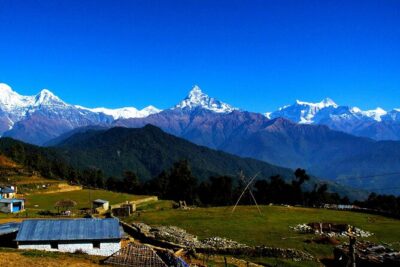
Mardi Himal Base Camp Treks, compared.
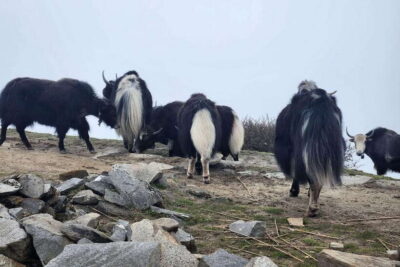 ★ 4.94-Day Mardi Himal TrekFrom $13959 reviews
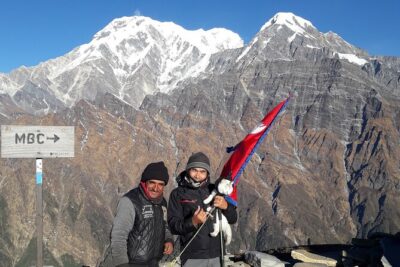 ★ 5.0Private Mardi Himal TrekFrom $39942 reviews
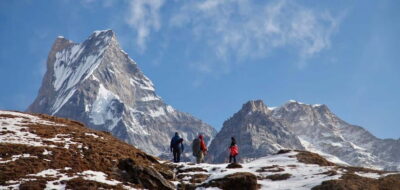 ★ 4.94-Day Mardi Himal Base Camp TrekFrom $13831 reviews
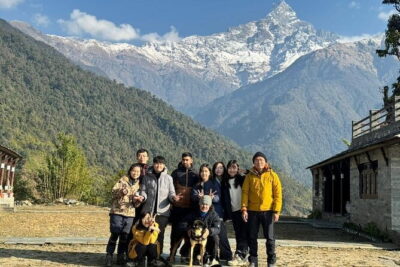 ★ 5.04 Day Mardi Himal Base Camp Trek from PokharaFrom $29018 reviews
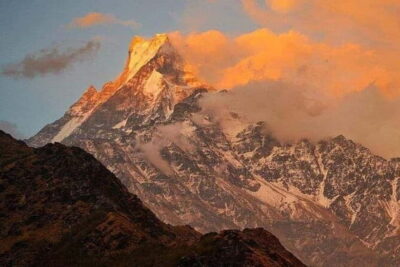 ★ 5.05-Day Mardi Himal Base Camp TrekFrom $18110 reviews
 ★ 5.04 Days Mardi Himal Base Camp Trek from PokharaFrom $2909 reviews
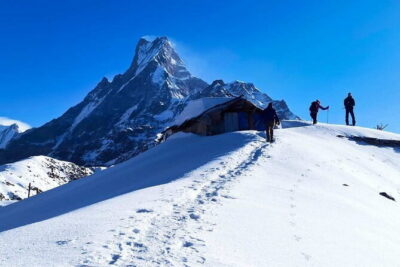 ★ 5.0Mardi Himal Base Camp Trek from Pokhara 4 DaysFrom $2708 reviews
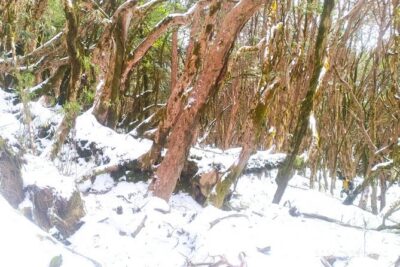 ★ 5.05 Day Mardi Himal Base Camp Trek in PokharaFrom $2308 reviews
Browse the lists this tour appears in