
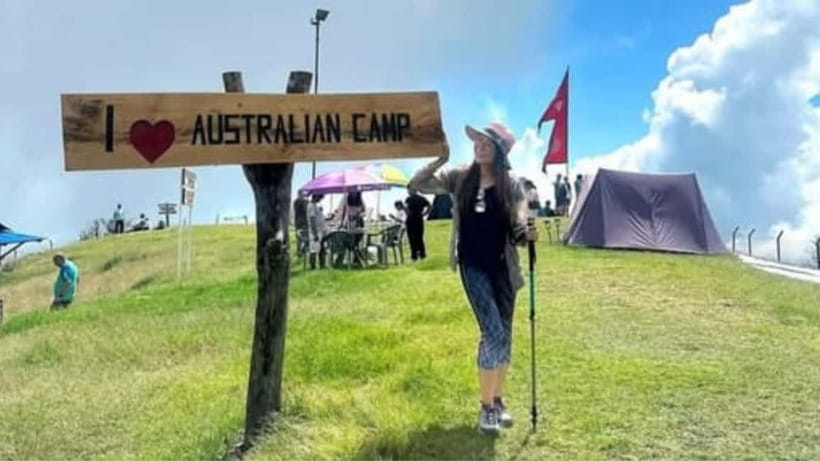
Reviewed · ANNAPURNA FOOTHILLS DAY HIKES
Pokhara: Annapurna Foothills Day Hike with Transfers
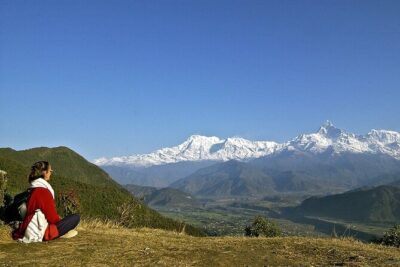
Kande to Australian Basecamp hits that sweet spot. You get big Annapurna and Machhapuchhre (Fishtail) views without committing to a multi-day trek. What I like most is the mix of mountain viewpoint time plus an actual village feel in Dhampus.
The hike itself is built for real-life pacing. Your guide keeps things moving but still makes room for photo stops, tea breaks, and explanations of what you’re walking through. And when the guide is on form—many people rave about Moti Thapa—it turns the day from just steps into a story.
One drawback to plan for: the first leg has uphill steps. Even when the overall hike is “easy day” level, that opening climb can feel a bit punchy if you’re not used to stairs and heat.
In This Review
- Key things to know before you go
- Entering The Annapurna Foothills: Why This Day Hike Works
- Getting From Pokhara: Pick-up Points and Private Transfers
- Stage One: From Kande to Australian Basecamp Viewpoint
- Stage Two: Australian Basecamp to Dhampus Village Culture
- Stage Three: Descending to Phedi/Ghattekhola and Back to Pokhara
- Guides Make It: What You’ll Feel With English-Speaking, Local Expertise
- Difficulty Level and What to Bring for a Comfortable Day
- Price and Value at $42: What You’re Really Paying For
- When Weather Blurs the Peaks: Still Worth It
- Should You Book This Pokhara Annapurna Foothills Hike?
- FAQ
- How long is the hike from Kande to Australian Basecamp, through Dhampus, and back?
- What’s included in the price?
- Do you get a guide, and what languages do they speak?
- Where are the pickup and drop-off points?
- What should I bring to stay comfortable on the trail?
- Is this hike suitable for people with mobility issues?
Key things to know before you go
- Kande to Australian Basecamp is the big view segment, with a guided walk and time at the viewpoint
- Dhampus village gives you Gurung culture plus a more local pace (and often a great lunch)
- You’ll ride in with a private vehicle transfer from Pokhara and return after the descent
- Guides often tailor the pace, so the day feels comfortable even if you’re not a hardcore hiker
- Weather can blur the mountain views, but the route still has strong forest and village scenery
More short day walks in the Annapurna foothills.
- Pokhara: Annapurna Foothills Day Hike with Transfers★ 5.0 · 100 reviews
- Day Hike at Annapurna Foothills★ 4.7 · 17 reviews
- 2 Days Panchase Hill Trek from Pokhara★ 5.0 · 13 reviews
- Day hiking to Dhampus – Astam Village★ 5.0 · 7 reviews
Entering The Annapurna Foothills: Why This Day Hike Works
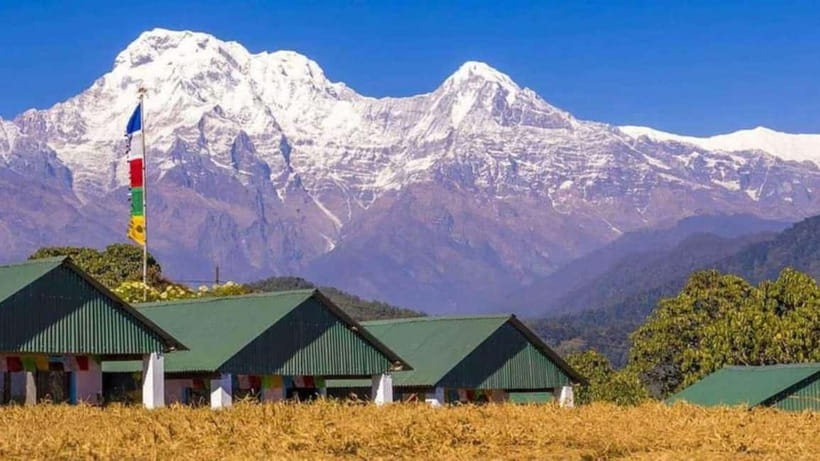
This is the kind of Pokhara hike that earns its keep fast. In one long day (about 8 hours), you climb into the Annapurna foothills, hit Australian Basecamp for mountain panoramas, then walk through villages on the way down to Phedi or Ghattekhola.
The best part is the balance. You get a classic Himalayan viewpoint moment, but you also spend meaningful time with people and places—especially in Dhampus. It’s not only about chasing peaks; it’s about understanding what life looks like in the hills above Pokhara.
For value, this tour stacks up well. At $42 per person, you’re not just paying for a trail. You’re paying for a guide, permits/fees handled, and private transfers that reduce the stress of figuring out transportation on your own.
Getting From Pokhara: Pick-up Points and Private Transfers
Your day starts with hotel pick-up. The tour offers multiple starting points across Pokhara—Lakeside area hotels, plus Sarangkot, and even Pokhara International Airport (PIA). After booking, the exact pickup time is confirmed so you’re not guessing in a foreign city.
You’ll also be in a private group, which is a big deal for a hike this short. A small group means fewer bottlenecks on narrow footpaths and more chances for your guide to adjust stops to your speed and comfort.
The vehicle transfer matters more than it sounds. By starting at Kande and finishing at Phedi/Ghattekhola, you avoid turning your “day hike” into an all-day logistics project. You also reduce the chance that you’ll arrive too tired to enjoy the main viewpoint.
Stage One: From Kande to Australian Basecamp Viewpoint
This is the star segment of the day. From Kande, you walk uphill through a mix of forest trails, terraced farmland edges, and village paths until you reach Australian Basecamp.
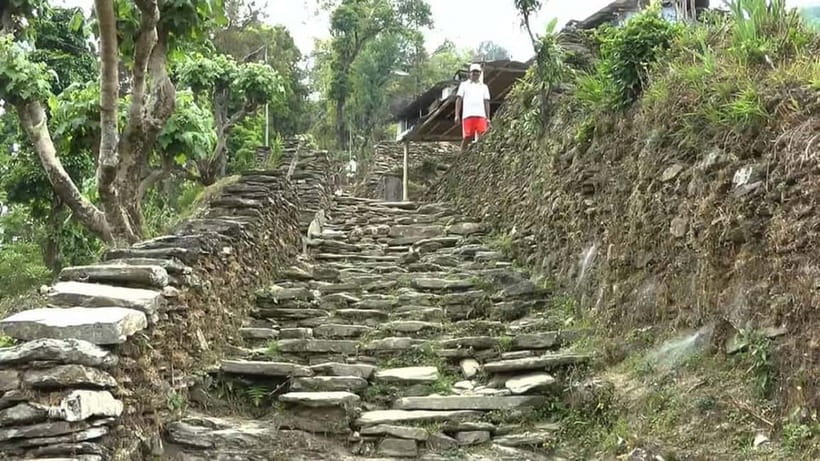
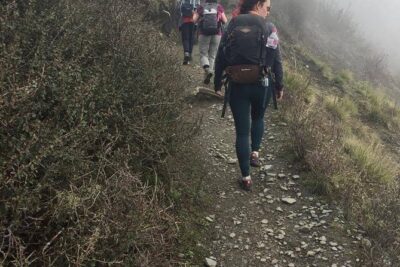
Expect the route to feel like steps that gradually climb. That’s normal here, and even when people describe the hike as accessible, the beginning can still tax your legs if you rush it. The trick is simple: start steady, take short breaks, and let your guide set the rhythm.
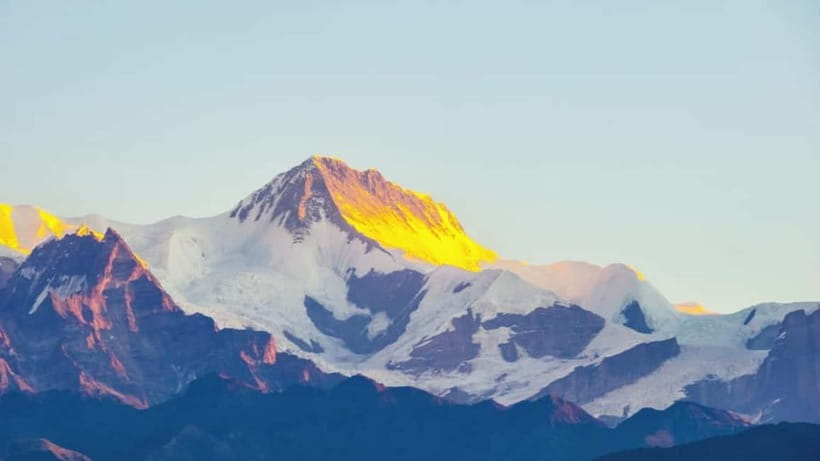
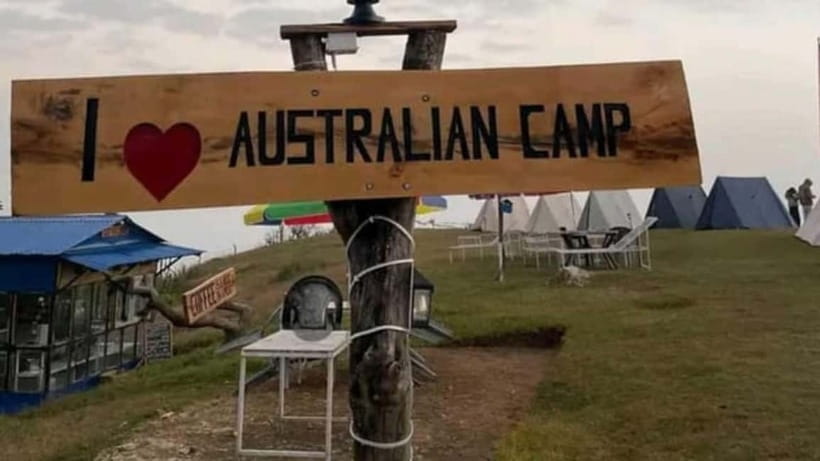
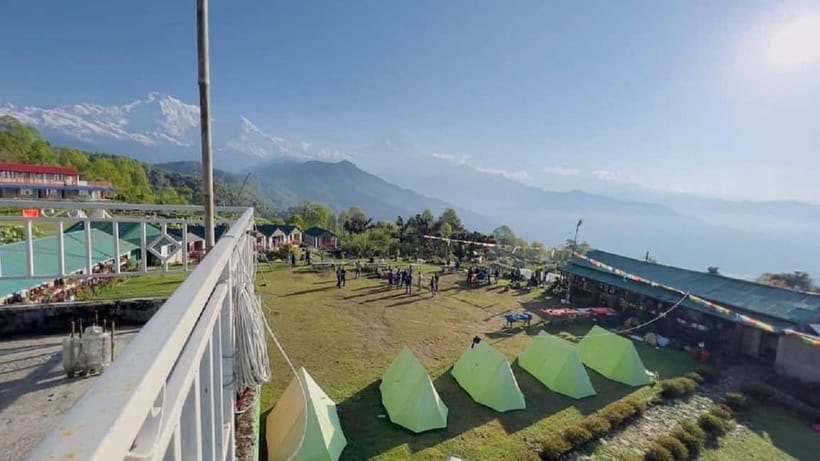
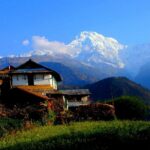
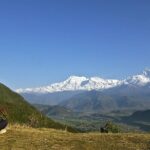
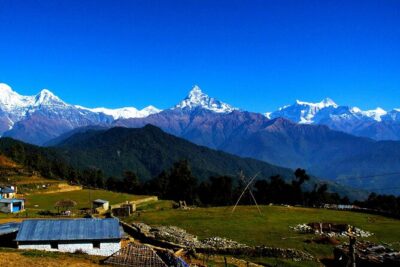
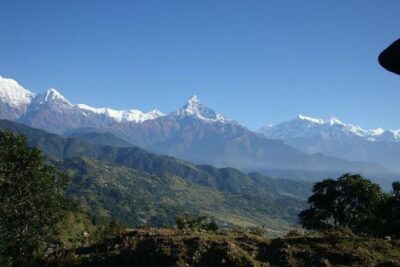
At Australian Basecamp viewpoint time, you’re there for the peaks. The views focus on Annapurna and Machhapuchhre (Fishtail). In clear weather, it’s the dramatic payoff. In cloudier conditions, you may not get the full panorama, but you’re still up high enough to enjoy the open air and the sense of the range stretching across the valley.
One practical tip from how guides manage this hike: if you want the best chance of crisp mountain views, go early. Clouds can build later, and early mornings usually give you a cleaner look at the ridgelines.
Stage Two: Australian Basecamp to Dhampus Village Culture
After the viewpoint time, you continue walking toward Dhampus. This leg has a gentler feel compared to the initial climb, with a mix of ups and downs rather than pure stair-grind.
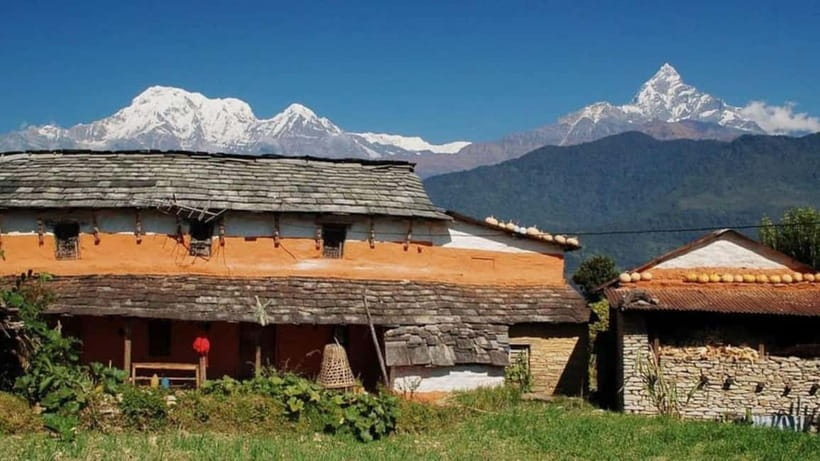
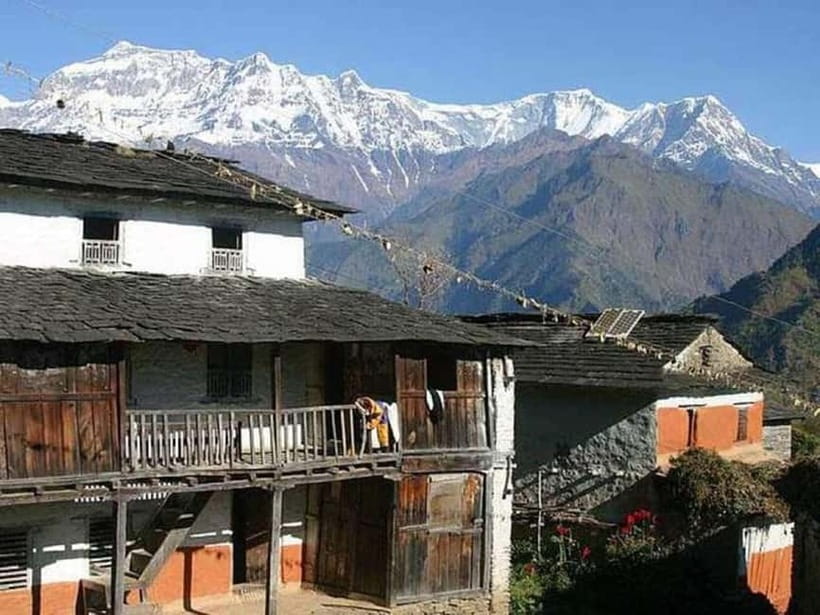
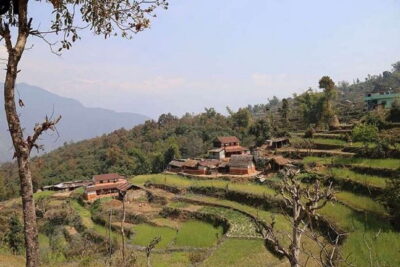
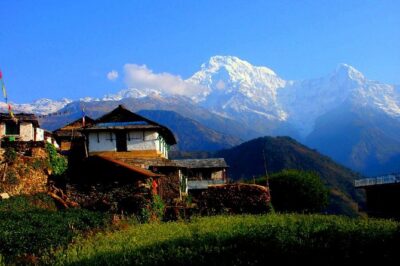
Dhampus is why this day hike isn’t just scenic—it’s social. You’ll spend time in the village, where you can see how locals live in the foothills and learn about the area’s traditions. The culture here is closely tied to Gurung life, and your guide can help translate what you’re seeing into context instead of letting it pass by like scenery.
This is also where the day becomes more relaxed. Many people value the chance to interact with locals, explore around the village, and take a proper break rather than just refueling and moving on. If your tour includes the meal option, this is typically when lunch happens—often warm, simple, and perfect for recharging before the descent.
If you’re lucky, you’ll also notice wildlife in the area. One traveler highlighted eagles circling along the way—so keep your eyes up when you’re near open viewpoints or along ridgelines.
More treks and hikes across the Annapurna region.
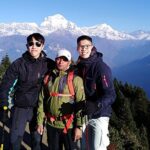

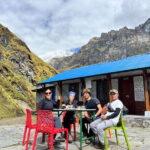
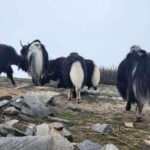
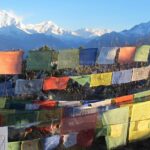
Stage Three: Descending to Phedi/Ghattekhola and Back to Pokhara
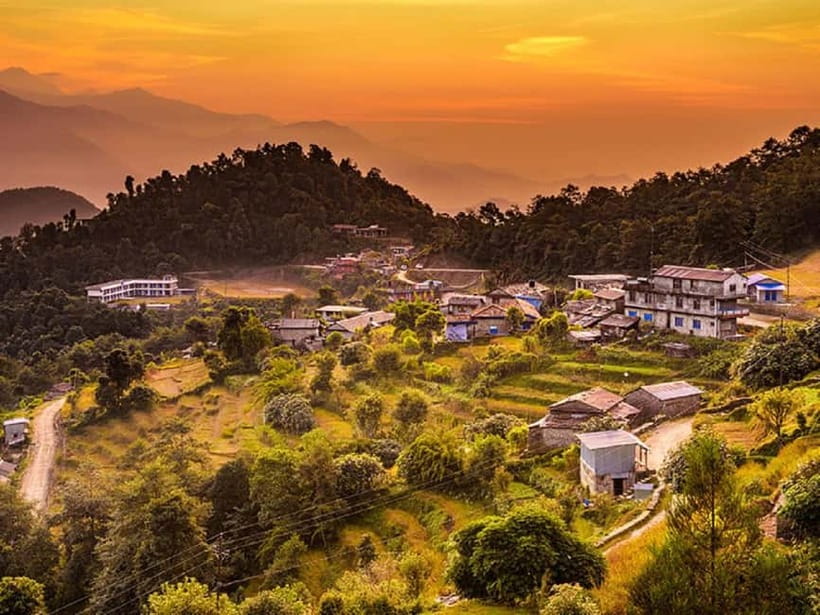
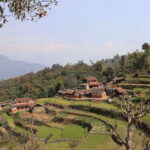
The descent is where you earn your rest. After Dhampus, you head down toward Phedi/Ghattekhola. The path winds through lush forest sections and along terraced farmland, so the scenery shifts as your altitude drops.
This part can feel slippery if you go too fast, especially after rain or if the trail is damp. Your guide will generally keep things controlled with pauses for safer footing and scenic stops. That’s worth it. The descent is often when you notice the little details—plants, the way the fields are laid out, and how the village edges connect back to the road.
When you reach Phedi/Ghattekhola, your vehicle is waiting to take you back to Pokhara. You’ll drop off at one of the listed locations around Lakeside or Sarangkot, so you can get back to your hotel without extra hassle.
Guides Make It: What You’ll Feel With English-Speaking, Local Expertise
This tour’s real differentiator is the guide. You’ll be with an English-speaking guide who’s local and professional, and the experience is designed around their ability to pace you and explain the area. Your guide can also work in Hindi and Nepali, which helps when questions get specific.
The reviews consistently point to guides who:
- control pace based on your fitness
- wait while you take photos and videos
- share practical info about the route, plus culture and nature
Names show up again and again: Moti Thapa, Santosh, Purushottam, Jeet Bhadur, Joti, and Chandra. Even when different guides run the hike, the theme stays similar: the day feels less like a scheduled march and more like walking with someone who knows the area well.
A smart move on your part: ask questions while you’re moving. Good guides will answer on the fly—about mountains, farming, birds/trees you spot, and how people live in the villages you pass.
Difficulty Level and What to Bring for a Comfortable Day
Don’t overthink it, but do prepare. This is a day hike that most people can manage with comfortable hiking shoes and a willingness to take breaks. That said, “easy day” doesn’t mean no challenge. The first stretch can involve a lot of uphill steps.
One traveler gave a route estimate around 9 km with roughly 400 meters of elevation gain, and other feedback described the hike as about 8 hours total including breaks. Treat that as a guide, not a guarantee, but it supports the idea: you’re walking steadily for most of the day.
Pack basics that match the terrain:
- Comfortable shoes (with real grip)
- Hat and sunscreen protection
- A camera (you’ll want it at Australian Basecamp)
- Cash for snacks or drinks if you want more than what’s provided
- Comfortable clothes and hiking pants
Also bring a small amount of common sense. Hydrate early and often. If you’re prone to getting cold at viewpoint altitude, dress in layers.
Price and Value at $42: What You’re Really Paying For
At $42 per person, the headline price can look almost too low for what you get in Nepal’s tourist economy. But the value comes from three places.
First, the private transfers matter. You’re not relying on public transport schedules or negotiating your own ride to trailheads.
Second, the guide is part of the price, and they handle route guidance plus cultural explanations. That turns a simple walk into a fuller experience, especially if it’s your first time in the Annapurna region.
Third, permits/fees and taxes are handled. You also get bottled water for each participant and a first aid kit on hand. Those items aren’t the kind you brag about, but they remove friction if something minor goes wrong.
Meal inclusion depends on the option you choose. If you opt in, you’ll likely get a more complete break during the Dhampus segment, which makes the day feel less like a cram session.
When Weather Blurs the Peaks: Still Worth It
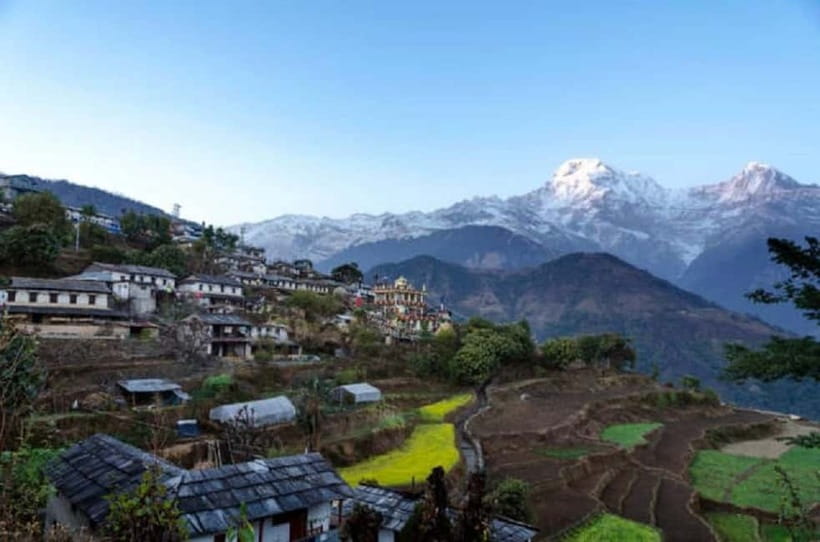
You might arrive on a day with cloud cover. That happens. And if it happens, don’t panic.
Even with reduced visibility, the hike still offers plenty of payoff: forest paths, terraced farmland, village moments, and viewpoint air. One traveler even described the experience as beautiful despite clouds, with good scenery along the route and plenty of wildlife to enjoy.
If you want the best odds for clear mountain views, aim for an early start. If the mountains disappear, focus on the walk itself and the village stops. It’s easier to enjoy the day when you plan for both outcomes.
Should You Book This Pokhara Annapurna Foothills Hike?
Book it if:
- you want an Annapurna foothills taste without the commitment of a multi-day trek
- you like hiking plus village culture, not just a viewpoint photo
- you appreciate a guide who adapts to your pace (Moti Thapa and others are known for this)
- you’d rather pay for transfers than figure out logistics on your own
Skip or reconsider if:
- you have mobility limitations or you need wheelchair-friendly access (this route isn’t set up for that)
- you hate uphill stair sections and won’t tolerate a slower pace at the start
- you only care about seeing the peaks, because weather can sometimes limit views
If you’re short on time in Pokhara, this is one of the best ways to stretch that time into something real—mountains in the distance, Gurung culture in Dhampus, and a satisfying walk that ends back where you started.
FAQ
How long is the hike from Kande to Australian Basecamp, through Dhampus, and back?
The total experience runs about 8 hours, including guided segments and transport between Pokhara, Kande, and the descent ending near Phedi/Ghattekhola.
What’s included in the price?
The price includes hotel pick-up and drop-off in the Lakeside and Sarangkot areas, a local English-speaking guide (private group), private vehicle transfers to/from the trail route, required permits/fees, bottled water for each participant, a first aid kit, and government taxes. Meals are included only if you choose the meal option.
Do you get a guide, and what languages do they speak?
Yes, you get a live guide for the hike. The guide is available in English, Hindi, and Nepali.
Where are the pickup and drop-off points?
Pickup and drop-off options include areas like Pokhara Lakeside and Sarangkot, plus listed hotel locations and Pokhara International Airport (PIA) as options.
What should I bring to stay comfortable on the trail?
Bring comfortable shoes, a hat, a camera, hiking clothes (and hiking pants), and cash for personal needs like extra snacks and beverages.
Is this hike suitable for people with mobility issues?
It is not suitable for people with mobility impairments and wheelchair users, based on the tour’s accessibility limitations.
More Treks in the Annapurnas
Also Reviewed Around Pokhara


More Foothill Day Hikes

Newer Pokhara reviews to browse before you decide


Annapurna Foothills Day Hikes, compared.
 ★ 4.7Day Hike at Annapurna FoothillsFrom $9817 reviews
 ★ 5.02 Days Panchase Hill Trek from PokharaFrom $9413 reviews
 ★ 5.0Day hiking to Dhampus – Astam VillageFrom $667 reviews
 ★ 4.3Annapurna Day Hike with Panoramic ViewsFrom $507 reviews
 ★ 5.0Private Tour Local Culture and The View of Mohare DandaFrom $3156 reviews
 ★ 5.0The Best Of Pokhara: Kahu Hill View Point Tour with GuideFrom $356 reviews
 ★ 5.0Private Full-Day Hike in the Annapurna Foothills in PokharaFrom $1256 reviews
 ★ 5.02 Days Sikles Trek from PokharaFrom $2005 reviews
Browse the lists this tour appears in