
Reviewed · ANNAPURNA FOOTHILLS DAY HIKES
Pokhara: Annapurna Day Hike with Panoramic Views
That first view of the Annapurnas hits fast. This is a one-day trek that mixes big-mountain panoramas with real village stops, all paced for a day that still feels fun.
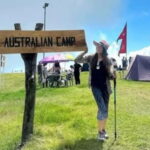
I love the way this hike builds your views in stages. You start from Kande, then work up to Australian Camp for the kind of photo angles that make you pause, breathe, and line up your camera before moving on.
One thing to consider: it’s a stair-and-slope day. Even if you’re a casual hiker, you’ll want comfortable shoes and a steady pace—plus you’ll appreciate having a guide who can adjust the route when legs get tired.
In This Review
- Key things to know before you go
- Panoramic Annapurna views without committing to a multi-day trek
- Getting to Kande: the short scenic lead-in that sets the tone
- Kande: your first view moment and a reality check for your legs
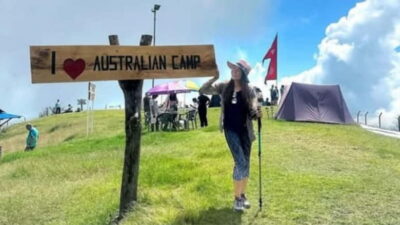
- Australian Camp: the panoramic payoff and the best photo angles
- Dhampus: Gurung village culture between the views
- The Dhampus to Phedi descent: changing scenery and the stair factor
- Price and value: what you get for $50
- Who this hike suits best (and who should think twice)
- Small practical tips that make a difference
- About the guide: why Moti’s style stands out
- Should you book this day hike?
- FAQ
- FAQ
- How long is the Annapurna day hike?
- Where does the hike start and end?
- What kind of group is this?
- What’s included in the price?
- What should I bring for the hike?
- Is the tour price $50 per person and are meals included?
Key things to know before you go
- Kande to Australian Camp gives you the most dramatic “first wow” before the village portion
- Australian Camp photo stops are timed so you can actually enjoy the view, not just sprint through it
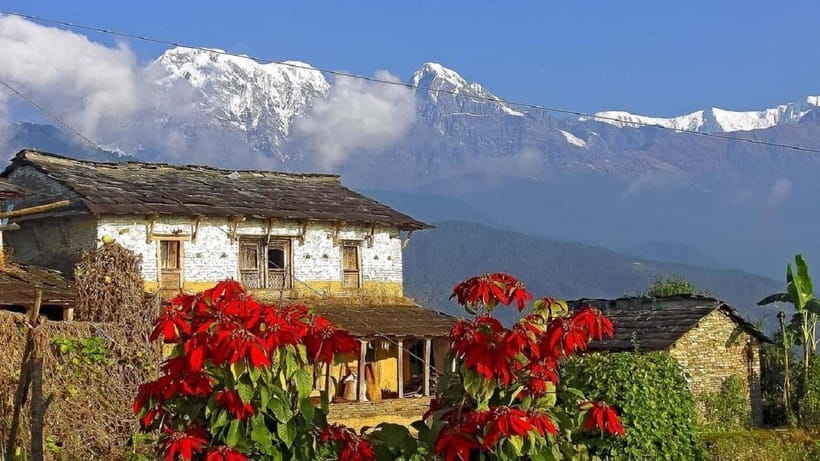
- Dhampus is a Gurung village stop with terraced fields and a chance to talk with locals
- The descent to Phedi changes the scenery fast, so your eyes stay interested
- English, Hindi, and Nepali guidance makes this easier to understand and follow
- Private group means the pacing can suit your comfort level
More short day walks in the Annapurna foothills.
- Pokhara: Annapurna Foothills Day Hike with Transfers★ 5.0 · 100 reviews
- Day Hike at Annapurna Foothills★ 4.7 · 17 reviews
- 2 Days Panchase Hill Trek from Pokhara★ 5.0 · 13 reviews
- Day hiking to Dhampus – Astam Village★ 5.0 · 7 reviews
Panoramic Annapurna views without committing to a multi-day trek
If you want Annapurna views but don’t want to vanish into the mountains for several days, this day hike is a smart compromise. You’ll still get that classic Pokhara-to-foothills feeling—cool air in the morning, forests on the trail, and then peak views that can feel almost unfair when the weather cooperates.
The value here is that the day doesn’t just move you from point A to B. It gives you multiple moments to stop: at Kande, at Australian Camp, around Dhampus, and again during the descent. That matters because Himalayan scenery is not something you “consume” while walking. You need a few pauses to really see the shape of the range and to notice how the valleys change as you drop in elevation.
Also, the guide quality can make or break a hike like this. The experience I’d aim for is exactly what you get when your guide actually manages pace and keeps people together—especially useful if you’re traveling with older family members, first-timers, or anyone who wants frequent breaks.
Getting to Kande: the short scenic lead-in that sets the tone
Your day starts with a pickup from one of three locations around Pokhara: Pokhara International Airport (PIA), Sarangkot, or Lakeside Road. This is one of those small details that makes the hike feel smoother because you’re not figuring out transport while your energy is still waking up.
From the pickup, you’ll go to Kande. Along the way there are breaks and photo stops, plus a guided orientation so you understand what you’re looking at. That’s not just “tour talk.” When the Annapurna and Dhaulagiri mountain ranges appear, it helps to know which big forms you’re spotting and how they relate to each other. It turns random mountains into a story you can follow with your eyes.
Even if you’re not a hardcore photographer, this short approach helps you get your bearings fast. You’ll arrive at the trail start feeling like you already have context, not like you just got dropped at the base of a hill and told to walk.
Kande: your first view moment and a reality check for your legs
At Kande, you’ll have a break and photo stop, plus some guided viewing time. This is where you decide how your body feels before committing to the climb.
If you’re new to hiking, Kande is also where you learn the practical rhythm: a few minutes of steady climbing, then a short catch-your-breath stop. You don’t need to go fast. You need to go consistent. A guide who paces properly can keep the whole group comfortable—and it’s especially helpful if you’re traveling with multiple ages or fitness levels.
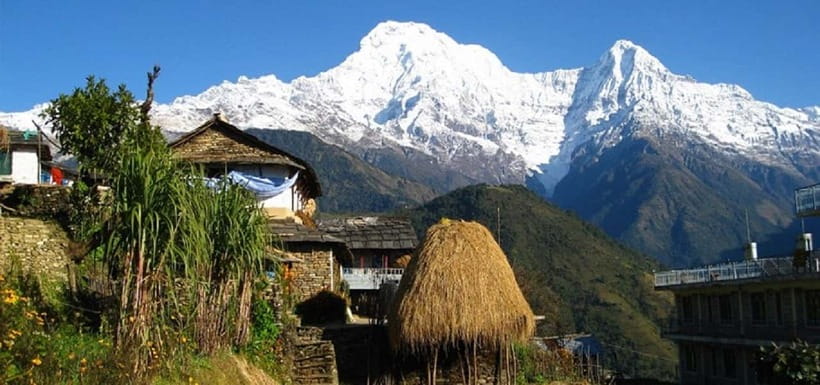
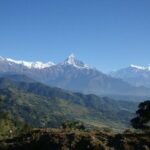
The payoff is that you’ll often get early visibility of the Annapurna range as you look across the foothills. When visibility is good, Kande can already feel dramatic. When it’s hazy, it still sets you up for the next viewpoint where the weather can clear.
Australian Camp: the panoramic payoff and the best photo angles
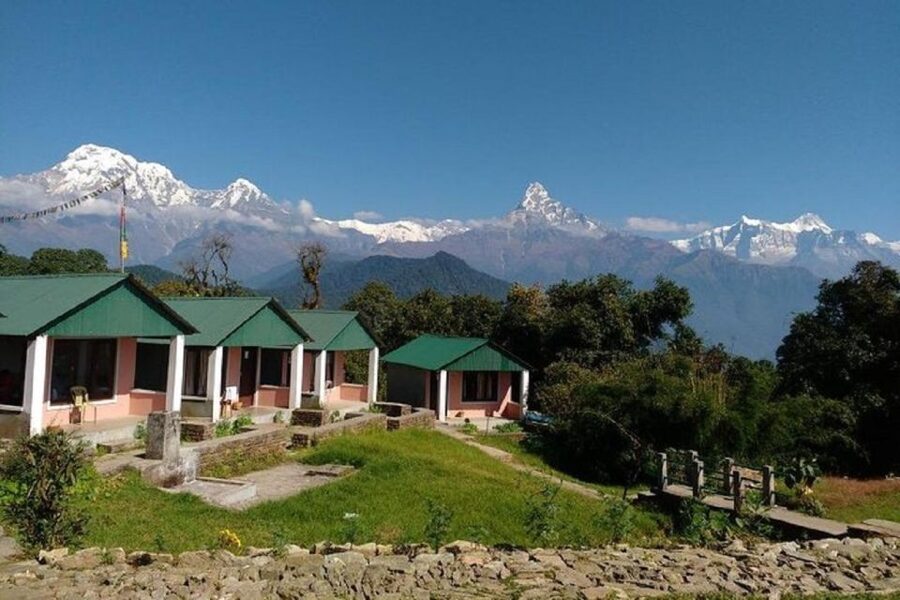
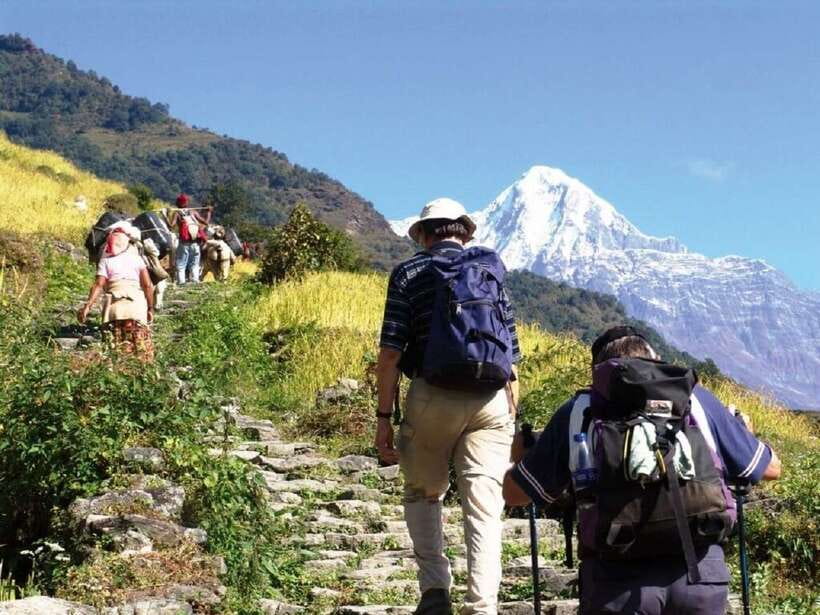
The hike to Australian Camp is the main climb on the day, and it’s designed to land you at a viewpoint that feels worth every step. You’ll spend about 1.5 hours hiking up, then you’ll have time at the viewpoint for a guided visit, photos, sightseeing, and free time.
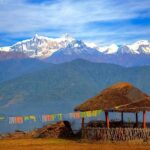
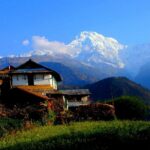
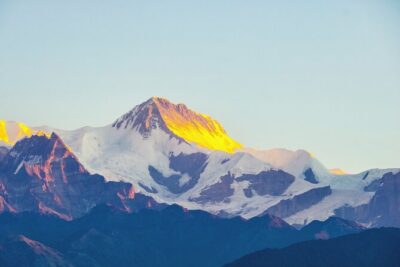
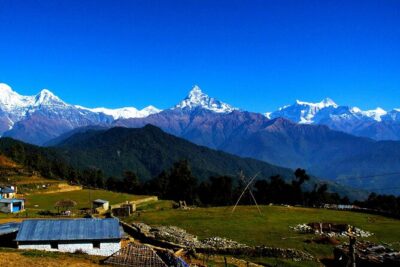
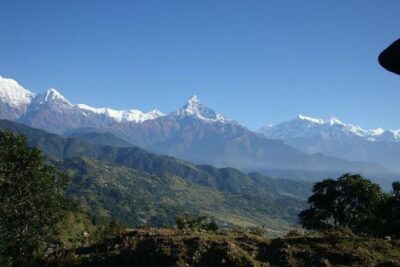
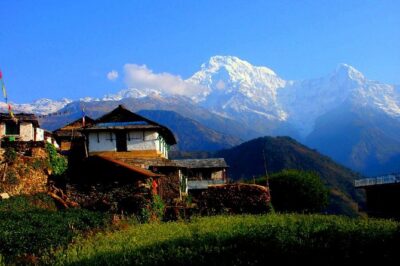
This is where the experience earns its name: panoramic views. You’re looking at the Annapurna range and also the wider valley system around Pokhara. The viewpoint is also a strong location for photography because it gives you a broad, readable horizon—less “you can’t tell what you’re photographing,” more “you can frame the peaks.”
From what I’ve learned about how guides run this stop, you’ll want to pay attention during the guided segment. Some guides will help you identify features and talk through why you’re seeing certain peaks from this exact angle. Then, after that, you get time to linger. That mix—information first, freedom after—tends to create better memories than just being given time to wander.
If you’re the kind of person who likes to take a lot of photos, Australian Camp is the place to do it. If you’re more minimalist, it’s still the best moment to slow down and actually enjoy the view without rushing.
More viewpoint tours for Machhapuchhre and the Annapurnas.
Dhampus: Gurung village culture between the views
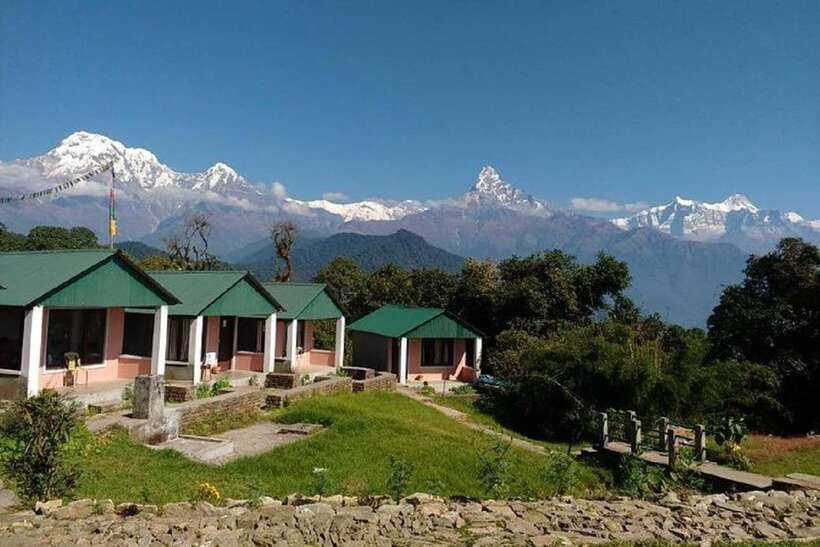
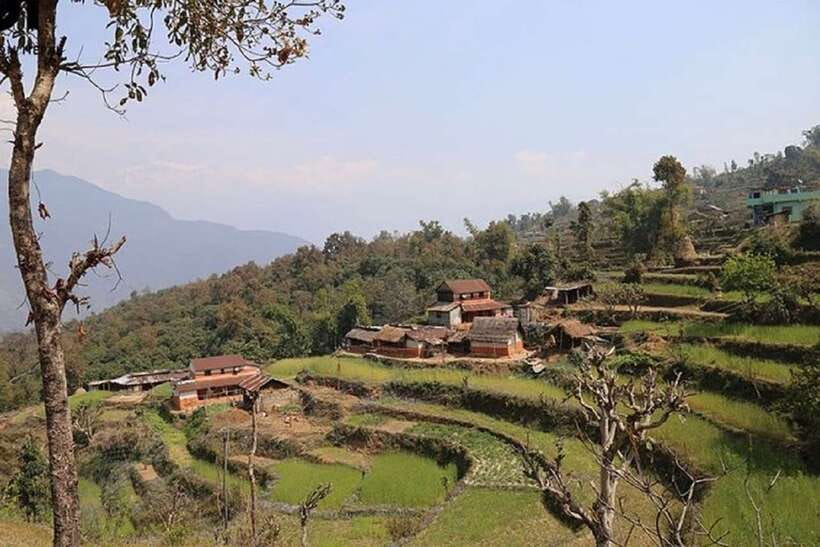
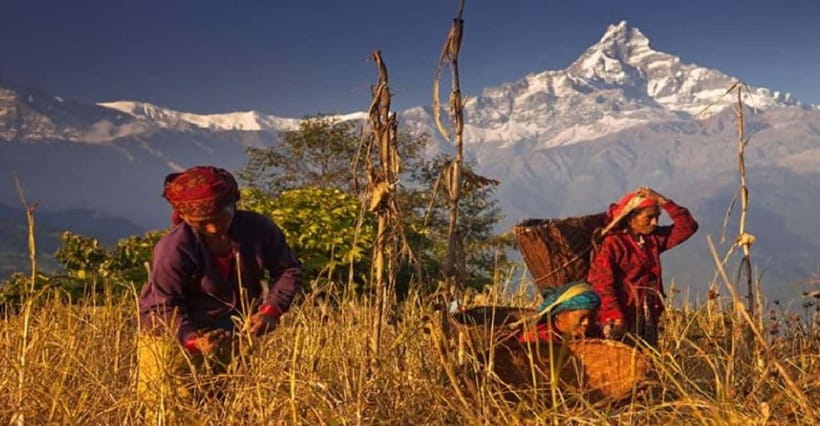
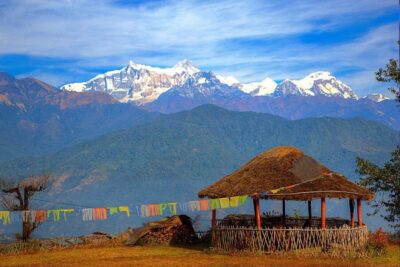
After Australian Camp, you’ll hike toward Dhampus, which is known as a traditional Gurung village with terraced fields and local charm. Your time here includes photo stops, guided visiting, sightseeing, and walking/hiking around the village area.
Dhampus is important because it keeps the day from becoming only a “look at mountains” exercise. The Gurung community gives you a different kind of altitude lesson: how people live on hillsides, farm in terraces, and maintain traditions in a place where the mountains dominate the calendar.
Practically, this is also a break for your body in a different way. Instead of focusing on climbing, you’re more likely to shift into slower strolling, conversations, and village-focused pauses. You’ll want to have small local-awareness habits: walk respectfully, ask questions, and keep your pacing friendly. Guides usually handle the flow, but your mindset helps.
If you care about culture as much as scenery, Dhampus is where the hike becomes more than a viewpoint tour. It turns the day into a shared walk between landscapes and people.
The Dhampus to Phedi descent: changing scenery and the stair factor
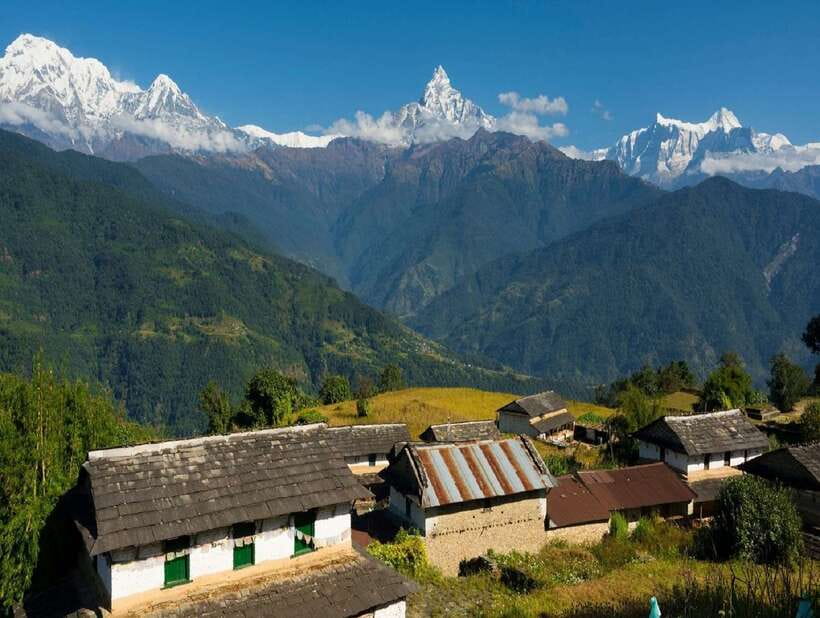
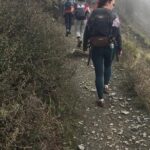
The final act is the descent from Dhampus to Phedi. This portion is where your legs will tell you how the day is going. Even when the trail isn’t technically “hard,” it can feel busy: slopes, steps, and the kind of ground that asks for controlled footing.
This is also where having a good guide really matters. One of the best improvements you can hope for is route flexibility. If stairs feel rough for you or someone in your group, a guide who knows alternate paths can reduce the number of steps and keep everyone moving comfortably.
You’ll have a photo stop and guided tour during the approach to Phedi, plus sightseeing time. The point isn’t just to reach the finish—it’s to end the day with a last look at the scenery you’ve been walking through all morning and afternoon.
When you reach Phedi, the hike concludes and you return to Pokhara by drive. The day ends in a normal, human way: you’ve earned the views, and then you can go back to lakeside life without needing another night of logistics.
Price and value: what you get for $50

At $50 per person for an 8-hour guided hike, the value is strongest when you consider what’s included: a government-registered trekking guide, round-trip transport from Pokhara to Kande, and a structured day that covers multiple viewpoints plus a Gurung village stop.
This isn’t just “hire a guide and go.” You’re paying for coordination—timing photo stops, managing the group pace, and keeping you on a route that makes sense for a one-day experience. With a private group setup, you’re also more likely to get the kind of pacing help you might not get in a busy shared tour.
What’s not included is also worth planning for: meals and beverages. So if you’re the type who needs regular snacks, bring money for your own food stops or plan a simple snack strategy before the hike. Personal expenses like souvenirs are on you, which is normal—but worth remembering when you’re budgeting for the day.
Who this hike suits best (and who should think twice)
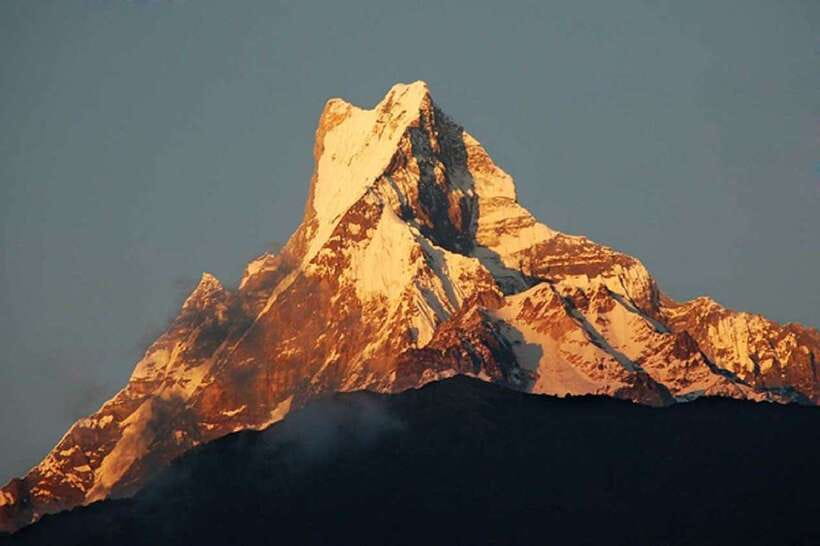
This day hike works well if you want a clear goal, strong views, and a cultural stop—without a multi-day commitment. I’d especially recommend it for:
- First-time hikers who want a guided route and pacing support
- People who like viewpoints but also care about meeting locals
- Families and mixed-age groups, since good guides can adjust the pace and route
- Anyone based in Pokhara who wants a full day outdoors without planning an entire trekking program
It may feel less ideal if you know you avoid stairs, or if you’re expecting a “gentle walk with occasional views.” The day includes climbing to Australian Camp and a descent that can involve steps. The good news is a capable guide can often help with route choices and keep you comfortable.
Small practical tips that make a difference
Here’s what will help you enjoy the day more, even if your fitness is average:
- Wear comfortable shoes with good grip. The descent is where foot comfort matters most.
- Bring water. Even a day hike can feel longer in warm sun or when you pause for photos often.
- Bring a hat for sun and a light layer for cooler hill air.
- Use the guide’s photo stops. They’re placed so you can actually see the peaks, not just pass them.
- If you’re traveling with anyone who struggles on stairs, mention it early. A guide who can offer alternatives is a real advantage.
And if you’re worried about pacing, take heart: the guide style here is clearly geared toward matching different hiking speeds. That’s not “nice customer service,” it’s smart trail management.
About the guide: why Moti’s style stands out
The guide name you’ll most often hear associated with this experience is Moti (including Moti Thapa). The common thread in how people describe his work is that he manages the day actively:
- Warm, cheerful pickups that get everyone settled
- Encouraging pace guidance during the climb
- Humor and patient support for different abilities
- Care when someone needs extra attention
- Alternative routing options on the descent to reduce stair strain
If you want your day to feel calm and supported—even with lots of photos and breaks—this guide style is exactly what you’re looking for. It’s the difference between a group “squeezing through” and a group actually enjoying the walk.
Should you book this day hike?
If you’re in Pokhara and your priority is big Annapurna views plus a village experience in one day, I think this is a very strong booking. The structure is practical: transport to the trail start, climbing to a high-value viewpoint, a cultural village stop, and then a guided descent back to town.
I’d especially book it if you value guidance that adjusts to your comfort level. The best version of this hike isn’t about racing to the viewpoint. It’s about seeing the range clearly, learning what you’re looking at, and finishing with everyone still feeling good.
If you’re very sensitive to stairs or you hate descending, plan to tell your guide upfront and bring extra patience for the last stretch. With route options, that concern can turn into manageable inconvenience instead of a full-day frustration.
FAQ
FAQ
How long is the Annapurna day hike?
The hike lasts about 8 hours, including pickup, trekking time, and the drive back to Pokhara.
Where does the hike start and end?
You’ll be driven to Kande to start, then hike through Australian Camp and Dhampus, and finish at Phedi, after which you’ll return to Pokhara.
What kind of group is this?
It’s a private group, and the guide is available in English, Hindi, and Nepali.
What’s included in the price?
Included are government-registered experienced trekking guides, round-trip transportation from Pokhara to Kande, and guided exploration with views of the Annapurna and Dhaulagiri mountain ranges, including a Gurung village visit.
What should I bring for the hike?
Bring comfortable shoes, a hat, water, and comfortable clothes.
Is the tour price $50 per person and are meals included?
Yes, it’s listed at $50 per person, and meals and beverages are not included.
Also Reviewed Around Pokhara

More Himalayan Viewpoints
More Foothill Day Hikes
Newer Pokhara reviews to browse before you decide

Annapurna Foothills Day Hikes, compared.
 ★ 5.0Annapurna Foothills Day Hike with TransfersFrom $42100 reviews
 ★ 4.7Day Hike at Annapurna FoothillsFrom $9817 reviews
 ★ 5.02 Days Panchase Hill Trek from PokharaFrom $9413 reviews
 ★ 5.0Day hiking to Dhampus – Astam VillageFrom $667 reviews
 ★ 5.0Private Tour Local Culture and The View of Mohare DandaFrom $3156 reviews
 ★ 5.0The Best Of Pokhara: Kahu Hill View Point Tour with GuideFrom $356 reviews
 ★ 5.0Private Full-Day Hike in the Annapurna Foothills in PokharaFrom $1256 reviews
 ★ 5.02 Days Sikles Trek from PokharaFrom $2005 reviews
Browse the lists this tour appears in