
Reviewed · POKHARA CITY & VALLEY SIGHTSEEING
Pokhara: Full-Day Sharing Bus Tour on 7 Iconic Destination
Pokhara can feel like a lot to pack into one day. This full-day shared bus route links the town’s big spiritual sights with dramatic underground caves and the Seti River, all on a schedule that keeps things moving. I like that it’s good value for a lot of stops, and I also like that the flow is simple: you’re dropped off, you explore on your own, and you’re back on the bus when your time window ends.
Two things I really like: first, the mix of stops is practical. You get iconic viewpoints and sacred places (Pumdikot’s Shiva area and the World Peace Stupa), then the story shifts underground with caves that are known for stalactites, stalagmites, and bat life. Second, the ride is handled by a skilled, professional driver, which matters a lot on curving roads around Pokhara.
One possible drawback to plan for: this is not a slow, leisurely guided tour. You’ll work with pre-set time at each stop, plus you should expect extra costs for entry fees (about US$4 total), and the trip can sometimes run closer to 8 hours in real life.
In This Review
- Key Points That Make This Tour Worth Your Time
- A Smart One-Day Plan for Pokhara’s Top Sights
- Pumdikot Shiva Idol and the World Peace Stupa: Start With Meaning
- Devi’s Waterfall and Mahadev Cave: Nature Meets Religion
- Mahendra Cave, Bat Cave, and Other Underground Stops
- The Seti River Walk: Pokhara’s Everyday Power
- Bindabasini Temple: A Quiet Pause Before the Return
- Timing, Self-Guided Stops, and Why the Driver Matters
- Price and Extra Costs: What You’re Actually Paying For
- Who Should Book This (and Who Should Skip It)
- Tips to Make Your Day Smoother
- Should You Book My Dream Adventure’s Pokhara Full-Day Bus Tour?
- FAQ
- How much does this Pokhara full-day shared bus tour cost?
- How long is the tour?
- Is hotel pickup and drop-off included?
- Are entry fees included?
- What kind of experience is it at the attractions?
- Who should not book this tour?
Key Points That Make This Tour Worth Your Time
- Lakeside pickup and drop-off makes it easy to start and end without extra transport.
- Many major Pokhara sights in one day, including stupa and temple stops plus multiple cave experiences.
- Self-guided at the stops with set time blocks, so you can move at your pace.
- Safety-first driving on a sharing bus route that still feels comfortable.
- Underground is the real star: Mahendra Cave’s formations plus cave encounters that can vary day to day.
- Low base price ($12), but plan for small entry fees and food on your own.
More ways to see the city and Pokhara Valley in a day.
- Pokhara: Full-Day Private Tour on 7 Iconic Destination★ 4.8 · 108 reviews
- Pokhara: Sarangkot Sunrise with Half or Full-Day City Tour★ 4.8 · 100 reviews
- The Best of Pokhara: Full-Day Private Tour with Sarangkot Sunrise★ 5.0 · 66 reviews
- Guided Tour to explore the entire Pokhara City★ 5.0 · 51 reviews
A Smart One-Day Plan for Pokhara’s Top Sights
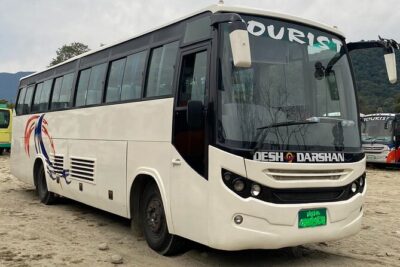
This is a shared bus day that’s designed for people who want to cover a lot without renting a scooter or finding private transport. You’ll be picked up from your hotel within Pokhara’s Lakeside area using a name card, then the bus moves from one clustered attraction area to the next.
The biggest thing you’ll feel is momentum. The route is packed, but the timing between stops is meant to keep you exploring instead of waiting around. It’s also a social vibe: you’ll share the bus with a mix of nationalities, and that can make the long day feel lighter.
Also, check what “guide” means here. At the sites themselves, many guests experience this as self-guided exploration with a set amount of time allocated for each stop rather than someone walking you through everything step-by-step.
Pumdikot Shiva Idol and the World Peace Stupa: Start With Meaning
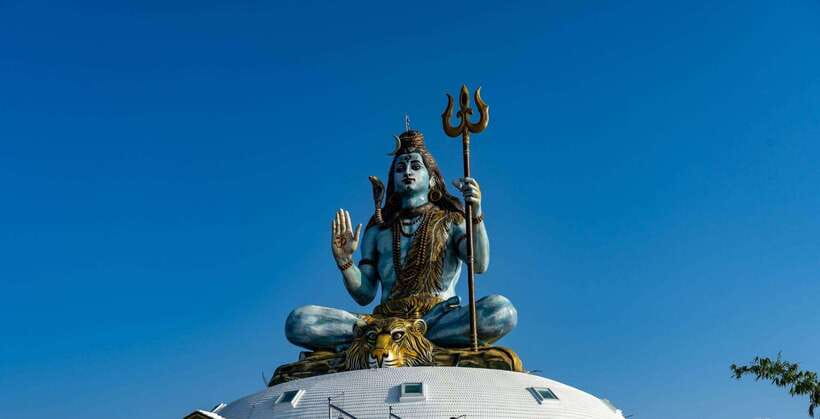
You kick off at the Shiva Idol area in Pumdikot. It’s one of those Pokhara anchors where you can feel the local devotion quickly, without needing a deep background in Nepalese Hindu practice. Even if you’re just sightseeing, the site is a great first stop because you’re mostly outdoors and can get your bearings fast.
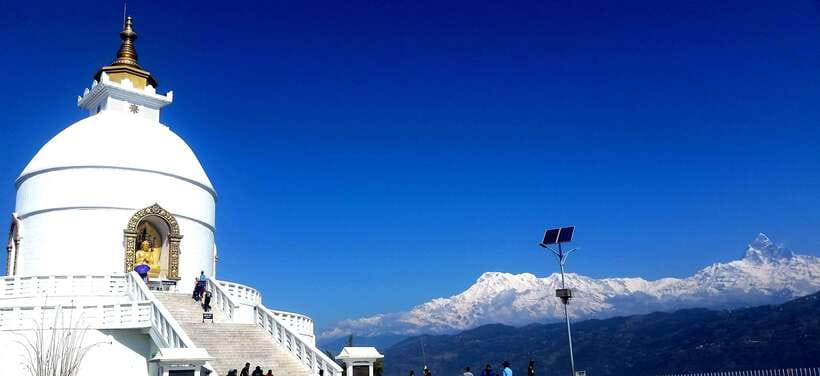
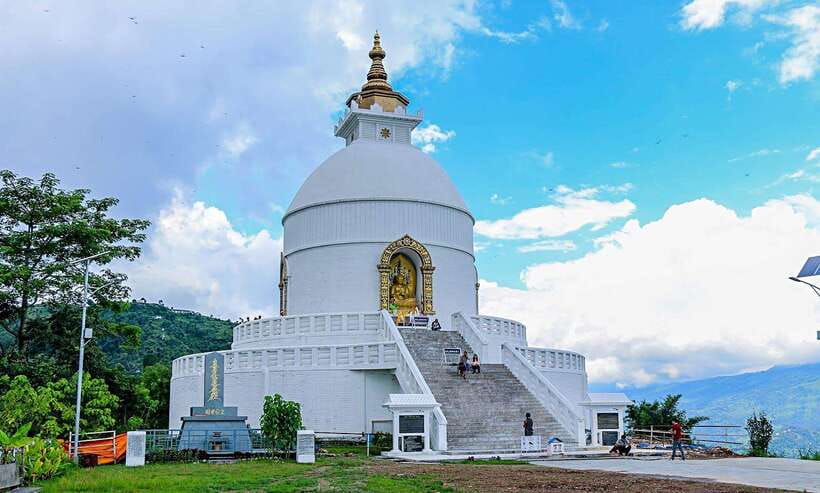
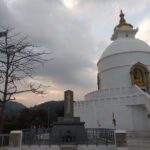
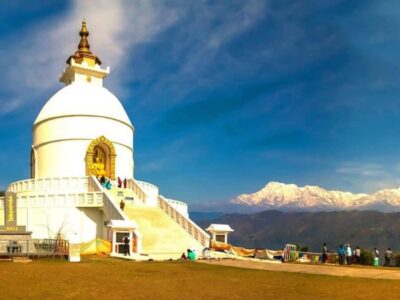
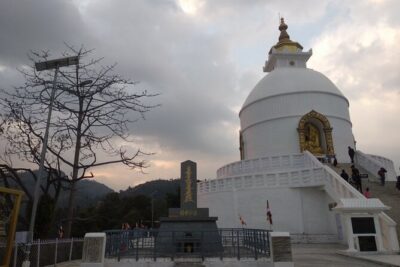
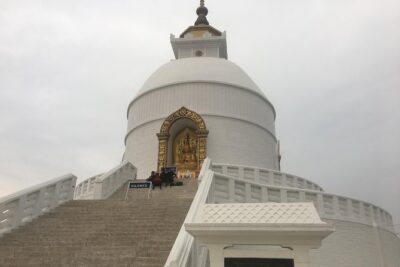
Next comes the World Peace Stupa. This is the kind of place that works for both mind and camera. You’ll have time to look around, appreciate the setting, and notice how this stop frames the day as something more than just “tourist stuff.”
A practical note: the early part of the day is also when you’re most likely to be fresh. If you want better photos, try to arrive ready—comfortable shoes and a charged camera help.
Devi’s Waterfall and Mahadev Cave: Nature Meets Religion
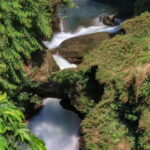
After the stupa, the route heads to Devi’s Water Fall and then toward the Mahadev Cave area. The name can be a little confusing, because some operators use alternate names for the same waterfall region, but the experience is clear: it’s about water power plus a sacred link.
This is a good stop when you want a break from crowds and a chance to feel the weather. If it’s hot, the waterfall area can be cooling just from being near moving water. If it’s rainy, you may see different conditions, and sometimes nature changes what’s accessible.
One thing to keep in mind: sometimes the first waterfall stop can be affected by closures. When that happens, the team has a track record of adjusting priorities around safety and keeping the day workable rather than stalling.
Mahendra Cave, Bat Cave, and Other Underground Stops
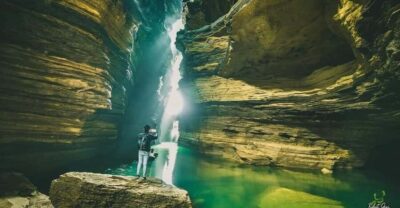
Then the day goes underground, and that’s where the tour earns its keep. You’ll explore Mahendra Cave, known for its stalactites and stalagmites—formations that are easier to appreciate in person than from photos. The real value here is how it changes your sense of scale: outside you’re in Pokhara’s open air, and inside you’re dealing with stone, shadow, and sound.
After that, you continue to the Bat Cave, where you learn about bats and see what cave life looks like up close. Sometimes, conditions can affect what you’ll see—people have noted days when bats weren’t present. Still, the lesson is the same: this is not just scenery, it’s a living ecosystem.
Depending on timing and the exact cave sequence that day, you may also pass through other cave names tied to the same underground theme, such as Mahendra and Chamere Cave, and the Gupteswor Cave highlight. The common thread is sacred space mixed with natural formations—some of it educational, some of it spiritual.
Important for your comfort: you should take the cave part seriously. The tour is not suitable for claustrophobia, and there’s also a “no” for back problems. Even with the best organization, caves naturally mean uneven ground, tight stretches, and reduced air. If you’re unsure, don’t gamble.
A few more Pokhara trips worth comparing.

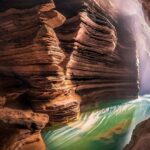
The Seti River Walk: Pokhara’s Everyday Power
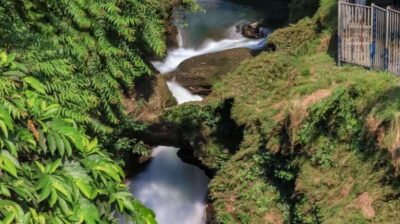
Once you come back up, the tour strolls along the Seti River. This is one of those Pokhara details that feels more real than the big monuments. The river cuts through the city, and when you watch it for a few minutes, you understand how much weather and geology drive daily life here.
This stop is also a nice pacing tool. By now, you’ve done temples and caves, so the river walk can feel like a reset. You’ll get a chance to breathe, relax your legs, and keep your energy for the final spiritual stop.
If you want photos, this is often a good moment—because the river motion gives you visual texture, even if the views aren’t guaranteed in every weather condition. Bring water and take it slow. The day’s still young enough to enjoy it.
Bindabasini Temple: A Quiet Pause Before the Return
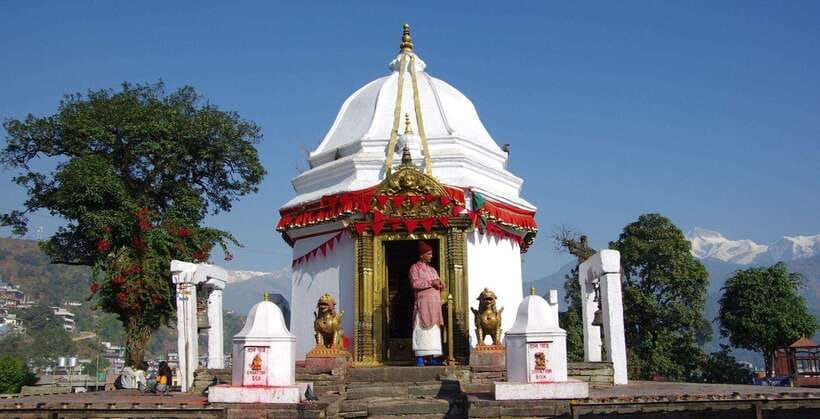
The final major cultural stop is Bindabasini Temple. Unlike some sites where you just rush by, this one is meant for slower attention. People tend to appreciate the serenity and the intricate design of the temple area, which gives the day a calmer finish.
This is a great point to shift from “checklist mode” into “sit and observe.” You’re not just collecting sights—you’re experiencing a living religious space in a place where locals actually come and go.
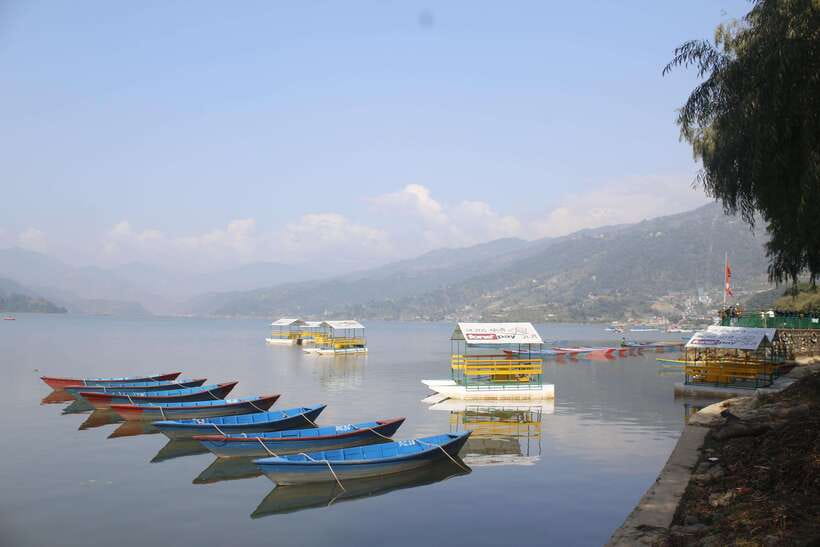
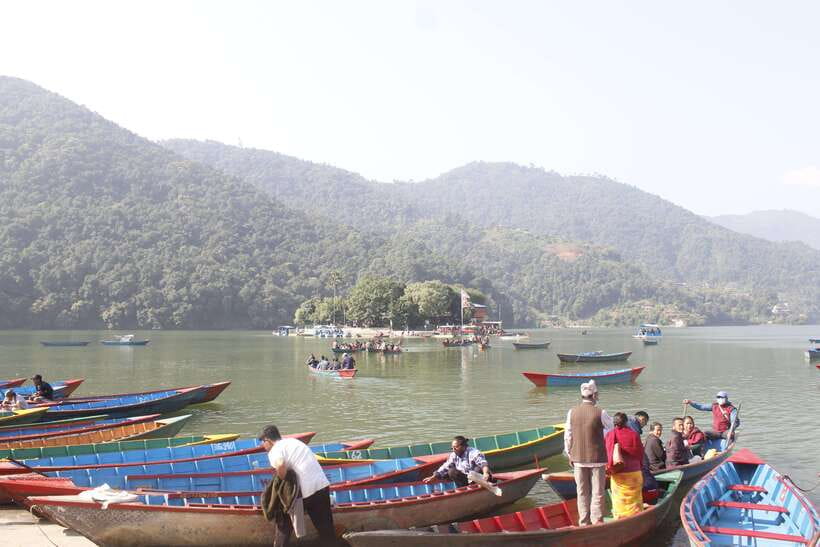
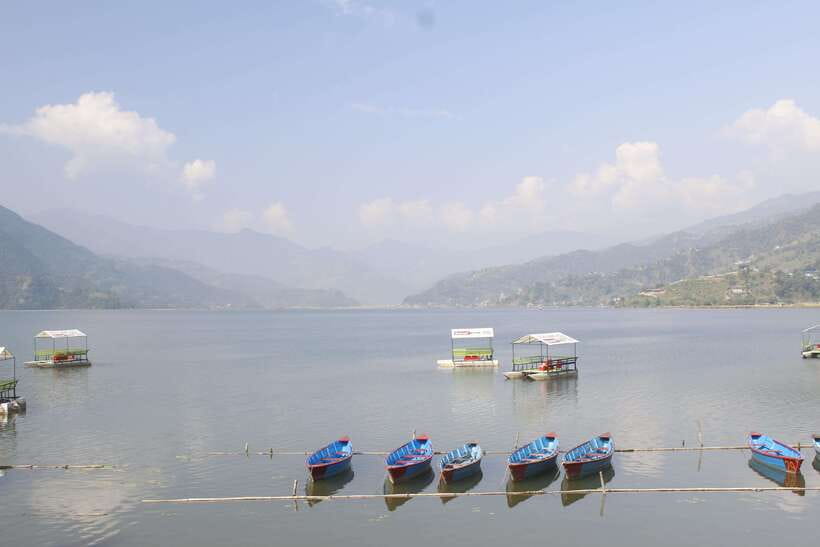
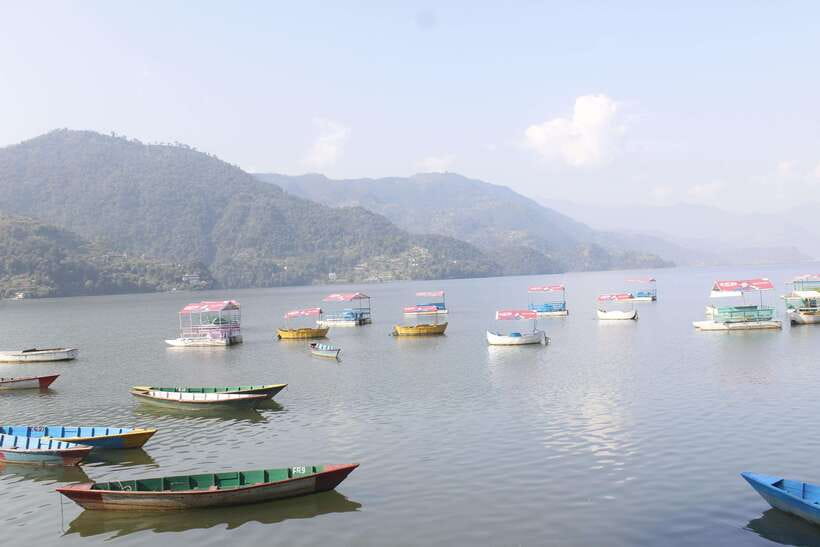
When the visit wraps, the bus drives back to the Fewa Lake area. You can opt to explore the Fewa Lake zone on your own since it’s the last stop close to the hotel area, or you can ride back to your hotel on the same bus at the same time. That choice is smart, because it lets you decide how tired you want to be at day’s end.
Timing, Self-Guided Stops, and Why the Driver Matters
This trip runs about 6 hours on paper, and you’ll check availability for starting times. In reality, many people report it running closer to 8 hours depending on traffic, weather, and how long you take at each site. The key is that the schedule is built around moving bus-to-stop with time blocks for exploring.
Here’s what that means for you: if you like structure, you’ll enjoy it. One person summed it up as efficient but not stressful, with enough time at each attraction to roam. Another highlight is how smoothly the day runs when your pickup happens on time and the driver keeps things safe on the roads.
Also, this tour often feels “self-guided” at the attraction level. You’ll have a set amount of time, and you explore on your own rather than following a lecturer at every stop. That’s great if you prefer freedom, and it’s not great if you want a full-time guide explaining every detail on-site.
One small detail that comes up in positive notes: some guests report being given tea by the tour team. It’s the kind of kindness that helps you feel looked after, especially on a warm day.
Price and Extra Costs: What You’re Actually Paying For
At $12 per person, this is priced to be one of the easier ways to cover Pokhara’s key sights without needing private transport. Pickup and drop-off within the Lakeside area are included, and you’re paying for a shared bus plus the transportation between major stops.
However, do budget for extras. Entry fees to the monuments are not included, and they’re listed as approximately US$4. Food and drink are also on your own. This doesn’t make the tour expensive; it just means the base price covers movement more than admissions and meals.
If you’re counting costs, this is where it wins. Even if you add a small entry fee total and buy lunch, you’re still usually far below the cost of booking separate rides between sites or paying for a private car plus guides.
Who Should Book This (and Who Should Skip It)
This tour makes sense if you:
- Want a one-day overview of Pokhara’s most important religious and natural sights.
- Don’t have your own scooter or don’t want to manage finding transport between areas.
- Like the idea of exploring freely on your own during time windows.
It’s not a good fit if you:
- Have back problems, since you may be walking uneven terrain and spending time on your feet.
- Have claustrophobia, because the cave portion includes tight, enclosed spaces.
- Use a wheelchair, since the tour is not suitable for wheelchair users.
A useful “comfort check” is to think about your tolerance for caves. If caves make you anxious even briefly, you’ll likely feel it on this day.
Tips to Make Your Day Smoother
A few small moves can improve the whole experience.
First, wear shoes that handle uneven stone and dirt. Comfortable footwear matters most on the cave segments and on temple stairs or river paths. Bring sunscreen and water, because Pokhara heat and sun add up fast even when you’re taking breaks.
Second, go in with realistic expectations about time. When a schedule is packed, you shouldn’t expect endless lingering at every stop. If you want deeper time at one attraction, plan to prioritize it early—then accept you’ll do a lighter pass on the rest.
Third, confirm your pickup details close to departure. One guest reported a pickup delay and needed to contact the company. That doesn’t mean it’s common, but it’s a smart habit to reduce stress.
Finally, stay flexible about conditions. Rain can change what feels easy, and sometimes a cave or waterfall stop may have differences on the day.
Should You Book My Dream Adventure’s Pokhara Full-Day Bus Tour?
If your priority is efficiency—covering major temples, the stupa, waterfall area, Seti River, and major caves in one day—then I think this is an easy yes. The $12 base price is hard to beat when you factor in lakeside pickup and the convenience of shared transport plus clear time blocks.
If you want a fully guided, hands-held explanation at every stop, this may feel too independent. If you’re sensitive to enclosed spaces or you have mobility or back limitations, I’d skip it and choose a different style of tour.
My practical bottom line: book it when you want structure plus freedom, and when you can comfortably handle a day that may run longer than the posted 6 hours.
FAQ
How much does this Pokhara full-day shared bus tour cost?
It costs $12 per person.
How long is the tour?
The duration is listed as 6 hours.
Is hotel pickup and drop-off included?
Yes. Pickup and drop-off are included within the Lakeside area of Pokhara.
Are entry fees included?
No. Entry fees to the monuments are not included (approximately US$4).
What kind of experience is it at the attractions?
It is self-guided at the destinations, with a pre-set amount of time allocated for each stop.
Who should not book this tour?
It is not suitable for people with back problems, people with claustrophobia, or wheelchair users.
More Full-Day Trips
Also Reviewed Around Pokhara

More City and Valley Sightseeing
Newer Pokhara reviews to browse before you decide
Pokhara City & Valley Sightseeing, compared.
 ★ 4.8Full-Day Private Tour on 7 Iconic DestinationFrom $53108 reviews
 ★ 4.8Sarangkot Sunrise with Half or Full-Day City TourFrom $8100 reviews
 ★ 5.0The Best of Pokhara: Full-Day Private Tour with Sarangkot SunriseFrom $6866 reviews
 ★ 5.0Guided Tour to explore the entire Pokhara CityFrom $7051 reviews
 ★ 4.1City Sightseeing Group Bus TourFrom $837 reviews
 ★ 5.0Pokhara Valley Mountain Bike Adventure Private TourFrom $18530 reviews
 ★ 5.0Best of Pokhara Must Visit 5 Himalayas viewpointsFrom $7520 reviews
 ★ 5.0Full Day Car Drive to Explore Places of Interest of PokharaFrom $9317 reviews
Browse the lists this tour appears in