
Reviewed · POKHARA CITY & VALLEY SIGHTSEEING
Pokhara: Full-Day Guided Sightseeing Tour
Early light over the Himalayas hits different. This full-day guided Pokhara tour strings together the big sights in one tidy 8-hour loop, with a live English guide and a small group capped at 15.
I love how the day starts with Sarangkot sunrise, giving you real first-light views instead of a rushed photo stop. I also like that the rest of the itinerary pairs classic Pokhara landmarks—World Peace Pagoda, Davis (Devis) Fall, Gupteshwor Cave, and Lord Shiva’s temple—in a logical order.
One thing to consider: expect some steep walking in and around viewpoints and caves, so comfy shoes matter more than you’d think.
In This Review
- Key highlights I’d plan around
- A well-paced Pokhara day built for big sights, not wasted time
- Sarangkot sunrise: why this stop changes the whole day
- Davis (Devis) Fall: dramatic water, quick interpretation, great photo angles
- Gupteshwor Cave: the cool break from outdoor walking
- Lord Shiva’s temple: a quieter, spiritual mid-day pause
- World Peace Pagoda: Himalayan views with Annapurna and Machhapuchhre in frame
- Suspension bridge: a satisfying finish, with the walking to plan for
- Price and value: what $95 really buys you in Pokhara
- Group size, vehicle comfort, and pacing you can actually enjoy
- What to bring so the day feels smooth (not annoying)
- Who this Pokhara full-day tour suits best
- Should you book this Pokhara full-day guided tour?
- FAQ
- How long is the Pokhara full-day guided sightseeing tour?
- What’s included in the price?
- Are entrance fees included for monuments and attractions?
- Is the guide provided in English?
- What group size should I expect?
- What ID do I need to bring?
- Is free cancellation available?
Key highlights I’d plan around
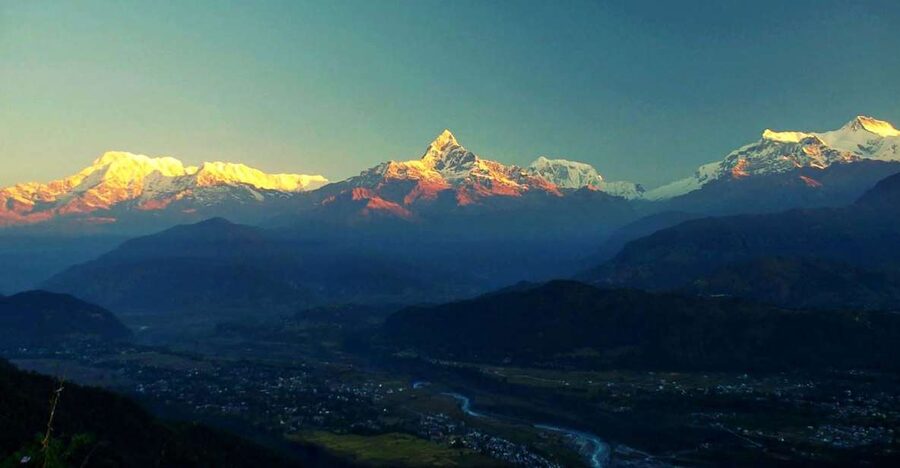
- Sarangkot sunrise first-light timing for Himalayan views
- World Peace Pagoda panorama with sightlines toward Annapurna and Machhapuchhre
- Davis (Devis) Fall as a dramatic city stop you can’t ignore
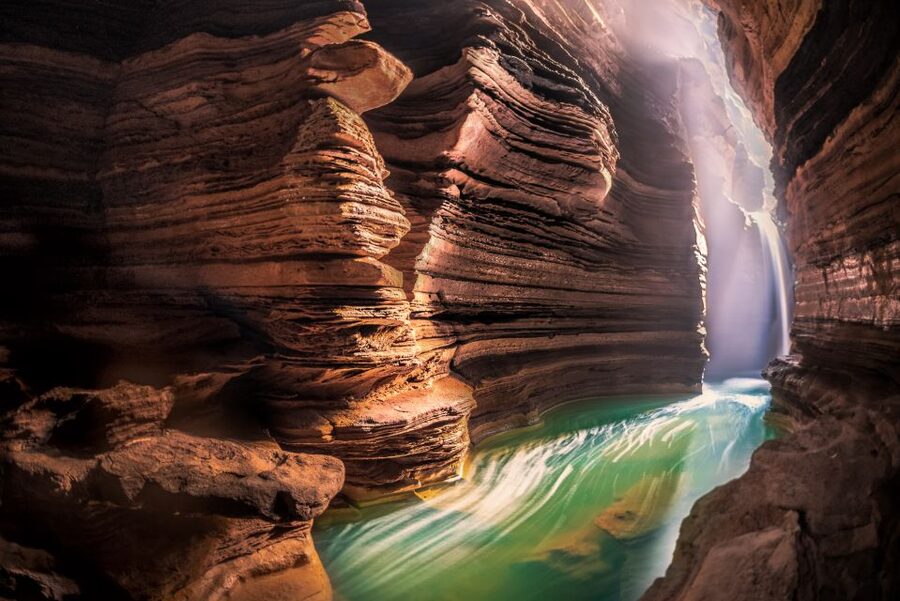
- Gupteshwor Cave for the cool, different Pokhara side
- Lord Shiva’s temple for a calmer, spiritual break from viewpoints
- Limited to 15 people with hotel pickup and a private vehicle
More ways to see the city and Pokhara Valley in a day.
- Pokhara: Full-Day Private Tour on 7 Iconic Destination★ 4.8 · 108 reviews
- Pokhara: Sarangkot Sunrise with Half or Full-Day City Tour★ 4.8 · 100 reviews
- The Best of Pokhara: Full-Day Private Tour with Sarangkot Sunrise★ 5.0 · 66 reviews
- Guided Tour to explore the entire Pokhara City★ 5.0 · 51 reviews
A well-paced Pokhara day built for big sights, not wasted time
Pokhara is the gateway to the Annapurna region, but the city itself has enough sights to keep a full day interesting. This tour works because it follows the light and the geography. You start early for the mountains, then you move through Pokhara’s major viewpoints and religious/cultural stops, ending with the suspension bridge area before returning to your hotel.
What you’re paying for is not just entrance fees or a checklist. You’re paying for coordination: a professional guide, a private vehicle, and a plan that keeps the stops connected. That matters in a place like Pokhara, where roads, timing, and weather can turn a good day into a messy one fast.
At $95 per person for an 8-hour outing, the price can feel steep if you’re traveling solo. If you’re sharing the cost, it usually feels more reasonable. The good news: the included pickup/drop-off and the private vehicle make the day feel smoother than doing these stops on your own.
This tour also runs with English-speaking live guidance and a small group size (up to 15). That combo is a big deal when you want to actually understand what you’re seeing, not just point and snap photos.
Sarangkot sunrise: why this stop changes the whole day
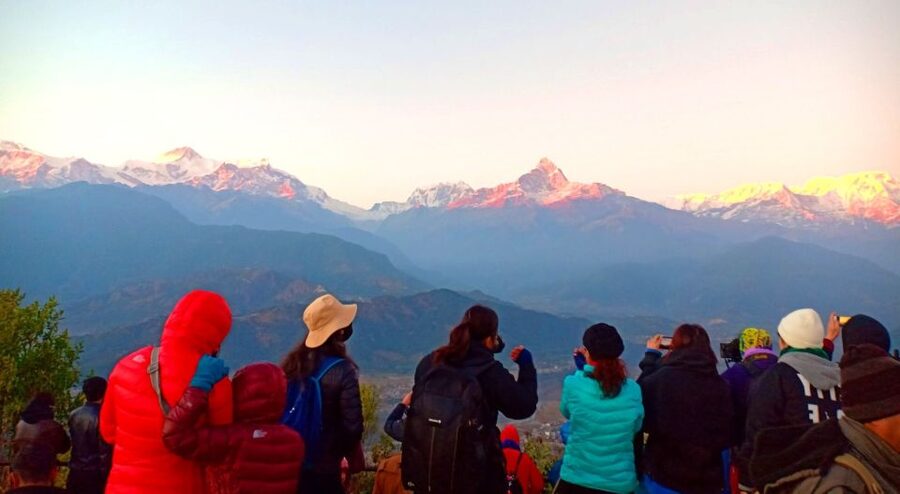
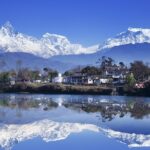
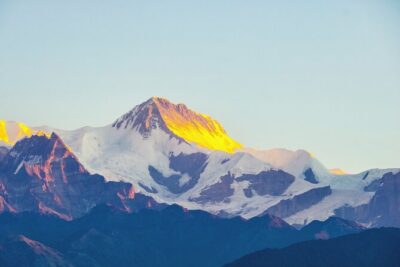
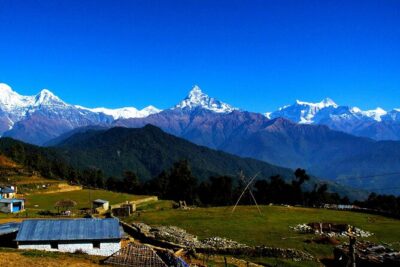
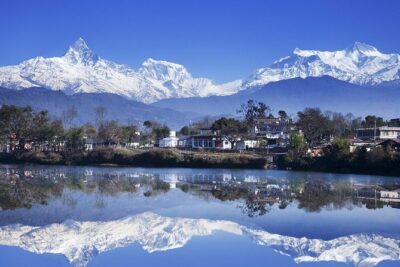
Sarangkot is one of those places where the timing is the attraction. The tour sends you early to catch sunrise views over the Himalayas. When the sky turns from dark to bright, the mountain shapes look sharper, and the whole scene feels more dimensional than midday sightseeing.
Here’s the practical part: you’ll want to dress for cool morning air. Even if Pokhara feels mild later in the day, early starts can be chilly. Also plan to be patient. Sunrise viewing is all about waiting for the light, and the best moments can happen fast once clouds shift or the sun clears the horizon.
After sunrise, you drive back to your hotel for breakfast. That structure is smart. You don’t burn your energy on sightseeing before you’re fed, and you get a real break before the rest of the city stops.
If weather is bad, no operator can guarantee perfect mountain visibility. But your best chance usually comes from starting here first, as this tour does.
Davis (Devis) Fall: dramatic water, quick interpretation, great photo angles
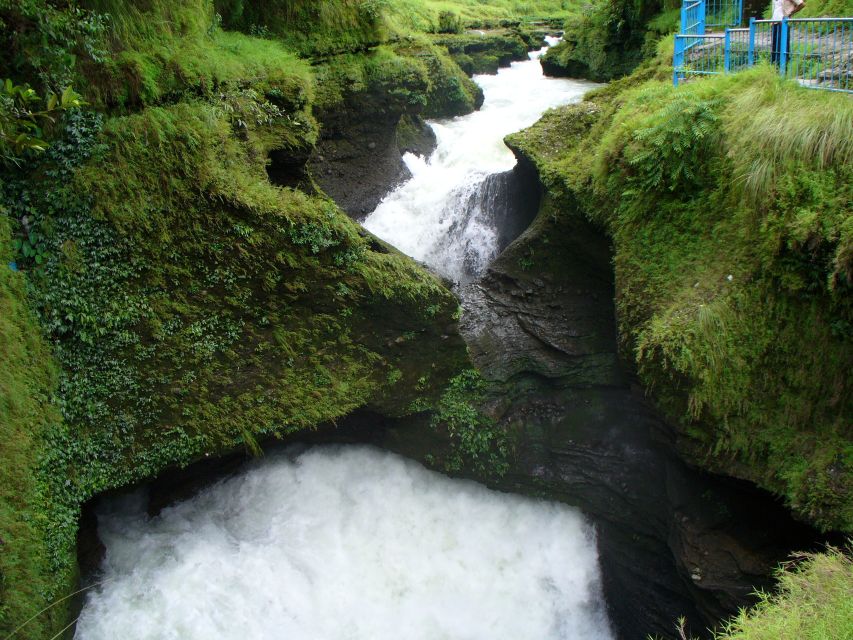
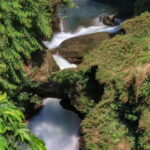
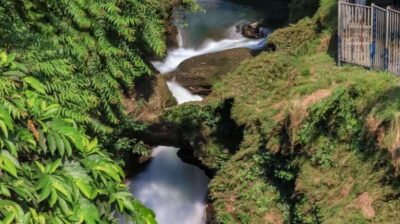
After breakfast, the tour moves into the city sights with Devis Fall first. In many places you’ll hear it called Davis Fall too, but you’ll recognize it once you’re there: water disappears into a narrow channel in a way that looks almost unnatural.
This is one of those stops where having a guide helps. Without context, it can feel like just another waterfall. With context, you start noticing why the spot is famous and what makes the flow so striking. The guide also helps you find the best viewpoints without wasting time wandering around.
One practical tip: bring water and take it easy at the edges. This is a high-impact visual stop, but it also tends to involve uneven ground and walking paths. If you’re sensitive to steps, go slow and keep your footing in mind.
Gupteshwor Cave: the cool break from outdoor walking
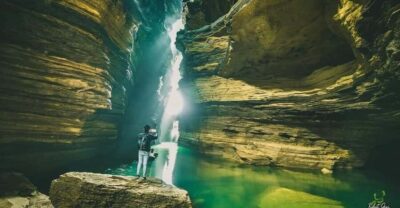
Next up is Gupteshwor Cave. The cool temperature shift is usually the most immediate change you’ll feel. Caves do that: you go from daylight heat and sun glare to darker air and rock textures.
Cave stops are also where walking can quietly ramp up. You might find yourself climbing, standing for photos, or moving along pathways that aren’t flat. The tour’s guide helps you move efficiently, but you still need to treat this like an active stop, not a simple museum visit.
If you like variety in a single day, Gupteshwor is that change. You’re not only seeing views of mountains and temples—you’re experiencing Pokhara’s natural and spiritual mix in a more hands-on way.
This is also where good footwear pays off. In a cave environment, traction matters. If you’ve got sandals on your mind, I’d reconsider.
More guided departures worth a look.
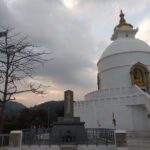


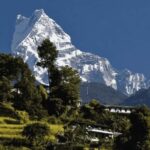
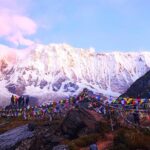
Lord Shiva’s temple: a quieter, spiritual mid-day pause
After the cave, the tour heads to Lord Shiva’s temple. This isn’t just a photo stop. It’s a chance to slow down and take in a religious site with meaning for locals.
What I like about a temple stop in the middle of a sightseeing day is rhythm. After steep walking and nature stops, a temple helps reset your pace. You can also spend a little time looking, not rushing through.
You’ll likely spend time exploring the area around the temple. The guide can help point out what to notice—how people behave, what parts are most important, and how the site fits into the broader cultural landscape of Pokhara.
If you’re someone who appreciates spiritual sites respectfully (not just as backdrops), you’ll probably enjoy this segment. Keep your behavior calm, follow local cues, and you’ll get more out of it.
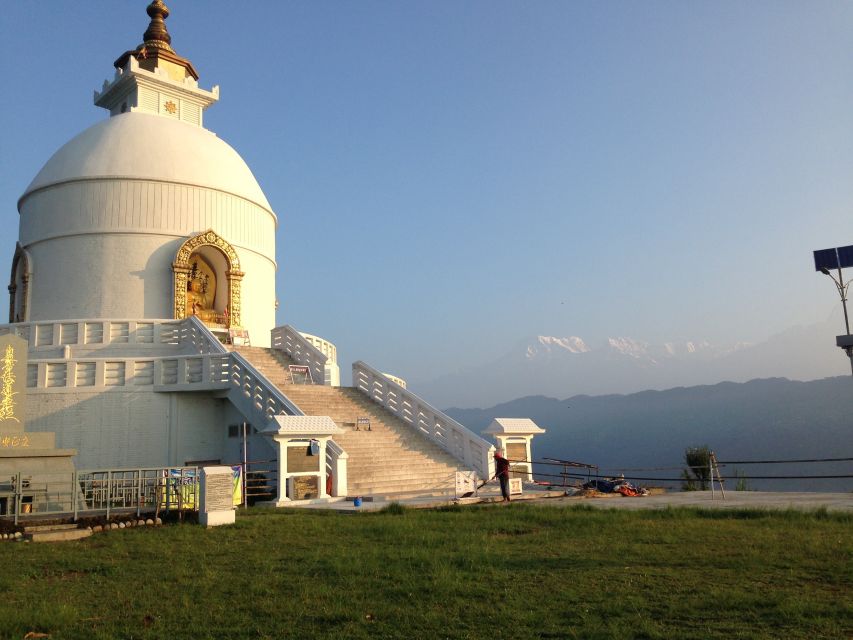
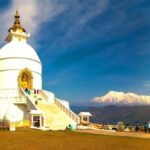
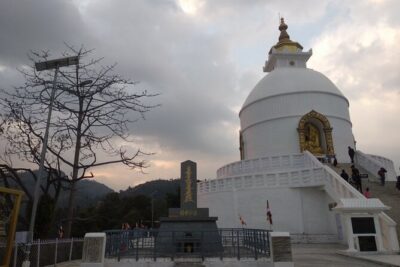
World Peace Pagoda: Himalayan views with Annapurna and Machhapuchhre in frame
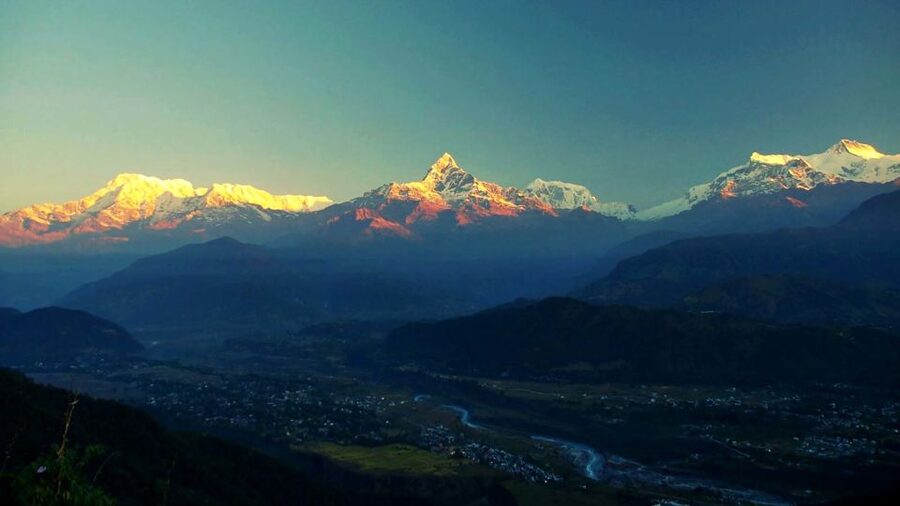
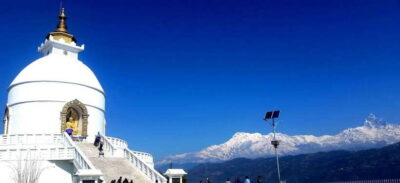
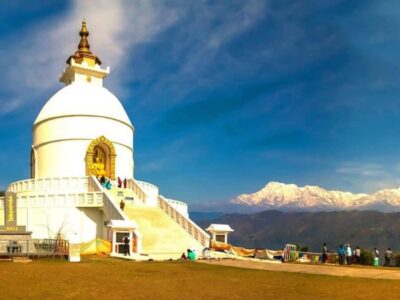
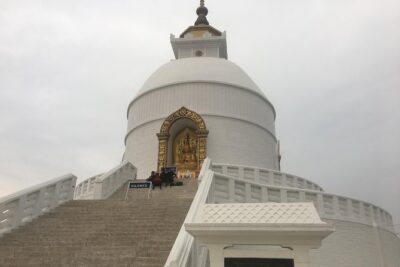
Then comes the big viewpoint finale in the middle of the tour: the World Peace Pagoda. This stop is built around panoramic views of the mountain range, specifically with sightlines toward Annapurna and Machhapuchhre.
I think this is where the “guided” part really earns its keep. You’ll get help understanding what you’re looking at from the right angle, and why the location is treated with such reverence. Pagodas often sit at a sweet spot for both scenery and meaning, and this one is designed for both.
You’ll want to spend a bit of time here rather than treating it like a quick drive-by. Even in clear weather, mountain views can change as clouds drift. And even when the peaks stay the same, the light on them shifts over minutes, not hours.
If you’re the type who enjoys looking at a place after you’ve learned its name and context, you’ll get more from this stop than you expected.
Suspension bridge: a satisfying finish, with the walking to plan for
The last major sight on the route is the suspension bridge area. It’s a classic Pokhara experience: you get that swaying, height-related thrill that makes bridges worth building a whole visit around.
The best part is the contrast. Earlier you were dealing with caves, temples, and waterfalls. Now you’re closing the day with open-air movement and fresh views over the water/valley area.
The caution is simple: by the time you reach this stop, your legs may already be tired. The tour includes steep terrain earlier, so you’ll want to treat the bridge and its approaches as part of your active day. Comfortable shoes, patience with crowds, and a slow pace make it a lot more enjoyable.
Also, this stop is a good place to reset your energy before heading back to your hotel.
Price and value: what $95 really buys you in Pokhara
Let’s talk value honestly. At $95 per person for an 8-hour guided tour, you’re not just paying for access. You’re paying for:
- Hotel pickup and drop-off
- A private vehicle
- A professional English-speaking guide
- City tours and government taxes/service charges
- Help with skipping the ticket line
That’s the practical core. When you do similar sights on your own, your day often gets longer. You spend time negotiating rides, figuring out routes, and building a schedule around mountain timing. Here, you’re buying someone else’s planning and logistics.
The trade-off is that solo pricing can feel high. If you’re traveling alone, it can be worth asking yourself whether you’d rather pay for convenience (pickup, private transport, guiding) or spend time learning the local rhythm and assembling your own route.
If you’re okay with structured days and you want the mountains and top sights handled efficiently, this feels like a fair deal for what’s included. If you’re on a tight budget and don’t mind more legwork, you might compare it to self-guided options.
Group size, vehicle comfort, and pacing you can actually enjoy
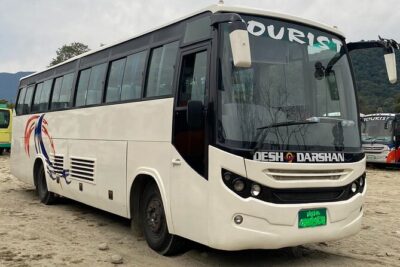
This tour runs as a small group up to 15 people, and it uses a private vehicle. In Pokhara, that combination matters. A big bus doesn’t just mean more people—it usually means slower, more spaced-out stops. A smaller group helps you move with less waiting and gives the guide more chance to answer questions.
The pace here also works for a full-day itinerary: you get the sunrise slot, then a city sequence with nature and religious stops, then viewpoints and the bridge at the end. It’s not a “sit all day” tour. It’s mostly moving, with short windows to look, photograph, and absorb the place.
One more practical point from the experience: there’s some steep terrain along the way. You’ll enjoy the day more if you treat it like a walking tour with scenic breaks, not as a mostly-easy sightseeing bus ride.
What to bring so the day feels smooth (not annoying)
You only need one document: a passport or ID card.
Beyond that, pack for comfort:
- Comfortable walking shoes (steep terrain shows up)
- A light layer for early morning around Sarangkot
- Water and a small snack if you tend to get hungry between stops
- Your phone/camera fully charged, because mountain views and cave lighting both demand quick photos
If you’re the kind of person who gets cold easily at sunrise, bring something warm for the ride and viewing time. Early mornings in the mountains don’t always match what you feel at midday in Pokhara.
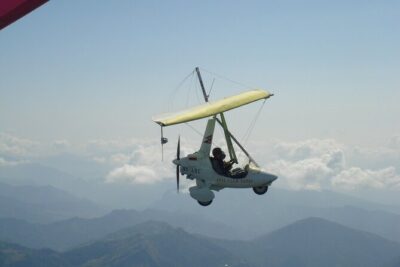
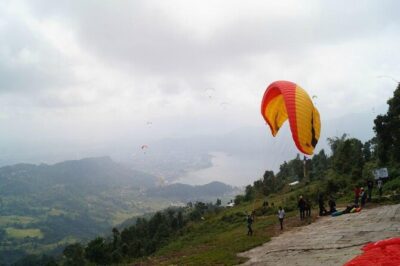
Optional activities like paragliding or ultralight flights can be tempting, but they’re not part of this basic plan. This tour focuses on the core sightseeing route.
Who this Pokhara full-day tour suits best
This tour is a strong fit if you want:
- An organized day that hits the key Pokhara sights
- A sunrise experience from Sarangkot instead of just hearing about it
- English guidance so you understand what you’re looking at
- A small group setup with pickup/drop-off to reduce stress
It’s also a good choice if you’re short on time in Pokhara and you want the highlights without creating a complex itinerary. If you prefer total freedom and self-guided travel, you might skip this and build your own route. But if structure helps you enjoy the day rather than manage it, this format is built for you.
Should you book this Pokhara full-day guided tour?
If you’re aiming for a single, efficient day that includes Sarangkot sunrise, Davis (Devis) Fall, Gupteshwor Cave, Lord Shiva’s temple, the World Peace Pagoda, and the suspension bridge, I’d book it—especially if you’re traveling with someone you can share the cost with.
I’d reconsider only if you strongly dislike steep walking or you’re trying to squeeze every dollar. The itinerary is packed enough that your shoes and pacing matter.
If you do book, do it with the right mindset: sunrise first, then scenic variety, then active viewpoints. With that plan in your head, the day feels like a smooth, satisfying way to see Pokhara’s best-known sights in one go.
FAQ
How long is the Pokhara full-day guided sightseeing tour?
The tour runs for 8 hours.
What’s included in the price?
It includes hotel pickup and drop-off, city tours, a private vehicle, a professional tour guide, and government taxes and service charges.
Are entrance fees included for monuments and attractions?
No. Monuments entrance fees are not included.
Is the guide provided in English?
Yes. The live tour guide is English.
What group size should I expect?
It’s a small group limited to 15 participants.
What ID do I need to bring?
You should bring a passport or ID card.
Is free cancellation available?
Yes, you can cancel up to 24 hours in advance for a full refund.
More Guided Departures
Also Reviewed Around Pokhara

More City and Valley Sightseeing
Newer Pokhara reviews to browse before you decide
Pokhara City & Valley Sightseeing, compared.
 ★ 4.1Full-Day Sharing Bus Tour on 7 Iconic DestinationFrom $12179 reviews
 ★ 4.8Full-Day Private Tour on 7 Iconic DestinationFrom $53108 reviews
 ★ 4.8Sarangkot Sunrise with Half or Full-Day City TourFrom $8100 reviews
 ★ 5.0The Best of Pokhara: Full-Day Private Tour with Sarangkot SunriseFrom $6866 reviews
 ★ 5.0Guided Tour to explore the entire Pokhara CityFrom $7051 reviews
 ★ 4.1City Sightseeing Group Bus TourFrom $837 reviews
 ★ 5.0Pokhara Valley Mountain Bike Adventure Private TourFrom $18530 reviews
 ★ 5.0Best of Pokhara Must Visit 5 Himalayas viewpointsFrom $7520 reviews
Browse the lists this tour appears in