
Reviewed · ANNAPURNA SANCTUARY TREKS
10 Days Private Guided Annapurna Basecamp Trek via Poon Hill
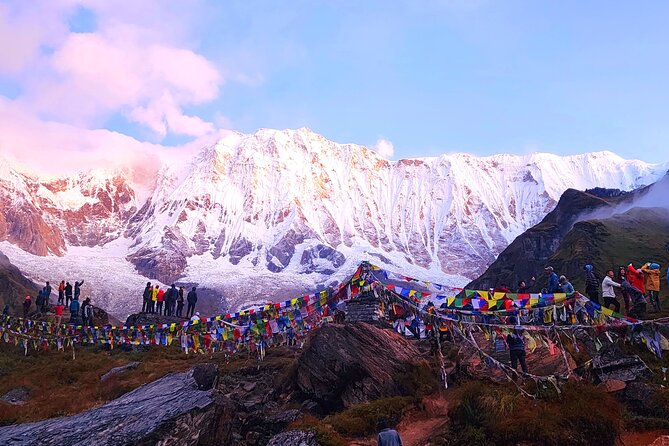
Poon Hill sunrise is the opening act. This private guided trek strings together that early-morning view, the long climb through Gurung and Magar villages, and the big payoff at Annapurna Base Camp at 4,130m. You also get Pokhara pickup and meals that keep the logistics simple.
I love the clear rhythm of the route: stone-step days up high, then workable stretches through forests and valleys as you adjust. I also like the human side of the trip, where guides such as Lalit or Kajidai are described as careful with pacing and details, so you can move at a hiking-realistic speed instead of racing.
The main drawback to plan for is effort. You’re dealing with lots of ascent and descent, and on one key day you may not get mountain views, so go in expecting work, not constant panoramas.
In This Review
- Key things to know before you go
- Why this trek feels like two treks: Poon Hill and Annapurna Base Camp
- Price and logistics: what the $800 actually covers
- Private guiding in the Annapurna comfort zone (without the pressure)
- Day 1 to 2: Nayapul to Ulleri and the long-stair start
- Day 3 to 4: Poon Hill sunrise (5:15–6:15) and the move toward Chhomrong
- Day 4 to 5: Chhomrong territory, a suspension bridge moment, and forest walking
- Day 6 and 7: Deurali, Hinku Cave, and the push into Annapurna Base Camp
- Day 8 to 10: a mostly downhill return, Jhinu Danda hot spring, and Pokhara drop-off
- Packing and physical prep for 10 days at high altitude
- Who should book this private ABC trek (and who might not)
- Should you book this $800 private trek with MTA Trekking?
- FAQ
- FAQ
- Where does the trek start?
- Where does the trek end?
- What are the main high points on this itinerary?
- How long is the trek?
- Do I need to wake up very early for Poon Hill?
- Are meals included in the price?
- Are trekking poles included?
- Is a porter included?
- Is hot water, hot shower, or WiFi included?
- What is the cancellation window for a full refund?
Key things to know before you go
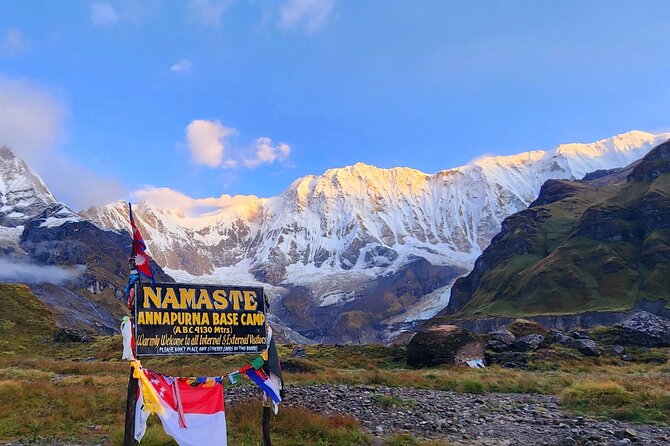
- Two elevation hits: Poon Hill at 3,210m for sunrise and Annapurna Base Camp at 4,130m for the final scene.
- Private guiding that can match your pace: guides are described as kind and experienced, including Lalit and Kajidai.
- Pickup and most meals handled: breakfast, lunch, dinner are included for most days.
- Teahouse-style trekking nights: Deurali is mainly a cluster of teahouses for hikers.
- Real trekking conditions: stone steps, long walking days, and a long downhill on the return.
- Value with a trade-off: the package includes trekking poles, but not porter, insurance, or hot showers.
More Poon Hill and Ghorepani routes, weighed by nights and effort.
- Poon hill Trek 3 days★ 5.0 · 176 reviews
- Pokhara: 4-Day Ghorepani, Poonhill & Ghandruk Mountain Trek★ 5.0 · 132 reviews
- Ghorepani – Poon Hill Trek 3N-4D★ 5.0 · 125 reviews
- From Pokhara: 3-Day Ghorepani Poon Hill Trek with Guide★ 4.9 · 68 reviews
Why this trek feels like two treks: Poon Hill and Annapurna Base Camp
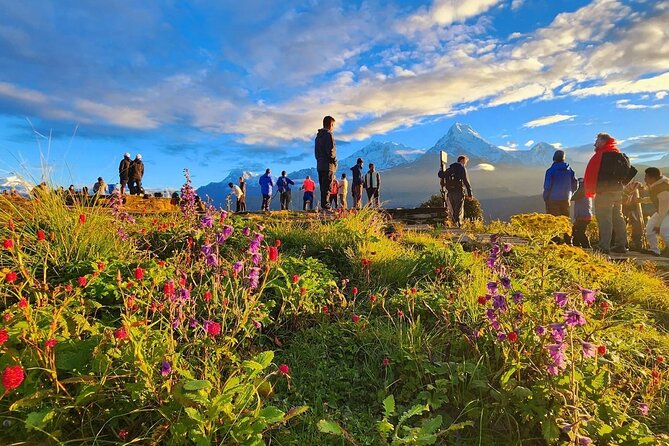
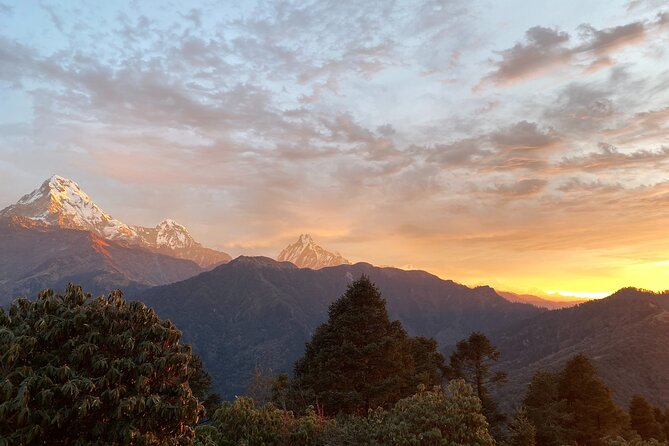
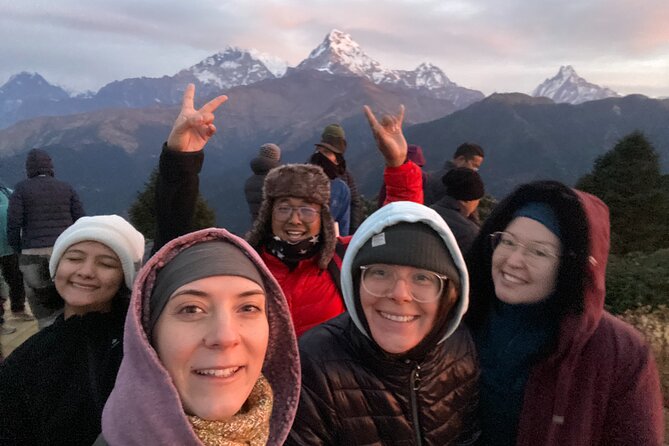
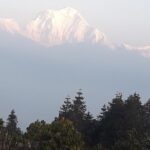
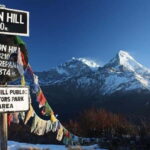
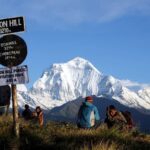
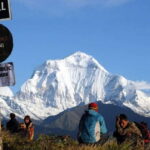
This route works because it gives you two different kinds of mountain magic. First you get Poon Hill (3,210m), the classic dawn viewpoint where the Annapurna range often looks like it’s been lit from inside. The plan here has you heading to the hill early, with sunrise timed between 5:15 and 6:15.
Then the trek stretches onward until you reach Annapurna Base Camp (4,130m). At base camp, you’re surrounded by a wide panorama that the itinerary describes as eight snow-capped peaks. It’s not just about reaching a dot on a map. You get the sense that the mountains are doing the talking.
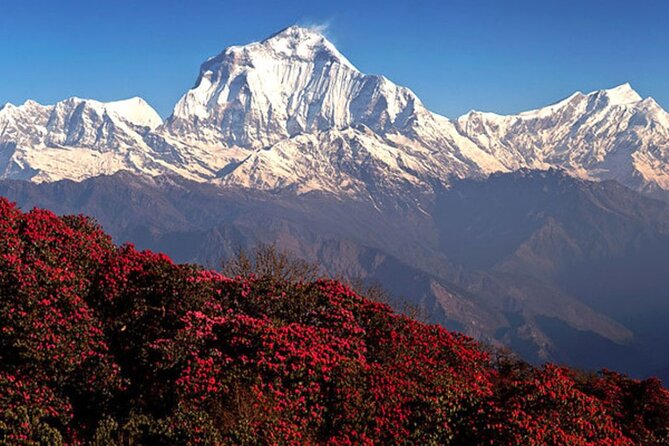
You’ll also be walking through the kind of places that feel distinctly Nepali: Gurung and Magar village areas, plus forests that change as elevation shifts. In springtime especially, the route is framed around rhododendron and bamboo, with plenty of river valleys and terraced fields along the way.
Price and logistics: what the $800 actually covers
At $800 per person for about 10 days, the value depends on what you’re expecting to outsource. This package covers a lot of the day-to-day moving parts that can eat your time and energy when you’re in a place where nothing is “walk up and buy it” easy.
Here’s what’s included that matters most:
- A private guided setup for your group
- Pickup offered from your Pokhara hotel
- Trekking poles
- Meals: breakfast (9), lunch (10), dinner (10)
- Hot spring time at Jhinu Danda (1 hour)
- Mobile ticket
And here’s what you should budget separately:
- Porter (not included)
- Trekking insurance (not included)
- Hot water, hot shower, WiFi, and battery charging (not included)
- Tips
That last list is the one that surprises first-timers most often. If you want hot showers every night or reliable charging every day, plan on paying extra or being flexible. If you’re okay with basic teahouse comfort and using downtime to rest and recharge minimally, the package feels more like a fair deal than a cost.
Private guiding in the Annapurna comfort zone (without the pressure)
This is a private tour/activity, meaning only your group participates. That matters on a trek, because it changes how decisions get made: you’re not stuck watching other people’s pace and your guide isn’t forced to herd a mixed group.
The trip also starts with a simple transport plan: a drive from Pokhara to Nayapul (around 2 hours), then your first walking day begins. From there, the guiding style described in the experience reports has a consistent theme—people mention being taken care of from planning through the trail end, including help with permits, food, and stays.
If you didn’t bring poles, one account notes that trekking poles were lent out. Even though poles are listed as included, that tells you the team is paying attention to the practical needs that pop up once you’re on the ground.
Day 1 to 2: Nayapul to Ulleri and the long-stair start
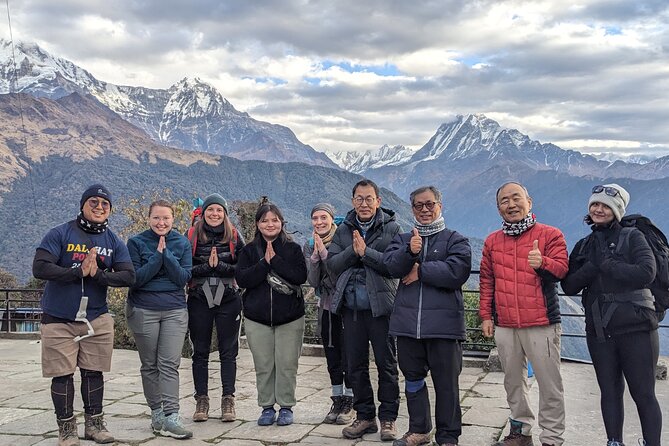
Day 1: Pokhara to Nayapul, then to Ulleri
You’ll drive to Nayapul, then start trekking with a climb of over 3,000 stone steps to Ulleri. The walking time is listed as about 6 hours. It’s the kind of first day that can feel like a workout before you even get a chance to settle into the rhythm of the trail.
Why it’s worth it: Ulleri is a classic jumping-off point for this region, and the stone-step effort early on helps your body wake up to altitude and hiking cadence. You’re not wandering randomly—you’re moving toward the established trekking flow.
Possible drawback: if your knees aren’t great with stair pounding, you’ll feel it. I’d treat this day like you’re training for the trek, not conquering the trek.
Day 2: Ghorepani day, with more steps then a release
After breakfast, you’re looking at about 6 to 7 hours toward Ghorepani. The itinerary notes that you climb many stone steps until you reach Ulleri again, then the trail becomes more relaxed.
This is a good day for pacing. You’re still working, but you’ll have moments where the trail gives you a break. That combination is smart for acclimatization: you’re not “easy all day,” but it’s not constant max effort either.
Other ways up to Annapurna Base Camp from Pokhara.
Day 3 to 4: Poon Hill sunrise (5:15–6:15) and the move toward Chhomrong
Day 3: Ghorepani to Poon Hill for sunrise
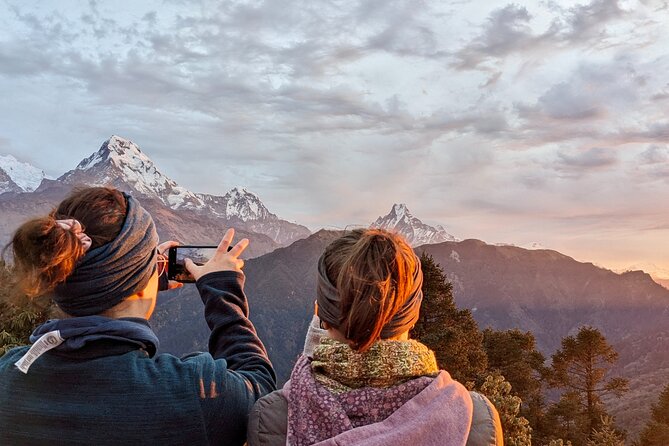
This is the centerpiece morning on the Ghorepani Poon Hill part of the journey. You trek up to Poon Hill in about 1.5 hours, timed so sunrise lands between 5:15 and 6:15.
You can also grab tea or coffee while you’re there, so you’re not just standing cold and hungry waiting for the light show. After sunrise, the day continues for about 7 hours, ending back in the Ghorepani area for rest.
How to make the sunrise work: wake up early even if you’re tired. Sunrise days don’t reward sleeping in.
Day 4: Chhomrong approach with breathing-room walking
Today is described as an easy-going hike. You start with a light climb, then descend to Kimrong Khola. After that you get another gentle ascent, and the trail evens out into the evening.
The walking time is about 5 hours. It’s the kind of day that lets you enjoy the motion of the trail rather than focusing only on survival.
If you’re hoping for constant mountain views: temper expectations. Even on a “good” day, weather and cloud cover are always a factor, and the route later includes at least one section where views aren’t the point.
Day 4 to 5: Chhomrong territory, a suspension bridge moment, and forest walking
Day 5: down to Chomrong Khola, then across a swaying bridge
After breakfast, you head down to Chomrong Khola, and the itinerary notes a cool breeze as you go. You’ll cross a suspension bridge—the kind that gives your legs a different challenge for a minute, and your brain something to focus on besides elevation.
Then the day shifts into forest walking, described through bamboo, rhododendron, and oak. The time on trail is about 6 hours.
Why this section matters: it breaks up the big “stairs up” feeling and gives you a more varied walking experience. Forest sections also tend to make the altitude feel less sharp because the trail can be steadier and the air feels shaded.
Practical drawback: bridges and uneven ground mean slower steps. Plan your day with an extra margin if you’re anxious on shaky footing.
Day 6 and 7: Deurali, Hinku Cave, and the push into Annapurna Base Camp
Day 6: bamboo forest day, Hinku Cave, then down to Deurali
The itinerary calls out that you may miss the mountain view on this day. Instead, you trek through a bamboo forest and climb a steep hill to Hinku Cave, then head down to Deurali.
Walking time is about 4 hours. Deurali is described as mainly a group of teahouses for trekkers rather than a scenic viewpoint town. So this day has a different goal: keep moving, get through the terrain, and set yourself up for base camp.
Why I like this kind of day: it can be mentally refreshing. Not every trekking day needs to be a postcard. Some days exist to get you safely and steadily higher.
Day 7: the Modi Khola valley and the base camp finale
Today is about the big arrival. You trek about 6 hours to Annapurna Base Camp, moving through the narrow Modi Khola valley.
The plan also highlights timing moments: sunsets over Fishtail and sunrises over Annapurna I, with a glacier in view as you head to base camp. That’s a lot of “sky time” in one day, and it’s exactly the kind of contrast trekkers love—valley walking in between dramatic mountain light.
When you arrive, you’re at 4,130m. This is where you slow down and stop thinking like you’re on day one. Keep your breaths controlled. Eat something simple. Take in the view without turning it into a photo marathon.
Day 8 to 10: a mostly downhill return, Jhinu Danda hot spring, and Pokhara drop-off
Day 8: long downhill, still focused
Before departing Annapurna Base Camp, you’re supposed to take in the views. Then the day becomes a lengthy trek, mostly downhill, at about 8 hours.
It’s a long one. Even when you’re descending, your legs still work—especially on stony paths and step sections. If you have knee issues, this is where you’ll notice them.
The practical win: downhill days can feel easier mentally because you’re not fighting gravity upward. Don’t confuse that with “easy.”
Day 9: climb to Kuldighar, return through Chhomrong, then Jhinu Danda
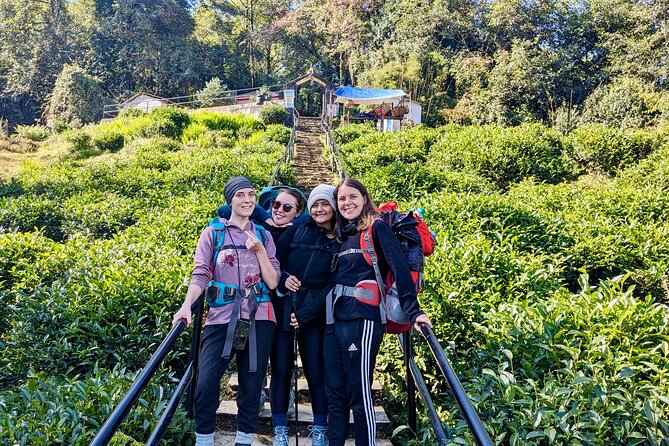
After yesterday’s downhill, today starts with an uphill to Kuldighar, then you head down to Chomrong River. The route climbs stone steps back to Chhomrong village, then continues down to Jhinu Danda.
Total walking time is about 6 hours. Then you get Jhinu Danda Hot Spring for about 1 hour, included.
This is a smart ending piece. A hot spring isn’t magic, but it can take the edge off sore muscles, and the river setting makes it feel like a real reward rather than a rushed stop.
Day 10: return to Nayapul and drive back to Pokhara
You trek back to Nayapul, then drive to Pokhara and drop you at your preferred location. The walking portion is about 5 hours.
This last day is usually the one that feels most “quiet” after the big mountain moments. I’d use it to enjoy the everyday side of the route—villages, paths, and the sense that you’re done without feeling like you’re dragging.
Packing and physical prep for 10 days at high altitude
You’re reaching 3,210m and 4,130m, and you’re doing it with multiple long days and stone-step segments. That means your preparation shouldn’t only focus on fitness. It should also focus on comfort for repetitive hiking.
Here are the practical things that matter most for a trek like this:
- Foot care: bring well-fitting hiking shoes and plan for long days on uneven stone steps.
- Layering: mornings for Poon Hill start early, and nights at altitude can feel colder than you expect.
- Trekking poles: since they’re included, use them on step sections to save your knees.
- Water and snacks: meals are included, but you’ll still want small personal extras for timing.
Also, the tour notes you should have moderate physical fitness. If you’re currently doing limited stair or incline walking, treat the first few days as the test.
Who should book this private ABC trek (and who might not)
This trek fits you best if:
- You want guided convenience: pickup from Pokhara, guiding throughout, and meals included.
- You care about the signature combo: Poon Hill sunrise plus Annapurna Base Camp.
- You like the idea of a private setup where your guide can help manage pacing, including for slower hikers.
- You’re okay with a trek that includes both high-effort days and long downhill sections.
You might think twice if:
- You strongly need porter support included in the price. Porter isn’t included.
- Hot showers, WiFi, and charging matter a lot to you. Those aren’t included.
- You’re the type who gets frustrated when views are limited on a given day. One segment explicitly notes reduced mountain viewing.
Should you book this $800 private trek with MTA Trekking?
If you want a well-structured Annapurna trek with the big highlights handled—Poon Hill sunrise, base camp arrival, and Jhinu hot spring—this package makes a lot of sense. The included trekking poles and most meals reduce day-to-day decisions, and the private guiding setup is a real quality-of-life upgrade.
I’d book it if your expectations match the reality: this is a high-altitude hike with plenty of steps, not a mostly-flat stroll with scenery on autopilot. If you’re counting on porter support, frequent hot showers, or daily charging, you’ll need to plan extra spending or adjust your standards.
FAQ
FAQ
Where does the trek start?
The trek starts from Nayapul after a drive from Pokhara (around 2 hours). Day 10 also returns you to Nayapul.
Where does the trek end?
You end back at Nayapul, then you drive to Pokhara and get dropped off at your preferred location.
What are the main high points on this itinerary?
Poon Hill is at 3,210m, and Annapurna Base Camp is at 4,130m.
How long is the trek?
The duration is listed as approximately 10 days.
Do I need to wake up very early for Poon Hill?
Yes. The sunrise plan is between 5:15 am and 6:15 am, and the hike to Poon Hill is about 1.5 hours.
Are meals included in the price?
Yes. Breakfast is included for 9 days, and lunch and dinner are included for 10 days.
Are trekking poles included?
Yes. Trekking poles are included.
Is a porter included?
No. Porter is listed as not included.
Is hot water, hot shower, or WiFi included?
No. Hot water, hot shower, WiFi, and battery charging are listed as not included.
What is the cancellation window for a full refund?
You can cancel up to 3 days in advance for a full refund. If you cancel less than 3 full days before the experience start time, the amount paid is not refunded.
Also Reviewed Around Pokhara

More Annapurna Base Camp Routes
More Poon Hill Sunrise Treks
Newer Pokhara reviews to browse before you decide
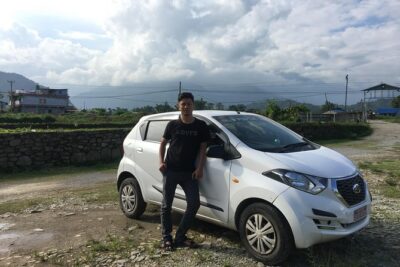
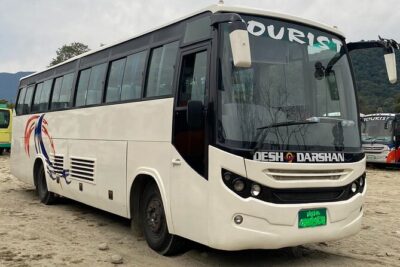
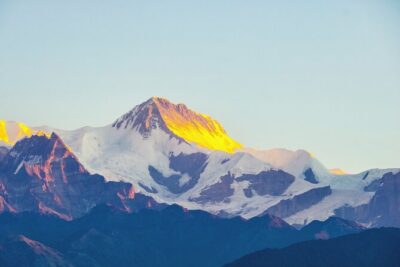
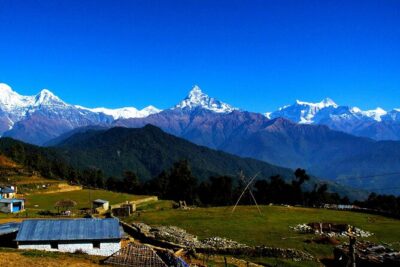
Annapurna Sanctuary Treks, compared.
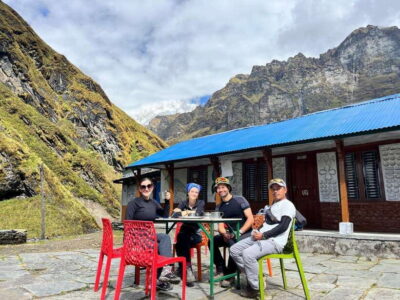 ★ 4.9Kathmandu/Pokhara: 5-Day Annapurna Base Camp (ABC) TrekFrom $9672 reviews
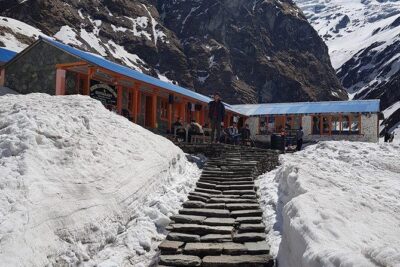 ★ 5.0Private 7 – Day Annapurna Base Camp TrekkingFrom $62550 reviews
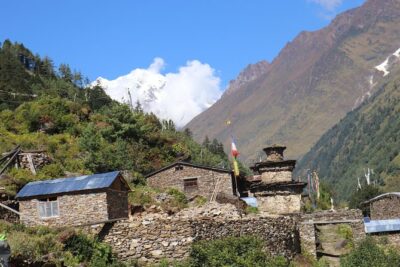 ★ 5.0Annapurna Base Camp Trek (8 days)From $65045 reviews
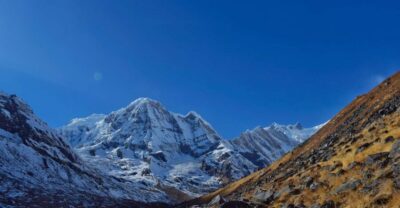 ★ 4.97 Day Annapurna Base Camp TrekFrom $21538 reviews
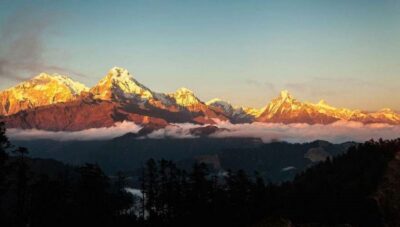 ★ 4.95-Day Annapurna Basecamp Trek with Hot SpringsFrom $15526 reviews
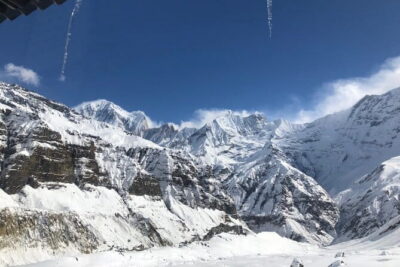 ★ 5.0Annapurna Base Camp Trek from Pokhara 7 DaysFrom $39519 reviews
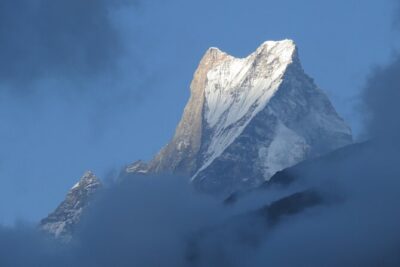 ★ 5.06 days Annapurna Basecamp TrekFrom $45016 reviews
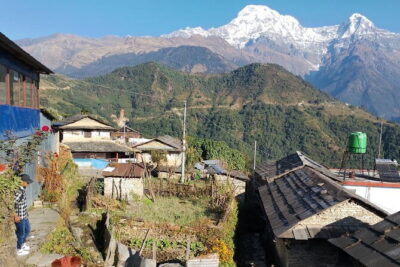 ★ 5.07-Day Trek to Annapurna Base Camp from PokharaFrom $34512 reviews
Browse the lists this tour appears in