
Reviewed · ANNAPURNA SANCTUARY TREKS
From Pokhara: 5-Day Annapurna Basecamp Trek with Hot Springs
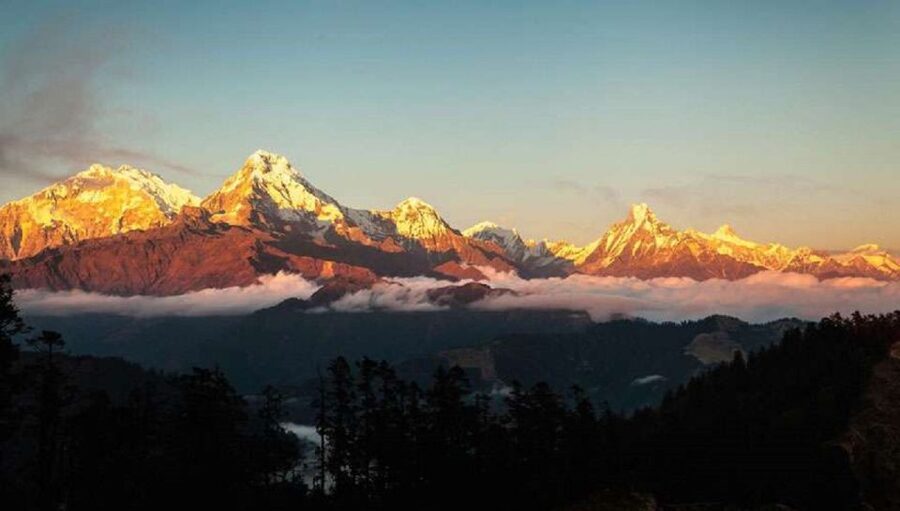
Hot springs after 4,130m sounds perfect. This 5-day Annapurna Base Camp trek from Pokhara is built around two big rewards: classic Annapurna Base Camp scenery and a finish at Jhinu Danda hot springs. You’ll also get a real slice of local life as the trail strings together Gurung, Magar, and Tibetan-influenced villages.
I like that the route doesn’t just chase a single summit view. You trek through rhododendron, oak, and bamboo forests, then roll into terraced fields and stone-and-stucco guesthouses that feel straight out of everyday Nepal. One catch: the itinerary can be cold and physically demanding, especially as altitude stacks up on the way to 4,130m.
In This Review
- Key highlights that make this trek feel worth it
- Annapurna Base Camp in 5 days: what you’re actually signing up for
- From Pokhara to Jhinu Danda: getting on the trail with less stress
- A small consideration for Day 1
- Chomrong to Deurali/Himalaya (around 2,900m): forests that actually feel like Nepal
- What to watch for
- Deurali to Annapurna Base Camp (4,130m): the hard day with the main payoff
- The real value of going to ABC
- ABC to Bamboo (down to about 2,340m): downhill that still takes work
- Bamboo to Jhinu Danda hot springs: the recovery day you’ll remember
- Price and value: what $155 covers, and what you still need to plan
- Is it good value?
- Guides, safety, and why the guide personality can change everything
- Itinerary reality check: timing, altitude, and what each stop teaches you
- What to bring for cold mornings, wet trails, and high-altitude wind
- Who should book this trek, and who should slow down
- Should you book this 5-day Annapurna Base Camp trek with hot springs?
- FAQ
- How long is the Annapurna Base Camp trek?
- What is the highest altitude on this trek?
- Where does the trek start from?
- Are hot springs included?
- What permits are included?
- Is accommodation provided during the trek?
- Do I need to bring a passport?
- Is a porter included?
Key highlights that make this trek feel worth it
- Hot springs payoff at the end: soak at Jhinu Danda after big mountain days
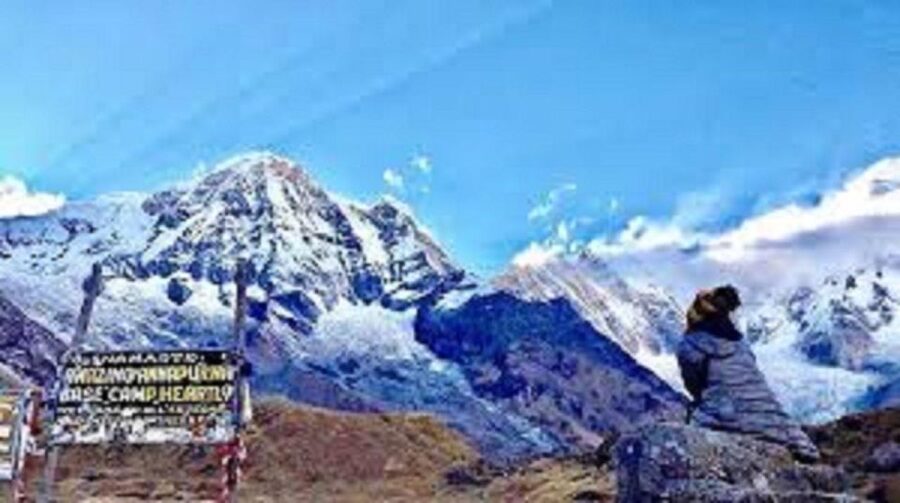
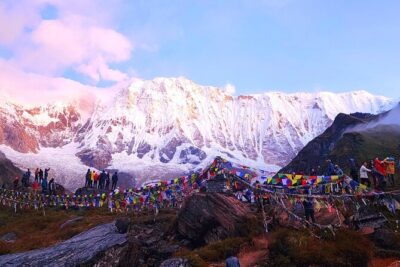
- Annapurna Base Camp at 4,130m: the main sight, with time to linger and look closer
- Forest-to-village trekking: rhododendron, oak, bamboo, then terraced homes and fields
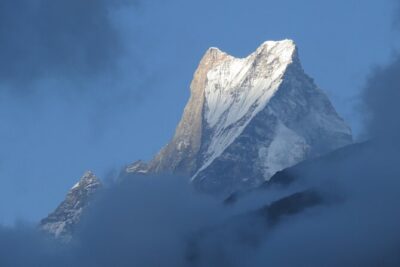
- Fishtail and Hiunchuli in your orbit: you’ll see iconic peaks while hiking toward ABC
- A guide who manages pace and safety: support that matters when the air gets thin
Other ways up to Annapurna Base Camp from Pokhara.
- Kathmandu/Pokhara: 5-Day Annapurna Base Camp (ABC) Trek★ 4.9 · 72 reviews
- Private 7 – Day Annapurna Base Camp Trekking★ 5.0 · 50 reviews
- From Pokhara: 5-Day Annapurna Basecamp Trek with Hot Springs★ 4.9 · 26 reviews
- Annapurna Base Camp Trek from Pokhara 7 Days★ 5.0 · 19 reviews
Annapurna Base Camp in 5 days: what you’re actually signing up for
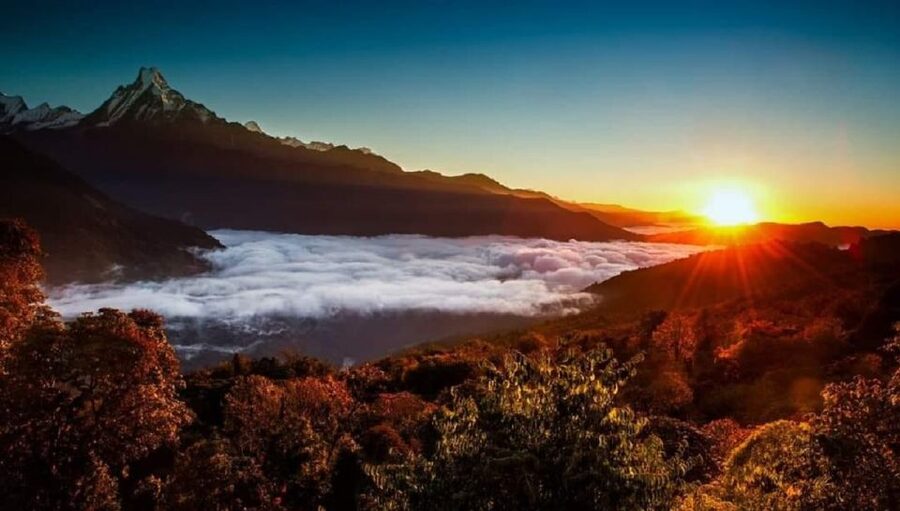
A 5-day Annapurna Base Camp trek is short enough to feel efficient, and just long enough to make you respect your legs. You’ll be moving most days for 4–7 hours, with several steeper climbs and descents. That’s why the “moderately challenging” label fits: you don’t need mountaineering skills, but you do need a steady hiking rhythm.
The route starts from the Pokhara area, then you work upward into the Annapurna Conservation Area. By day 3, you’re headed into the high zone where cold shows up fast. The plan also gives you a structured return: you don’t just go up, you come down in a way that helps your body reset before the hot springs.
Two details make this especially practical:
- You get meals and basic tea house/lodge accommodation included, so you’re not budgeting food logistics every day.
- You’re not trekking alone. The trek includes an English-speaking, government-registered guide who handles accommodation, food, insurance, and equipment coordination.
From Pokhara to Jhinu Danda: getting on the trail with less stress
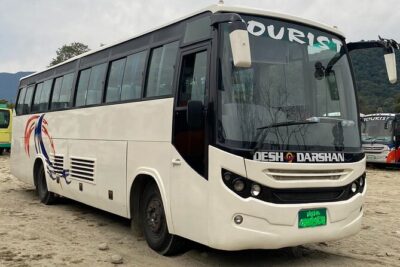
Day 1 starts with a mix of driving and walking. You’ll travel from Pokhara by car (a Jeep/SUV segment is part of the schedule) toward Matque/Jhinudanda. After that, you begin trekking to the Chomrong area and then onwards toward a first overnight stop around Sinuwa (about 2,340m) or Chomrong (about 2,170m), depending on your exact routing.
This first trekking day is described as moderately challenging, with a few steep moments right at the beginning. The reason it’s set up this way is simple: you get your altitude awareness early without jumping straight into the harshest high points. It’s a good day to:
- keep your pace calm,
- don’t chase speed,
- and treat the first climb like a warm-up, not a race.
You’ll also get short photo stops along the way, including time at Jhinu Danda before the trek proper. For many people, that’s the first moment you realize this isn’t just a hike. You’re entering a chain of viewpoints and village stops tied to local geography.
A small consideration for Day 1
If you’re sensitive to cold or you arrive in Nepal already tired from travel, the “moderate” effort can feel more intense. The upside is that the rest of the trek follows a pattern where you build, then pay off, then recover.
Chomrong to Deurali/Himalaya (around 2,900m): forests that actually feel like Nepal
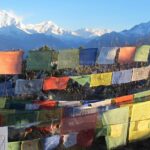
On day 2 you move from Chomrong up toward the Himalaya/Deurali area at about 2,900m. This is the day where the trail turns into a forest corridor. Expect dense rhododendron, oak, and bamboo trekking. The schedule calls for roughly 6–7 hours.
This is also the day that changes how the hike feels. Early on, the world can be open and bright. By day 2, you’re inside the rhythm of trees and switchbacks, which usually means:
- steady effort,
- lots of little elevation changes,
- and fewer “big views” until you break through openings.
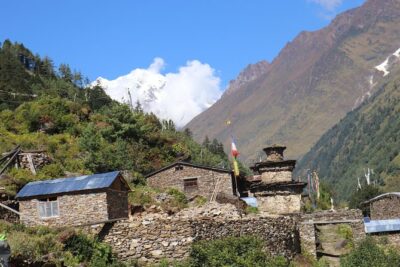
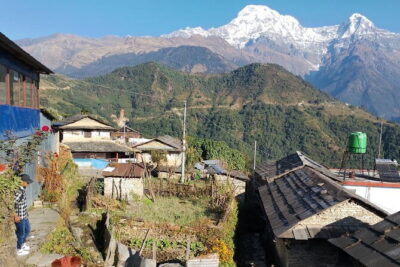
That said, forest trekking is not a consolation prize here. It’s one of the ways you understand where you are. Annapurna’s middle elevations are home to people and crops, not just mountains. You’ll pass through terraced areas and village life as you go.
More treks and hikes across the Annapurna region.
What to watch for
Because day 2 is longer, you want to manage your energy. A slower pace usually means you finish less drained and get better sleep that night. Your guide’s job is to keep you moving well, and the best guides here also keep an eye on how cold you’re getting.
Deurali to Annapurna Base Camp (4,130m): the hard day with the main payoff
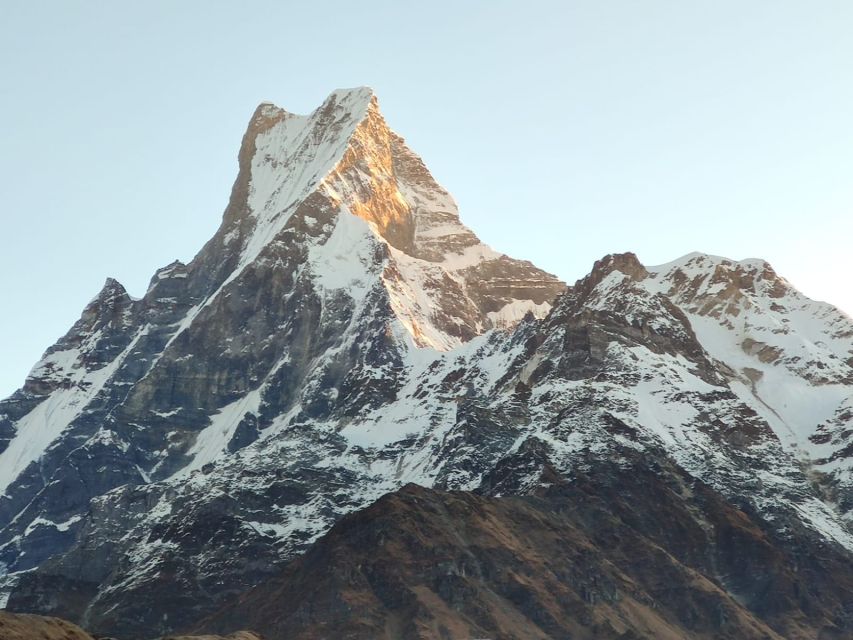
Day 3 is the big one: Deurali up to Annapurna Base Camp at about 4,130m (13,550ft). The walk takes about 5–6 hours and comes with steep sections and altitude pressure.
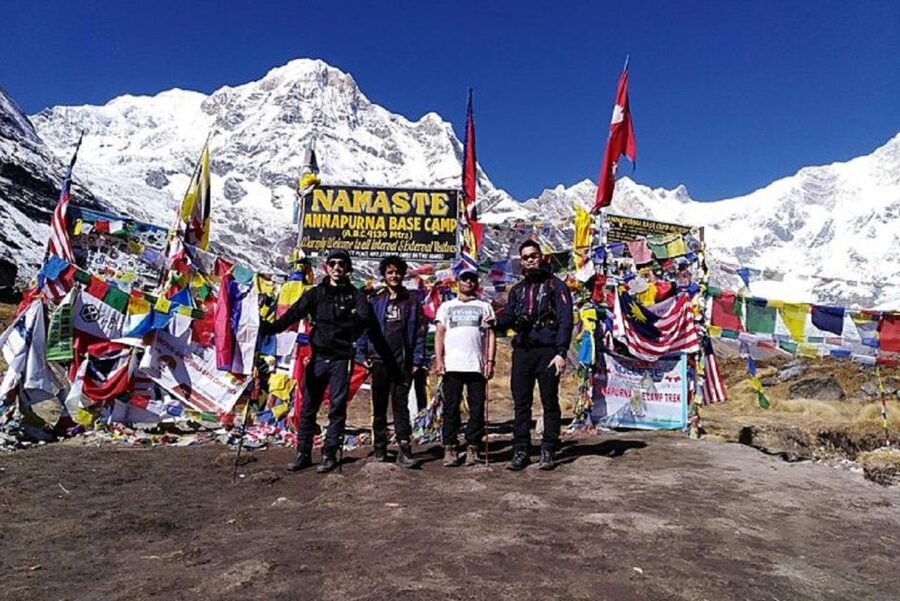
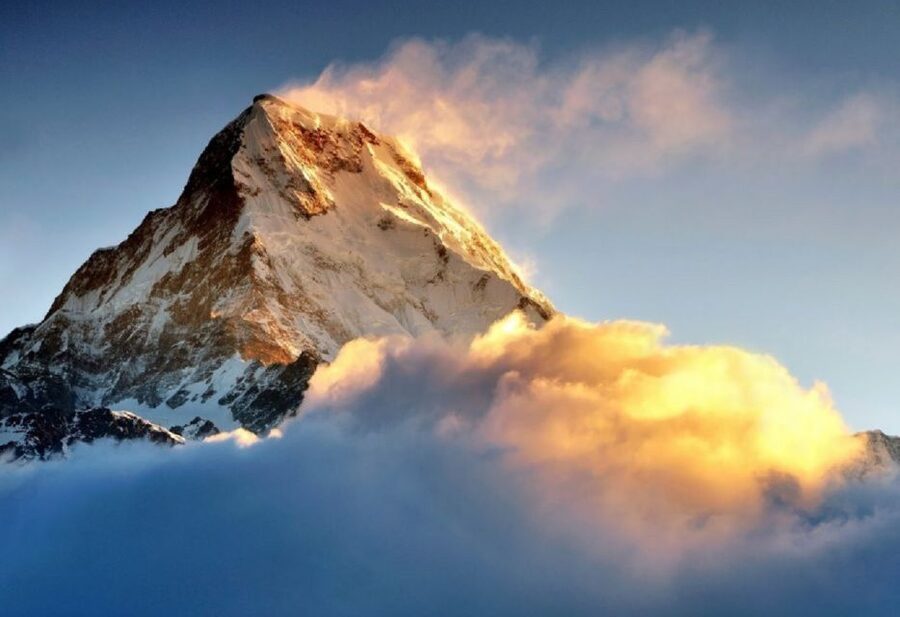
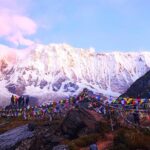
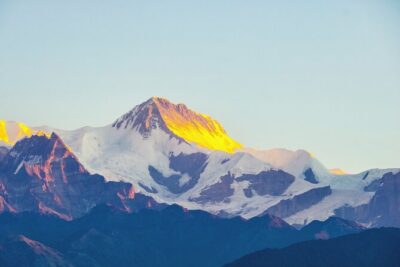
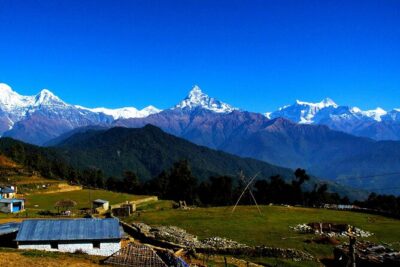
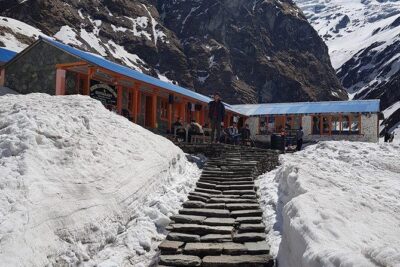
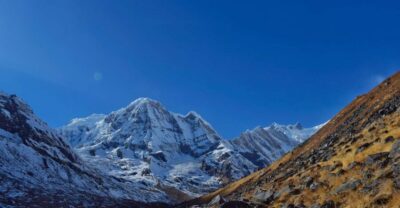
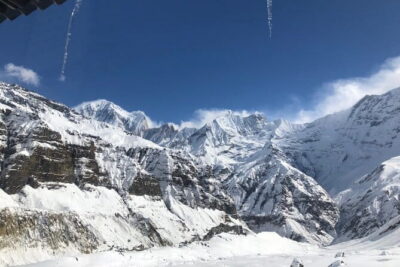
This is also where the scenery shifts from “beautiful hike” to “this is why we came.” You pass through Machhapuchhre Base Camp, and the views start stacking: Annapurna South and Annapurna I, plus Hiunchuli and the famous Machhapuchhre (Fishtail). The schedule doesn’t guarantee nonstop clear skies, but it builds in time for you to stop, look, and settle.
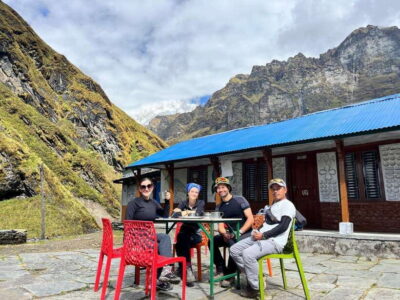
At 4,130m, ABC isn’t just high. It’s thin and cold. Even if you’re fit, the air makes every pause feel louder. This is exactly where a supportive guide matters. Several guide names come up strongly in successful trek outcomes, including Anil and Santosh, with people praising how they keep trekkers calm during colder moments and how they encourage you to take your time.
The real value of going to ABC
Many people think ABC is only about the final photo. For me, the bigger value is the transition:
- You feel the landscape changes day by day.
- You stop noticing the villages as scenery and start noticing them as community.
- Then you reach the base camp and realize the mountains are not abstract. They’re close.
One practical note: ABC is the “top of the itinerary,” so save your energy for the final stretch and don’t blow your pace early.
ABC to Bamboo (down to about 2,340m): downhill that still takes work
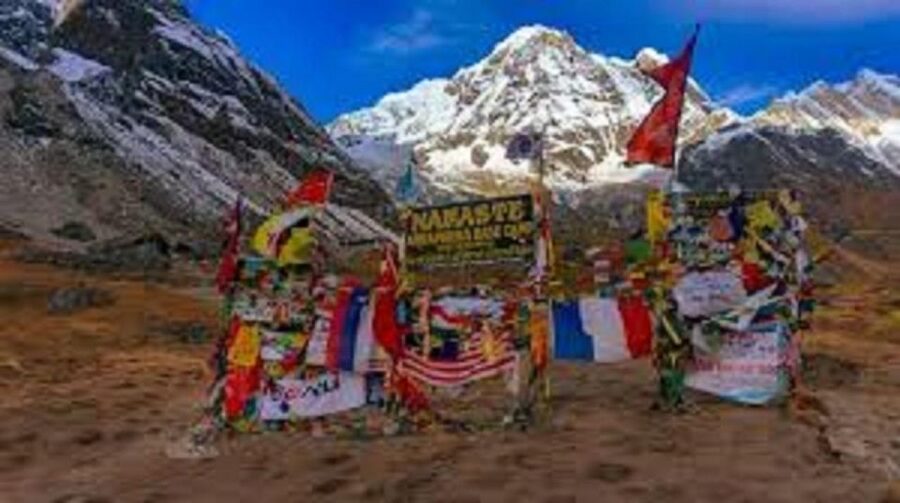
Day 4 brings you back down to Bamboo (around 2,340m). The plan calls for mostly downhill, but not easy. Expect 6–7 hours with some steep sections as you rejoin the route you took upward.
Why this day matters: downhill can wreck your knees if you treat it like an easy victory lap. The altitude is lower than day 3, which helps your breathing, but your legs still do real work. A good rhythm here is:
- short steps,
- quick weight shifts,
- and frequent water breaks.
You’ll retrace some of the same villages and guesthouses. That repeats a different perspective: you see how the trail looks from lower angles, how locals move through the area, and how your own pace changes once you’re not fighting the highest altitude.
Bamboo to Jhinu Danda hot springs: the recovery day you’ll remember
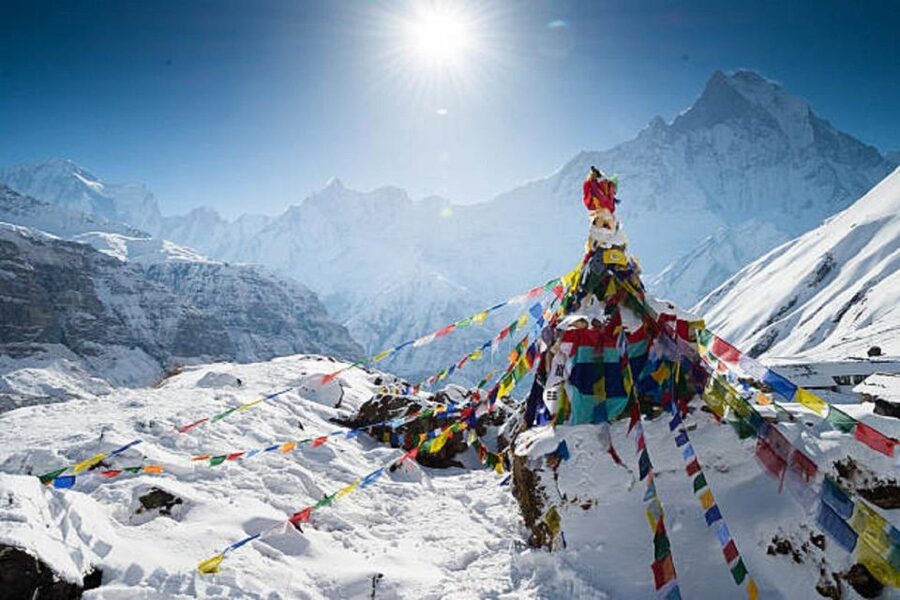
On day 5 you trek from Bamboo back to Jhinu Danda/Hot Springs (about 1,780m), then drive to Pokhara. The walking time is about 5–6 hours, followed by a 2–3 hour drive.
This is the day where the hot springs stop being marketing and start being biology. Your body will feel the whole trek by then: tight calves, heavy quads, and the general “why did stairs become a personality trait” mood. Jhinu Danda’s natural hot springs give you that honest reset after the steep days.
The plan also includes another photo stop at Jhinu Danda, which makes sense. You arrive, you soak, you reflect, and you start to connect the dots between the village trek and the mountain views you earned.
Price and value: what $155 covers, and what you still need to plan
At $155 per person for 5 days, this is the kind of trek price that works best if you want real structure without paying for all the smaller logistics yourself.
Based on what’s included, you’re paying for a bundle:
- Round-trip transportation between your Pokhara hotel/airport area and the trek starting point
- ACAP permit (Annapurna Conservation Area Permit)
- Meals during the trek (based on the option selected)
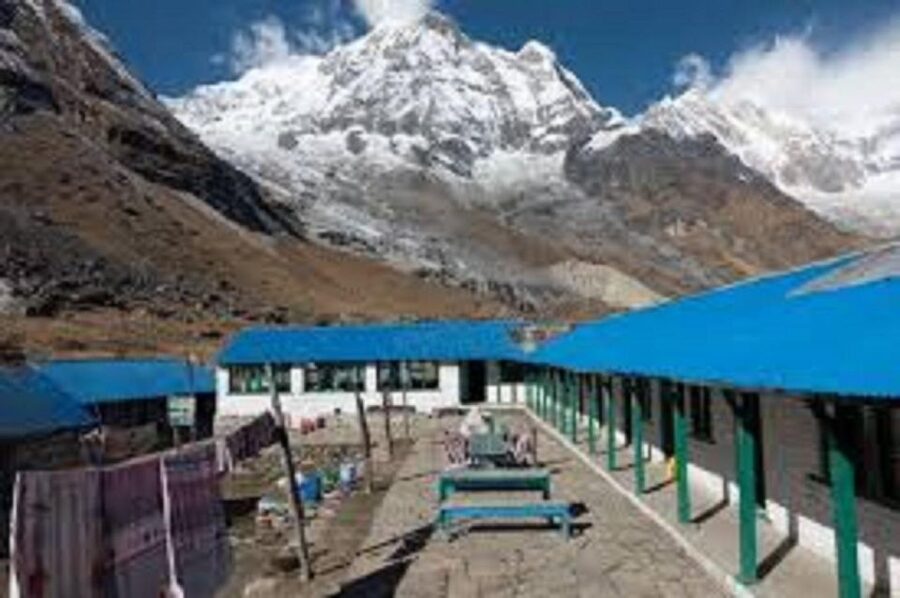
- Basic tea house/lodge accommodation
- An English-speaking government-registered guide
- Hot springs entry fee
- First aid kit
- Luggage storage in Pokhara while you’re trekking
- Some gear support like a duffel bag/trekking pole/trekking bag if required
Not included means you still need to handle key safety and personal costs:
- Travel insurance is mandatory for your safety and peace of mind. Don’t wing this.
- Personal expenses like snacks and extra drinks are on you.
- Emergency rescue services aren’t included.
- A porter is optional at $20 per day if you want extra help.
Is it good value?
Yes, if you show up prepared and treat it like a guided hiking program rather than a solo adventure. The real value is that the guide handles daily coordination and accommodation/food choices, which reduces stress when you’re tired and cold.
If you already have a strong trekking setup and you know exactly how to manage permits and lodging yourself, the cost might feel higher than a DIY option. But if you want a smoother path through the Annapurna region, this package makes sense.
Guides, safety, and why the guide personality can change everything
This is a trekking route where small decisions matter: pace, rest timing, warmth, and how you respond when the weather shifts. The guides attached to this kind of trek are often a mix of route experience and practical care.
I’d pay attention to the kind of guide support that stands out in real outcomes:
- Anil is repeatedly described as supportive and motivating, especially during colder parts.
- Uttam is praised for exceptional care, experience, and making sure food and lodging expectations are met.
- Santosh earns praise for safety focus, encouraging rest, and not rushing people.
- Sun Bahadur gets highlighted for being helpful and positive, especially for learning about local culture and food along the way.
- There are also examples of a guide duo managing schedule changes due to weather, adjusting plans and keeping the group satisfied.
Even if you never know your guide’s name until closer to departure, the pattern is clear: you want someone who checks your condition, doesn’t push too hard, and knows how to keep the trek flowing.
This is also a private group trek. That matters. It usually means the guide can adjust pacing more effectively for your group rather than forcing everyone into one rhythm.
Itinerary reality check: timing, altitude, and what each stop teaches you
Here’s what the day-by-day structure means in plain terms.
Day 1 (Pokhara → Jhinudanda area → Chomrong/Sinuwa)
You start with a scenic drive, then hike about 4–5 hours. It’s moderately challenging and sets your baseline for the altitude feeling.
Day 2 (Chomrong → Deurali/Himalaya ~2,900m)
Expect 6–7 hours through rhododendron/oak/bamboo. This is the stamina day. The goal is steady effort, not hero pace.
Day 3 (Deurali → ABC 4,130m)
About 5–6 hours and the steepest feel. This is your view day: Machhapuchhre Base Camp area, then ABC with Annapurna South/I, Hiunchuli, and Fishtail in your frame.
Day 4 (ABC → Bamboo ~2,340m)
About 6–7 hours, mostly downhill, but still physically serious. It’s leg management day.
Day 5 (Bamboo → Jhinu Danda hot springs → drive to Pokhara)
About 5–6 hours hiking plus 2–3 hours driving. You finish with the hot springs soak.
If you’re planning around fatigue, the key mental shift is: day 3 is not only about distance. It’s about altitude coping.
What to bring for cold mornings, wet trails, and high-altitude wind
The trek’s temperature swings can be significant. Higher elevations are often very cold, even when Pokhara feels mild. Pack for layers and for the reality that you’ll be outside for hours.
Bring:
- Comfortable shoes and hiking shoes (choose based on your comfort and grip needs)
- Rain gear
- Hat and hair tie
- Change of clothes
- Warm layers you can layer quickly
- Camera
- Cash
- Passport (a copy is accepted)
- Trekking gear basics like hiking pants and supportive layers
You also need one admin item before you go: submit a copy of your passport at least one day before the trek so permits can be arranged.
Who should book this trek, and who should slow down
This trek fits best if you:
- want a shorter route to ABC (5 days)
- can walk 4–7 hours most days
- are comfortable with altitude rising to 4,130m
- want a guide-managed plan with meals and lodging handled
You should think twice if you:
- are new to hiking and worry you can’t handle cold and steep sections
- have health concerns that make altitude risky
- expect a fully easy walk. There are steep days and long hours.
The good news is that the trek is guided and structured, so you can go at a safe pace. But the mountain still sets the tone.
Should you book this 5-day Annapurna Base Camp trek with hot springs?
If you want Annapurna Base Camp in a tight, well-managed package, this is a strong choice. The value is in the basics being covered: guide, permits, meals, tea house beds, and transport. And the payoff is real: ABC at 4,130m plus a post-trek Jhinu Danda hot springs soak that makes the whole effort feel worth it.
Book it if you’re ready to dress for cold, walk steadily, and treat day 3 as a big altitude day. Skip it if you’re hoping for an easy stroll or you don’t plan for travel insurance and cold-weather layers.
FAQ
How long is the Annapurna Base Camp trek?
The trek duration is 5 days.
What is the highest altitude on this trek?
Annapurna Base Camp is at about 4,130m (13,550ft).
Where does the trek start from?
It starts from the Pokhara area, with travel by Jeep/SUV and/or bus/coach, and includes a drive to the Jhinudanda/Matque area before trekking begins.
Are hot springs included?
Yes. The hot springs entry fee is included, and you trek to Jhinu Danda for the soak before returning to Pokhara.
What permits are included?
The trek includes the Annapurna Conservation Area (ACAP) permit.
Is accommodation provided during the trek?
Yes. You’ll stay in basic tea houses or lodges during the trek.
Do I need to bring a passport?
A copy of your passport is accepted, but you must submit it at least one day before the trek so permits can be arranged.
Is a porter included?
A porter is not included. If you want one, the cost is $20 per day.
More Treks in the Annapurnas
Also Reviewed Around Pokhara
More Annapurna Base Camp Routes
Newer Pokhara reviews to browse before you decide
Annapurna Sanctuary Treks, compared.
 ★ 4.9Kathmandu/Pokhara: 5-Day Annapurna Base Camp (ABC) TrekFrom $9672 reviews
 ★ 5.0Private 7 – Day Annapurna Base Camp TrekkingFrom $62550 reviews
 ★ 5.0Annapurna Base Camp Trek (8 days)From $65045 reviews
 ★ 4.97 Day Annapurna Base Camp TrekFrom $21538 reviews
 ★ 5.0Annapurna Base Camp Trek from Pokhara 7 DaysFrom $39519 reviews
 ★ 5.06 days Annapurna Basecamp TrekFrom $45016 reviews
 ★ 5.010 Days Private Guided Annapurna Basecamp Trek via Poon HillFrom $80015 reviews
 ★ 5.07-Day Trek to Annapurna Base Camp from PokharaFrom $34512 reviews
Browse the lists this tour appears in