
Reviewed · ANNAPURNA SANCTUARY TREKS
Pokhara: 7 Day Annapurna Base Camp Trek
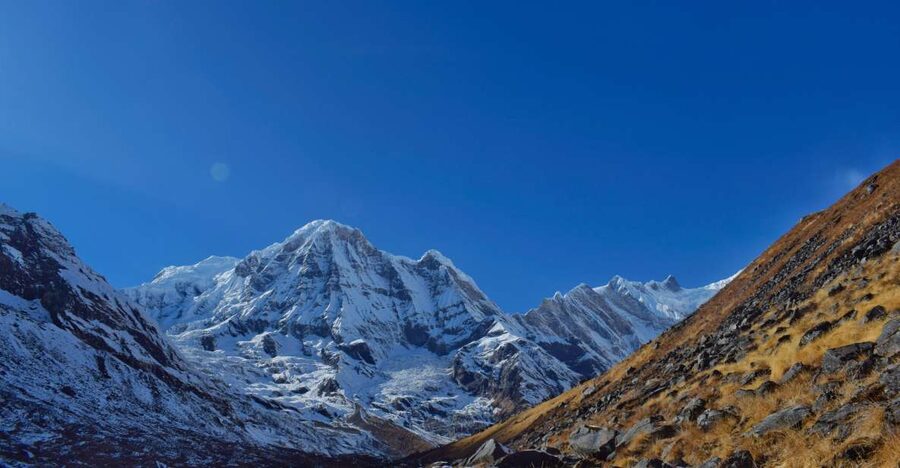
Hitting Annapurna Base Camp in seven days feels unreal. This trek takes you up through Gurung villages and changing forest types, with big views of the Annapurna massif and icons like Machhapuchhre (Fishtail). You’ll also hike at altitudes that can bring snow near the top, depending on when you go, with certified guides to keep you on track.
I especially like the human side of this route. A guide such as Pratiksha (one of the names you may encounter) is known for patient pacing and for building smooth stays at tea houses—so you spend less time worrying about comfort and more time watching the mountains. The experience also tends to run well because guides like Deepak and Hari focus on adapting your rhythm and making you feel secure on the trail.
One thing to plan for: the profile can be demanding early on, and altitude can add a layer of challenge around Deurali and Annapurna Base Camp. If snow or heavy rain shows up (it does in some seasons), you’ll want to be ready with solid gear and a flexible mindset—one trek was adjusted with transport when someone became unwell near Deurali.
In This Review
- Key highlights worth caring about
- Seven Days to Annapurna Base Camp: The big reward in a short week
- The private guide factor: pacing, safety, and tea-house comfort
- Day 1: Nayapool to Ghandruk, the first classic Gurung panorama
- Day 2: Ghandruk to Lower Sinuwa, rhododendron forests and suspension bridges
- Day 3: Sinuwa to Deurali, bamboo, oak, cliffs, and real altitude pressure
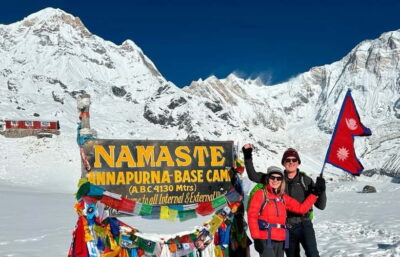
- Day 4: Deurali to Annapurna Base Camp at 4,130 m
- Day 5: Base Camp sunrise feeling, then the downhill reset to Sinuwa
- Day 6: Sinuwa to Jhinu Danda Hot Springs for sore-leg relief
- Day 7: Jhinu to Nayapool, then back to lakeside Pokhara
- Price and value: what $215 covers and what costs extra
- Logistics you’ll feel on the trail: permits, lodges, and luggage
- Getting ready: pacing, altitude days, and weather reality
- Should you book this Pokhara to ABC trek?
- FAQ
- How long is the Pokhara to Annapurna Base Camp trek?
- What is the highest altitude on this trek?
- What does the price include?
- Are meals included in the cost?
- What languages do the guides speak?
- Is this trek a private group or shared group?
- Can I hire a porter, and how much does it cost?
- Where will pickup and drop-off happen in Pokhara?
- What should I bring for the trek?
Key highlights worth caring about
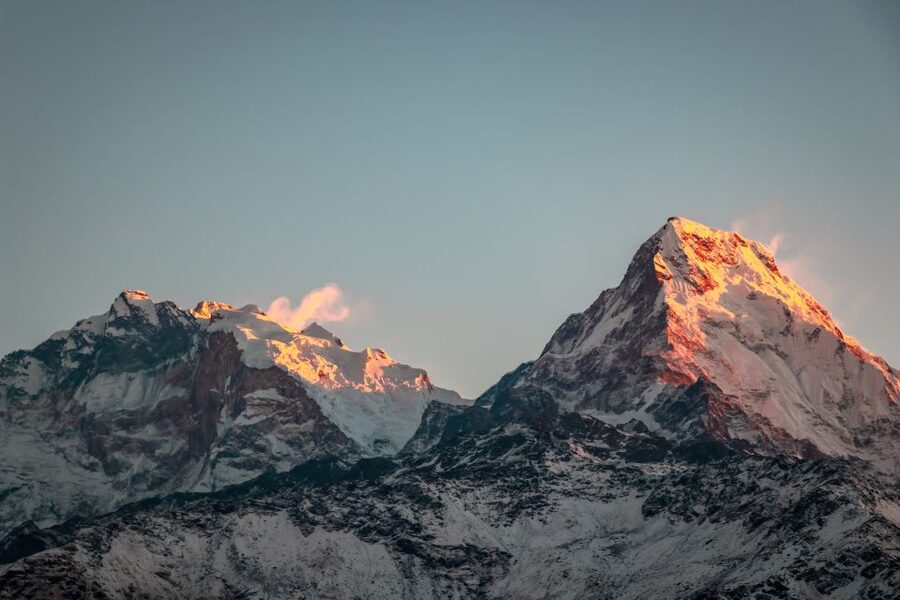
- A 7-day ABC climb with real altitude payoff: Annapurna Base Camp sits at 4,130 m, so the views feel close and earned.
- Village trekking with Gurung culture: Ghandruk brings traditional life and classic mountain panoramas.
- Big scenery changes day to day: rice terraces, rhododendron forests, bamboo/oak, then alpine meadows.
- Machhapuchhre and Hiunchuli viewpoints: the route keeps putting these peaks into your line of sight.
- Jhinu Danda hot springs reset: a river-side soak for tired legs on day 6.
- Guides who manage your day-to-day comfort: strong relationships with tea houses can mean better meals and smoother stays.
Other ways up to Annapurna Base Camp from Ghandruk.
- From Pokhara: 10-Day Poon Hill and Annapurna Base Camp Trek★ 5.0 · 7 reviews
- Pkr/Kathmandu: 5-Day Annapurna Base Camp & Hot spring Trek★ 5.0 · 6 reviews
Seven Days to Annapurna Base Camp: The big reward in a short week
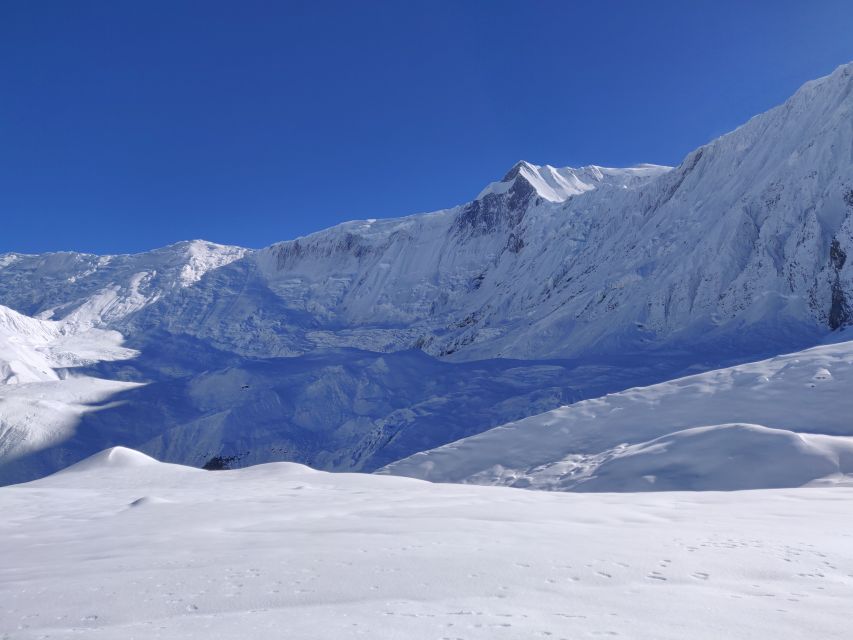
This trek is built for people who want the Annapurna Base Camp experience without turning it into a month-long project. You’ll start from Pokhara, drive into the lower trailheads, and then spend seven days working uphill toward 4,130 m. The big win is that the trail doesn’t just feel like effort—it keeps rewarding you with changing scenery and frequent peak views.
From the way the route is paced, it also feels like a practical introduction to high-country trekking. You’re not thrown straight to the top; instead you rise in steps, spending nights along the Modi Khola corridor. Those overnight stops matter because they give your body repeated chances to adjust, and they also shape your hiking rhythm.
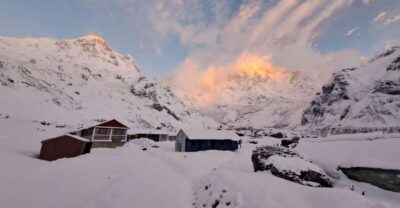
The trek’s best moments are tied to specific viewpoints. In your first real hilltop day, you’ll see Machhapuchhre’s shape from Ghandruk. Later, as you approach Annapurna Base Camp, the mountains shift from “looks impressive” to “wow, that’s right there.” One of the most memorable parts is that you can get sunrise effects on the way back from base camp.
The private guide factor: pacing, safety, and tea-house comfort
The tour is set up as a private group with government-certified guides, and that changes the whole experience. When your guide like Hari knows the area well, you get more than route directions—you get interpretation. You’ll learn what you’re seeing on the Annapurna range and why certain trail sections feel the way they do.
Pacing is the biggest practical benefit. Guides such as Pratiksha and Deepak are described as adapting to your level and letting you move at your own speed, which is huge on a route with real uphill-and-downhill swings. If you’re not in peak shape, that kind of flexibility can be the difference between finishing with energy and finishing with misery.
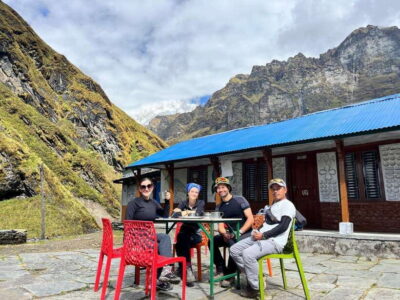
Tea-house relationships also matter more than people expect. A guide who knows where to send you can reduce uncertainty about food quality and lodging. That’s especially helpful because meals and drinks are not included in the price—you’ll be buying them along the way. Having a guide who can steer you toward the best options helps your money go further.
Day 1: Nayapool to Ghandruk, the first classic Gurung panorama
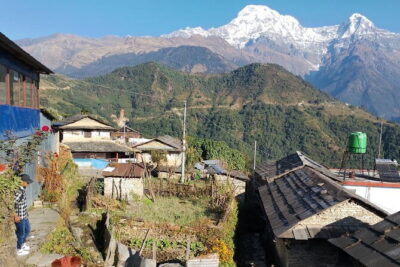
You begin with a drive from Pokhara to Nayapool, then start hiking toward Ghandruk. Ghandruk sits at 1,939 m (6,360 ft), and it’s one of those places where the views hit early. You’ll walk through villages and terraced fields, getting a feel for rural life before the trail leans into the higher country.
This day is a good warm-up in more ways than one. It’s not just about legs; it’s also about settling into the trekking pace: steady steps, short breaks, and getting comfortable with a routine of navigating switchbacks and footpaths. You’ll also likely spot Annapurna South and Machhapuchhre from the Ghandruk area, which sets expectations for what’s ahead.
Downside? If your weather is cold or if you’re coming off travel fatigue, the day can feel longer than the distance suggests. Still, it’s a nice first chapter because Ghandruk is culturally rich and visually rewarding.
Day 2: Ghandruk to Lower Sinuwa, rhododendron forests and suspension bridges
Day 2 climbs and drops as you move from Ghandruk to Lower Sinuwa at 2,249 m (7,380 ft). Expect rhododendron forests and small settlements along the way, plus the practical thrill of crossing suspension bridges over the Modi Khola.
This is where the trail starts feeling more “trek” and less “walk through a village.” The gorge sections can make the rhythm feel different—watch your footing, take your time on uneven stones, and don’t rush down steep parts. Suspension bridges add a bit of adrenaline, but they’re also a reminder that your guide is managing safety and timing.
One of the best ways to enjoy this day is to look past the next tea house and instead pay attention to the route’s texture: tree cover changes, views open and close, and the river corridor becomes a constant companion. By the time you reach Lower Sinuwa, you’re positioned well for the bigger altitude push of day 3.
More treks and hikes across the Annapurna region.
Day 3: Sinuwa to Deurali, bamboo, oak, cliffs, and real altitude pressure
Today heads up to Deurali at 3,230 m (10,595 ft). You’ll walk through dense bamboo and oak forests, then follow the Modi Khola gorge past places like Dovan and Himalaya. The trek here is about staying calm and consistent because the altitude starts to feel more noticeable.
This is also one of the days tied to dramatic scenery: cliffs, waterfalls, and narrower views framed by the valley walls. When the trail feels physically harder, that’s often your body telling you to slow down. Guides like Narayan have handled cases where altitude affects plans; in one situation near Deurali, the route was adjusted with jeep transport rather than forcing a bad outcome.
If you want the ABC experience to feel fun instead of stressful, treat day 3 as a pacing test. Keep stops short, hydrate, and let your breathing settle between climbs.
Day 4: Deurali to Annapurna Base Camp at 4,130 m
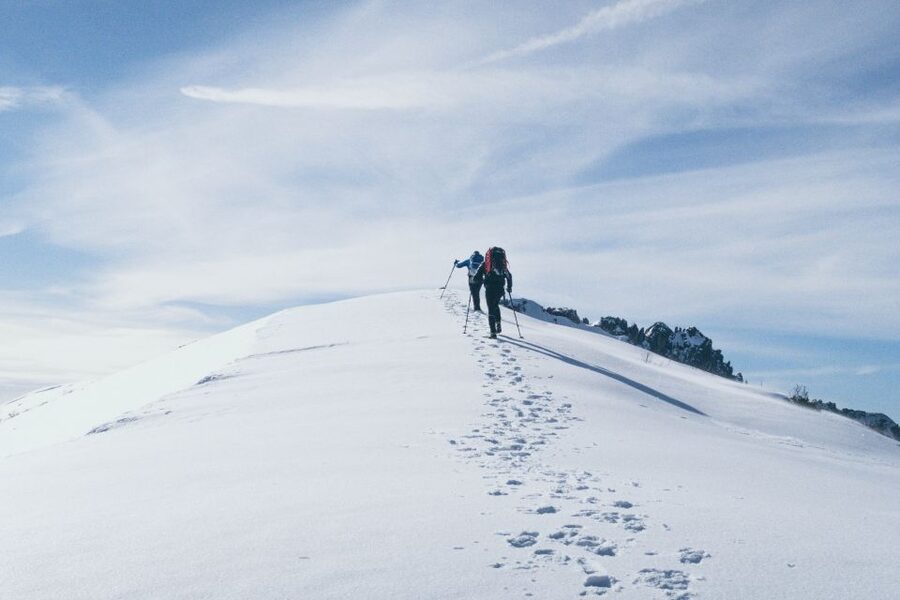
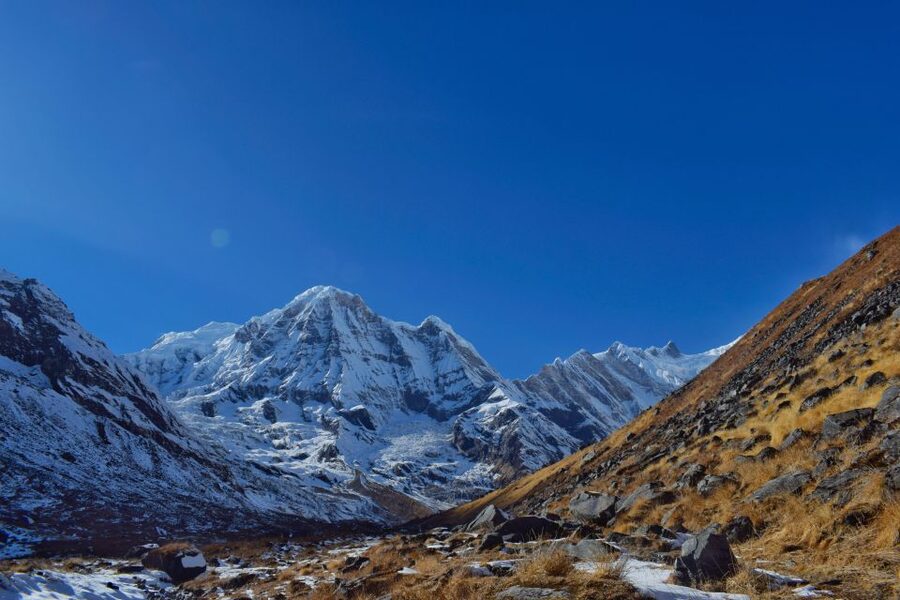
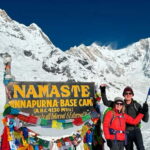
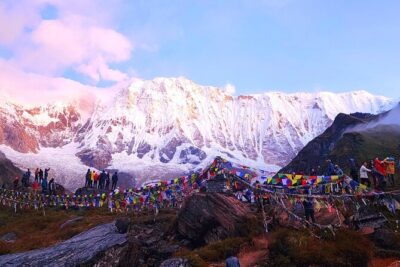
This is the day you’ve been working for. You climb from Deurali to Annapurna Base Camp at 4,130 m (13,550 ft), walking through alpine meadows as the air thins. There’s a key highlight along the way: passing Machhapuchhre Base Camp, where the views of Fishtail and the Annapurna range can feel unreal close.
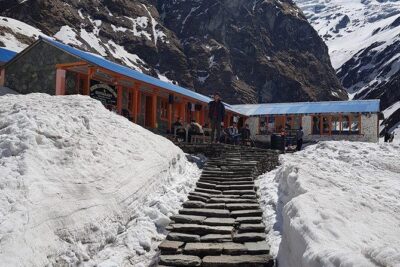
Approaching ABC is where the “up close” promise becomes real. The terrain opens, the amphitheater effect of the surrounding peaks kicks in, and it becomes harder to think about anything except the view. If snow shows up around the higher sections, it can add a bright, cold drama to the moment—some treks have reported snow near the approach and departure.
Practical reality check: your legs might feel fine but your breathing could lag. At this altitude, don’t try to win any races. Your guide’s job is to watch your pace and keep you moving safely.
Day 5: Base Camp sunrise feeling, then the downhill reset to Sinuwa
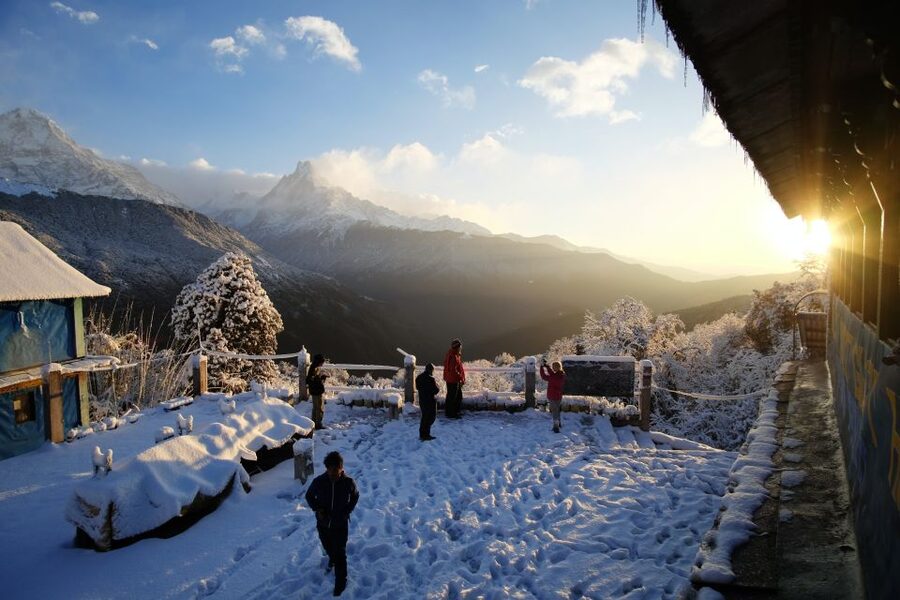
You’ll wake up to sunrise over Annapurna I, then after breakfast you start downhill back toward Sinuwa at 2,249 m (7,380 ft). Retracing your steps doesn’t mean it’s easy, but it does mean your body gets a chance to recover. Descending through bamboo and rhododendron forests can be surprisingly relaxing once you’re past the first steep sections.
This day is smart because it balances reward and recovery. You get the magic of being at ABC early in the day, then you help your system adjust by losing elevation. That matters because it improves how you’ll feel for day 6’s hot springs and day 7’s final descent.
If you’re the kind of person who wants photos, this is a great day for it—morning light can make the mountains look sharper and more three-dimensional. Just don’t linger so long that you miss the rhythm your guide is planning.
Day 6: Sinuwa to Jhinu Danda Hot Springs for sore-leg relief
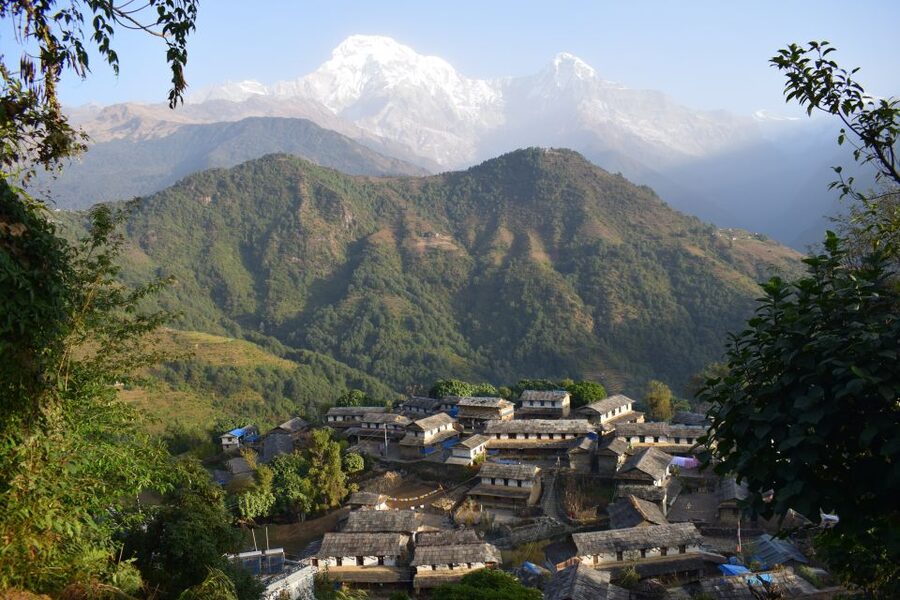
Day 6 drops you to Jhinu Danda at 1,760 m (5,770 ft). The trail heads down to the natural hot springs by the river, and this is one of the most practical rewards on the whole trek: it helps tired legs feel human again.
You’ll likely feel a bit of wear by this stage because you’ve been climbing for several days and then doing long walking days. So the hot springs are more than a nice extra—they’re a recovery tool that keeps you from finishing the week completely flattened.
If you go here, bring swim basics. One trek recommendation was very direct about packing swimming stuff because soaking is the whole point of the stop. After that, you overnight at Jhinu Danda and get ready for the final stretch.
Day 7: Jhinu to Nayapool, then back to lakeside Pokhara
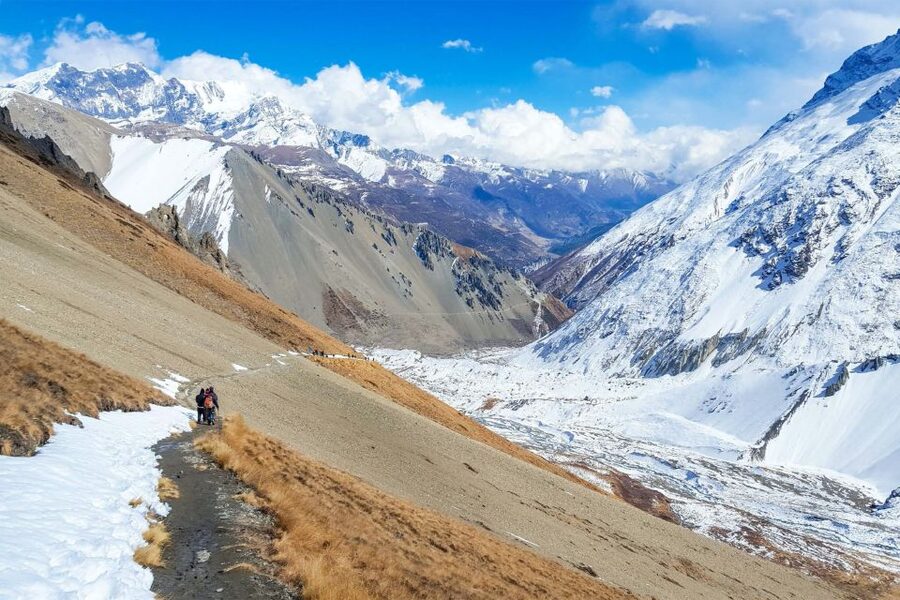
On day 7 you descend gradually through farmlands and villages to reach Nayapool, then drive back to Pokhara. The finish is calmer than the climb days because you’re mostly working on getting your legs back under you rather than chasing altitude.
This day matters emotionally, too. You start hearing less about mountain heights and more about food, showers, and the simple joy of walking without thinking about elevation. When you reach Nayapool, the drive back to Pokhara brings you to the lakeside area where you can decompress.
If you’re comparing trekking routes, a finishing day like this is a reasonable trade. You get the hot springs benefit, and you still get a real end-of-week transition.
Price and value: what $215 covers and what costs extra
At $215 per person, the value comes from how much is handled for you. Your price includes:
- hotel pickup and drop-off in Pokhara
- private roundtrip transportation
- Annapurna Conservation Area (ACAP) permit and other government permits
- private accommodation in standard tourist lodges
- government-certified guides
- a first aid kit
- luggage storage in Pokhara
- a duffel bag and trekking poles if needed
That’s a lot of logistics packed into one line item, which matters on trek days when you don’t want surprises. The transport rating is also a comfort factor: 87% of reviewers gave it a perfect score, which usually means fewer travel headaches.
What’s not included is straightforward: food and drinks are available to purchase along the way. You can also hire a porter for $15 per day if you want help carrying your load. For many people, that porter option is the easiest way to turn a good trek into a more enjoyable trek—especially if you’re carrying a camera plus layers plus rain gear.
My practical take: the price feels fair when you factor in permits, guides, and transport. If you’re trying to save money by cutting the guide or permit handling, that’s where issues can crop up.
Logistics you’ll feel on the trail: permits, lodges, and luggage
Because permits are handled, you don’t have to spend mental energy figuring out paperwork at the start. You’ll also sleep in standard tourist lodges each night, which keeps the plan predictable. Private accommodation helps too, especially after altitude days when you want rest without sharing space.
Luggage storage in Pokhara is another underrated benefit. Most trekking setups make you carry a trekking day bag anyway, so knowing you can leave extra items in Pokhara reduces what you need to haul. Pickup includes any hotel on the lakeside in Pokhara, which is helpful if you’re staying in the main tourist area.
On guides: you’ll have a live guide who speaks English, Hindi, and Nepali. That matters for safety and comfort, because you’ll be asking questions about pacing, trail conditions, and where to eat.
Getting ready: pacing, altitude days, and weather reality
Even with a well-run plan, ABC is still a hike into altitude. Deurali at 3,230 m is often where people start feeling the thin air more clearly. Annapurna Base Camp at 4,130 m is the peak altitude moment, and your goal should be to arrive in control, not to arrive exhausted.
The most useful approach is to hike slower than you think you need to. Guides are described as adapting rhythm to your needs, so use that. If you’re not sure how you’ll respond to altitude, you can take comfort from the fact that one guide handled altitude sickness by arranging jeep transport and pivoting the plan toward Poon Hill instead of forcing base camp.
Weather is the other variable. Some seasons can bring snow near base camp approach and departure. Monsoon timing can bring rain and cooler, wetter conditions. Plan for both possibilities by bringing proper layers and rain protection. Your trekking day comfort will mostly come down to how well you manage cold and wet.
Should you book this Pokhara to ABC trek?
Book it if you want a 7-day Annapurna Base Camp experience with day-by-day structure, private guiding, and permits and transport handled for you. It’s a good fit for first-timers who want support on pacing, and for hikers who prefer not to micromanage logistics.
Think twice (or ask a lot of questions first) if you’re highly sensitive to altitude or you’re expecting a gentle walk the whole way. The early days involve real incline and downhill swings, and altitude days around Deurali and ABC need a calm, steady approach.
If your priority is a confident guide, comfortable lodge stays, and a well-shaped week that includes the Jhinu hot springs reward, this trek checks many boxes.
FAQ
How long is the Pokhara to Annapurna Base Camp trek?
The trek runs for 7 days.
What is the highest altitude on this trek?
Annapurna Base Camp is at 4,130 meters (13,550 ft).
What does the price include?
It includes hotel pickup and drop-off, private roundtrip transportation, ACAP and government permits, private accommodation in standard tourist lodges, government-certified guides, a first aid kit, duffel bag and trekking poles if needed, and luggage storage in Pokhara.
Are meals included in the cost?
No. Food and drinks are not included, but you can purchase them along the way.
What languages do the guides speak?
The guides provide live commentary in English, Hindi, and Nepali.
Is this trek a private group or shared group?
This is a private group.
Can I hire a porter, and how much does it cost?
Yes. A porter can be hired for $15 per day.
Where will pickup and drop-off happen in Pokhara?
Pickup is included from any hotel in the lakeside area of Pokhara, and you’ll also have drop-off back there.
What should I bring for the trek?
You’ll need a passport or ID card.
More Treks in the Annapurnas
Also Reviewed Around Pokhara
More Annapurna Base Camp Routes
Newer Ghandruk reviews to browse before you decide
Annapurna Sanctuary Treks, compared.
 ★ 4.9Kathmandu/Pokhara: 5-Day Annapurna Base Camp (ABC) TrekFrom $9672 reviews
 ★ 5.0Private 7 – Day Annapurna Base Camp TrekkingFrom $62550 reviews
 ★ 5.0Annapurna Base Camp Trek (8 days)From $65045 reviews
 ★ 4.95-Day Annapurna Basecamp Trek with Hot SpringsFrom $15526 reviews
 ★ 5.0Annapurna Base Camp Trek from Pokhara 7 DaysFrom $39519 reviews
 ★ 5.06 days Annapurna Basecamp TrekFrom $45016 reviews
 ★ 5.010 Days Private Guided Annapurna Basecamp Trek via Poon HillFrom $80015 reviews
 ★ 5.07-Day Trek to Annapurna Base Camp from PokharaFrom $34512 reviews
Browse the lists this tour appears in