
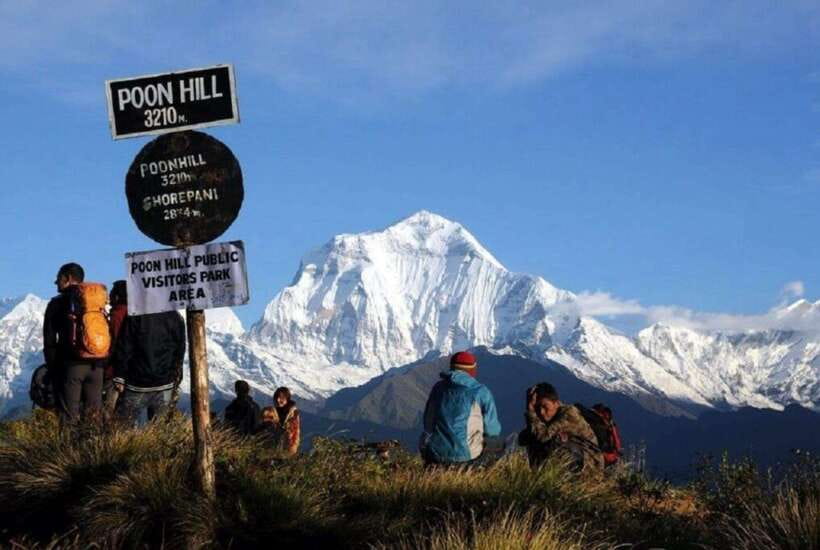
Reviewed · POON HILL SUNRISE TREKS
Pokhara: Poon Hill Trek
Sunrise here feels personal. This short trek puts you at Poon Hill for golden mountain light and brings you into Ghandruk for real Gurung village life. I really like the simple, walkable day structure, and one practical catch: meals are not included, so plan to pay for food (about $20 per person per day).
I also like the human support built into the trek. You’ll travel with an English-speaking guide, and in past bookings guides like Gobinda and porters such as Sundeep have gone beyond logistics to help with the tough moments, like carrying extra items and even helping with cramped feet during the stair-heavy stretches.
If you want huge views without a long, technical trek, this route makes a lot of sense. It’s best in spring and autumn, and it stays manageable with cozy lodge sleep along the way.
In This Review
- Key things you’ll notice on this Poon Hill experience
- A short trek with big views: Pokhara to Poon Hill in four days
- Day 1: Nayapool to Ulleri (about 2,070 m) and a Magar welcome
- Day 2: Ghorepani (about 2,850 m), rhododendron forests, and village stops
- Day 3: Poon Hill sunrise (3,210 m) then down to Ghandruk (about 1,940 m)
- Ghandruk village: Gurung traditions, ancient trails, and a sunrise you can see from town
- Price and value: what’s covered in the $208 and what you must budget for meals
- Lodges, private group pacing, and why luggage rules matter
- What to pack for Poon Hill: passports, layers, and smart trail bags
- Permits, seasons, and responsible trekking on this route
- Should you book this Poon Hill trek?
- FAQ
- What is the duration and location of the Poon Hill trek?
- What are the main trekking days and key places you visit?
- What is the highest point on this trek?
- Are meals included in the price?
- Do I need permits for the trek?
- What luggage is allowed, and do you store bags in Pokhara?
Key things you’ll notice on this Poon Hill experience
- Poon Hill sunrise with specific peak views like Annapurna I, Dhaulagiri I, Machapuchare, and Annapurna South
- Two cultures on one trail: Magar hospitality around Ulleri and Gurung tradition in Ghandruk
- Rhododendron forest walking on the way to Ghorepani (a big part of the scenery)
- Thoughtful pacing for a 4-day trek, with roughly 5–6 hours of walking most days
- Strong guide-and-support energy, including hands-on help when legs get tired
- Luggage storage in Pokhara so you travel lighter on the trail
More Poon Hill and Ghorepani routes, weighed by nights and effort.
- From Pokhara: 10-Day Poon Hill and Annapurna Base Camp Trek★ 5.0 · 7 reviews
- Pokhara: 3 days Trek to Poon hill★ 5.0 · 3 reviews
A short trek with big views: Pokhara to Poon Hill in four days
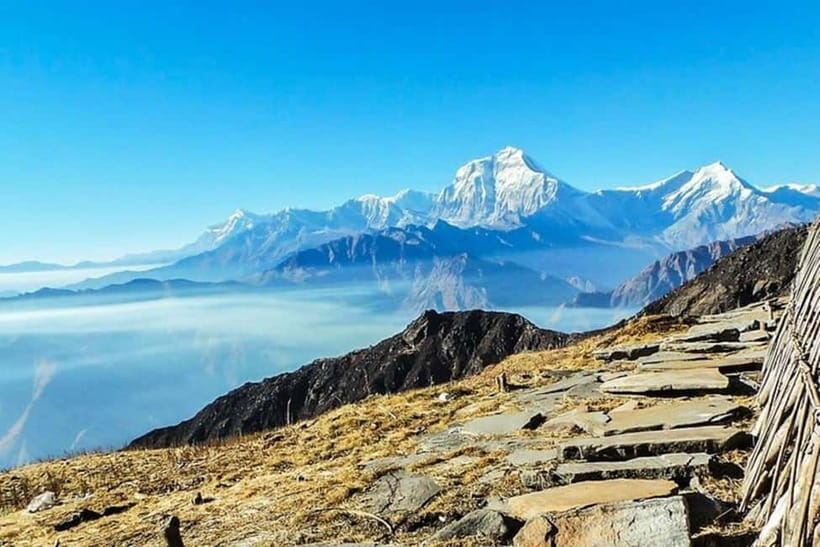
This is the classic Annapurna-region “starter trek,” but not in a watered-down way. You get real trail time, village stops, and one of Nepal’s most famous sunrise viewpoints, all without committing to weeks on the trail.
The trekking rhythm is the big selling point. Most days are around 5–6 hours of hiking, and you sleep in tourist-standard lodges. That combination is ideal if you want mountains and culture, but you also want your evenings to feel like rest, not survival.
You’ll also move through a range of elevations during the trek. You start at about 2,070 m, work up to 3,210 m for sunrise at Poon Hill, then finish by descending to Ghandruk at roughly 1,940 m. Expect early mornings around sunrise time, especially on the Poon Hill day.
Day 1: Nayapool to Ulleri (about 2,070 m) and a Magar welcome
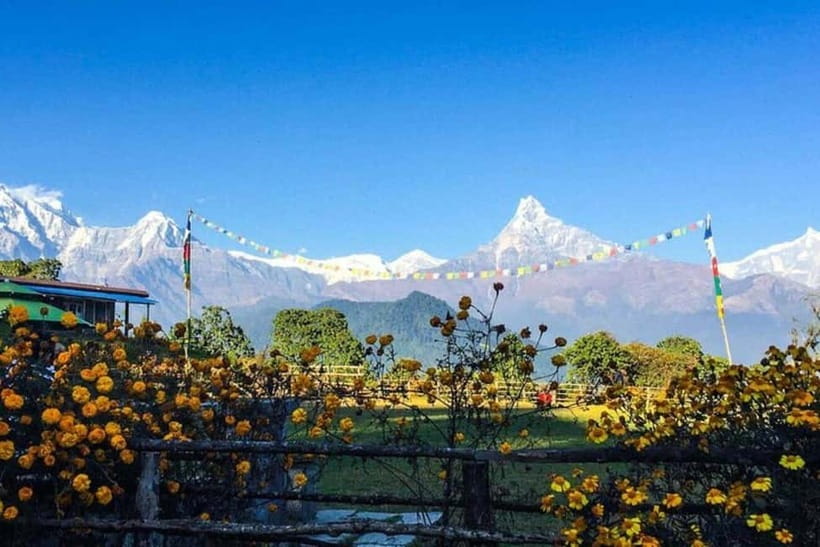
Day one starts with an easy win: you transfer from Lakeside Pokhara to Nayapool by vehicle. Then the trek begins on foot toward Ulleri, with a walk of about 5–6 hours.
Ulleri is where the cultural side shows up right away. You’re scheduled to experience the hospitality and culture of the Magar community, with dinner and accommodation arranged in Ulleri. Practically, that matters because your first full day of trekking is also your first chance to settle into village life—simple meals, a warm bed, and a community that’s used to hikers passing through.
The main thing to watch on day one is pacing. Starting with a multi-hour uphill walk means you’ll want a steady effort, not a sprint. If you go out too fast, the next day’s climbing can feel harder than it needs to.
Day 2: Ghorepani (about 2,850 m), rhododendron forests, and village stops
On day two you hike from Ulleri to Ghorepani, another scenic village setting in the Annapurna foothills. Plan for about 5–6 hours of hiking total, with time for breaks and village views.
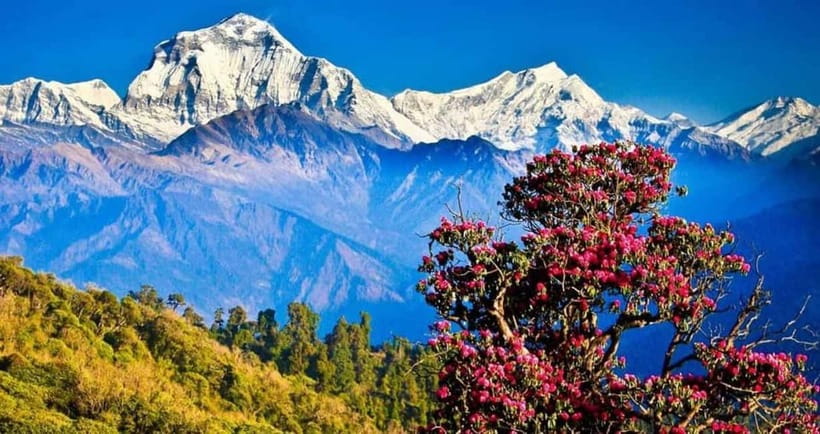
This is the day for the rhododendron forests. If you’re trekking in spring, this sort of forest walk can be especially memorable because rhododendrons are in season then. Even if conditions aren’t perfect, the forest trail gives you a break from constant exposure to open mountain views, which many people appreciate.
Lunch is arranged at Nangethati, which helps keep the day from becoming a navigation-and-snacking exercise. You also might come across wildlife, since this trek runs through inhabited hills that still have nature around the trail.
By the end of day two, you’re staying in Ghorepani, positioning yourself for the early sunrise attempt at Poon Hill.
Day 3: Poon Hill sunrise (3,210 m) then down to Ghandruk (about 1,940 m)
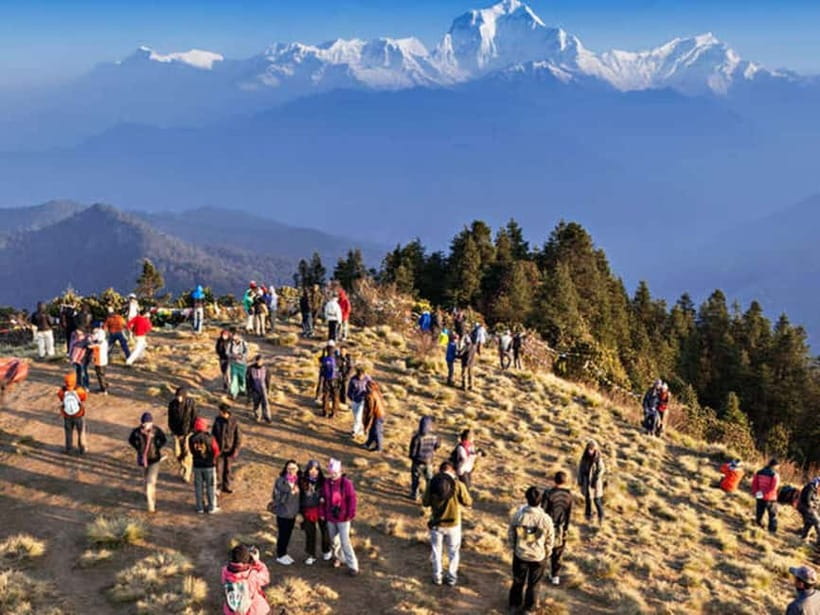
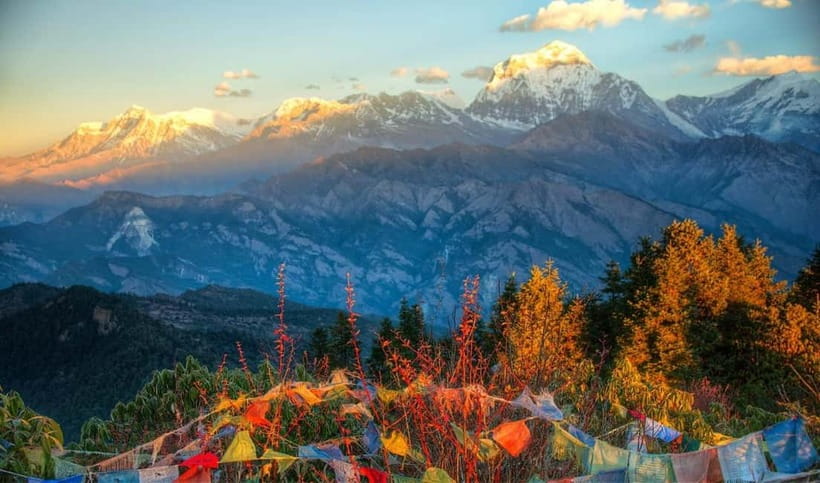
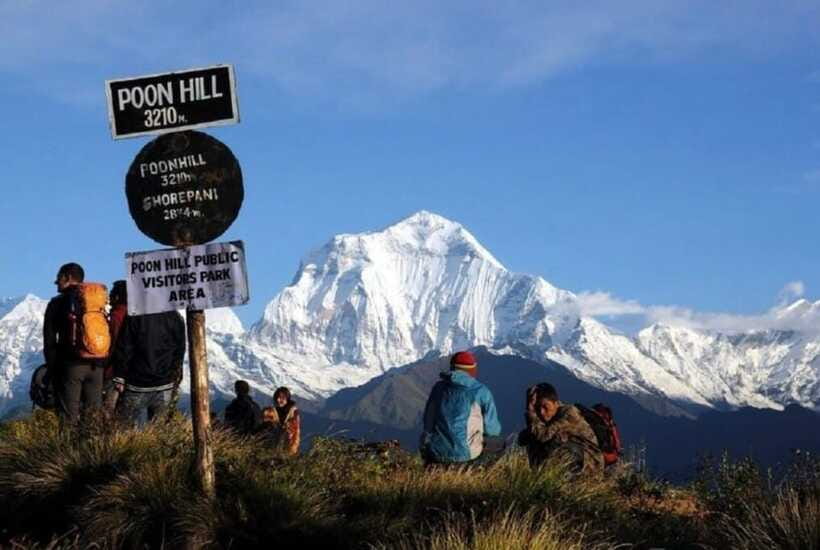
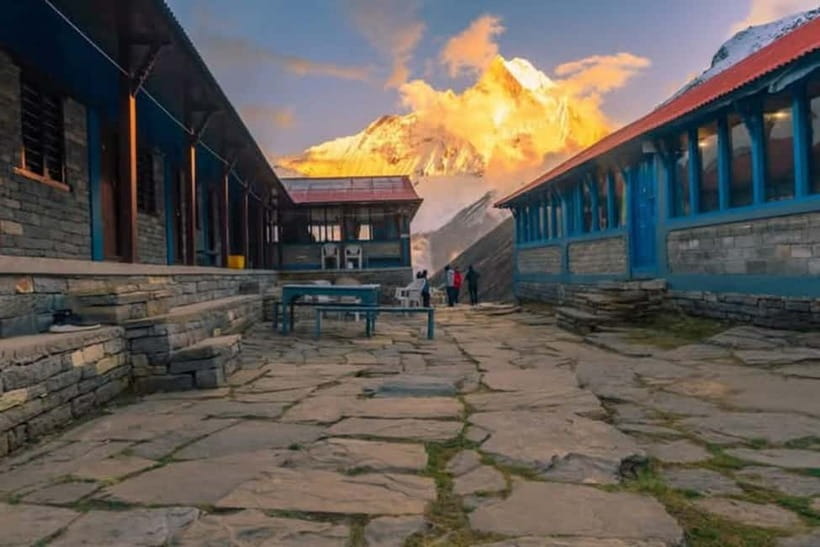
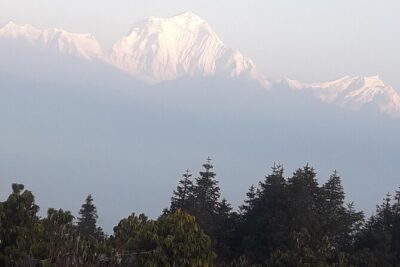
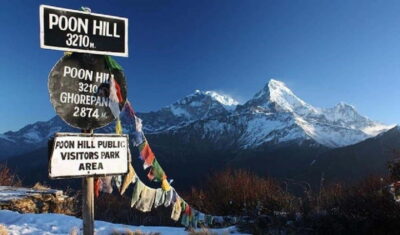
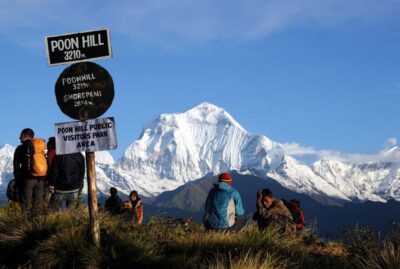
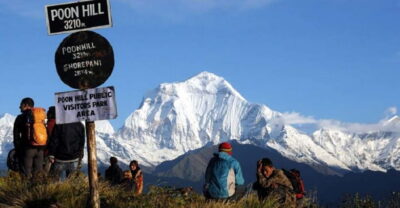
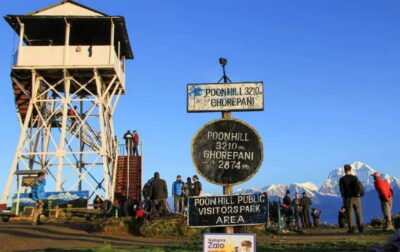
Day three is the heart of the whole trip. You hike up to Poon Hill for the sunrise view, which is one of the most famous mountain-light moments in the Annapurna region.
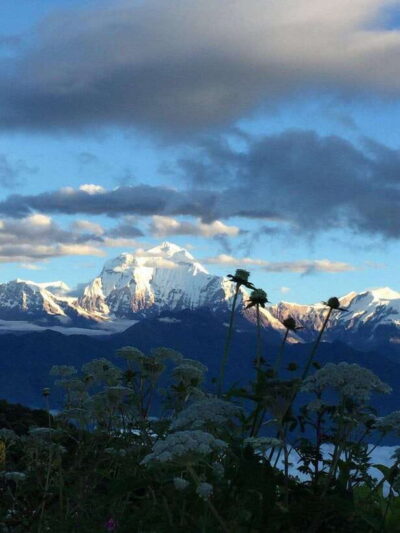
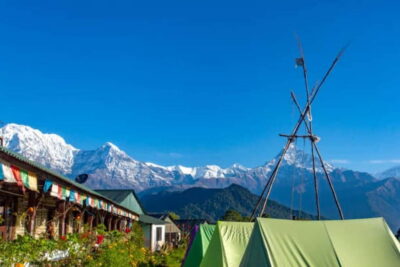
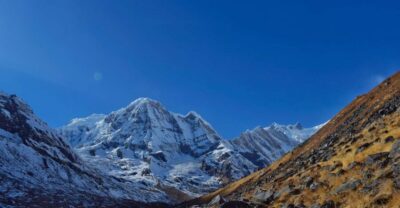
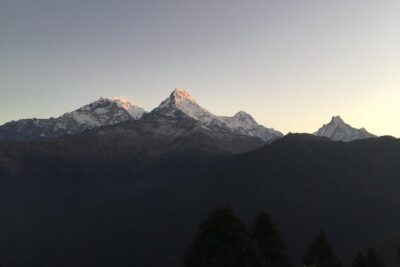
Poon Hill sits in a spot that looks over both the Annapurna massif and the Dhaulagiri range, so the view isn’t just one dramatic peak. You can spot a whole line-up of major mountains, including:
- Annapurna I (8,091 m)
- Dhaulagiri I (8,167 m)
- Annapurna South (7,219 m)
- Machapuchare (6,993 m)
- Himchuli
- Annapurna III
- Dhampus peak
- Dhaulagiri II
(and additional peaks in the same range)
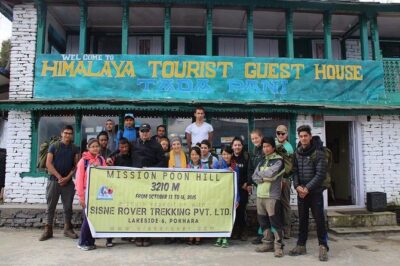
After sunrise, you hike back to the lodge area, eat breakfast, and then continue the trek toward Ghandruk. Lunch is planned at Tadapani, and you settle in for the day in Ghandruk.
Hiking time is still about 5–6 hours for day three, so this isn’t a “stand there for ten minutes” sunrise. It’s an actual climb, an actual payoff, and then you still keep moving.
Practical tip: sunrise days can feel cold and slow at first. Bring layers you can handle on a changing temperature curve, and keep your breathing calm on the climb so you arrive ready to watch, not gasping.
More treks and hikes across the Annapurna region.
Ghandruk village: Gurung traditions, ancient trails, and a sunrise you can see from town
Ghandruk is where the trek stops feeling like a viewpoint chase and starts feeling like a living place.
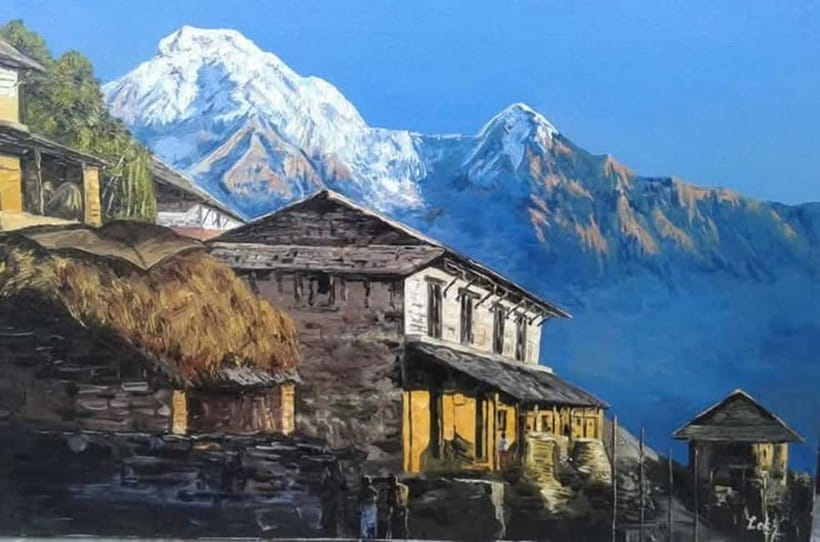
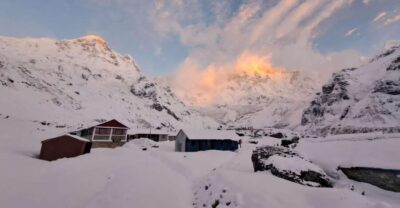
You’re in a Gurung village, with ancient traditions and culture preserved. That’s exactly the kind of village experience that makes this trek more than a photo walk. You’ll also enjoy a traditional Gurung breakfast on the final day after taking in the sun’s first rays over the village.
What I like about ending here is the contrast. You go from mountain lookout energy on day three to village warmth and routine on day four. It’s a real “human scale” finish after days measured in meters and minutes.
You also get a nice cultural flow across the whole route: Magar community hospitality early in the trek at Ulleri, then Gurung village life at the end in Ghandruk. If you care about Nepal beyond the peaks, this structure delivers.
Price and value: what’s covered in the $208 and what you must budget for meals
The listed price is $208 per person for a 4-day trek with a private group. Here’s what that value usually means on the ground:
Included:
- Private accommodation on tourist-standard lodges
- Hotel pickup and drop-off from Lakeside Pokhara (or airport)
- Round-trip transportation
- Government permits, TIMS, and taxes covered
- An English-speaking, government-registered trekking guide
- Guide support details (including food, accommodation, insurance, salary, transportation, and equipment)
- First aid kit
- Trek support items if you require them, such as a duffel bag / trekking pole / trekking bag
- Luggage storage in Pokhara during the trek
Not included:
- All meals, available to purchase (about $20 per person per day)
- Optional gratitude (tips)
Is it good value? For a short trek, yes—because the main friction points are handled for you. You’re not arranging permits on your own, you’re not stuck guessing transport timing from Pokhara, and you’re not paying for uncertainty when the guide and lodging are already organized.
Your real cost variable is food. If you budget $20 per day and make meals a priority, you’ll be fine. If you try to skip meals to save money, that strategy can backfire when you still have uphill days ahead.
Lodges, private group pacing, and why luggage rules matter
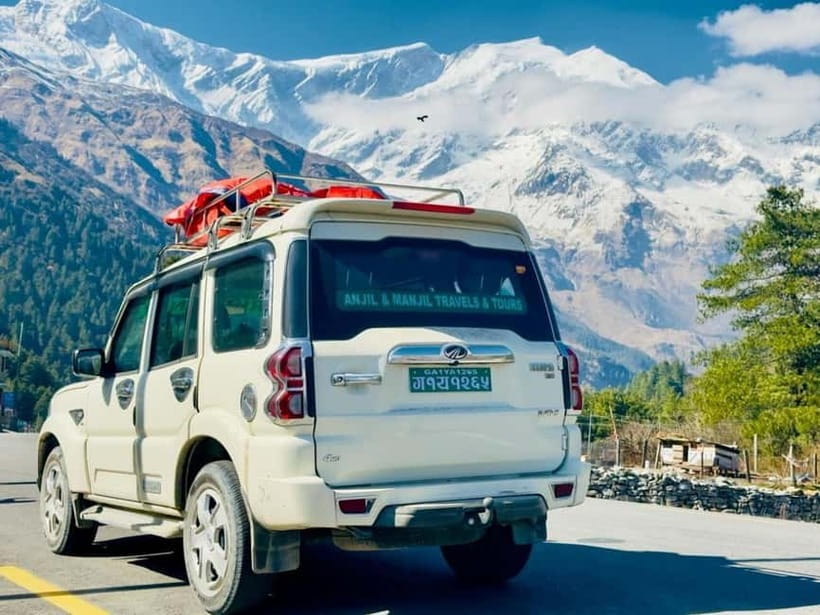
This trek uses tourist standard lodges in the villages along the route. That typically means warm-ish beds, basic comforts, and a predictable rhythm: hike, eat, rest, repeat.
You’re traveling as a private group, which matters more than it sounds. It can help you keep a steady pace rather than getting pulled along by a larger crowd’s speed.
One logistics detail to take seriously: you’re not allowed to bring luggage or large bags on the trail. The good news is you get luggage storage in Pokhara during trekking. So you can pack what you need for the days you’ll be walking, and leave the rest where it’s safe.
Another small but useful point: the trek includes an English live guide, which helps a lot on route explanations, timing for sunrise, and day-to-day practical decisions.
What to pack for Poon Hill: passports, layers, and smart trail bags
The essentials from your requirements:
- Passport (a copy is accepted)
- Passport-sized photo
- A small day bag rather than a large suitcase (large bags aren’t allowed)
- No pets (assistance dogs are allowed)
You may also be able to get trekking support items like a trekking pole or trekking bag if you require them, depending on what’s arranged for your trip.
What you’ll want to pack beyond that is common sense for mountain walking. Sunrise views can start cold, and you’ll be switching between climbing and descending. Layers and a warm outer layer are usually the difference between enjoying the early morning and rushing through it.
Also, keep your trail setup simple. When you’re carrying less, you can focus on the walk and the views instead of managing a heavy load.
Permits, seasons, and responsible trekking on this route
This trek is set up with the key paperwork already covered. You get government permits, TIMS, and taxes included, so you’re not scrambling last-minute for documents.
For timing, the best seasons listed are spring and autumn. That lines up with what most people look for on Nepal treks: comfortable walking temperatures and decent odds for clear mountain views.
Responsible trekking is also part of the plan. That means treating villages with respect, staying on the trail, and following your guide’s instructions about where and how to move through communities.
On a route like this, it’s easy to think the trek is mostly about the peak. It’s not. The trail passes through real neighborhoods, and your behavior affects the experience for everyone sharing the path.
Should you book this Poon Hill trek?
Book it if you want:
- A short trek (4 days) that still includes sunrise mountain magic
- A route with Gurung and Magar cultural moments, not just scenery
- A private group and an English-speaking guide who handles the important logistics
- A manageable walking schedule with 5–6 hour days and lodge sleep
Skip it if:
- You’re pregnant or use a wheelchair (not suitable for these needs per the activity details)
- You’re unwilling to pay for meals on top of the trek price
- You don’t like early mornings (Poon Hill is sunrise-focused, so your schedule starts early)
If you do book, lean into the human side of the trek. Guides like Gobinda and porters like Sundeep are the kind of support that can turn a tough day into a doable one, especially when stairs and fatigue hit. Your job is simple: walk smart, rest when you can, and show up for the sunrise with layers ready.
FAQ
What is the duration and location of the Poon Hill trek?
The trek runs for 4 days in Pokhara, Western Region, Nepal, in the Annapurna area.
What are the main trekking days and key places you visit?
You trek from Nayapool to Ulleri (Day 1), Ulleri to Ghorepani (Day 2), go for sunrise at Poon Hill and continue on to Ghandruk (Day 3), then Ghandruk to Nayapool and back to Pokhara (Day 4).
What is the highest point on this trek?
The highest elevation listed is Poon Hill at about 3,210 meters.
Are meals included in the price?
No. All meals are not included and you purchase them separately (about $20 per person per day).
Do I need permits for the trek?
Yes, permits are part of the trek requirements, and government permits, TIMS, and taxes are covered in the package.
What luggage is allowed, and do you store bags in Pokhara?
Large bags and luggage are not allowed on the trek. There is luggage storage in Pokhara during the trekking period.
More Treks in the Annapurnas
Also Reviewed Around Pokhara
More Poon Hill Sunrise Treks
Newer Ghandruk reviews to browse before you decide
Poon Hill Sunrise Treks, compared.
 ★ 5.0Poon hill Trek 3 daysFrom $230176 reviews
 ★ 5.04-Day Ghorepani, Poonhill & Ghandruk Mountain TrekFrom $181132 reviews
 ★ 5.0Ghorepani – Poon Hill Trek 3N-4DFrom $321125 reviews
 ★ 4.93-Day Ghorepani Poon Hill Trek with GuideFrom $16268 reviews
 ★ 5.03-Day Ghorephani and Poon Hill Private TrekFrom $12658 reviews
 ★ 5.04-Day Private Poon Hill Trekking TourFrom $35958 reviews
 ★ 4.62-Day Ghorephani and Poon Hill Private TrekFrom $10450 reviews
 ★ 5.03-Day Poon Hill Trek from Pokhara.From $41045 reviews
Browse the lists this tour appears in