
Reviewed · ANNAPURNA SANCTUARY TREKS
From Pokhara: 10-Day Poon Hill and Annapurna Base Camp Trek
A good sunrise can change a trip. This 10-day Poon Hill and Annapurna Base Camp trek strings together early-morning mountain drama, village days, and one big “wow” at the sanctuary. You’ll walk through terraces and forest paths, then push higher for views of Annapurna, Machapuchhre, and friends.
I love how the route mixes Poon Hill’s panorama with the real weight of reaching Annapurna Base Camp at 4,130m. I also like that the guiding feels practical and personal, with English-speaking guides like Biru, Arjun, and Bikram showing up in recent experiences and focusing on pace and comfort.
One drawback: this trek is not gentle on your legs, and weather can turn fast in the mountains. If you’re worried about altitude or you hate steep steps, plan to move slowly and speak up early.
In This Review
- Key highlights to know before you go
- Poon Hill and Annapurna Base Camp in 10 days: the vibe you’ll feel each morning
- Day 1: Pokhara to Tikhedhunga via Nayapul and the Modi Khola
- Day 2: Tikhedhunga to Ghorepani and the Ulleri steps reality check
- Day 3: Poon Hill (3,210m) sunrise and the best kind of tired
- Day 4: Tadapani to Chhomrong and the Gurung village viewpoint
- Day 5: Chhomrong to Bamboo and the suspension bridge moment
- Day 6: Bamboo to Deurali, plus Himalayan Hotel and Hinku Cave
- Day 7: Deurali to Annapurna Base Camp and the sanctuary funnel
- Day 8: Annapurna Base Camp back down to Bamboo
- Day 9: Bamboo to Jhinu Danda and the hot springs payoff
- Day 10: Jhinu Danda to Nayapul and back to Pokhara
- Price and value: what $310 covers and what you still need to budget
- What’s included with the guide: why it matters on steep days and bad weather days
- Seasons, weather, and when the mountains will show up for you
- Who this trek suits best (and who should reconsider)
- Practical packing and trail rules that keep things easy
- Should you book this trek?
Key highlights to know before you go
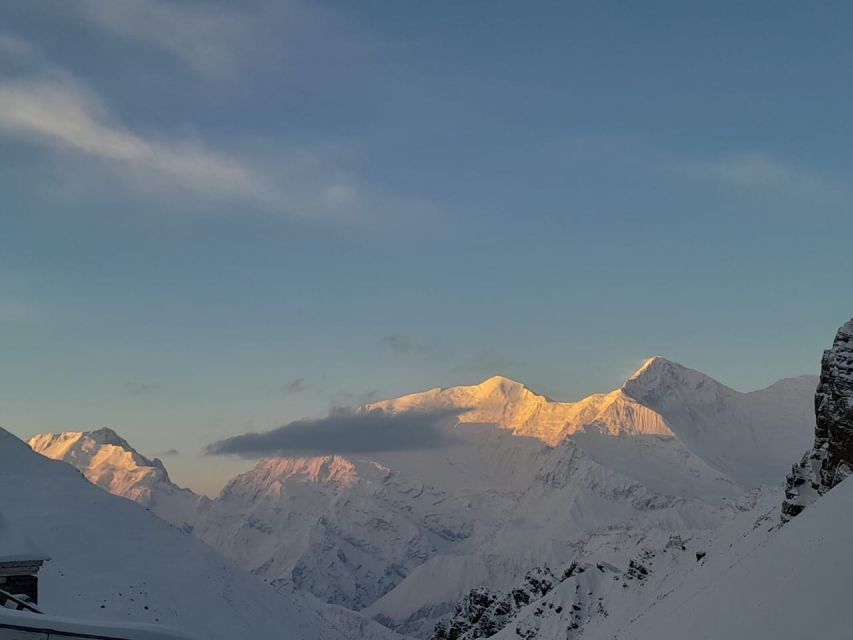
- Poon Hill sunrise with wide views over the Annapurna range and Dhaulagiri
- Ulleri’s steep stone steps on the way from Tikhedhunga to Ghorepani
- Annapurna Sanctuary route that funnels you toward Machhapuchhre Base Camp and Annapurna Base Camp
- Gurung village stops like Chhomrong with classic mountain settlement views
- Jhinu Danda hot springs as your down-climb recovery plan
- Private guided trek including permits, guide support, and guesthouse nights
More Poon Hill and Ghorepani routes, weighed by nights and effort.
- From Pokhara: 10-Day Poon Hill and Annapurna Base Camp Trek★ 5.0 · 7 reviews
- Pokhara: 3 days Trek to Poon hill★ 5.0 · 3 reviews
Poon Hill and Annapurna Base Camp in 10 days: the vibe you’ll feel each morning
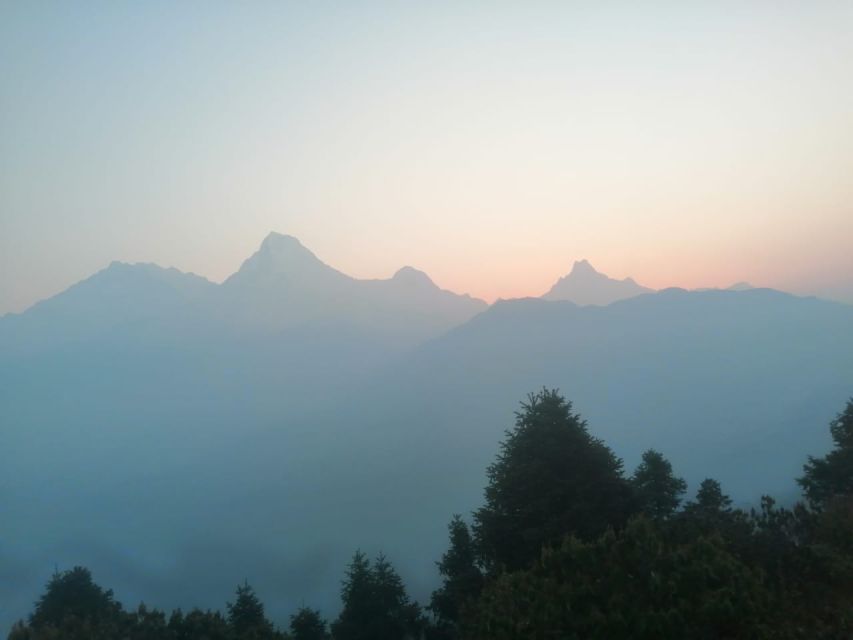
This trek works because it doesn’t only chase views. You get the build-up. You start with river valleys and terraced fields, then you earn the higher altitude one day at a time. By the time you’re in the Annapurna Sanctuary, the peaks feel less like photos and more like geography you’re walking inside.
I like the rhythm here: sunrise effort, daytime hiking, and guesthouse nights that keep things realistic. And the views aren’t one-note. Poon Hill gives you the broad panorama. Annapurna Base Camp gives you the close-up scale—towers of rock and snow, with Machhapuchhre (Fishtail) sitting in the mix like a signature.
Still, manage expectations. Even in the best seasons, clouds and rain can happen. One of the most honest lessons from real treks is this: if visibility drops, your guide’s patience matters. Moving onward safely matters more than forcing the perfect photo.
Day 1: Pokhara to Tikhedhunga via Nayapul and the Modi Khola
You’ll leave Pokhara by private car in the morning and transfer to Nayapul, then begin the trek from there. The trail follows the Modi Khola along small villages and terraced farmland before you reach Tikhedhunga (1,577m) for the night.
This first day is about finding your legs and your breathing. You’re not going for speed. You’re getting into rhythm on a path that feels lived-in rather than remote. It’s a good setup if you want a trek that starts calm instead of immediately punishing you.
One practical note: guesthouses at this stage are generally easier than at higher elevations, so you should use Day 1 to settle in—good sleep, early dinner, and no heroics.
Day 2: Tikhedhunga to Ghorepani and the Ulleri steps reality check
Day 2 is the classic “ankle and calf test.” You start by climbing the steep stone steps known as Ulleri, then keep trekking through rhododendron forests and village lanes toward Ghorepani (2,874m).
I like this day because it shifts the scenery fast. You go from farmland edge-views to forest shade and mountain-air hikes. Ghorepani is also a payoff zone. On clear moments you’ll see Annapurna and Dhaulagiri mountain ranges, which makes the climb feel justified even if your legs complain.
If you’re prone to getting slow when steep parts appear, don’t wait until you’re exhausted. Tell your guide early. A slower pace here is smarter than a push that hurts you later.
Day 3: Poon Hill (3,210m) sunrise and the best kind of tired
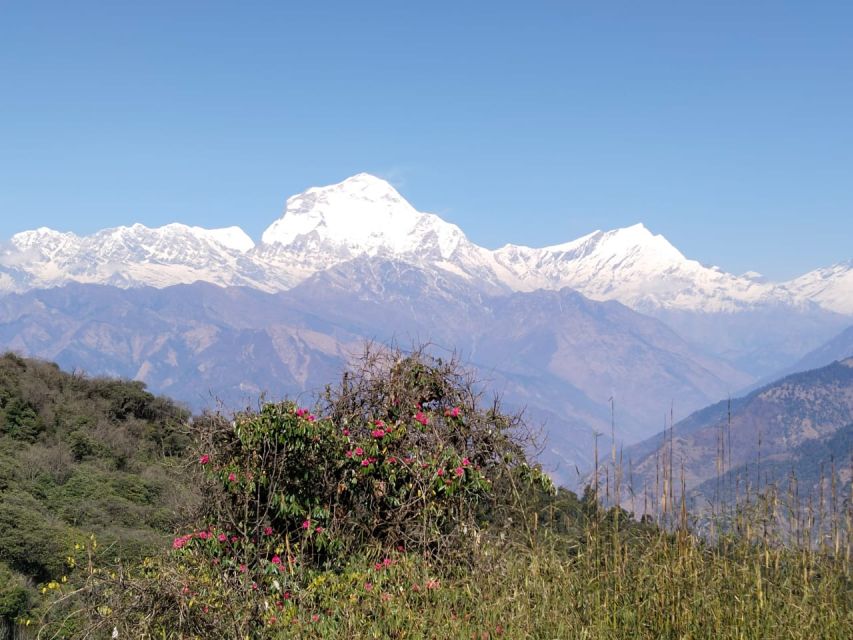
This is the day most people picture: you hike up to Poon Hill at 3,210m for sunrise over the Himalayas. After that, you descend back to Ghorepani for breakfast, then continue trekking through rhododendron-filled valleys to Tadapani (2,630m).
The trick to enjoying Poon Hill is simple: treat the sunrise hike like work, not a workout montage. You’ll be cold at the top if temperatures drop, and you’ll likely be moving in the dark. Good shoes and steady steps matter more than effort.
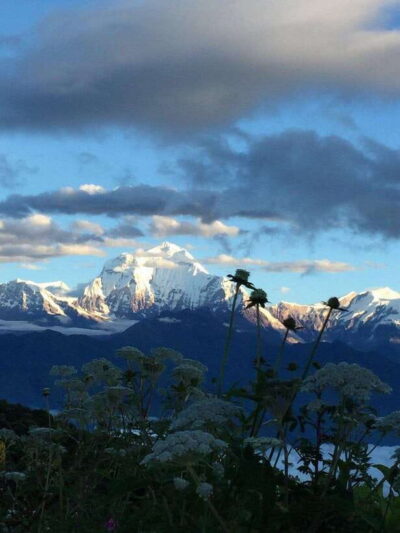
What you get is worth it. Poon Hill is famous for a reason: you’re high enough for wide views, and the sunrise light turns the peaks into something you can almost study. You’ll likely see Annapurna range highlights and Dhaulagiri on clearer mornings.
Other ways up to Annapurna Base Camp from Ghandruk.
Day 4: Tadapani to Chhomrong and the Gurung village viewpoint
Day 4 starts with a gradual descent through lush forest, then you pass Gurjung village, cross the terrain toward Kimrong Khola, and then climb again to Chhomrong (2,170m). Chhomrong is a large Gurung village with big views, including Annapurna South and Machhapuchhre (Fishtail).
I like Chhomrong because it feels like a real community, not just a waypoint. You’re higher than the valley floor, but not so high that everything feels distant. People, daily life, and the mountain all share the frame.
The drawback is that this day includes both down and up. If you’ve been pushing hard earlier, you may feel it today. Keep your pace controlled so you arrive at Chhomrong with energy for the view, not just collapse.
Day 5: Chhomrong to Bamboo and the suspension bridge moment
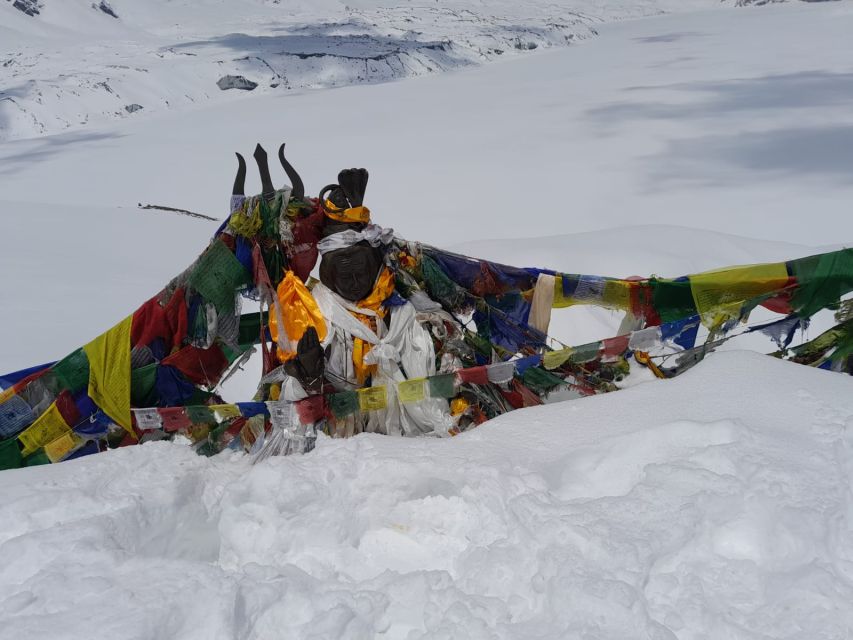
After Chhomrong, you descend to the Chhomrong Khola and cross a suspension bridge. Then you climb up to Sinuwa and continue through thick bamboo and rhododendron forests to Bamboo (2,310m) for the night.
This is one of those “quietly cool” days. Bamboo forests can make the air feel cooler and calmer, and the bridge gives you a clear mental milestone: you’ve moved from village viewpoints into more enclosed forest hiking.
One tip: suspension bridges can be wobbly and a little intimidating if you don’t like heights. Take it slow, hold your line, and don’t stop in the middle unless you need a breather.
Day 6: Bamboo to Deurali, plus Himalayan Hotel and Hinku Cave
You keep moving through bamboo forests and the Modi Khola valley, passing landmarks like the Himalayan Hotel and Hinku Cave, then ascend steadily to Deurali (3,230m).
This day is about steady altitude gain without the dramatic “single big climb” feel. Deurali puts you in a higher zone where weather shifts can be noticeable. The air can get sharper, so your body timing matters—warm layers, slow pace, and hydration.
I also like that this part of the route doesn’t feel like you’re just walking uphill. You still get valleys, turns, and sense of place. It helps keep the trek from feeling like one long staircase.
Day 7: Deurali to Annapurna Base Camp and the sanctuary funnel
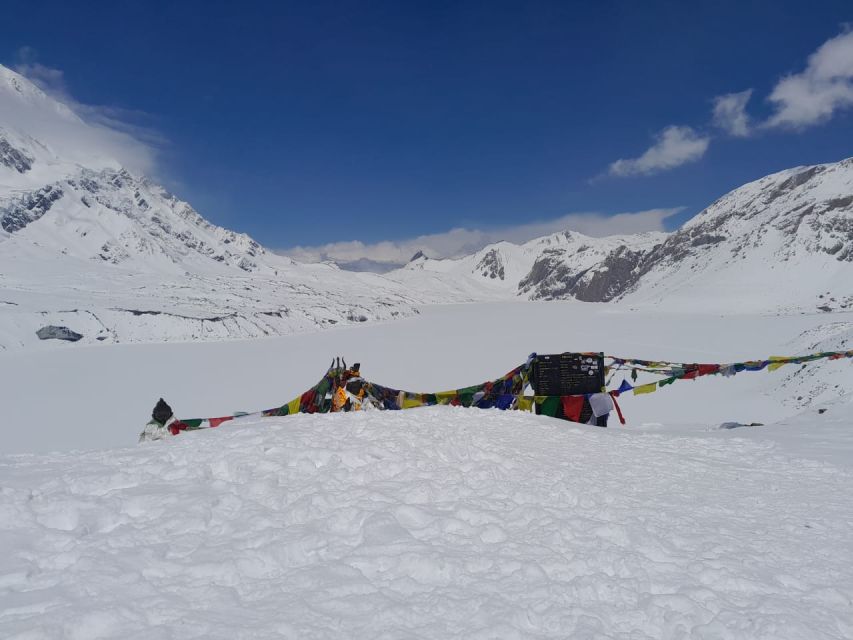
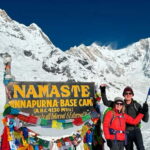
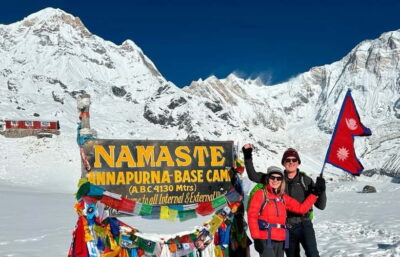
Day 7 is the big one: Deurali to Annapurna Base Camp. The trail goes through a narrow valley that opens toward the Annapurna Sanctuary. You’ll pass Machhapuchhre Base Camp (3,700m) and continue to Annapurna Base Camp (4,130m).
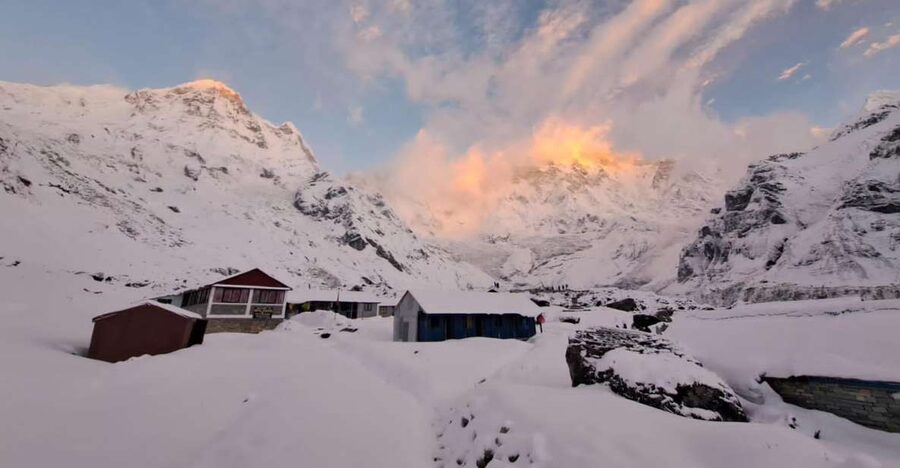
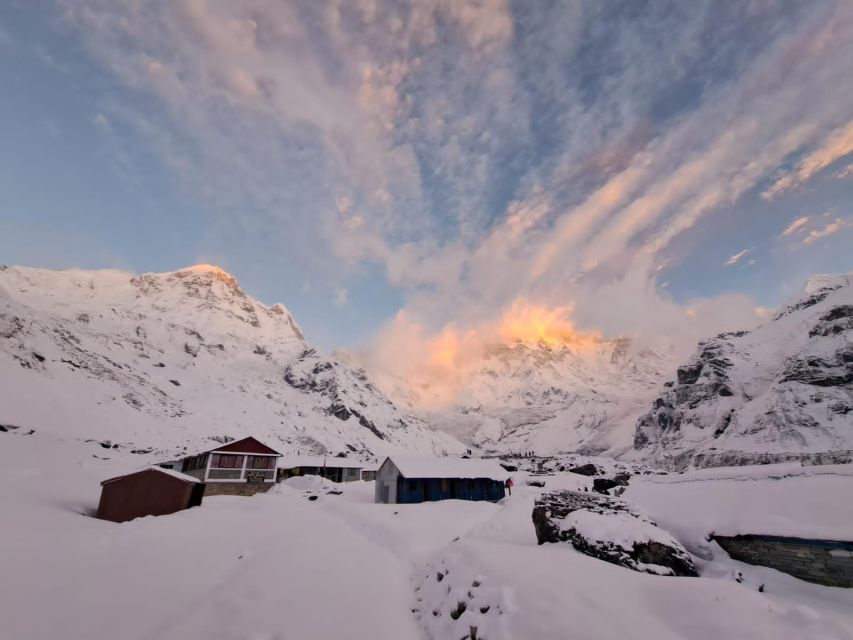
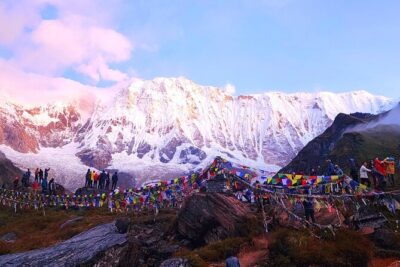
Here’s what changes when you reach the sanctuary. The peaks stop looking like background and start acting like walls. Annapurna I (8,091m) becomes a looming center fact, not a distant number. And Machhapuchhre’s presence is hard to ignore once you’re close enough to feel its scale.
One practical consideration: Base Camp days can feel emotional even if you’re not a sentimental person. You’ll likely want good rest after reaching camp. This isn’t a day to rush out for more hiking just to tick a box.
Day 8: Annapurna Base Camp back down to Bamboo
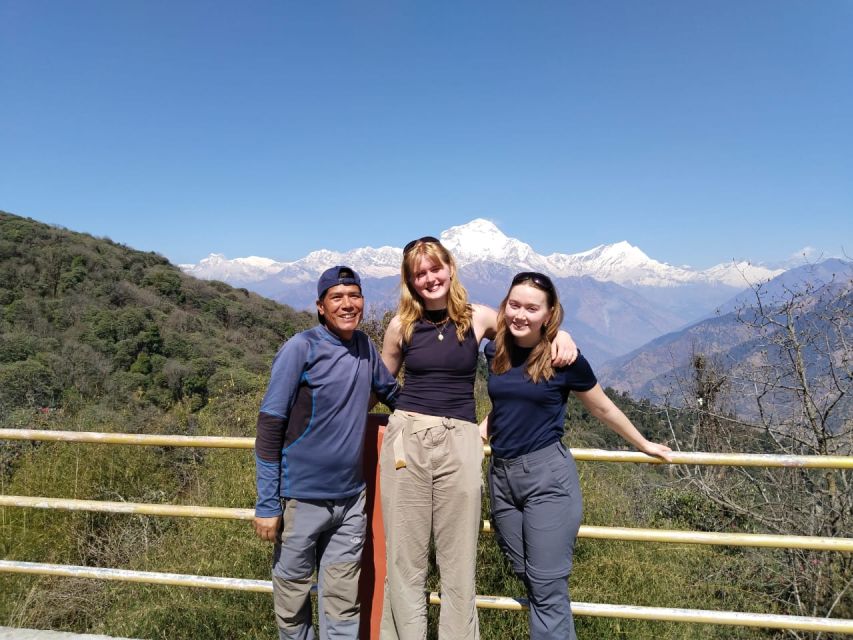
You wake early again for sunrise views over the mountains, then begin your descent from Annapurna Base Camp. You hike back through Deurali and continue to Bamboo for the night.
This is your chance to “reset” your body. The air feels different on the way down, and your stride changes. Take advantage of the descent by focusing on careful foot placement—going down is still hard on knees.
Also, this is when you learn a key trekking truth: the hardest part of altitude is often how it lingers. Even when you’re descending, keep hydration and snacks steady.
Day 9: Bamboo to Jhinu Danda and the hot springs payoff
Day 9 brings you down through forests to Chhomrong for lunch, then continues to Jhinu Danda (1,780m). The highlight here is relaxing in natural hot springs to soothe your muscles.
I love hot springs after a trek like this because it’s practical, not magical. Your legs have done a lot of work, and soaking gives you real recovery time. It also helps you enjoy the final hiking day instead of just surviving it.
If you’re sensitive to cold water or crowds, go with a simple plan: change into your soak gear right away and keep an eye on timing. Your muscles will thank you.
Day 10: Jhinu Danda to Nayapul and back to Pokhara
Your final day is a trek from Jhinu Danda to Nayapul, followed by the drive back to Pokhara. It’s a closing stretch, more about wrapping the journey up than setting new records.
This day can feel bittersweet because you’re back in lower terrain after living with the mountain’s presence for days. But that’s a good sign. It means you handled altitude and kept moving safely.
Once you’re in Pokhara, you’ll likely feel the urge to eat something plain and satisfying and call it a victory. You earned it.
Price and value: what $310 covers and what you still need to budget
At about $310 per person for a 10-day private trek, the value is in what’s handled for you: a professional English-speaking guide, trekking permits and official documents, private transfer between Pokhara and Nayapul, guesthouse accommodation, an emergency first aid kit with your guide, and Poon Hill entrance.
What’s not included is just as important: food and drinks are on you (though you can buy them along the way). Travel insurance is not included, and emergency rescue is said to be covered by your insurance.
One more budgeting reality: higher elevations often come with extra costs for comfort items like heating, WiFi, battery charging, and hot showers. A prior trek experience suggested planning roughly 30–40 USD per day for those extras if you want them. Not everyone will spend that much, but it’s smart to keep a buffer.
What’s included with the guide: why it matters on steep days and bad weather days
This trek is private, with a professional guide in English (and also Nepali and Hindi). That matters because you’re not just following a trail; you’re responding to conditions. Even with good timing and season, clouds and rain can roll in.
Guides also help you manage pacing. One key theme from real trekking experiences: people with slower speeds didn’t feel rushed, and guides adjusted when altitude felt wrong. In at least one case, a guide helped adapt the schedule when altitude difficulties showed up, including extending the trek to keep things safe.
So if you want a trek where the plan adjusts to your body, this format fits better than a strict group shuffle.
Seasons, weather, and when the mountains will show up for you
The best times for this route are spring (March to May) and autumn (September to November). Those months tend to bring more stable conditions and clearer mountain views.
Still, the mountains don’t do promises. You should expect temperature swings and possible cloud cover. Plan clothing for layers, and don’t build your happiness around one perfect view. Sunrise at Poon Hill is the moment to aim for, but flexibility is what keeps the whole trek enjoyable if visibility is mixed.
Who this trek suits best (and who should reconsider)
This is a strong fit if you want a mix of classic Himalayan viewpoints and real village trekking. You’ll like it if you enjoy steady hiking days, don’t mind steep steps, and want a meaningful combo: Poon Hill plus Annapurna Base Camp plus Jhinu Danda hot springs.
It’s not suitable for pregnant women and not suitable for wheelchair users, based on the activity info.
If you’re dealing with altitude concerns, tell your guide early. Slow pace, good rest, and clear communication are your best tools.
Practical packing and trail rules that keep things easy
From the provided guidance, bring:
- Passport or ID card
- Comfortable shoes
- Travel insurance
- Passport-sized photo
And follow the rules:
- No pets
- No plastic bottles
That last one is more than a rule. It helps keep the trails cleaner, and you’ll see how seriously tea houses and locals try to reduce waste.
Should you book this trek?
I’d book this if you want one trip that covers sunrise views, a sanctuary approach, and a real recovery stop at Jhinu Danda, without needing to handle logistics yourself. The private guide setup, permits taken care of, and guesthouse accommodation included make it a smoother choice for most people.
I wouldn’t book it as-is if you’re very sensitive to steep climbs or you’re not ready for altitude work. If you go, go smart: move slowly early, dress in layers, and trust your guide when weather or your body asks for changes.
Also Reviewed Around Pokhara
More Annapurna Base Camp Routes
More Poon Hill Sunrise Treks
Newer Ghandruk reviews to browse before you decide
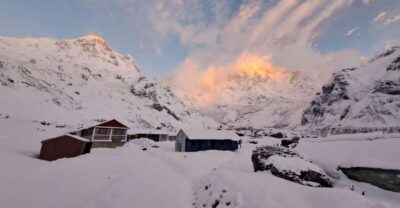
Annapurna Sanctuary Treks, compared.
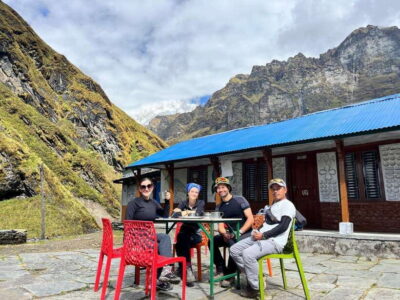 ★ 4.9Kathmandu/Pokhara: 5-Day Annapurna Base Camp (ABC) TrekFrom $9672 reviews
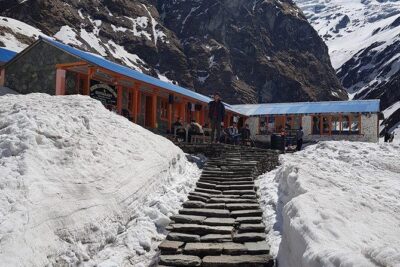 ★ 5.0Private 7 – Day Annapurna Base Camp TrekkingFrom $62550 reviews
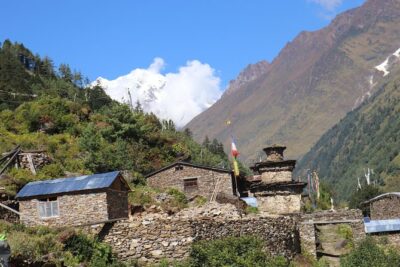 ★ 5.0Annapurna Base Camp Trek (8 days)From $65045 reviews
 ★ 4.97 Day Annapurna Base Camp TrekFrom $21538 reviews
 ★ 4.95-Day Annapurna Basecamp Trek with Hot SpringsFrom $15526 reviews
 ★ 5.0Annapurna Base Camp Trek from Pokhara 7 DaysFrom $39519 reviews
 ★ 5.06 days Annapurna Basecamp TrekFrom $45016 reviews
 ★ 5.010 Days Private Guided Annapurna Basecamp Trek via Poon HillFrom $80015 reviews
Browse the lists this tour appears in