
Reviewed · POON HILL SUNRISE TREKS
Pokhara: 3 days Trek to Poon hill
That first dawn walk changes everything. A 3-day guided trek to Poon Hill from Pokhara is built for one big payoff: a Himalayan sunrise view, timed with a steady hiking rhythm through villages and forests.
I also like the very practical side of this trip: you get a guide (often Gobinda is mentioned for friendly, professional support) and you sleep in lodges in Ulleri and Ghorepani, with stops chosen for comfort and good food options along the way. The main drawback to plan for is the cold and the uphill effort—this isn’t a stroll, and it’s not suitable if you have back or heart problems or you’re pregnant.
In This Review
- Key things I’d zero in on
- Pokhara to Nayapul: the smooth start before the trail work
- Day 1: Ulleri at 1,940 m—Modi Khola valley to Magar village steps
- Day 2: Ghorepani at 2,870 m—oak and rhododendron forests
- Lodges in Ulleri and Ghorepani: where comfort helps you enjoy the trek
- Day 3: the 3,210 m dawn hike to Poon Hill and the view list
- Price and value: is $287 fair for what you get?
- Weather, packing, and pacing: how to avoid common Poon Hill problems
- Who this trek suits best—and who should consider another plan
- Should you book this 3-day Poon Hill trek from Pokhara?
- FAQ
- How long is the trek to Poon Hill?
- What’s included in the price?
- Are meals included?
- Where do I stay overnight?
- How do I get from Pokhara to the trailhead?
- What time do we hike for sunrise?
- What languages does the guide speak?
- What do I need to bring?
- Who is this trek not suitable for?
- Can I cancel and get a refund?
Key things I’d zero in on
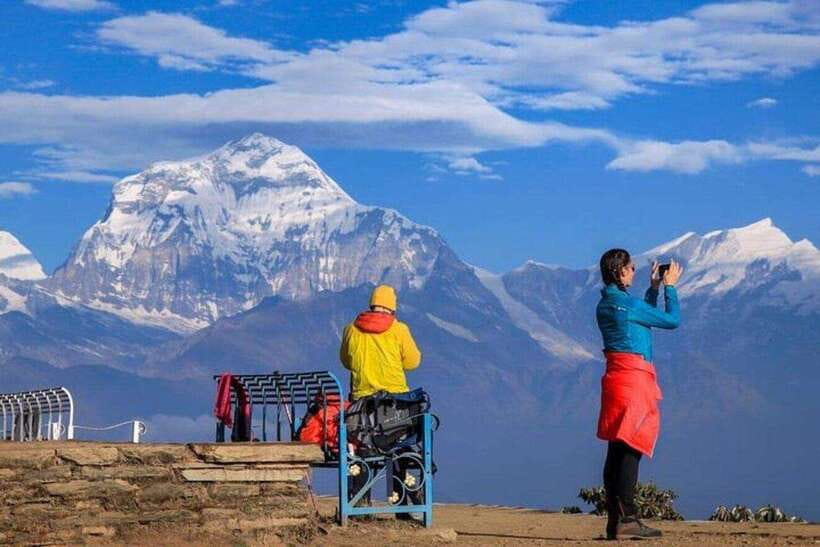
- Poon Hill sunrise is the main event with a 1-hour early-morning hike up from Ghorepani
- Ulleri and Ghorepani lodges for two nights keep you from carrying everything and let you recover each day
- Guide-led pacing on a private group helps you handle the steps and timing without guessing
- The trekking variety is real: Modi Khola valley, farmland, mountain villages, then oak and rhododendron forests
- Comfort touches can matter—in past trips, guides arranged lodges with warm showers, cozy fire seating, and extra blankets
- Transport is handled end-to-end: drive from Pokhara to Nayapul and back, plus local hiking to connect the route
More Poon Hill and Ghorepani routes, weighed by nights and effort.
- From Pokhara: 10-Day Poon Hill and Annapurna Base Camp Trek★ 5.0 · 7 reviews
- Pokhara: 3 days Trek to Poon hill★ 5.0 · 3 reviews
Pokhara to Nayapul: the smooth start before the trail work
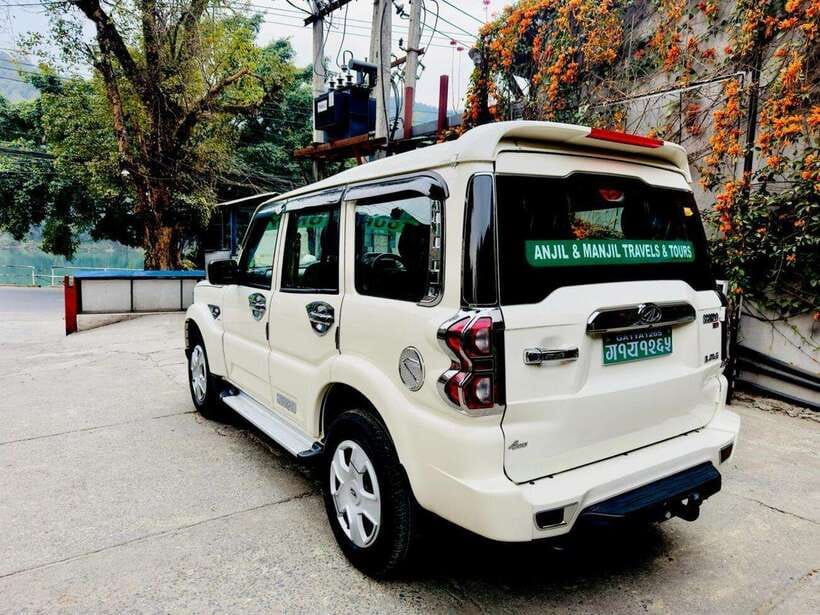
Your trek starts with a drive from Pokhara to Nayapul (about 1 hour). You’ll meet your guide at your hotel on the lakeside side of Pokhara and then hop in a vehicle; the pickup includes a short wait in the lobby (about 10 minutes). It’s a good setup because it lowers your stress level—no awkward local directions, no wasted daylight.
Nayapul is the gateway. Once you begin hiking, the trail quickly moves you out of town energy and into river-valley scenery along the Modi Khola. That matters more than it sounds. In 3 days, you want your first day to feel like you’re already earning the summit moment on Day 3.
Also, this route has a simple structure: drive, hike, lodge, repeat. If you like knowing where you’re going next and you don’t want to micromanage logistics, this plan is built for you. It’s still a trek, though, so keep expectations honest: you’ll be walking for hours, with uphill sections and steps.
Day 1: Ulleri at 1,940 m—Modi Khola valley to Magar village steps
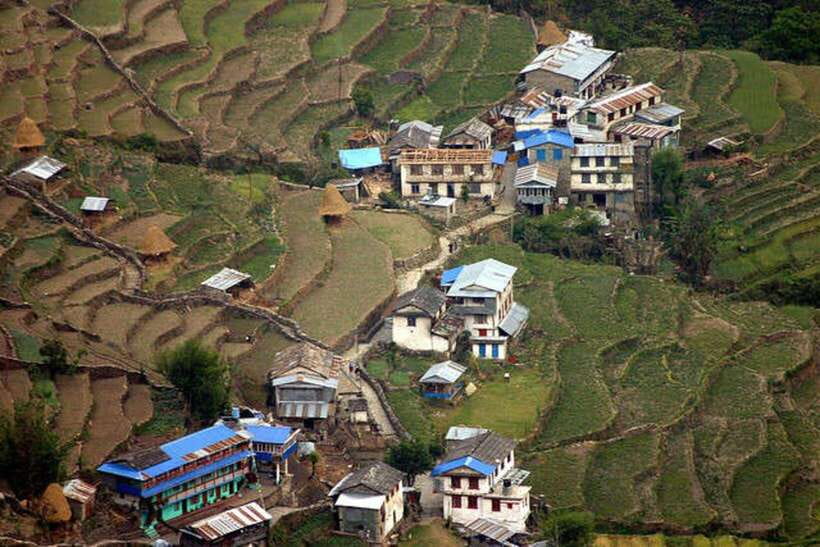
Day 1 is about getting into trekking mode. The itinerary is roughly 5 to 6 hours from Nayapul to Ulleri (1,940 m). Early on, you’ll hike alongside the Modi Khola, pass through areas like Birethanti, and then climb through village sections that slowly raise your altitude and your heart rate.
A key moment is reaching Tikedhunga before continuing onward to Ulleri, described as a Magar village. This segment is a good example of why Poon Hill treks are so popular: you’re not just climbing toward a view. You’re walking through real communities, seeing daily life unfold as you gain height.
Two practical things to keep in mind:
- Go steady, not fast. Day 1 is your warm-up day, but it still includes effort. Pace yourself so you arrive at Ulleri with enough energy to enjoy the lodge evening.
- Pack for comfort at night. Even when daytime trekking feels manageable, nights at lodge altitude can turn chilly, especially before sunrise on Day 3.
The payoff of Day 1 isn’t the peak. It’s that you wake up with your body already used to walking and your mind already set on the sunrise.
Day 2: Ghorepani at 2,870 m—oak and rhododendron forests
Day 2 runs about 4 to 5 hours, taking you from Ulleri to Ghorepani (2,870 m). The route climbs in stages, and the plan includes Banthali (2,250 m) and Nangathanti (2,460 m) along the way. You’ll also pass through oak and rhododendron forests, which is one of the most rewarding parts of this trek because the trail changes character.
Here’s what to look for (besides the view, because you’ll have some): forest trekking tends to feel cooler and more shaded, so your breathing can feel easier than on open sunny sections. But forests also come with their own issues—watch your footing on uneven ground and assume the air can feel damp or cold once the sun drops.
The final push to Ghorepani includes an uphill climb of about an hour after Nangathanti. Ghorepani itself is a mountain settlement, and you’re staying in a lodge here for the second night. This is where you’ll start mentally shifting from hiking to sunrise readiness.
A small but important detail: on this itinerary, you spend the rest of Day 2 at the lodge. That means Day 3 starts early, so you’ll want an evening routine that’s simple—warm layers on, hydrate, and keep the night packing light and organized. If you can, focus on sleep more than entertainment.
Lodges in Ulleri and Ghorepani: where comfort helps you enjoy the trek
You’re getting two nights of accommodation (one in Ulleri and one in Ghorepani). What does that mean in real life? It means you’re not spending your trip carrying a heavy pack for overnight gear. It also means you can spend your energy on the walking and save your recovery for actual rest.
In the kind of lodge setup this route uses, you can expect practical comfort. Past trekkers have highlighted things like a warm shower and sitting by the fire at the lodge during both nights, which is exactly the kind of small luxury that matters after cold air and uphill steps. Another helpful point: additional blankets were arranged when nights ran cold.
Food is where you should calibrate expectations. The trip information says meals are not included, even though you’ll eat along the way at lodge stops or tea houses. That’s normal on Himalayan treks, and it’s often a chance to choose what you can handle energy-wise—warm drinks, simple meals, and quick snacks when you need them. If you’re the type who gets cranky when meals are delayed, bring a few personal snacks to steady the day.
Bottom line: these lodges are a big part of the value here. They turn a mountain hike into an experience where you can actually enjoy the moments between walking.
More treks and hikes across the Annapurna region.
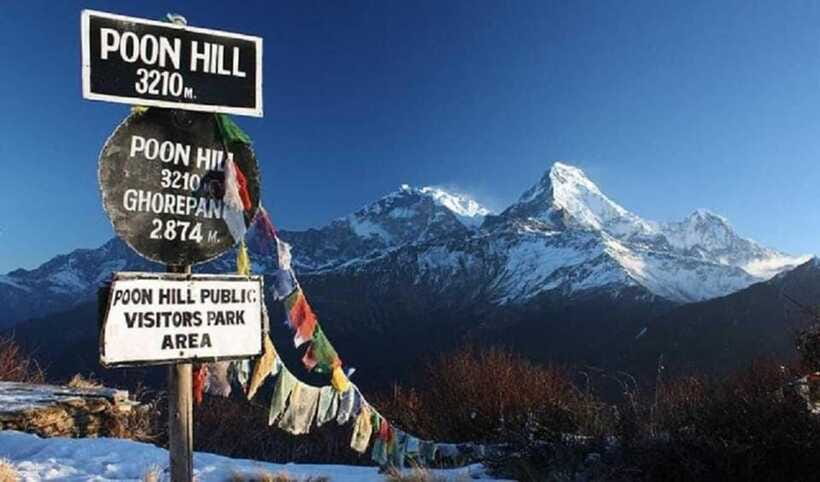
Day 3: the 3,210 m dawn hike to Poon Hill and the view list
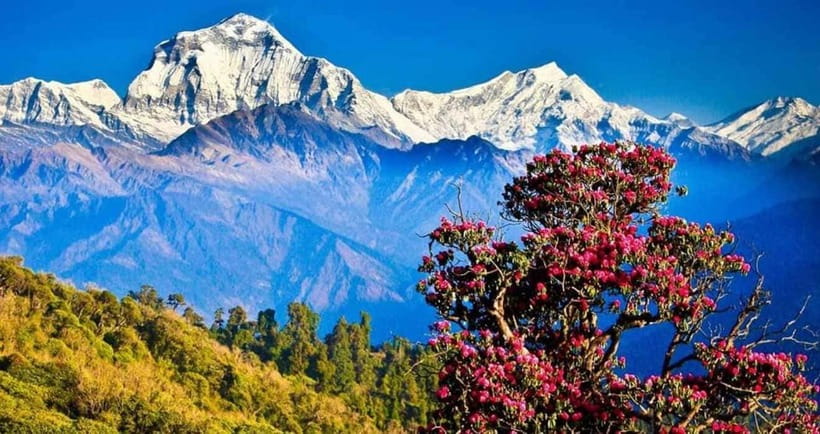
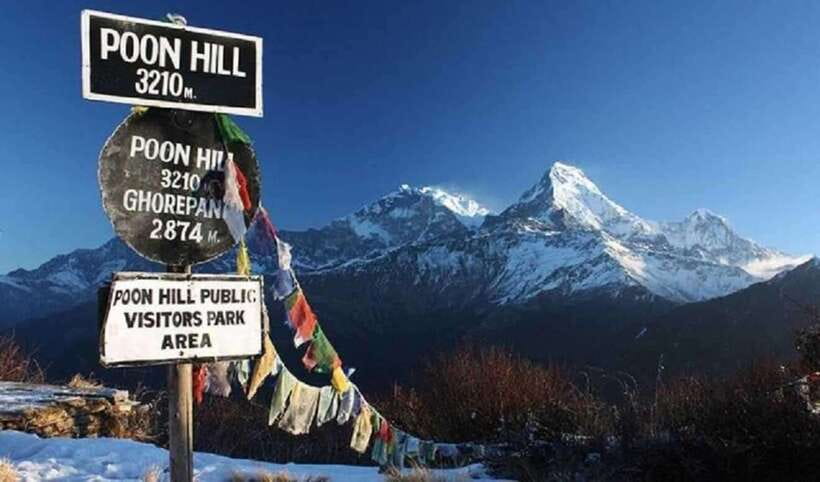
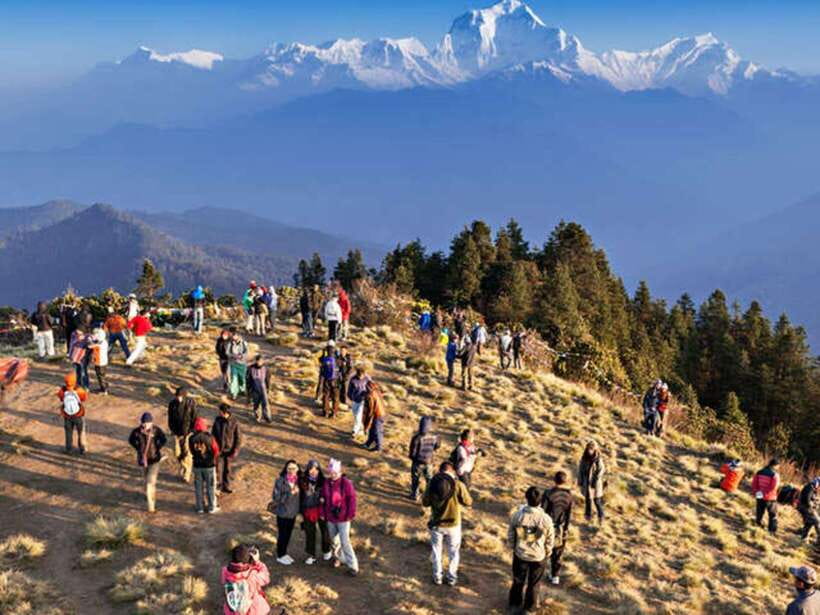
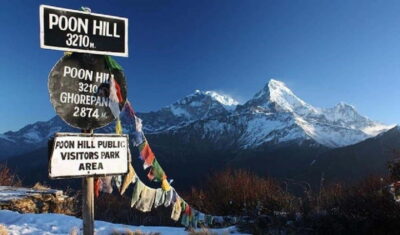
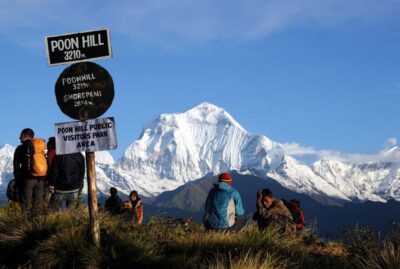
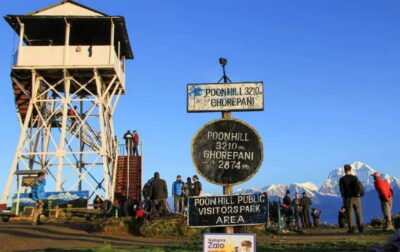
Day 3 is the headline. You start at break of dawn with about a 1-hour hike to Poon Hill (3,210 m). This is where you earn your sunrise. It’s also where timing matters: going up too late usually means you miss the best light, and on this route the early start is part of the plan.
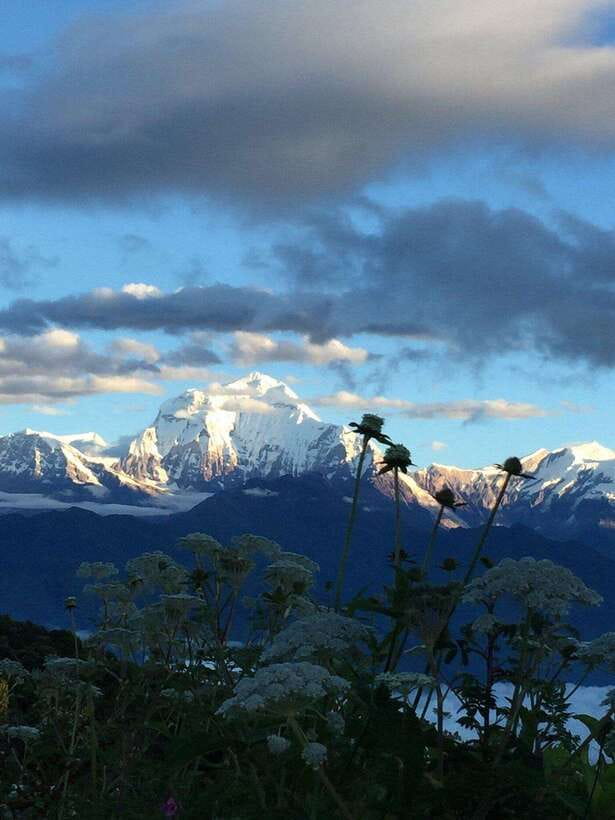
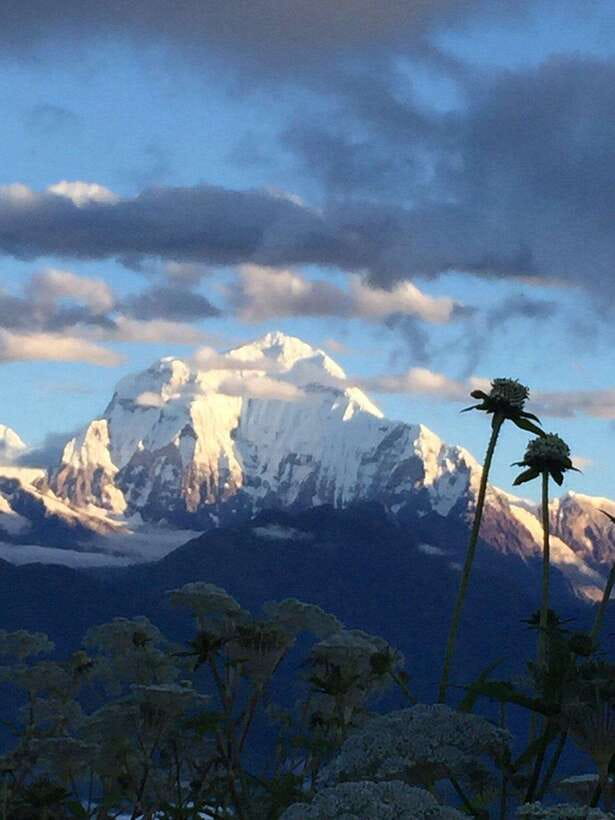
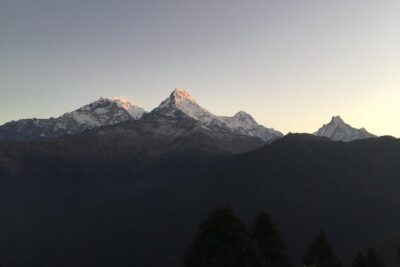
At the summit viewpoint, you’re aiming for sunrise over a group of famous peaks. The itinerary lists views of Annapurna, Dhaulagiri, Nilgiri, Himchuli, and Machhapuchchhre. Seeing those names on a map is one thing; seeing them light up as the sky clears is another. It’s why Poon Hill is so talked about.
After sunrise, you hike back down and then head toward Nayapool for the return. The trek connects to a drive back to Pokhara, about 3 hours. You’ll also enjoy breakfast after returning to your hotel area.
Practical advice for the sunrise part:
- Wear warm layers even if you think you won’t. Early morning air can feel sharp.
- Bring a camera but also protect your battery. Cold can drain power faster than you expect.
- Treat the dawn climb like a warm-up. Don’t sprint it. You want your breathing under control so you can stand at the viewpoint comfortably.
This day is short on hiking hours, but it’s big on mental payoff.
Price and value: is $287 fair for what you get?
At $287 per person, you’re paying for a package that includes the stuff most independent trekkers end up stitching together: permits and all fees, a guide, 2 nights of accommodation, and transportation between Pokhara and the trailhead (including the drive back).
The value is in the “friction removal.” You don’t have to arrange a guide, handle permit questions, or figure out the timing to be back in Pokhara after sunrise. For many people, that alone makes a guided 3-day plan worth it.
What’s not included matters too. Meals and travel insurance are not included. Meals along the route will be extra, but you’ll still get plenty of opportunities to eat warm food at lodge stops and tea houses. If you already know your insurance provider covers hiking, great. If you don’t, check that before you go—altitude treks generally aren’t covered by default in every policy.
Also, the trip is described as a private group. That can influence value because you’re not sharing the experience with strangers you didn’t choose, and it can make pacing easier if your group has similar fitness.
If you want a quick rule of thumb: this is a good value when you want structure, sunrise timing, and lodge comfort more than you want total self-direction.
Weather, packing, and pacing: how to avoid common Poon Hill problems
This trek’s biggest “difficulty factor” isn’t technical climbing. It’s the combination of walking time, uphill sections, cold mornings, and weather swings. The plan explicitly warns about varying weather conditions, so don’t treat it like a guaranteed sunny hike.
Use the provided packing list as your baseline:
- Warm clothing
- Hat
- Camera
- Snacks
- Hiking shoes
- Sunscreen
- Water
You’ll also want to think about how you’ll carry things. The guidance says to carry only essentials to reduce backpack weight. That’s smart, because a heavy pack can turn normal hills into a grind.
Hydration is also worth respecting. Even when you feel like you’re not sweating much, you’re walking and altitude is working on you. Take regular breaks, especially on the climbs—small stops beat big slowdowns later.
Who should pay attention to medical constraints: this trek is noted as not suitable for pregnant women, people with back problems, and people with heart problems, plus children under 10. If any of those apply, it’s best to look at a lower-altitude option.
Who this trek suits best—and who should consider another plan
This is a great fit if you:
- want a guided route with clear daily targets and lodge stays
- like the idea of sunrise as a big event rather than an accidental bonus
- are comfortable walking for multiple hours per day
- have decent fitness and can handle uphill steps without drama
It’s not a great fit if you:
- need a very low-impact walk (the plan includes uphill days and a higher morning climb)
- have medical limitations called out by the operator (back and heart issues, pregnancy)
- are traveling with very young children
If you’re in the “good fitness level” category, this itinerary tends to feel rewarding rather than brutal. One of the key themes from guide experience on this trek is that support makes a difference—keeping you motivated, helping you pace climbs, and guiding you toward practical food and comfort options.
Should you book this 3-day Poon Hill trek from Pokhara?
Book it if you want the classic Poon Hill experience with minimal logistics headache: transport handled, lodges included, and a guide who can help you time sunrise and keep your trek smooth. The best reason to choose it is the combination of structure and payoff—you spend your effort walking, not troubleshooting.
Skip or rethink it if you’re worried about cold mornings, you’re not used to steady uphill hiking, or you’re in one of the groups the trek isn’t recommended for (pregnancy, back/heart problems, kids under 10). Also, don’t forget meals aren’t included in the price, so budget for that alongside your insurance.
If you decide to go, show up with warm layers, good shoes, and a calm attitude about pace. Poon Hill will do the rest.
FAQ
How long is the trek to Poon Hill?
The trek is listed as 3 days total, including trekking and transfers.
What’s included in the price?
It includes permits and all fees, a guide, the 3-day guided trek, accommodation for 2 nights, and transportation to and from Pokhara, plus the sunrise view at Poon Hill.
Are meals included?
No. Meals are not included, though you’ll be able to eat along the route at lodge or stop points.
Where do I stay overnight?
You stay overnight in a lodge in Ulleri and Ghorepani for 2 nights.
How do I get from Pokhara to the trailhead?
You’ll take a 1-hour drive from Pokhara to Nayapul, then begin trekking. After the trek, you return via Nayapool and take a 3-hour drive back to Pokhara.
What time do we hike for sunrise?
You start the hike to Poon Hill at the break of dawn, with about a 1-hour hike to reach the viewpoint.
What languages does the guide speak?
The guide is listed as speaking English, Hindi, and Nepali.
What do I need to bring?
The listed essentials are warm clothing, a hat, a camera, snacks, hiking shoes, sunscreen, and water.
Who is this trek not suitable for?
It’s not suitable for children under 10, pregnant women, people with back problems, and people with heart problems.
Can I cancel and get a refund?
There is free cancellation up to 24 hours in advance for a full refund, and you can use reserve now & pay later to keep plans flexible.
More Treks in the Annapurnas
Also Reviewed Around Pokhara
More Poon Hill Sunrise Treks
Newer Ghandruk reviews to browse before you decide
Poon Hill Sunrise Treks, compared.
 ★ 5.0Poon hill Trek 3 daysFrom $230176 reviews
 ★ 5.04-Day Ghorepani, Poonhill & Ghandruk Mountain TrekFrom $181132 reviews
 ★ 5.0Ghorepani – Poon Hill Trek 3N-4DFrom $321125 reviews
 ★ 4.93-Day Ghorepani Poon Hill Trek with GuideFrom $16268 reviews
 ★ 5.03-Day Ghorephani and Poon Hill Private TrekFrom $12658 reviews
 ★ 5.04-Day Private Poon Hill Trekking TourFrom $35958 reviews
 ★ 4.62-Day Ghorephani and Poon Hill Private TrekFrom $10450 reviews
 ★ 5.03-Day Poon Hill Trek from Pokhara.From $41045 reviews
Browse the lists this tour appears in