
Reviewed · POON HILL SUNRISE TREKS
3-Day Poon Hill Trek from Pokhara.
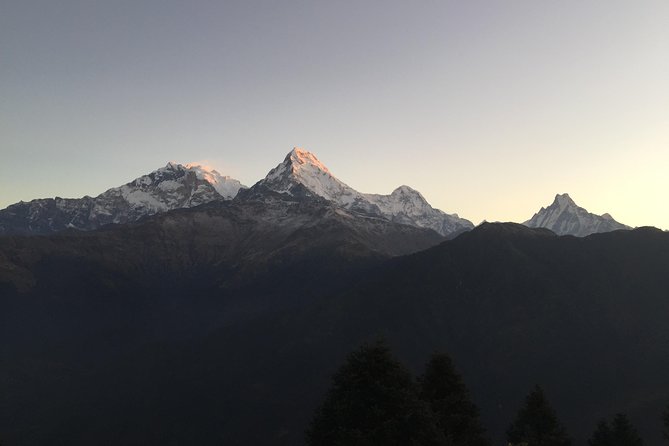
A mountain sunrise in three days is a rare thing. This private Poon Hill trek from Pokhara gives you classic Annapurna views fast, with teahouses, meals, and the big payoff at the Poon Hill sunrise lookout. I also like how it’s designed for moderately fit hikers with real trail time, not a rushed slog.
One thing to consider: this experience depends on good weather, and cloudy skies can reduce how dramatic the Himalaya looks from Poon Hill. If you’re the kind of person who really needs clear panoramas, keep your expectations flexible.
In This Review
- Key points to know before you go
- Why Poon Hill in just three days works from Pokhara
- Price and what you actually get for $410
- The trail vibe: manageable altitude, real hiking time
- Sunrise at Poon Hill: the main event (and your best photo odds)
- Teahouses, sleeping bag support, and meals that keep you moving
- Private trek logistics: pickup, mobile ticket, and guides who know the route
- What to pack when your sleeping bag is included
- Weather and the view: why flexibility matters for Poon Hill
- Who this 3-day Poon Hill trek suits best
- Should you book this trek?
- FAQ
- How long is the Poon Hill trek from Pokhara?
- Is accommodation and food included?
- Do they pick you up from Pokhara?
- What trekking gear is provided?
- Is a porter included?
- What’s the cancellation policy if weather is bad?
Key points to know before you go
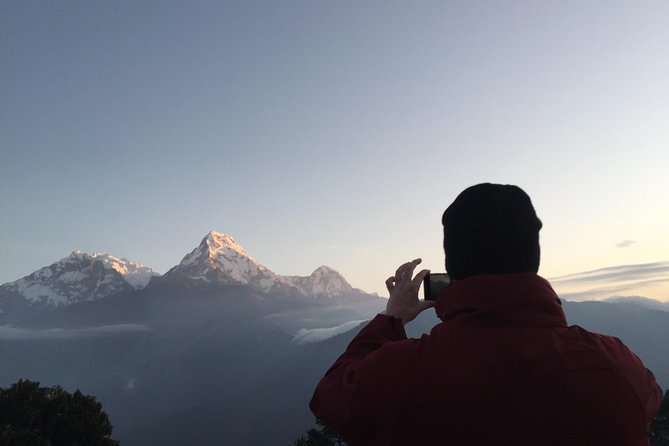
- Sunrise payoff at Poon Hill in a short 3-day format
- Teahouse accommodation and meals included, so you’re not constantly negotiating food
- Sleeping bag and duffel bag provided, which cuts down what you must carry from the start
- Private trek with customization, good if you want your pace adjusted
- Private transportation and pickup offered starting from Pokhara
- Porter not included, though you may choose to add one for comfort
More Poon Hill and Ghorepani routes, weighed by nights and effort.
- Poon hill Trek 3 days★ 5.0 · 176 reviews
- Pokhara: 4-Day Ghorepani, Poonhill & Ghandruk Mountain Trek★ 5.0 · 132 reviews
- Ghorepani – Poon Hill Trek 3N-4D★ 5.0 · 125 reviews
- From Pokhara: 3-Day Ghorepani Poon Hill Trek with Guide★ 4.9 · 68 reviews
Why Poon Hill in just three days works from Pokhara
Pokhara is the easy-launch city for this kind of trekking. You’re not starting from a remote trailhead in the middle of nowhere; you’re starting in a place that’s built for visitors, with private logistics and pickup offered. Then, in about three days, you get the heart of a Himalayan teahouse trek: walking between villages, staying overnight in simple guesthouses, and getting at least one unforgettable view moment.
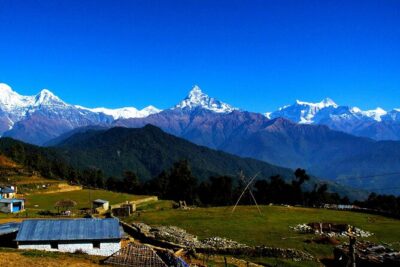
What makes this trek especially good value is the way it compresses the Annapurna experience. You’re not trying to conquer huge altitude or spend a week on the trail. Instead, you focus on rhododendron forests, mountain villages, and rice fields, then aim for the sunrise viewpoint at Poon Hill. It’s a “see a lot, carry less stress” style of trekking.
Also, this is a private trek. That matters more than it sounds. With a private setup, pacing and priorities are easier to adjust—handy if you want slower breaks, more time for photos, or a calmer hiking rhythm.
Price and what you actually get for $410
At $410 per person, you’re paying for a packaged, human-powered trek, not just a route. The big inclusions you should care about are the ones that reduce decision fatigue on the ground:
- Breakfast, lunch, and dinner are included (the meals are part of the teahouse arrangement).
- Teahouse accommodation is included on twin sharing.
- Sleeping bag and a duffel bag are provided (this is a practical cost saver).
- Private transportation is included as part of the trek setup.
- A first aid kit is included.
- You also get a mobile ticket.
Now the balanced part: alcohol, snacks, and bottled water are not included. That’s normal on Himalayan treks, but it does affect your daily spending. WiFi and battery charging are also not included. If you want to keep your phone running, plan for that cost.
One more line item that affects your experience: porter is not included. Some people prefer to hike light and handle everything themselves. Others feel the weight after a day or two. If you’re on the fence, consider whether you want help carrying your day-to-day load, especially if you’re bringing extra layers or camera gear.
The trail vibe: manageable altitude, real hiking time
This trek is described as moderately challenging and suited to people with hiking experience. That’s a fair fit for many “I want Nepal, but I don’t want to suffer for a week” travelers. The altitude is not described as extreme, and the hike is focused on classic scenery types—rhododendron forests, villages, and rice fields—more than high-altitude drama.
Practically, here’s what that means for you:
- You should still train for walking. Three days sounds short, but you’ll be on your feet enough to feel it in your legs.
- You’ll enjoy the trek more if you’re comfortable with steady climbs and descents.
- The route is meant to be approachable for moderately fit hikers, not a couch-to-summit test.
If you’re traveling with a partner, the twin-share teahouse setup works well. You can sleep, refuel, and get ready for the next day without extra planning. If you’re traveling solo, double-check how the twin sharing is handled in practice, since you’ll be paired with someone if you’re not traveling as a unit.
Sunrise at Poon Hill: the main event (and your best photo odds)
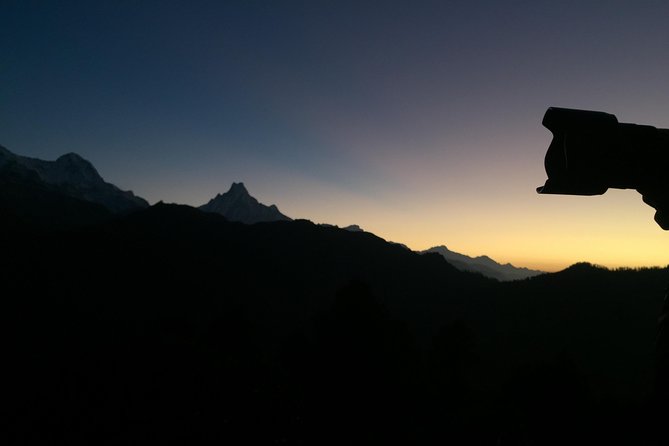
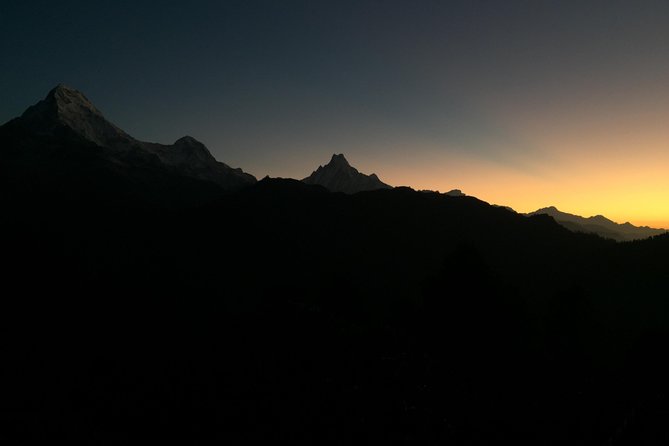
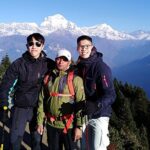
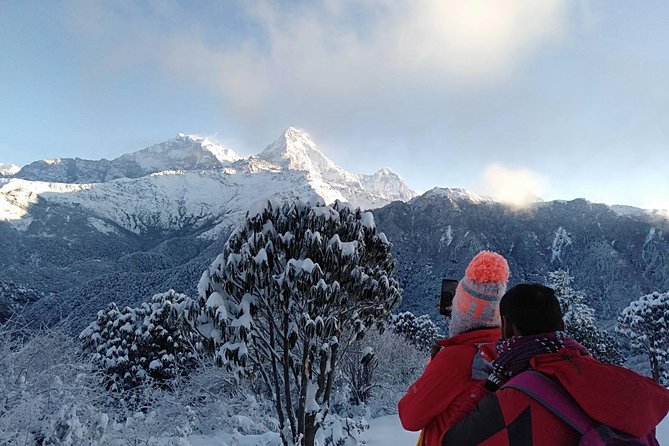
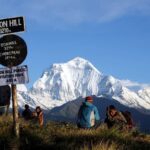
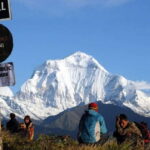
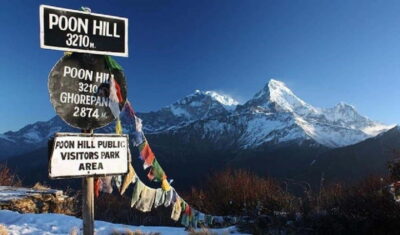
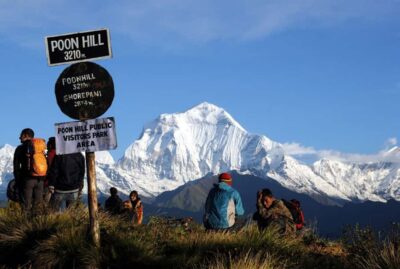
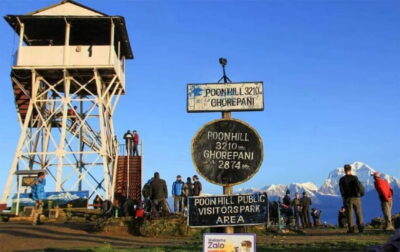
The big reason people choose this trek is the sunrise lookout at Poon Hill. The trek is built around getting you to that moment. You’ll hike through the days, and then the “stand up and look at the world” part comes early, when the views are at their most dramatic.
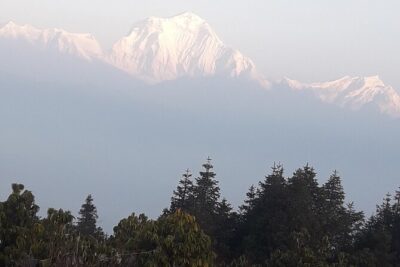
Here’s the realistic advice I’d give you: the mountain view depends on weather. The experience is explicitly described as requiring good weather, and there’s a clear weather contingency if conditions don’t cooperate. So if you’re booking during a cloudy stretch, don’t plan your entire emotional arc around one perfect photo.
That said, even when views are only partly visible, Poon Hill still works as a sense-making experience. You’ll be in the right place at the right time, with a clear reason for the early start.
More treks and hikes across the Annapurna region.
Teahouses, sleeping bag support, and meals that keep you moving
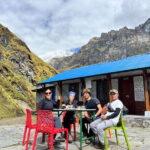
This is a teahouse trek, meaning you’ll sleep in tea house accommodation rather than tents or upscale lodges. The good news is that meals are included, so you won’t be hunting for food after a long hiking day. Breakfast, lunch, and dinner are all part of the package.
Also, you get help with the gear. Sleeping bags and a duffel bag are provided. That’s huge if you’re coming to Nepal with limited luggage space. You still need to bring your own layers and personal items, but you’re not fully responsible for trekking-specific bedding.
A practical note: tea house rooms are simple. Twin sharing means you’ll be using a shared room setup, and that’s exactly what keeps the trek short and affordable. If you’re expecting hotel-level comfort, you’ll probably feel disappointed. If you’re okay with basic, clean-enough comfort in a mountain setting, you’ll appreciate how smoothly the trek runs.
Food-wise, since meals are included, you’ll get a consistent rhythm: eat, walk, eat, sleep, repeat. When hiking for consecutive days, that steadiness makes a big difference.
Private trek logistics: pickup, mobile ticket, and guides who know the route
You’re not just buying a map. You’re buying a guided, private experience that can be customized. Pickup is offered, and private transportation is included. There’s also a mobile ticket, which is one of those small modern touches that can save time when you arrive.
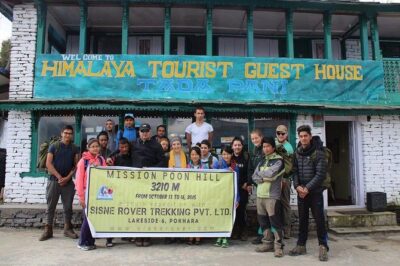
The private guide piece is also a major quality lever. In the feedback you provided, you can see names come up again and again: guides like BK, Shiva, Bikram, Sagar, and Sudip Shrestha. What they have in common in the stories is simple: they’re helpful with the trail, friendly, and they take care of the practical stops so you’re not constantly guessing.
Even if you’re confident on your feet, a guide helps in the “small decisions” that add up:
- where to pause,
- when to take breaks,
- how to manage your pace on a short trek,
- and how to keep your day from turning into random wandering.
If you want more control—slightly slower, extra photo time, more cultural stops—private guiding is the best way to get it without annoying a big-group schedule.
What to pack when your sleeping bag is included
Because you get a sleeping bag and duffel bag, your packing list can be simpler than a self-organized trek. You still need to think about cold mornings (especially for sunrise) and daily comfort while walking.
At minimum, plan for:
- layers you can add or remove while hiking,
- a warm top for early-morning viewpoints,
- comfortable hiking shoes,
- sun protection,
- a basic day bag for personal items.
Money-wise, remember what’s not included: snacks and bottled water. Tea houses often sell drinks and small snacks, but you should assume you’ll pay for them. If you don’t want to carry much, this affects your comfort plan.
Also, battery charging and WiFi aren’t included. If photos and maps are central to your trip, bring power thoughtfully (and don’t assume you can charge whenever you want).
Weather and the view: why flexibility matters for Poon Hill
This trekking experience requires good weather. That’s not just a legal note—it’s the difference between a “wow” sunrise and a “we tried” sunrise.
The good part: if conditions are poor and it’s canceled due to weather, you’ll be offered a different date or a full refund. That’s exactly what you want on a short trek where there’s little margin to wait.
So your best strategy is simple:
- book with realistic expectations,
- keep your schedule flexible if possible,
- and treat the trek as both the walk and the destination.
Even when visibility isn’t perfect, the trail itself still gives you a taste of rural Himalayan life—villages, farms, and forest scenery—over a short stretch of time.
Who this 3-day Poon Hill trek suits best
This trek fits best if you:
- want a classic Himalayan teahouse experience without a long commitment,
- are moderately fit with hiking experience,
- want a manageable altitude profile,
- like the idea of guided support and a private pace,
- and care most about the Poon Hill sunrise moment.
It’s also a good choice if you’re new to trekking but not new to walking. Your body will feel the climbs, but the route is framed as moderately challenging and not built for extreme altitude efforts.
On the other hand, if you hate early mornings or you need guaranteed clear mountain views no matter what, you may feel frustrated by the weather dependency.
Should you book this trek?
If you want a short, well-run introduction to Nepal trekking—without complex logistics, without carrying a sleeping setup, and with a real reason to wake up early—this is an easy yes. The value comes from the package: teahouse meals + accommodation + guided private support + sleeping bag support, all wrapped into a 3-day format starting from Pokhara.
I’d book it especially if you want the Poon Hill sunrise but you also care about comfort and planning. Just be honest with yourself about two things: you’ll have a basic teahouse stay, and the view depends on weather. If you can handle those realities, you’re set up for a trip that feels both classic and efficient.
FAQ
How long is the Poon Hill trek from Pokhara?
It’s listed as a 3-day trek, with approximate duration given. The goal is to experience the Himalayan views and the sunrise lookout at Poon Hill within that short timeframe.
Is accommodation and food included?
Yes. Tea house accommodation on twin sharing is included, along with breakfast, lunch, and dinner.
Do they pick you up from Pokhara?
Pickup is offered, and private transportation is included as part of the trek experience.
What trekking gear is provided?
A sleeping bag and a duffel bag are provided. A first aid kit is also included.
Is a porter included?
No. Porter is listed as not included.
What’s the cancellation policy if weather is bad?
There’s free cancellation. You can cancel up to 24 hours in advance for a full refund. The experience requires good weather, and if it’s canceled due to poor weather, you’ll be offered a different date or a full refund.
More Treks in the Annapurnas

Also Reviewed Around Pokhara


More Poon Hill Sunrise Treks
Newer Pokhara reviews to browse before you decide



Poon Hill Sunrise Treks, compared.
 ★ 5.0Poon hill Trek 3 daysFrom $230176 reviews
 ★ 5.04-Day Ghorepani, Poonhill & Ghandruk Mountain TrekFrom $181132 reviews
 ★ 5.0Ghorepani – Poon Hill Trek 3N-4DFrom $321125 reviews
 ★ 4.93-Day Ghorepani Poon Hill Trek with GuideFrom $16268 reviews
 ★ 5.03-Day Ghorephani and Poon Hill Private TrekFrom $12658 reviews
 ★ 5.04-Day Private Poon Hill Trekking TourFrom $35958 reviews
 ★ 4.62-Day Ghorephani and Poon Hill Private TrekFrom $10450 reviews
 ★ 4.92 & 3 Days Ghorepani Poon Hill Private Guided TrekFrom $11827 reviews
Browse the lists this tour appears in