
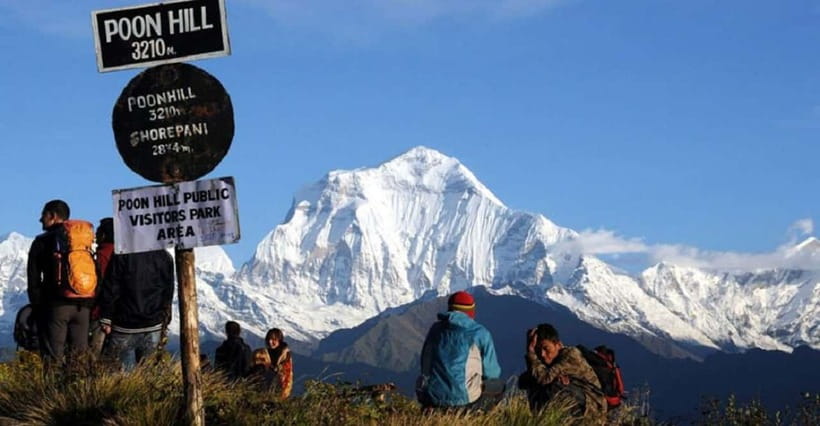
Reviewed · POON HILL SUNRISE TREKS
Pokhara: 3-Day Ghorephani and Poon Hill Private Trek
Three days sounds short until you see Poon Hill. This Pokhara to Ghorepani and Poon Hill private trek packs big mountain drama, crisp mornings, and village life into a schedule you can actually fit. You’ll be chasing sunrise colors over the Annapurna and Dhaulagiri ranges, while your local guide helps you handle the steep bits and the tea-house rhythm.
I especially like two things. First, the Poon Hill sunrise hike is built into the plan, so you’re not guessing when to start. Second, you get a real slice of Nepal beyond the trail, including Gurung culture in Ghandruk and the everyday life of small mountain settlements.
One heads-up: the trekking is short, not easy. Expect a tough day with lots of steps, cold mornings at altitude, and a real need to pace yourself.
In This Review
- Key Points Before You Go
- Why This 3-Day Ghorepani and Poon Hill Trek Fits Nepal Perfectly
- Day 1: Pokhara to Ulleri and the Step Test
- Day 2: Ulleri to Ghorepani and the Mountain Panorama Builds
- Day 3: Ghorepani to Poon Hill Sunrise, Then Down to Pokhara
- Guides in the Real World: Why Private Feels Worth It
- Tea Houses, Lodging, and the Food Rhythm at Altitude
- Nature and Culture You’ll Actually Notice on the Trail
- Price and Value: What $126 Covers (and Why It Matters)
- What to Pack for Cold Mornings and Steep Sections
- Who Should Book This Trek (and Who Might Want More Time)
- Should You Book This Private Ghorepani and Poon Hill Trek?
- FAQ
- How physically demanding is the 3-day trek?
- What makes Poon Hill special on this trek?
- Are meals and accommodation included?
- What permits and fees are covered?
- What transport is included from Pokhara?
- What should I bring for the hike?
Key Points Before You Go
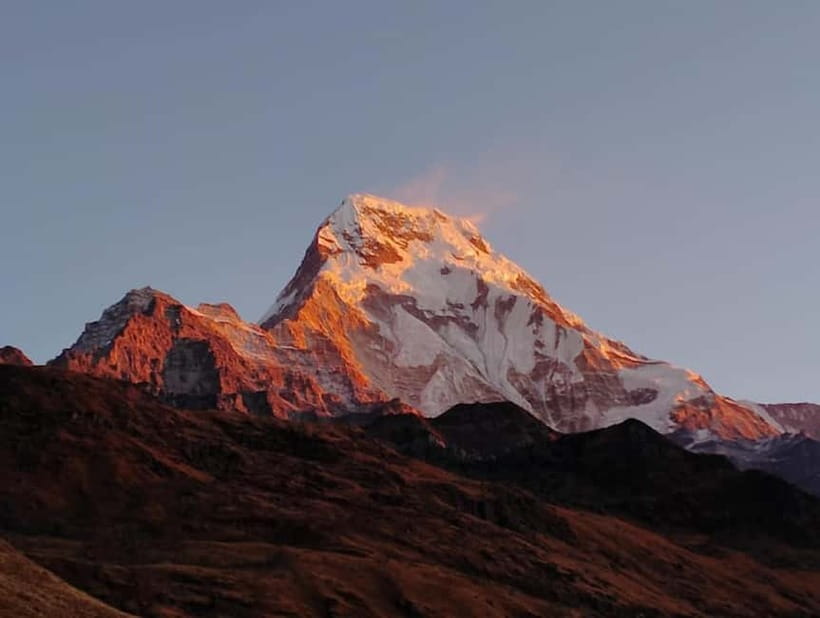
- Poon Hill sunrise is the headline. You’ll do an early push uphill, then settle back down for breakfast after the views.
- Day 1 has a step-heavy challenge. It’s the part many people feel in their legs later.
- You’ll get Annapurna and Dhaulagiri viewpoints fast. Even in three days, the mountain panorama shows up on schedule.
- Ghandruk brings cultural texture. You’re not just walking through scenery; you’re passing through lived-in communities.
- Rhododendron forests add color in season. The trail can feel like a gentle change of pace rather than pure grind.
- Guides make the difference. Many trekkers praised guides like Santosh for pacing, problem-solving, and even practical extras like hot drinks between breaks.
More Poon Hill and Ghorepani routes, weighed by nights and effort.
- Poon hill Trek 3 days★ 5.0 · 176 reviews
- Pokhara: 4-Day Ghorepani, Poonhill & Ghandruk Mountain Trek★ 5.0 · 132 reviews
- Ghorepani – Poon Hill Trek 3N-4D★ 5.0 · 125 reviews
- From Pokhara: 3-Day Ghorepani Poon Hill Trek with Guide★ 4.9 · 68 reviews
Why This 3-Day Ghorepani and Poon Hill Trek Fits Nepal Perfectly
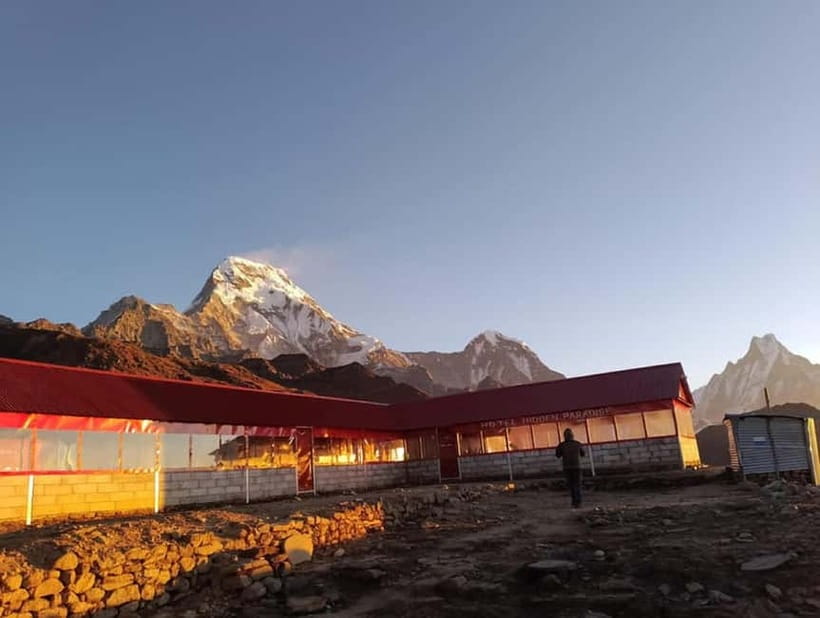
If you only have a few days in Nepal, this trek is a smart way to see the Annapurna region without turning your trip into a logistics marathon. It’s compact, which means you can stay based in Pokhara and still reach the classic viewpoint area around Ghorepani.
What I like is that it gives you two kinds of satisfaction. You get daytime trekking where views build across the Annapurna and Dhaulagiri ranges, and then you get the emotional payoff of sunrise from Poon Hill. That mix keeps the effort from feeling one-note.
There’s also a practical value to a private group on this route. When the weather shifts, your guide can help adjust the pace and keep you moving confidently, which matters when you’re dealing with stairs, altitude chill, and early start energy.
Day 1: Pokhara to Ulleri and the Step Test
Day 1 starts with a transfer from Pokhara, often with pickup options across the lakeside area and beyond, then a ride toward the trek’s starting point around Nayapul. After a short break and photo stops, you begin hiking uphill, steadily climbing from lower elevations toward Ulleri.
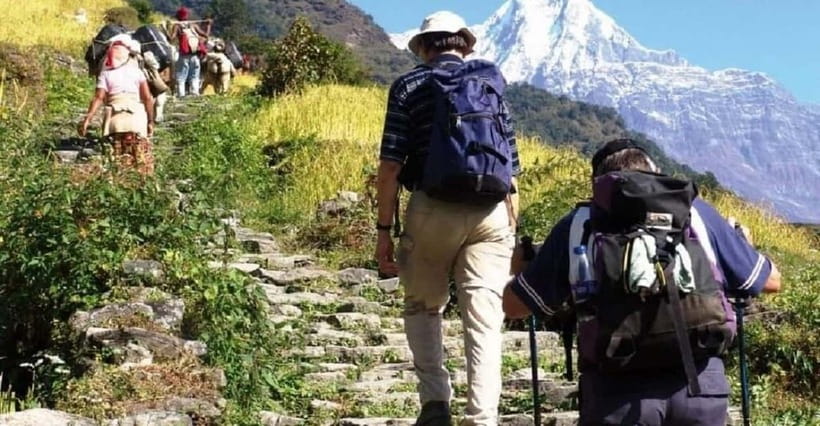
This is the day many people feel in their legs, mostly because it includes long stair sections. One common theme from trekkers: it can look simple on paper, but the repetition and height gain add up fast. If you’re newer to hiking, treat this as a conditioning day and focus on steady breathing over speed.
Along the way, you’ll pass through community areas and tea-house zones where the routine is familiar: stop, drink something hot, keep moving. The overnight at Ulleri is what helps you do day two properly, because you’re not dragging yourself tired into the best viewpoint day.
Day 2: Ulleri to Ghorepani and the Mountain Panorama Builds
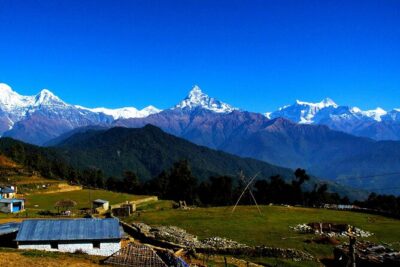
You’ll wake up and hike from Ulleri to Ghorepani over roughly half a day, with enough hours to settle into a rhythm. The payoff on day two tends to be the views: you’re hiking with the Annapurna and Dhaulagiri ranges increasingly in play as the trail climbs.
This day is also where the trek often feels more interesting than just gaining height. The route is known for rhododendron forests in season, which can bring color and a change in the feel of the trail. It’s a good day to notice smaller things, like different plant tones and the bird-and-insect movement that increases as you climb.
Your overnight in Ghorepani is where you’ll feel altitude more clearly than at lower points. Expect colder air at night, and plan to bundle up in the evening so you can sleep and recharge for the sunrise push.
Guides often play a key role here. Trekkers singled out guides such as Santosh and Jeet for pacing, choosing meal stops well, and keeping things organized so you don’t lose time when you’re tired.
Day 3: Ghorepani to Poon Hill Sunrise, Then Down to Pokhara
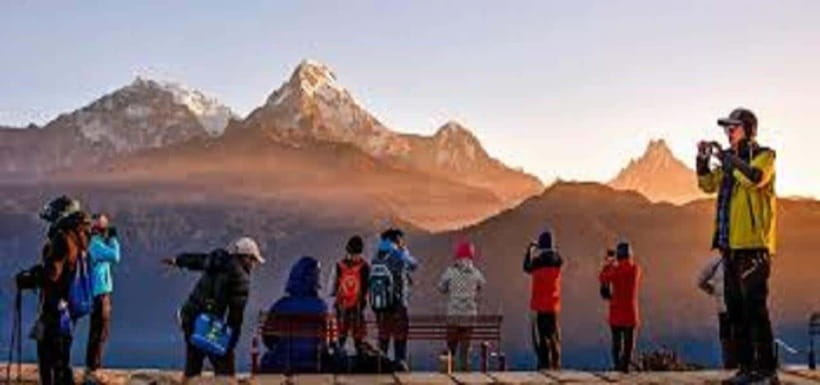
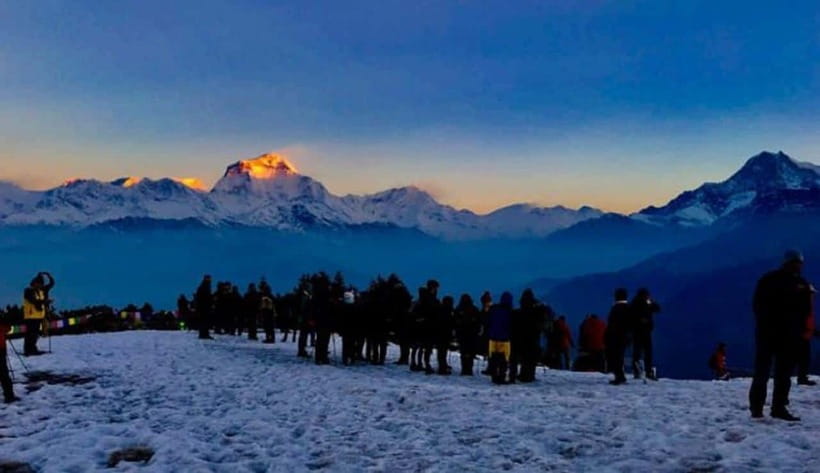
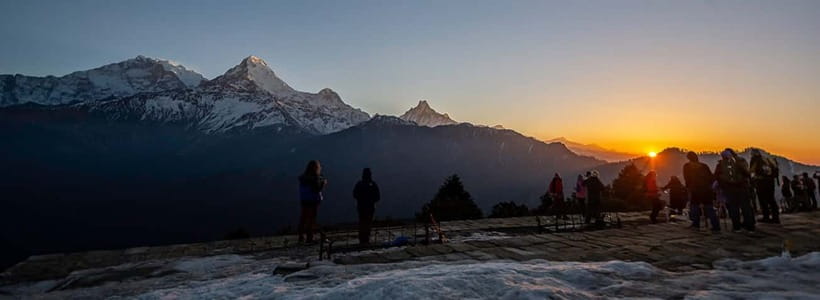
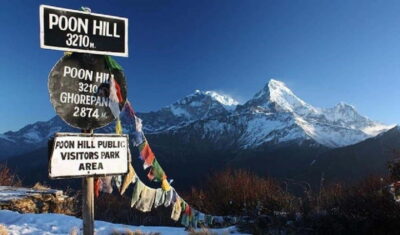
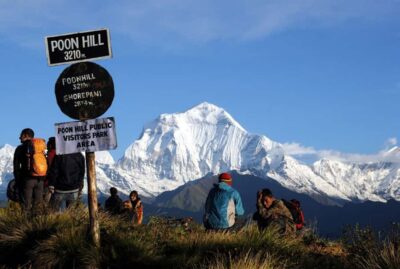
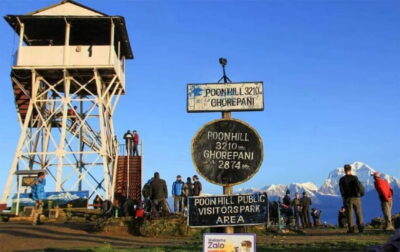
Poon Hill is the mission on day three, and it starts early. You’ll hike from Ghorepani toward Poon Hill for about a couple hours, with enough time to get into position before sunrise or right around it depending on conditions.
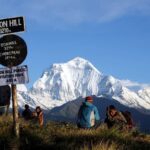
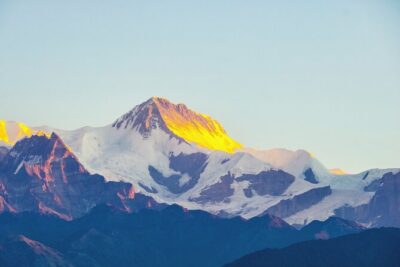
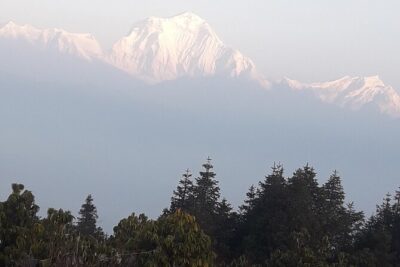
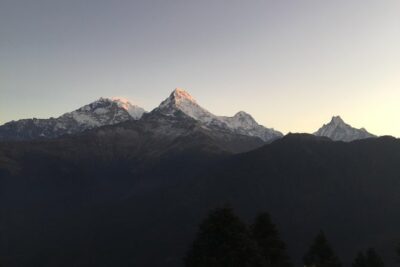
When it hits, it’s not just one view. The mountains can look layered and huge as light spreads across peaks, and the sky can shift quickly as you’re standing there bundled against the cold. People repeatedly call this moment the best part of the entire trek, and it’s easy to see why.
After the sunrise moment, the route is designed to be a relief: you head back toward Ghorepani for breakfast, then keep trekking down toward Nayapul and return to Pokhara by road. The downhill can still be tiring on knees, but it’s the kind of tired that feels more like finishing than surviving.
If you’ve got limited time in Nepal, this structure is one of the trek’s smartest features. You’re not spending an extra night just to access the viewpoint; the sunrise is built in, and the rest of the day is recovery and return.
More private, guide-led trips in Pokhara.
Guides in the Real World: Why Private Feels Worth It
On this kind of short trek, the guide doesn’t just point the way. They help you manage pace, logistics, and decision-making when conditions change.
Many trekkers gave strong credit to guides such as Santosh, Candra, Jeet, Tanka Dahal, and Laxman. Common praise points were practical: they stayed patient on tough sections, organized tea-house meals smoothly, and kept your day flowing without drama. One trekker noted guide support also included making walking sticks, which is a small thing that can feel huge when you’re facing stairs.
Another good sign: multiple trekkers mentioned thoughtful care like re-filling hot water or arranging good stops for food. On a cold morning, that kind of attention can turn the trek from uncomfortable into manageable.
Since it’s a private group, you also have more flexibility in how you handle breaks. If you need a short pause, you’re not waiting for a larger group to catch up.
Tea Houses, Lodging, and the Food Rhythm at Altitude
This trek uses standard private accommodations in the tea-house trekking zone, so you’re not sleeping in camps or dealing with extreme wilderness-style conditions. The guesthouses are typically simple but welcoming, and trekkers highlighted clean rooms and warm chimneys in at least some stays.
Food tends to follow the Nepal trekking basics: hot soups, rice-based dishes, and filling meals that help you keep energy steady. Daal bhat came up as a favorite for more than one trekker, which makes sense because it’s practical fuel for hiking days.
One reality check: at altitude, rooms can be cold. Trekker notes mentioned needing gloves and beanie, and preparing for chilly sleeping conditions. The gear pack may include a sleeping bag as needed, but you’ll still want warm layers and a waterproof item in your pack.
What I like about the setup is the predictability. You’re not forced into guessing where you’ll eat, and the private guide approach helps you avoid the common beginner problem of arriving hungry and rushed.
Nature and Culture You’ll Actually Notice on the Trail
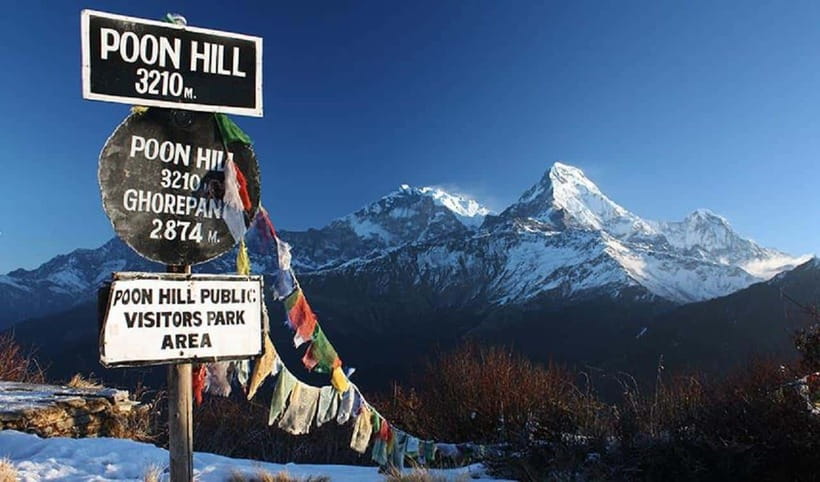
This trek earns its reputation because it mixes mountain views with human-scale moments. You’ll pass through villages and tea-house areas where you can see daily life up close rather than through a distance lens.
The cultural highlight is Ghandruk and Gurung traditions, which is why this trek feels like more than a viewpoint hike. People often talk about the warmth of guesthouse staff and the friendliness of trail encounters, and that’s part of what makes the walking feel human rather than only scenic.
On the natural side, rhododendron forests can add color during the right season, and the higher sections give you a chance to notice Himalayan flora. Wildlife encounters aren’t guaranteed, but the trail context and the mix of forest and settlement edges make it an enjoyable place to look for movement and birds.
Even when the weather isn’t perfect, the trek still has texture. Foggy or hazy conditions can happen, but you still hike through communities and forest, and you still get the sunrise attempt that defines the route.
Price and Value: What $126 Covers (and Why It Matters)
At $126 per person for a 3-day private trek, the value comes from what’s included rather than from what’s left for you to organize. You’re not just paying for a view. You get permits and fees, a certified trekking guide, private accommodation in standard lodging, and transportation between Pokhara and the trek starting area.
It also includes guide-and-porter expenses, meals where that option is chosen, and the usual safety basics like first aid kits. There’s trekking gear support too, including trekking sticks and sleeping bags as needed, plus luggage storage in Pokhara and a duffel bag.
Now, the smart way to judge price is to think about the alternative. If you DIY this, you still pay for permits, you still need local knowledge, and you still have to solve transport and lodging planning. On a short trek, paying for guidance usually saves more stress than it costs money.
The one factor that can change your total comfort is the cold and stair effort. If you show up unprepared, you might end up buying personal gear you could have packed in advance. That’s not a flaw in the trek, just a reminder that mountain trekking is gear-and-pace dependent.
What to Pack for Cold Mornings and Steep Sections
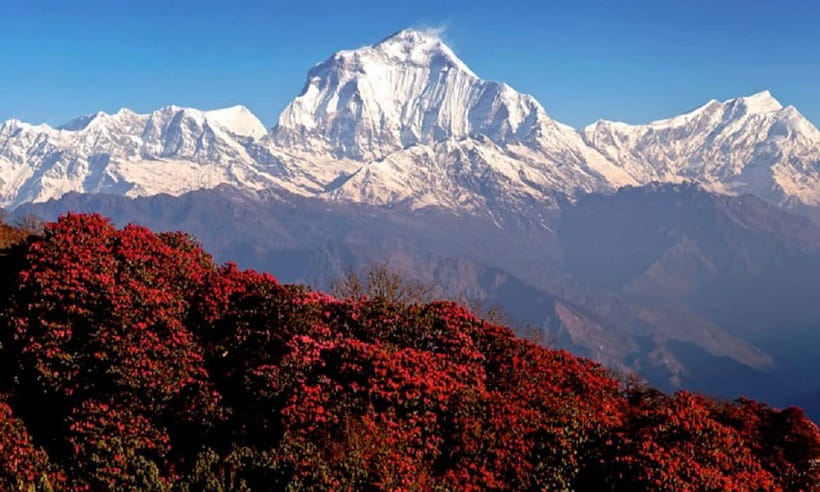
This route is only three days, but altitude still brings temperature swings. You’ll want warm layers, and the higher points can get very cold early in the morning.
Your essentials from the provided info are straightforward:
- hiking shoes and hiking pants
- warm clothing and a waterproof bag
- an ID card or passport copy for permits
- travel insurance, since it’s mandatory for safety
From trekkers’ real-world notes, I’d also treat gloves and a beanie as non-negotiable. The sunrise climb starts early, and chilly hands can ruin your enjoyment fast.
Also plan for weather variation. Even in short treks, rain or wind can show up, so pack waterproof protection and keep a dry layer available for tea-house breaks.
Who Should Book This Trek (and Who Might Want More Time)
This trek is a great fit if you want a classic Annapurna-region experience in a short window from Pokhara. It’s especially suitable for people who like sunrise viewpoints, enjoy tea-house trekking, and want a guide to handle pace and meal stops.
It’s less ideal if you’re trying to prove you can handle stairs without training. Even with a private guide and the ability to pause, multiple trekkers stressed that the route is tough for beginners. If you’re new and nervous, consider how you’d feel on a day with a heavy step section.
If you want a gentler learning curve, more time on the trail can help your body adapt. But if you’re ready to work for it, this trek rewards you quickly with views and a big payoff sunrise.
Should You Book This Private Ghorepani and Poon Hill Trek?
Yes, if you’re chasing the sunrise viewpoint and want a guided, low-hassle way to reach it in three days. The price covers real services that matter on this route: permits, transportation, certified guidance, and trekking-zone lodging.
Before you book, be honest with yourself about the effort. Expect stairs, pack warm layers, and plan to take it slow on day one. If you do that, you’ll get a memorable mountain sunrise, a solid taste of Gurung village culture in the region, and a short trek that feels complete rather than rushed.
FAQ
How physically demanding is the 3-day trek?
It can be physically demanding, especially because of steep stair sections on the first day. You should have a reasonable fitness level and be ready to hike at altitude, with a pace that can include breaks.
What makes Poon Hill special on this trek?
You get an early morning climb to Poon Hill with sunrise views over the Himalayas. The schedule is built so you can reach the viewpoint before the morning light.
Are meals and accommodation included?
Meals are included throughout the trek if you choose the meal option. You’ll also have private accommodation in standard lodging during the trek.
What permits and fees are covered?
All required permits and fees for the trek are included. You’ll need to submit a copy of your passport at least one day before the trek so permits can be arranged.
What transport is included from Pokhara?
The trek includes round-trip transportation between your hotel (or optional pickup areas) and the trek starting point, with transfer also tied to Pokhara’s bus park area and drive segments back to Pokhara.
What should I bring for the hike?
Bring warm clothing, hiking shoes and hiking pants, and a waterproof bag. You also need an ID card or passport copy, and you should bring items suitable for cold temperatures at higher altitude.
More Private Trips
Also Reviewed Around Pokhara

More Poon Hill Sunrise Treks
Newer Pokhara reviews to browse before you decide
Poon Hill Sunrise Treks, compared.
 ★ 5.0Poon hill Trek 3 daysFrom $230176 reviews
 ★ 5.04-Day Ghorepani, Poonhill & Ghandruk Mountain TrekFrom $181132 reviews
 ★ 5.0Ghorepani – Poon Hill Trek 3N-4DFrom $321125 reviews
 ★ 4.93-Day Ghorepani Poon Hill Trek with GuideFrom $16268 reviews
 ★ 5.04-Day Private Poon Hill Trekking TourFrom $35958 reviews
 ★ 4.62-Day Ghorephani and Poon Hill Private TrekFrom $10450 reviews
 ★ 5.03-Day Poon Hill Trek from Pokhara.From $41045 reviews
 ★ 4.92 & 3 Days Ghorepani Poon Hill Private Guided TrekFrom $11827 reviews
Browse the lists this tour appears in