
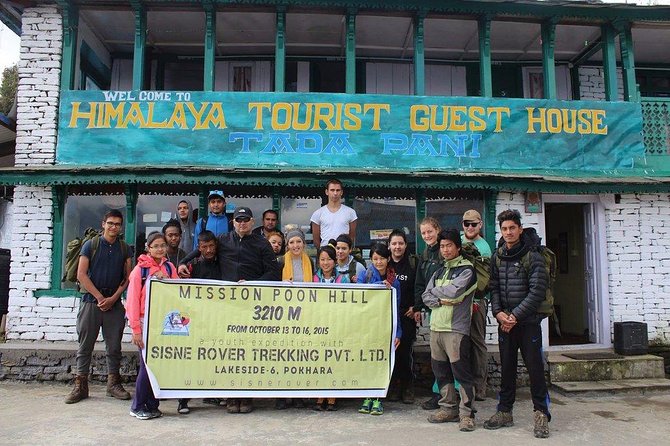
Reviewed · POON HILL SUNRISE TREKS
Ghorepani – Poon Hill Trek 3N-4D
A short sunrise is the goal. This Ghorepani–Poon Hill trek strings together forest walks, big stair climbs, and a high-morning payoff when the Annapurnas show up. You also get real comfort for the nights: you sleep in teahouse rooms, no tents, plus ground transport to and from your Pokhara hotel or guesthouse.
What I like most is the mix of effort and payoff. You’ll hike through rhododendron forest, reach the viewpoint at Poon Hill (3210m), and spend an overnight in Ghorepani where local shops and crafts keep the vibe friendly.
One thing to consider: this route is step-heavy early on, and weather can be a buzzkill for sunrise. Even when skies don’t cooperate, the trek itself still has plenty going for it, but you should go in with flexible expectations and solid legs.
In This Review
- Key Things to Know Before You Go
- From Pokhara to Nayapul: Starting the Trek on Real Time
- Tikhedhunga and Ulleri: The Steps That Set the Tone
- Day 2 to Ghorepani: Village Life Meets Mountain Trails
- Poon Hill at Sunrise: Timing, Weather, and the Payoff
- Tadapani to the Finish: Rhododendron Forest Descent and Dark Woods
- Teahouses Without Tent Drama: What Your Nights Look Like
- Price and Value at About $321: What You’re Paying For
- Guides and the Private-Trek Feel: Personal, Not Crowded
- What I’d Pack for Poon Hill (Based on How the Trek Actually Feels)
- Should You Book This Trek?
- FAQ
- How long is the Ghorepani – Poon Hill trek?
- Do I need to bring a tent?
- What transport is included?
- What meals are included?
- Are trekking permits included?
- Is an English-speaking guide included?
- Is the Poon Hill sunrise viewpoint entry included?
- What is not included in the price?
Key Things to Know Before You Go
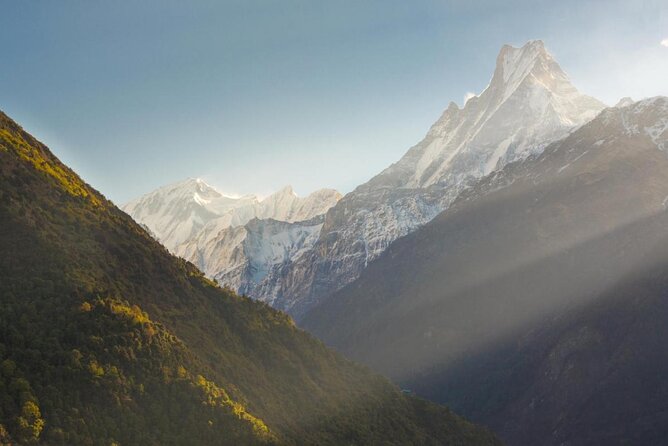
- Teahouse trekking without tents: comfortable rooms each night keep this from feeling like camping logistics.
- Permits and fees are handled: ACAP and TIMS paperwork are included, so you avoid admin stress.
- Sunrise is the main event: early morning climb to Poon Hill is the moment most people sign up for.
- Rhododendron forest and waterfall country: Day 4 includes dense rhododendron trails and a classic mountain-descent feel.
- Guide quality matters here: examples from past trips include guides who are patient with slower hikers and good at explaining local culture.
- A first-day stair challenge: expect a lot of uphill work right after a drive to Nayapul.
More Poon Hill and Ghorepani routes, weighed by nights and effort.
- Poon hill Trek 3 days★ 5.0 · 176 reviews
- Pokhara: 4-Day Ghorepani, Poonhill & Ghandruk Mountain Trek★ 5.0 · 132 reviews
- Ghorepani – Poon Hill Trek 3N-4D★ 5.0 · 125 reviews
- From Pokhara: 3-Day Ghorepani Poon Hill Trek with Guide★ 4.9 · 68 reviews
From Pokhara to Nayapul: Starting the Trek on Real Time
This trek begins in Pokhara, then you ride about an hour to Nayapul. From there, the walking starts through sub-tropical valley forest with bridges and river crossings that break up the day and keep it from feeling like one long road slog. You’ll cross the Bhurungdi Khola by bridge and then move toward Tikhedhunga.
For me, the practical win is the pacing of the logistics: you’re not juggling transport, permits, or tent gear on day one. Pickup and the round-trip transfer make it easier to treat the trek like the main plan instead of one more travel task.
Still, the first day can feel more about effort than scenery. One past solo traveler described starting on a dusty road in hot sun before the route settled into the climb toward Ulleri. If you burn out fast in the heat, pack smart and take the early section easy.
Tip: Start hydrating right after you leave Nayapul, not after you feel thirsty. Stairy days punish late starts.
Tikhedhunga and Ulleri: The Steps That Set the Tone
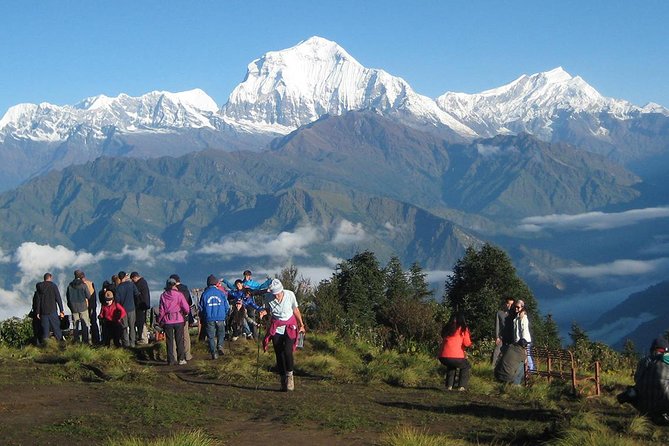
Day 1 climbs up to Ulleri Hill after reaching Tikhedhunga. This is where you feel the Annapurna foothills turning into trekking country. You’ll be moving uphill for hours, and at the end you get a taste of what the Poon Hill area is famous for: vertical hiking.
One useful detail from earlier experiences is just how stair-focused this can be. A solo trekker mentioned an ending stretch with 3,500+ steps. That doesn’t mean you’ll count every stair, but it does mean you should plan your body strategy for repeated climbs: short breaks, steady breathing, and a pace you can sustain.
If you’re “moderate fitness,” this trek can be a great fit, but only if you’re ready for the leg grind. The good news is that this is teahouse trekking, not technical mountaineering. You’re challenged, not scrambled.
What helps: a trekking guide who doesn’t rush you. In previous trips, guides like Diwan, for example, were described as friendly and patient when the hiker needed to slow down on the steps.
Day 2 to Ghorepani: Village Life Meets Mountain Trails
After breakfast, you ascend toward Ghorepani. Ghorepani isn’t a ghost town. It’s built for trekkers, with small shops and stalls selling local products and crafts. The village also has two distinct sections: one tucked on a saddle and another set a few hundred feet higher. That matters because it can change where your teahouse sits, how it feels at night, and how easy it is to step out for a snack.
I like this part of the trek because it gives you an actual village rhythm. You’re not just passing through scenic postcards—you’re living trekking life. After a day of climbing, it’s comforting to have a place where you can buy something warm, ask questions, and watch other hikers compare notes (while you try to ignore how big their energy sounds).
The drawback is that Ghorepani can feel busy compared with remote trails. If you want quiet solitude, you may find it less peaceful than you pictured. On the flip side, it’s also a confidence builder if you’re new to trekking: you’re surrounded by people doing the same thing, and the infrastructure is there.
Practical note: keep your evening simple. You’ll likely be tired from hiking, and a long chat in the cold can wear you down.
Poon Hill at Sunrise: Timing, Weather, and the Payoff
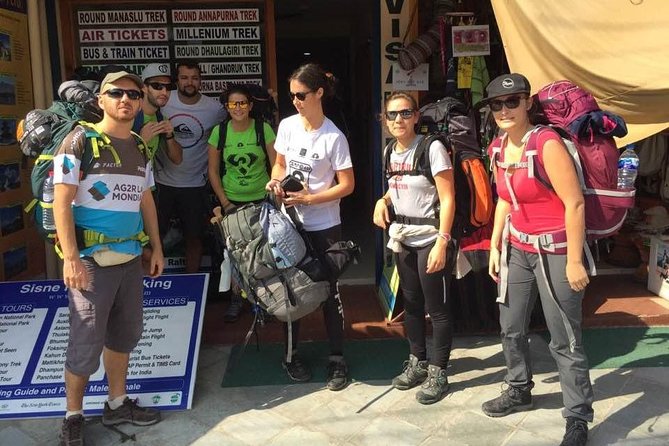
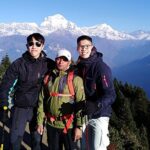
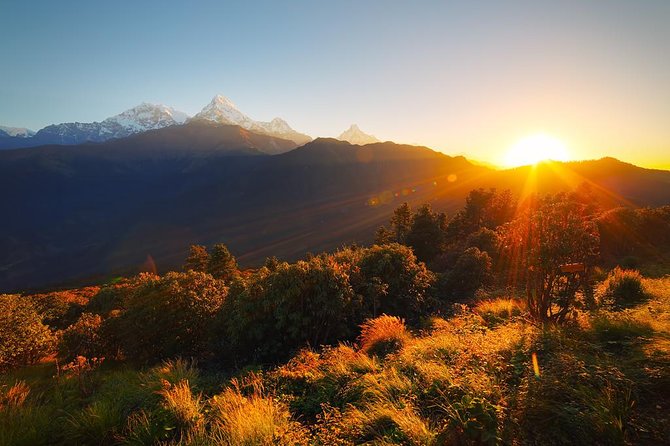
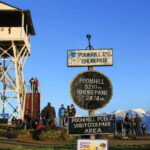
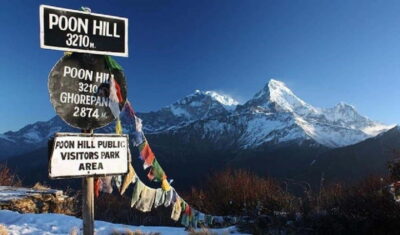
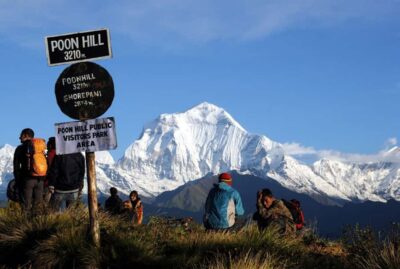
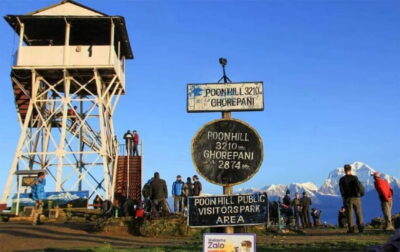
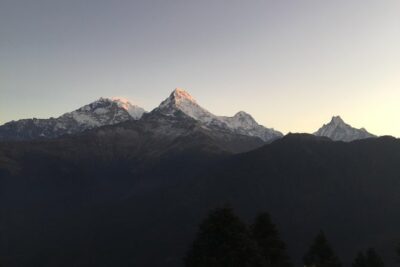
Day 3 is the headline moment. You’ll rise early and climb along a steep trail to the Poon Hill viewpoint at 3210m. Poon Hill is widely known because it’s a strong spot to catch sunrise views across the Annapurna mountain range. The trek package includes the viewpoint admission, and the climb is roughly a 30-minute activity segment.
Here’s the honest part: sunrise depends on weather. One trek experience noted that the mountains were obscured by clouds and rainy conditions for much of the time, so the sunrise didn’t deliver the classic view. Even so, they still described the trek in rain as a wonderful experience. That’s your best framing going in: Poon Hill is a target, not a guarantee.
If you’re lucky, you’ll get a sweep of peaks. If you’re not, you’ll still have a memorable early-morning climb through cool air, and you’ll learn what the mountain looks like when the clouds decide to stay.
How to maximize your odds:
- dress in layers for cold early morning,
- bring a headlamp if you’re moving before light,
- keep your camera battery warm in an inside pocket.
More treks and hikes across the Annapurna region.
Tadapani to the Finish: Rhododendron Forest Descent and Dark Woods
On Day 4, you leave Tadapani and begin a steep descent through dense forest. This stretch is described as thick rhododendron woodland, and when those trees are in bloom, the forests can turn into a sea of color. Even outside peak bloom, the path tends to feel enclosed and shaded, which can make the descent easier on the eyes even if it’s still hard on the knees.
Descent is where many people feel it most. Your quads work overtime, and your footing matters more than it does on uphill. The good part about this portion is that it feels like a different environment than the morning stair climb earlier in the trek. It’s darker, cooler, and more “forest trail” than “big view corridor.”
After you finish the walking, you connect back to your Pokhara transfer. Since transport from and back is included, you’re not stuck figuring out logistics when you’re tired.
Gear heads-up: if you have trekking poles, bring them. Poles can make descents far more manageable, especially on a route with steep sections.
Teahouses Without Tent Drama: What Your Nights Look Like
This package is built around the idea that you don’t need tents. You’ll spend each night in a comfortable teahouse room during the trek. Teahouse trekking can be a sweet spot: you get a warm bed and basic services without carrying camping gear for days.
What you should expect from this style of trekking is a simple rhythm:
- eat early,
- hike steadily,
- rest at a small lodge,
- repeat.
Meals are included with three meals a day on the trek plan (with dinner and breakfast counted across multiple days, plus lunches). That’s important for value because you’re not constantly calculating where your next meal will come from or what prices will look like in a mountain village.
Also included is a medical kit carried by the guide, plus a government-licensed, English-speaking trekking guide. That combination matters more than people think when you’re tired and minor aches start showing up.
One more detail: you’ll get a completion certificate and a souvenir t-shirt. Small items, but they help you mark the trip.
Price and Value at About $321: What You’re Paying For
At about $321.34 per person, this trek isn’t the cheapest option, and that’s fair to say. Some experiences described it as overpriced, and another comment suggested the itinerary and inclusions didn’t match expectations.
But when I look at what is included, the math shifts. You’re not paying just for the walking guide. You’re also getting:
- teahouse accommodation,
- three-meals-a-day coverage on the trek plan,
- a licensed English-speaking guide,
- staff costs (insurance, equipment, food, accommodation),
- permits and paperwork (ACAP, TIMS),
- ground transfers from Pokhara and back,
- guide-carried medical kit,
- all fees and taxes,
- and the viewpoint admission.
For many people, the cost becomes worth it because the trek is packaged end-to-end. You reduce the guesswork that can lead to extra spending or wasted time.
My balanced take: if you want maximum organization with a private group setup, this price can make sense. If your main goal is to do the trek as cheaply as possible, you might find lower-budget options. The real question is how much you value having permits handled and transport arranged for you.
Guides and the Private-Trek Feel: Personal, Not Crowded
This is a private trek, meaning your group participates together. That matters because private doesn’t automatically mean easy, but it does mean you can move at a pace that fits your group. The trek also has a moderate fitness requirement, which is a good sign that the plan is designed for real hikers rather than elite pace-setting.
Guide quality is the part that shows up again and again in positive experiences. Names that came up include Anil, known as Pai by some hikers, Milan, and Diwan. People described them as friendly, patient, and willing to adapt when someone needed to take the slower step breaks. One hiker also highlighted how their guide was knowledgeable about the trek and spent time teaching Nepali culture and even different local phrases.
That kind of guide work changes the trek from exercise into understanding. Even when weather covers the peaks, you’ll still come away with a better sense of where you are and how people live around these trails.
What to ask your guide on day one: what time you’ll start Poon Hill climb and what weather signals to watch. A good guide will explain your timing and keep you relaxed.
What I’d Pack for Poon Hill (Based on How the Trek Actually Feels)
The trek is short (about 4 days) but varied. Expect hot or bright early sections, cooler mornings for sunrise, and a forest descent that can get damp. Since the data doesn’t list a gear list, you’ll want to rely on typical trekking logic without overcomplicating it.
Focus on essentials:
- layers for warm daytime and cold early-morning,
- rain protection (because rainy conditions happen),
- good traction shoes,
- and something for hydration.
Also consider that personal expenses aren’t included. That includes things like bottle or boiled water, laundry, extra chargers, showers, and bar bills. You can plan to buy some of these along the way, but don’t assume they’re included.
Small but smart: bring a light day bag so you can keep your phone and camera battery warm during the sunrise climb.
Should You Book This Trek?
Book it if you want:
- a teahouse trek that avoids tent hassle,
- a private group experience with an English-speaking, government-licensed guide,
- permits and transport handled for you,
- and a solid chance at Poon Hill sunrise, with forests and waterfalls on the way down.
Skip it (or shop around) if:
- you strongly prefer the cheapest trek possible,
- you’re not ready for step-heavy uphill early on,
- or you expect the sunrise viewpoint to be guaranteed every day.
My decision rule is simple: if you’re okay paying for convenience and guidance, this trek is a strong choice. If you want to DIY everything, you may feel the price more sharply.
FAQ
How long is the Ghorepani – Poon Hill trek?
It’s about 4 days (3 nights), with day-by-day hiking and teahouse stays across the Annapurna foothills.
Do I need to bring a tent?
No. This trek is set up as a teahouse trek, so you sleep in comfortable teahouse rooms each night.
What transport is included?
Pickup and drop-off from your Pokhara hotel or guesthouse are included, plus ground transfers connected to the trek route.
What meals are included?
Breakfast and dinner are included across the trek days, and lunch is included as well. The package describes three meals a day during the trekking portion.
Are trekking permits included?
Yes. The package includes necessary paperwork and trekking permits, including ACAP and TIMS.
Is an English-speaking guide included?
Yes. You’ll have an experienced English-speaking, government-licensed trekking guide.
Is the Poon Hill sunrise viewpoint entry included?
Yes. The Poon Hill viewpoint admission is included for the early morning climb.
What is not included in the price?
Not included items are Nepalese visa fees, travel and rescue insurance, personal expenses (like laundry, extra charges, bottle or boiled water, shower), bar bills, and tips for the guide and porter(s).
More Treks in the Annapurnas
Also Reviewed Around Pokhara

More Poon Hill Sunrise Treks
Newer Pokhara reviews to browse before you decide
Poon Hill Sunrise Treks, compared.
 ★ 5.0Poon hill Trek 3 daysFrom $230176 reviews
 ★ 5.04-Day Ghorepani, Poonhill & Ghandruk Mountain TrekFrom $181132 reviews
 ★ 4.93-Day Ghorepani Poon Hill Trek with GuideFrom $16268 reviews
 ★ 5.03-Day Ghorephani and Poon Hill Private TrekFrom $12658 reviews
 ★ 5.04-Day Private Poon Hill Trekking TourFrom $35958 reviews
 ★ 4.62-Day Ghorephani and Poon Hill Private TrekFrom $10450 reviews
 ★ 5.03-Day Poon Hill Trek from Pokhara.From $41045 reviews
 ★ 4.92 & 3 Days Ghorepani Poon Hill Private Guided TrekFrom $11827 reviews
Browse the lists this tour appears in