
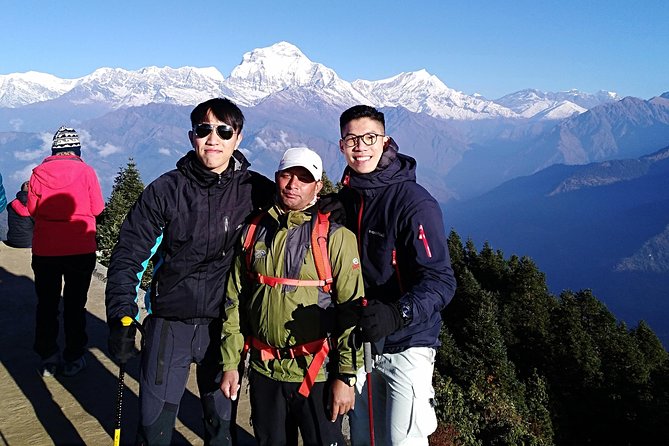
Reviewed · MUSTANG & MUKTINATH TOURS
Trekking in Annapurna/Langtang/Everest/Upper Mustang regions
A trek from Pokhara feels like your vacation starts uphill. I like that this experience keeps things simple: you choose the region (Annapurna or Upper Mustang), your guide helps shape the route, and you head out on a hike that can be as short as a couple hours or up to a full day.
Two things I really like: first, the guide’s lunch and dinner plus their accommodation are covered in the fee, so you’re not juggling extra items for the person leading you. Second, planning is practical—your guide helps arrange details and even communicates clearly in the lead-up, with options to help you decide.
One possible drawback to consider: your own trekking food, drinks, and any accommodation during the trek are not included, so you’ll want a realistic budget beyond the base price.
In This Review
- Key things I’d watch for
- Why Pokhara as the launchpad matters more than you think
- Annapurna versus Upper Mustang: how to choose without overthinking it
- What the Annapurna day trek feels like in real time
- How your guide (Raju) improves the whole experience
- Food, lodging, and the real cost breakdown
- Timing, distance, and why “moderate fitness” still means something
- Small itinerary beats: the Annapurna stop and what it signals
- When weather can change your plans
- Who should book this, and who should skip it
- Quick verdict: book it if you want guided value, not self-planning stress
- FAQ
- Where do the treks start and end?
- Which regions can the guide arrange for trekking?
- How long are the treks?
- Is pickup included?
- How big is the group?
- Is this tour private?
- What is included in the price?
- What is not included?
- Do I need good weather for the trek?
- What cancellation window do I get?
Key things I’d watch for
- Pokhara start/end: You’re not spending extra days just getting to trailheads.
- Annapurna or Upper Mustang options: You pick the region; the guide shapes the itinerary.
- Up to 15 in the group: It stays small, which helps when trail conditions change.
- Guide-included meals (and lodging): You’re paying for the hike experience, not just a person’s time.
- Good-weather dependency: If conditions are rough, you may need a different date.
More jeep trips to Mustang and Muktinath from Pokhara.
- 2-Day Scenic Mustang Tour: Pokhara to Jomsom, Kagbeni & Muktinath★ 5.0 · 23 reviews
- 5 Days Adventures Lower Mustang Trip by 4WD Jeep★ 5.0 · 12 reviews
- 3 Day Lower Mustang Tour with 4WD Jeep from Pokhara★ 5.0 · 12 reviews
- “Exclusive Round-Trip Transfer: Pokhara to Jomsom & Muktinath”★ 5.0 · 11 reviews
Why Pokhara as the launchpad matters more than you think
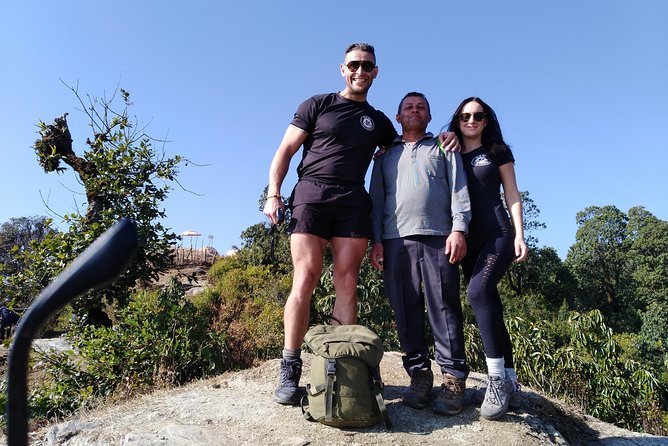
Pokhara is a smart base for mountain hiking because it keeps logistics low-stress. You get to start and finish in the same place, which means less time shuffling between towns and more time walking toward views.
This matters when you’re choosing between a short day hike and something longer. The experience is designed around flexible trekking formats—anywhere from 2 hours to 1 day, and you can also choose multi-day treks if that’s your style. When your trek begins and ends in Pokhara, it’s easier to adjust plans on the fly without turning your holiday into a moving truck.
Another small win: pickup is offered. Even if you’re staying near public transportation, having a pickup option reduces the “where do we meet?” friction. Less admin. More trail.
Finally, Pokhara gives you choices. From here, you can choose Annapurna or Upper Mustang route styles, with your guide helping you sort out the details that fit your time and fitness.
Annapurna versus Upper Mustang: how to choose without overthinking it
The experience is built around two route regions: the Annapurnas or Upper Mustang. That’s the key decision, and it helps to treat it like choosing a mood, not just a map.
If you’re leaning toward Annapurna-style trekking, you’re likely looking for an approachable starting point from Pokhara, where a day hike can include mountain views plus a taste of everyday village life. One of the most praised parts of this guided style is that you’re not only hiking to a viewpoint—you’re also learning how people live along the route. Think local culture, the everyday rhythm of the mountains, and the feeling that you’re moving through real places, not just scenery.
Upper Mustang route choices are there for you if you want something different in tone and scenery. Since the exact route details aren’t fixed in the overview, your best move is to ask your guide to propose a couple options that match your time window and how hard you want to go.
Here’s the practical way I’d decide:
- Choose the region you’re most curious about.
- Then tell your guide your time limit (half-day, full-day, or multi-day).
- Ask for a simple plan that matches your pace and comfort level.
The guide’s role is to help you arrange the itinerary and review it with your group (up to 15). That means you don’t have to guess your way into a route that’s too big—or too easy—for your goals.
What the Annapurna day trek feels like in real time
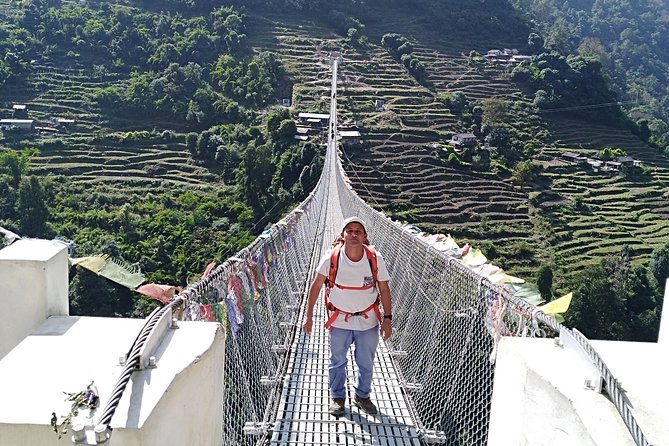
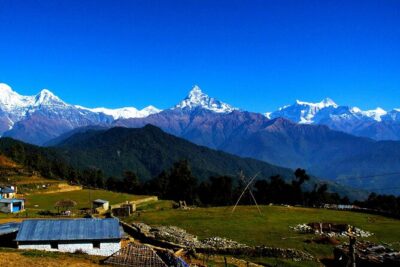
A typical Annapurna option runs about 8 hours, so it’s firmly in the full-day category. The goal is a mix of mountain views and Nepali mountain life—not just walking in a straight line to a single photo spot.
You can expect the hike to include sustained walking, plus stops for perspective and context. One important practical note: admission tickets aren’t a factor here. The day format is presented with a free admission ticket, which is the kind of detail that keeps the budget from sneaking up on you.
What makes this day format appealing is the “learn while you walk” approach. A guide can point out what you’re seeing and connect it to how people live in the mountains—where food comes from, how villages work, and what local culture looks like along the way. In the praised full-day style hikes, that learning is a big part of the payoff, not an afterthought.
There’s also usually time for a proper rhythm on trail. Not “rush to the summit” energy, but enough movement that you feel like you did something meaningful—without turning the day into a suffer-fest.
A heads-up: this is still trekking. You’ll want to treat it like a real hike day, not a casual stroll. If you’re moderately fit, you’ll do fine. If you’re not, you’ll feel it by hour three.
How your guide (Raju) improves the whole experience
The provider here is Trekking Nepal with Raju, and the guide is described as certified and professional. In the guided day-hike reviews, Raju comes up repeatedly for one reason: he helps you make decisions before you ever step on the trail.
That can be a game-changer. If you’re not sure which route to pick, Raju has been praised for sending options and even photos to help you choose. It’s one thing to be offered a menu; it’s another to see what you’ll likely encounter so you can pick confidently.
Communication matters for hiking because plans change. Weather changes. Trail conditions change. Your energy changes. Having a guide who’s responsive—via text leading up to the hike—helps you walk in with clarity instead of uncertainty.
Then there’s the on-trail style: Raju is described as attentive and experienced, and that shows in how the day flows. You’re not just collecting waypoints; you’re getting explanations about trails, local culture, and what to look for as you go.
If you’re the kind of traveler who likes to know what’s happening around you, this guided approach is built for that. If you’re mostly silent-earbuds and “just show me the path” person, you’ll still get value from the route planning and pacing help.
More treks and hikes across the Annapurna region.
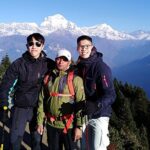
Food, lodging, and the real cost breakdown
Let’s talk about money the way you actually need to think about it.
Your fee includes the guide’s food and accommodation. That’s great value because it removes a chunk of uncertainty for the guide’s side of the plan.
But your own items are not included:
- Lunch and dinner for participants (and drinks/food during the day) are on you.
- Accommodation during the trek is not included.
There’s also a practical detail: during the hike, you may stop off for lunch or dinner with a local restaurant or mountain café. If you do, you’ll pay directly to the restaurant owner.
Private transportation is something you can arrange upon request, but it isn’t included in the rate. Since the tour is set up from Pokhara, most people can stay simple with local transit plus the included pickup option, but if you’re coming from farther out, you may want to ask what’s easiest.
Now, about the price itself: it’s listed at $40.00 per group (up to 15). That’s extremely low if it truly applies as a group total. I can’t tell from the information you provided whether that is a total group fee or a per-person fee, but either way, the value is in the guiding and coordination.
Here’s how to budget safely:
- Add your own meal costs.
- If you do a multi-day trek, plan on lodging costs during the trek.
- Add a guide tip (not included).
- Factor in optional private transport if public transport plus pickup isn’t practical for your exact location.
The big takeaway: the base fee is only part of the story. The included items are focused on the guide so the experience can run smoothly, while you handle your personal trek costs.
Timing, distance, and why “moderate fitness” still means something
This experience is geared for travelers with moderate physical fitness. That phrase is helpful, but it still covers a range. In practice, a moderate hike means you can walk for hours, handle uneven ground, and recover with rest and water.
The duration you choose shapes the strain:
- Short options can run around 2 hours.
- A full-day Annapurna-style hike is about 8 hours.
So if you book a full day, you should assume a long walking stretch with elevation changes. Even if the route isn’t described in detail here, the structure is clearly trekking, not sightseeing on flat ground.
Also, the group size is capped at 15, and you’re on a private tour/activity in the sense that only your group participates. That matters because it can help keep the day flexible—especially if you need to slow down, take a longer break, or adjust the plan based on the group’s stamina.
My practical suggestion: when you contact the guide or make your choice, tell them honestly how fit you are and what pace you want. The guide can help decide the best trek length for you, whether you want day trekking or multi-day.
Small itinerary beats: the Annapurna stop and what it signals
The provided itinerary highlights an Annapurna Region stop with an 8-hour trek focus. That stop includes the idea of seeing the mountains and experiencing Nepali mountain life, with admission ticket information listed as free.
Even without minute-by-minute details, that tells you the day is meant to deliver three things:
- Movement through real terrain.
- Mountain scenery as a core payoff.
- Cultural exposure through local village life along the way.
In other words, it’s not a “walk to a single viewpoint and leave” format. It’s designed to be a day of trekking with context. For many people, that’s the difference between a hike you remember and a hike you forget.
If you want a similar payoff in a shorter time window, that’s where the 2 hours to 1 day flexibility helps. You can likely choose a shorter trek option while still getting a guided walk and cultural explanations.
When weather can change your plans
This experience requires good weather. That’s not dramatic—it’s mountain reality.
The good part is the policy response: if it’s canceled due to poor weather, you’ll be offered a different date or a full refund. Also, cancellation is free if you cancel at least 24 hours in advance.
In practical terms: if you’re booking near the end of your trip, keep a little flexibility. Weather can make the difference between a smooth day hike and a day you wish you’d stayed in town.
Who should book this, and who should skip it
This works especially well if you:
- Want a guided trek with clear planning help.
- Prefer a start/end base in Pokhara to keep logistics simple.
- Like hikes that include local culture, not just photos.
- Are comfortable with moderate trekking effort and want the day to feel worthwhile.
It might not be the best fit if you:
- Need everything fully inclusive (meals and trek accommodation aren’t included for participants).
- Want to guarantee a specific exact route day-to-day without working with the guide.
- Are traveling when the weather is unreliable and you can’t shift dates.
If you like structure but also want your guide to tailor decisions to your group, this is a strong match.
Quick verdict: book it if you want guided value, not self-planning stress
If your priority is a guided Annapurna or Upper Mustang trek that starts and ends in Pokhara, this is a solid option. I like that the experience is built around small-group feel (up to 15) and that your guide helps you pick an itinerary you can actually enjoy—plus you get meal and accommodation coverage for the guide.
Just be honest about budget and effort. Plan for your own meals and any trek accommodation, and expect that weather may shift things. Do that, and you’ll likely end up with a day that feels more like a real mountain experience and less like a check-the-box hike.
If you want, tell me:
- your rough fitness level,
- how many hours you want (2, half day, or full day),
- and whether you prefer Annapurna or Upper Mustang,
and I’ll help you choose the best trek style from what’s available.
FAQ
Where do the treks start and end?
The treks are arranged to begin and end in Pokhara.
Which regions can the guide arrange for trekking?
You can choose trekking routes in either the Annapurnas or Upper Mustang.
How long are the treks?
The duration can be from about 2 hours up to 1 day (and some options run around an 8-hour full-day hike).
Is pickup included?
Pickup is offered.
How big is the group?
The group is limited to a maximum of 15 people.
Is this tour private?
Yes. It’s private, meaning only your group participates.
What is included in the price?
Your fee includes your guide’s lunch and dinner, plus the guide’s accommodation.
What is not included?
Not included are participants’ meals and drinks, participants’ accommodation during the trek, private transportation (if you want it, it can be arranged by request), and the guide’s tip.
Do I need good weather for the trek?
Yes. The experience requires good weather. If it’s canceled due to poor weather, you’ll be offered a different date or a full refund.
What cancellation window do I get?
You can cancel up to 24 hours in advance for a full refund. Within 24 hours of the start time, there is no refund.
More Treks in the Annapurnas
Also Reviewed Around Pokhara
More Mustang and Muktinath Trips
Newer Pokhara reviews to browse before you decide
Mustang & Muktinath Tours, compared.
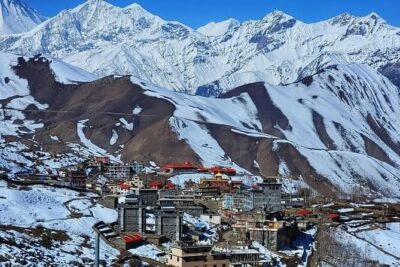
 ★ 5.02-Day Scenic Mustang Tour: Pokhara to Jomsom, Kagbeni & MuktinathFrom $23923 reviews
 ★ 5.03 Day Lower Mustang Tour with 4WD Jeep from PokharaFrom $43012 reviews
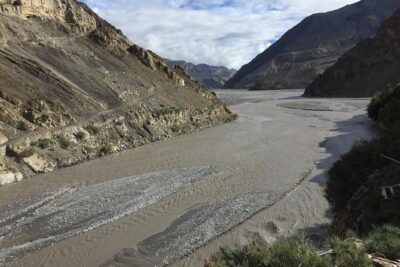 ★ 5.05 Days Adventures Lower Mustang Trip by 4WD JeepFrom $43012 reviews
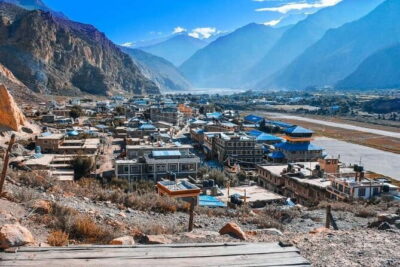 ★ 5.0“Exclusive Round-Trip Transfer: Pokhara to Jomsom & Muktinath”From $21011 reviews
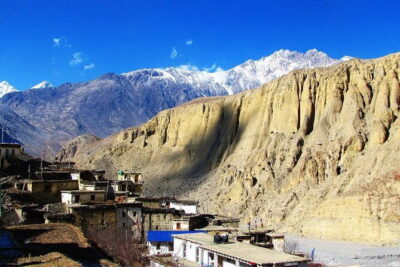 ★ 5.06 Day Upper Mustang Tour by 4WD Jeep from PokharaFrom $3,0008 reviews
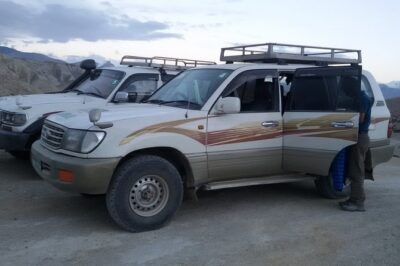 ★ 5.0Jomsom Muktinath Tour by 4WD SUV 2 DaysFrom $2903 reviews
Browse the lists this tour appears in