
Reviewed · ANNAPURNA SANCTUARY TREKS
Kathmandu/Pokhara: 5-Day Annapurna Base Camp (ABC) Trek
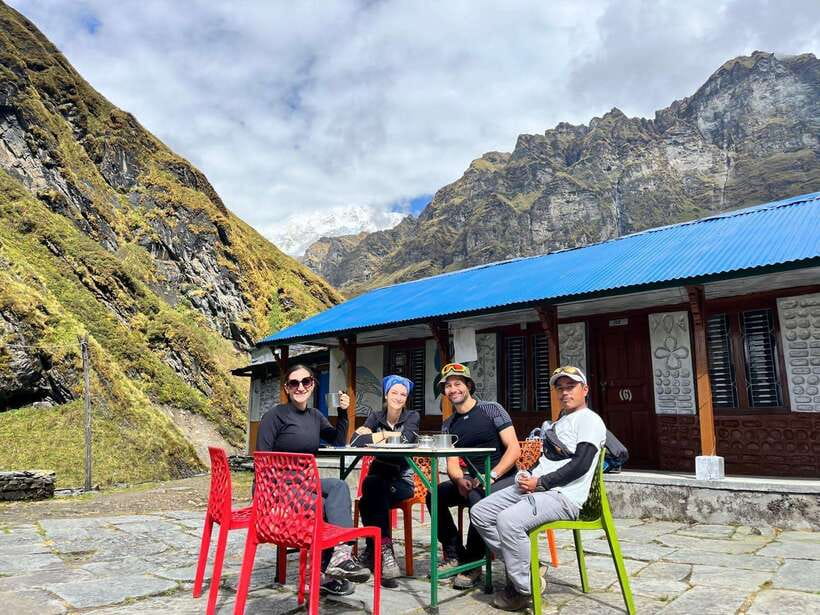
A five-day hike to a 4,130m goal feels unreal. This one is a tight, well-supported push through Annapurna Sanctuary scenery, ending with Jhinu Danda hot springs and a sunrise at ABC.
I really like how the route mixes forest, rivers, waterfalls, and small settlements instead of just walking from one viewpoint to the next. That variety keeps the days from feeling repetitive, especially when the weather shifts.
Second, I like the way the trip is handled end-to-end: private guiding, guest house stays, permits, and even gear loans like a down jacket and sleeping bag. In practice, it means you can focus on walking and altitude, not logistics. Many guides also build in frequent check-ins, which matters when you’re tired and the air is thinner.
The main drawback? You’re still committing to a serious daily grind. Long days like Day 4 (12–14 km, 7–8 hours) and constant altitude changes are not a casual stroll, and the trek isn’t suitable for people with mobility impairments or those over 95.
In This Review
- Key Highlights You’ll Actually Feel on the Trail
- Why This 5 Days to Annapurna Base Camp Tempo Works
- Getting From Kathmandu or Pokhara Without Losing a Day
- Day 1: Simrung to Sinuwa and the First Big Reality Check
- Day 2: Deurali Through Himalaya’s Tea Houses and Waterfalls
- Day 3: The ABC Arrival via Machhapuchhre Base Camp Valley
- Day 4: Sunrise at ABC and the Long Descent Toward Bamboo/Sinuwa
- Day 5: Jhinu Danda Hot Springs and the Return to Pokhara
- Food, Tea Houses, and What “Included Meals” Really Means
- Gear You’ll Actually Need Near 4,130m
- Guides, Porters, and Why Safety Feels Personal Here
- Price and Value: What $96 Covers and What Might Cost Extra
- Best Season for ABC: Temperature and Weather Reality
- Who Should Book This Trek (and Who Should Skip It)
- Should You Book This Annapurna Base Camp 5-Day Trek?
- FAQ
- Can I start this trek from Kathmandu or Pokhara?
- How do I get to the trekking start point?
- What is the highest altitude on this trek?
- Do I get to visit the hot springs?
- Are meals included?
- Is trekking equipment provided?
- What should I pack for cold weather?
Key Highlights You’ll Actually Feel on the Trail
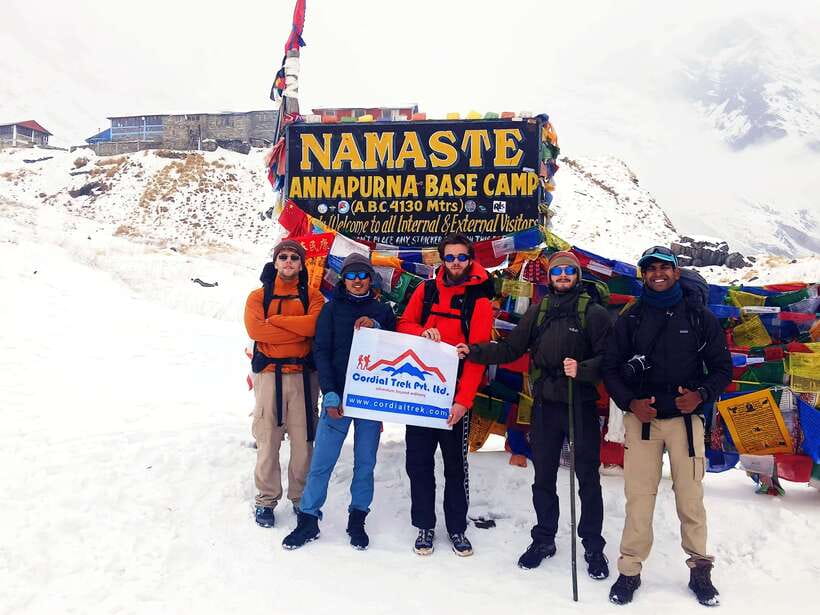
- ABC at 4,130m: the payoff day, with tea-house simplicity and big-mountain drama.
- Annapurna Sanctuary variety: bamboo valleys, dense forests, river gorges, and icy-feeling ridges.
- Sunrise morning: a short walk or warm-up that can feel like the whole trip in one moment.
- Jhinu Danda hot springs: soak after hiking, when your legs need the reset.
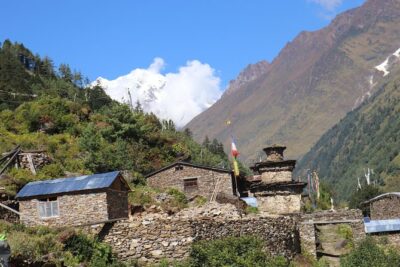
- Gurung villages and terraced farms: a human-scale Nepal beside the big views.
Other ways up to Annapurna Base Camp from Pokhara.
- Kathmandu/Pokhara: 5-Day Annapurna Base Camp (ABC) Trek★ 4.9 · 72 reviews
- Private 7 – Day Annapurna Base Camp Trekking★ 5.0 · 50 reviews
- From Pokhara: 5-Day Annapurna Basecamp Trek with Hot Springs★ 4.9 · 26 reviews
- Annapurna Base Camp Trek from Pokhara 7 Days★ 5.0 · 19 reviews
Why This 5 Days to Annapurna Base Camp Tempo Works
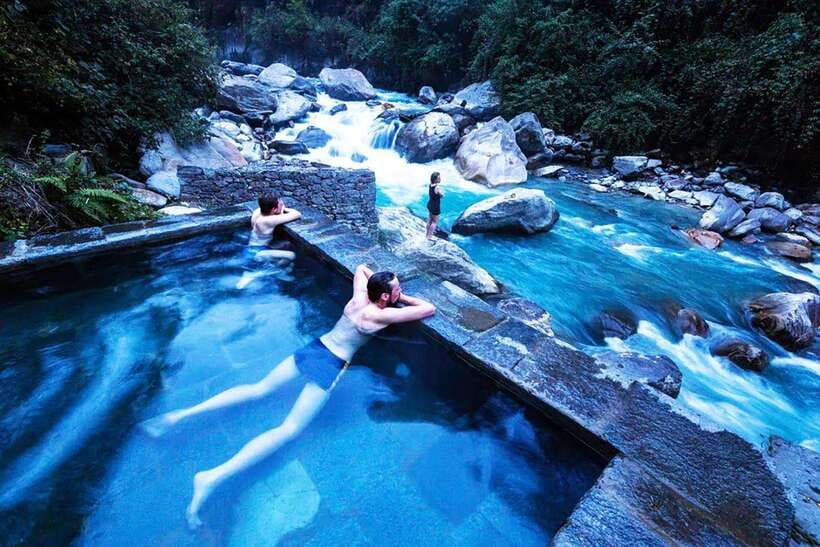
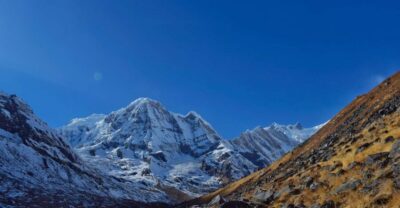
Annapurna Base Camp is famous for a reason. At the end, you’re standing under the shadow of Annapurna I (8,091m), inside the Annapurna Sanctuary, where peaks and weather feel close. The standard way to reach it can take longer, so this 5-day format is best for travelers who want the experience without stretching it into a full week or more.
I like that the itinerary builds gradually instead of jumping straight to the “wow we’re high” feeling on Day 1. You start around Sinuwa (about 2,340m max altitude), then move up through Deurali (up near 3,230m) before the big push to ABC (4,130m). That pacing matters because altitude is not just a number; it affects breathing, sleep, and decision-making.
One more thing: the trek doesn’t only take you up. Day 4 is long and focused on getting you back down through Dobhan and Himalaya, which helps you recover before Day 5 ends with Jhinu Danda. If you like a clear arc—push up, arrive, enjoy, then come down smart—this one fits.
Getting From Kathmandu or Pokhara Without Losing a Day
Your trip starts in Kathmandu or Pokhara. If you begin in Kathmandu, you’ll take a 30-minute flight to Pokhara, then drive about 2–3 hours to Simrung via Nayapul. Starting in Pokhara skips the flight but keeps the same road transfer to Simrung.
Why this matters for your experience: less time traveling means more time hiking when your energy is higher. It also helps on weather days. Mountain regions can be unpredictable, but shorter transfer windows reduce how much one delay can derail the whole trek.
At the end, the process is similar. After Day 5 trekking to Simrung via Jhinu Danda, you drive 2–3 hours back to Pokhara, with drop-off in Pokhara planned no later than 17:00. If you have return-flight timing, you’ll be dropped at Pokhara Airport for your flight back to Kathmandu, and for arrivals back in Kathmandu, the plan is to reach hotels by about 19:30.
Day 1: Simrung to Sinuwa and the First Big Reality Check
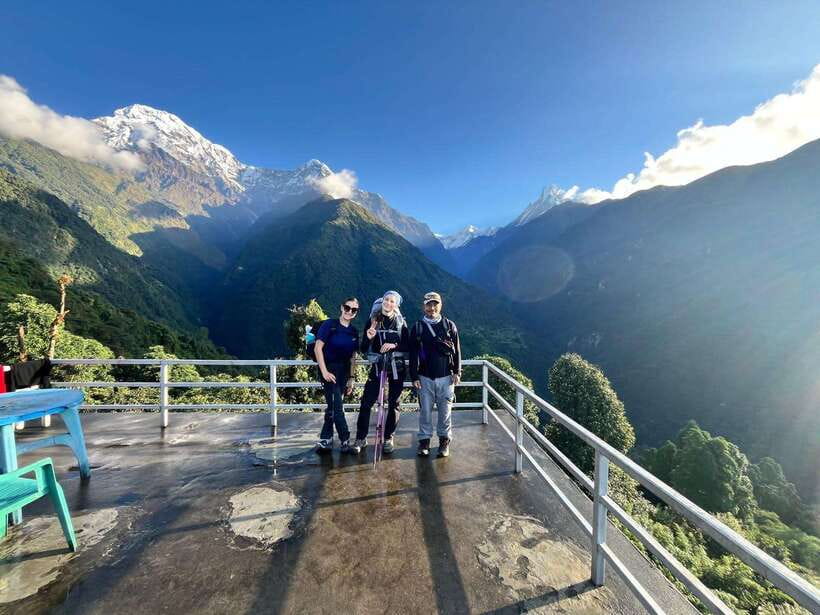
Day 1 is your on-ramp: Simrung to Sinuwa, about 10–11 km and 5–6 hours, with a max altitude around 2,340m. You’ll start in a more forested, river-adjacent Nepal feel, where the path is steady enough to get your legs moving and your breathing under control.
This is the day to take it easy. Not slow like you’re sightseeing all day, but steady like you’ll still have energy on Day 2. If you go too fast early, your body “reminds you” later, usually on the most annoying uphill sections.
By night, you’re staying in a guest house in Sinuwa. These lodges are simple by design—good enough for warmth, food, and rest. You’ll be tired in the normal way, not “something is wrong” tired. If you feel that creeping panic tired, that’s your cue to slow down and drink more water.
Day 2: Deurali Through Himalaya’s Tea Houses and Waterfalls
On Day 2, you trek Sinuwa to Deurali, again about 10–11 km and 5–6 hours. You pass through Himalaya, a small settlement where tea houses keep you fueled and offer warm breaks.
This is also the day where the itinerary leans hard into nature. Dense forest sections show up, and so do waterfalls. That combination is great, because it keeps your mind busy. You’re not just staring at your feet; you’re also taking in sound, mist, and the changing trail feel.
Your max altitude climbs to roughly 3,230m, which is a meaningful jump from Day 1. Expect your pace to feel slightly different. You might feel fine on the first uphill, and then notice the air thinning on the next one. That’s normal. If your guide is doing their job right, they’ll encourage short breaks and steady movement so you don’t spike too hard.
Deurali guest house is your stop for the night. It’s the kind of place where a warm meal and an early, proper sleep help you wake up ready for the ABC push.
More treks and hikes across the Annapurna region.
Day 3: The ABC Arrival via Machhapuchhre Base Camp Valley
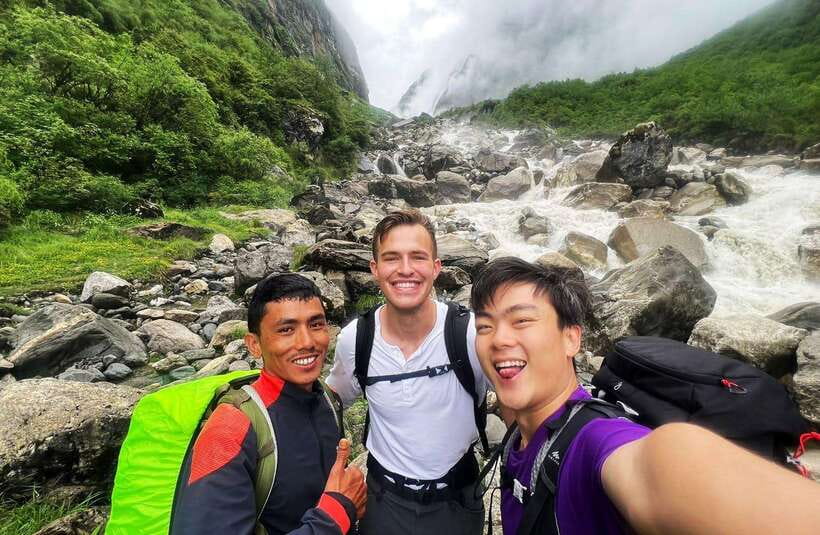
Day 3 is the headline: Deurali to Annapurna Base Camp, about 10–11 km and 5–6 hours. The route runs via Machhapuchhre Base Camp (MBC), and you’ll pass through the MBC valley before reaching ABC.
This is where altitude and scenery overlap in a big way. You’re moving up toward the 4,130m goal, so your body will get choosy about pace. The good news: the day is long enough to feel like a trek, but not so long you’re “surviving” every single hour. With a competent guide, it becomes a series of manageable climbs rather than one endless wall.
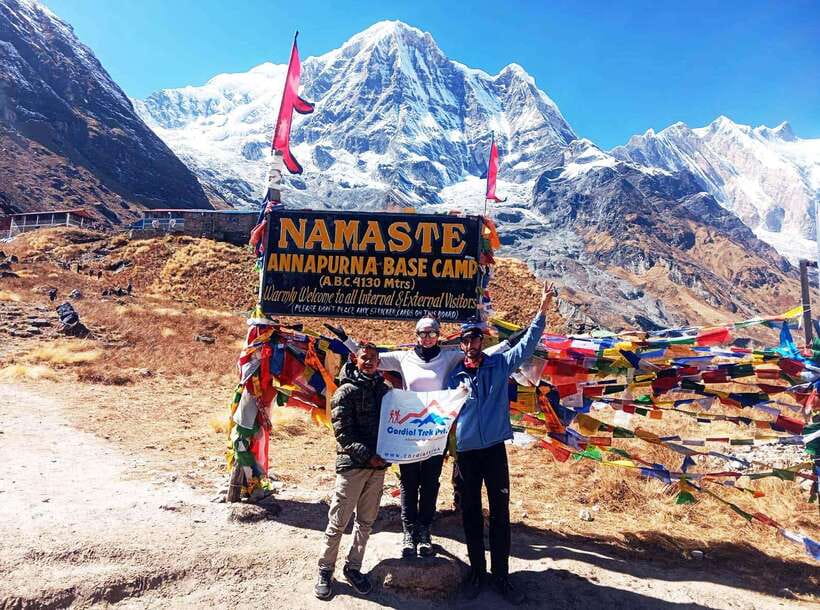
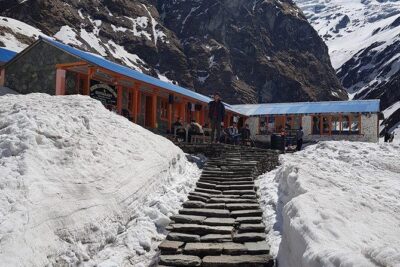
When you arrive at ABC, tea houses take over. The setup is simple: you’re there for the view and the experience, not for luxury. This is also the day when you’ll understand why Annapurna is such a draw. Annapurna I isn’t just a silhouette on a postcard—it sits in your world, and the air feels different near the base.
Take your photos, then take your breath. ABC is a place you enjoy by slowing down for a bit, even if you’re excited.
Day 4: Sunrise at ABC and the Long Descent Toward Bamboo/Sinuwa
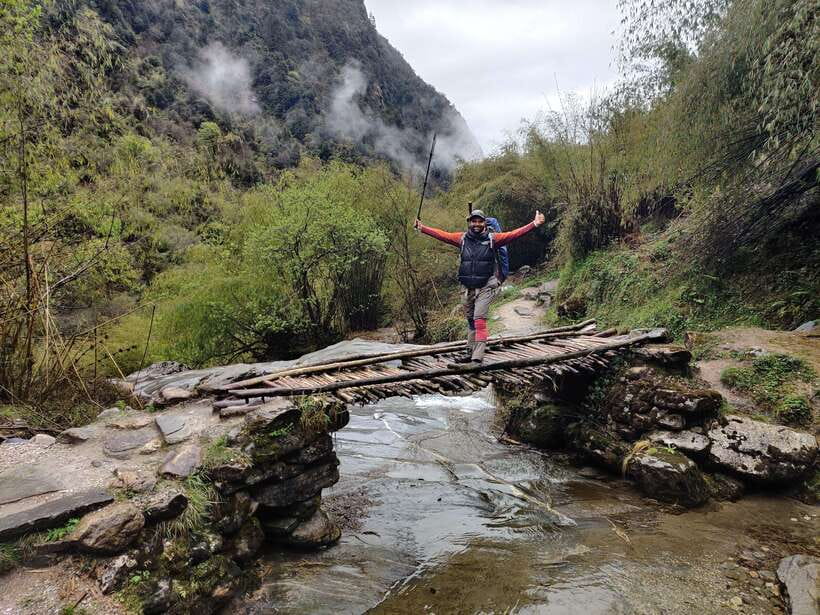
Day 4 starts with the best kind of early morning: a sunrise view at ABC, followed by the trek back down to Bamboo or Sinuwa. You’re looking at 12–14 km and 7–8 hours, via Deurali, Himalaya, and Dobhan. Max altitude isn’t your concern today; stamina is.
I like Day 4 because it’s where the trek becomes more strategic. You’re tired from reaching ABC, but you also get the chance to recover while still moving steadily downhill. That blend—effort plus relief—helps you finish feeling capable.
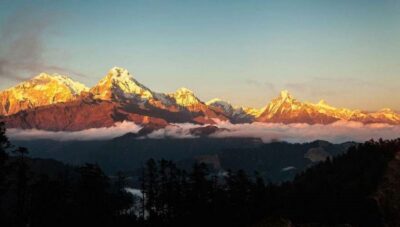
Sunrise matters because it can change everything in a short time. Clear skies turn the peaks into something sharp and real. Even when clouds roll in, the morning light has a way of making the sanctuary feel dramatic and close.
You’ll stop at a guest house in Bamboo/Sinuwa again (min altitude listed around 2,340m). This is your “okay, we did it” night. Eat well, hydrate, and don’t treat sleep like optional gear.
Day 5: Jhinu Danda Hot Springs and the Return to Pokhara
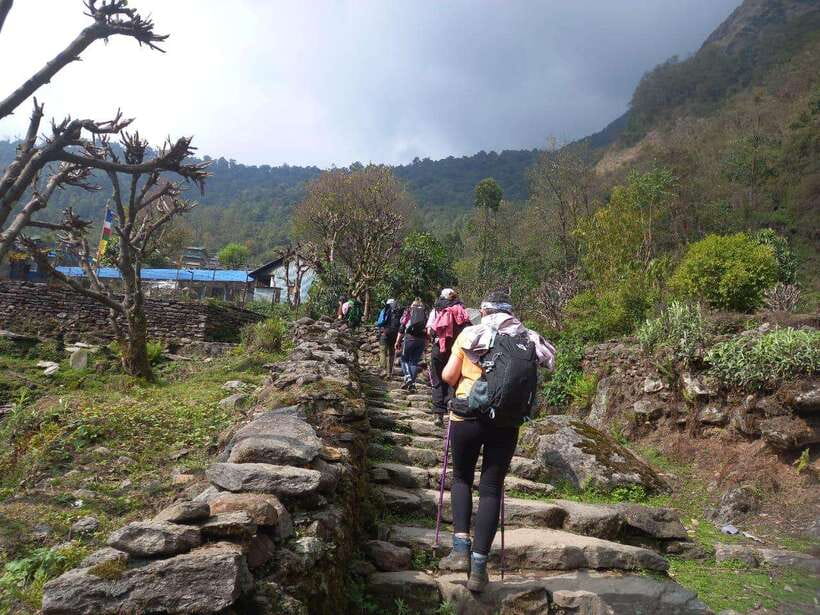
Day 5 wraps two worlds together: hiking down and then soaking. You trek to Simrung via Jhinu Danda, about 7–8 km and 4–5 hours. Jhinu Danda is where the natural hot springs come in, and it’s a standout reason many people choose this exact 5-day format.
Your legs will likely feel heavy early on, especially if you pushed Day 4 hard. The hot springs reset that in a very practical way. It’s not a magic cure, but it helps your recovery so you enjoy the road transfer back rather than feeling crushed.
After trekking, you drive back to Pokhara (2–3 hours) and get dropped at your hotel no later than 17:00. If you selected return flights, you’ll be dropped at Pokhara Airport, and on arrival in Kathmandu you’ll be taken to your hotel by around 19:30 (with guidance that late international flight travelers can proceed to the terminal on their own).
Food, Tea Houses, and What “Included Meals” Really Means
This trek is built around mountain guest houses and tea houses. That’s the deal up here: you trade “restaurant choice” for a warm meal, a place to sleep, and a consistent routine.
Inclusions depend on your option, but you’re generally looking at breakfasts, lunches, and dinners when the all-inclusive option is selected. The program lists 4 breakfasts, 5 lunches, and 4 dinners as included under the right option. If you booked a budget style option, meals may not be included and you can add them.
What I’d tell you as a practical tip: plan to eat enough on hiking days. Tea houses may cost a bit more than in town, and hot drinks are usually not included. If you come in under-fueled, the trek feels harder than it should.
Also note the comfort limits: hot showers, Wi‑Fi, and battery charging are not included. Some places may have them, but they’re not part of your guaranteed package. I’d treat this as a “rest and recharge your body” trek, not a “stay online” vacation.
Gear You’ll Actually Need Near 4,130m
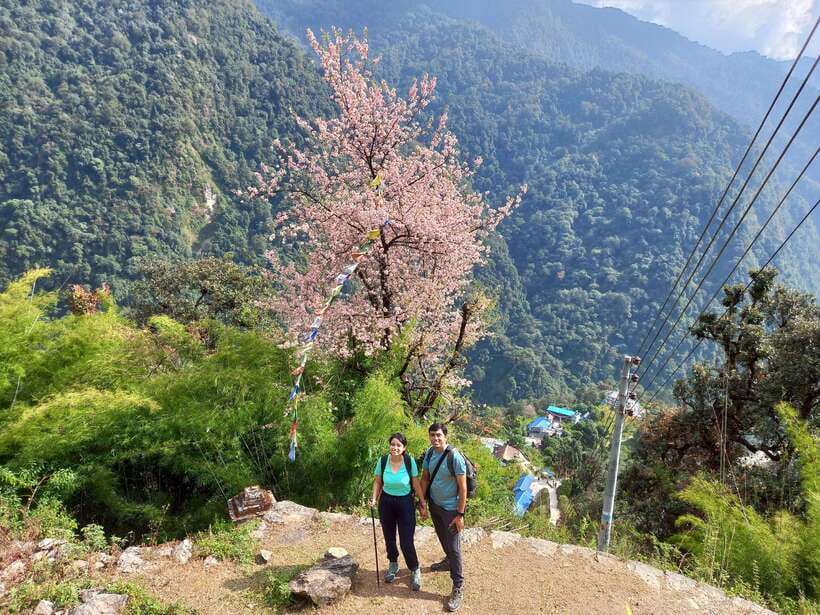
The altitude shift is real, even on a short trek. You’ll want warm layers from the start. Your kit should include a down or puffer jacket, thermal base layers, warm socks, and proper gloves. A beanie and neck gaiter are small items that save you from the cold breeze that can show up quickly near higher elevations.
For footwear, the checklist recommends high-ankle waterproof trekking boots. If you get wet feet easily, this is where you’ll be thankful. Trekking poles are also recommended for stability on both climbs and descents.
Good news: the program allows you to borrow a down jacket, sleeping bag, and trekking poles at no additional cost. That’s a big deal for value if you don’t want to haul gear or pay rental shops in Kathmandu or Pokhara.
If you’re trekking in snowy conditions, crampons are listed for extra traction. You’ll only need those if conditions require them, but it’s smart that the trip anticipates winter-style realities.
Water is another practical point. You’ll use water purification tablets as required. Carry a water bottle or a CamelBak, and drink consistently instead of waiting until you feel thirsty.
Guides, Porters, and Why Safety Feels Personal Here
This trek can feel serious fast, especially if it’s your first multi-day hike or if weather turns muddy. The guide factor matters. The trip is led by a licensed, experienced trekking guide, speaking English and Hindi, with private guiding as part of the setup.
From the way different guides are described in the feedback, one pattern stands out: they manage pace and safety in a way that feels human, not robotic. Guides like Raju and Smile are repeatedly praised for checking in often, helping with pacing, and making the trek feel organized even when conditions get slippery. Names that show up often include Raj, Anil Sherpa, Pratip, Om, Bikash, and Oham Raj Tamang, along with porters like Narayane, Sohit, Dorjee, and Dorjee again in different stories.
Porters also make a difference beyond convenience. They reduce your carrying burden, which can mean better focus and better energy at higher elevations. If you’re doing the all-inclusive setup, porter support is included; if you’re in a budget option, porter service may be an add-on.
One more point: solo travelers often care most about feeling safe and cared for. The program structure, combined with guides who stay attentive, is why many people finish this trek without feeling “alone in the mountains.”
Price and Value: What $96 Covers and What Might Cost Extra
At around $96 per person, the value is in what’s bundled: airport/hotel transfers in the area, a licensed guide, permits, mountain guest house accommodation, and borrowed essentials like a down jacket and sleeping bag. You’re also getting water purification tablets and first aid support. That’s not nothing when you’re paying for transport, admin, and equipment.
However, the price you pay may depend heavily on which option you choose:
- If you start from Kathmandu, you might add the flight to Pokhara (and the return, if selected).
- Meals can be included or not, depending on your package.
- A porter can be included in the all-inclusive option, and added on in other setups.
- Some comfort upgrades like hot showers and charging are not included.
So here’s how I’d frame value for you: this is a good deal when your package covers the gear + permits + guiding + most meals. If you end up adding multiple items after booking, it can climb. Still, even then, you’re usually paying for less hassle and fewer gear decisions on arrival.
If you want predictable costs, choose the option that includes meals and porter support. That keeps you from juggling cash while your brain is already focused on altitude.
Best Season for ABC: Temperature and Weather Reality
The temperature guide is blunt and helpful. In spring/autumn (Mar–May, Sep–Nov), lows range roughly -3°C to 3°C, highs 2°C to 20°C. In summer/monsoon (Jun–Aug), lows are about 0°C to 5°C and highs about 5°C to 22°C. In winter (Dec–Feb), lows can reach -10°C to -2°C with highs around -5°C to 15°C.
The practical takeaway: pack for cold mornings and warm mid-day walking. Even when it’s not freezing, it can feel colder at higher elevations, and wind can turn a “chilly” day into a miserable one without the right layers.
Monsoon is doable, but it changes the trek experience. Roads can be muddy, trails can be slippery, and things may not dry quickly. If you go in rainy season, plan for wet gear and slower movement. In other seasons, you usually get clearer trail conditions and easier footing—though you still need warm clothing.
Who Should Book This Trek (and Who Should Skip It)
This 5-day ABC trek is best for you if:
- you’re comfortable with long hike days (especially Day 4),
- you want a guided, supported route to a real mountain goal,
- you want a mix of forests, rivers, villages, and hot springs rather than only “alpine views,”
- you appreciate structure: permits, guest house stays, equipment loans, and meal planning.
It’s not a fit if you have mobility impairments, and it’s explicitly not suitable for people over 95 years.
If you’re a first-time trekker, this is still possible—just don’t pretend it’s easy. Bring your layers, move steadily, and trust the pacing. If you’re experienced, you’ll still enjoy the variety and the compact itinerary.
Should You Book This Annapurna Base Camp 5-Day Trek?
If you want a serious but manageable taste of the Himalaya with hot springs, a guided route, and a clear five-day structure, I’d say yes. The biggest reason is practical: the trek is set up to remove the common headaches—permits, equipment borrowing, guest house lodging, guiding, and organized transfers.
If you’re sensitive to cold, have limited hiking stamina, or hate the idea of long downhill walking after a big altitude day, then consider a slower itinerary. ABC rewards preparation.
Bottom line: book this trek if you want a focused ABC experience with real support and you’re ready to put in the walking. You’ll earn that sunrise.
FAQ
Can I start this trek from Kathmandu or Pokhara?
Yes. You can begin in Kathmandu or Pokhara. If you start from Kathmandu, you’ll take a 30-minute flight to Pokhara first.
How do I get to the trekking start point?
From Pokhara, you drive about 2–3 hours to Simrung via Nayapul. The return also includes a drive back from Simrung to Pokhara, with a shared jeep mentioned for the Pokhara–Simrung–Pokhara transfer.
What is the highest altitude on this trek?
The highest point listed is Annapurna Base Camp at about 4,130m. Daily max altitudes also include around 2,340m on Day 1, about 3,230m on Day 2, and 4,130m on Day 3.
Do I get to visit the hot springs?
Yes. Day 5 includes a trek to Simrung via Jhinu Danda, where you can relax in the natural hot springs.
Are meals included?
Meals are included when the all-inclusive option is selected: 4 breakfasts, 5 lunches, and 4 dinners. If you choose a budget option, meals may not be included and can be added.
Is trekking equipment provided?
You can borrow key equipment at no additional cost, including a down jacket, sleeping bag, and trekking poles. A duffel bag is also available to borrow for porter options.
What should I pack for cold weather?
Bring warm clothing such as a down or puffer jacket, thermal base layers, a beanie, gloves, and appropriate trekking boots. The trip also recommends warm socks, sunglasses, sunscreen, and basic toiletries.
More Treks in the Annapurnas
Also Reviewed Around Pokhara
More Annapurna Base Camp Routes
Newer Pokhara reviews to browse before you decide
Annapurna Sanctuary Treks, compared.
 ★ 5.0Private 7 – Day Annapurna Base Camp TrekkingFrom $62550 reviews
 ★ 5.0Annapurna Base Camp Trek (8 days)From $65045 reviews
 ★ 4.97 Day Annapurna Base Camp TrekFrom $21538 reviews
 ★ 4.95-Day Annapurna Basecamp Trek with Hot SpringsFrom $15526 reviews
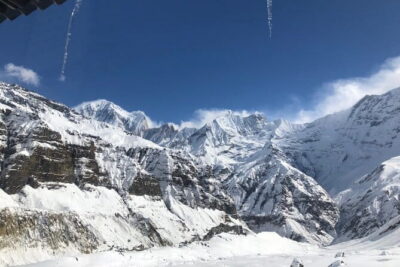 ★ 5.0Annapurna Base Camp Trek from Pokhara 7 DaysFrom $39519 reviews
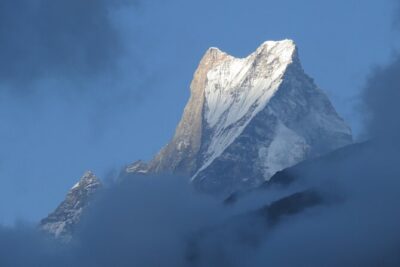 ★ 5.06 days Annapurna Basecamp TrekFrom $45016 reviews
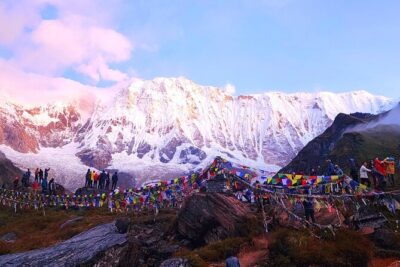 ★ 5.010 Days Private Guided Annapurna Basecamp Trek via Poon HillFrom $80015 reviews
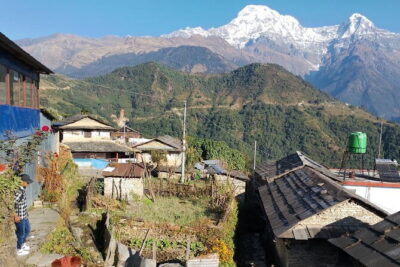 ★ 5.07-Day Trek to Annapurna Base Camp from PokharaFrom $34512 reviews
Browse the lists this tour appears in