
Reviewed · ANNAPURNA SANCTUARY TREKS
Annapurna Base Camp Trek (8 days)
One trek delivers big mountain payback. The Annapurna Base Camp hike is a classic for a reason: forests, tea houses, and then that sunrise moment when the peaks finally show up the way you came for. You’re also trekking with a local professional guide from Pokhara, Madu, who’s been doing this for over 10 years.
I really like how the trip handles the heavy lifting up front. Permits (TIMS and the Annapurna Conservation Area Project) and core logistics are included, so you spend your energy on the trail, not paperwork. And you’ll be staying in tea house lodging with all meals included during the trek, which keeps each day simple: hike, eat well, sleep, repeat.
The one thing to plan around: mountain conditions can change your pacing. One ABC booking in December was finished in about 5 days even though it was booked as 8, and there was no compensation for finishing earlier. So don’t tie yourself down with strict, same-day flight connections.
In This Review
- Key highlights worth planning around
- Why Annapurna Base Camp feels different in practice
- Pokhara start: pickup, permits, and travel stress you can skip
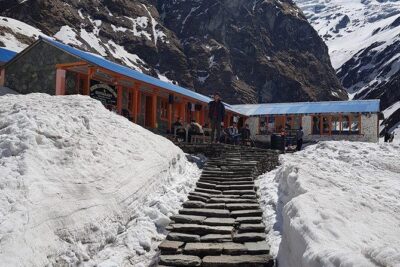
- Tea houses and meals: comfort that makes long days doable
- Trekking through the Annapurna Sanctuary: forests, trails, and pacing
- Annapurna Base Camp itself: what to expect at the “arrival” moment
- Machapuchare (Fishtail) stop: a photo moment with real meaning
- Price and logistics: what $650 covers, and what you may pay extra for
- Who should book this Annapurna Base Camp Trek?
- How the guide experience shapes the trek
- Should you book this Annapurna Base Camp Trek?
- FAQ
- How long is the Annapurna Base Camp trek?
- Is pickup included, and where do you start?
- What’s included in the price?
- Are permits handled for me?
- Do I need trekking gear?
- Is porter service included?
- Is this a private tour?
- What if the weather is bad or I need to cancel?
Key highlights worth planning around
- Madu’s local expertise from Pokhara, with over 10 years of trekking and guiding experience
- Permits included: TIMS and Annapurna Conservation Area Project authorization handled for you
- Tea house lodging + all meals during the trek, so you’re not making daily food decisions
- Customizable trek options (shorter, longer, or add-ons like Poon Hill, Annapurna Circuit, Mardi Himal)
- The Machapuchare (Fishtail) focus built into the route and photo stops
- Clear “lifestyle learning” angle around Gurung culture and local food and living
Other ways up to Annapurna Base Camp from Pokhara.
- Kathmandu/Pokhara: 5-Day Annapurna Base Camp (ABC) Trek★ 4.9 · 72 reviews
- Private 7 – Day Annapurna Base Camp Trekking★ 5.0 · 50 reviews
- From Pokhara: 5-Day Annapurna Basecamp Trek with Hot Springs★ 4.9 · 26 reviews
- Annapurna Base Camp Trek from Pokhara 7 Days★ 5.0 · 19 reviews
Why Annapurna Base Camp feels different in practice
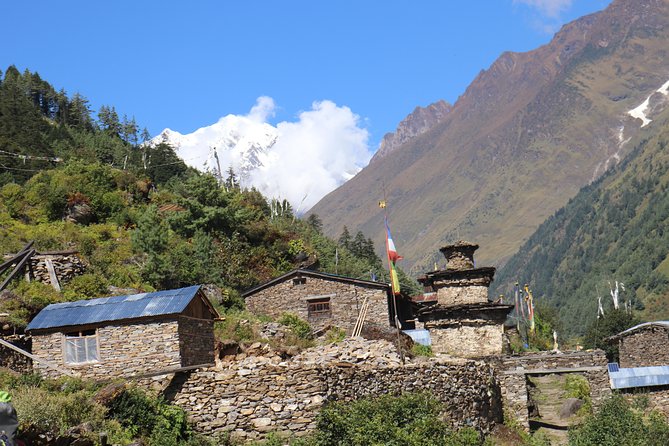
Annapurna Base Camp is popular, but popularity doesn’t happen by accident. You’re moving through the Annapurna Sanctuary on mountain trails, with forests and villages along the way, and that means the trek builds in stages instead of feeling like one long hard grind. Each day has its own rhythm—walking, stopping for a warm drink, checking the next bend in the trail—until you’re standing in a place that feels strangely close to the high peaks.
What I like is that this trek isn’t sold only as scenery. You’re also learning about nature in the area and the daily lifestyle and culture of the Gurung people, plus you’ll eat local foods along the way. That matters because the mountains don’t feel like a backdrop. They feel like the center of the community that lives around them.
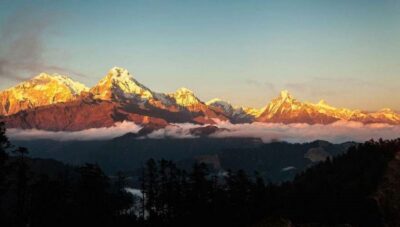
And yes, the “big moment” is real. There’s a sunrise experience where the peaks crest over the Himalayas from the base camp area. When the weather cooperates, it turns the whole trek into a memory that sticks.
Pokhara start: pickup, permits, and travel stress you can skip
This trek is based in Pokhara, and pickup is offered. That’s useful because you don’t have to figure out every transfer yourself after you arrive in Nepal. Private transportation is included as well, which usually means fewer timing surprises and more straightforward handoffs.
Permits are part of what makes this trek run smoothly. You’ll have TIMS and the Annapurna Conservation Area Project authorization handled for you. That’s not just paperwork—it’s what keeps your route legitimate and protects the area, and it prevents the unpleasant scramble that happens when people arrive without the right documents.
Where the “stress-skip” becomes real is at the planning level. The guide works with you to ensure your holiday is fun, safe, and unforgettable, and logistics are handled. In plain terms: you’ll spend your time hiking and learning, not chasing details.
Tea houses and meals: comfort that makes long days doable
One of the best value parts here is that tea house lodging and all meals during the trek are included. That changes the experience more than it sounds. When meals are covered, you can focus on pacing and hydration instead of hunting for the next place to eat.
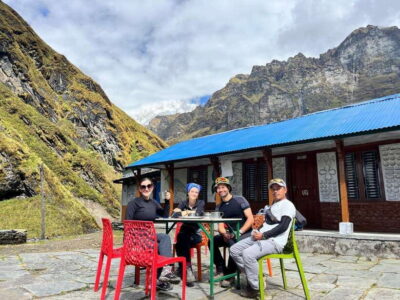
Tea houses also shape your days socially. Most trekking routes naturally create a steady stream of people, and tea houses are where you see the same faces again and again. That’s where conversations happen, questions get answered quickly, and you learn what weather looks like up ahead—without needing a fancy group meetup plan.
Food-wise, you’ll be eating local dishes. The trek description specifically points to local foods and the Gurung lifestyle, and that usually means you’ll get meals that match what people around the trail actually cook. It’s not gourmet, but it’s practical fuel, and it tends to be easier on your stomach after hours of hiking.
Trekking through the Annapurna Sanctuary: forests, trails, and pacing
This trek heads into the Annapurna Sanctuary, moving through jungles and mountain trails toward base camp. That matters because the Sanctuary portion tends to feel like you’re transitioning environments as you go. You go from greener, more shaded walking to higher, windier terrain where the air starts to feel sharper.
This is where a guide like Madu adds real value. The trek description emphasizes that you’ll learn about nature and about local lifestyle, and an experienced guide can also help you read the trail. Even when the route is established, your best days depend on when you start walking, when you stop, and how you handle fatigue and cold.
Also, the trek is described as fully customizable. If you want to shorten or lengthen the days, or add places like Poon Hill, the Annapurna Circuit, and/or Mardi Himal, you can contact them and shape the route. That flexibility is great if you have limited time or if you want a different kind of view mix beyond just ABC.
One caution: because it’s customizable, your actual number of trekking days can shift with your plan and with mountain conditions. If you’re the kind of person who likes a rigid schedule, you’ll want to keep buffer time.
More treks and hikes across the Annapurna region.
Annapurna Base Camp itself: what to expect at the “arrival” moment
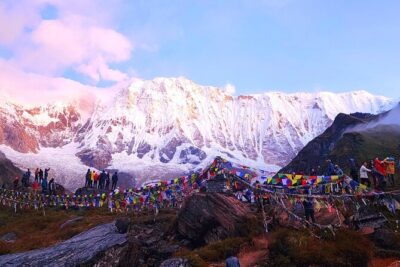
Reaching Annapurna Base Camp is the payoff day. Before you get there, you’ll spend days building altitude and confidence in the trek rhythm—then suddenly you’re at the place where the Annapurna range feels close enough to study.
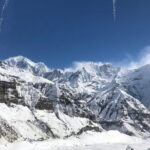
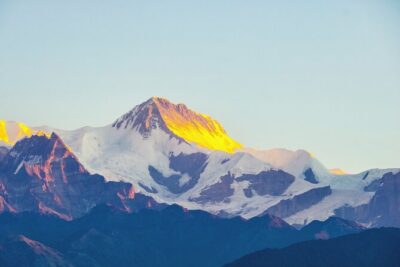
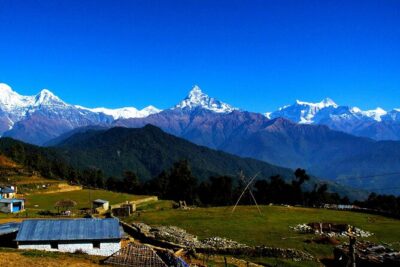
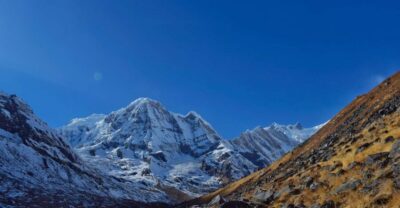
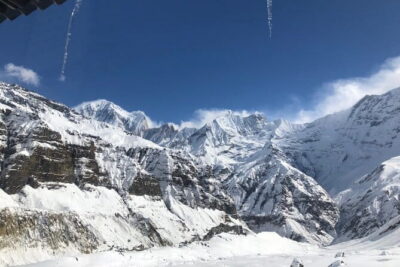
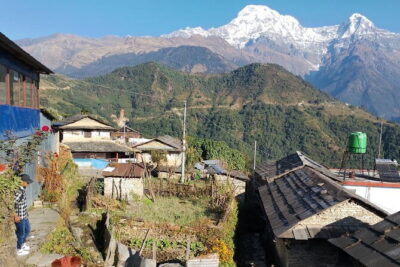
You should expect spectacular views of Annapurna South, Machapuchre (Fishtail), and other peaks from the Annapurna ranges. That view checklist matters because “spectacular” can mean different things depending on weather, fog, and cloud cover. When visibility is good, ABC gives you multiple angles in one area instead of just one dramatic photo point.
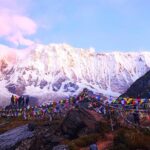
The sunrise experience is a big deal in the trek description: a sunrise crest over the Himalayan mountains from ABC. Sunrise trek starts are always about trade-offs—cold legs, early darkness, and the chance that clouds steal the show. Still, the chance to see the peaks wake up is why so many people prioritize ABC as their one Himalayan mission.
If you’re sensitive to cold, plan your layers carefully. One December experience mentioned cold conditions up high, but the weather was sunny—so the comfort range can swing fast once the sun hits.
Machapuchare (Fishtail) stop: a photo moment with real meaning
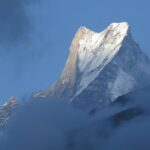
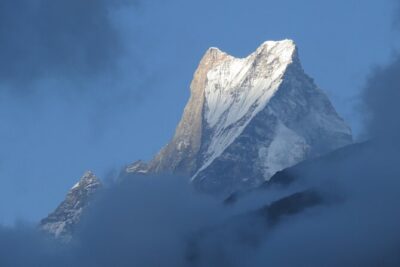
The trek includes a stop at Machapuchare. Machapuchre is one of Nepal’s most recognizable peaks, and it’s often called Fishtail because of the distinctive shape. In this trek, it’s not treated like a random bonus view—you’re specifically directed toward it as part of what makes the ABC area special.
This stop tends to work well for two reasons. First, it gives you a strong visual anchor beyond the main base camp point. Second, it gives you a “second chance” at peak viewing: even if the first day’s weather isn’t perfect, you may get another angle later in the trek.
If you want the best chance at getting a clear look, be flexible about when you stop for photos. Don’t rush past the viewpoint moments. Let the light change a bit, and let the mountains finish their mood swings.
Price and logistics: what $650 covers, and what you may pay extra for
At $650 per person for an 8-day trek, you’re not just paying for hiking. You’re paying for a package that includes key costs that often surprise people later.
What’s included:
- Private transportation
- Permits (TIMS and Annapurna Conservation Area Project)
- Tea house lodging during the trek
- All meals during the trek
That’s strong value because permits and meals are not optional in the way people hope they will be. Also, tea house lodging is a huge part of the comfort equation: you’re guaranteed places to sleep along the trek without having to negotiate every night.
What’s not included:
- All fees and taxes (listed separately)
- Personal expenses
- Trekking gear
- Porter services
If you want a porter, you’ll likely need to arrange that separately, though help finding porter services is offered if you contact them. Gear is the other big one. If you’re arriving with just a backpack and hope, you’ll be missing things. Pack essentials like layered clothing, rain protection, and hiking shoes or boots you already trust—because swapping gear mid-trek is miserable.
Who should book this Annapurna Base Camp Trek?
This is a good fit if you want a classic ABC experience with a local guide and less daily logistics work. The trip calls for moderate physical fitness, which usually means you can handle steady uphill walking for long stretches, not that you need to be an ultramarathon runner.
You’ll especially like it if:
- you value local guidance and want to learn about Gurung lifestyle and food
- you want the comfort of tea houses and included meals
- you prefer a route that can be adjusted (shorter/longer or add-ons)
It may not be ideal if:
- you have zero flexibility for weather or schedule changes
- you want all services handled end-to-end, including porters and gear (those aren’t included here)
Also, this is a private tour/activity. Only your group participates, which is great if you want your pace and questions handled without merging into a big crowd.
How the guide experience shapes the trek
The guide is a core part of your day-to-day experience here. The tour specifically highlights trekking with Madu, a local professional guide with over 10 years of trekking and guiding experience from Pokhara. That kind of experience usually shows up in the small things: knowing when to slow down, how to read conditions, and how to keep you moving safely.
From the guidance described, you’ll also learn about surrounding nature and the Gurung people’s lifestyle and food culture. That turns ABC from a single-location checklist into a better-rounded trip.
One more thing I appreciate: the pace isn’t described as a race. The guidance emphasizes a fun, safe, and unforgettable experience, and that tends to mean you don’t get rushed toward a photo or an arbitrary finish time. Still, keep in mind that your day count can shorten if you’re moving well and conditions allow it.
Should you book this Annapurna Base Camp Trek?
If your dream is ABC with less stress and more local color, I think it’s an easy yes—especially if you’re happy to handle your own trekking gear and you want permits, tea house lodging, and meals taken care of. The value is in the included fundamentals: documentation, accommodation rhythm, and daily food.
Before you book, do two smart checks:
- Make sure you can handle cold up high and pack layers for real temperature swings.
- Leave buffer time in your travel schedule, because mountain conditions can affect how long the trek takes in practice.
If you want, I can also suggest a packing checklist tailored to the month you’re going and whether you’re planning to do any add-ons like Poon Hill or Mardi Himal.
FAQ
How long is the Annapurna Base Camp trek?
It’s listed as 8 days (approx.). The trek is also described as fully customizable, so your exact time on the trail may vary.
Is pickup included, and where do you start?
The experience is based in Pokhara, Nepal, and pickup offered is included. Private transportation is also included.
What’s included in the price?
The package includes private transportation, permits (TIMS and Annapurna Conservation Area Project), tea house lodging during the trek, and all meals during the trek.
Are permits handled for me?
Yes. Permits included are TIMS and the Annapurna Conservation Area Project.
Do I need trekking gear?
Yes. Trekking gear is not included, and you should have your own gear.
Is porter service included?
No. Porter services are not included, but if you need help finding porter services you can contact them.
Is this a private tour?
Yes. It’s a private tour/activity, and only your group will participate.
What if the weather is bad or I need to cancel?
This experience requires good weather. If it’s canceled due to poor weather, you’ll be offered a different date or a full refund. You also have free cancellation up to 24 hours in advance for a full refund.
More Treks in the Annapurnas
Also Reviewed Around Pokhara

More Annapurna Base Camp Routes
Newer Pokhara reviews to browse before you decide
Annapurna Sanctuary Treks, compared.
 ★ 4.9Kathmandu/Pokhara: 5-Day Annapurna Base Camp (ABC) TrekFrom $9672 reviews
 ★ 5.0Private 7 – Day Annapurna Base Camp TrekkingFrom $62550 reviews
 ★ 4.97 Day Annapurna Base Camp TrekFrom $21538 reviews
 ★ 4.95-Day Annapurna Basecamp Trek with Hot SpringsFrom $15526 reviews
 ★ 5.0Annapurna Base Camp Trek from Pokhara 7 DaysFrom $39519 reviews
 ★ 5.06 days Annapurna Basecamp TrekFrom $45016 reviews
 ★ 5.010 Days Private Guided Annapurna Basecamp Trek via Poon HillFrom $80015 reviews
 ★ 5.07-Day Trek to Annapurna Base Camp from PokharaFrom $34512 reviews
Browse the lists this tour appears in