
Reviewed · ANNAPURNA SANCTUARY TREKS
Private 7 – Day Annapurna Base Camp Trekking
Seven days to the Annapurna Sanctuary. This private trek from Pokhara is built for an at-your-pace climb to Annapurna Base Camp, with the hard parts of planning taken off your plate. You get the mountain drama, plus real village life on the way up.
What I like most is that you’re not stuck in a big-group shuffle, so the day-by-day rhythm stays human.
I also really like the included support gear and services that help you move smarter at altitude. Your trek includes a guide and porter, plus things like oxygen saturation monitoring and water purification, along with a duffle bag and trekking map.
One drawback to consider: the route includes plenty of up-and-down and stone steps, and the high-altitude days demand good basic fitness. You should also plan travel insurance, because it’s not included.
In This Review
- Key highlights worth caring about
- Private trek from Pokhara: what makes this Annapurna Base Camp plan feel different
- What’s included (and why it matters on a 7-day mountain schedule)
- Day-by-day walking reality: Chhomrong, Deurali, and the ABC approach
- Day 1: Pokhara to Chhomrong with mountain morning views
- Day 2: 2,500 stone steps down, then up to Sinuwa and Bamboo
- Day 3: Bamboo to Deurali via Dovan, weeping wall, and Himalaya Hotel terrain
- Day 4: Deurali onward to Annapurna Base Camp area
- Day 5: Explore Annapurna Base Camp with wide panoramic views
- Day 6: Return down through Bamboo forests toward Sinuwa and toward Chhomrong River
- Day 7: Breakfast views, short walk to Samrung, then private jeep back to Pokhara
- The Annapurna Base Camp day: views are the point, pacing is the skill
- Tea houses, meals, and the comfort side of high-altitude trekking
- Logistics that save energy: jeeps, permits, and support gear
- Price and value: is $625 fair for a private ABC trek?
- Who this trek suits best (and who should rethink it)
- The team factor: why guide support shows up in real results
- Should you book the Private 7-Day Annapurna Base Camp Trek?
- FAQ
- What is the duration of the private Annapurna Base Camp trek?
- Where does the trek start and what time does it start?
- Is this trek private or shared with other groups?
- What’s included in the price?
- Are meals included on the trek?
- Do I need travel insurance?
- What accommodations will I have during the trek?
- Are jeep transfers included?
- Do I need permits for this trek?
- What if the weather is bad on trek?
Key highlights worth caring about
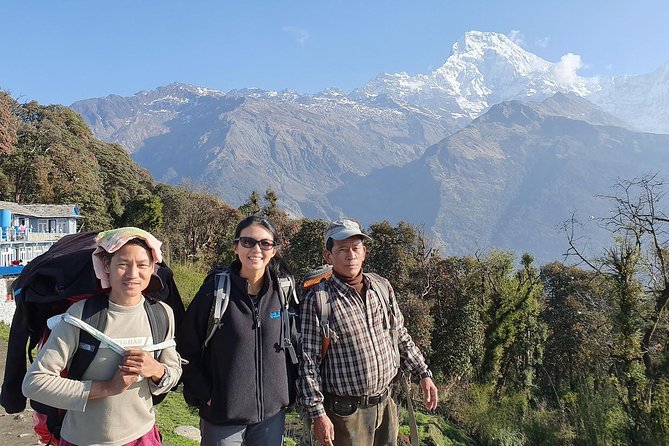
- Private trek, only your group: You can keep your pace and ask for small adjustments without fighting a crowd.
- Guide + porter fees included: Less admin for you, and more energy for the trail.
- Lodge accommodation and meals on trek: You’re not constantly negotiating food and beds.
- Permits handled with ACAP: Less paperwork anxiety before you head into the Annapurna region.
- Oxygen saturation + water purification: Practical support, not just promises.
- Jeep transfers for key legs: Saves your legs on the longer road sections.
Other ways up to Annapurna Base Camp from Pokhara.
- Kathmandu/Pokhara: 5-Day Annapurna Base Camp (ABC) Trek★ 4.9 · 72 reviews
- Private 7 – Day Annapurna Base Camp Trekking★ 5.0 · 50 reviews
- From Pokhara: 5-Day Annapurna Basecamp Trek with Hot Springs★ 4.9 · 26 reviews
- Annapurna Base Camp Trek from Pokhara 7 Days★ 5.0 · 19 reviews
Private trek from Pokhara: what makes this Annapurna Base Camp plan feel different
The Annapurna Base Camp trail is famous for its payoff—big Himalayan scenery, the Annapurna Sanctuary feeling, and the moment you finally see the base camp area in person. What makes this trip especially appealing is how it’s set up as a true private experience. It’s just you and your party, so you’re not pacing behind someone else’s energy level or waiting while a group leader wrangles everyone’s gear.
Another big advantage is that your trek is designed around steady logistics. You’re not constantly guessing where permits go, what time you’ll reach a lodge, or how you’ll move between trail segments. Instead, you get a guide and porter to handle the day-to-day reality of the trek—meals, lodging coordination, and trail flow—so you can focus on walking, resting, and soaking in the views.
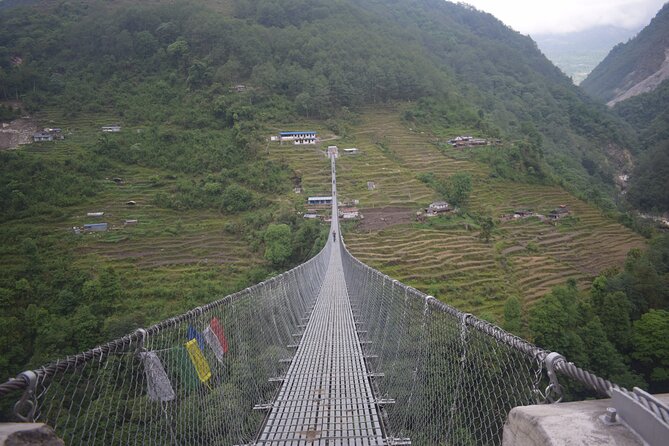
And yes, you still get the real Nepal on the trail: terraced village mornings, stone-step descents, bridge crossings, forests that cool you down, and the kind of tea-house evenings where you actually talk to people because you’re not racing the clock.
What’s included (and why it matters on a 7-day mountain schedule)
This trek is priced as a package, and the value comes from what’s already baked in. Here’s what you can count on:
- One government registered trekking guide and porters, with their expenses included
This matters more than it sounds. A porter can save your back and keep you moving with less fatigue, which matters on a 7-day trek where each day adds altitude pressure and leg burn. The guide also helps with route choice, pacing, and keeping you safe.
- Lodge accommodation along the trek
You’ll sleep at tea houses rather than camping. That’s a comfort win for many first-timers and also a practical win for weather and timing.
- Meals while trekking
Breakfast is included for 7 days, with lunch and dinner included for most days (lunch 6, dinner 6). In real trekking terms, this means your energy supply is handled for you rather than leaving it to last-minute decisions.
- ACAP and necessary permits included
Permits are part of doing this region the right way, and having them handled is one less thing to worry about before you’re above treeline vibes.
- Oxygen saturation, water purification, trekking map, duffle bag
These aren’t glamorous, but they’re the stuff you’ll appreciate mid-trek. Water purification helps you stay consistent. Monitoring oxygen saturation gives you a useful checkpoint as altitude starts to feel more personal.
- Assistance for emergency rescue evacuation
You still need to be smart about altitude and conditions, but having emergency support planned reduces the uncertainty that makes people hesitate.
What’s not included is also important for budgeting and peace of mind:
- Hotel accommodation in Kathmandu and Pokhara
- Travel insurance (you should get it before you go)
- Tips for guide and porter
Day-by-day walking reality: Chhomrong, Deurali, and the ABC approach
Below is the shape of your week—what you can expect and what to watch for. Think of it as the trek’s personality: some days feel like steady climbing, others like long step-and-rhythm work.
Day 1: Pokhara to Chhomrong with mountain morning views
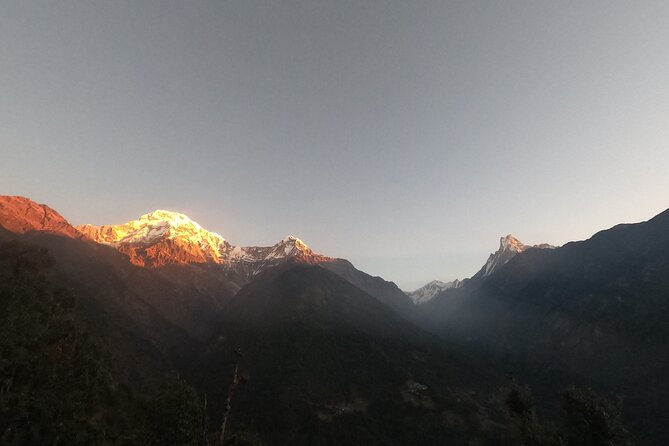
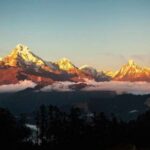
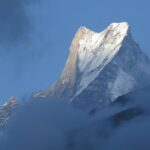
You start from Pokhara Lakeside around 8:15am. The day begins with breakfast with views over Annapurna I and Machhapuchhre, then you pack up and take a jeep ride for about 2.5 hours to reach the trek zone near Chhomrong.
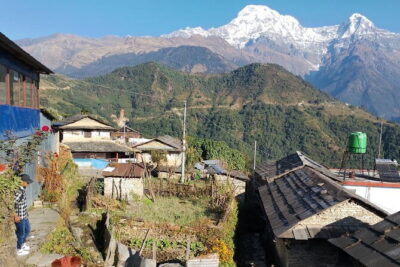
Chhomrong is a classic Annapurna hub: you’ll feel the shift from city rhythm to trail rhythm right away. It’s also a great first settling point because the views are already dramatic on day one, so you start the trek feeling like the effort is already paying off.
Consideration: Day 1 includes road time, which is good for leg-saving, but you’ll want to keep your body hydrated and not treat this day as a vacation nap. Day 2 starts with real trail work.
More private, guide-led trips in Pokhara.
Day 2: 2,500 stone steps down, then up to Sinuwa and Bamboo
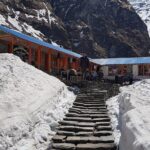
Day 2 is a mixed bag: you’ll descend about 2,500 stone steps, cross a bridge above Chhomrong Khola, then climb uphill to Sinuwa. Lunch happens in Sinuwa, then you continue onward to Bamboo for overnight.
This is the day where hikers often learn the value of good trekking footwear and step discipline. Step descents eat knee stability if you rush them. Keep your pace smooth, use trekking poles if you like them, and let your breathing stay steady rather than sprinting downhill for bragging rights.
What you’ll like: This day gives you variety fast—bridge crossing, forest trail feel, and the change in vegetation as you climb.
Day 3: Bamboo to Deurali via Dovan, weeping wall, and Himalaya Hotel terrain
After breakfast in Bamboo, you head uphill toward the Himalaya Hotel area. Along the way you pass Dovan, then trek past the ‘weeping wall’ and a local shrine as you climb toward Himalaya.
The “weeping wall” bit matters because it hints at how the trail behaves: water features and wet rock sections can mean slick footing. This is the kind of day where it’s worth taking your time on turns and staying aware of where your feet land.
Practical tip for you: If you get foot blisters easily, this is a good day to keep tape, blister care, and clean socks ready. You’ll thank yourself later at higher elevations.
Day 4: Deurali onward to Annapurna Base Camp area
Leaving Deurali, you climb along the Modi River, pass alpine forests, and may spot a neatly decorated stack of rocks along the trail. The trek continues through sections like an icy cave approach area before you reach the Annapurna Base Camp region.
This day is often where people feel the altitude in a noticeable way—not always in dramatic symptoms, but in the pace your body demands. You’re not just walking now; you’re negotiating your breathing.
You’ll appreciate: the route’s variety—river-adjacent travel, forest to colder feel, and landmark moments (like rock stacks and cave-like sections) that keep your mind engaged when your legs start negotiating.
Day 5: Explore Annapurna Base Camp with wide panoramic views
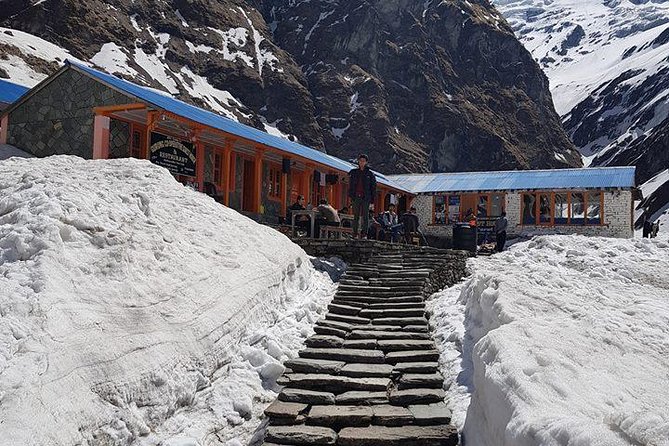
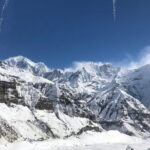
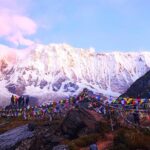
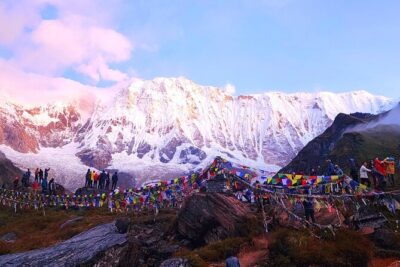
This is the big day: after reaching base camp, you get time to explore the area and soak in panoramic 360-degree views across the Annapurna massif and surrounding peaks.
It’s tempting to treat this as a quick photo stop. Instead, slow down. Let your body catch up to the altitude. Drink water consistently. Use small rest pauses to keep your head clear. Base camp is not just scenery; it’s also the moment your whole week clicks into place.
What to watch for: If you feel headachy, nauseous, unusually tired, or lightheaded, tell your guide right away. This operator includes oxygen saturation monitoring, and it’s best used early rather than late.
Day 6: Return down through Bamboo forests toward Sinuwa and toward Chhomrong River
Day 6 brings a change of energy. Leaving Bamboo, you climb through lush bamboo forests and walk along a narrow ridge toward Sinuwa. After that, you begin climbing downhill toward the Chhomrong River region as you work your way back.
Downhill can feel easier than uphill, but it’s tricky: your quads get hammered and your feet still need care. This is where smart pacing pays off. Save your knees now so you can enjoy day 7 rather than dread it.
Day 7: Breakfast views, short walk to Samrung, then private jeep back to Pokhara
Your final day starts with breakfast overlooking Annapurna I (8091m) and Machhapuchhre (6997m), then you take a short walk to Samrung. From there, you ride a private jeep back toward Pokhara, driving along the Baglung area road before finishing back at your meeting point.
Day 7 is about closure: the relief of reaching the finish, the satisfaction of making it to ABC, and the little post-trek conversations that happen when you’re not carrying your own gear for a change.
The Annapurna Base Camp day: views are the point, pacing is the skill
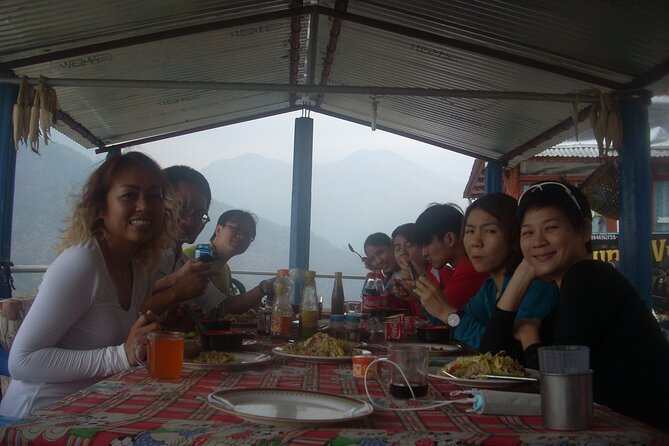
Getting to Annapurna Base Camp is the headline, but what makes the day enjoyable is how you handle the altitude day-of. This trek is set up for an ascent at your own pace, and the inclusion of oxygen saturation monitoring is a quiet safety net.
Here’s how I recommend you think about the ABC day:
- Treat it like exploration, not a grind. You’re already high. Your body needs pauses.
- Keep your hydration consistent. Don’t wait until you feel thirsty.
- If you feel off, report it early. Guides are better at helping when they don’t hear it after it becomes a problem.
And if you’re worried about stairs, remember: even on “shorter” days, stone steps, steep grades, and shifting footing can still add up. The guide and porter team is part of why this trip works as a private experience rather than a solo challenge.
Tea houses, meals, and the comfort side of high-altitude trekking
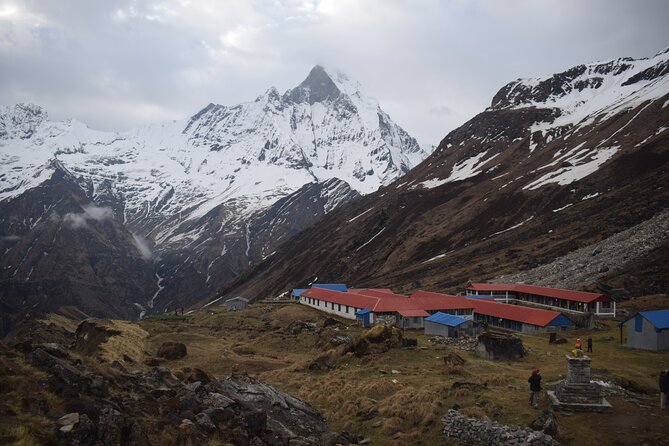
Because you’ll be in lodge accommodation on the trek with meals included, you get a predictable routine. That matters. When you’re climbing in altitude, the biggest enemy is uncertainty. Knowing you’ll have breakfast and a warm dinner reduces decision fatigue.
Tea houses also change the mood of your day. You’re not just walking through mountain scenery; you’re ending each day in a social, practical space with a warm drink, a meal that’s likely familiar enough to eat, and a chance to compare notes with your guide about how you should feel tomorrow.
What you should plan for:
- Expect basic trekking comfort, not luxury hotels.
- Your guide can help with pacing so you don’t arrive too exhausted.
- Pack for cooler evenings. Even if daytime feels fine, nighttime can bite.
Logistics that save energy: jeeps, permits, and support gear
A lot of trekking discomfort comes from things that aren’t the trail—unclear transfers, missing permits, and last-minute scrambling for water. This package tries to remove that friction.
Two transportation points stand out:
- The jeep ride on day one gets you from Pokhara into the trek zone without forcing you to burn energy on the road.
- The jeep on day seven brings you back, so you’re not spending your last day doing extra walking just to reach the right road.
On top of that, your permits are handled (ACAP and necessary permits), and you’re given a trekking map plus a water purification setup and duffle bag. Those things matter when you’re trying to focus on your body, not your packing list.
One more detail worth your attention: the trek includes assistance for emergency rescue evacuation. That doesn’t mean you should take risks, but it does mean the operator has thought through what happens if conditions go sideways.
Price and value: is $625 fair for a private ABC trek?
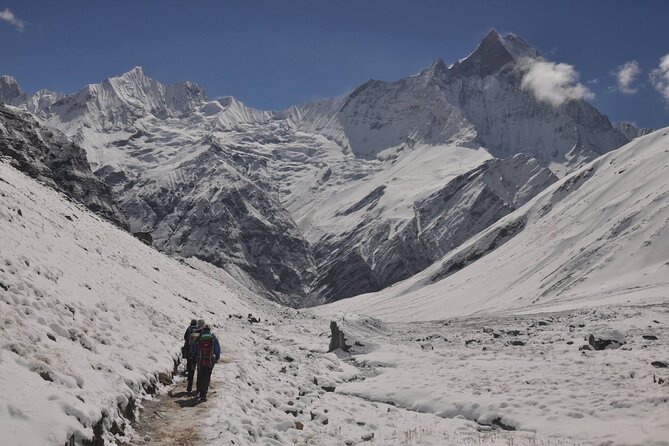
At $625 per person for a 7-day private trek, the value depends on what you compare it to.
Here’s the pricing logic I see:
- You’re paying for a private guide and porter service (with their fees and expenses included). That’s the biggest cost driver on private treks.
- You’re also paying for meals and lodge accommodation on trek, plus permits and included support gear (like water purification and oxygen saturation monitoring).
- You’re paying for overland transportation as described in the trek days, including jeep rides.
So the real question becomes: how much would it cost you to replicate those moving parts yourself—especially the guides, permits, and daily food/lodging coordination? For most people, private trekking becomes worth it when they can stop managing logistics and start managing altitude.
A fair caution: this price is for the trekking package. It doesn’t include hotels in Kathmandu and Pokhara, and you still need travel insurance and tips.
Who this trek suits best (and who should rethink it)
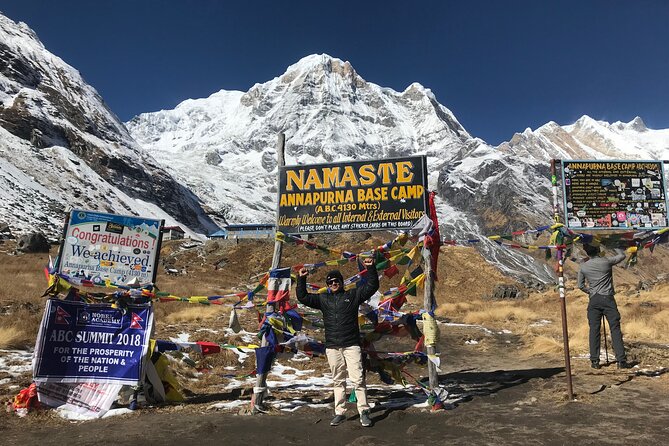
This is a moderate physical fitness trek. That’s a useful phrase. It usually means you don’t need to be a hardcore mountaineer, but you do need to be comfortable walking steep grades and handling a full week of uneven terrain.
I’d say this trek fits you if:
- you want a private experience with flexibility and personal pacing
- you value having a guide and porter doing the heavy coordination work
- you’re excited about tea-house trekking rather than camping
- you want support tools like water purification and oxygen saturation monitoring
I’d think twice if:
- you have limited tolerance for long stone-step descents and steep uphills
- you’re not comfortable with altitude challenges and basic self-reporting when you feel off
If you’re new to trekking, the private structure often helps you learn pacing without getting dragged by a faster group.
The team factor: why guide support shows up in real results
Across the trek experiences people describe, a consistent theme is that guides and management try to handle needs quickly and calmly. Names that come up include Sanjay, Amar, Kumar, Laxman, Min, Ram, and even female guiding experiences like Ritika and Andrea—plus porters such as Surya and Ramesh.
What this usually means for you is simple: you’re likely to get a guide who knows the paths well and a porter who can manage loads so your legs feel less punished day after day. People also report the team being willing to accommodate changes to the plan, which is helpful when weather or how you feel on a given day forces small adjustments.
Should you book the Private 7-Day Annapurna Base Camp Trek?
Book it if you want:
- a private Annapurna Base Camp experience
- included guide/porter support with permits, meals, and lodge nights handled
- jeep transfers that reduce unnecessary fatigue
- practical safety tools like oxygen saturation monitoring and water purification support
Hold off if:
- you need a fully cushy, luxury-style comfort level (this is tea-house trekking)
- you know you struggle with steep stone steps and altitude discomfort
- you’re not prepared for the non-included essentials (especially travel insurance and tips)
My best advice: if you’re planning a first ABC trek or you want a more personal, low-drama week on the trail, this is the kind of package that lets you focus on the mountains instead of paperwork and logistics.
FAQ
What is the duration of the private Annapurna Base Camp trek?
It runs for 7 days approximately.
Where does the trek start and what time does it start?
It starts back at the meeting point at Pokhara Lakeside, with a start time of 8:15am.
Is this trek private or shared with other groups?
This is a private tour/activity. Only your group will participate.
What’s included in the price?
The package includes a government registered trekking guide and porters (their expenses), lodge accommodation along the trek, ACAP and necessary permits, overland transportation as per the route, and a trekking map plus oxygen saturation and water purification support. Meals included are 7 breakfasts, 6 lunches, and 6 dinners.
Are meals included on the trek?
Yes. Breakfast is included for 7 days, and lunch and dinner are included for most days on trek.
Do I need travel insurance?
Yes. Travel insurance is not included, and you should get it before you go.
What accommodations will I have during the trek?
You’ll stay in lodge accommodation (tea houses) along the trek.
Are jeep transfers included?
Yes. Overland transportation is included as described, including a jeep ride on the first trek day and another jeep ride on the last day.
Do I need permits for this trek?
Permits are included, including ACAP and necessary permits.
What if the weather is bad on trek?
This experience requires good weather. If it’s canceled due to poor weather, you’ll be offered a different date or a full refund.
More Private Trips
Also Reviewed Around Pokhara
More Annapurna Base Camp Routes
Newer Pokhara reviews to browse before you decide
Annapurna Sanctuary Treks, compared.
 ★ 4.9Kathmandu/Pokhara: 5-Day Annapurna Base Camp (ABC) TrekFrom $9672 reviews
 ★ 5.0Annapurna Base Camp Trek (8 days)From $65045 reviews
 ★ 4.97 Day Annapurna Base Camp TrekFrom $21538 reviews
 ★ 4.95-Day Annapurna Basecamp Trek with Hot SpringsFrom $15526 reviews
 ★ 5.0Annapurna Base Camp Trek from Pokhara 7 DaysFrom $39519 reviews
 ★ 5.06 days Annapurna Basecamp TrekFrom $45016 reviews
 ★ 5.010 Days Private Guided Annapurna Basecamp Trek via Poon HillFrom $80015 reviews
 ★ 5.07-Day Trek to Annapurna Base Camp from PokharaFrom $34512 reviews
Browse the lists this tour appears in