
Reviewed · ANNAPURNA SANCTUARY TREKS
Annapurna Base Camp Trek from Pokhara 7 Days
Seven days in the Annapurnas starts with a river. I like that this trip lines up hotel pickup and permit checks so you start walking with less fuss, and I also like the English-speaking guide support (Biru, Bikram, Dadi, Prakash, and Krishna come up in guide write-ups). The one drawback to plan for is the physical demand: you’ll need moderate fitness, and the downhill days can be tough on your knees.
This is also a strong value format for people who want structure without feeling rushed. You get guesthouse nights and the key travel pieces bundled in: round-trip sharing jeeps, TIMS card and trekking permits, and a private setup for your group. The route is classic for Annapurna Base Camp, with village trekking through places like Chhomrong and Deurali, then the big push to base camp, followed by a return that includes a famous reset at Jhinu Danda’s hot springs.
In This Review
- Highlights That Make This Annapurna Base Camp Trek Worth It
- Price and Logistics: What $395 Covers (and Why It Matters)
- Day 1: Pokhara to Jhinu Danda and the Modi Khola River Start
- Day 2: Chhomrong Climb Through Forests and Village Scale
- Day 3: Deurali Route with Big-View Lunch Breaks
- Day 4: Machhapuchhare Base Camp Area, Ablation Valley, and Annapurna Base Camp
- Day 5: Bamboo, the 1,600-Meter Drop, and Knee Strategy
- Day 6: Down to Chhomrong and Jhinu Danda Hot Springs Relief
- Day 7: Farmland Morning Walk to Nayapul and Back to Pokhara
- The Human Part: Guides, English Support, and How That Changes Your Trek
- Accommodation and Food Expectations: Guesthouses, Not Wild Camping
- Who This Trek Fits Best (and When You Should Rethink)
- Should You Book This Annapurna Base Camp Trek from Pokhara?
- FAQ
- How long is the Annapurna Base Camp trek from Pokhara?
- What is the price per person?
- Is hotel pickup and drop-off included?
- Do you provide permits and the TIMS card?
- Will I have an English-speaking guide?
- Where do we sleep during the trek?
- Is this a private trek or shared with other groups?
- What is not included in the price?
- How does the return transfer work to and from Pokhara?
- Can I cancel and get a full refund?
Highlights That Make This Annapurna Base Camp Trek Worth It
- Permit-ready, guide-led start from Pokhara with hotel pickup and guide support from day one
- Guesthouse-style comfort each night after long walking days, not camping chaos
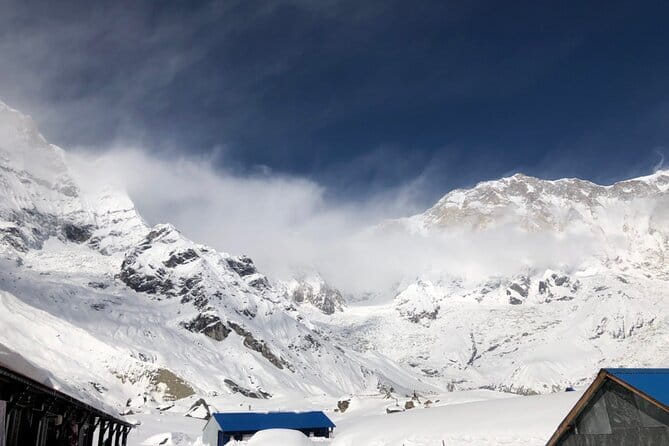
- Real Annapurna milestones like Machhapuchhare Base Camp area and Ablation Valley en route to ABC
- Hot springs payoff at Jhinu Danda after the downhill grind
- Downhill warning for knees on the Bamboo leg, because you drop about 1,600 meters
- Guides described as kind and photo-friendly (especially for solo travelers), including Biru, Bikram, Krishna, Dadi, and Prakash
Other ways up to Annapurna Base Camp from Pokhara.
- Kathmandu/Pokhara: 5-Day Annapurna Base Camp (ABC) Trek★ 4.9 · 72 reviews
- Private 7 – Day Annapurna Base Camp Trekking★ 5.0 · 50 reviews
- From Pokhara: 5-Day Annapurna Basecamp Trek with Hot Springs★ 4.9 · 26 reviews
- Annapurna Base Camp Trek from Pokhara 7 Days★ 5.0 · 19 reviews
Price and Logistics: What $395 Covers (and Why It Matters)
At $395 per person, the big question is what you avoid having to organize yourself. Here, you’re not just buying the walking days—you’re buying the parts that usually eat your time and cause stress in Nepal: permits, TIMS card, an English-speaking trekking guide, and transportation between Pokhara and the trail.
The included hotel pickup and drop-off matter more than they sound. You arrive with less uncertainty, and you don’t spend your first half-day hunting for the right transfer. The sharing jeep covers the long legs that would be tiring to piece together on your own, and the private trip setup means you’re trekking with your group rather than being squeezed into a larger crowd.
One more value point: group discounts are mentioned as an option, and there’s also a mobile ticket. That combo can help if you’re traveling with friends or you’re trying to keep things simple on arrival.
Day 1: Pokhara to Jhinu Danda and the Modi Khola River Start
You begin with pickup from your hotel in Pokhara and a transfer to the trek’s starting point. Before you walk, your permits are checked, which is a small step that prevents bigger headaches later. Then you start trekking along the Modi Khola River, moving past small villages along the way.
Why this matters: that first day sets your pace and helps you get your body used to trail footing. When you start by following a river valley and village paths, you get regular chances to pause, adjust your gear, and settle into the rhythm without immediately tackling the steepest walls of the route.
What to watch for on this day:
- You’ll want footwear with real grip. River-valley trails can be uneven.
- Keep your pack balanced. You’ll do better if you don’t overload right away.
- If you’re solo, a good guide setup can make a difference. In guide write-ups, support for photos and general help showed up more than once.
Day 2: Chhomrong Climb Through Forests and Village Scale
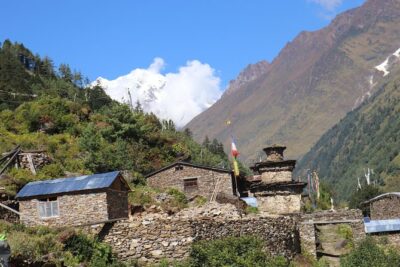
Day two is a step up. You trek uphill to Chhomrong, one of the larger villages along the Annapurna Base Camp route, and you pass through dense forest as you go. By the end of the day, you arrive at accommodation for your second night.
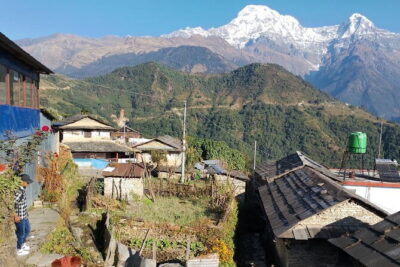
Chhomrong is one of those places that feels like a real mountain town rather than a single lodge cluster. That’s useful because it gives you a sense of how communities live in the Annapurna region, and it breaks up the trek into something more than just elevation gain. You’re also likely to notice the shift in the type of trail as you climb into higher, more forested stretches.
A practical consideration: uphill days can be where you accidentally go out too fast. Your goal is steady breathing, not speed. You’ll feel the benefit later, especially on the downhill.
Day 3: Deurali Route with Big-View Lunch Breaks
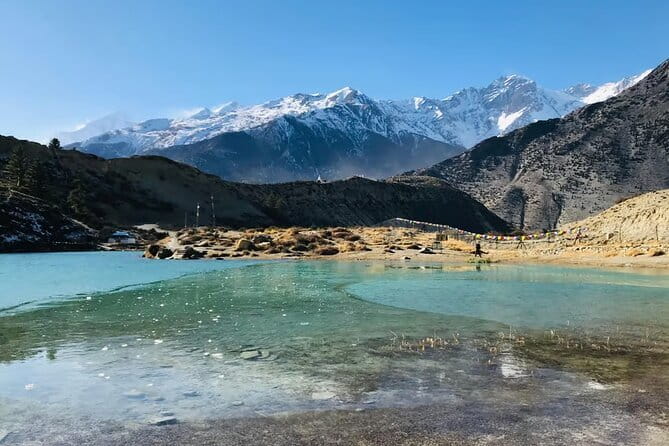
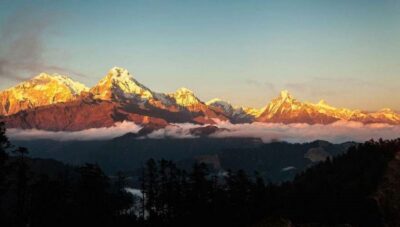
On day three, you work your way toward Deurali on a more leisurely trek. You’ll get scenic views of the Annapurna range while walking through dense forests, and you stop for lunch with Himalaya views before reaching your accommodation in Deurali for the night.
This day is a “hold your energy” day. It’s not described as the toughest climb, and that balance is important for a 7-day trek. When the route gives you a day that feels a bit more paced, you have a better chance to enjoy the scenery rather than just survive the next ascent.
What I like about this kind of day:
- It gives your mind a break while your legs keep moving.
- Lunch with mountain views is the kind of moment you’ll remember, because it’s not just a photo stop—it’s a reset.
- Forest walking is often easier on your pacing than exposed ridgelines, assuming the trail conditions are good.
More treks and hikes across the Annapurna region.
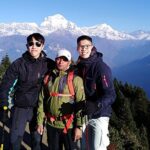
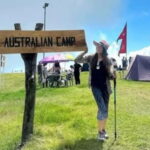
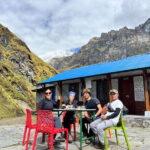
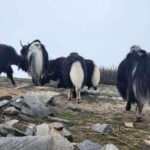
Day 4: Machhapuchhare Base Camp Area, Ablation Valley, and Annapurna Base Camp
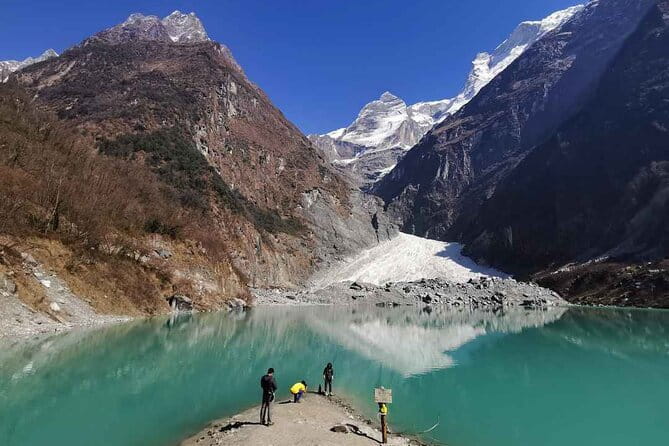
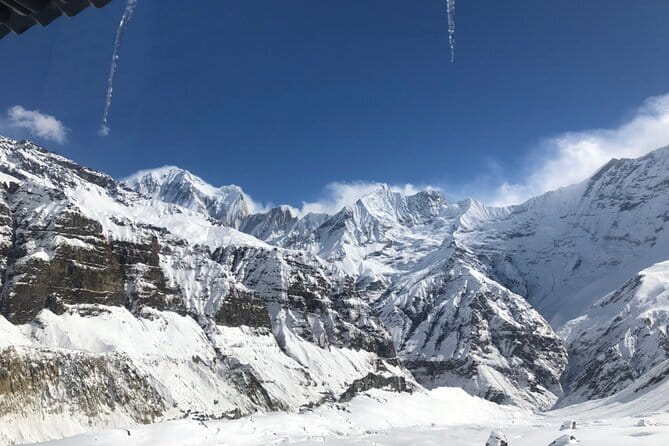
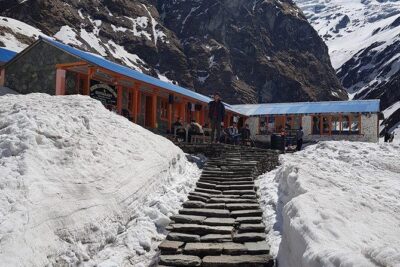
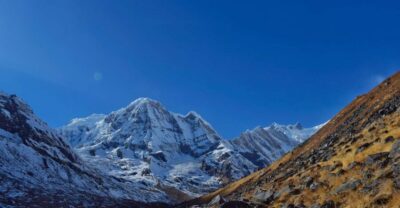
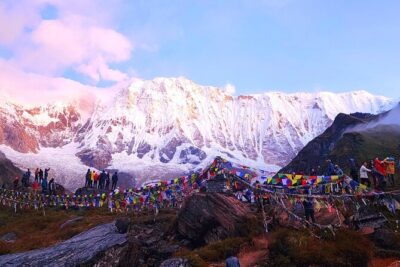
Day four is the headline. You follow the trail across streams toward the Machhapuchhare Base Camp area, then hike toward Ablation Valley—a hollow corridor between glacier and mountain—before reaching Annapurna Base Camp.
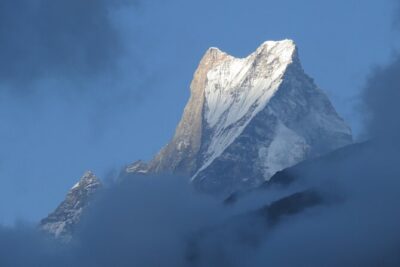
This is the day you’ve been working toward, but it’s also the day where you’ll feel the route’s character. Stream crossings mean changing footing, and Ablation Valley means you’re in a more dramatic terrain pocket where the surroundings feel close and serious. Machhapuchhare’s presence along the route is part of why this trek is so popular.
A practical note for enjoying the day: leave time in your head for slow moments. Even if you’re eager to reach ABC, the “in-between” sections are part of the experience. The stream crossings and corridor-like terrain tend to make people move carefully, and that’s actually when you’ll notice the best details—how the trail bends, where the light changes, and how the air feels as you climb.
Day 5: Bamboo, the 1,600-Meter Drop, and Knee Strategy
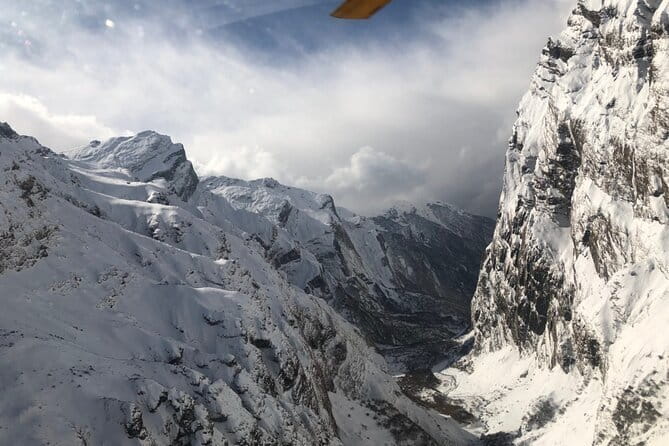
On day five, you hike down from Annapurna Base Camp to Bamboo, dropping about 1,600 meters lower. This is clearly flagged as a challenging day for your knees, and you’ll notice it if you’re not used to long descents.
Let’s be honest: after reaching a high point, the descent can feel like a second trek. Your legs do more braking than climbing, and that’s where knee stress comes from. If you go too fast, your body pays for it.
How to make the day easier (without any special magic):
- Shorten your stride on the way down.
- Take breaks before your knees start complaining.
- Keep your stance stable at stream-adjacent sections where footing can shift.
You sleep in Bamboo for the night, which helps you get through the descent phase in manageable chunks rather than trying to rush all the way.
Day 6: Down to Chhomrong and Jhinu Danda Hot Springs Relief
Day six continues the downward valley journey. You hike down through the route again—descending to Chhomrong and then toward Jhinu Danda. After you finish the walking, you get a well-deserved rest in the hot springs in Jhinu.
This is one of the most satisfying parts of the itinerary because it’s practical recovery, not just a scenic bonus. When your knees are tired, hot springs can feel like a reset button. It also gives you a clear “reward moment” after a grindy day of descent.
I also like that the route keeps the walking realistic. Rather than adding a surprise hard push, day six is about continuing the return and getting your body ready for the final transfer day.
Day 7: Farmland Morning Walk to Nayapul and Back to Pokhara
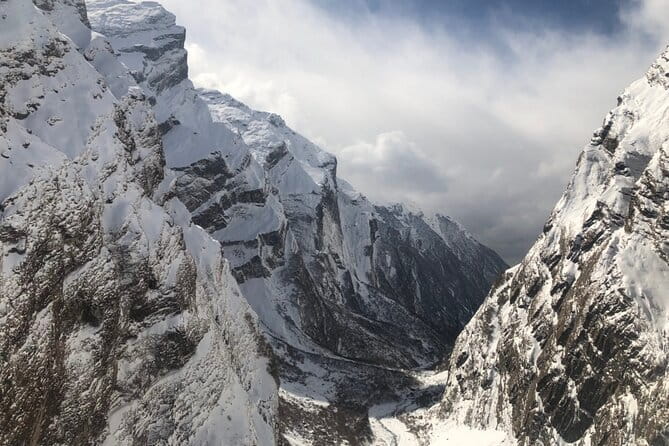
Your final day starts with a short morning trek passing through farmland along the river. You reach Nayapul and return to Pokhara for your drop-off at the end of the trek.
This last stretch is a psychological win. After days of mountain trail focus, farmland and river settings bring the trek back down to earth. It’s also a helpful way to transition from trekking mode to travel mode without an abrupt stop.
What I recommend on this day:
- Keep your pace easy. You want to finish feeling proud, not wrecked.
- Plan for warmth. Mornings can start cool, especially after higher elevations, but the final day can feel more settled as you get closer to the valley.
The Human Part: Guides, English Support, and How That Changes Your Trek
A trekking guide is one of the biggest quality levers in Nepal, and the guide write-ups tied to this operator emphasize helpfulness and professionalism across multiple names. Biru is mentioned as kind and helpful, including support for photos for solo travelers. Bikram is described as excellent and professional with arrangements that matched what people expected. Dadi shows up as an experienced guide with good weather and setup support. Prakash is noted for taking care of the group. Krishna appears repeatedly as patient and knowledgeable, especially for new trekkers.
Even if your trekking skills are fine, these guide strengths matter because they affect your comfort:
- You get help with small decisions like pacing, timing stops, and staying confident on the trail.
- You can ask questions in English and feel less stuck when something is unclear.
- Good guides help you turn the experience into something more than just exercise.
The included setup also helps you focus. You’re not expected to manage every logistics detail mid-trek. Accommodation in guesthouses is included, and an English-speaking trekking guide is part of the package.
Accommodation and Food Expectations: Guesthouses, Not Wild Camping
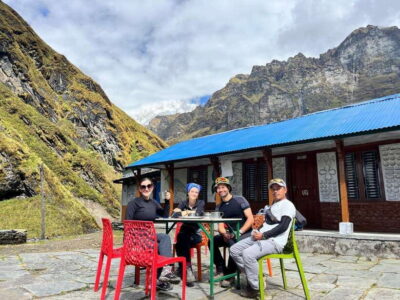
You’ll be staying in guesthouses for the included nights. That’s a key comfort factor if you want the mountains without a full-on camping operation.
The itinerary suggests you’ll be stopping for meals and lodging at towns/settlements along the route, which is typical for this style of Annapurna Base Camp trek. One review also mentions a full-board trekking package with guide and porter included, but the most consistent, clearly stated inclusion here is guesthouse accommodation.
What to expect in practice:
- Plan for simple, warm enough lodging rather than luxury.
- The real comfort variable is how tired you are. By day five and six, you’ll be ready to sleep fast, even if the rooms are basic.
Who This Trek Fits Best (and When You Should Rethink)
This trip is best for people with moderate physical fitness. That doesn’t mean you need to be an athlete, but you should be comfortable walking for several hours per day and handling uneven terrain.
You’ll especially want to consider knee readiness if you do not like long descents. Day five is the clear warning: the hike down to Bamboo is challenging for knees. If your knees are sensitive, it’s worth discussing with your doctor before committing and also training yourself for downhill walking.
This also suits:
- First-time trekkers who want a structured route and guide support
- Solo travelers who value help with photos and general guidance
- People who want a private group experience rather than a big mixed herd
Should You Book This Annapurna Base Camp Trek from Pokhara?
If you want a well-structured ABC trek with the key essentials handled—permits, TIMS card, English-speaking guide, guesthouse nights, and transfers—this looks like a strong pick for the money. The total package approach is the big selling point: you’re not just paying for walking, you’re paying to reduce friction from Pokhara to the base camp and back.
I’d book if:
- You prefer clear support (guide-led, English help, permit checks)
- You like the idea of finishing with Jhinu Danda hot springs
- You’re okay with a tougher downhill day and you prepare accordingly
I’d think twice if:
- Long descents and knee strain are a serious concern for you
- You want lots of private luxury or more than basic guesthouse comfort (this is a trekking experience, not a spa retreat)
FAQ
How long is the Annapurna Base Camp trek from Pokhara?
The trek is listed as about 7 days.
What is the price per person?
The price is $395.00 per person.
Is hotel pickup and drop-off included?
Yes. Hotel pickup and drop-off are included.
Do you provide permits and the TIMS card?
Yes. The trekking permit and TIMS card are included.
Will I have an English-speaking guide?
Yes. An English speaking trekking guide is included.
Where do we sleep during the trek?
Accommodation in guest house is included for the nights during the trek.
Is this a private trek or shared with other groups?
It’s described as a private trip, meaning only your group will participate.
What is not included in the price?
Personal expenses and optional gratitude are not included.
How does the return transfer work to and from Pokhara?
Round trip transfer is included by sharing jeep.
Can I cancel and get a full refund?
You can cancel up to 24 hours in advance for a full refund. If you cancel less than 24 hours before the experience start time, the amount paid will not be refunded.
More Treks in the Annapurnas
Also Reviewed Around Pokhara

More Annapurna Base Camp Routes
Newer Pokhara reviews to browse before you decide
Annapurna Sanctuary Treks, compared.
 ★ 4.9Kathmandu/Pokhara: 5-Day Annapurna Base Camp (ABC) TrekFrom $9672 reviews
 ★ 5.0Private 7 – Day Annapurna Base Camp TrekkingFrom $62550 reviews
 ★ 5.0Annapurna Base Camp Trek (8 days)From $65045 reviews
 ★ 4.97 Day Annapurna Base Camp TrekFrom $21538 reviews
 ★ 4.95-Day Annapurna Basecamp Trek with Hot SpringsFrom $15526 reviews
 ★ 5.06 days Annapurna Basecamp TrekFrom $45016 reviews
 ★ 5.010 Days Private Guided Annapurna Basecamp Trek via Poon HillFrom $80015 reviews
 ★ 5.07-Day Trek to Annapurna Base Camp from PokharaFrom $34512 reviews
Browse the lists this tour appears in