
Reviewed · POON HILL SUNRISE TREKS
Poon hill Trek 3 days
Poon Hill is a fast ticket to big-mountain drama. In just 3 days from Pokhara, you’ll hike toward a sunrise view of Annapurna and a panorama that can stretch from Dhaulagiri to Annapurna’s peaks. I also really like the small-group setup (max 12) paired with an expert guide, plus a porter plan that keeps the experience practical instead of exhausting.
One thing to keep in mind: sunrise views depend on the weather. Even on clear days, cloud cover can steal the show from the summit, so you’re betting a little on the sky—and that’s part of the deal on short treks.
In This Review
- Key Highlights You’ll Feel on the Trail
- Why Poon Hill in 3 Days Works So Well
- Sunrise From Poon Hill: Annapurna Views You Can Time
- Day 1: Ulleri’s 3000+ Steps and the Skill of Pacing
- Day 2: Rhododendrons, Gurung and Magar Villages, and the Weather Bet
- Day 3: Finishing the Route and Returning to Pokhara Comfortably
- Small-Group Care: Your Guide, Your Porter, Your Pace
- Gear, Permits, and What’s Included (So You Don’t Guess)
- Meals, Sleeping, and the Real Comfort Level
- Price and Value: Is $230 a Good Deal for This 3-Day Trek?
- Who Should Book This Trek (and Who Should Skip It)
- Should You Book This Poon Hill Trek?
- FAQ
- What is the duration of the Poon Hill trek?
- Where does this trek start?
- What is the price?
- How big is the group?
- What permits are included?
- What meals are included?
- What gear is provided?
- What is not included in the price?
- FAQ
- Can I get a refund if I cancel?
Key Highlights You’ll Feel on the Trail
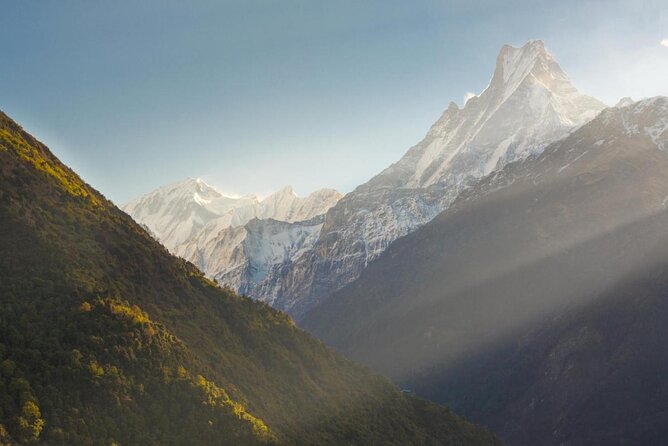
- Sunrise payoff from Poon Hill with sightlines toward Annapurna I, II, III and more
- Guaranteed max group size of 12 for a calmer, more personal pace
- Permits included (ACAP + TIMS) so you don’t have to sort paperwork mid-trip
- Guide + porter support (1 porter for every 2 people) to manage heavy loads
- Meals and transportation handled so you can focus on walking and photos
- Micro spikes for Dec to Feb plus hiking poles for better footing in colder months
More Poon Hill and Ghorepani routes, weighed by nights and effort.
- Poon hill Trek 3 days★ 5.0 · 176 reviews
- Pokhara: 4-Day Ghorepani, Poonhill & Ghandruk Mountain Trek★ 5.0 · 132 reviews
- Ghorepani – Poon Hill Trek 3N-4D★ 5.0 · 125 reviews
- From Pokhara: 3-Day Ghorepani Poon Hill Trek with Guide★ 4.9 · 68 reviews
Why Poon Hill in 3 Days Works So Well
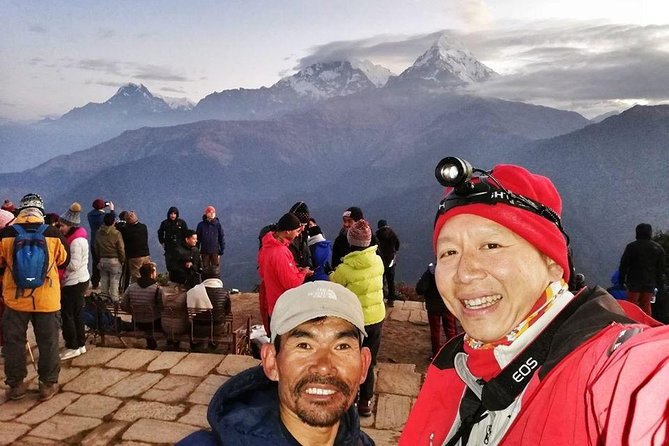
This is one of Nepal’s short treks that still feels like you left reality behind. You’re not just doing a walk in the hills; you’re heading for a timed experience—early sunrise—and you get wide views of multiple ranges along the route.
What makes this 3-day format click is how much it compresses. You still get time in mountain villages, rhododendron country, and viewpoints that can include the Kali Gandaki valley and the Jomsom horizon. It’s also a beginner-friendly length in the sense that you’re not committing to a week of logistics.
The other smart piece is the “care” model. Your guide doesn’t just point the way; the plan includes organizing things like food and where you’ll sleep during the trek. That means you’re not trying to solve unfamiliar systems at altitude with tired legs.
Sunrise From Poon Hill: Annapurna Views You Can Time
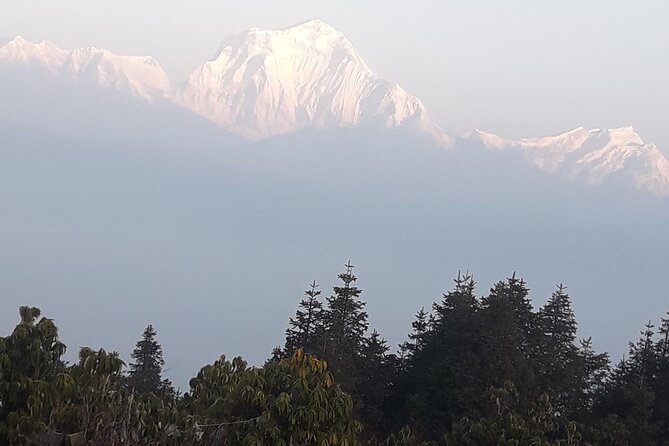
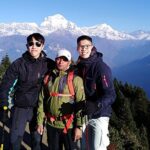
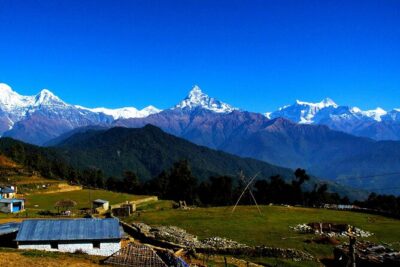
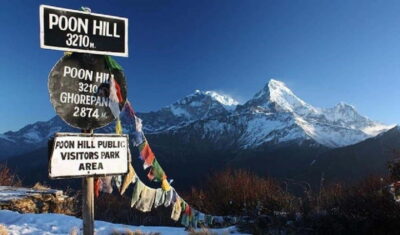
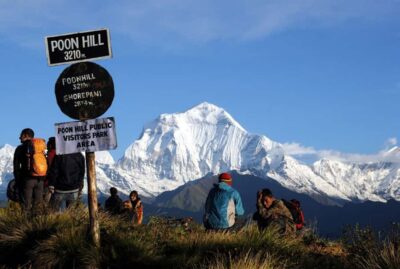
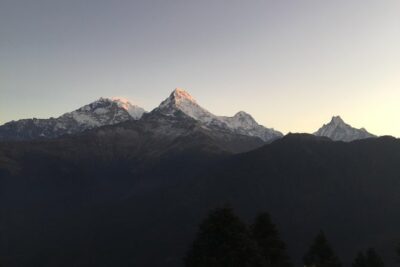
Poon Hill is famous for a reason, and the magic here is the angle. The big target is Annapurna at sunrise, but the view you’re chasing can also include a stack of other famous peaks. Depending on visibility, you may spot Dhaulagiri Himal (8,167m), Tukuche Peak (6,920m), Mardi Himal, Manaslu Himal, Nilgiri, and Khopra danda—all from one early-morning vantage.
This is also where the trek turns into more than steps. You’re watching light move across ridgelines, and the same mountain that looks dramatic at dawn can look flat and gray by midday. If you care about photos, you’ll understand why people wake up early for this part.
The practical angle: because sunrise is the goal, your day starts earlier than you might expect. That can be a drawback if you’re a “sleep-in” person. It’s also why having a guide matters—your schedule and pace need to stay consistent so you reach the viewpoint before the sky goes moody.
Day 1: Ulleri’s 3000+ Steps and the Skill of Pacing
Your first real hiking test is the climb to Ulleri—yes, the trek includes 3,000+ steps. That number matters because it tells you the effort won’t be about long, technical terrain. It’s repetitive, steady, and very “work the legs” in a way that beginners can manage if they pace well.
This is where small-group planning pays off. With a max of 12 people, you’re less likely to get stuck behind a fast line or forced to match a pace you can’t sustain. Your guide helps you keep moving in a way that feels safe and realistic.
One thing I like about this day is that the difficulty is clear from the start. There’s no mystery about what’s coming. You’ll work up a sweat, you’ll feel it in your calves, and then you’ll get the reward of mountain scenery—plus a taste of the local village rhythm that shows up along the way.
Day 2: Rhododendrons, Gurung and Magar Villages, and the Weather Bet
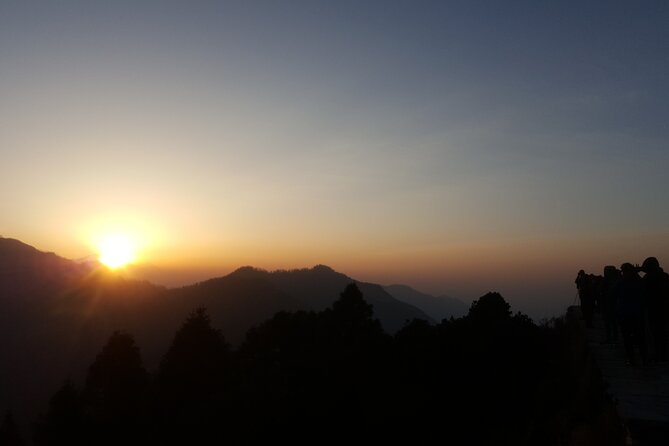
Day 2 is where the trek becomes most “Nepal.” Expect the scenery to shift between viewpoints and village stretches, with colourful rhododendrons and the chance to see Gurung and Magar pretty villages along the route.
This is also the day most tied to the weather. Even with a good plan, clouds can roll in and soften or hide the summit view. In one experience, the top at Poon Hill was clear after a few days of less-than-ideal sky—so if the view isn’t perfect on day one, it doesn’t mean the trek failed. Short treks often ride on the weather calendar.
Still, don’t treat this as a coin flip with no control. Your best move is mental: go in expecting early starts and cold mornings, and don’t get discouraged if the horizon is partially wrapped. The mountains usually give you something, even when they don’t give you everything.
More treks and hikes across the Annapurna region.

Day 3: Finishing the Route and Returning to Pokhara Comfortably
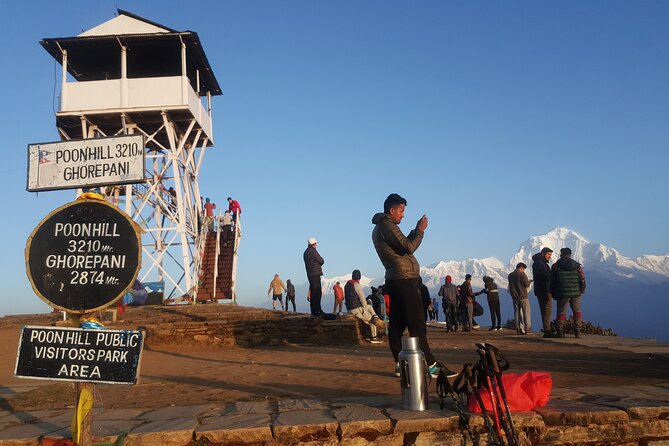
The last day is about finishing strong and transitioning back to normal life. Since the trek includes private transportation as part of the plan, you’re not left figuring out how to get home after your final descent.
On a short trek, the final day can feel like a “let’s land this plane” moment. The body is tired, but the route is usually manageable because you’re not starting from zero again—you’ve already done the big early effort. You’ll likely notice how your legs adapt by this point: the climb-to-view model becomes familiar, and you move with more confidence.
What you should watch for is timing. With a total duration listed as about 15 to 18 hours, the trek isn’t spread out for comfort. It’s designed for people who want the Himalayas, not a slow-motion vacation. If you keep your pace sensible on day one, day three tends to feel less scary.
Small-Group Care: Your Guide, Your Porter, Your Pace
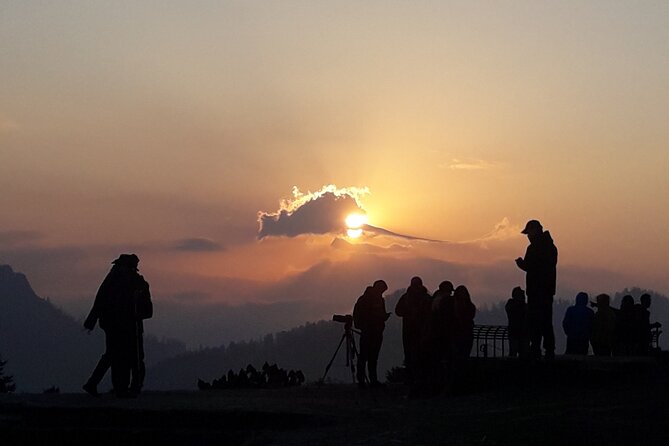
This trek is organized as a guaranteed small-group experience with no more than 12 trekkers. That matters because Poon Hill is popular, and big groups can turn quiet moments into a traffic jam.
Even better is the support structure: you get an expert guide and a porter setup of 1 porter for every 2 people. The porter isn’t there to do all the work for you. It’s there so you can carry what you truly need and keep the heavy stuff off your back.
The guide piece is where quality shows up. One trek account specifically praised a guide named Sabin for being attentive, knowledgeable, and willing to go at the hiker’s own pace. That’s exactly what you want in a short trek: someone who won’t push you into a sprint just because they’re confident.
Also, because the guide helps organize accommodation and meals during the trek, you spend less time negotiating and more time walking. That’s value, plain and simple.
Gear, Permits, and What’s Included (So You Don’t Guess)
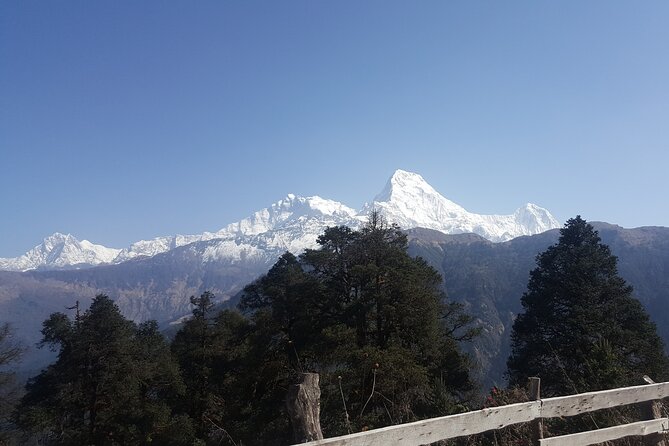
One reason this trek feels smooth is that the essentials are covered. You’ll get ACAP permit and TIMS permit included. These permits are part of trekking in Nepal, and having them handled avoids stressful last-minute admin.
You also receive practical gear support:
- hiking poles
- kit bag
- micro spikes for Dec to Feb (useful for colder months)
These inclusions matter more than they sound. Poles reduce strain on knees and help on repeated steps. Micro spikes for the colder season are about traction—especially when trails get slick. If you’re traveling in the December to February window, this is a big “don’t scramble for gear” bonus.
One more detail: the tour includes breakfast, lunch, and dinner during the trek, plus transportation. That reduces the number of decisions you have to make with hungry energy and limited food options at trail stops.
Meals, Sleeping, and the Real Comfort Level
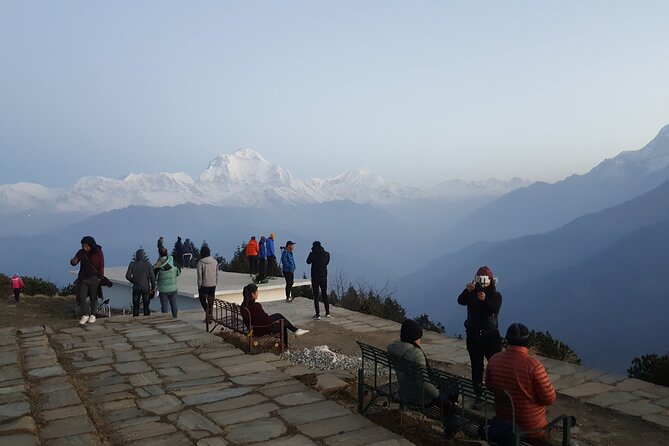
This trek includes meals during the hike, and the plan also covers where you’ll stay each night. In one account, the accommodations were described as clean and comfortable, and the food was good—exactly the kind of reassurance you want for a short trip where you can’t afford a bad night.
Because this is a trekking circuit (not a resort stay), don’t expect luxury. The value is that you don’t have to manage meal planning and lodging searches while tired and unfamiliar with the area.
If you’re used to going all-inclusive and being catered to, temper expectations a bit. Think: solid, warm meals you can actually eat, and a place to rest that supports your next day’s walking. That’s the right frame.
Price and Value: Is $230 a Good Deal for This 3-Day Trek?
$230 for a 3-day Poon Hill trek from Pokhara can feel like a bargain or a splurge, depending on what you compare it to. Here’s the reality check: what you pay covers a lot of “hard to DIY” items.
Included items that drive value:
- private transportation
- meals (breakfast, lunch, dinner) during the trek
- ACAP + TIMS permits
- expert guide
- porter support (1 porter for every 2 pax)
- hiking poles and kit bag
- micro spikes in Dec–Feb
Not included items to factor in:
- drinks (soft and caffeinated drinks, plus anything else you buy)
- tips for guide and porter
- your hotel in Pokhara
- scuba equipment (yes, it’s listed, but it’s not relevant)
So the question isn’t only cost. It’s how much uncertainty you avoid. Paying for permits, planning, and the logistics of food and lodging means you spend more time hiking and less time negotiating at trail checkpoints.
If you’re someone who prefers to travel light and have a clear plan, $230 looks fair. If you’re the type who enjoys DIY trekking and already has the gear, you might find cheaper options elsewhere—but you’ll likely trade that for time, paperwork, and decision fatigue.
Who Should Book This Trek (and Who Should Skip It)
This Poon Hill trek is aimed at people with moderate physical fitness who want a short Himalayan experience. If you’re a beginner hiker, the 3-day structure works because the big effort is predictable: Ulleri’s long stair climb and then repeated walking days.
I think it’s especially suitable if you:
- have limited time and want a “Himalayas now” trip
- like the idea of a sunrise goal (not just wandering)
- want a guided setup with small-group dynamics and porter support
You might skip it if you hate early starts or if you know you get frustrated by pacing changes. Also, if you’re expecting perfect weather on command, plan for the possibility that clouds can reduce summit visibility.
Should You Book This Poon Hill Trek?
If you want a well-run short trek with sunrise views as the centerpiece, this is a strong choice. The combination of small-group size, guide help, and porter ratio makes it feel manageable even when the trail gets steep, like the Ulleri steps.
Book it if your priority is getting real mountain views in a tight window—and you’re comfortable with the idea that weather controls a lot of the sunrise outcome. Don’t over-plan around peak visibility. Treat it like a chance to be in the right place at the right time, and you’ll enjoy the journey even when the sky is moody.
One last practical note: the experience is listed as non-refundable and not changeable, so only book when your dates are firm.
FAQ
What is the duration of the Poon Hill trek?
It’s a 3-day trek, with an estimated total duration of about 15 to 18 hours.
Where does this trek start?
The trek is based in Pokhara, Nepal. The start time is listed as 8:15 am, with pickup offered.
What is the price?
The price is $230.
How big is the group?
This experience has a maximum of 12 travelers.
What permits are included?
The tour includes the ACAP permit and the TIMS permit.
What meals are included?
Breakfast, lunch, and dinner during the trek are included.
What gear is provided?
The trek includes hiking poles, a kit bag, and micro spikes for Dec to Feb.
What is not included in the price?
All beverages (soft and caffeinated drinks), tips for guide and porter, and the hotel in Pokhara are not included. Scuba equipment is also listed as not included.
FAQ
Can I get a refund if I cancel?
No. The experience is non-refundable and cannot be changed for any reason.
More Treks in the Annapurnas

Also Reviewed Around Pokhara


More Poon Hill Sunrise Treks
Newer Pokhara reviews to browse before you decide


Poon Hill Sunrise Treks, compared.
 ★ 5.04-Day Ghorepani, Poonhill & Ghandruk Mountain TrekFrom $181132 reviews
 ★ 5.0Ghorepani – Poon Hill Trek 3N-4DFrom $321125 reviews
 ★ 4.93-Day Ghorepani Poon Hill Trek with GuideFrom $16268 reviews
 ★ 5.03-Day Ghorephani and Poon Hill Private TrekFrom $12658 reviews
 ★ 5.04-Day Private Poon Hill Trekking TourFrom $35958 reviews
 ★ 4.62-Day Ghorephani and Poon Hill Private TrekFrom $10450 reviews
 ★ 5.03-Day Poon Hill Trek from Pokhara.From $41045 reviews
 ★ 4.92 & 3 Days Ghorepani Poon Hill Private Guided TrekFrom $11827 reviews
Browse the lists this tour appears in