
Reviewed · POON HILL SUNRISE TREKS
Pokhara: 4-Day Ghorepani, Poonhill & Ghandruk Mountain Trek
Golden mountains start before breakfast. I love Poon Hill sunrise and the way Ghandruk’s Gurung village feels like real Nepal, not a staged show. The trade-off is early starts and uphill hours that will feel tough if your fitness level is low.
For $181 per person, you get a certified guide, meals, tea-house lodging, permits/fees, and transport links from Pokhara. That makes the trek easier to manage when you want the mountains without spending days on logistics.
In This Review
- Key Things That Make This Trek Worth Your Time
- Poon Hill Sunrise and the Annapurna–Dhaulagiri Views You Wake Up For
- Day 1: Pokhara to Nayapul to Ulleri (First Views, First Uphill Rhythm)
- Day 2: Ulleri to Ghorepani Through Rhododendron Forests and Village Stops
- Day 3: The Poon Hill Sunrise Hike, Then Tadapani to Ghandruk
- Ghandruk Village: Gurung Culture, Mountain Air, and Simple Comfort
- Where You Stay and How Meals Work on a 4-Day Trek
- Guide, Permits, Gear, and Why Logistics Matter More Than You Think
- Price ($181) and Value: What You’re Really Getting for 4 Days
- Who This 4-Day Trek Fits Best (and Who Should Be Careful)
- Practical Tips Before You Go (So the Trek Feels Easy)
- Should You Book This 4-Day Ghorepani, Poon Hill, and Ghandruk Trek?
- FAQ
- What’s the duration and route for this trek?
- How is pickup handled in Pokhara?
- Are meals and accommodation included?
- Who arranges permits and fees?
- Do I need to bring trekking gear like a sleeping bag?
- Is a porter included in the price?
- What’s the guide language?
Key Things That Make This Trek Worth Your Time
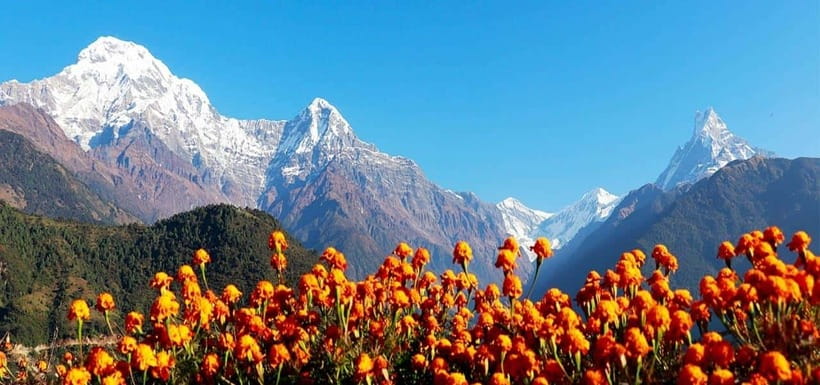
- Poon Hill sunrise: a short detour with big payoff, especially when the sky is clear
- Real village culture: Magar hospitality around Ulleri, then Gurung life in Ghandruk
- Rhododendron forests: colorful trails when the plants are in season
- Tea-house rhythm: breakfast, hike, lunch stop, then a simple dinner by fireside warmth
- Guide-led pacing: your day plan stays on track, even if you need to slow down
More Poon Hill and Ghorepani routes, weighed by nights and effort.
- Poon hill Trek 3 days★ 5.0 · 176 reviews
- Pokhara: 4-Day Ghorepani, Poonhill & Ghandruk Mountain Trek★ 5.0 · 132 reviews
- Ghorepani – Poon Hill Trek 3N-4D★ 5.0 · 125 reviews
- From Pokhara: 3-Day Ghorepani Poon Hill Trek with Guide★ 4.9 · 68 reviews
Poon Hill Sunrise and the Annapurna–Dhaulagiri Views You Wake Up For
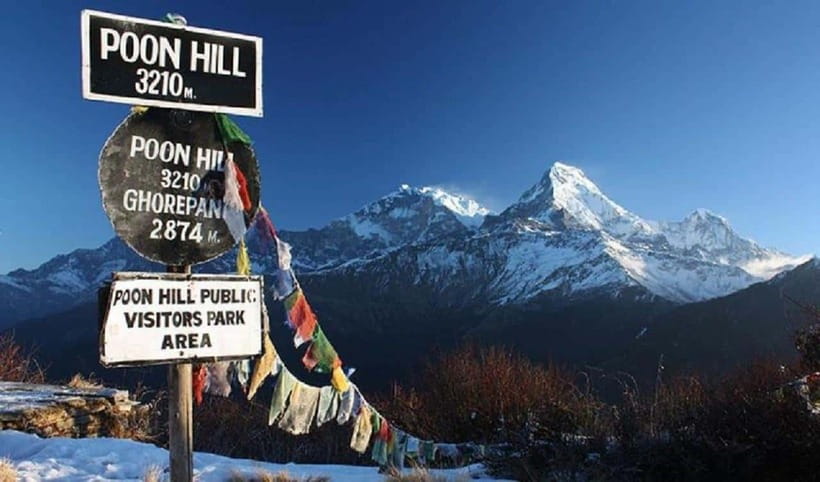
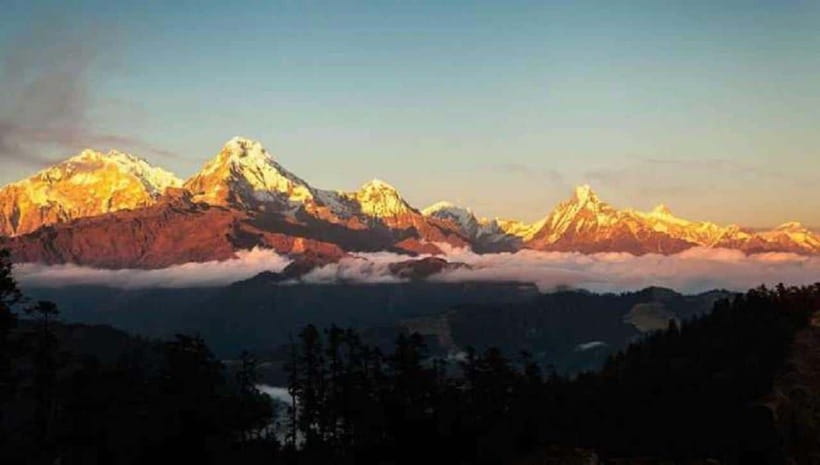
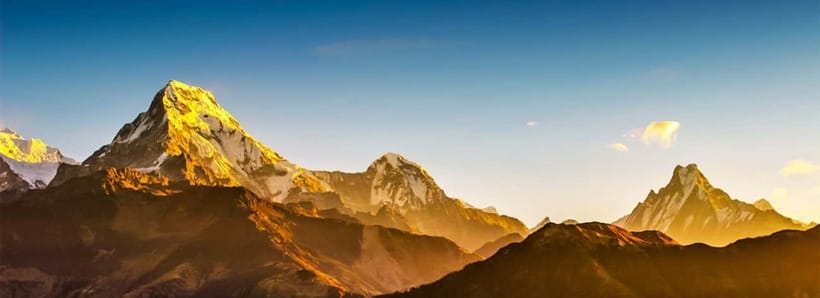
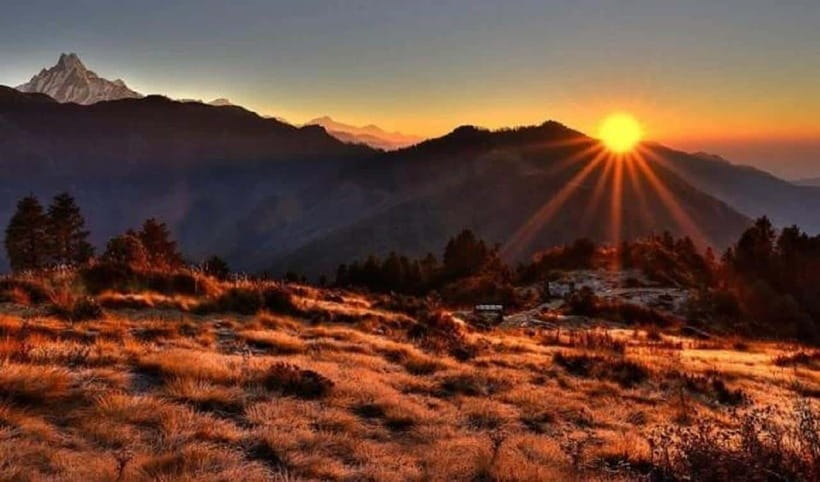
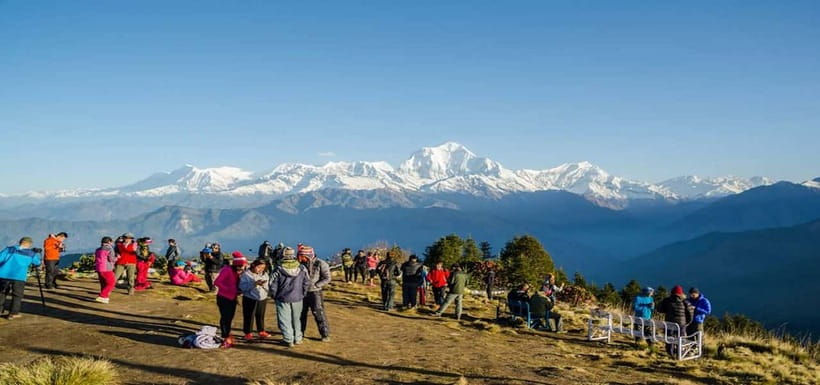
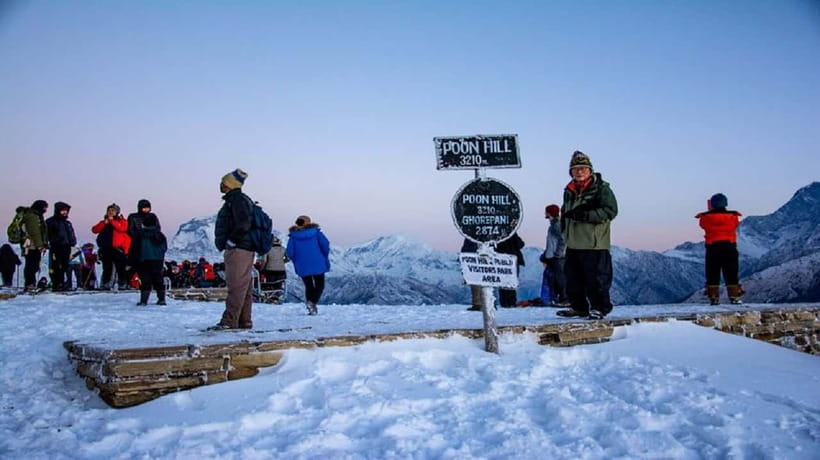
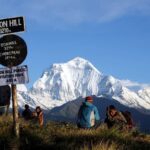
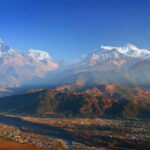
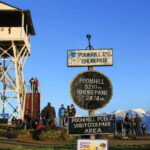
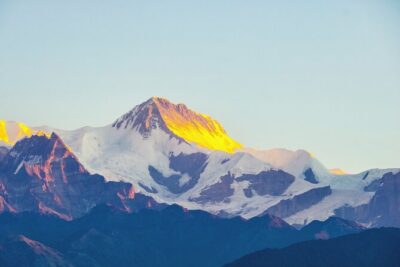
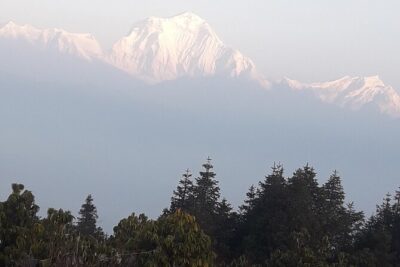
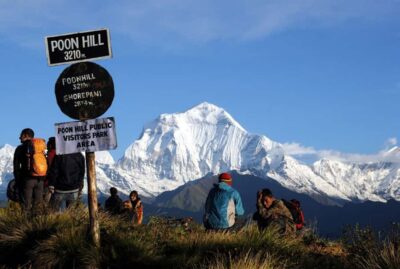
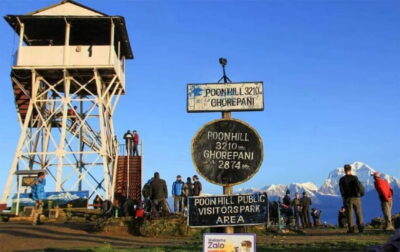
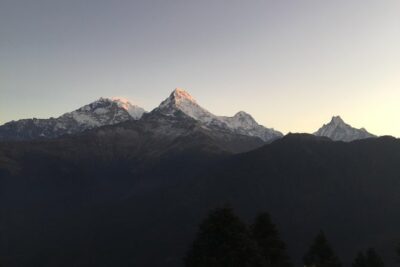
This trek is famous for one very specific moment: you hike up in the dark, then you watch the peaks change color. At Poon Hill (around 3,210 m), the sun hits the ridge lines and the mountains start looking almost unreal—gold first, then sharper details as light spreads.
What I like here is that the sunrise part is built into a short, doable trek. You’re not committing to weeks of high-altitude travel. Instead, the sunrise hike is a focused burst of effort, then you’re back for breakfast and moving on.
One practical note: sunrise viewing depends on weather. In clear conditions, you’ll feel like you’re standing in the middle of a mountain movie. When skies are cloudy, the experience shifts toward atmosphere and quiet rather than perfect views. Either way, getting out early is the core deal.
Day 1: Pokhara to Nayapul to Ulleri (First Views, First Uphill Rhythm)
You start with an easy transport day from Pokhara, then transition into the trail near Nayapul. There’s a short break and photo stop there, and you’ll get a bit of time for orientation before the walking really begins.
From Nayapul to Ulleri takes about 5–6 hours, and this is where you set your pace. The walk rises gradually enough that it’s approachable, but you still earn the views. Ulleri is also where community life starts feeling close—people’s daily routines are part of the trail experience, not just background scenery.
This stop matters because it breaks the trek into a rhythm your body can handle. If you’ve just arrived in Nepal and you’re still breathing a little slower from travel, day one gives you a gentler on-ramp before the later hiking hours.
Day 2: Ulleri to Ghorepani Through Rhododendron Forests and Village Stops
On day two, you’ll wake up to crisp mountain air and head toward Ghorepani (about 4–5 hours of trekking). The best part of this stretch is the variety: forest walking, small village sections, and frequent chances to pause for photos and short rests.
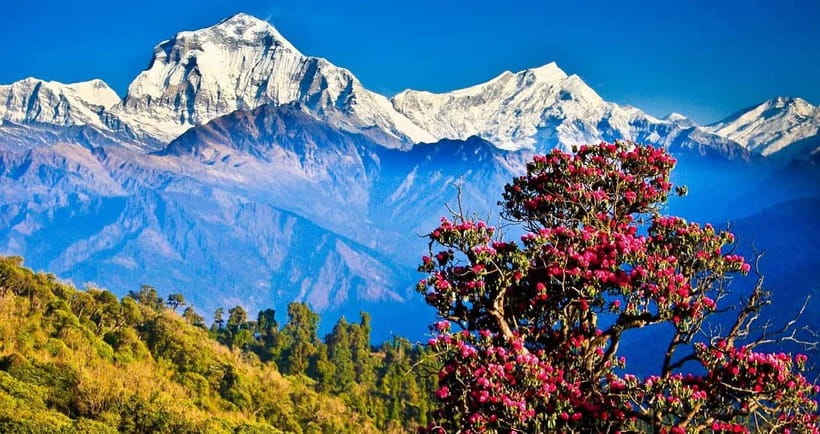
The route is known for rhododendron forests, which are especially striking when the blossoms are in season. Even when the colors are less dramatic, the trees still make the trail feel less exposed and more shaded, which helps on warmer mornings.
Lunch is planned around Nangethati. That matters because it turns what could be a single long slog into a managed day with a real midday stop. Also, your guide’s job is not just to move you forward—it’s to place you at the right breaks and meal points.
Wildlife is also part of the mix. The plan leaves room for encounters with Himalayan fauna, and people have reported seeing monkeys and other small animals during the journey. Keep your eyes open, but don’t get reckless stopping every few minutes—this is still a hiking day.
Day 3: The Poon Hill Sunrise Hike, Then Tadapani to Ghandruk
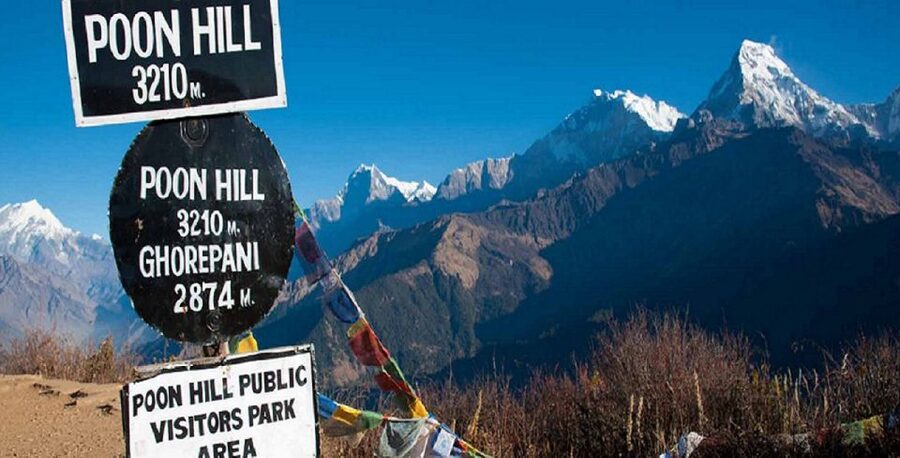
Day three is the big one. You’ll rise early for the sunrise from Poon Hill, then return for breakfast before continuing to Ghandruk.
The walk from Ghorepani to Poon Hill is short in distance terms, but it’s intense in timing. You’ll be hiking while your legs are cold and your head is tired. That’s why guides who pace well make such a difference. People on similar hikes often highlight how their guide kept the pace steady and didn’t rush the group—especially when someone needed a breather.
After sunrise, you continue toward Ghandruk, with a planned stop through Tadapani and then onward to the Gurung village. This day runs roughly 7 hours of trekking, so the work ramps up compared to days one and two.
What makes Ghandruk the best payoff stop is that it’s not just a viewpoint. It’s a living place. You’ll spend the remainder of the day in the village, where local culture is part of what you see at tea houses and around the streets.
More treks and hikes across the Annapurna region.
Ghandruk Village: Gurung Culture, Mountain Air, and Simple Comfort
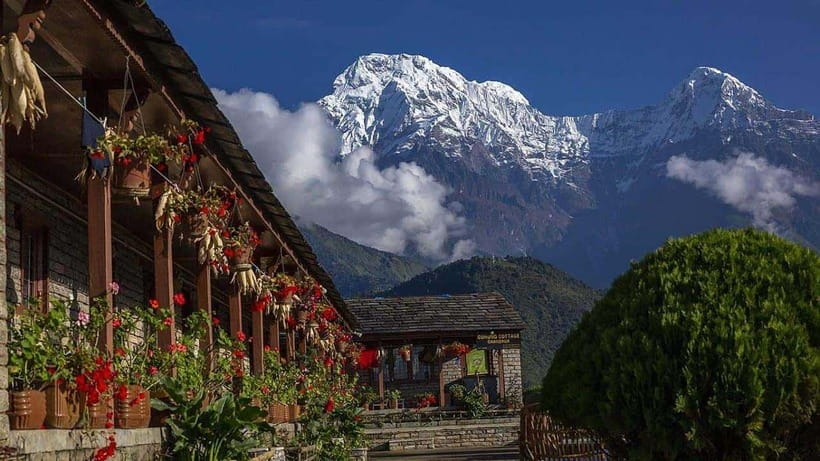
Once you reach Ghandruk, the trek shifts from “climb and move” to “arrive and absorb.” This is where you feel the difference between a mountain hike and a cultural hike.
Ghandruk is known for Gurung culture, and you’ll notice it in how the village works—how people live, how tea houses operate, and how meals feel more personal than generic. Even breakfast is planned around a traditional rhythm, since you’ll have time to experience local food habits rather than just grabbing something on the move.
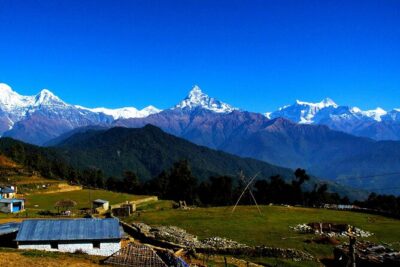
The views around Ghandruk also tend to feel more grounded because you’re in a village setting. Instead of just staring at the peaks from a trail edge, you’re watching the mountains from a human-scale place.
Don’t expect luxury. Tea-house accommodation is simple. That said, people have often described rooms as clean and comfortable, sometimes with hot showers at some stops. The consistent theme is warmth management: at night it gets cold, and you’ll want to be ready with a warm layer system. Sleeping bags may be provided as needed, but bringing your own can still be smart if you run cold.
Where You Stay and How Meals Work on a 4-Day Trek
This is a tea-house / lodge trek, so your comfort is about practical choices more than amenities. You’ll typically have:
- Overnight stays in simple lodges along the route
- Meals included throughout the trek (depending on your option)
- A structured day with breakfast, lunch, and dinner points
In real life, the biggest comfort variables are heat and timing:
- Night temperatures drop, and blankets matter.
- Daytime feels more workable with layers.
- Fireside waiting can be a big morale boost after a long walk.
Food tends to be filling and aimed at hikers. Many guided treks also include recommendations on what to order, which saves you from decision fatigue at altitude.
If you care about hygiene expectations, plan like it’s basic mountain travel. The trek is short, so you’re not living there for weeks, but you still need the right mindset: warm layers, patience, and flexibility.
Guide, Permits, Gear, and Why Logistics Matter More Than You Think
On a short trek like this, logistics are the hidden star. The plan includes:
- A certified trekking guide
- All required permits and fees
- All guide expenses
- A first aid kit
- Luggage storage in Pokhara
- Trekking gear like trekking sticks and sleeping bags as needed
- Round-trip transport between your Pokhara pickup and the trek area
Here’s why this matters: Poon Hill and Ghandruk are popular enough that the region can feel busy in places, but your experience still depends on who handles timing. A good guide makes sure you’re at the right spots at the right moments—especially for sunrise. They also help you choose calmer paths or better lunch options when you’re tired.
Language support is also a plus. You’ll have a live guide in English, Hindi, or Nepali, which makes it easier to ask questions about trail conditions, culture, and what to expect next.
Also, guides on these routes often bring more than route knowledge. Many people have spoken highly of guides like Jeet Bhadur Nepali, Chandra, Santosh, Golman, Bala, Purushottam, Tanka, and Bhadrapur Neali, noting their humor, pacing, and the way they explain mountain and village life in a way that makes the trek feel personal rather than mechanical.
Price ($181) and Value: What You’re Really Getting for 4 Days
At $181 per person for 4 days, the value comes from what’s included, not just the headline price.
You’re paying for:
- Transport connections from your Pokhara area pickup area
- Tea-house lodging during the trekking nights
- Meals along the route (depending on the selected option)
- Guide services and guide overhead
- Permits and fees handled for you
- Basic trekking gear support (sticks and sleeping bag as needed)
- Practical extras like Pokhara luggage storage
The big “not included” pieces are also worth noting:
- Travel insurance (mandatory for safety, and you should not skip it)
- Personal snacks and drinks
- Emergency rescue services (available if needed)
- A porter option if you want one (listed at $20 per day)
For many people, this kind of package is the sweet spot because it prevents the classic mistake: spending time and energy trying to piece together permits, meals, and guest rooms while your trip window gets smaller.
If you already have strong trekking experience and want to go fully independent, you might compare costs. But if you’re trying to keep it smooth while you focus on views and culture, the bundled logistics are the main value.
Who This 4-Day Trek Fits Best (and Who Should Be Careful)
This route is often chosen as a short introduction trek in the Annapurna region. Distances aren’t enormous, but the hills are real. Day times range from about 5–6 hours, to 4–5 hours, to a longer 7-hour day when you transition toward Ghandruk.
It may be challenging for some participants, so you should be honest about your fitness. Also, cold nights and early mornings mean you’ll need a plan for comfort.
This trek is a great match if you want:
- Big viewpoints without weeks on the trail
- Cultural stops in Magar and Gurung communities
- A guide who keeps the schedule workable and the group safe
You might reconsider if you:
- Struggle with sustained uphill walking
- Hate early mornings with limited flexibility
- Know you get sick easily with changes in routine or altitude exposure
Practical Tips Before You Go (So the Trek Feels Easy)
Based on what’s required and what matters on the ground, pack smart:
Bring:
- Passport or ID card (you’ll need it for permits)
- Warm clothing and layers
- Sun hat
- Camera
- Hiking shoes
- Comfortable clothes
- Cash
- Travel insurance
- A sleeping bag (and remember: support may be available as needed)
Also plan ahead:
- Submit a copy of your passport at least one day before the trek so permits can be processed.
- Expect a first-time-trek learning curve. Your body will adapt, but you’ll feel the hills early on.
Should You Book This 4-Day Ghorepani, Poon Hill, and Ghandruk Trek?
If you want a high-impact Nepal trek that fits into a short schedule, I think this is an easy yes—especially if you care about sunrise timing, village culture, and clean organization.
Book it if:
- You want Poon Hill sunrise without a long, complicated trek
- You like the idea of spending real time in Ghandruk
- You’d rather let someone else handle permits, guide planning, and tea-house lodging
Skip it or ask more questions first if:
- You have low tolerance for cold nights and early wake-ups
- You know your uphill endurance needs extra support
If you book, do one thing that improves everything: bring warm layers and set your expectations for simple tea-house comfort. With that, the mountains do the rest.
FAQ
What’s the duration and route for this trek?
It’s a 4-day trek that starts around Pokhara and includes the Ghorepani, Poon Hill, and Ghandruk route.
How is pickup handled in Pokhara?
Pickup is included from Pokhara hotel areas such as Lakeside and Sarangkot, and also from Pokhara International Airport (PIA). After you book, your pickup time is confirmed with the company.
Are meals and accommodation included?
Yes. Meals throughout the trek and accommodation in simple tea houses or lodges are included depending on the option you select.
Who arranges permits and fees?
The package includes all required permits and fees, handled for you through the trekking process. You’re asked to submit a copy of your passport at least one day before the trek.
Do I need to bring trekking gear like a sleeping bag?
The trek can include trekking sticks and sleeping bags as needed, but you should still plan to bring appropriate cold-weather gear. The packing list also includes a sleeping bag and warm clothing.
Is a porter included in the price?
A porter is not included. If you want one, it’s listed as $20 per day.
What’s the guide language?
Your guide provides support in English, Hindi, and Nepali.
More Treks in the Annapurnas
Also Reviewed Around Pokhara

More Poon Hill Sunrise Treks
Newer Pokhara reviews to browse before you decide
Poon Hill Sunrise Treks, compared.
 ★ 5.0Poon hill Trek 3 daysFrom $230176 reviews
 ★ 5.0Ghorepani – Poon Hill Trek 3N-4DFrom $321125 reviews
 ★ 4.93-Day Ghorepani Poon Hill Trek with GuideFrom $16268 reviews
 ★ 5.03-Day Ghorephani and Poon Hill Private TrekFrom $12658 reviews
 ★ 5.04-Day Private Poon Hill Trekking TourFrom $35958 reviews
 ★ 4.62-Day Ghorephani and Poon Hill Private TrekFrom $10450 reviews
 ★ 5.03-Day Poon Hill Trek from Pokhara.From $41045 reviews
 ★ 4.92 & 3 Days Ghorepani Poon Hill Private Guided TrekFrom $11827 reviews
Browse the lists this tour appears in