
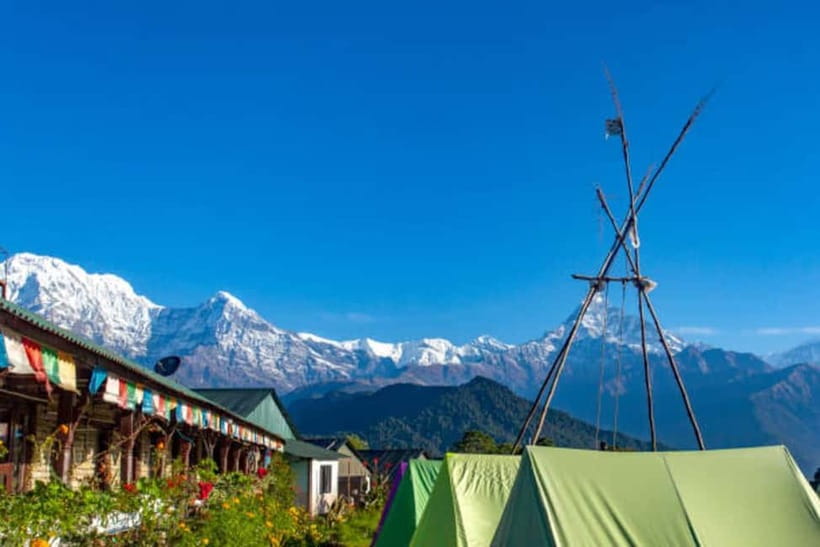
Reviewed · AUSTRALIAN CAMP & DHAMPUS HIKES
Pokhara: Hike To Australian Base Camp
Himalayas, in a half-day walk. This Pokhara day hike to Australian Camp is one of the easier ways to chase the classic views people come to Nepal for, with a local culture stop built in. You’ll ride up toward the trail, hike through forest and terraced farms, then come down with your camera full.
I love the way the route is paced for real humans, not just fit athletes. Guides like Ram Hari can speak Japanese gently and keep the group comfortable, and the stops are timed around viewpoint moments so you’re not constantly hiking just to get a glimpse.
One thing to plan for: cloud cover can soften the views, and the downhill includes stone steps that can feel long on tired legs. If weather is poor, you’ll still have a nice walk and village time, but the “wow” panorama may be muted.
In This Review
- Quick takeaways before you go
- From Lakeside pickup to Kande: the smooth start that matters
- Kande to Dhampus: terraces, forest, and the kind of walking you can enjoy
- Dhampus to Australian Camp: why this stop is the main event
- The peak-view photo game: how to get better shots without stress
- Lunch break at Dhampus: refuel, then keep your energy for the descent
- Phedi viewpoint and the return to Kande: knees will notice
- Gurung settlements: what you’re actually learning (beyond photos)
- Guide quality, permits, and bag keeping: what’s included and why it’s worth it
- What to bring: simple items that make a real difference
- Who should pick this hike (and who should skip it)
- Weather reality: when the views are perfect and when they’re not
- Should you book the Australian Camp day hike from Pokhara?
- FAQ
- How long is the hike?
- Where does the hike start and end?
- Is hotel pickup included in the price?
- What languages are the guides?
- What’s included for $65, and what’s not?
- Do I need to pay extra for the car transfer?
- What should I bring, and is smoking allowed?
Quick takeaways before you go
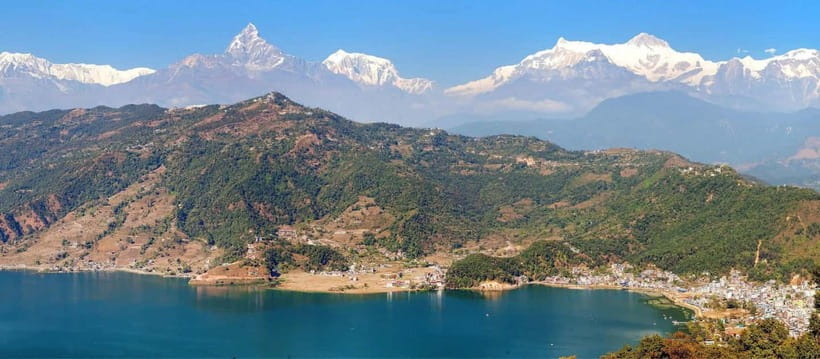
- Australian Camp views: the main reason to choose this hike, aimed at the Annapurna and Dhaulagiri angles
- Gurung settlement focus: a guided look at local life while you’re already in the hills
- Photo-stop timing: you get set moments for pictures instead of only moving fast
- Pace and safety help: guides do walking-speed checks and point out caution spots
- Downhill steps: coming back from the viewpoints involves stair-like sections that add effort
More of Ghandruk worth booking, from Sarangkot mornings to the Annapurna trailheads.
- Pokhara: 7 Day Annapurna Base Camp Trek★ 4.9 · 38 reviews
- From Pokhara: 10-Day Poon Hill and Annapurna Base Camp Trek★ 5.0 · 7 reviews
- Pkr/Kathmandu: 5-Day Annapurna Base Camp & Hot spring Trek★ 5.0 · 6 reviews
- Pokhara: Poon Hill Trek★ 5.0 · 3 reviews
From Lakeside pickup to Kande: the smooth start that matters
This tour is designed to feel like a day hike, not a logistics project. You’re picked up from hotels around Lakeside Pokhara, and the guide waits about 10 minutes at the lobby before coming out with a name card. That small detail helps a lot in a city where hotel entrances can be a little confusing.
The drive gets you out of the Lakeside traffic and toward the trailhead area. Once you reach Kande, you get a short walk-and-views moment (about 20 minutes) before the main hiking begins. It’s long enough to help you get your bearings, but short enough that you don’t burn energy too early.
Kande to Dhampus: terraces, forest, and the kind of walking you can enjoy
After that initial stretch, the hike moves into a slower rhythm where you can actually look around. This is the part where the scenery is more “in your life” than “just a postcard.” Expect a mix of forest paths and terraced fields, with plenty of chances to pause for scenery and photos.
There’s also a guided component during the time around Dhampus, and that’s where the tour becomes more than a viewpoint chase. A good guide will explain what you’re seeing and help you connect the views to the communities living in the hills.
Based on the way guides are described, you can expect attention to walking speed and basic safety: where the footing can be tricky, how to check your gear, and when to slow down. One guide mentioned in Japanese-language feedback, Motty, is noted for checking people’s pace and making time for a relaxed feel on the trail.
Dhampus to Australian Camp: why this stop is the main event
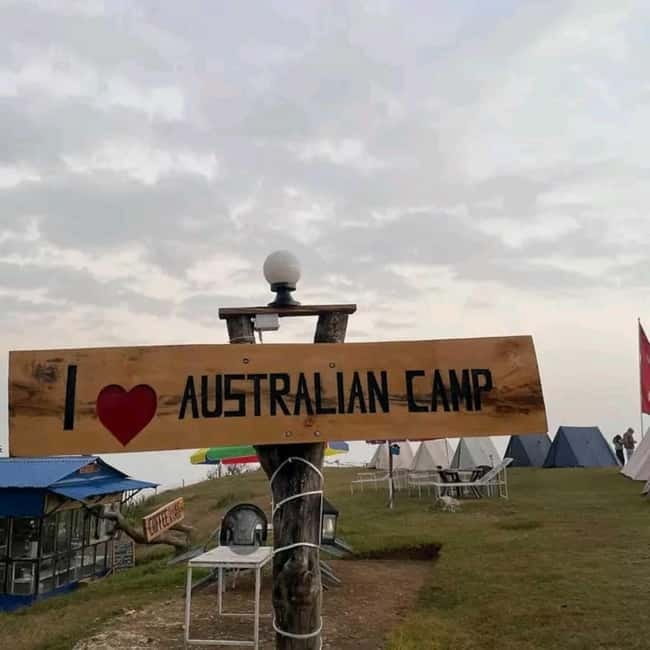
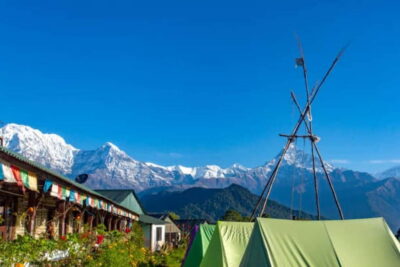
Australian Camp is the reason most people do this hike. Once you reach the trail head area (listed around 85 minutes of guided time), you spend the bulk of your hike focusing on viewpoint time—photos, peak spotting, and just taking in the moment.
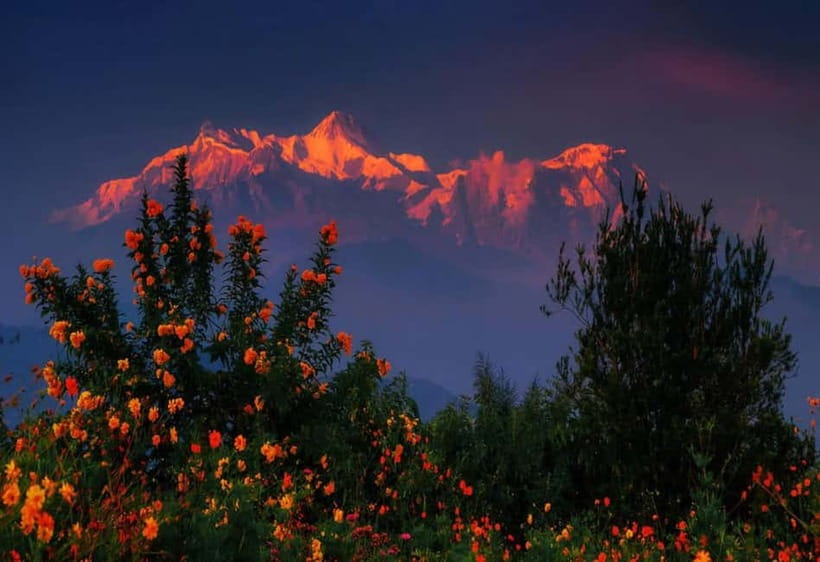
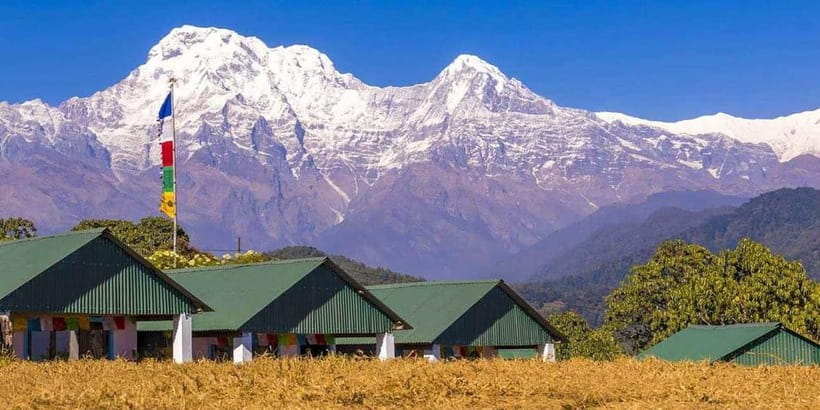
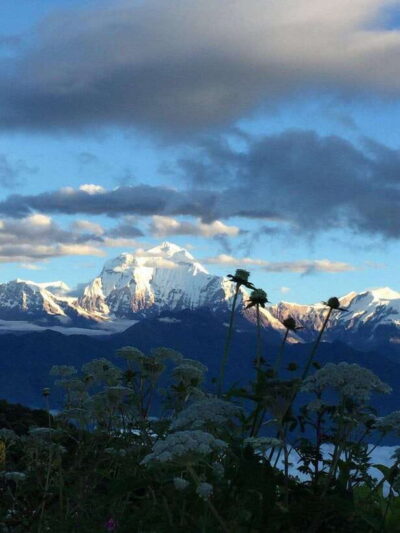
The target views are the Annapurna and Dhaulagiri ranges, and the experience is set up so you’re not constantly rushing. When the sky cooperates, the peaks can look close enough to feel dramatic, the kind of sight you’ll remember later when you compare photos from different seasons and weather.
Even with a slower pace, you still get movement and altitude gain on the way up. That’s important: this is not a stroll on a paved path. The good news is the tour is described as a short and easy day hike, so you’re not signing up for a multi-day grind.
The peak-view photo game: how to get better shots without stress
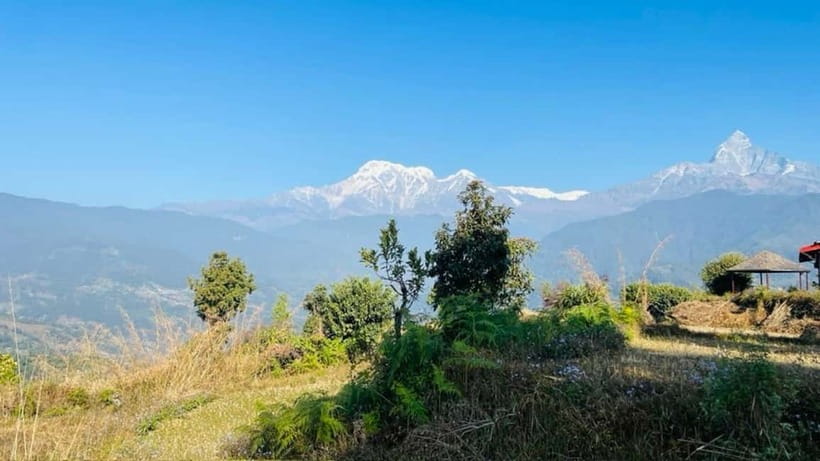
You’ll likely take a lot of pictures on this route, but the tour structure helps you do it without wasting the entire day. There are clear photo stop moments along the way—both near the trail head area and around Dhampus—so you can step aside, frame shots, and get back on track.
A practical tip: bring a hat and sunscreen even if it feels cool at the start. The sun can hit hard once you’re higher and walking with fewer shaded stretches. A camera is recommended, and it’s also worth having a phone with enough battery for repeated shots, because viewpoints can shift quickly when clouds move.
If you do get weather that isn’t perfect, don’t treat it like a failed day. Cloud cover can reduce the crispness of distant peaks, but you’ll still see plenty of ridges, valley views, and local detail—especially if you focus on angles that include the Pokhara side below.
More treks and hikes across the Annapurna region.
Lunch break at Dhampus: refuel, then keep your energy for the descent
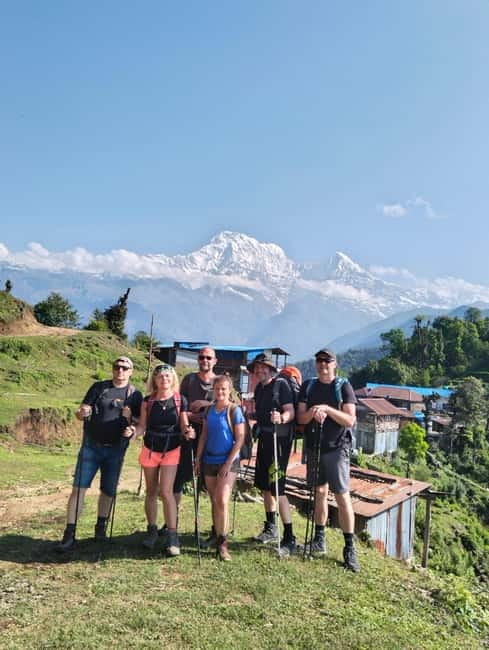
You’ll have a lunch stop around Dhampus (about an hour). The experience is described with a packed lunch vibe, but meals and drinks are also listed as not included—so treat this as a built-in meal time and double-check what’s actually provided when you book.
Either way, plan to refuel here, because the end of the hike has some effort. After lunch, you still have guided time, a viewpoint stop around Phedi, and then a return downhill to Kande.
This lunch break is also a good chance to drink water and slow down your breathing. If you’ve been rushing your pace for photos, this is where you can get your rhythm back.
Phedi viewpoint and the return to Kande: knees will notice
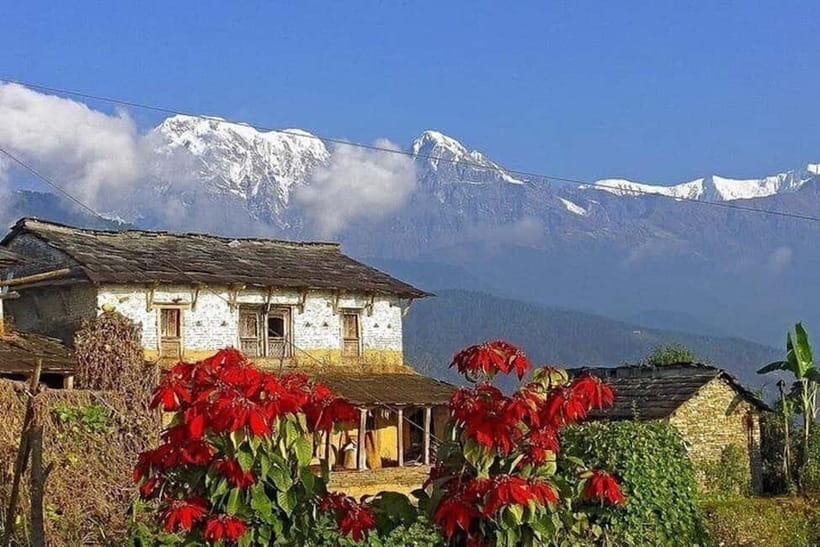
The route continues toward Phedi (about an hour of guided walk and visit time). This is a smart moment in the itinerary because the views start shifting again—you’re looking down toward Pokhara Valley and the Pokhara Valley and Phewa Lake area.
Then comes the descent back to Kande. One of the more honest pieces of feedback is that the downhill includes stone steps. That doesn’t mean it’s dangerous, but it does mean your legs will feel it, especially if you aren’t used to stairs.
If your body is even slightly sensitive, take shorter steps, keep your weight controlled, and use a steady rhythm. Comfortable shoes really matter here more than on the earlier uphill segments.
Gurung settlements: what you’re actually learning (beyond photos)
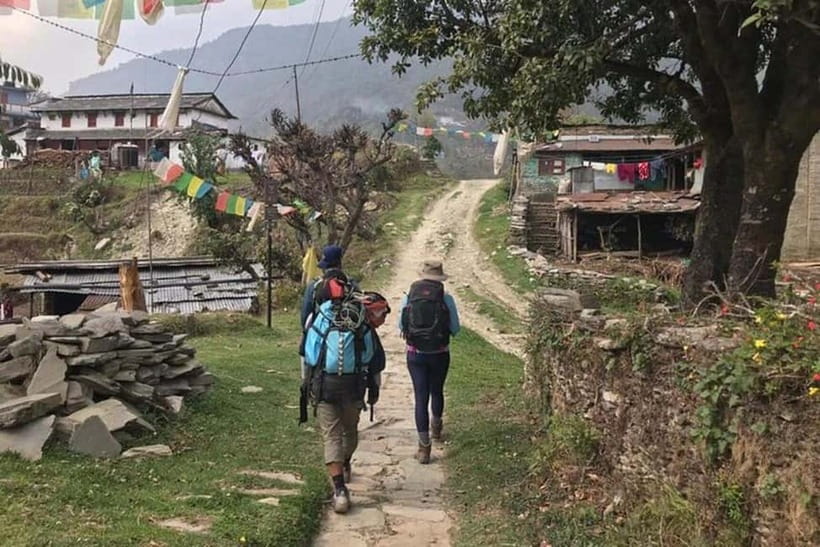
A big part of the value here is the guided cultural piece during the hike—time spent exploring Gurung settlements. You get a guided tour component while you’re already in the area, so it doesn’t feel like an extra detour that eats your hiking time.
In real terms, that means you’re not only looking at hills—you’re seeing how people live and how their community is shaped by the terrain. It also helps break up the day so it’s not just peaks and steps.
The best guides treat this like a conversation: you can ask questions, you can listen to explanations, and you’ll come away with more than a single image of mountains.
Guide quality, permits, and bag keeping: what’s included and why it’s worth it
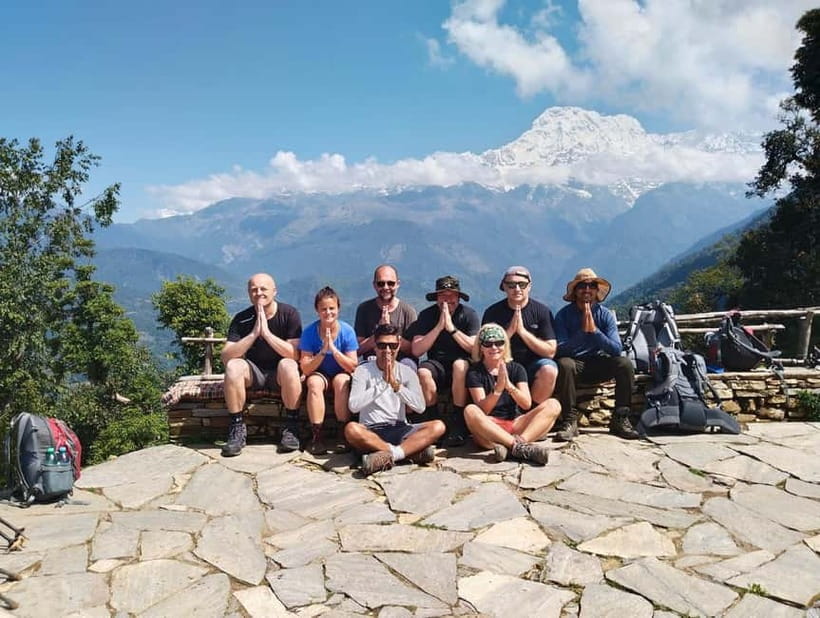
This is a guided tour with permits included, plus practical support at Pokhara bag keeping. There’s also a photograph included, which is a small but real perk when you’re hiking as a group and trying to capture peak shots.
At $65 per person, the value depends on how you think about the extras. Transfers are handled separately: you’ll arrange a car and pay $30 directly to the driver (no commission). That means your all-in cost may be closer to $95 plus any food or drinks depending on what your specific departure includes.
Still, compared to piecing together transport, permits, and a guide on your own, this packaged format saves time and reduces uncertainty. And on a hike where views are weather-dependent, having a guide who can manage pace and reduce stress is a big part of the payoff.
What to bring: simple items that make a real difference
This hike is short, but the sun and the steps are not the time to improvise. Bring:
- Comfortable hiking shoes (for stone steps on the way down)
- A hat and sunscreen
- Camera (or a phone with plenty of battery)
- A refillable water bottle (hydration matters on a half-day hike)
If you tend to get hungry mid-hike, snacks can be helpful too, even if there’s a lunch stop later. Not because the tour is hard, but because you’ll likely spend longer at viewpoints than you planned.
Smoking is not allowed during the hike, so keep that in mind if you’re a smoker and were hoping for a quick “just this once” break.
Who should pick this hike (and who should skip it)
This activity is listed as not suitable for wheelchair users, and it also flags pregnant women and people with back problems. Even though it’s described as short and easy, the downhill stairs and uneven paths make it a bad match for those conditions.
If you’re fit enough for a day hike and want a guided, efficient route with cultural time, this is a strong pick. It also suits people staying in Pokhara who don’t want to spend days on trekking logistics.
For families or mixed groups, the guided pace approach is usually what makes the difference. One piece of feedback highlighted that guides will check pace and keep an eye on comfort, so nobody gets left behind while everyone tries to get the same photo.
Weather reality: when the views are perfect and when they’re not
The main promise is panoramic mountain views, but the mountains are honest: when clouds roll in, the peaks can look less crisp. One guide’s service was praised even when the weather didn’t give full viewpoints, which is a good sign that you’re still getting real value from the guidance, pacing, and cultural time.
So I’d plan this hike as a day of mountain walking and village culture, with the peak view as the bonus. If the sky is clear, you’ll feel like you earned the moment. If it isn’t, you’ll still get an enjoyable outing and decent valley perspectives.
Should you book the Australian Camp day hike from Pokhara?
Book it if you want:
- a half-day hike that fits well into a Pokhara itinerary
- guided cultural time with Gurung settlements
- peak views targeted around Annapurna/Dhaulagiri angles
- a tour that includes the small extras like permits, bag keeping, and a photograph
Skip it if:
- you need wheelchair access or you’re dealing with back issues
- you’re pregnant (the hike is marked not suitable)
- you don’t want any uphill and downhill step sections
If you’re choosing between a random viewpoint drive and an actual hike, this is the better deal: you trade a little effort for a lot more satisfaction, and you get a guide to handle pace and the cultural context while you’re there.
FAQ
How long is the hike?
The tour runs about 6 hours total.
Where does the hike start and end?
You start from Kande and return to Kande, with time around Dhampus and a stop at Phedi on the way.
Is hotel pickup included in the price?
Yes. Pickup is available from Lakeside Pokhara hotels, and the guide waits about 10 minutes at your hotel lobby with a name card.
What languages are the guides?
The live tour guide is available in English and Japanese.
What’s included for $65, and what’s not?
Included: guide, permits, bag keeping facilitation at Pokhara, and a photograph. Not included: meals and drinks, plus you arrange the car transfer (paid $30 directly to the driver).
Do I need to pay extra for the car transfer?
Yes. The car transfer is arranged by the tour, and you pay $30 directly to the driver.
What should I bring, and is smoking allowed?
Bring comfortable hiking shoes, a hat, sunscreen, and a camera (and a refillable water bottle is recommended). Smoking is not allowed during the hike.
More Treks in the Annapurnas
Also Reviewed Around Pokhara
Newer Ghandruk reviews to browse before you decide
Australian Camp & Dhampus Hikes, compared.
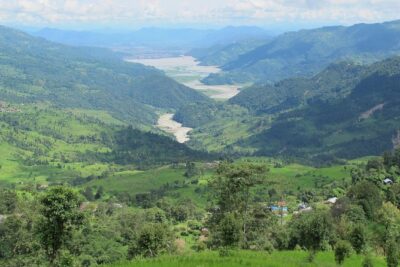 ★ 5.02-Day Private Trekking Tour to Australian Camp & DhampusFrom $9942 reviews
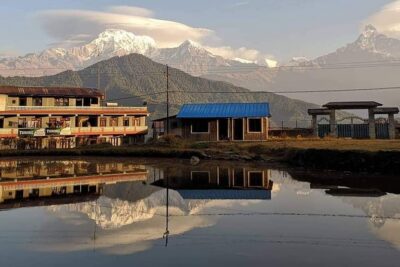 ★ 5.01-Day Private Dhampus Trekking TourFrom $6735 reviews
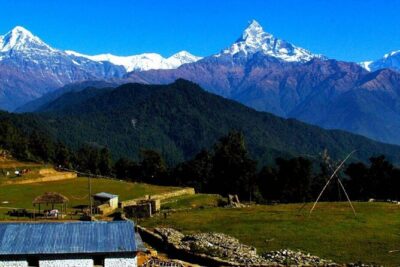 ★ 5.0Easy Day Hike to Australian Camp & Dhampus VillageFrom $5824 reviews
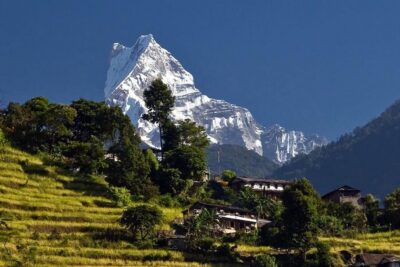 ★ 4.8Australian Base Camp Day Hike From PokharaFrom $3919 reviews
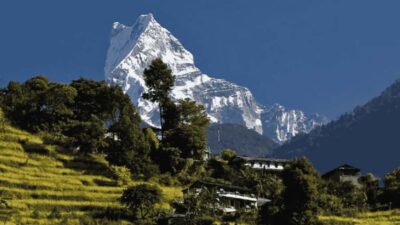 ★ 4.9Guided Day Hike From Dampus To Australian Base CampFrom $5516 reviews
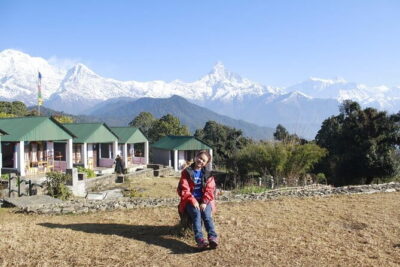 ★ 5.0Easy Day Hiking to Australian Camp from PokharaFrom $10014 reviews
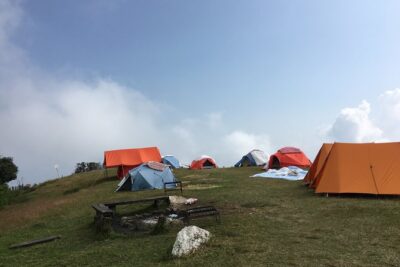 ★ 5.0Australian Camp and Dhampus easy hikingFrom $5112 reviews
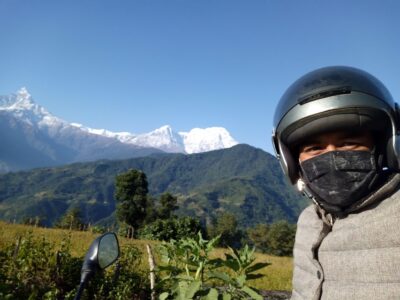 ★ 4.91 N 2 Days easy Dhampus,Australian camp trek from PokharaFrom $8610 reviews
Browse the lists this tour appears in