
Reviewed · AUSTRALIAN CAMP & DHAMPUS HIKES
Pokhara: Easy Day Hike to Australian Camp & Dhampus Village
The Annapurna views start fast, not later. This Pokhara day hike pairs a classic climb to Australian Camp with a down-valley stop in Dhampus Village, so you get big mountain scenery in a few hours without committing to a multi-day trek. I also like the plan’s balance: a steady uphill, a view-filled break at camp, then an easier descent with a vehicle waiting. One small catch: the route includes lots of steps, so even though it’s classed as easy, it can feel tough if you’re not used to stairs.
In This Review
- Quick hits before you go
- Australian Camp and Dhampus: the vibe and why it’s worth it
- From Lakeside Pokhara to Kande: start timing and the ride out
- The climb to Australian Camp: what the uphill feels like
- Lunch at the top: the best part of the effort
- Descending to Phedi: quick legs, sore knees
- Dhampus Village stop: the cultural thread that makes it more than views
- Sarangkot viewpoints and why timing matters
- Guides, English, and that on-the-ground difference
- Price and value: is $58 per person a good deal
- Who should do this hike (and who might want to reconsider)
- What to pack and how to make the day feel easier
- Should you book the Australian Camp and Dhampus day hike?
- FAQ
- What time does the hike start?
- Where do I meet the group in Pokhara?
- How long does the hike take?
- Is pickup included?
- Is this tour private?
- Which parts include admission tickets?
- How long is the trek to Australian Camp?
- How long do you spend walking to Phedi?
- Is the hike suitable for most people?
- Can I get a refund if I cancel?
- Are service animals allowed?
Quick hits before you go
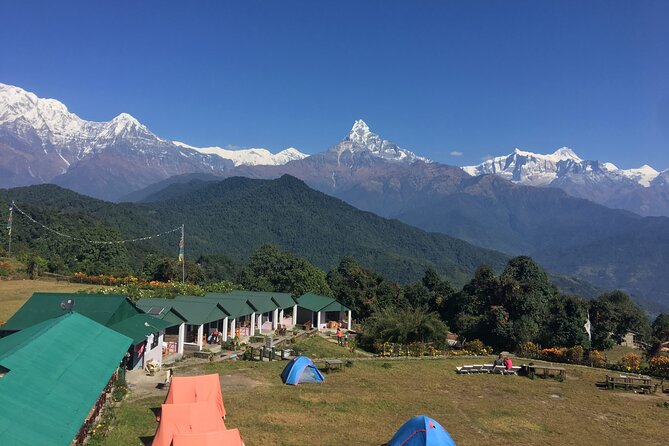
- Australian Camp in a half-day feel: a short trek that still brings major panoramas, including Machhapuchhre.
- Real village time at Dhampus: a focused look at day-to-day life and trekking culture in the area.
- Good guide energy: names like Bidur, Santosh, and Sadichchha show up in the operator’s guide mix, often with strong English.
- Clear-day payoff: when the skies cooperate, the views are the star of the show from multiple viewpoints.
- Built for comfort: pickup offered, mobile ticket, and a vehicle ride back from the lower point.
Gentler hikes to Australian Camp and Dhampus, a few more picks.
- 2-Day Private Trekking Tour to Australian Camp & Dhampus★ 5.0 · 42 reviews
- 1-Day Private Dhampus Trekking Tour★ 5.0 · 35 reviews
- Pokhara: Easy Day Hike to Australian Camp & Dhampus Village★ 5.0 · 24 reviews
- Australian Base Camp Day Hike From Pokhara★ 4.8 · 19 reviews
Australian Camp and Dhampus: the vibe and why it’s worth it
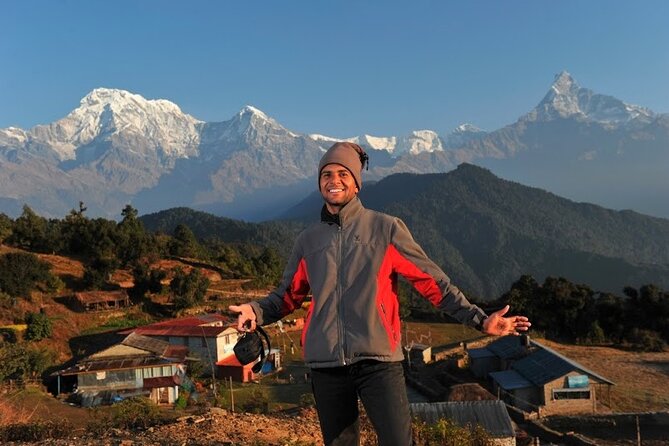
This is the kind of day hike you do when you want Nepal’s mountains to feel close, but you don’t want your whole vacation eaten by trekking. You start in Pokhara and head out toward the higher viewpoints. Then you hike up, reach Australian Camp, take in the scenery, and continue toward lower villages for a quick cultural stop before returning.
I like that the route is structured enough to feel simple. You’re not guessing where to go. A guide helps you keep rhythm on the stairs and makes the time feel meaningful instead of just walking from A to B.
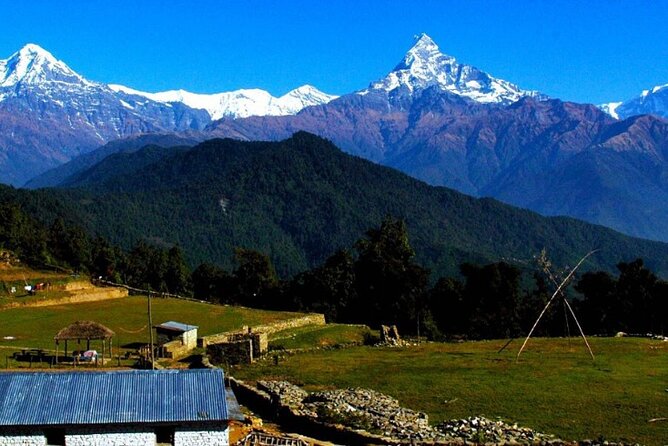
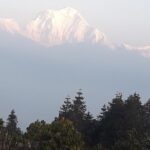
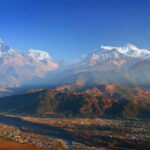
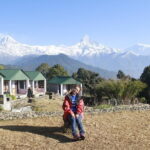
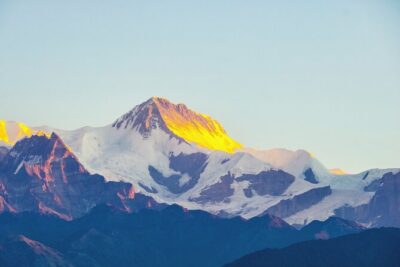
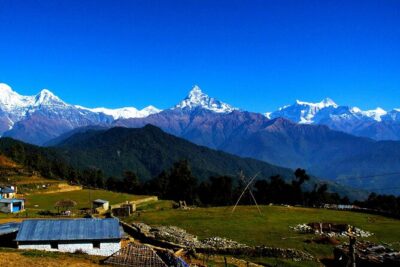
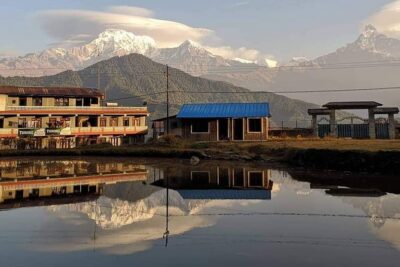
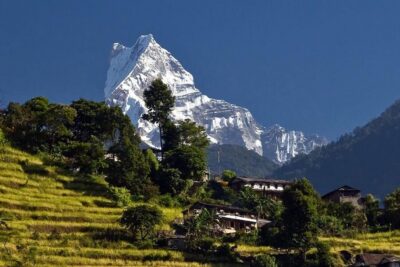
The big reason to book is the view list. From the Australian Camp area, you can get wide panoramas of peaks such as Machhapuchhre (Fishtail), Annapurna South, Hiuchuli, Annapurna II and IV, and Lamjung Himal. You’re also in the general zone of well-known viewpoint areas near Sarangkot, so you’re not just walking through trees and hoping for a lucky photo.
One practical thing to keep in mind: the day is short, but the uphills can still wear you out. Even if you’re capable, the steps make it feel more like a stair workout than a gentle forest stroll.
From Lakeside Pokhara to Kande: start timing and the ride out
The day begins at 8:15 am at the meeting point near the Lakeside area in Pokhara. If you’ve stayed near the lake, this is a nice setup because you’re not crossing the city at weird hours.
You’ll travel by vehicle to the start of the trek, described as going to Kande. That transfer matters because it saves your legs before you reach the stairs. In a short hike like this, the difference between starting fresh and starting tired is huge.
I also appreciate that pickup is offered. That’s one less logistical puzzle, especially on a day when you’re trying to enjoy the mountains instead of managing timing. The tour runs about 5 to 7 hours, so you’re not tying up your whole day.
If you’re sensitive to motion sickness, you might still want to prepare as you drive out of Pokhara. The route includes a vehicle transfer before the uphill, and roads in the hills can feel bumpy.
The climb to Australian Camp: what the uphill feels like
Once you reach the start area, the climb to Australian Camp takes about 2 hours. The hike itself is described as one of the easier options in the Annapurna region, which is exactly why it’s popular as a first Himalayan trek.
Still, here’s the honest feel: expect many steps. That detail matters. For a child or someone used to stairs, the pace can feel manageable. For adults who aren’t, it can feel harder than the word easy suggests. The good news is that this is a short climb. You’re not suffering for hours. You just need to pace it.
I’d treat the first part as a warm-up for the lungs and legs. Move slowly, take small breaks, and keep your eyes on the views as they open up. On a clear day, the sense of relief is real when Machhapuchhre starts to come into view.
One more tip from guide experience patterns: the better guides keep the hike from going numb. The operator’s guide lineup has included people like Bidur, who’s described as staying close and offering historical context, and Santosh, noted as on time and knowledgeable. That kind of guidance helps you keep a steady effort without constantly checking your watch.
Lunch at the top: the best part of the effort
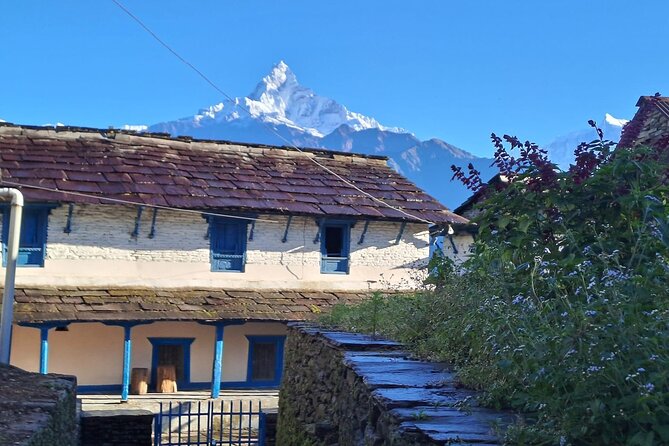
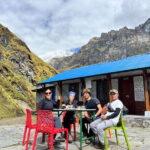
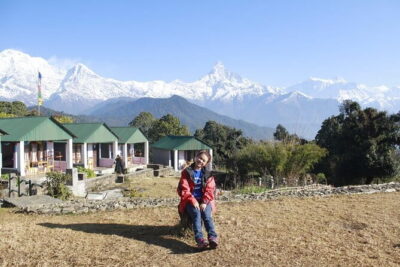
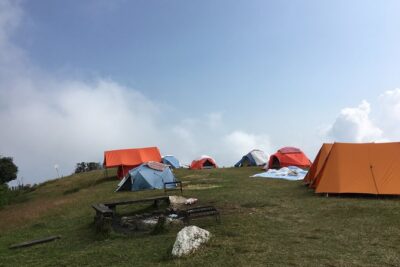
Reaching Australian Camp is where the payoff kicks in. After the climb, you’ll have lunch with mountain views. Even if you’ve eaten breakfast, this break is more than a meal. It’s your moment to slow down and actually look.
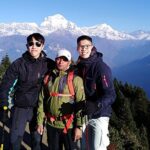
This is when that full Annapurna-style panorama becomes the main event. The view list includes peaks like Machhapuchhre (Fishtail) and Annapurna South and also Annapurna II and IV, depending on cloud cover and sightlines.
If you get a clear morning, you’ll likely feel like you’re cheating—like the mountains are too generous for the effort you put in. On days with thinner visibility, the views might be less dramatic, but camp still serves as a solid goal that keeps the hike feeling purposeful.
Also, a steady lunch break helps you recharge before the next push downhill. In short treks, your energy management is everything. If you race, you pay later on the descent.
More treks and hikes across the Annapurna region.

Descending to Phedi: quick legs, sore knees
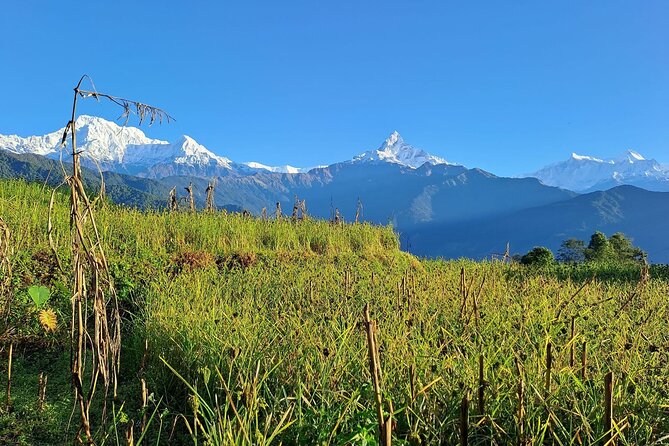
After lunch, the plan takes you onward to Phedi, with the next walking stretch around 2 hours. This part is typically easier on the lungs but can be harder on knees and ankles because downhill can be tricky.
The route details say that once you reach Phedi, your vehicle picks you up and drives you back toward Pokhara. That pickup is a big quality-of-life feature. You get a finish without having to keep walking all the way back.
I’d use the downhill as a chance to regulate. Short steps, careful footing, and frequent micro-pauses keep you from burning out your legs. If stairs were your challenge going up, going down is where you’ll want to slow even more.
If you’re traveling with someone who worries about fatigue, this is where the hike often wins trust: you can feel the day “end” instead of dragging on.
Dhampus Village stop: the cultural thread that makes it more than views
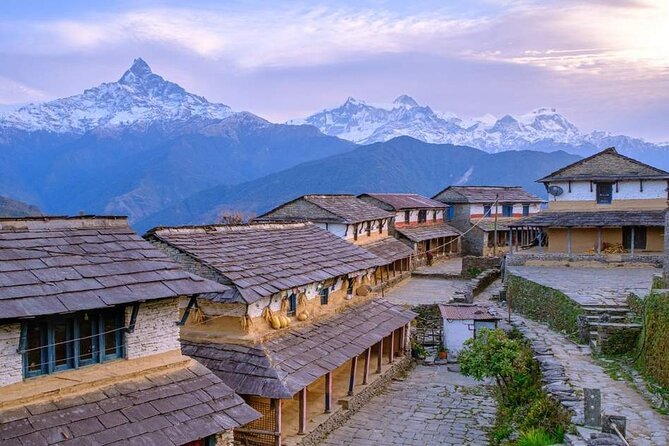
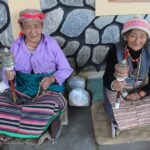
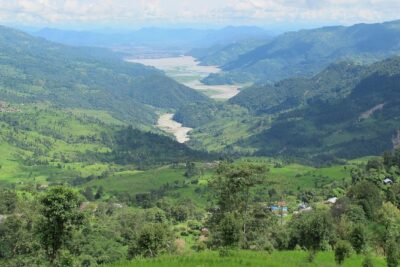
This day hike also includes a stop in Dhampus Village, lasting about 1 hour. Dhampus is known for panoramic Himalayan views and for traditional Gurung culture, plus trekking trails that bring visitors into village life.
What I like about the Dhampus stop is that it breaks the day’s rhythm. You’re not only working upward for scenery. You get a short look at how people live in the countryside—simple, real, and not just photo backdrops.
You’ll be in a region where trekking is woven into daily life, so even a short visit can feel more human than a purely scenic viewpoint. If you’re the type who likes meeting local people and asking basic questions (life, seasons, work), this stop gives you a comfortable window.
One possible drawback: since the Dhampus portion is brief, you shouldn’t expect a deep cultural program. It’s a quick village moment inside a day hike, not a long homestay experience.
Sarangkot viewpoints and why timing matters
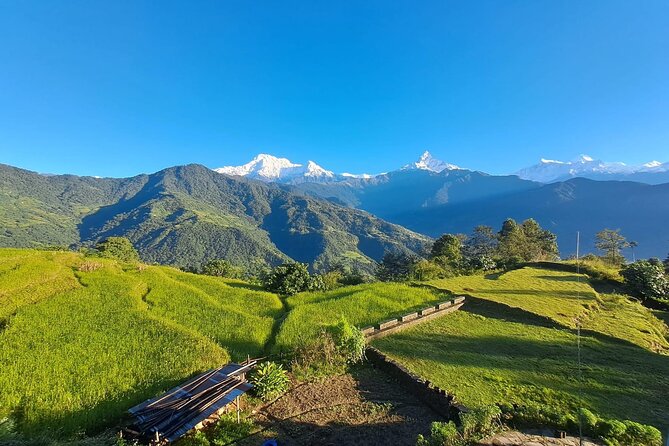
The hike plan also mentions stops around well-known viewpoint areas connected with Sarangkot. That’s important because it adds extra chances for mountain views during the day, not just at the final camp.
If the sky is clear, you’ll likely feel like you’re getting multiple “mini goals.” Each viewpoint can refresh your attention and make the rest of the trek feel lighter.
If clouds roll in, you’ll still get the benefit of being in the right region at the right time. But cloud cover is always the wild card in the Himalayas, so go in with flexible expectations.
Practical advice: keep your phone handy but don’t stare at it. The best photos usually come when you step back, look, and then frame quickly.
Guides, English, and that on-the-ground difference
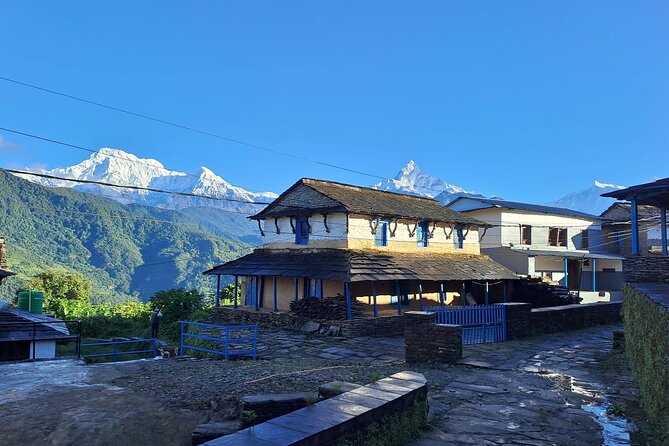
On paper, this is a short hike. In real life, the guide can change the whole feeling of it.
The guide experience reported for this type of hike highlights two things you’ll care about fast:
- Clear English: one person noted that the guide’s English was easy to understand, with no strong accent blur.
- Good timing and pacing: guides described as arriving on time and staying engaged can help you avoid the common problem of overexerting too early.
You might meet guides like Sadichchha, described as friendly and chatty, or Bidur, noted for being supportive and sharing historical context while staying close. Even if your exact guide isn’t the same person, this is a good sign about how the operator runs the day: the hike is short, so communication quality matters.
If you like learning as you walk, choose this trek partly for the people. A knowledgeable explanation about what you’re looking at turns a view into a story you remember.
Price and value: is $58 per person a good deal
At $58.00 per person, this sits in the “value for time” category. You’re paying for a structured half-day to full-day experience with planning, transport, and guide support—plus included entry for at least one key part.
Here’s how the value adds up based on what’s included:
- Pickup offered (time and hassle saved).
- Mobile ticket.
- Australian Camp admission ticket included.
- Dhampus admission free.
- Group discounts (if you’re traveling with others, your cost can improve).
The real question is whether you’ll use what you’re paying for. If you want mountains plus village life in one day, and you don’t want to figure out logistics yourself, $58 can feel fair. If you only want views and you already know how to self-organize hikes around Pokhara, you could find cheaper options. But you’d give up the “everything works in the right order” convenience.
Booking earlier can help too. This activity is commonly booked about 29 days in advance, so if you want a specific day, don’t wait until the last minute.
Who should do this hike (and who might want to reconsider)
This trek is designed so most travelers can participate. That fits people who can handle moderate walking and stairs.
It’s a great match if:
- you want your first Annapurna-region experience without committing to a long trek
- you want a clear itinerary with pickup and transport back
- you like the idea of combining views + a village stop
- you’re traveling with a child or someone who benefits from shorter segments (the route length is built for that)
Consider skipping or going extra careful if:
- you have knee issues that don’t handle downhill well
- you struggle with stairs, since the route includes many steps
- you’re expecting a long, deep cultural exchange (Dhampus is time-limited)
The best approach is to think of this as an active sightseeing day. You’ll feel the hike, but you’ll also feel the finish.
What to pack and how to make the day feel easier
Because the day includes uphill steps, downhill walking, and changing light conditions, pack like you’re doing a proper hike—even if it’s short.
Practical items to bring:
- water (and a way to keep it accessible)
- a light layer for early morning cool air
- sturdy shoes with good grip for steps and descent
- a small snack for between lunch and the next walking stretch
Pacing tip: start slower than you think you need to. On stair-heavy hikes, speed early often leads to slower walking later. Keep your effort steady, and you’ll enjoy the views instead of just tolerating them.
If you tend to get tired on descents, plan mentally for the “knee moment” during the Phedi approach. That’s where careful steps pay off.
Should you book the Australian Camp and Dhampus day hike?
If your goal is a short, scenic Pokhara day with a real sense of achievement and a village stop, I’d say yes. The price makes sense when you factor in pickup and included Australian Camp admission, and the hike’s structure helps you focus on the mountains instead of logistics.
Book it if you’re excited about Machhapuchhre and Annapurna views, you’re okay with stairs, and you want an active day that still ends with a vehicle waiting at Phedi.
Skip or reconsider if stairs and downhill are major issues for you. This is easy in trekking terms, not always easy in body terms.
FAQ
What time does the hike start?
The experience starts at 8:15 am.
Where do I meet the group in Pokhara?
The meeting point is Lakeside Pokhara 33700, Nepal.
How long does the hike take?
The duration is about 5 to 7 hours.
Is pickup included?
Yes, pickup is offered, and the plan also includes a vehicle ride back to Pokhara after reaching Phedi.
Is this tour private?
Yes. It’s listed as private, meaning only your group will participate.
Which parts include admission tickets?
Australian Camp includes an admission ticket (included). Dhampus admission is listed as free.
How long is the trek to Australian Camp?
From the start near Kande, the climb to Australian Camp takes about 2 hours (and the Australian Camp stop is listed as around 3 hours as part of the experience plan).
How long do you spend walking to Phedi?
After lunch at the camp, the walk to Phedi is described as about 2 hours.
Is the hike suitable for most people?
The experience is marked as suitable for most travelers.
Can I get a refund if I cancel?
Yes. Free cancellation is available if you cancel up to 24 hours in advance for a full refund.
Are service animals allowed?
Yes, service animals are allowed.
If you want, tell me your hiking comfort level (stairs OK or no?) and whether you’re going for sunrise-style photos or a relaxed day. I’ll help you judge if this exact route fits your pace.
More Treks in the Annapurnas
Also Reviewed Around Pokhara

Easy Hikes: Australian Camp and Dhampus
Newer Pokhara reviews to browse before you decide

Australian Camp & Dhampus Hikes, compared.
 ★ 5.02-Day Private Trekking Tour to Australian Camp & DhampusFrom $9942 reviews
 ★ 5.01-Day Private Dhampus Trekking TourFrom $6735 reviews
 ★ 4.8Australian Base Camp Day Hike From PokharaFrom $3919 reviews
 ★ 4.9Guided Day Hike From Dampus To Australian Base CampFrom $5516 reviews
 ★ 5.0Easy Day Hiking to Australian Camp from PokharaFrom $10014 reviews
 ★ 5.0Australian Camp and Dhampus easy hikingFrom $5112 reviews
 ★ 4.91 N 2 Days easy Dhampus,Australian camp trek from PokharaFrom $8610 reviews
 ★ 5.0Day hiking to Dhampus – Astam VillageFrom $667 reviews
Browse the lists this tour appears in