
Reviewed · AUSTRALIAN CAMP & DHAMPUS HIKES
1 N 2 Days easy Dhampus,Australian camp trek from Pokhara
An easy trek with big mountain payoff. In just two days you get that classic Annapurna panorama experience, with sunrise and sunset views from Australian Camp that feel like free upgrades to your life plan. I also love how the trip mixes views with local rhythm, not a rushed checklist.
My second favorite part is the switch from viewpoint hiking to Dhampus, a traditional Gurung village at around 1,700 meters, where you’ll see stone homes, terraced hills, and village life up close. One consideration: this is short, but it’s not flat. Some sections include steps that can feel tough, and if fog or cloud rolls in, the mountains can hide.
In This Review
- Key highlights worth your time
- The 2-day Dhampus plus Australian Camp plan (and why it works)
- Getting from Pokhara to the trailhead: drive first, legs later
- Australian Camp (Thulo Kharka): the sunrise and 180-degree view setup
- Overnight at a guest house: what that night usually feels like
- The Dhampus drop-off: from viewpoints to a real Gurung village
- Guides make or break this short trek: pace, safety, and calm talk
- Price and value: why $86 can make sense for this route
- Difficulty check: short, but steps are real
- Best season: when the Annapurna views are most likely
- What to bring (and what to skip)
- Who this trek suits best
- Should you book the Dhampus + Australian Camp trek?
- FAQ
- How long is the trek?
- Where do you start from in Pokhara?
- How much walking is there to Australian Camp?
- Is food included in the price?
- What does the trip include besides the guide?
- What language will the trekking guide speak?
- What should I bring?
- Is the trek suitable for everyone?
Key highlights worth your time
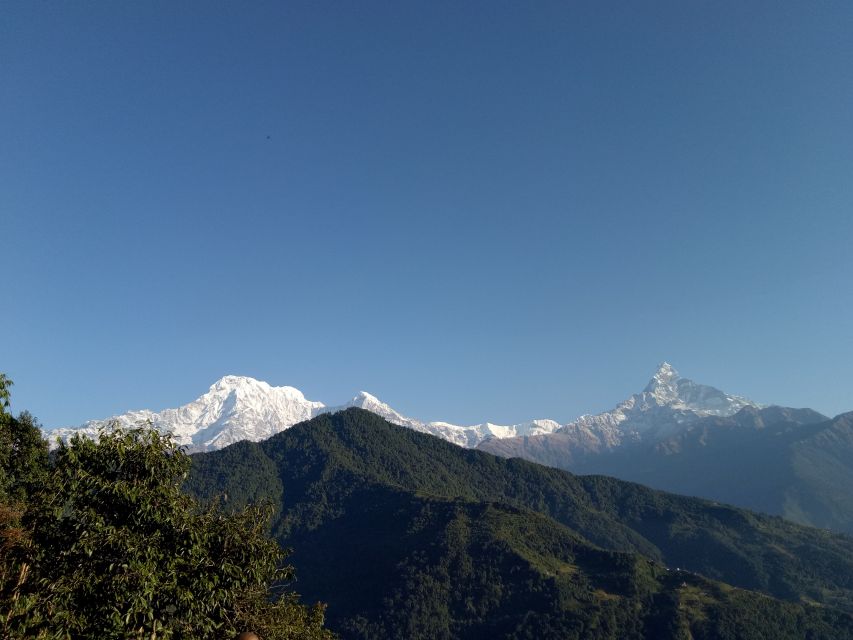
- 180-degree panoramic views on clear, sunny days from Australian Camp (Thulo Kharka)
- Sunrise and sunset mountain moments with plenty of time for photos
- Dhampus Gurung village culture at about 1,700 meters, with stone houses and narrow lanes
- Built for short attention spans: real trekking just in 2 days from Pokhara
- Weather-flexible guidance when visibility drops, your guide may adjust the plan for a better second day
Gentler hikes to Australian Camp and Dhampus, a few more picks.
- 2-Day Private Trekking Tour to Australian Camp & Dhampus★ 5.0 · 42 reviews
- 1-Day Private Dhampus Trekking Tour★ 5.0 · 35 reviews
- Pokhara: Easy Day Hike to Australian Camp & Dhampus Village★ 5.0 · 24 reviews
- Australian Base Camp Day Hike From Pokhara★ 4.8 · 19 reviews
The 2-day Dhampus plus Australian Camp plan (and why it works)
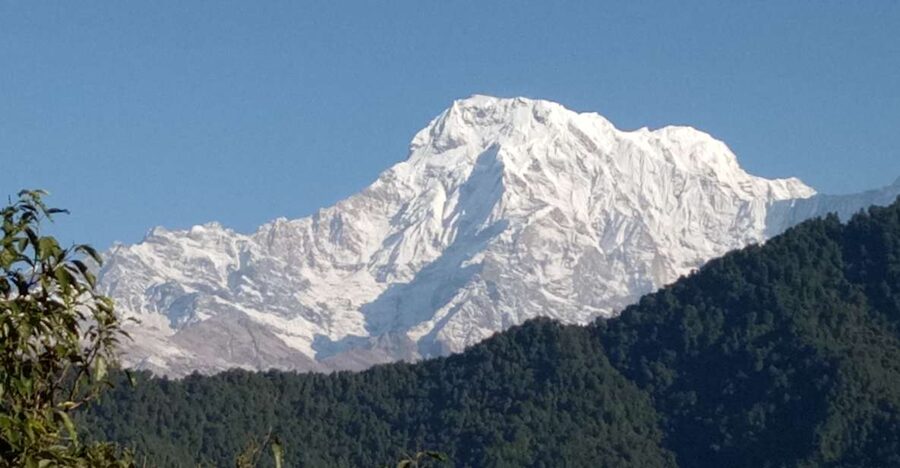
This is the kind of trek you do when you want Himalaya payoff without committing to a long trek schedule. You start from Pokhara, drive to the trailhead, hike up to Australian Camp, sleep in a guest house setting, then catch sunrise before dropping down toward Dhampus Phedi and back to town.
The big idea here is efficiency. Australian Camp sits around 2,100 meters, and Dhampus is lower at roughly 1,700 meters. That means you’re gaining and losing elevation over a short span, so you can enjoy viewpoints and still get a full day of recovery—if you move at a sensible pace.
And the viewpoint logic is strong. Australian Camp is known for wide views of the Annapurna range, while Dhampus adds the cultural layer: village streets, terraced fields, and that Gurung hospitality feel you’re looking for when you travel in Nepal, not just for photos.
Getting from Pokhara to the trailhead: drive first, legs later
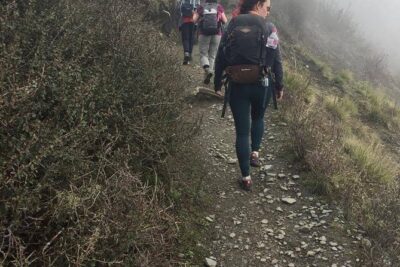
Day one begins with a hotel pick-up in Pokhara, then a drive to Kande Naudanda. From there you start hiking toward Australian Camp, roughly a 2-hour walk.
Why this matters for you: the drive saves time and keeps the trek from turning into a full travel-day ordeal. It also helps if you’re arriving in Pokhara with fresh legs but limited patience. You get moving early enough to enjoy sunset, but you’re not burning your energy climbing right out of the car.
Also, since this is a private group trek with a guide, you’ll typically get a pace that matches your walking comfort. People in the feedback specifically praised guides who repeatedly stressed take your time / slow down and take time, which is exactly what you want when the trail includes uneven stone steps.
Australian Camp (Thulo Kharka): the sunrise and 180-degree view setup
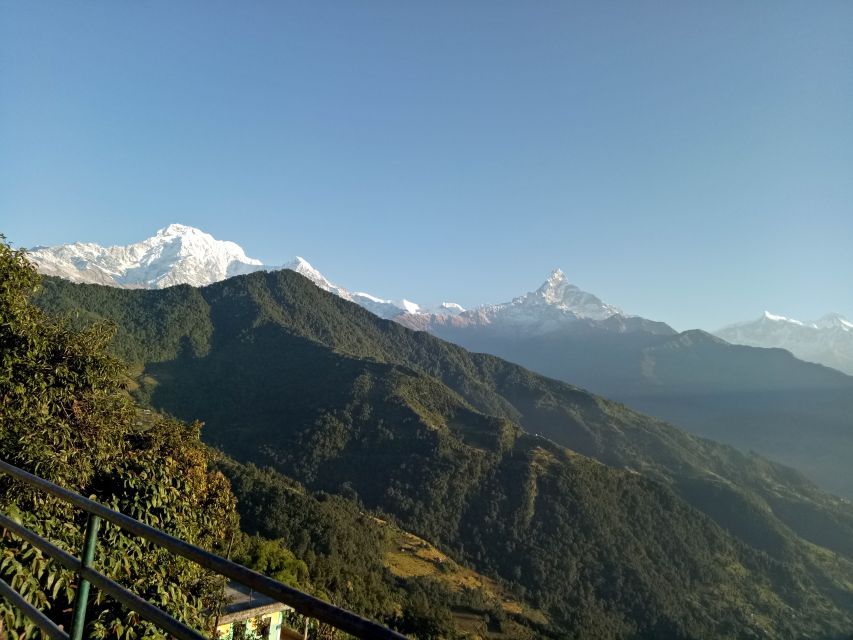
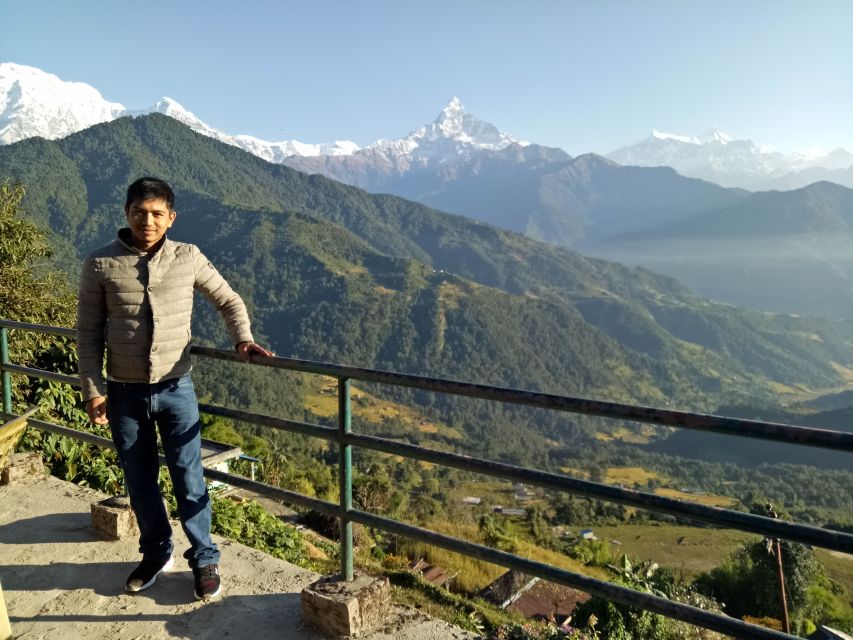
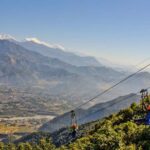
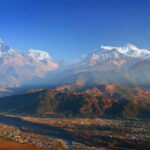
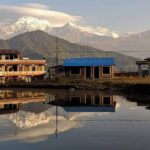
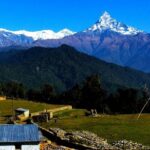
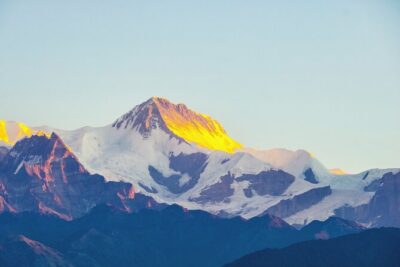
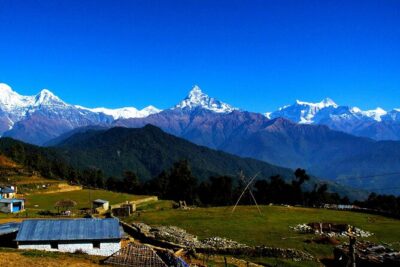
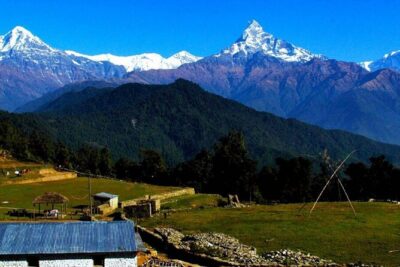
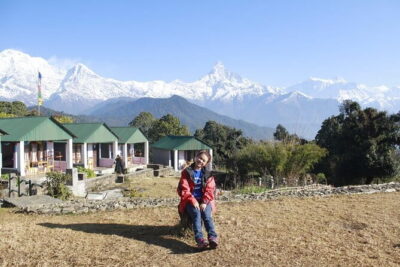
Australian Camp is the main event. It’s why people pick this trek in the first place. The camp is famed for panoramic mountain scenes across the Annapurna and Dhaulagiri ranges, and the best timing is sunrise and sunset.
On a clear morning, the sunrise experience can feel almost unfair. The mountains come into view, the light changes fast, and suddenly your camera roll becomes a full-time job. In feedback, guides were the difference between hurried scrambling and a calmer, photo-friendly pace. You’re not just rushing to stand somewhere and suffer. You get time to watch the sky do its thing.
The trail and timing also help. You hike up on day one to reach Australian Camp in time for sunset. Then the next morning you rise early enough for sunrise. That gives you two chances at good visibility instead of one.
If you’re worried about clouds, you’re not wrong to think about it. One person described how weather on day one was bad and visibility was limited, and the trip still turned out great thanks to smart decision-making by their guide. Another review noted fog blocked mountain views, but the hike itself still felt like a worthwhile day out.
Overnight at a guest house: what that night usually feels like
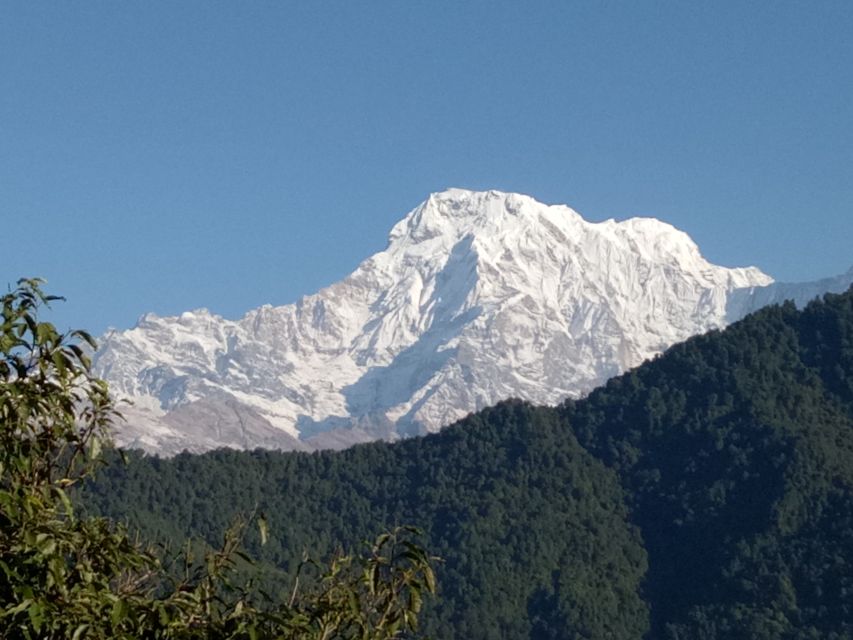
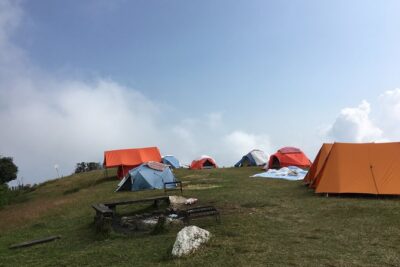
At Australian Camp, you stay overnight at a lodge/guest house setting. This matters because it’s not just sleeping after hiking—it’s part of the viewing rhythm.
When the weather is cooperative, you wake up early and the mountains are there. When it isn’t, the night becomes a patience test. The good news: the trek is short enough that it doesn’t spiral into a multi-day misery streak. And several guides mentioned in feedback handled this with flexibility, including adjusting the overnight plan to reduce stress and protect the second day when clouds rolled in.
Your reality check: guest house comfort is usually simple. The upside is the location. You’re spending the night in the hills where the air feels different and the day’s effort makes the sunrise feel earned.
More treks and hikes across the Annapurna region.
The Dhampus drop-off: from viewpoints to a real Gurung village
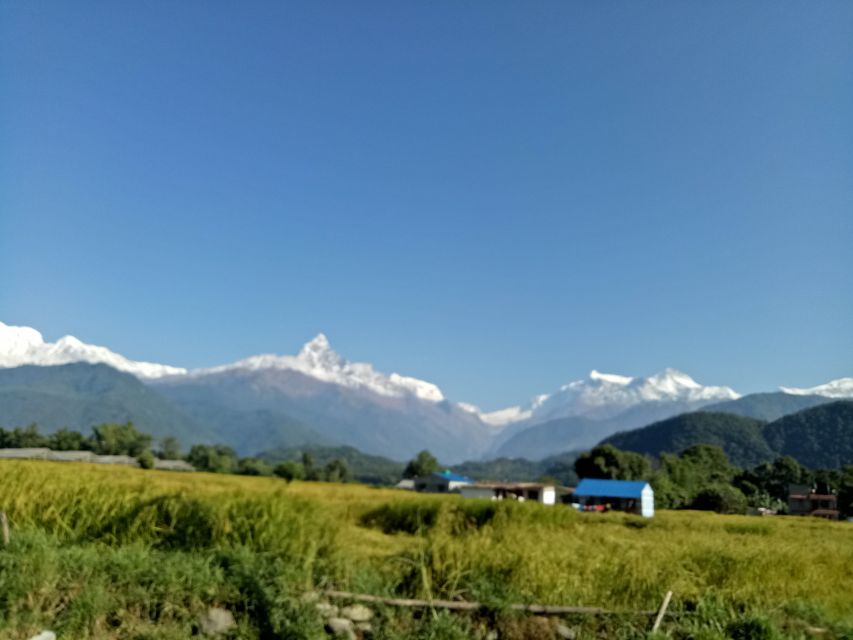
After sunrise viewing and breakfast, day two is a hike down to Dhampus Phedi, followed by a drive back to Pokhara.
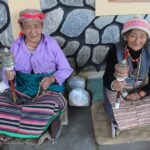
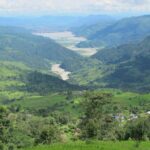
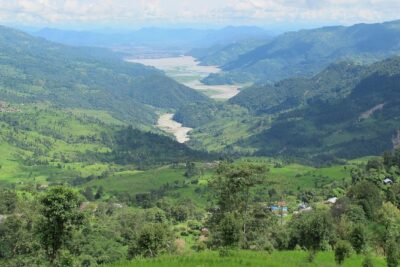
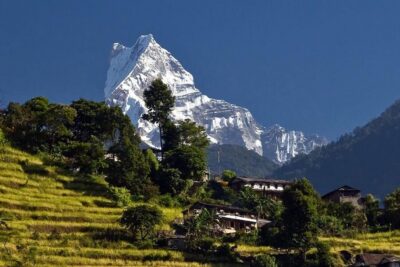
This is where the trek becomes more than sightseeing. Dhampus is a traditional Gurung village at around 1,700 meters. You’ll pass terraced fields and move through areas with stone houses, narrow lanes, and village daily life. It’s a slower, more human scale than the viewpoint crowd you might expect on longer routes.
What I like about this portion for you: it gives your legs a break without removing the “Nepal trekking” feeling. It’s not a flat stroll. You still feel that you hiked. But the focus shifts from chasing views to noticing life—how people live, how communities share space, and how the mountains shape daily routines.
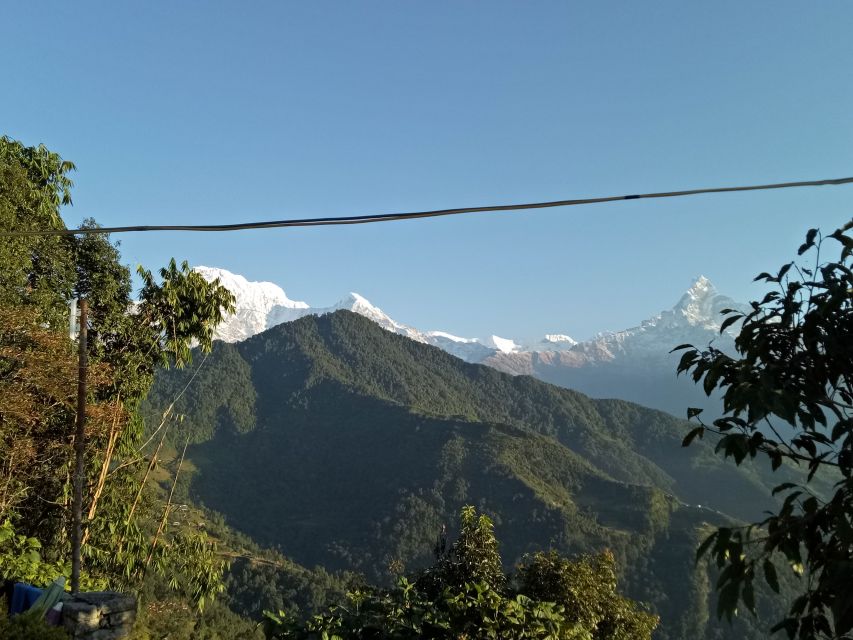
One of the feedback themes was how Dhampus offers a local experience that you wouldn’t get if you only stayed at higher campsites. Also, there can be less-than-perfect photo angles due to things like visible wires in some spots. The fix is simple: walk a bit with your guide and look for angles where the village and peaks line up better.
Guides make or break this short trek: pace, safety, and calm talk
Because this trip is compact, the guide’s approach becomes extra important. You’ll be hiking early, climbing steps, and dealing with changing visibility. That’s why so many reviews focused on calm guidance and safety habits.
In the feedback you can see recurring guide names like Amrit, Biru, Biruenda, Milan, and Armit. The consistent praise wasn’t just English ability—it was the way guides matched your speed and watched for comfort. One review mentioned a guide carrying a participant’s bag, which is a small kindness that turns into a big difference when you’re tired.
Here’s what to expect in practice:
- You’ll get clear instructions and a steady pace.
- If you slow down, the guide will usually help you slow down properly, not shame you for it.
- Guides in the feedback also described checking for tricky footing on slippery sections.
You’re paying for the guide more than you think. On a 2-day trek, good pacing is the difference between enjoying the view and feeling like you spent the whole trip climbing in self-defense.
Price and value: why $86 can make sense for this route
The price listed is $86 per person for a 2-day private trek. That sounds “easy-budget” until you see what’s included.
What you typically get included:
- Hotel pickup and drop-off in Pokhara
- Round trip private transport
- A professional English speaking trekking guide
- Accommodation in a guest house
- Emergency first aid kit with the guide
- All official documents
- A private trip setup
What’s not included:
- Food and drinks (available to purchase)
So the value equation is pretty straightforward. You’re not just paying for trail time—you’re paying for transportation out of Pokhara, a guide to manage route and safety, and your overnight lodging. For a short trek, that package can be a good deal because the “hidden costs” of transport and guide time are baked in.
If you’re budgeting, plan to cover your meals yourself. On a trek this short, food costs usually stay reasonable, but it’s still an add-on you should expect.
Difficulty check: short, but steps are real
Even though the trek is marketed as easy, don’t assume it’s a stroll. One review highlighted how the stone stairs on the way up can be challenging. Another mentioned the hike to Australian Camp being about 1–2 hours, which is manageable, but still means sustained uphill effort.
What this means for you:
- Comfortable shoes matter more than you think.
- Take breaks when the guide says so, not when you’re already miserable.
- If you’re not in great shape, a good guide helps a lot. Feedback praised guides who adjusted pace and encouraged people to finish feeling good.
If fog or rain reduces mountain visibility, it can also change how you feel on the hike—more slippery footing, less visual reward. The good part: the trek duration is short, so you’re not trapped for days without views.
Best season: when the Annapurna views are most likely
The recommended best times are:
- March to May
- September to December
This aligns with what most people hope for in the Annapurna region: clearer skies and better visibility. If you go outside these windows, you might still have a great time, but you should mentally prepare for the mountains to play hide-and-seek.
What to bring (and what to skip)
You only need a few basics:
- Passport or ID card
- Comfortable shoes
That’s it for the “must-have” list. For the rest, follow your usual trekking sanity rules: dress in layers, protect against sun, and bring water. The provided info doesn’t spell out more items, so I won’t invent a packing list you can’t verify—but comfortable shoes are the one non-negotiable.
Also, note the restrictions:
- Pets are not allowed
- Not suitable for wheelchair users
- Not suitable for pregnant women
Who this trek suits best
This is a strong fit if you:
- Want Himalaya views from Australian Camp without a long trek commitment
- Like the idea of adding a Gurung village stop at Dhampus
- Have limited time in Nepal but still want sunrise and sunset in the mountains
- Prefer a private group setup with a guide who can slow things down for you
It’s also a good choice if you’re traveling solo but want the comfort of a guide handling route and safety. Feedback includes solo participants praising how guides supported them through the climb.
If you’re looking for a full-on multi-day trek with lots of remote scenery and high altitude acclimatization, this may feel too short. But if your goal is “do the Annapurna viewpoint thing properly,” it hits the sweet spot.
Should you book the Dhampus + Australian Camp trek?
If you want a short trek that gives you real Himalayan views, sunrise and sunset, and a cultural village experience in just 2 days, I’d book it. The strongest reasons are practical: included transport from Pokhara, guide support, overnight lodging, and the fact that your schedule is tight enough to keep you from wasting time in transit.
The only reason to hesitate is if you know you’ll struggle with step-heavy hiking or you can’t tolerate the possibility of clouds fogging the views. If that’s you, choose this trip for the experience on the trail and the local village life—not just the mountain photography.
FAQ
How long is the trek?
It runs for 2 days.
Where do you start from in Pokhara?
Your guide picks you up from your hotel in Pokhara and drives to Kande Naudanda, where the trek begins.
How much walking is there to Australian Camp?
The walk from Kande Naudanda to Australian Camp is about 2 hours.
Is food included in the price?
No. Food and drinks are not included, but they’re available for purchase.
What does the trip include besides the guide?
You get hotel pickup and drop-off, round trip private transport, accommodation in a guest house, an emergency first aid kit with the guide, and all official documents.
What language will the trekking guide speak?
The guide can speak English, Hindi, and Nepali.
What should I bring?
Bring a passport or ID card and comfortable shoes.
Is the trek suitable for everyone?
It’s not suitable for pregnant women or wheelchair users, and pets are not allowed.
More Treks in the Annapurnas
Also Reviewed Around Pokhara

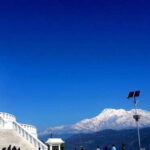
Easy Hikes: Australian Camp and Dhampus
Newer Pokhara reviews to browse before you decide
Australian Camp & Dhampus Hikes, compared.
 ★ 5.02-Day Private Trekking Tour to Australian Camp & DhampusFrom $9942 reviews
 ★ 5.01-Day Private Dhampus Trekking TourFrom $6735 reviews
 ★ 5.0Easy Day Hike to Australian Camp & Dhampus VillageFrom $5824 reviews
 ★ 4.8Australian Base Camp Day Hike From PokharaFrom $3919 reviews
 ★ 4.9Guided Day Hike From Dampus To Australian Base CampFrom $5516 reviews
 ★ 5.0Easy Day Hiking to Australian Camp from PokharaFrom $10014 reviews
 ★ 5.0Australian Camp and Dhampus easy hikingFrom $5112 reviews
 ★ 5.0Day hiking to Dhampus – Astam VillageFrom $667 reviews
Browse the lists this tour appears in