
Reviewed · HIKING & TREKKING
Independent Trekking Guide in Pokhara
A good trek starts before you step on the trail. This private independent trekking guide in Pokhara is built around matching you to the right route, then taking care of the boring logistics. You choose the trekking days and the guide builds the plan around your group’s ability and goals.
What I like most is the flexibility: your guide will help decide the best Annapurna option for your desire and fitness level, and keep your experience private. I also like the practical safety and gear setup, including rain protection, head lamps, and trekking poles, plus photo support with binoculars and a Canon 5D Mark IV carried by the guide.
One thing to consider: the listed $50 price is for 1 day only, not the entire trek. Your total cost depends on how many days you book, and whether you choose the full package that adds permits, food, and accommodation.
In This Review
- Key things that make this guide service work
- Pokhara is the right base for choosing your Annapurna plan
- The real value: a trek built around your group, not a fixed script
- Routes you might tackle: Annapurna options and smart pickup patterns
- 5 days on paper, but the key is how your days get shaped
- Day structure: trekking plus tea house rhythm
- Your pace: trekking days are your choice
- Your guide’s safety focus
- Gear matters: what you get before you even leave Pokhara
- Photography coaching: turning viewpoints into real photos
- Permits, transport, and tea house bookings: what you might still pay for
- Included in the guide service (as listed)
- Not included in the guide-only price (as listed)
- Optional porters: a useful safety and comfort lever
- Who this trek guide service suits best
- What could feel limiting (and how to plan around it)
- Reviews signal a strong guide culture, and Roshan is a good example
- Should you book this independent trekking guide in Pokhara?
- FAQ
- What time does the trekking guide service start?
- Is this a private group experience?
- How does the price work?
- What’s included for trekkers?
- Are trekking permits and transport included?
- Can food and accommodation be included?
- Is there an option to hire a porter?
- Can I change my trek plans after booking?
- Are there any physical or weather requirements?
Key things that make this guide service work
- Trek choice based on your ability: you share details, and the guide recommends the best fit
- Logistics handled for you: permits, transport, lodging, and food can be arranged
- Private group time: only your group participates, so the pace can stay personal
- Gear included for trekkers: poles, sleeping bags, rain ponchos, and head lamps
- Photography help along the way: the guide is a landscape photographer and trekking guide trainer
- Optional porters: you can add porter support for extra luggage (20 kg capacity)
More guided departures worth a look.
- From Pokhara: 3-Day Ghorepani Poon Hill Trek with Guide★ 4.9 · 68 reviews
- Guided Tour to explore the entire Pokhara City★ 5.0 · 51 reviews
- Private Tour in Pokhara Nepal with a Local Guide★ 5.0 · 17 reviews
- Pokhara: Guided Day Hike From Dampus To Australian Base Camp★ 4.9 · 16 reviews
Pokhara is the right base for choosing your Annapurna plan
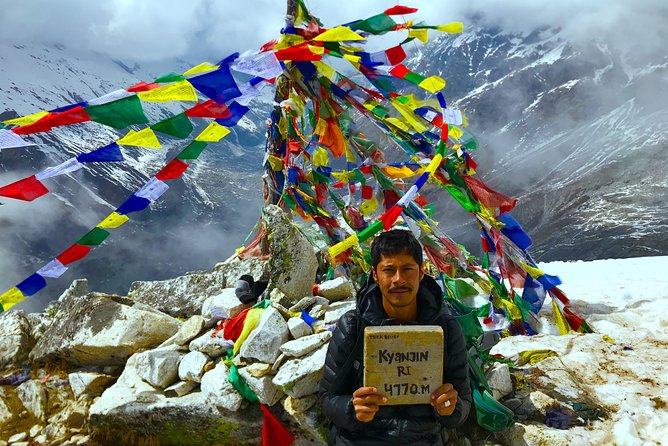
If you want to trek in the Annapurna region without stressing over which route matches your body and your time, this setup is a smart use of your vacation day. You’re not just hiring a pair of hiking legs—you’re hiring someone to help you decide what to do and then get it organized.
You’ll meet at 8:00 am. From there, the guide handles the parts that usually eat up your energy: choosing the route, sorting the permits, and arranging transport and tea house lodging along the trail. Even if you already know the general area you want, having someone local and experienced can help you pick a route that feels doable rather than just impressive on paper.
The service is also genuinely group-friendly. It’s listed as a private tour/activity, so only your group joins you. The price is per group (up to 8), which can be good value if you’re traveling with friends or family who want a similar pace.
The real value: a trek built around your group, not a fixed script
Many trekking plans fail in one place: the route doesn’t match the people on it. This service is designed to prevent that. The guide’s job is to learn your details first—ability, desire, and likely how you want your days to feel—then recommend the best option.
That matters because Annapurna trekking can range from comfortable day-to-day hiking to routes that demand more stamina and careful pacing. When the guide picks your trek based on how you actually hike, you’re more likely to finish feeling strong instead of scraped raw.
This is also where the private nature helps. In a group tour, someone always has to compromise—either the faster folks slow down or the slower folks speed up. Here, your group gets a bespoke, flexible experience, including trekking days being your choice. Translation: you can often adjust how hard or how long things feel from one day to the next.
Routes you might tackle: Annapurna options and smart pickup patterns
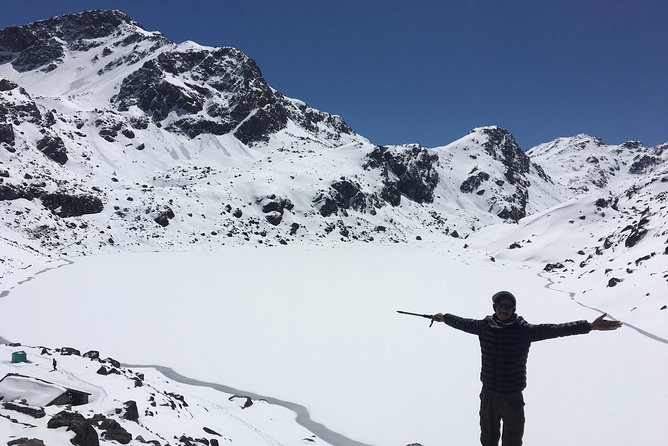
This guide service is centered on trekking in the Annapurna region of the Himalayan range, and you can choose the duration you want. While the exact route can vary based on your plan, the service description gives a clue about two common patterns:
- If you pick Annapurna Circuit, Langtang, or Gosaikunda, the guide may pick you up from Kathmandu
- Other treks start from Pokhara, which is where this service generally begins
That pickup detail can save you time and hassle if your trip includes multiple Nepal stops. If you’re already in Kathmandu, it helps to know some routes can start there instead of requiring you to reposition first.
One practical note: because the trek itself isn’t fixed in the info you provided, you should expect your guide to confirm the exact route and plan after you share your details. The benefit is that you’re not stuck with someone else’s idea of the perfect itinerary.
5 days on paper, but the key is how your days get shaped
The listing says 5 days (approx.), but the service is also described as flexible for “any duration you’d like.” In other words, think of this as a guidance-and-organization service that can fit a 5-day trek—or shorter or longer—depending on what you decide with your guide.
Here’s the practical way the experience typically works across those days:
More treks and hikes across the Annapurna region.
Day structure: trekking plus tea house rhythm
Each trekking day tends to follow the same rhythm: hiking between villages/tea houses, then resting and eating in a comfortable base for the next morning. The guide specifically arranges lodging and fooding in tea houses on every trail. That’s huge for peace of mind. You’re not trying to negotiate rooms or scramble for meals after a long day of climbing.
Because tea houses vary in quality, it’s still smart to ask what the guide considers the best option along your route. Even with arrangements made for you, you’ll want to know whether you’re prioritizing warm rooms, better bathrooms, or simply the most reliable place to sleep.
Your pace: trekking days are your choice
The big win is that trekking days are presented as your choice. That means your guide can help you set a schedule that won’t break your group. If you’re less experienced, you’ll likely want fewer long hiking stretches. If your group is confident, you can push harder.
Your guide’s safety focus
The guide says they prepare to the highest possible extent for safety. That doesn’t mean the mountains become risk-free. It does mean your plan should include sensible decisions like pacing, timing, and gear that helps you handle rain and low-light conditions.
Gear matters: what you get before you even leave Pokhara
Part of the value here is that the guide doesn’t just plan your trek—they show up with key equipment. The included gear for trekkers is listed clearly:
- Trekking poles
- Sleeping bags
- Pair of rain ponchos (waterproof)
- Head lamp
This is practical because rain in the mountains is rarely a “maybe.” And good shoes and layers are one thing, but having a poncho and head lamp ready makes a difference if weather shifts or your day runs later than planned.
Also, the guide includes camera and viewing tools for the people who care about seeing more than just the peak silhouette. They carry 8×21 Bushnell binoculars and a Canon 5D Mark IV DSLR with a landscape lens. If your group is even slightly into photography, it’s a nice bonus to have someone who can explain angles, light, and how to see details while you’re hiking.
Photography coaching: turning viewpoints into real photos
This guide is also described as a landscape photographer and trekking guide trainer from Nepal’s Ministry of Tourism, and they’ve produced “100s of trekking guides.” Even if you’re not aiming to publish your photos, that training background is useful: it usually shows up as clear guidance.
The service promises cool landscape photographs along with explanations about photography, natural, cultural, socio economic, and geographical aspects of Nepal, based on your interests. That means the trek can feel less like walking through scenery and more like learning how to read the place as you go.
If you’re the type who wants pictures but also wants to understand what you’re looking at—ridge lines, settlement patterns, and the way communities interact with the mountains—this is a strong fit. If your group just wants silence and steady hiking, you can still enjoy it, but you may want to steer the guide toward shorter, less talk-heavy photography tips.
Permits, transport, and tea house bookings: what you might still pay for
Here’s where you should be a bit careful: the info you provided separates what’s included in the guide service versus what can be bundled into a full package.
Included in the guide service (as listed)
- English speaking professional trekking guide
- Guide food, accommodation, and insurance
- Trekkers’ gear: poles, sleeping bags, rain ponchos, head lamp
- Binoculars and DSLR carried by the guide
- Optional porter support exists, but porters are extra charge
Not included in the guide-only price (as listed)
- Your food and accommodation (can be included in a full package booking)
- Trekking permits, tickets, and transportation (can be included in a full package)
- Visa fees and trekking insurance for you
- Tips for guide and porters (expected by porters, not compulsory for the guide)
That means you should decide early which version you want:
- Guide-only if you already have a plan for food/permits/transport
- Full package if you want someone to handle most everything end-to-end
If you want the trip to feel low-stress, the full package is usually where you get the biggest value. Not because it’s flashy, but because it removes multiple points where things can go wrong on a trek.
Optional porters: a useful safety and comfort lever
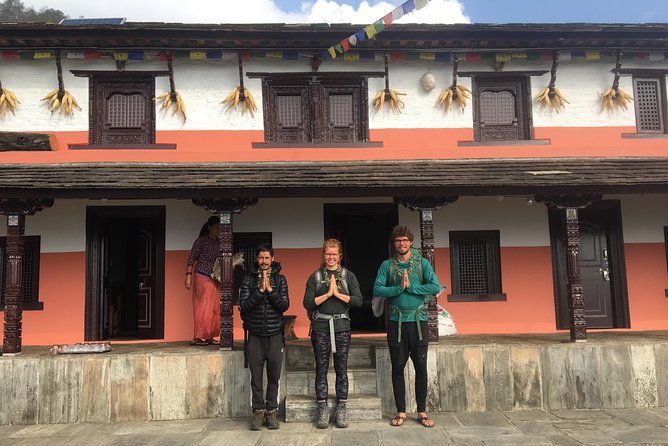
If you’d rather hike lighter, porters are available for USD 20 per porter/day, and the porter can help up to 20 kg luggage. That’s a practical option if your group wants to carry only essentials (layers, water, camera), while someone else takes care of heavier gear.
It also can reduce strain on knees and shoulders—especially if your trek has steep sections or long days. On the flip side, if you’re already comfortable carrying your pack and you want to keep the experience more lean and simple, you might skip porters.
Who this trek guide service suits best
This is a great match if you:
- Want help choosing between Annapurna routes based on your ability
- Prefer a private guide and flexible days
- Value logistics support: permits, transport, lodging, tea houses
- Care about safety prep and weather readiness
- Like photography or at least appreciate a guide who can explain what you’re seeing
It also notes travelers should have moderate physical fitness. That’s important. “Moderate” doesn’t mean easy. It usually means you should be comfortable walking for hours with some uphill sections, and you can handle altitude and uneven steps with a sensible pace.
What could feel limiting (and how to plan around it)
The biggest consideration is the pricing structure. The rate you have is $50 per group up to 8 for 1 day only. If you choose a 5-day trek, you’ll be multiplying the guide day rate unless the full package option changes what’s included.
Also, because the trekking plan can be tailored, you should expect some back-and-forth during planning—especially if you’re considering a change later. The service says you can book a trek, then later change to the next one or cancel for free after you contact them. That flexibility is helpful, but it also means your final itinerary depends on decisions made after your initial booking.
Finally, the experience requires good weather. If poor weather cancels it, you’ll be offered a different date or a full refund (details handled by the operator). Mountains do what mountains do—so have a little buffer time in your schedule.
Reviews signal a strong guide culture, and Roshan is a good example
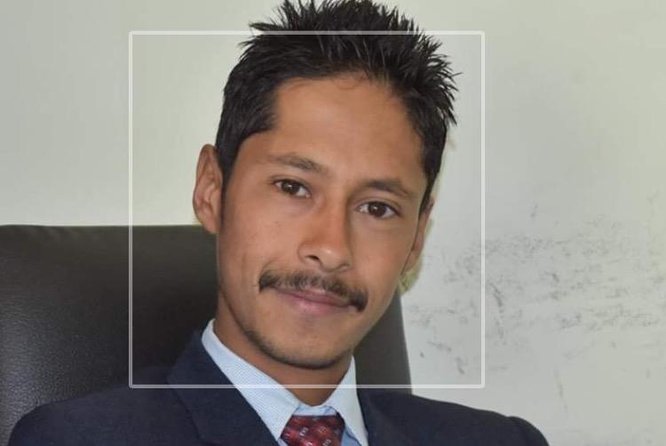
With a 4.8 rating from 46 reviews and 96% recommending, the strongest theme is simple: the guide takes real care. One review response specifically credits Roshan with exceeding expectations and looking after the group, plus teaching them along the way. That kind of “care + instruction” combo is exactly what you want in a trekking guide.
It’s also consistent with how this service is described: safety prep, gear readiness, and photography explanations that connect views to place. When a guide is both organized and willing to teach, the trip tends to feel smoother because you aren’t just moving through terrain—you’re making sense of it.
Should you book this independent trekking guide in Pokhara?
I’d book it if your top priority is getting the right Annapurna trek with minimal stress. The value is in the match-making (route choice), plus the logistics help (permits/transport/lodging/tea houses), plus the included gear that keeps you prepared for rain and low light.
Skip it only if you already have everything handled—route, permits, transport, tea house bookings, and you have your own gear already lined up. In that case, you might pay for a guide but not fully benefit from what this service is designed to do.
If you’re traveling with a small group (up to 8), this format can be a smart way to combine privacy with local expertise. And if you care about photos, the binoculars and DSLR carried by the guide make it feel like more than a hiking arrangement.
FAQ
What time does the trekking guide service start?
Start time is listed as 8:00 am.
Is this a private group experience?
Yes. It’s described as a private tour/activity, so only your group participates.
How does the price work?
The price is listed as $50.00 per group (up to 8) and the trekking days portion you book is described as payment for 1 day only, not the whole trek.
What’s included for trekkers?
Gear included for trekkers is trekking poles, sleeping bags, rain ponchos, and a head lamp.
Are trekking permits and transport included?
Not in the guide-only pricing. Permits, tickets, and transportation are listed as not included, but they can be included in a full package booking.
Can food and accommodation be included?
Food and accommodation are listed as not included for the guide-only option, but they can be included in a full package booking.
Is there an option to hire a porter?
Yes. Porters can be added for an extra charge of USD 20 per porter/day, helping with up to 20 kg of luggage.
Can I change my trek plans after booking?
The service says you can book a trek and later change to a next one or cancel for free after they contact you.
Are there any physical or weather requirements?
The service notes travelers should have moderate physical fitness, and it requires good weather. If canceled due to poor weather, you’ll be offered a different date or a full refund.
More Treks in the Annapurnas
More Guided Departures

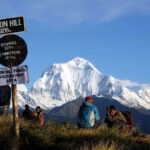
Also Reviewed Around Pokhara

Newer Pokhara reviews to browse before you decide
Hiking & Trekking, compared.
 ★ 5.0Poon hill Trek 3 daysFrom $230176 reviews
 ★ 5.0Trekking in Annapurna/Langtang/Everest/Upper Mustang regionsFrom $40161 reviews
 ★ 5.04-Day Ghorepani, Poonhill & Ghandruk Mountain TrekFrom $181132 reviews
 ★ 5.0Ghorepani – Poon Hill Trek 3N-4DFrom $321125 reviews
 ★ 5.0Annapurna Foothills Day Hike with TransfersFrom $42100 reviews
 ★ 4.9Kathmandu/Pokhara: 5-Day Annapurna Base Camp (ABC) TrekFrom $9672 reviews
 ★ 4.93-Day Ghorepani Poon Hill Trek with GuideFrom $16268 reviews
 ★ 4.94-Day Mardi Himal TrekFrom $13959 reviews
Browse the lists this tour appears in