
Reviewed · TIBETAN CULTURE TOURS
Full Day Tibetan Cultural Tour
Chanting, carpets, and medicine in one day. This full-day trip around Pokhara’s lakeside area gives you a close look at Tibetan refugee life through monks, homes, and hands-on crafts.
I especially like that you spend real time meeting people, with conversations that go past sightseeing. I also like the practical stuff—butter tea and tsampa, plus a carpet workshop where you can see how the work is actually done.
One consideration: it’s a long 8-hour day with walks and several visits, so comfort and stamina matter, and it’s not suitable for wheelchair users.
In This Review
- Key things I’d circle on your plan
- Why This Pokhara Day Feels About People, Not Postcards
- Meeting Mr. Thupten Gyatso and Getting Straight Answers
- Tashiling Tibetan Settlement: Tea, Food Tasting, and Symbol Meaning
- Pema Ts’al Sakya Monastic Institute: Where the Day Turns More Spiritual
- Hemja Refugee Camp: Brunch, Snacking, and Community Conversations
- From Workshop to Showroom: How Tibetan Carpets Are Made by Hand
- Tibetan Medicine Comes with Pulse Reading
- Tibetan Lunch and Thenthuk: Food That Teaches
- Salted Butter Tea, Tsampa, and a Family Home Stop
- Afternoon Group Prayer Chanting and Time to Talk with Monks
- Photo History: The Refugee Story Put in Human Time
- How $82 Buys Value for a Full 8 Hours
- Who This Tour Is Best For (and Who Might Want Another Option)
- Should You Book This Tibetan Cultural Tour in Pokhara?
- FAQ
- FAQ
- How long is the full day Tibetan cultural tour?
- Is the tour guided in English?
- How many people are in the group?
- Do you offer pick-up and drop-off from Pokhara Lakeside?
- What Tibetan cultural sites do you visit?
- Is the Tibetan doctor consultation included?
- What food and drinks are included in the tour?
- Are there vegetarian options for lunch?
- Does the tour include prayer chanting?
- What is the cancellation policy?
- Is the tour suitable for wheelchair users or young children?
Key things I’d circle on your plan
- Two Tibetan refugee settlements near Pokhara, so you can compare how communities keep traditions going
- Monastery time with group prayer chanting and chances to talk with monks (not just watch quietly)
- Carpet making explained from workshop to showroom, with a look at how patterns and colors are built
- A Tibetan doctor consultation that includes pulse reading (medicines are optional to buy)
- Tibetan food as part of the day, including momos, thenthuk, and a classic afternoon salted butter tea stop
- Small group size (up to 8), which makes questions easier to ask in English
More visits to Pokhara's Tibetan settlements.
- Full-Day Tibetan Cultural Tour to Tibetan Settlements Pokhara★ 5.0 · 184 reviews
- Afternoon Tibetan Cultural Tour to Tibetan Settlements Pokhara★ 5.0 · 106 reviews
- Morning Tibetan cultural tour to Tibetan settlements Pokhara★ 5.0 · 66 reviews
- Half Day Tibetan Cultural tour Pokhara★ 5.0 · 36 reviews
Why This Pokhara Day Feels About People, Not Postcards
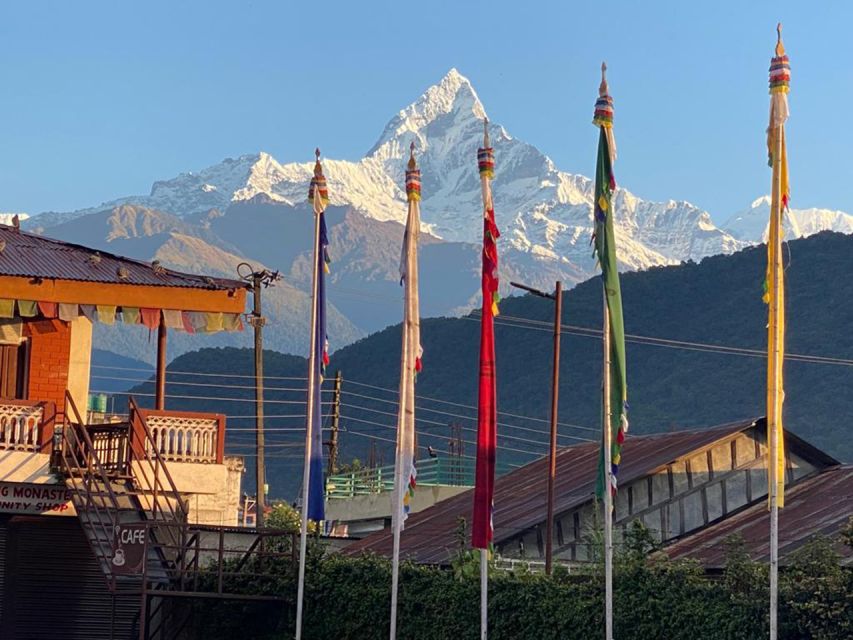
This tour is built around daily life in Tibetan settlements, not just a list of temples and photos. You’re going to see how language, religion, and routines are kept alive after displacement—plus how that history still shapes what families do today.
The day also has a smart balance: spiritual practice (monks, symbols, chanting), culture you can touch (carpets), and practical knowledge (Tibetan medicine and the consultation). If you want Tibet-related context while you’re in Pokhara, this is one of the more direct ways to do it.
Meeting Mr. Thupten Gyatso and Getting Straight Answers
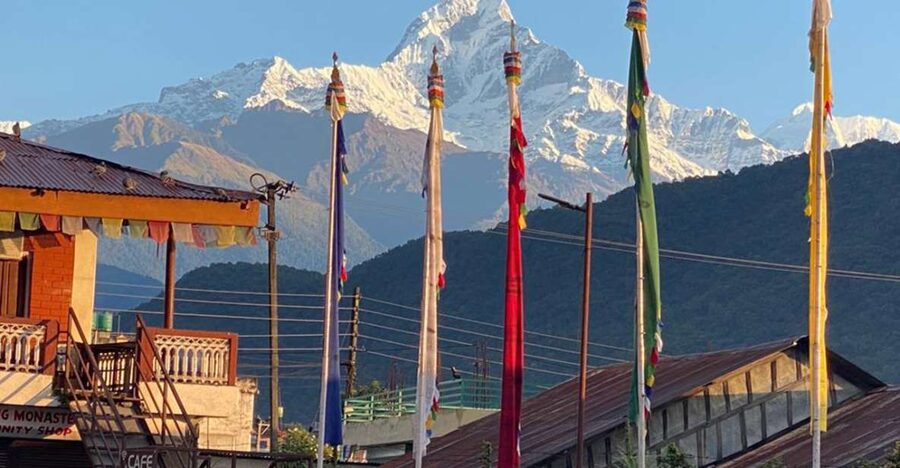
Your guide is Mr. Thupten Gyatso, a Tibetan native with deep ties to the region. The tour is run in English, and the flow of the day is designed so you can ask questions along the way rather than saving everything for the end.
That matters, because Tibetan culture can sound complex from a distance. With Mr. Thupten Gyatso, the symbols and customs connected to daily life get explained in a way that helps you connect the dots—like how people use Buddhist signs every day, not just during ceremonies.
Tashiling Tibetan Settlement: Tea, Food Tasting, and Symbol Meaning
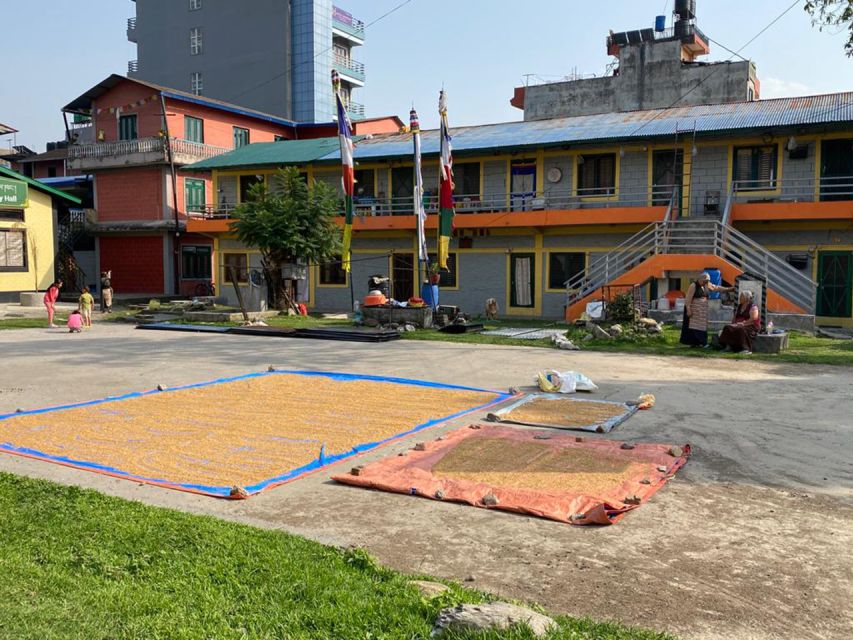
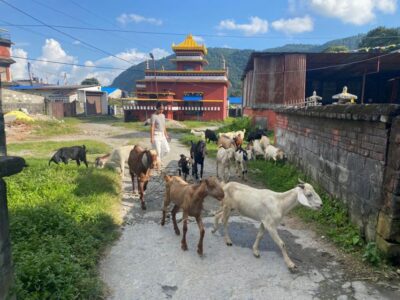
You start with a visit to Tashiling Tibetan settlement, which takes about 4 hours. Expect photo stops, a guided tour, scenic drives and walks, and time to slow down and learn what you’re seeing.
Two parts make this stop work well:
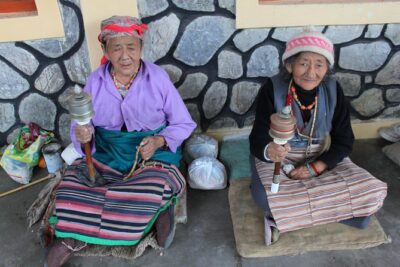
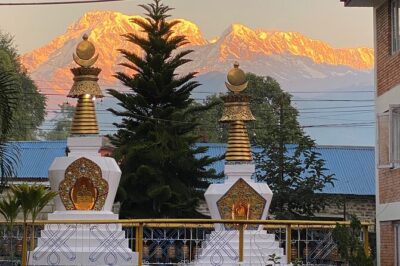
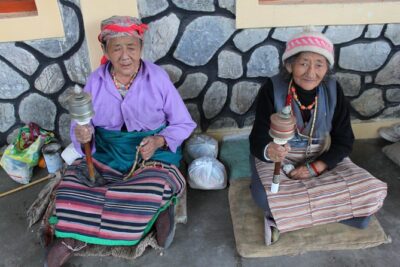
- You’re introduced to Buddhist symbols and their meanings. You’ll hear about prayer wheels, prayer flags, stupas, and how these show up in daily life.
- The food moment is not an afterthought. You’ll have coffee/tea, plus lunch and food tasting as part of the settlement visit.
There’s also practical beauty here: walking through a settlement gives you the background you need before you enter monasteries later. If you’re the type who likes to understand what a place is before you photograph it, this pacing helps.
Pema Ts’al Sakya Monastic Institute: Where the Day Turns More Spiritual
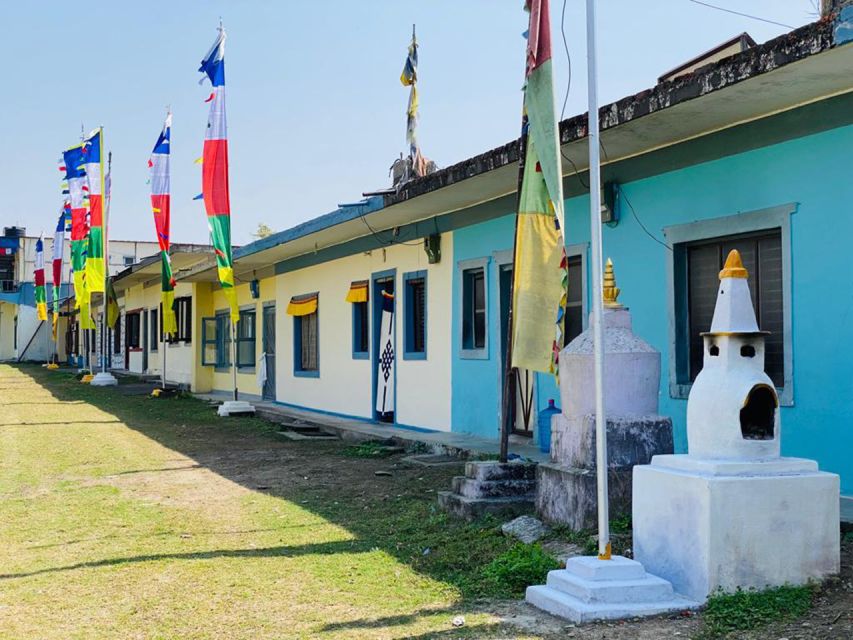
Next comes the Pema Ts’al Sakya Monastic Institute (about 1 hour). You’ll have a photo stop and guided sightseeing, plus scenic views on the way. Even with the shorter time, it sets the tone: this is not just a culture stop, it’s a place tied to study, ritual, and monastic routine.
What I like about this structure is that you don’t overload your brain with chanting immediately. You get a first monastery-style context here, then later in the afternoon you attend group prayer chanting with monks. That contrast makes it easier to hear what’s happening and understand why the instruments and rhythm matter.
More culture and heritage stops around Pokhara.
Hemja Refugee Camp: Brunch, Snacking, and Community Conversations
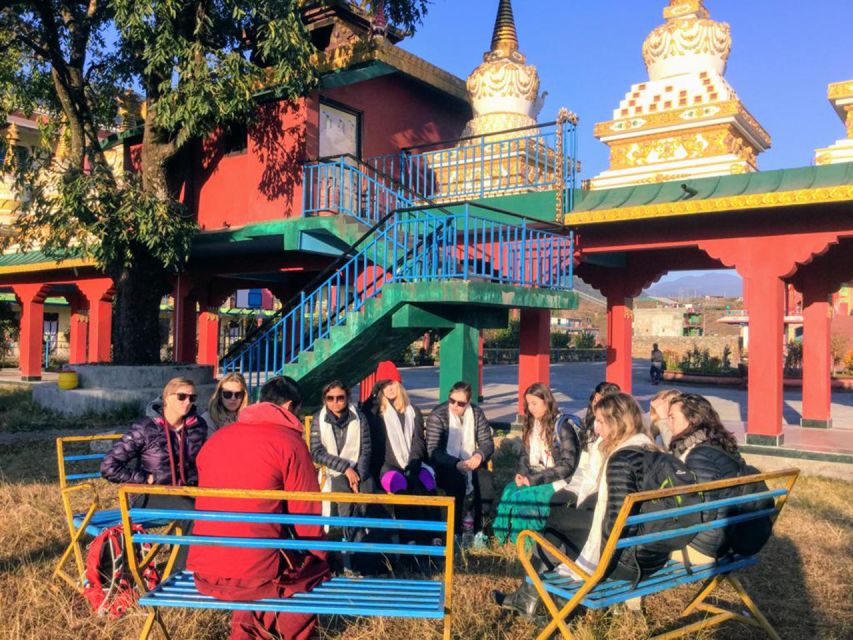
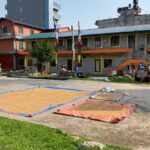
Then you head to the Tibetan refugee camp area in Hemja for around 2.5 hours. This part includes photo stops, tea, brunch, guided touring, and walks with local snacks and food tasting.
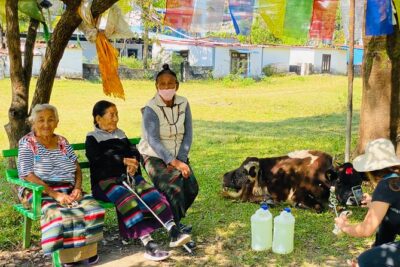
Why this stop is valuable: refugee settlements aren’t one-size-fits-all. Spending time in a second community helps you see differences in how daily routines are shaped and how traditions continue in different settings.
Also, the Hemja portion keeps the energy social. The tea and snack pauses give you time to ask questions without feeling like you’re rushing through holy spaces.
From Workshop to Showroom: How Tibetan Carpets Are Made by Hand
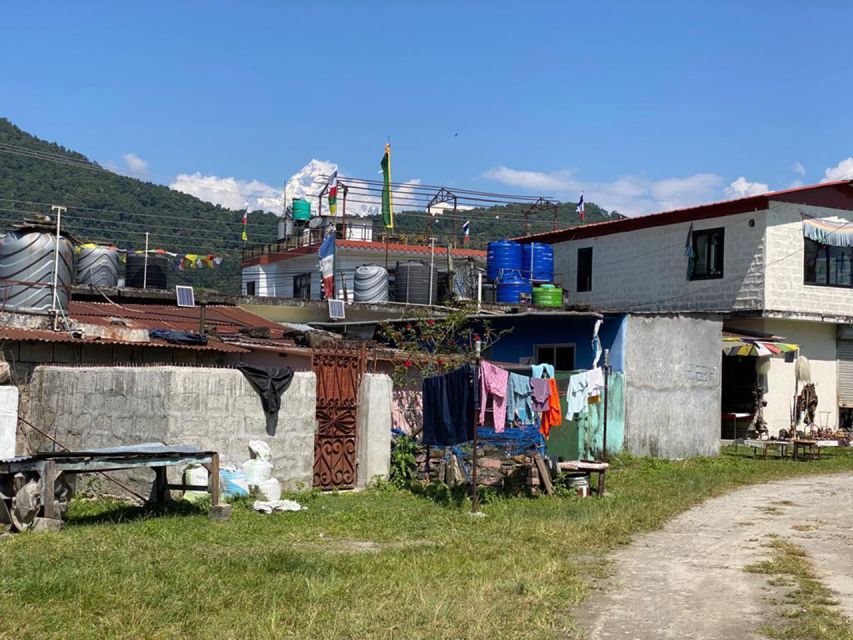
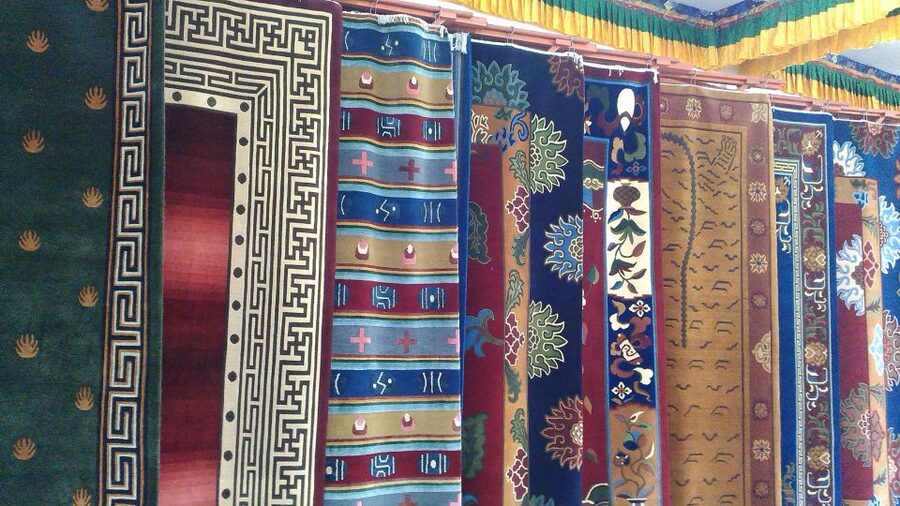
Carpet time is a major highlight of the day. You’ll see both:
- A carpet workshop where the process is explained step by step, and
- A carpet showroom where you can explore a range of designs and colors.
This isn’t a “look at the pretty carpets” detour. The workshop portion is where you learn what goes into handmade work: the human effort behind the patterns. You’ll also get insight into what makes Tibetan carpet design distinctive, which helps you understand why certain motifs and color choices are chosen.
One practical consideration: if you fall in love with a carpet, you’ll want to check how you’d transport it from Nepal. The showroom visit gives inspiration, but it’s also the point where shopping decisions can start to get real.
Tibetan Medicine Comes with Pulse Reading
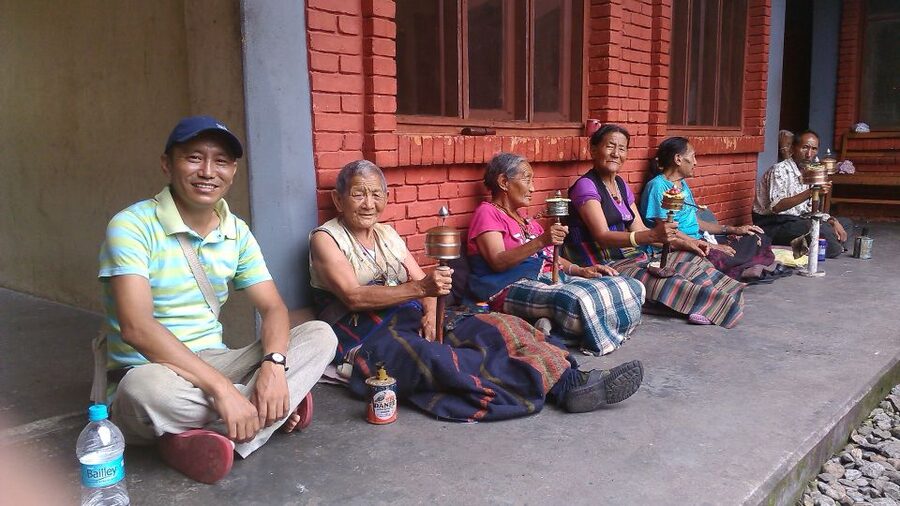
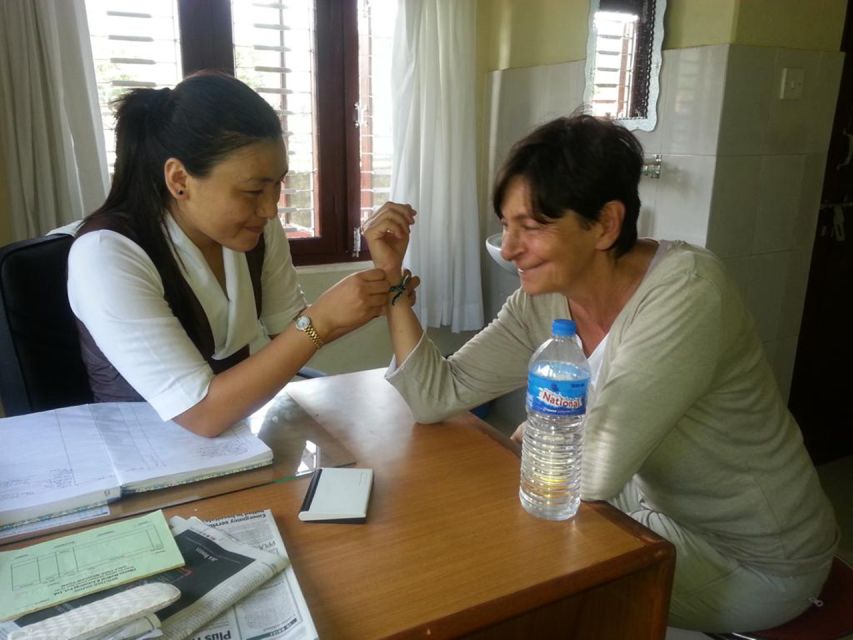
A key stop is the Tibetan medical center, followed by a consultation with a Tibetan doctor. The consultation includes pulse reading, and if you’re interested, you can purchase medicines separately.
I like that the day treats medicine as part of culture, not a museum display. When you hear how diagnosis works and what treatments are used, you get a sense of how Tibetan healthcare thinking connects to everyday life and values.
If you’ve never seen pulse reading explained before, ask direct questions. This is one of the few parts of the day where you can learn a specific method and not just a general overview.
Tibetan Lunch and Thenthuk: Food That Teaches
Your lunch is Tibetan, served in a local Tibetan restaurant, with options for vegetarian and non-vegetarian. The menu highlights include momos and thenthuk, a nourishing soup made with freshly kneaded dough, meat, and vegetables.
This is a strong inclusion for two reasons:
- Food is a fast route to cultural understanding, especially when the guide explains what you’re eating.
- A proper sit-down meal helps you reset before the afternoon prayer chanting and tea segment.
After lunch, the day keeps moving—but at a calmer, more personal pace, starting with tea and snacks at a local family home.
Salted Butter Tea, Tsampa, and a Family Home Stop
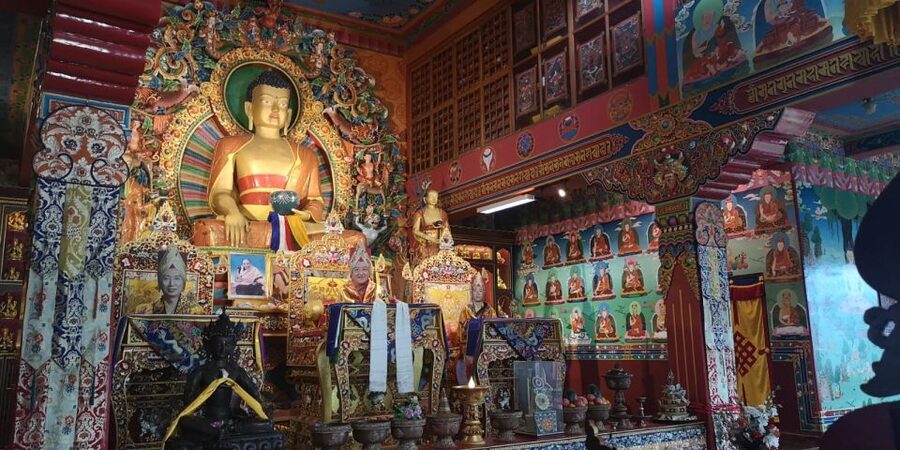
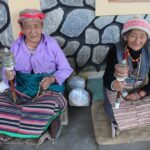
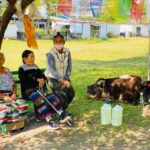
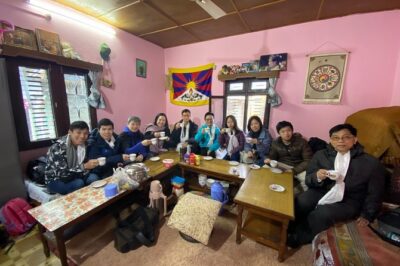
Afternoon tea happens at a local Tibetan family home. This is where you taste classic Tibetan flavors like salted butter tea and tsampa (roasted barley flour). You’ll also try Tibetan bread with honey, butter, and peanut butter.
This part matters because it shows you how comfort food works in the settlement context. It’s not a generic tea break. It’s part snack, part explanation, part taste of daily routine.
Tip: if you’re sensitive to dairy-heavy drinks or salty flavors, mention it early. The tea and snacks are central to the experience, so it helps to know your comfort level before the cup arrives.
Afternoon Group Prayer Chanting and Time to Talk with Monks
The afternoon includes group prayer chanting with monks. You’ll hear the sound of different instruments used during the ceremony, and the guide also helps you understand what you’re experiencing—down to the feeling of the chanting vibrations.
Then there’s conversation time. You’ll meet a young Buddhist monk for insights into monastic studies and daily activities. You also get time to talk with monks more generally, with opportunities to ask questions.
This is one of the most highly praised aspects of the day for a reason. Monastic life can look mysterious from the outside. In a conversation, questions become the bridge—what they study, how a day works, why rituals matter. If you’re curious and respectful, you’ll likely come away with answers that stick.
Photo History: The Refugee Story Put in Human Time
Between settlement visits and the family home stop, the day also includes a photo gallery showing history of Tibetan refugees and images of settlements from the early 1960s. You’ll also see the story connected to the Dalai Lama’s exile journey in India.
You don’t just learn that Tibetans came to Nepal. You see that the exile and settlement story is long, specific, and ongoing. That context is what turns the day from cultural trivia into something more meaningful.
How $82 Buys Value for a Full 8 Hours
At $82 per person for 8 hours, you’re paying for more than transportation and basic viewing. The included items stack up:
- Pick-up and drop-off around Pokhara lakeside (outside that area may require an extra transportation fee)
- Visits to two Tibetan refugee settlements
- A Buddhist monastery visit, plus guided explanation of symbols
- Carpet workshop and showroom
- A Tibetan medical center with doctor consultation and pulse reading
- Tibetan lunch (with vegetarian options) and included drinks like tea/coffee/fresh juice and mineral water
- Afternoon tea at a local Tibetan family home
- Group prayer chanting and monk interaction
The small-group size (up to 8) is part of the value too. When you have fewer people, you can ask follow-up questions—especially important during the doctor consultation and monk conversations.
If you’re staying outside the lakeside pickup zone, factor in the extra transport fee. It can affect the real cost, but inside the lakeside area, the included pickup makes this easier to say yes to.
Who This Tour Is Best For (and Who Might Want Another Option)
This tour is a great match if you:
- Want to understand Tibetan culture, Buddhism, and refugee life in Nepal, not just take photos
- Enjoy hands-on learning like carpet making and tasting food
- Like structured days with guided explanations, plus time for questions
It may not be the best fit if:
- You need wheelchair accessibility (the tour is not suitable for wheelchair users)
- You’re traveling with very young children (it’s not suitable for children under 2 years)
- You prefer a lighter schedule with fewer stops and less walking
If you’re flexible and curious, you’ll likely enjoy the pace. Just plan for a full day that mixes emotion, food, and practical knowledge.
Should You Book This Tibetan Cultural Tour in Pokhara?
My take: if you want one day that connects Tibetan Buddhism, settlement life, crafts, and medicine, this is a smart choice. The strongest selling points are the human conversations—with monks and with a Tibetan doctor—and the fact that the tour teaches through specific experiences like chanting, carpet work, and butter tea.
If you’re considering booking, do it with two things in mind: this is meant for learning, and it includes hands-on, taste-and-talk moments. Wear comfortable shoes, come ready with a couple of respectful questions, and treat it as a cultural day with real context, not just sightseeing.
FAQ
FAQ
How long is the full day Tibetan cultural tour?
It lasts about 8 hours.
Is the tour guided in English?
Yes, the live tour guide speaks English.
How many people are in the group?
The group is limited to 8 participants.
Do you offer pick-up and drop-off from Pokhara Lakeside?
Yes, pick-up and drop-off around the lakeside area is included. If your hotel is outside the lakeside area, there is an additional transportation fee based on your hotel location.
What Tibetan cultural sites do you visit?
You visit two different Tibetan refugee settlements near Pokhara Valley, plus a monastery and related monastic institute sites, along with a carpet workshop/showroom and a Tibetan medical center.
Is the Tibetan doctor consultation included?
Yes. A consultation with a Tibetan doctor is included, and the consultation includes pulse reading. If you want medicines, you can buy them separately.
What food and drinks are included in the tour?
Mineral water, fresh juice, tea, and coffee are included. You’ll also have Tibetan lunch, plus afternoon tea/snacks at a local Tibetan family home.
Are there vegetarian options for lunch?
Yes, the lunch includes both vegetarian and non-vegetarian options.
Does the tour include prayer chanting?
Yes, you attend afternoon group prayer chanting with the monks.
What is the cancellation policy?
You can cancel up to 24 hours in advance for a full refund.
Is the tour suitable for wheelchair users or young children?
No. It is not suitable for wheelchair users, and it is not suitable for children under 2 years.
More Heritage and Culture
Also Reviewed Around Pokhara

More Tibetan Culture Tours
Newer Pokhara reviews to browse before you decide


Tibetan Culture Tours, compared.
 ★ 5.0Full-Day Tibetan Cultural Tour to Tibetan Settlements PokharaFrom $85184 reviews
 ★ 5.0Afternoon Tibetan Cultural Tour to Tibetan Settlements PokharaFrom $60106 reviews
 ★ 5.0Morning Tibetan cultural tour to Tibetan settlements PokharaFrom $8566 reviews
 ★ 5.0Afternoon Tibetan cultural tourFrom $5641 reviews
 ★ 5.0Half Day Tibetan Cultural tour PokharaFrom $6336 reviews
 ★ 5.0Morning Half Day Tibetan cultural tour to Tibetan SettlementsFrom $6026 reviews
 ★ 3.8Private Half-Day Tour and Tibetan Culture TourFrom $2414 reviews
 ★ 5.0Sarangkot Sunrise with a half day Tibetan cultural tourFrom $9113 reviews
Browse the lists this tour appears in