
Reviewed · TIBETAN CULTURE TOURS
Pokhara: Private Half-Day Tour and Tibetan Culture Tour
Pokhara can feel like a postcard, but this route adds story. In a short half-day private tour, you’ll start at the International Mountain Museum, then hit the dramatic underworld of Devi’s Falls and Gupteshwor Mahadev Cave, before ending with a real look at Tibetan life in Pokhara. I especially like how the pacing links nature and meaning, not just checkboxes, and I also like that you’re in a private setup with an English- or Hindi-speaking guide who can tailor the day to your speed.
The main thing to watch is cost creep: entrance fees are not included, and the time can run tighter than expected depending on how your stops go and how much you want to add on. If you’re hoping to pack in extra sites, ask up front what that will cost.
In This Review
- Key points before you go
- International Mountain Museum: a smart warm-up for the Himalaya
- A small heads-up
- Devi’s Falls in Pokhara: dramatic water with an underground twist
- If you love good guiding
- Gupteshwor Mahadev Cave: temple energy inside the rock
- Timing and comfort
- Tibetan Refugee Camp Pokhara: monastery, crafts, and real conversations
- What to look for
- How the private 3-hour setup actually plays out
- Language and guidance quality
- Price and logistics: value is real, but admission fees can change the math
- Practical cost tip
- Who this tour fits best (and who should choose differently)
- Should you book this Pokhara private half-day tour?
- FAQ
- FAQ
- How long is the tour?
- Where can I get picked up?
- Is this tour private?
- What languages is the guide available in?
- Are admission fees included in the price?
- Is bottled water included?
- Do I need an ID to join?
- What’s the general order of sights?
- Is transportation air-conditioned?
- Can I cancel for a refund?
- Is pay later available?
Key points before you go
- International Mountain Museum first: a strong warm-up for the Himalaya theme before you see Pokhara’s waterfalls and caves.
- Devi’s Falls: a photo stop plus guided context around the waterfall’s underground flow.
- Gupteshwor Mahadev Cave: rock formations and a Shiva shrine make the cave feel more than just a tunnel.
- Tibetan Refugee Camp visit: learn about traditions, see a monastery, and shop for handicrafts.
- Private A/C transport with bottled water: practical comfort for a 3-hour whirlwind.
More visits to Pokhara's Tibetan settlements.
- Full-Day Tibetan Cultural Tour to Tibetan Settlements Pokhara★ 5.0 · 184 reviews
- Afternoon Tibetan Cultural Tour to Tibetan Settlements Pokhara★ 5.0 · 106 reviews
- Morning Tibetan cultural tour to Tibetan settlements Pokhara★ 5.0 · 66 reviews
- Half Day Tibetan Cultural tour Pokhara★ 5.0 · 36 reviews
International Mountain Museum: a smart warm-up for the Himalaya
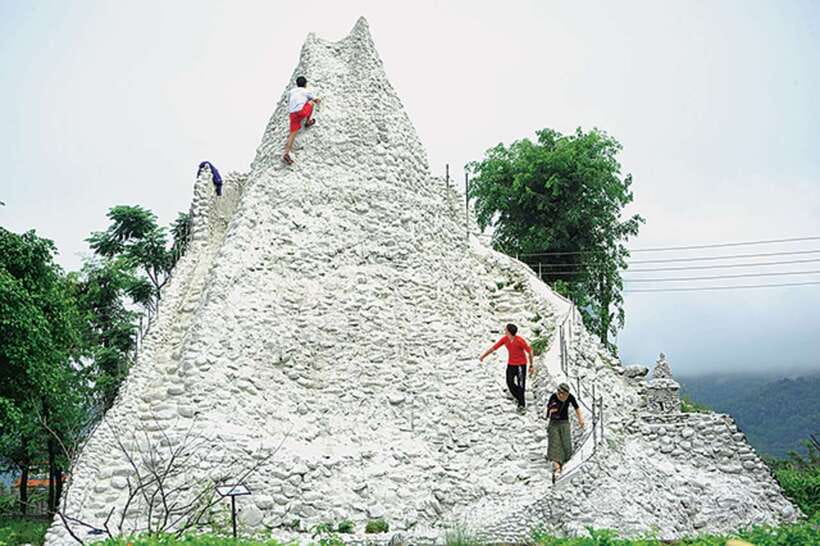
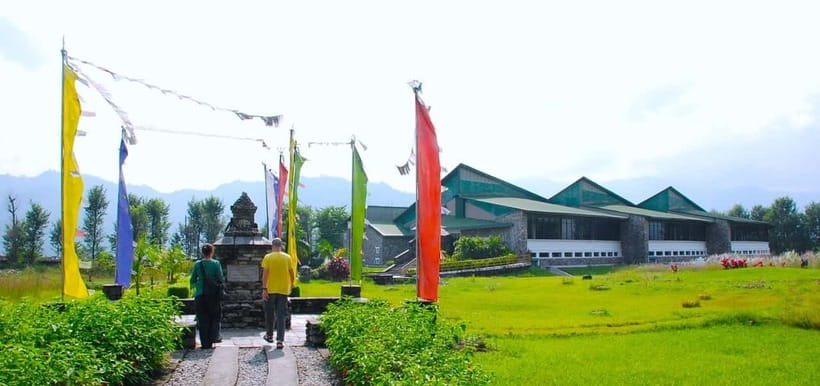
Most Pokhara days start with views. This one starts with understanding, and that matters. The tour begins with a guided visit to the International Mountain Museum, where you’ll get exhibits focused on the Himalaya, mountaineering history, and the region’s cultural mix. It’s a good way to reset your brain from the lakeside scene into high-country thinking.
Expect about an hour for the museum experience, with scenic driving and viewpoints on the way. Even if you’re not a museum person, I like this stop because it helps you connect the dots: why the mountains matter here, and how people across the region relate to them. It also gives you something concrete to ask your guide about later when you’re standing near the waterfall and cave.
One bonus from past guests: when the guide is good, you’ll get more than directions. Names that came up for strong guiding include Rajkumar Lamichhane and Kiran, both praised for taking time and explaining what you’re looking at. If you want photos, this is also a decent point to get your camera settings dialed in—lighting is usually easier than in caves.
A small heads-up
Museum admission is not included in the tour price. So you’ll want to set aside cash (or plan card payment) for tickets once you arrive.
Devi’s Falls in Pokhara: dramatic water with an underground twist
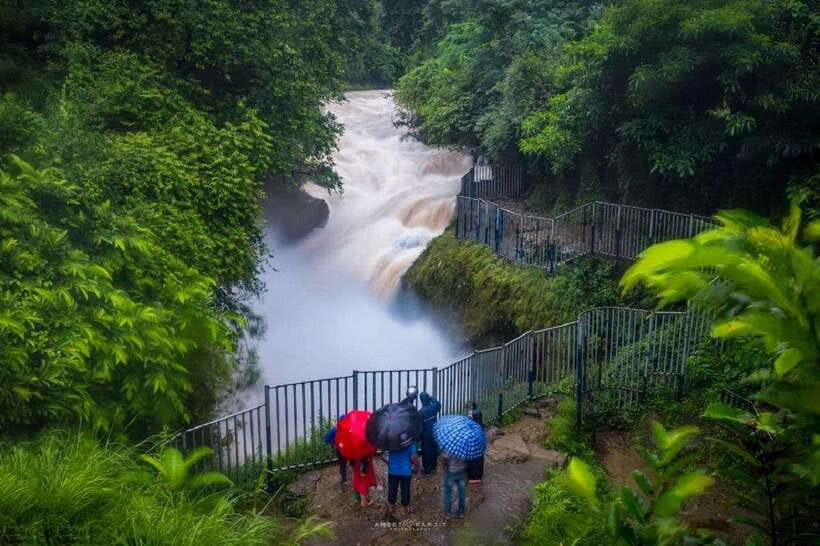
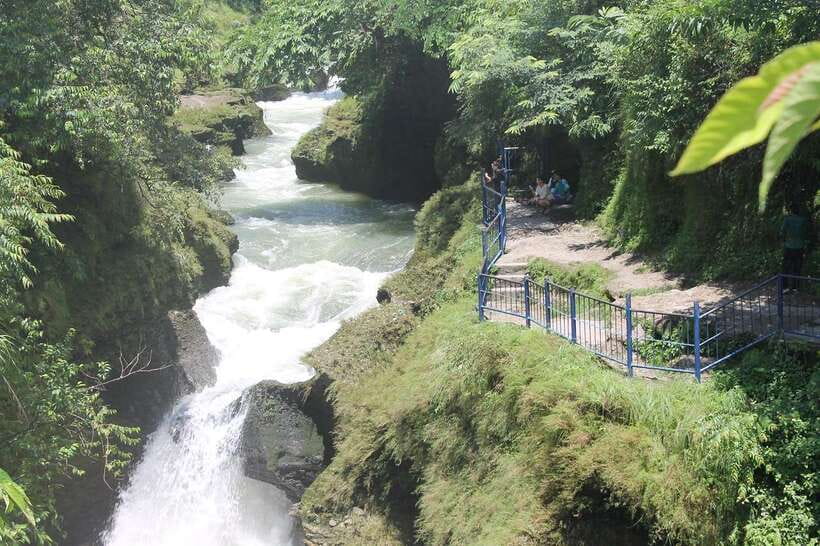
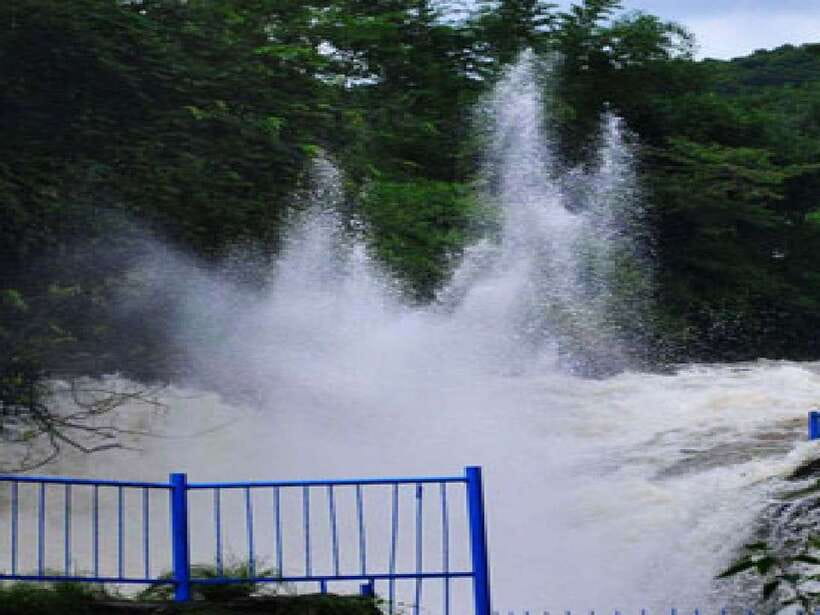
Next comes Devi’s Falls, one of Pokhara’s most famous water sights. The tour includes a guided visit and a focused photo stop, usually around 30 minutes total time at the falls. The star of the show is the waterfall’s unusual behavior: water flows into an underground section, giving the place a mystique that feels different from typical viewpoints.
Why I think this stop works: it’s visually clear even if you only have a short window. You’ll likely spend time looking from the designated viewing points while your guide connects what you see with how the falls operate. Even the short duration is enough to get the main angles—especially if you’re not trying to linger for an hour-long scenic photo marathon.
A practical note: this is a popular stop, so if you care about photos without crowds, you’ll benefit from being ready to move quickly once your guide guides you to the best angles. Also, wear shoes with grip. The area can be slick, and you’ll be doing some walking near the viewing areas.
If you love good guiding
Some guides are praised for making the stops feel like a story, not a schedule. Prakash Ghimire was specifically mentioned as kind and adapting to the group’s rhythm, and Prakash (chauffeur/driver role) was praised for careful driving and helping with photos. With a strong guide, Devi’s Falls feels less like a random stop and more like part of a coherent Pokhara loop.
More private, guide-led trips in Pokhara.
Gupteshwor Mahadev Cave: temple energy inside the rock
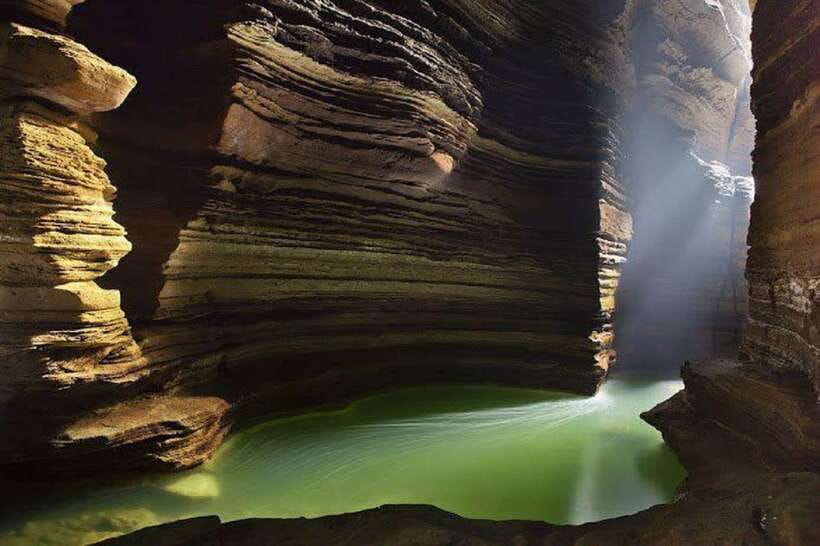
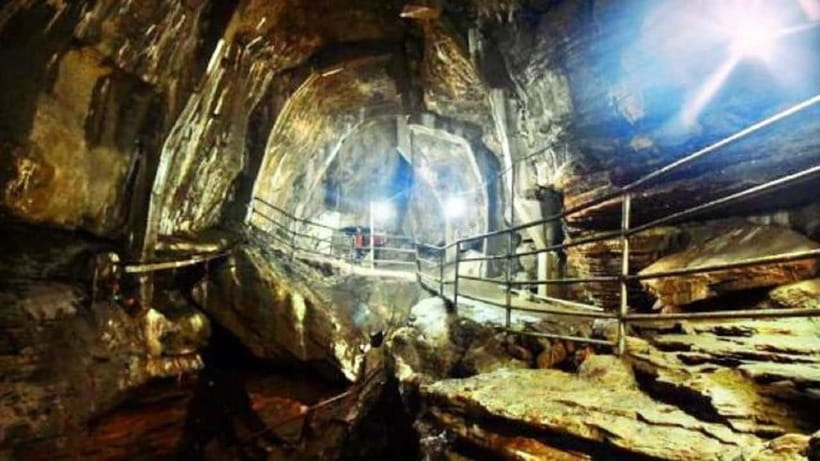
Just opposite Devi’s Falls is Gupteshwor Mahadev Cave, where the mood shifts from water drama to rock-and-spirit. The tour includes a photo stop and a guided visit (about an hour allocated), plus scenic drive/viewpoints along the way.
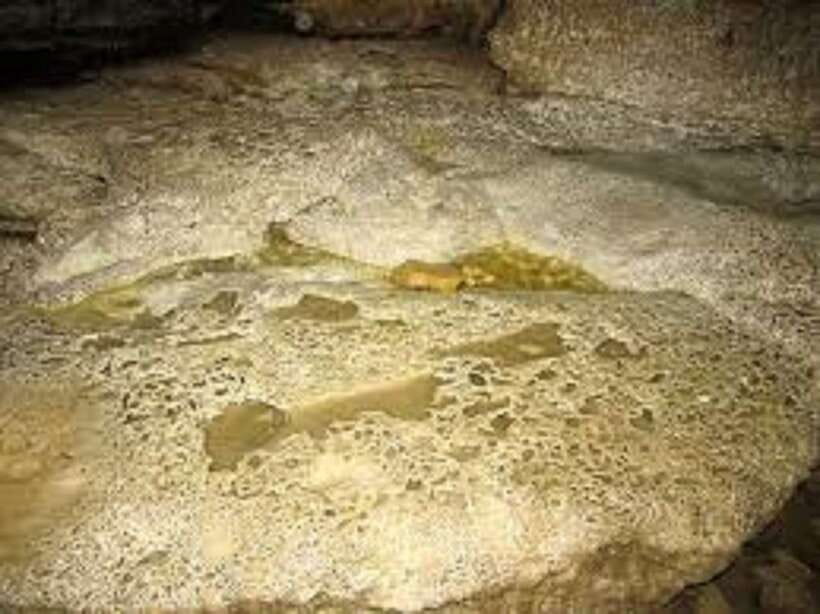
What you’re looking for here is both physical and spiritual. The cave is known for impressive rock formations, and it includes a revered shrine dedicated to Lord Shiva. That shrine presence changes how the space feels: you’re not only looking at geology—you’re sharing a space where locals come with faith and daily life.
I like this stop because it’s a break from the bright outdoors. Even if you only see part of the cave interior, you’ll get the contrast right away: cooler air, darker scenes, and the way light catches stone near the shrine area. That contrast is exactly why it fits well in a half-day tour.
Timing and comfort
Plan for uneven lighting. Photos can be tricky. If you want better results, tell your guide at the start so they know you want a little extra time for careful shots. One guest specifically praised Rajkumar Lamichhane for allowing time to make nice pictures, which is exactly what helps in cave settings.
Like Devi’s Falls, admission fees are not included, so factor that in.
Tibetan Refugee Camp Pokhara: monastery, crafts, and real conversations
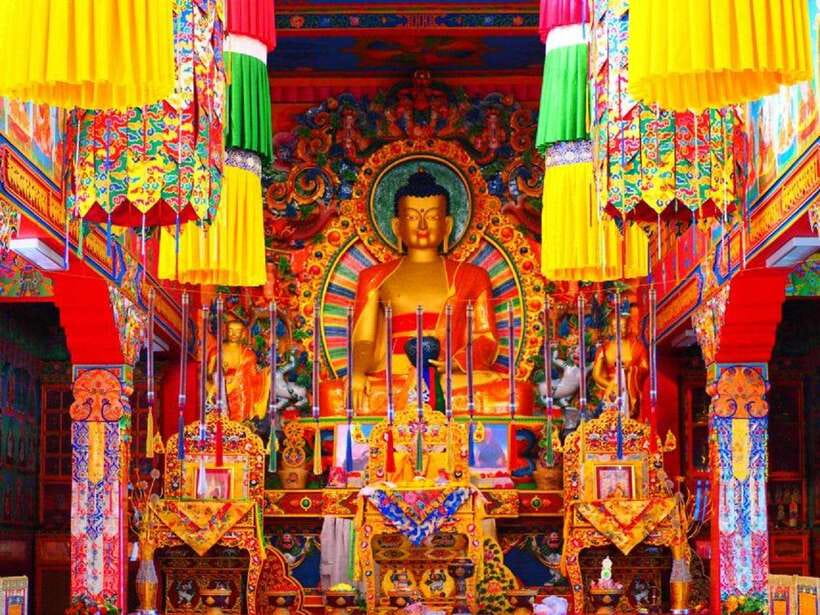
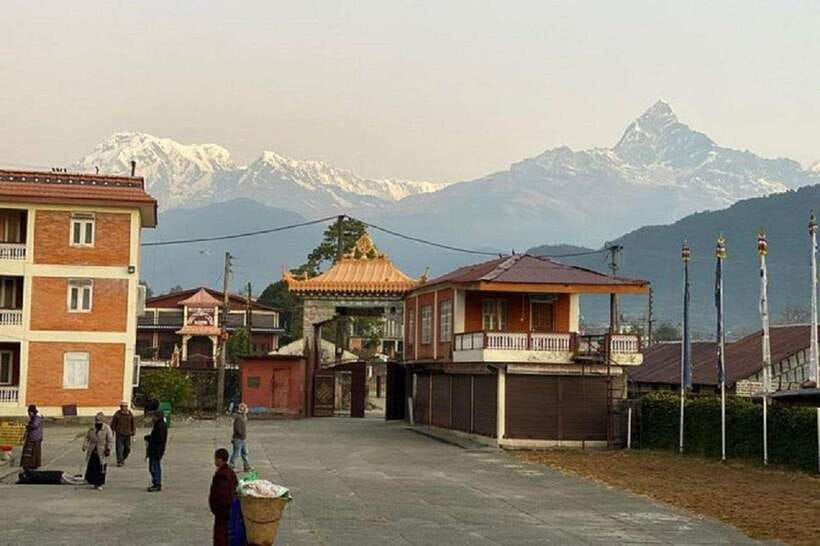
The day closes with Tibetan culture in Pokhara at the Tibetan Refugee Camp. This part is about people, not just places. You’ll have guided time plus free time for walking and shopping, with about 45 minutes allocated.
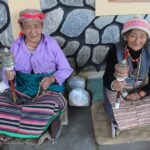
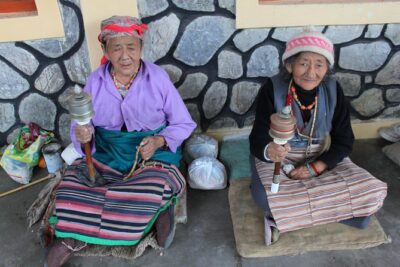
What makes this stop meaningful is the mix of experiences: you’ll learn about traditions, visit a Tibetan monastery, and spend time at a handicraft center where you can buy authentic Tibetan artifacts and souvenirs. If you’ve been studying Tibetan Buddhism only from books, this is the kind of stop that helps you see how it lives in daily spaces.
I also like how practical this section is. Even if you’re not shopping, you can treat the handicraft center as a conversation starter. Ask simple questions about what you’re seeing—materials, patterns, and the story behind particular items. A good guide will help you phrase those questions in English or Hindi.
What to look for
- A monastery visit gives you context beyond decorative sightseeing.
- Craft stalls are great for small souvenirs, but keep an eye on pricing and compare items if you’re buying more than one piece.
One guest praised Prakash Ghimire for introducing local culture and for being easy to talk with. Another praised Rajkumar Lamichhane for taking time and sharing learning points. If your guide leans more into friendly explanation, this stop becomes the highlight for many people.
How the private 3-hour setup actually plays out
The promise here is a private group with A/C transportation, bottled water, and hotel pickup and drop-off within Pokhara city limits. You can start from either Pokhara Lakeside or Pokhara, and you’ll end back at one of those two drop-off options.
Private touring sounds simple, but it matters. It means:
- Your guide can adjust how long you linger at viewpoints.
- You can move at your pace on foot during shorter segments.
- It’s easier to coordinate if you’re sensitive to crowds, heat, or timing.
In the best cases, guests described smooth coordination through WhatsApp and flexible pickup timing. That’s not a minor detail—Pokhara traffic and schedules can shift, and a flexible guide can protect your time.
Still, here’s the consideration: some people ended up with shorter-than-expected total time at the sites. Since your tour is listed at 3 hours, I suggest you treat it like a 3-hour plan, not a guarantee of extra lingering time. The museum, falls, cave, and Tibetan camp are packed into this schedule, so ask your guide early how they plan to allocate time inside each stop.
Language and guidance quality
The tour runs with an English or Hindi live guide. The experience quality can vary depending on whether your guide is acting more like a storyteller or more like a driver with basic directions. If you care about explanations, ask a few direct questions right away: What should I notice first? What’s the main story behind this stop?
Price and logistics: value is real, but admission fees can change the math
The tour price is listed at $24 per person, and that’s one reason this itinerary appeals to budget-minded travelers. But the price isn’t the whole bill. Admission fees are not included for the attractions and sites on the route.
In practice, that means you should expect to pay extra once you arrive. Some guests described entrance costs adding up to a significant amount when paying separately for multiple sites. Even though you’re visiting several famous locations close together, paying admission at each stop can still feel steep compared with the low cost of local taxis or scooters in Pokhara.
So how do you judge value?
- If you want a guided explanation at each site and a smooth, private ride, the base price can feel fair.
- If you mainly want transport and minimal talking, the effective value drops, because you’re also paying for admission on top.
Also keep an eye on add-ons. One situation that sounded frustrating involved a nearby extra stop request that came with an extra fee. The takeaway: if you want to tack on another Pokhara sight, ask first what it will cost and how it will affect timing.
Practical cost tip
Bring a bit of cash for tickets and small purchases. For souvenirs in the Tibetan handicraft area, set a personal budget before you start bargaining.
Who this tour fits best (and who should choose differently)
This is a great fit if you want a compact Pokhara experience that mixes:
- a Himalaya-focused museum,
- dramatic water and a cave shrine,
- and a real cultural visit tied to Tibetan community life.
It’s especially suitable for first-time visitors who don’t want to coordinate multiple tuk-tuks or taxis across town. It also works well for travelers who prefer comfort and ease: A/C transport, bottled water, and pickup and drop-off reduce the stress.
You might want to look for a different option if:
- you’re hoping for a very long visit at each stop (this is a tight schedule),
- you mainly want photos and don’t care about guided context,
- or you’re budget-sensitive and dislike paying multiple admissions in one afternoon.
If you do book, pick a guide with a good communication style. Names that popped up as highlights for friendly, careful, and informative guiding include Prakash, Prakash Ghimire, Rajkumar Lamichhane, and Kiran. If you can request the guide in advance, it could make a noticeable difference.
Should you book this Pokhara private half-day tour?
If you want a short, guided route that covers Pokhara’s most famous landmarks plus Tibetan culture, I think this tour can be a solid use of a half-day. The best version of it feels efficient, comfortable, and meaningful—especially when your guide actually explains what you’re seeing.
Book it if you:
- like the idea of pairing International Mountain Museum with Devi’s Falls and Gupteshwor Mahadev Cave in one plan,
- want an easier day with private A/C transport and hotel pickup,
- and are happy to pay admission fees on top of the base price.
Skip or reconsider if you:
- hate add-on costs and want everything bundled,
- or need extra time at each site beyond what a 3-hour schedule realistically supports.
FAQ
FAQ
How long is the tour?
The tour duration is listed as 3 hours. In practice, the exact time at each stop can vary based on how your visit goes.
Where can I get picked up?
You have two pickup options in Pokhara: Pokhara Lakeside and Pokhara. Pickup and drop-off are within Pokhara city limits.
Is this tour private?
Yes, it’s a private group experience, with private A/C transportation and a live guide.
What languages is the guide available in?
The live tour guide is available in English and Hindi.
Are admission fees included in the price?
No. Admission fees for the attractions and sites on the route are not included, so you’ll pay separately on the ground.
Is bottled water included?
Yes. Bottled water is provided throughout the tour.
Do I need an ID to join?
You should bring a passport or ID card.
What’s the general order of sights?
The route includes the International Mountain Museum, Devi’s Falls, Gupteshwor Mahadev Cave, and then the Tibetan Refugee Camp area for culture and shopping.
Is transportation air-conditioned?
Yes. Private A/C transportation is included throughout the tour.
Can I cancel for a refund?
You can cancel up to 24 hours in advance for a full refund.
Is pay later available?
Yes. You can reserve now and pay later to keep your plans flexible.
More Private Trips
Also Reviewed Around Pokhara

More Tibetan Culture Tours


Newer Pokhara reviews to browse before you decide
Tibetan Culture Tours, compared.
 ★ 5.0Full-Day Tibetan Cultural Tour to Tibetan Settlements PokharaFrom $85184 reviews
 ★ 5.0Afternoon Tibetan Cultural Tour to Tibetan Settlements PokharaFrom $60106 reviews
 ★ 5.0Morning Tibetan cultural tour to Tibetan settlements PokharaFrom $8566 reviews
 ★ 5.0Afternoon Tibetan cultural tourFrom $5641 reviews
 ★ 5.0Half Day Tibetan Cultural tour PokharaFrom $6336 reviews
 ★ 5.0Morning Half Day Tibetan cultural tour to Tibetan SettlementsFrom $6026 reviews
 ★ 5.0Sarangkot Sunrise with a half day Tibetan cultural tourFrom $9113 reviews
 ★ 5.0Full Day Tibetan Cultural TourFrom $8212 reviews
Browse the lists this tour appears in