
Reviewed · TIBETAN CULTURE TOURS
Half Day Tibetan Cultural tour Pokhara
Refugee life, explained on foot. This half-day tour in Pokhara mixes Tibetan Buddhism, crafts, and daily-life storytelling with Mr. Thupten Gyatso as your guide. You’ll also sample Tibetan food and see the hands-behind-the-craft reality of Tibetan weaving.
I especially like the chance to learn in two practical ways: you’ll eat momos and thukpa at a Tibetan restaurant, and you’ll meet a Tibetan doctor for pulse reading and Tibetan medicine insights. Both parts turn culture into something you can actually picture, not just words on a sign.
One thing to consider: the day is packed into about 4.5 hours, and it includes a carpet workshop plus a carpet showroom. If you prefer unbroken time outdoors or you’d rather skip craft-buying stops, you may feel a bit rushed.
In This Review
- Key things to know before you go
- A half-day Tibetan culture snapshot in Pokhara
- Getting picked up and meeting Mr. Thupten Gyatso
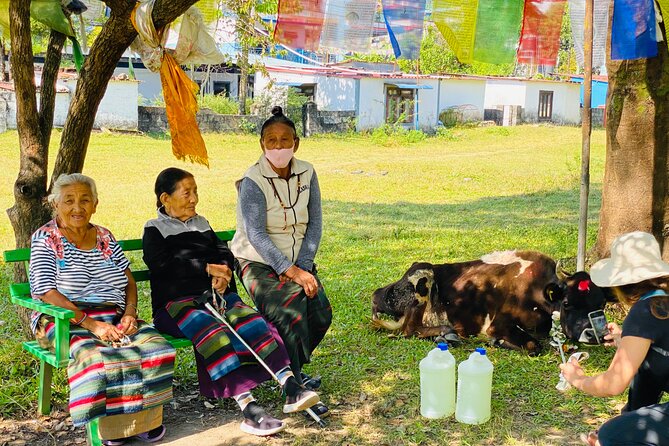
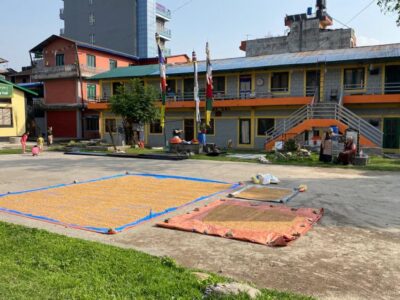
- Walking a Tibetan refugee settlement: see life, not a museum
- Buddhist symbols at the monastery: what prayer wheels and flags mean
- Tibetan schools: education as continuity
- Carpets made by hand: workshop steps and the showroom reality
- Photo gallery history: why the refugee story matters
- Meet a Tibetan doctor and experience pulse reading
- Lunch at a Tibetan restaurant: momos and thukpa
- Price and value in plain terms
- Who this tour fits best (and who should skip it)
- Should you book this half-day Tibetan cultural tour?
Key things to know before you go
- Small-group feel with a low maximum group size, so questions are realistic.
- Refugee-settlement walk for a grounded look at everyday life in Nepal.
- Monastery symbols explained in plain terms: prayer wheels, prayer flags, stupas, and more.
- Handmade Tibetan carpets from workshop steps to viewing in a showroom.
- Tibetan doctor + pulse reading, with a rare, personal window into Tibetan medicine.
- Tibetan lunch included, with vegetarian and gluten-free options available.
More visits to Pokhara's Tibetan settlements.
- Full-Day Tibetan Cultural Tour to Tibetan Settlements Pokhara★ 5.0 · 184 reviews
- Afternoon Tibetan Cultural Tour to Tibetan Settlements Pokhara★ 5.0 · 106 reviews
- Morning Tibetan cultural tour to Tibetan settlements Pokhara★ 5.0 · 66 reviews
- Half Day Tibetan Cultural tour Pokhara★ 5.0 · 36 reviews
A half-day Tibetan culture snapshot in Pokhara
This tour is built for people who want more than scenery. You’re not just checking off a monastery and moving on. The focus is culture as lived experience: religion in daily habits, history in visible community memory, and tradition in the work people still do with their hands.
It runs 4 hours 30 minutes, departing at 9:00 am and returning around 2:00 pm. That timing matters. It’s early enough to feel like a “real activity day,” but short enough that you still have the afternoon for lakeside wandering, a Pokhara viewpoint, or a slow dinner.
The tone also feels thoughtful. The guide is Mr. Thupten Gyatso, a member of the Tibetan community, and that gives the whole day a more human rhythm. You’ll hear the story of Tibetan life in Nepal through someone who’s part of it.
Getting picked up and meeting Mr. Thupten Gyatso
The day starts with hotel pickup/transfer included, which is a big quality-of-life win in Pokhara. You don’t have to figure out routes or bargaining with taxis while you’re trying to learn. You just show up, meet your group, and start moving.
Your guide leads the day. In the reviews, his strength comes through clearly: he explains Tibetan culture and Buddhism with enough background to make the symbols make sense, not just sound mystical. If you’ve had a hard time keeping up with other tours, this one tends to be easier because the explanations are structured around what you’re seeing right in front of you.
Group size is another quiet benefit. The description calls out small group max 8, while the activity lists a maximum of 15 travelers. Either way, it’s not a huge bus tour. Just know that on a busier day you might have less one-on-one time than you’d have in a tighter group.
Walking a Tibetan refugee settlement: see life, not a museum
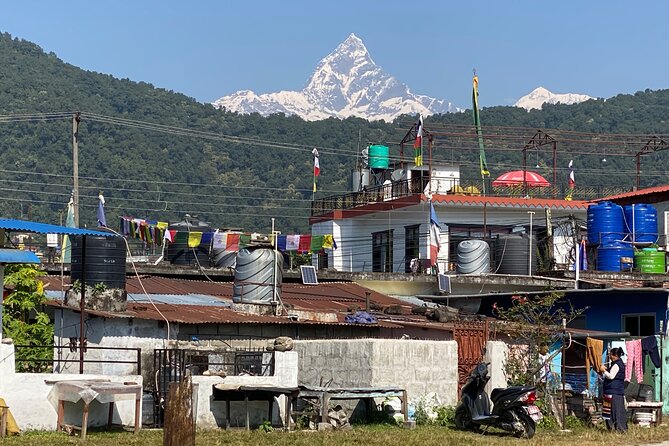
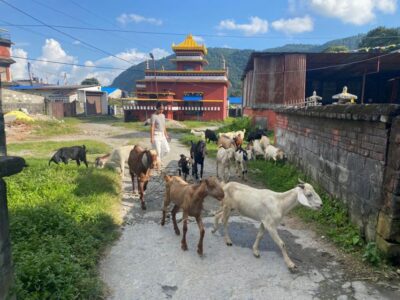
One of the most valuable parts is the visit to a Tibetan refugee settlement. You walk around the village and see how people live their daily lives. This is the part that shifts the tour from sightseeing into understanding.
Look for what’s practical: where people gather, how routines show up in shared spaces, and how religion and culture are woven into everyday life. You’re also learning about the broader situation of Tibetans in present-day Nepal, so the settlement visit isn’t treated as a static background. It’s part of the story.
A strong point here is that you’re not just driving past. Walking gives you time to notice details. And because the group is small, you can ask questions without feeling like you’re interrupting a production line.
Buddhist symbols at the monastery: what prayer wheels and flags mean
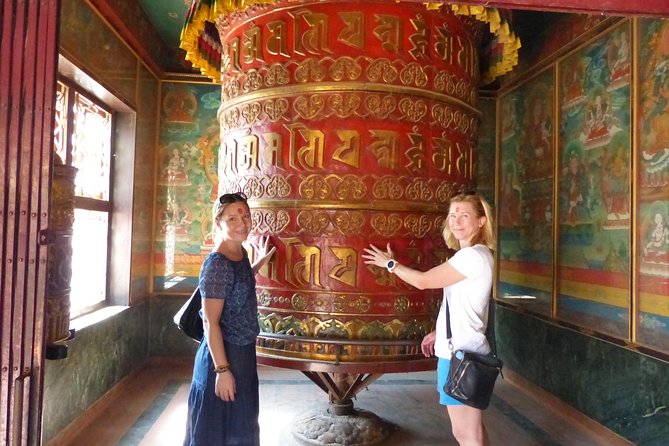
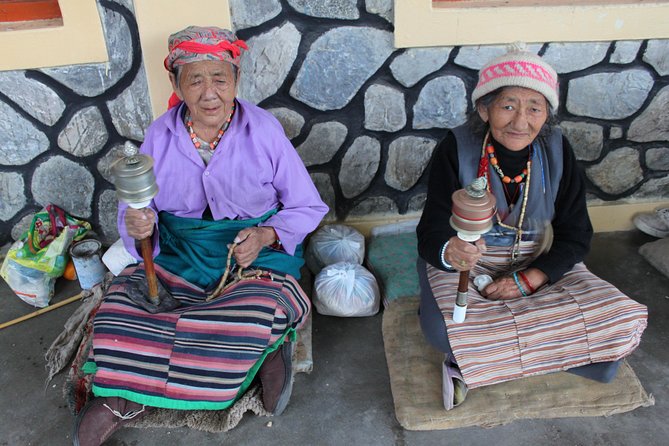
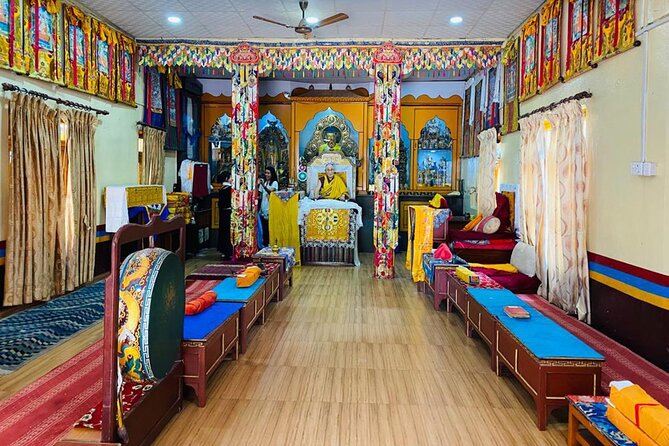
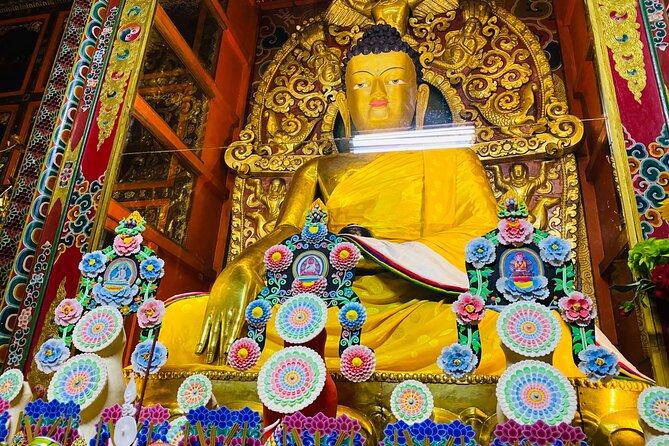
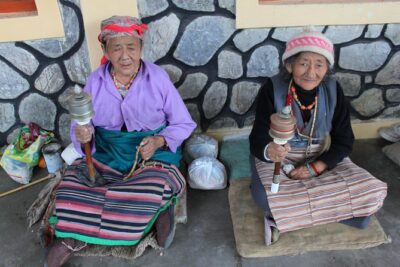
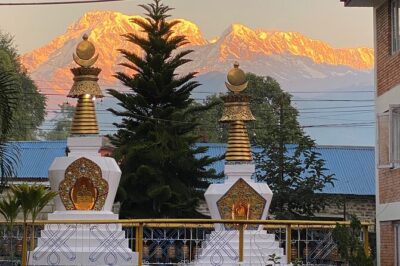
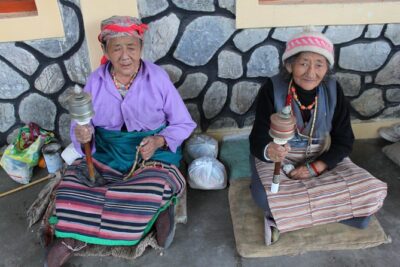
Next up is a Tibetan Buddhist monastery. You’ll learn the meanings of important symbols that show up in daily life, including prayer wheels, prayer flags, and stupas.
Here’s why this stop is more than a pretty building. If you’ve seen Tibetan symbols before and wondered what they actually mean, this is the moment it gets explained in context. Instead of memorizing names, you learn the logic behind them—how the objects relate to belief and practice.
Also, monasteries can sometimes feel overly quiet and intimidating for first-timers. The guide’s role is to translate the vibe into something you can understand: what to look for, why it matters, and how it connects to Tibetan Buddhist history.
If you like learning through observation, this stop fits you well. If you’re expecting a long time to just roam, plan for a structured visit. You’re there for understanding, not unlimited wandering.
More culture and heritage stops around Pokhara.
Tibetan schools: education as continuity
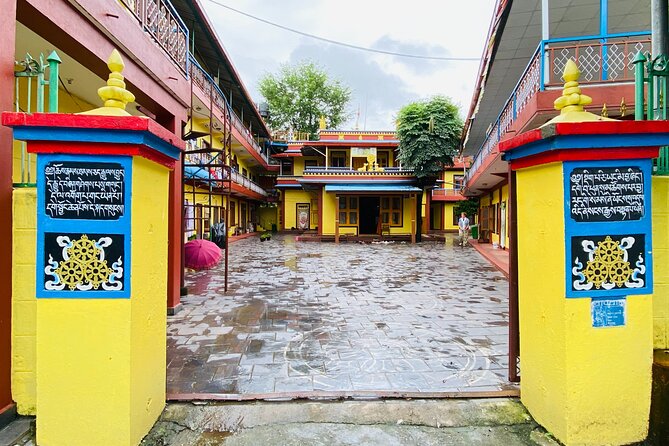
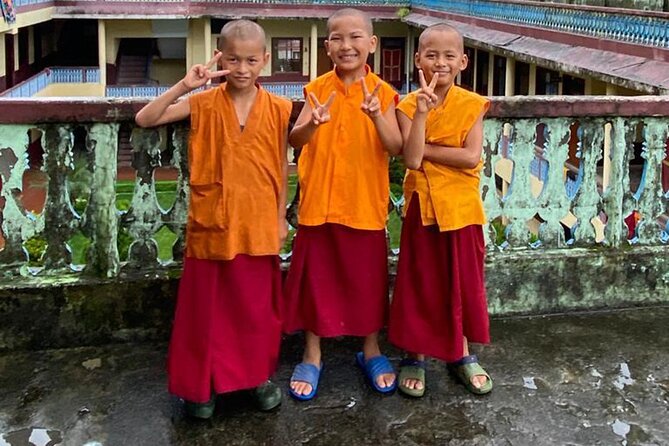
You’ll also learn about Tibetan schools and their educational system. This part can be surprisingly moving because it frames education as continuity—how a community keeps language, values, and tradition alive in a new home.
Even if you’re not a “schools” person, treat this like a context-builder. When you later hear about community life and history, this stop helps connect the dots.
It also makes the tour feel more complete. Religion, crafts, medicine, and food all connect to how people raise children and pass on identity.
Carpets made by hand: workshop steps and the showroom reality
One of the tour’s practical highlights is seeing a carpet workshop where Tibetan carpets are made by hand. You’ll walk through the process step by step, with the guide explaining what’s happening at each stage.
This isn’t just watching. It’s learning how craft is labor, skill, and patience. You see that the “art” is actually a workflow—hands doing repeated work over time, with design choices built into the process.
Then you’ll head to a carpet showroom to explore carpets with unique designs and colors. This is where your preferences come in. If you love crafts and don’t mind browsing, it’s fun to compare styles and understand what you saw in the workshop.
If you’d rather avoid shopping-related spaces, go in with your own rules: view first, ask questions second, and don’t feel pressured to decide today. The value here is the understanding you gain from the workshop—buying is optional.
Photo gallery history: why the refugee story matters
You’ll visit a photo gallery focused on the history of Tibetan refugees. The goal isn’t to overwhelm you with dates. It’s to give the day a backbone: the why behind what you’re seeing in the settlement and what you’ll hear from the doctor later.
Photo galleries work best when you treat them like bookmarks. Stop, look, ask one question, then move on. If you try to absorb everything at once, it can feel heavy. If you take it in chunks, it clicks into place with the other stops.
Meet a Tibetan doctor and experience pulse reading
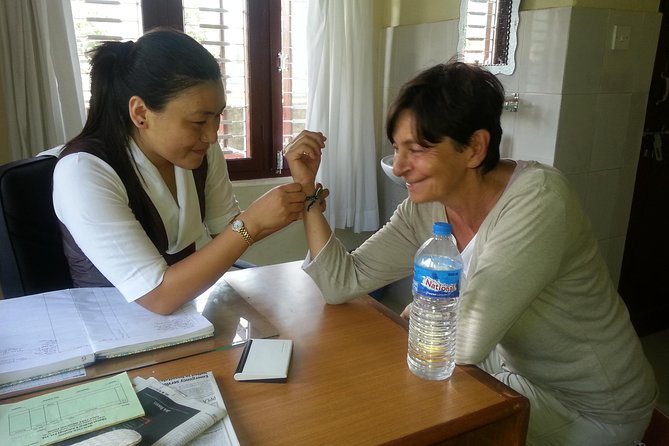
This stop is a standout for good reason. You’ll meet a Tibetan doctor and learn about Tibetan medicine, including firsthand experience of pulse reading.
For many visitors, this feels like a rare cultural window because it’s not just theory. You’re observing a practice that’s been used to understand the body and guide care. It also shifts your view of “medicine” from Western-only ideas into a different framework of wellness.
It’s also memorable because it’s personal. Even in a group setting, you get that one-on-one element that makes the experience feel real.
Keep in mind: this isn’t a medical exam for an official diagnosis. You’re learning a cultural practice. If you’re sensitive to health-related conversations, it may feel intense at first, but the framing here is educational.
Lunch at a Tibetan restaurant: momos and thukpa
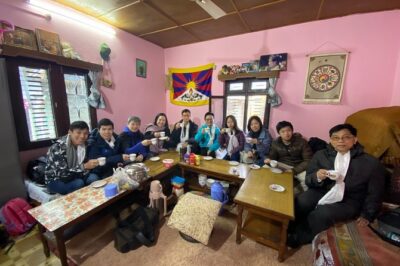
You’ll finish with an authentic Tibetan lunch at a local Tibetan restaurant. The tour also includes samples of Tibetan cuisine such as momos and thukpa, so you’re not just eating a meal—you’re tasting a few key dishes.
Food matters on cultural tours because it’s one of the easiest ways to connect. You can learn about symbolism and history, but a warm bowl and a satisfying bite bring the day into balance.
The practical part: vegetarian options are available if you request in advance. Gluten-free needs can also be handled with items like plain rice and veg or non-veg curry (as stated). If you have dietary restrictions, message your requirement when booking so the restaurant can plan.
Price and value in plain terms
At $63.52 per person, this isn’t the cheapest half-day option in Pokhara. But when you break down what’s included, the value starts to make sense.
You get:
- Pickup and transfers included
- a half-day guided visit that covers monastery, refugee settlement, craft workshop, photo history, and Tibetan doctor interaction
- Tibetan lunch, plus food sampling (momos and thukpa)
The main value isn’t just time saved from arranging logistics. It’s access. The tour packs multiple learning stops into one guided route, with a community guide connecting the pieces.
In my view, this price fits best if you want a story-driven day. If you just want photos and quick sights, you can probably find cheaper tours. If you want understanding—religion symbols, refugee life context, craft process, and medicine practice—this pricing looks more fair.
Also note booking demand. It’s commonly booked about 86 days in advance, which is a hint that it stays popular.
Who this tour fits best (and who should skip it)
This tour is a strong match if you:
- want real context about Tibetan life in Nepal, not just generic culture talk
- like monastery symbols explained clearly
- enjoy crafts and want to see hand weaving in action
- are curious about Tibetan medicine and pulse reading
- appreciate food that’s part of the story, not an afterthought
You might choose differently if you:
- hate structured itineraries that move from stop to stop
- prefer long free time without “shop windows,” including the carpet showroom
Should you book this half-day Tibetan cultural tour?
If your goal is a compact, meaningful culture lesson in Pokhara, I’d book this. You get a good mix of religion, everyday refugee life, living crafts, medicine practice, and a real meal—plus pickup and transfers that keep the day easy.
Before you reserve, ask yourself one question: do you want understanding more than wandering? If yes, this is exactly the kind of half-day that stays with you.
More Heritage and Culture
Also Reviewed Around Pokhara

More Tibetan Culture Tours
Newer Pokhara reviews to browse before you decide



Tibetan Culture Tours, compared.
 ★ 5.0Full-Day Tibetan Cultural Tour to Tibetan Settlements PokharaFrom $85184 reviews
 ★ 5.0Afternoon Tibetan Cultural Tour to Tibetan Settlements PokharaFrom $60106 reviews
 ★ 5.0Morning Tibetan cultural tour to Tibetan settlements PokharaFrom $8566 reviews
 ★ 5.0Afternoon Tibetan cultural tourFrom $5641 reviews
 ★ 5.0Morning Half Day Tibetan cultural tour to Tibetan SettlementsFrom $6026 reviews
 ★ 3.8Private Half-Day Tour and Tibetan Culture TourFrom $2414 reviews
 ★ 5.0Sarangkot Sunrise with a half day Tibetan cultural tourFrom $9113 reviews
 ★ 5.0Full Day Tibetan Cultural TourFrom $8212 reviews
Browse the lists this tour appears in