
Reviewed · TIBETAN CULTURE TOURS
Half day Tibetan cultural tour
A Tibetan cultural tour in Pokhara is short, but it packs real context. You’ll spend 4.5 hours with Mr. Thupten Gyatso, a Tibetan native guide, moving from a refugee settlement to a monastery, a carpet workshop, a medical center, and then finishing with a proper Tibetan meal. I especially liked the way you learn the meaning behind everyday Buddhist visuals, and how the lunch (momos and thenthuk) feels like part of the culture, not an afterthought.
Two things make this tour feel unusually human. First, the stop at a Tibetan refugee settlement isn’t just photos and facts—it’s a look at how Tibetan identity and Buddhist symbols keep living in exile. Second, you actually meet people tied to the community, including a Tibetan doctor, which gives Tibetan traditional medicine some real-world grounding. One possible drawback: if you want only scenic sightseeing, this is more learning-and-people than viewpoints.
In This Review
- Key points at a glance
- Tibetan culture near Pokhara, in one focused half-day
- Meet Mr. Thupten Gyatso and how the small group changes things
- Tashiling Tibetan settlement: daily life, language, and identity in exile
- Monastery and Buddhist symbols: why the signs look the way they do
- Carpet workshop and showroom: handmade craft with a story
- Photo gallery history: how the refugee story is told
- Tibetan medical center: what a consultation can actually teach you
- Lunch of Tibetan momos and thenthuk, with flexible options
- Price and logistics: what $61 includes and where costs can pop up
- Who this tour fits best (and who should think twice)
- Should you book the Tibetan cultural tour near Pokhara?
- FAQ
- What is the duration of the half day Tibetan cultural tour?
- Where does pickup happen?
- Is there an extra transportation fee?
- How big is the group?
- What places do we visit?
- Do we meet a doctor?
- What kind of Tibetan food is included for lunch?
- Is gluten-free food available?
- What language is the tour conducted in?
- Is the tour suitable for young children or wheelchair users?
Key points at a glance
- Mr. Thupten Gyatso guides you in English, with a small group capped at 8.
- You’ll visit a Tibetan refugee settlement near Pokhara valley and learn how daily life keeps Tibetan culture going.
- A monastery stop focuses on what Buddhist signs and symbols mean day to day.
- You’ll see handmade carpet making and then browse a showroom of Tibetan designs.
- A medical center visit includes a doctor’s consultation plus basic traditional medicine knowledge.
- You’ll end with Tibetan lunch, with veg and non-veg options plus gluten-free choices.
More visits to Pokhara's Tibetan settlements.
- Full-Day Tibetan Cultural Tour to Tibetan Settlements Pokhara★ 5.0 · 184 reviews
- Afternoon Tibetan Cultural Tour to Tibetan Settlements Pokhara★ 5.0 · 106 reviews
- Morning Tibetan cultural tour to Tibetan settlements Pokhara★ 5.0 · 66 reviews
- Half Day Tibetan Cultural tour Pokhara★ 5.0 · 36 reviews
Tibetan culture near Pokhara, in one focused half-day
This isn’t a “drive around and check boxes” kind of tour. The time is tight—about 4.5 hours—but it’s designed around a theme: how Tibetan culture works in everyday life, even thousands of miles from Tibet.
That theme matters because it changes what you pay attention to. You’re not just looking at a monastery or a market display. You’re learning why certain symbols show up where they do, how education is handled inside the settlements, and how traditional health practices fit into community life.
Meet Mr. Thupten Gyatso and how the small group changes things
The biggest strength here is your guide. You’ll be led by Mr. Thupten Gyatso, described as a Tibetan native with deep roots in the region. In a small group (limited to 8 participants), you get more back-and-forth questions and less “everyone shuffle along” energy.
In my opinion, this also affects the tone of the day. The tour is explained as an educational and cultural experience, not a scripted lecture. The goal is understanding—Tibetan religion, Tibetan people living in Nepal, and the refugee community’s efforts to keep language and identity strong.
One quick reality check: the itinerary is active. You’ll walk through settlement areas and move between several stops, so wear comfortable shoes and keep water handy.
Tashiling Tibetan settlement: daily life, language, and identity in exile
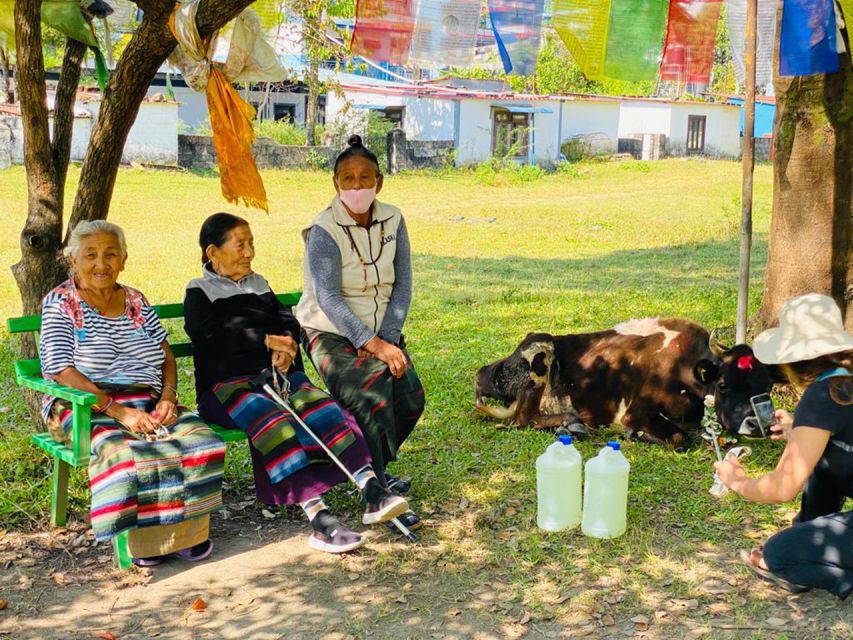
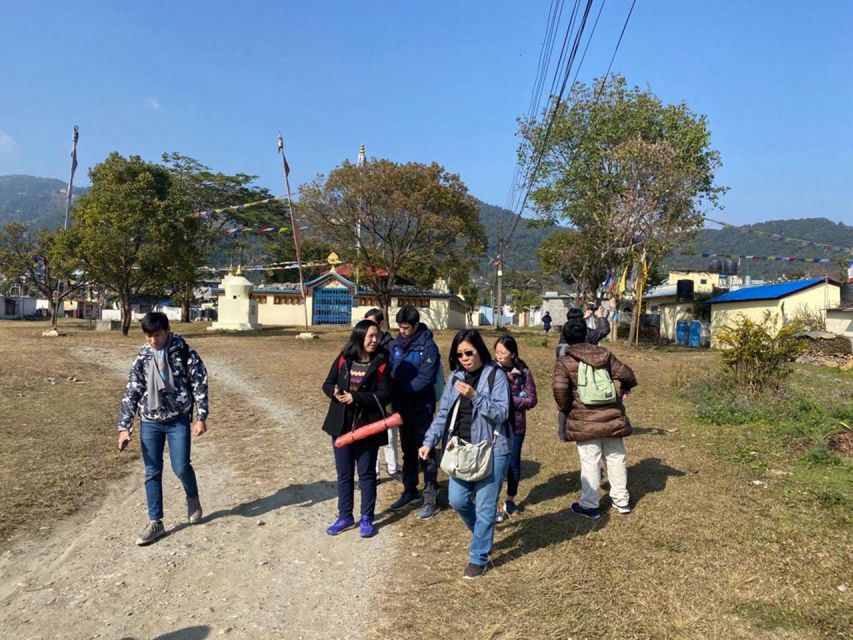
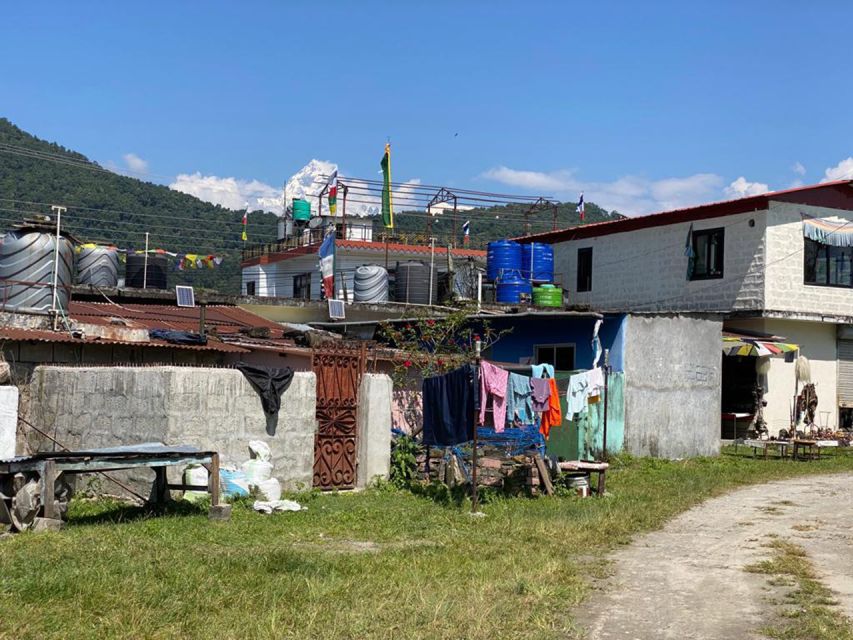
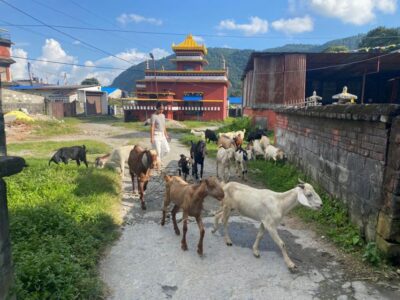
The day starts with pickup from the Lakeside area in Pokhara, then you head to a Tibetan settlement near the Pokhara valley—specifically Tashiling Tibetan settlement. The tone shifts quickly here. Instead of “tourist stops,” it feels like you’re visiting a functioning community.
You’ll get a photo stop plus guided time inside the settlement. There’s also time for coffee or tea and a lunch break later in the tour (the lunch itself is Tibetan food, not generic Nepali fare). The settlement visit is built around learning how Tibetan people have kept language, identity, and Buddhist culture intact in Nepal.
Here’s what I think you should look for while you’re there:
- Notice the symbols you spot repeatedly in daily life.
- Watch how schooling is talked about and presented.
- Pay attention to how the community shares its story through photos and guided explanations.
A helpful detail for expectations: the tour focuses on one settlement rather than hopping between many. That makes it easier to understand the place as a whole.
Monastery and Buddhist symbols: why the signs look the way they do
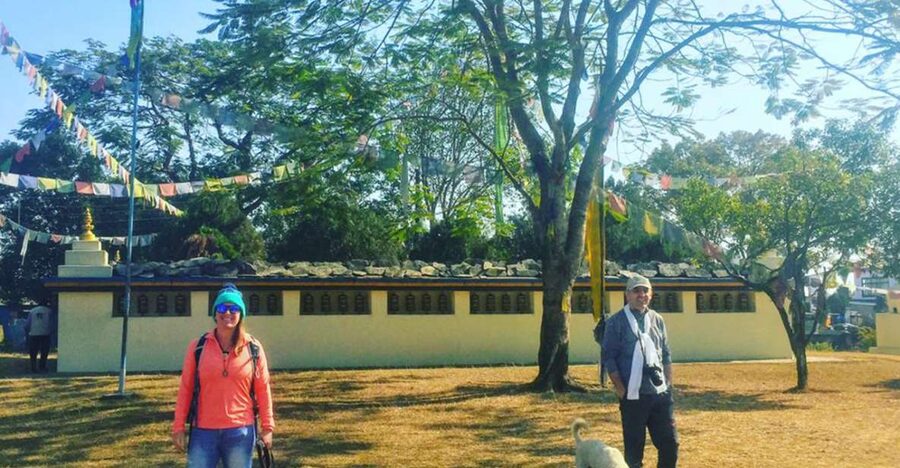
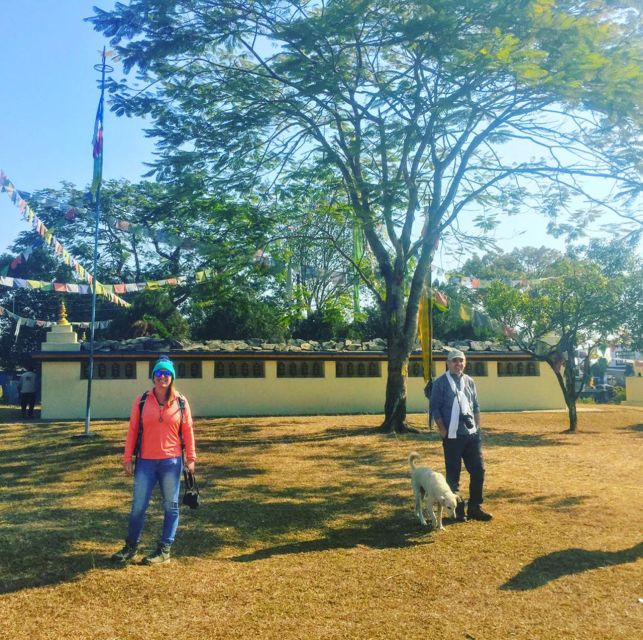
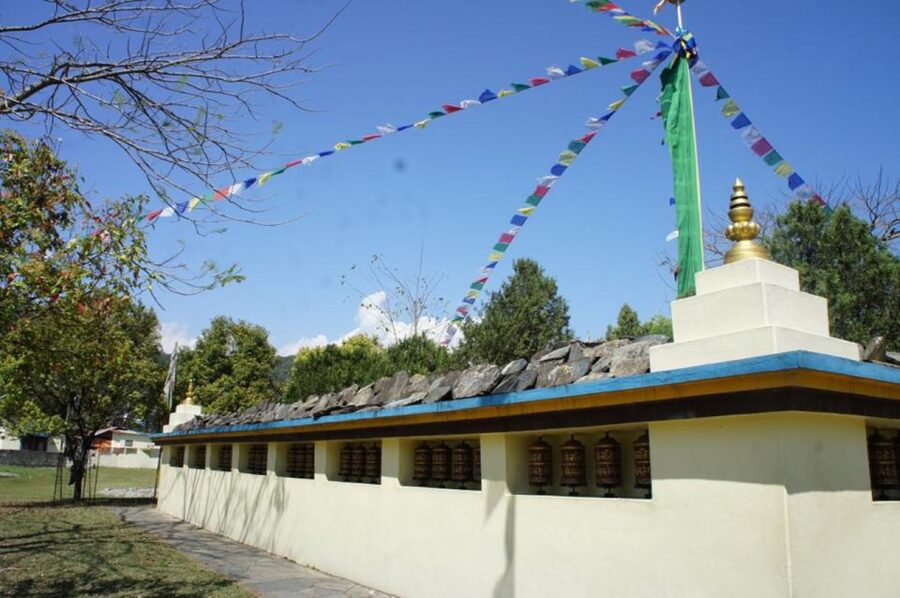
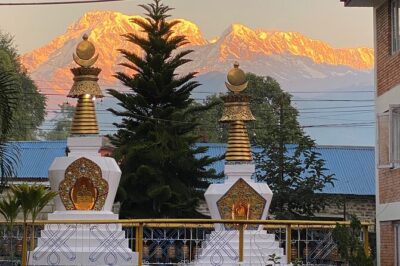
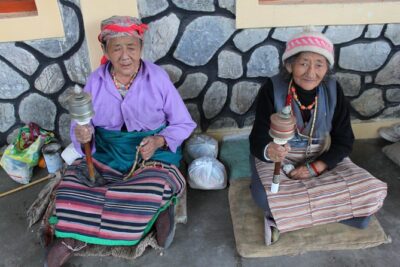
After the settlement, you’ll visit a monastery. This isn’t just “walk into a prayer hall.” The monastery stop is specifically about learning the meanings of Buddhist symbols that show up in daily life—things like prayer wheels, prayer flags, and stupas.
This is one of the parts people tend to love most because it gives meaning to visuals you’d otherwise miss. You’ll hear how these symbols are used and what they represent, instead of treating them like decoration. It’s also the kind of knowledge that stays with you after you leave, because you’ll recognize symbols later around Pokhara.
A practical consideration: monasteries can be quiet and rules can vary by space. Plan to move respectfully and follow your guide’s instructions without trying to speed through for photos.
More culture and heritage stops around Pokhara.
Carpet workshop and showroom: handmade craft with a story
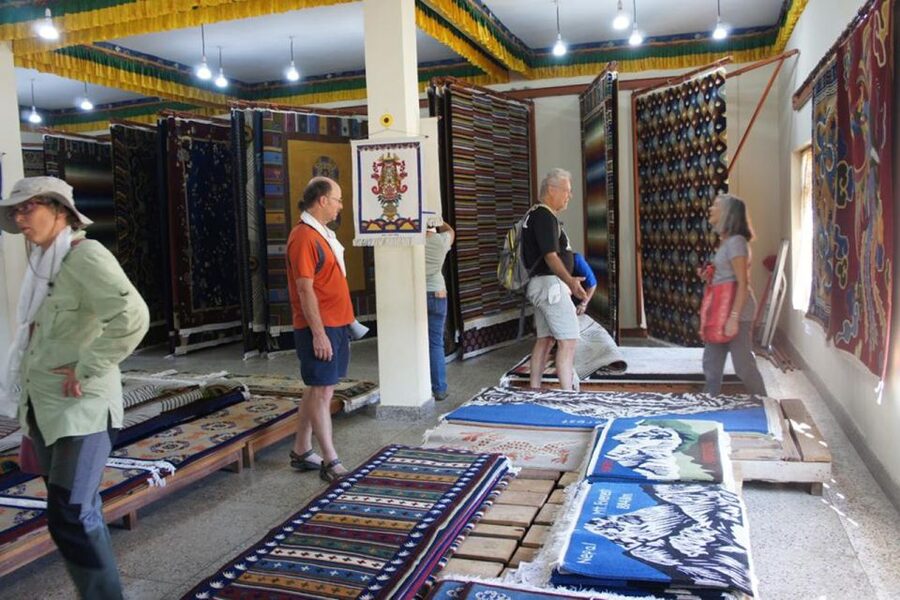
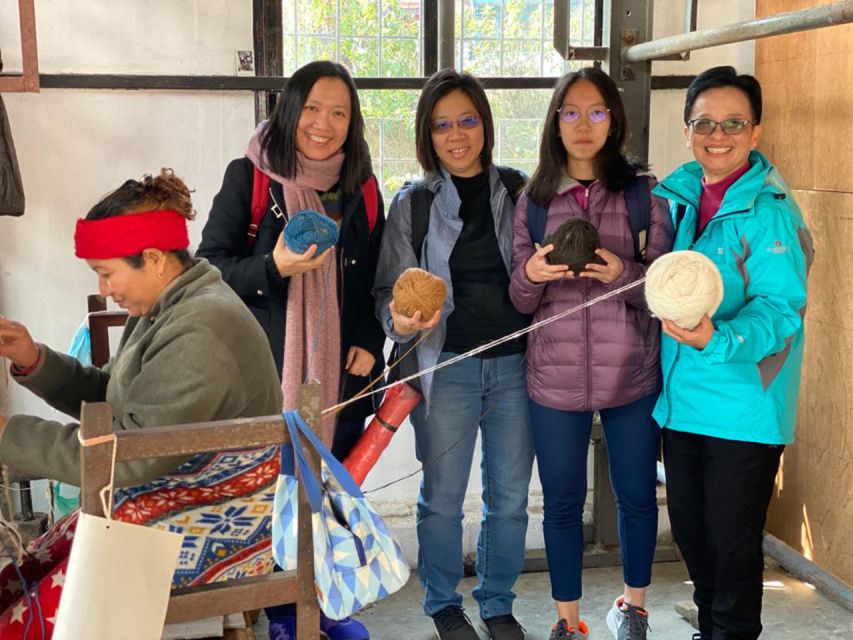
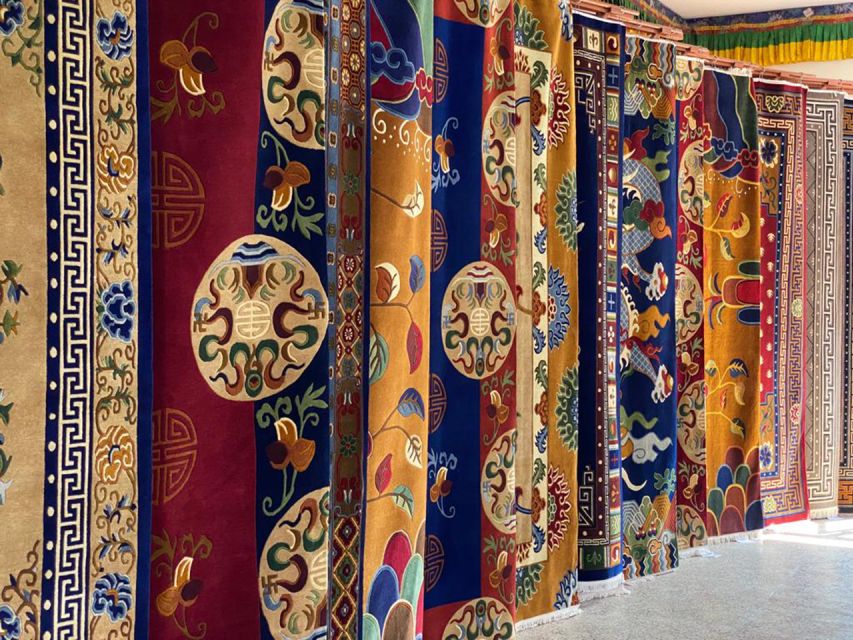
Then you shift from spiritual symbols to material culture: Tibetan carpets. You’ll visit a carpet workshop, watch the handmade carpet process, and then go to a carpet showroom to explore designs and colors.
This is a great stop if you like craft that you can trace to hands and steps. The tour explains each stage in the workshop, so you can connect the finished pattern to the effort that created it. And because you also get showroom time, you’re not just watching the making—you’re seeing the end result and the variety of styles.
If you’re shopping, go slowly. Even if you don’t plan to buy, the showroom makes it easier to understand what makes one carpet different from another. Use the workshop lesson as your “decoder ring.”
Photo gallery history: how the refugee story is told
In the settlement area, you’ll also see a photo gallery focused on the history of Tibetan refugees and images that show early settlement life in the 1960s. This part matters because it turns an abstract “refugees came here” story into something you can visualize.
What makes this practical is how it connects to everything else you’re seeing. When your guide explains the preservation of language and identity, the photos provide the why behind it. You start to understand that education, religious practice, and community work aren’t side quests. They’re survival tools—cultural ones.
If you’re the type who wants a timeline, this is where it helps.
Tibetan medical center: what a consultation can actually teach you
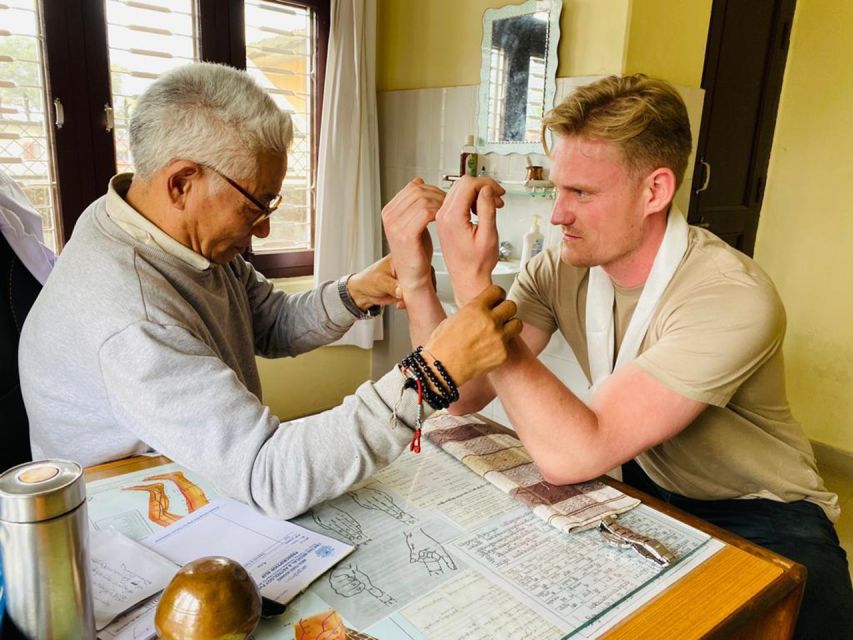
One of the standout segments is the visit to a Tibetan medical center. You’ll meet a Tibetan doctor and learn basic knowledge about Tibetan medicine and its treatment.
The key word here is basic—but that’s also why it’s approachable. You’re not expected to be a medical expert. You get first-hand insight through a consultation, and that brings traditional medicine to life as something practiced by real people, not just “old remedies” in a travel guide.
This also ties back to the theme of cultural continuity. If education and religion survive in the settlement, medicine does too—through local practice, training, and shared knowledge.
A practical tip: if you’re curious about how you’d explain symptoms or concerns in your own life, come with a few simple questions. You’re getting a consultation experience as part of the tour, so you can ask what you reasonably can.
Lunch of Tibetan momos and thenthuk, with flexible options
By the time lunch arrives, you’ll be ready for something warming and satisfying. The tour includes an authentic Tibetan lunch at a local Tibetan restaurant, with Tibetan momos and thenthuk—a nourishing soup made with freshly kneaded dough, plus meat and vegetables.
You can usually choose vegetarian or non-vegetarian. The tour also provides gluten-free options, including plain rice and vegetable curry. That means you’re not stuck with a bland fallback if you have dietary needs.
One detail I really like: your guide (Mr. Thupten) helps explain Tibetan cuisine during the meal. That turns food into another learning moment—how ingredients and dishes reflect local preferences and everyday life.
Price and logistics: what $61 includes and where costs can pop up
At $61 per person for about 4.5 hours, this tour can be good value if you want more than a quick cultural glance. It includes a Tibetan tour guide, round-trip pickup and drop-off around Lakeside, visits to the settlement, monastery, carpet workshop and showroom, the medical center with a doctor consultation, mineral water, fresh juice, and tea/coffee—plus the Tibetan lunch.
Where you might see extra cost: if your hotel is outside the Lakeside area, there’s an additional transportation fee depending on your location. If you’re staying outside Lakeside, ask about the extra pickup cost early so there are no surprises.
Also worth noting: this is designed for a small group (up to 8), and it’s in English with a live guide. That combination usually supports the kind of interaction you want on a cultural day.
Who this tour fits best (and who should think twice)
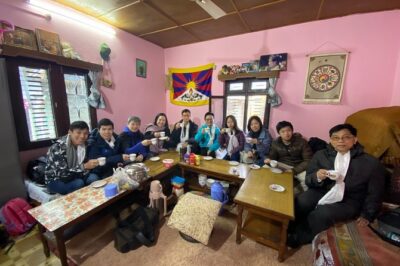
This tour is ideal if you care about cultural meaning: Buddhist symbols, education in Tibetan settlements, carpet craft, Tibetan traditional medicine, and food as culture. It’s also a strong choice if you want to meet real community members rather than only watch a performance.
It may feel like a mismatch if your idea of travel is mostly scenery and free time. The schedule is packed with guided experiences, and you’ll spend less time wandering on your own.
It’s also not suitable for children under 5 or for wheelchair users, based on the tour’s stated limitations.
Should you book the Tibetan cultural tour near Pokhara?
If you want a short day that actually teaches you how Tibetan life continues in Nepal, I’d book it. I especially recommend it if Buddhist symbols and Tibetan medicine interest you, because those aren’t usually covered in depth on casual sightseeing tours.
It’s also a smart pick for food lovers. One German guest, Ulrike, highlighted that Mr. Thupten helped them understand the culture while also introducing culinary culture and meeting people like monks and doctors. Another guest, Cristina, praised the amount of practical context about Tibetan life in Nepal.
If you’re willing to trade a little free wandering time for structured, community-based learning, this half-day tour is a solid value.
FAQ
What is the duration of the half day Tibetan cultural tour?
The tour runs for about 4.5 hours.
Where does pickup happen?
Pickup and drop-off are included for hotels around Lakeside in Pokhara.
Is there an extra transportation fee?
Yes. If your hotel is outside the Lakeside area, there is an additional transportation fee depending on your hotel location.
How big is the group?
The tour is a small group limited to 8 participants.
What places do we visit?
You visit one Tibetan refugee settlement near Pokhara valley, a monastery, a carpet workshop and showroom, and a Tibetan medical center.
Do we meet a doctor?
Yes. The tour includes a visit to a Tibetan medical center and a consultation with a Tibetan doctor.
What kind of Tibetan food is included for lunch?
Lunch includes Tibetan momos and thenthuk soup. Vegetarian and non-vegetarian options are available.
Is gluten-free food available?
Yes. Gluten-free options include plain rice and vegetable curry.
What language is the tour conducted in?
The tour is guided in English.
Is the tour suitable for young children or wheelchair users?
It’s not suitable for children under 5 and it is not wheelchair accessible.
More Heritage and Culture
Also Reviewed Around Pokhara

More Tibetan Culture Tours
Newer Pokhara reviews to browse before you decide


Tibetan Culture Tours, compared.
 ★ 5.0Full-Day Tibetan Cultural Tour to Tibetan Settlements PokharaFrom $85184 reviews
 ★ 5.0Afternoon Tibetan Cultural Tour to Tibetan Settlements PokharaFrom $60106 reviews
 ★ 5.0Morning Tibetan cultural tour to Tibetan settlements PokharaFrom $8566 reviews
 ★ 5.0Afternoon Tibetan cultural tourFrom $5641 reviews
 ★ 5.0Half Day Tibetan Cultural tour PokharaFrom $6336 reviews
 ★ 5.0Morning Half Day Tibetan cultural tour to Tibetan SettlementsFrom $6026 reviews
 ★ 3.8Private Half-Day Tour and Tibetan Culture TourFrom $2414 reviews
 ★ 5.0Sarangkot Sunrise with a half day Tibetan cultural tourFrom $9113 reviews
Browse the lists this tour appears in