
Reviewed · TIBETAN CULTURE TOURS
Morning Half Day Tibetan cultural tour to Tibetan Settlements
Waking up early pays off fast. This half-day Tibetan cultural tour in Pokhara pairs the monastery morning prayer with a guide from the Tibetan refugee community, Mr. Thupten Gyatso, starting at 05:30 a.m. I really liked how you get close to daily life among monks and residents, all refugees from Tibet, without feeling like you’re watching a museum exhibit.
One possible drawback: the schedule is tight (about 3 to 4 hours), so if you want lots of free time to linger and wander, you may feel a bit “moved along.”
My other favorite part is the practical side that makes this easy: hotel pickup and drop-off plus breakfast and tea so you’re not starting the morning hungry or stranded. You also get stops timed for a real early-day rhythm—monastery first, then a settlement family breakfast, then another monastery—so the whole experience stays focused and meaningful.
In This Review
- Key points worth knowing before you go
- Morning Start in Pokhara: What 05:30 a.m. Actually Feels Like
- The Guide Connection: Mr. Thupten Gyatso and Refugee Roots
- Jangchub Choeling Tibetan Monastery: Morning Prayer and Symbols in Plain Sight
- Tashi Palkhel Settlement: A Family Breakfast You’ll Remember for the Right Reasons
- Pema Ts’al Sakya Monastic Institute: Meeting Monastic Life Up Close
- What You’ll Actually Learn About Tibetan Buddhism (Without Pretending It’s Easy)
- Price and Value: Is $60 for 3–4 Hours a Good Deal?
- Logistics That Matter: Timing, Transport, and the Short-Schedule Reality
- Who Should Book This Tour (and Who Might Skip It)
- Should You Book This Tibetan Cultural Tour from Pokhara?
- FAQ
- What time does the tour depart and return?
- How long is the morning half-day tour?
- Where does the tour run from?
- Who is the guide?
- What are the main stops during the tour?
- Do I get breakfast on this tour?
- Is bottled water included?
- Are admission tickets included for the stops?
- What is not included in the tour price?
- How far in advance should I book?
Key points worth knowing before you go
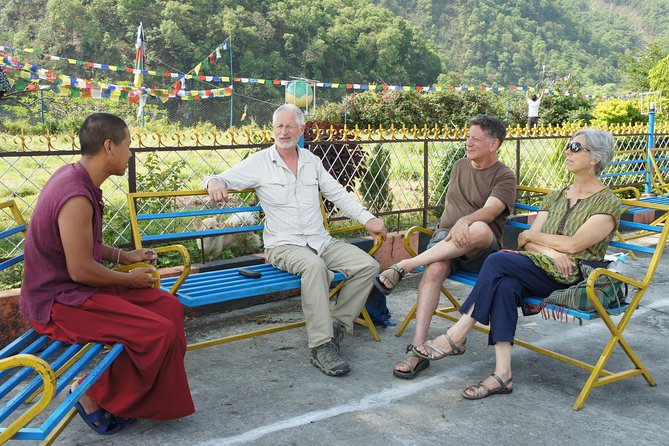
- A Tibetan refugee guide (Mr. Thupten Gyatso) gives context you won’t get from a regular sightseeing guide
- Morning prayer time at Jangchub Choeling Monastery adds a real sense of routine and respect
- Tashi Palkhel home breakfast means you don’t just see culture—you taste it
- Two monastery stops (Jangchub Choeling and Pema Ts’al Sakya) keep the spirituality thread going
- Round-trip transport from Pokhara hotels removes a big chunk of hassle for a short tour
- $60 per person with breakfast/tea included is a fair deal for a guided cultural morning
More visits to Pokhara's Tibetan settlements.
- Full-Day Tibetan Cultural Tour to Tibetan Settlements Pokhara★ 5.0 · 184 reviews
- Afternoon Tibetan Cultural Tour to Tibetan Settlements Pokhara★ 5.0 · 106 reviews
- Morning Tibetan cultural tour to Tibetan settlements Pokhara★ 5.0 · 66 reviews
- Half Day Tibetan Cultural tour Pokhara★ 5.0 · 36 reviews
Morning Start in Pokhara: What 05:30 a.m. Actually Feels Like
This tour is built for early mornings. Departure is 05:30 a.m., with a return around 09:00 a.m., so you’ll likely be awake before the city fully gets going.
That timing is also the point. Visiting monasteries and catching morning group prayer works best early, and the schedule helps you see monastery life while it’s still in “morning mode,” not quiet and sleepy later in the day.
The Guide Connection: Mr. Thupten Gyatso and Refugee Roots
One of the biggest reasons this tour works is who you’re with. Your guide, Mr. Thupten Gyatso, comes from the Tibetan refugee community, and that shapes the whole tone of the day.
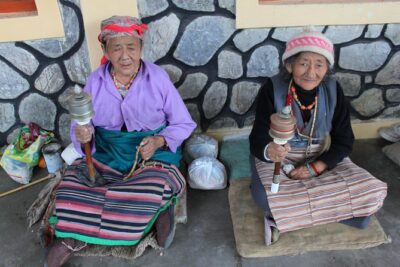
You’ll spend time among monks and residents, all refugees from Tibet, and the tour is designed to explain what that means in Nepal. I like tours where the guide can answer the big questions—why certain symbols matter, what daily practice looks like, and how life changes when your community is far from home—without turning it into a lecture.
You should go in with an open mind. You’ll likely hear about struggles as refugees in Nepal, and it’s worth treating those parts with the same respect you’d give a family story, not as a “sad facts” checkbox.
Jangchub Choeling Tibetan Monastery: Morning Prayer and Symbols in Plain Sight
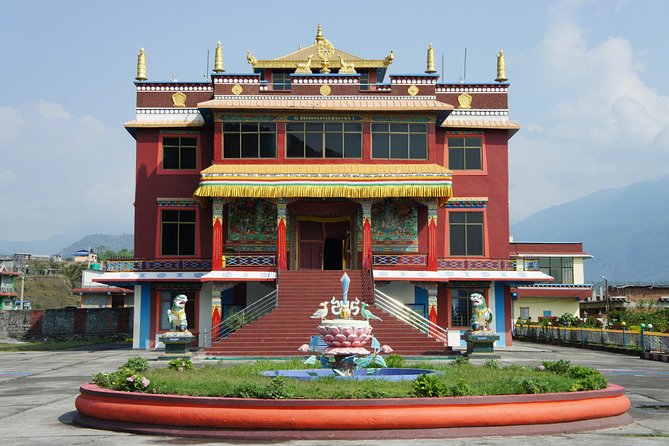
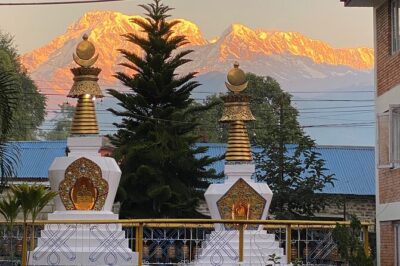
Stop 1 is Jangchub Choeling Tibetan Monastery, and this is where the morning starts to feel focused. You’ll spend about an hour here with admission handled, and the tour includes the chance to attend morning group prayer.
This is also the moment you get the “why” behind what you’re seeing. The tour is set up to help you understand symbols and images of Tibetan Buddhism, not just look at them. Even if you don’t know much beforehand, a good guide can translate the meaning behind the visuals so your eyes know what to look for.
Practical tip: monasteries mean quiet. Keep your voice low, dress respectfully, and be patient with cameras—if you see people praying or chanting, give them space and time. You’ll get more out of the experience if you treat it like a living place, not a photo stop.
Tashi Palkhel Settlement: A Family Breakfast You’ll Remember for the Right Reasons
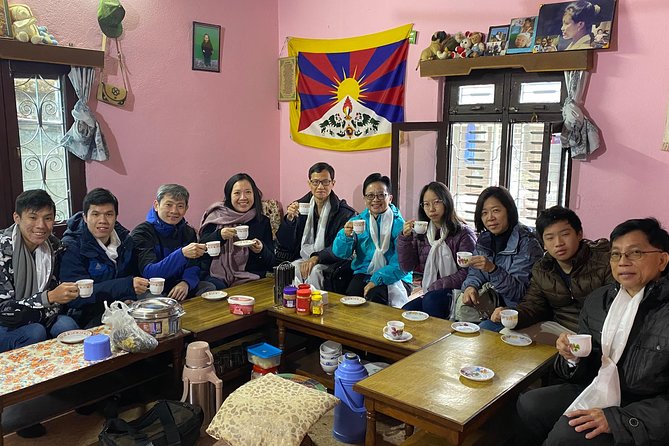
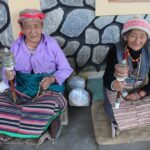
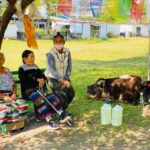
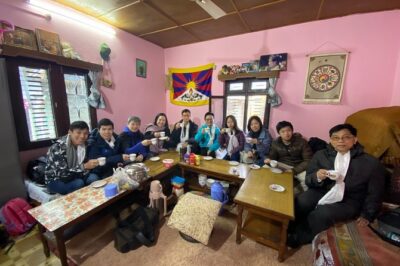
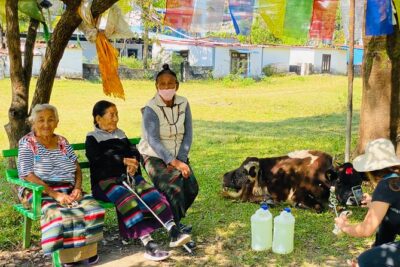
Stop 2 is Tashi Palkhel Tibetan Settlement, and this is where the tour shifts from prayer hall to everyday life. You’ll visit a local Tibetan family’s home and share a traditional Tibetan breakfast, with the guide introducing the food and its cultural background.
This part matters because it’s not just sightseeing. Refugee settlements often get reduced to “background setting” in bigger itineraries, but this tour makes the family meal a centerpiece, so you understand culture as something people practice while continuing to live their lives.
It’s also one of the most human portions of the schedule. You’ll hear context about residents’ experiences as refugees in Nepal, and the food becomes part of that story. If you’re the type of traveler who remembers meals long after monuments, you’ll probably rank this stop as the highlight.
One small caution: you’ll be on a half-day timeline. That means you’ll want to be present and make the most of the hour you’re given, not hold back your questions because you think there will be time later.
More culture and heritage stops around Pokhara.
Pema Ts’al Sakya Monastic Institute: Meeting Monastic Life Up Close
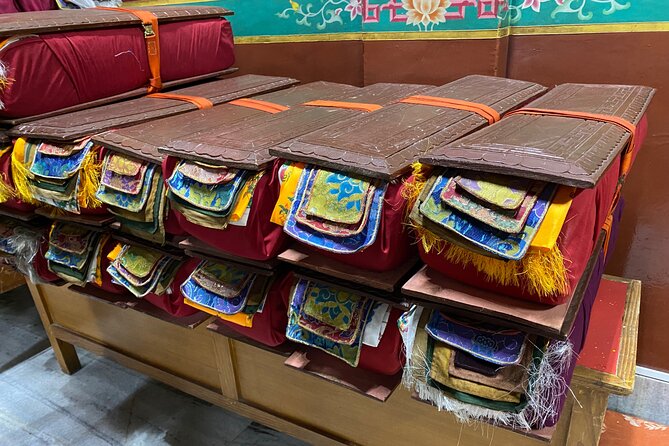
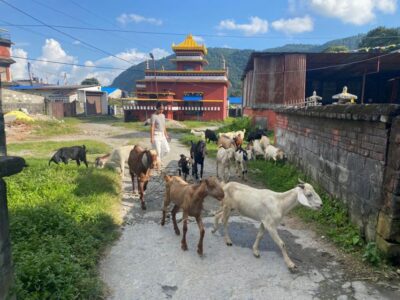
Stop 3 is Pema Ts’al Sakya Monastic Institute, another monastery visit with admission handled and about an hour on the schedule. Here, you’re guided through another side of Buddhist learning and daily routine.
A key detail: you’ll meet a young monk who is eager to share insights about monastic life and education. That kind of direct conversation is where tours stop being generic. Even short interactions can help you connect the symbols you saw earlier to the real people living those values and studies.
You don’t need to be an expert to enjoy this. Ask simple questions—what a typical day looks like, how learning works, what practices are most important—then listen. If you go in respectful and curious, the conversation tends to feel natural rather than staged.
What You’ll Actually Learn About Tibetan Buddhism (Without Pretending It’s Easy)
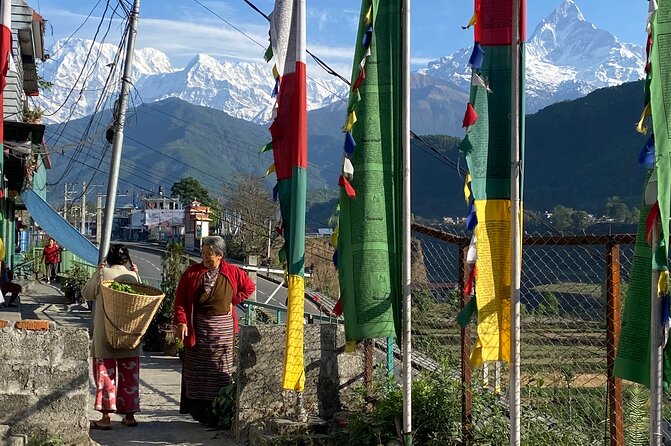
The tour doesn’t try to make you a scholar in a morning. Instead, it helps you connect images and symbols to real practice, and that’s a smart approach for a short time window.
Here’s what you can expect the guide to help with:
- How monastery life follows a daily rhythm, especially around prayer
- Why certain images and symbols appear in religious spaces
- How cultural practice continues even in refugee communities
In other words, you’re not just collecting sights. You’re collecting meaning. That’s the best kind of souvenir.
Price and Value: Is $60 for 3–4 Hours a Good Deal?
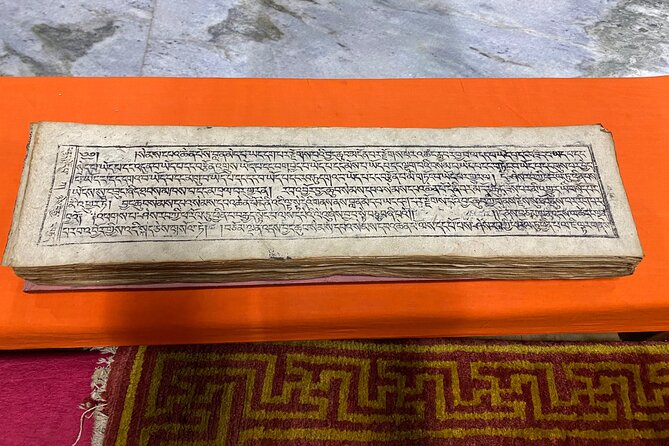
At $60 per person, this isn’t a budget “hop on, hop off” add-on. But for a morning with round-trip transport, a professional guide, and included breakfast/tea, it starts to look like solid value.
What you get for the price:
- Hotel pickup and drop-off (big time-saver in Pokhara)
- Breakfast and coffee and/or tea, plus bottled water
- Guided time at three key stops: Jangchub Choeling Monastery, Tashi Palkhel Settlement, and Pema Ts’al Sakya Monastic Institute
- A guide with Tibetan refugee community insights, which is the hardest thing to “pay for” elsewhere
Group discounts are also part of the setup, which can help if you’re traveling with friends or want to join a small group. And you can get a mobile ticket, which is one less thing to deal with that morning.
If you’re comparing costs, don’t just look at the ticket price—compare what’s included in your morning. A shorter tour that includes food and transport can often beat a cheaper tour that requires you to arrange everything yourself.
Logistics That Matter: Timing, Transport, and the Short-Schedule Reality
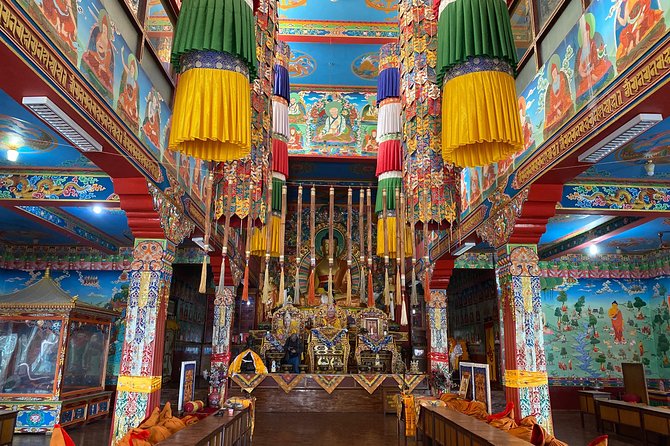
This is a 3 to 4 hour experience, and it’s structured like a morning “set.” The return is around 09:00 a.m., so you’ll have the rest of the day open for lakeside time, sightseeing, or just recovering from early wake-ups.
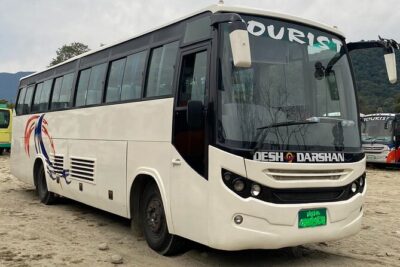
Because pickup is offered, you can stay calm and not hunt for rides or directions. The tour also includes a driver/guide and a professional guide, which usually means smoother pacing and fewer awkward gaps.
The one thing to plan for is the early start. If you’re already traveling on a tight sleep schedule, this might feel like a push. But if you like getting out early, you’ll probably enjoy the focused energy of the morning.
Who Should Book This Tour (and Who Might Skip It)
You’ll likely love this if you:
- Want a culture and spirituality morning rather than a long sightseeing day
- Prefer guided context over silent wandering
- Like home visits and meals where culture is part of daily life
- Appreciate tours that explain refugee community realities in a respectful way
You might skip it if you:
- Want lots of free time to explore without structure
- Don’t handle early mornings well
- Are looking for a full-day itinerary with multiple far-flung stops
Should You Book This Tibetan Cultural Tour from Pokhara?
I think this is a smart choice when you want meaning without a time sink. The combination of monastery prayer, a settlement family breakfast, and a second monastery stop gives you a full “morning story” instead of disconnected photos.
Book it if you care about the human side—especially the chance to learn with Mr. Thupten Gyatso and understand life as Tibetan refugees in Nepal. Skip it only if you strongly prefer leisurely pacing or you’re trying to avoid early mornings at all costs.
FAQ
What time does the tour depart and return?
The tour departs at 05:30 a.m. and returns around 09:00 a.m.
How long is the morning half-day tour?
It lasts about 3 to 4 hours.
Where does the tour run from?
The tour is in Pokhara, Nepal, and includes hotel pickup and drop-off.
Who is the guide?
The tour is guided by Mr. Thupten Gyatso.
What are the main stops during the tour?
You visit Jangchub Choeling Tibetan Monastery, Tashi Palkhel Tibetan Settlement, and Pema Ts’al Sakya Monastic Institute.
Do I get breakfast on this tour?
Yes. The tour includes breakfast, plus coffee and/or tea.
Is bottled water included?
Yes. Bottled water is included.
Are admission tickets included for the stops?
Yes. The stops list Admission Ticket Free.
What is not included in the tour price?
Lunch and the DVD (available to purchase) are not included.
How far in advance should I book?
On average, this tour is booked about 5 days in advance.
If you want, tell me your travel dates and whether you prefer quieter religious visits or more Q&A with the guide, and I’ll help you decide if this morning timing fits your day.
More Heritage and Culture
Also Reviewed Around Pokhara

More Tibetan Culture Tours
Newer Pokhara reviews to browse before you decide

Tibetan Culture Tours, compared.
 ★ 5.0Full-Day Tibetan Cultural Tour to Tibetan Settlements PokharaFrom $85184 reviews
 ★ 5.0Afternoon Tibetan Cultural Tour to Tibetan Settlements PokharaFrom $60106 reviews
 ★ 5.0Morning Tibetan cultural tour to Tibetan settlements PokharaFrom $8566 reviews
 ★ 5.0Afternoon Tibetan cultural tourFrom $5641 reviews
 ★ 5.0Half Day Tibetan Cultural tour PokharaFrom $6336 reviews
 ★ 3.8Private Half-Day Tour and Tibetan Culture TourFrom $2414 reviews
 ★ 5.0Sarangkot Sunrise with a half day Tibetan cultural tourFrom $9113 reviews
 ★ 5.0Full Day Tibetan Cultural TourFrom $8212 reviews
Browse the lists this tour appears in