
Reviewed · TIBETAN CULTURE TOURS
Afternoon Tibetan cultural tour
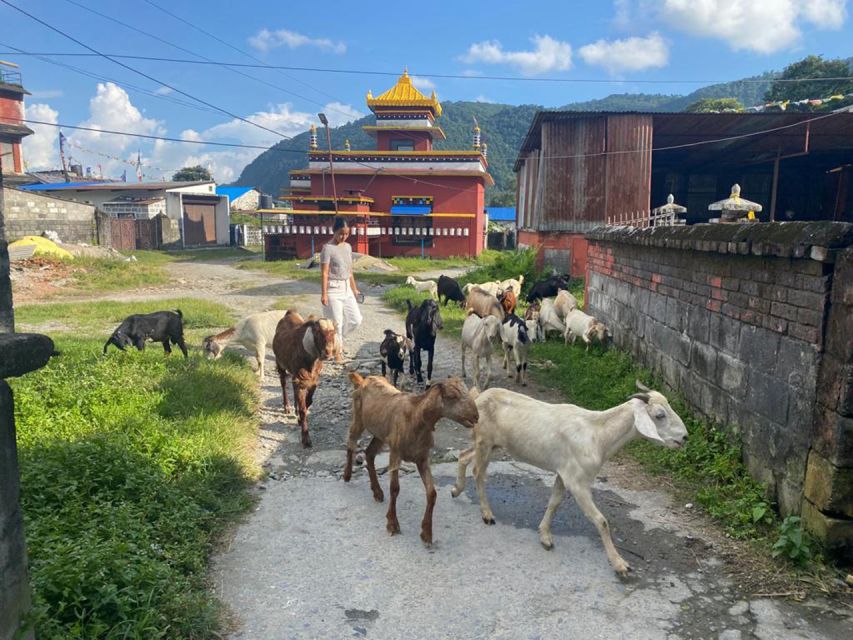
Monastery chanting in Pokhara hits different fast. In just four hours, you get face-to-face Tibetan culture: refugee community life, Buddhist symbols explained in everyday terms, and afternoon prayer chanting with monks at a monastery. It’s not just photos and facts—it’s a guided window into how Tibetan identity and Buddhism keep living in Nepal.
I especially loved the chance to talk with a young Buddhist monk—proper questions, real answers, and a calm look at monastic studies and daily routines. I also liked the stop at a Tibetan family home, where you can taste salted butter tea, tsampa, and Tibetan bread with honey, butter, and peanut butter.
The only thing to consider: this is a short half-day, so the schedule can feel quick if you’re the type who wants to linger and ask more questions (and you may, because the topics are compelling).
In This Review
- Key highlights you’ll actually care about
- Why This Pokhara Tibetan Culture Tour Feels More Human Than Sightseeing
- Mr. Thupten Gyatso: The Guide Who Turns Buddhism Into Practical Meaning
- Pema Ts’al Sakya Monastic Institute: Symbols You See Every Day, Explained
- The Tashi Palkhel Tibetan Settlement: How Refugee Life Preserves Identity
- Meeting a Young Buddhist Monk: The Conversation That Changes the Whole Tour
- Afternoon Prayer Chanting: Hearing the Meaning, Not Just Seeing It
- Tibetan Butter Tea and Tsampa at a Local Family Home
- Price and Timing: Is $56 Worth It for a 4-Hour Tour?
- Who This Tour Is Best For (And Who Might Want Something Else)
- Should You Book This Tibetan Cultural Tour From Pokhara?
- FAQ
- How long is the afternoon Tibetan cultural tour?
- What group size is this tour?
- Is pickup included?
- What’s included besides monastery visits?
- Is the tour cancellable, and can I pay later?
- Is the tour suitable for kids or wheelchair users?
Key highlights you’ll actually care about
- Small group (max 8) means you’re not shouting over a crowd during the monk conversation.
- Two monasteries in the afternoon gives you both context and the full sound-and-ritual feel of chanting.
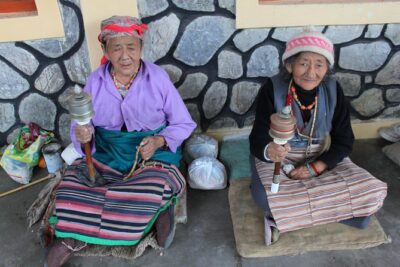
- Buddhist symbols in daily life (prayer wheels, prayer flags, stupas) makes the visuals you see around town make sense.
- Tibetan butter tea plus tsampa is included, not an optional add-on.
- Tibetan refugee settlement walk connects religion and language to real people living their lives.
- Guided by Mr. Thupten Gyatso, a Tibetan native with deep local roots and a story-first approach.
More visits to Pokhara's Tibetan settlements.
- Full-Day Tibetan Cultural Tour to Tibetan Settlements Pokhara★ 5.0 · 184 reviews
- Afternoon Tibetan Cultural Tour to Tibetan Settlements Pokhara★ 5.0 · 106 reviews
- Morning Tibetan cultural tour to Tibetan settlements Pokhara★ 5.0 · 66 reviews
- Half Day Tibetan Cultural tour Pokhara★ 5.0 · 36 reviews
Why This Pokhara Tibetan Culture Tour Feels More Human Than Sightseeing
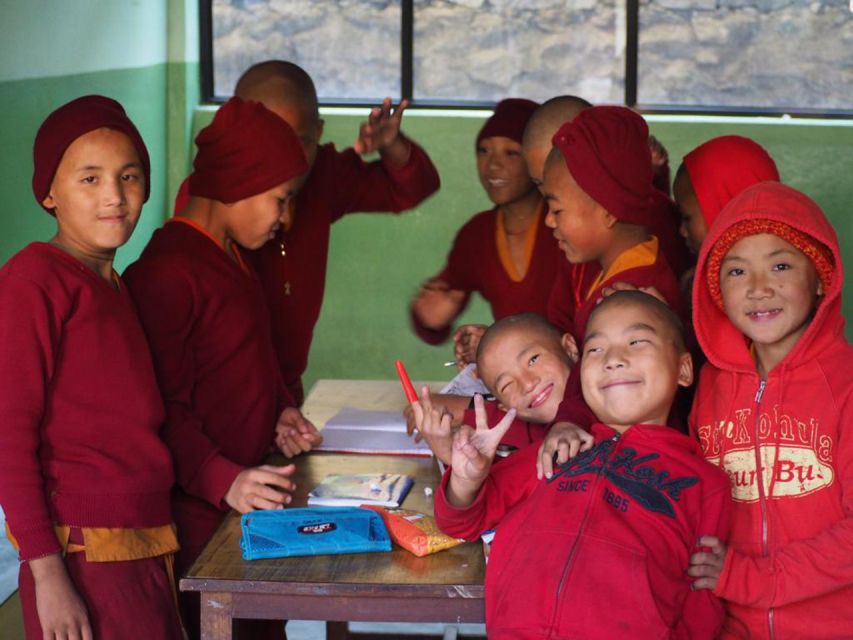
Pokhara’s famous lakes and views are easy to fill your camera with. This tour takes you somewhere else—into Tibetan community life—so you come away with understanding, not just impressions.
What makes it work so well is the mix of places. You’re not only visiting sacred spaces; you’re also walking through a Tibetan refugee settlement and stepping into a Tibetan home for tea and snacks. That blend turns Buddhism from a set of symbols into something people practice, eat, study, and talk about daily.
Mr. Thupten Gyatso: The Guide Who Turns Buddhism Into Practical Meaning
The biggest ingredient here is Mr. Thupten Gyatso. His background as a Tibetan native in the region shapes the whole feel of the day: he doesn’t speak like a script reader, and he doesn’t treat Tibetan culture as a museum piece.
During the drive and between stops, you’ll get context on Tibetan refugees in Nepal and how language, identity, and Buddhist traditions are maintained. One of the most consistent praises from people who take this tour is how easy he makes complex topics—Buddhism, monastic life, and the refugee story—without turning it into a lecture you can’t follow.
If you’re the kind of traveler who enjoys asking follow-up questions, this tour plays nicely with that. The conversation with the monk is a real opportunity, not a rushed cameo.
Pema Ts’al Sakya Monastic Institute: Symbols You See Every Day, Explained
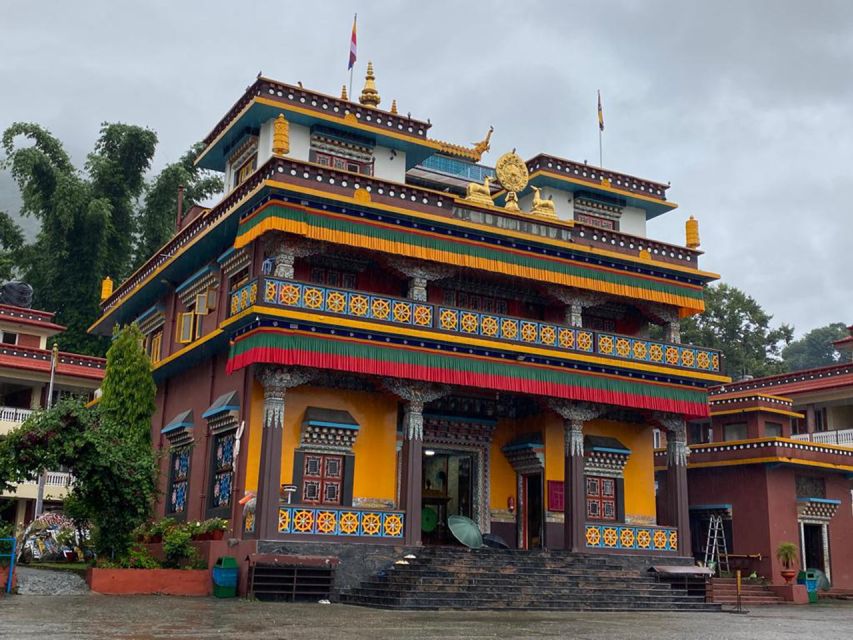
The day starts with pickup from the Lakeside area, then you head out toward the Pema Ts’al Sakya Monastic Institute. There’s a photo stop, a guided walk-through, and a chance to get your bearings before you go deeper into chanting and community life.
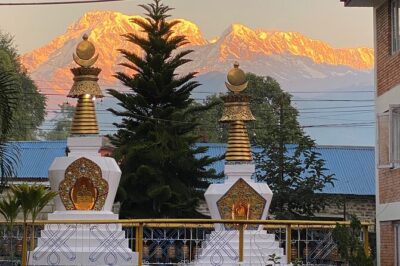
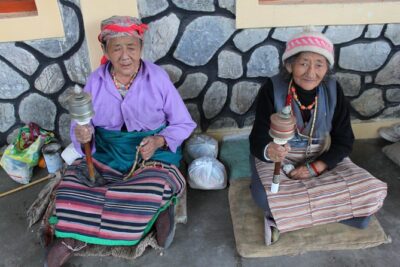
What you’ll get here is interpretive context. Instead of treating the artwork and ritual objects as decoration, your guide explains the meaning of Buddhist symbols that show up in daily life—think prayer wheels, prayer flags, and stupas. Once those meanings are explained, you’ll start spotting details everywhere and understanding what they’re meant to communicate.
One practical tip: bring a phone with a decent camera and take photos early, before you feel rushed later. The institute stop is your chance to collect visuals that you can later connect to what you’re hearing.
The Tashi Palkhel Tibetan Settlement: How Refugee Life Preserves Identity
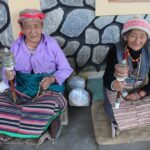
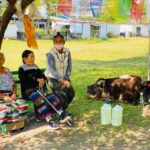
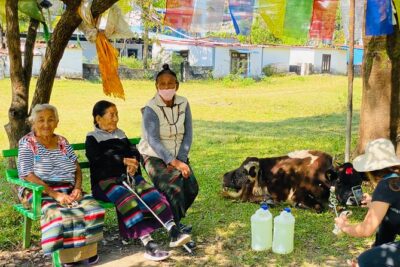
Next comes the Tashi Palkhel Tibetan Settlement. This is where the tour becomes more than culture as entertainment. You walk, you look, and you learn how Tibetan people have maintained their language and Buddhist traditions after leaving Tibet.
You’ll also get a break built in: tea and snacks appear as part of the experience, not as an afterthought. It’s the kind of pause that helps you reset mentally—because once you hear the refugee story, you’ll likely be thinking about more than what’s in front of you.
Watch your pace during the settlement walk. You’ll be moving, but the goal isn’t to “check off” a location. The goal is to notice how community routines, beliefs, and learning all fit together in the same space.
More culture and heritage stops around Pokhara.
Meeting a Young Buddhist Monk: The Conversation That Changes the Whole Tour
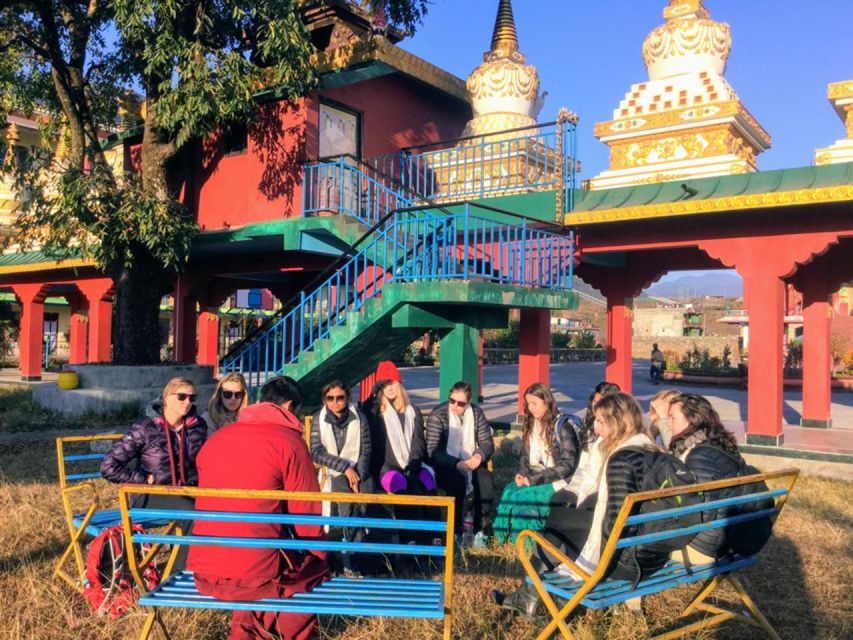
A standout moment is the chance to chat with a young Buddhist monk. This is not a staged “one question and done” interaction. You’ll have time to ask about daily life in the monastery, how monastic study works, and what the vows and routine look like day-to-day.
People often expect religious tours to feel one-directional. Here, the best moments are the back-and-forth ones—when you realize the monk isn’t just explaining Buddhism to you. He’s also letting you see how education, discipline, and spirituality shape his daily thinking.
If you want to get the most from this part, come with a couple of simple questions. For example:
- What does a typical study day look like?
- What do you practice when you’re not in ritual spaces?
- How do you understand your role as a monk in a refugee context?
Even if your questions feel basic, they’ll still land well. This tour sets the tone for genuine curiosity.
Afternoon Prayer Chanting: Hearing the Meaning, Not Just Seeing It
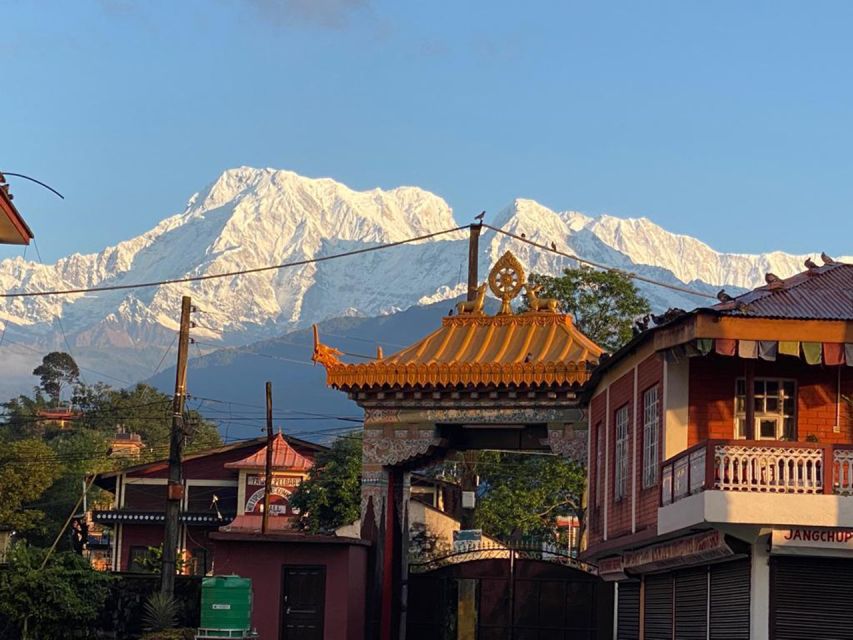
Later, you’ll visit another monastery and join afternoon group prayer chanting. This is one of the most sensory parts of the experience: chanting, the sound of instruments, and the feeling of collective rhythm.
The point isn’t to evaluate whether you personally “like” the sound. The point is that chanting in a monastery isn’t background noise—it’s practice. When you sit through group prayers, you start understanding Buddhism as something practiced together, not something only performed in silence.
A practical note: if you’re sitting for a while, wear shoes that support you. Also, keep your body quiet and your attention steady. The atmosphere works best when you’re not filming every second.
Tibetan Butter Tea and Tsampa at a Local Family Home
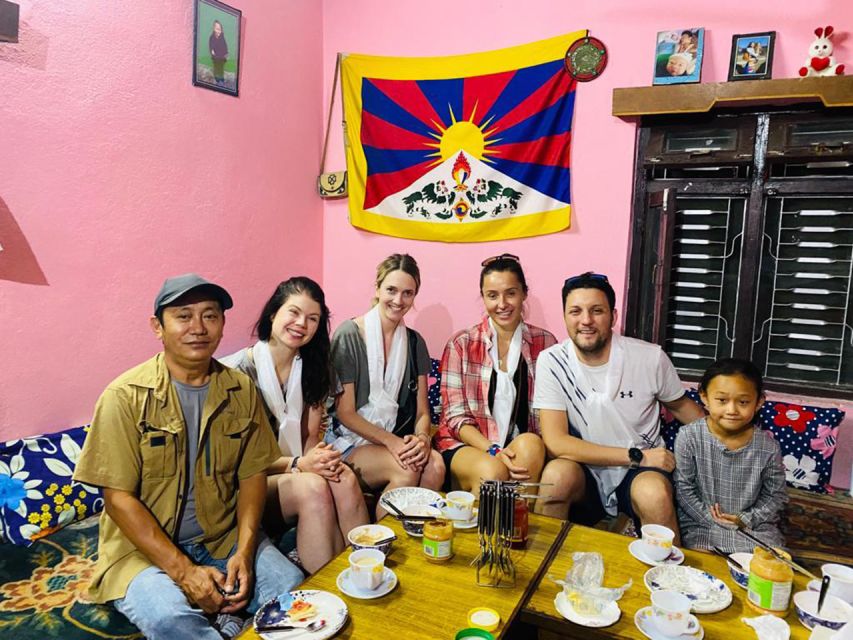
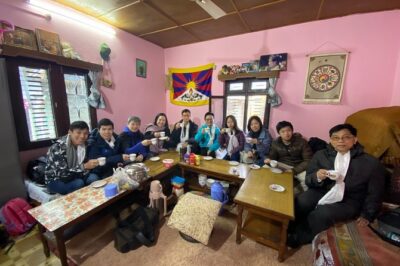
This is where many people end the tour with that warm, slightly stunned feeling of being cared for. You’ll go to a local Tibetan family home and taste traditional snacks and tea.
You’ll try:
- Salted butter tea
- tsampa, made from roasted barley flour
- Tibetan homemade bread with honey, butter, and peanut butter
Plus, mineral water is included.
What makes this meaningful is that the tea and snacks aren’t treated like tourist fuel. Your guide talks about Tibetan food alongside the way of life in the settlement, so what you taste connects to what you’ve learned about identity and daily routines.
If you’re planning dinner right after: don’t schedule something too tight. The food is filling, and butter tea has a way of making you slow down and think for a bit.
Price and Timing: Is $56 Worth It for a 4-Hour Tour?
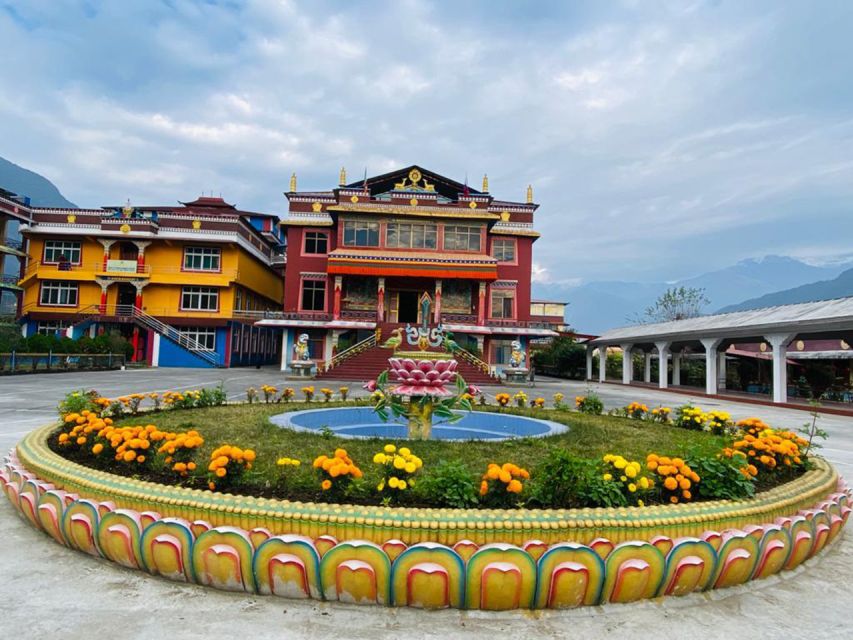
At $56 per person for about 4 hours, the value comes from three things: the guided learning, the monk conversation, and the multiple structured stops (settlement + monasteries + family home).
This isn’t a long day, so you won’t spend hours at each location. Instead, you get a tight run of high-impact moments. For most people, that’s exactly right in Pokhara—especially if you’re balancing hikes, paragliding plans, or lake time.
Small group size (up to 8) also matters here. In a tour like this, attention is part of the product. If you’re packed into a big group, you lose the chance to ask real questions during the monk conversation and prayer time.
Transport is included for hotels around Lakeside, with an additional transportation fee for hotels outside that area. If you’re staying outside Lakeside, check the pickup logistics before you book so you don’t get surprised by the add-on.
Who This Tour Is Best For (And Who Might Want Something Else)
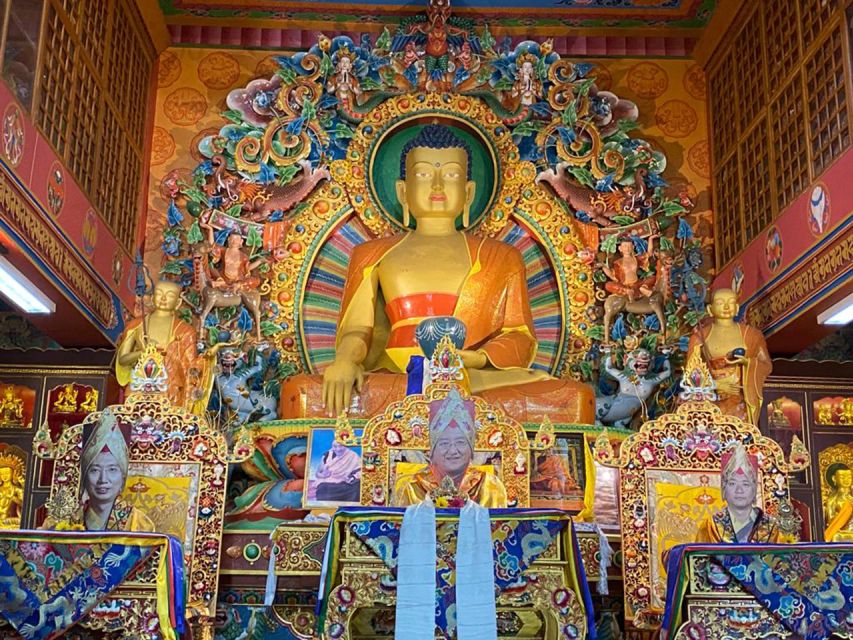
This experience suits you if you want more than surface-level culture. You’ll enjoy it if you like:
- spiritual traditions explained in human terms
- refugee history connected to everyday life
- asking questions face-to-face with monastic people
It’s also a good fit if you like food experiences that aren’t just “try this and move on.” Butter tea and tsampa here come with context, not just taste.
It may not fit if you need very limited walking or wheelchair access. The tour is not suitable for wheelchair users and is not designed for children under 5.
Should You Book This Tibetan Cultural Tour From Pokhara?
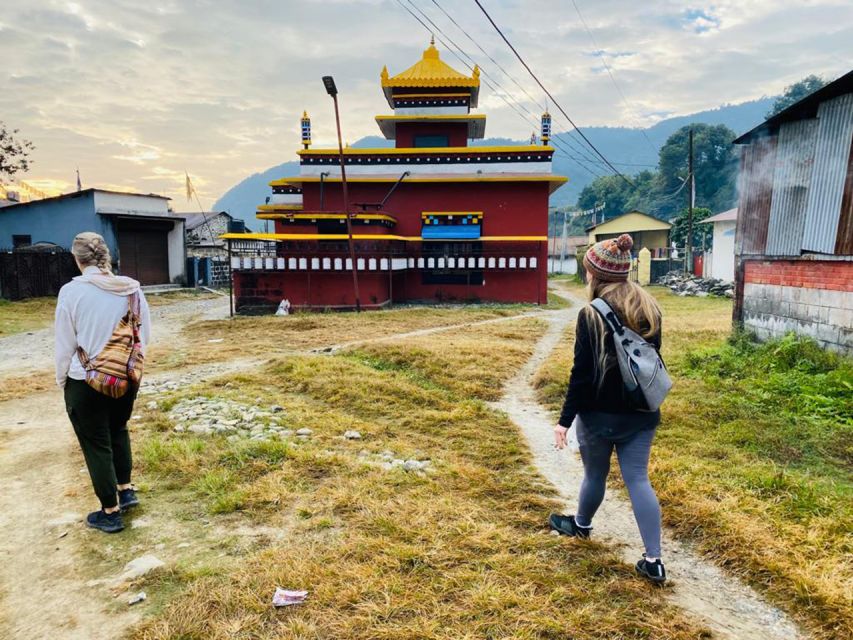
Yes—if you want a half-day that feels meaningful without being heavy-handed. The combination of Mr. Thupten Gyatso’s storytelling, a genuine conversation with a young monk, afternoon chanting, and a family-home tea stop makes it more than a standard cultural circuit.
I’d book it when:
- you’re curious about Tibetan Buddhism and symbols in everyday life
- you want to understand how Tibetan communities preserve culture in Nepal
- you appreciate small-group attention and real conversations
Skip it if:
- you’re only here for quick photo stops
- you don’t want any walking during monastery and settlement time
- you’re looking for a purely sightseeing-style day
If your schedule allows only one Tibetan culture outing in Pokhara, this is a strong pick.
FAQ
How long is the afternoon Tibetan cultural tour?
It lasts about 4 hours.
What group size is this tour?
It’s a small group, limited to 8 participants.
Is pickup included?
Yes, pickup and drop-off are included for hotels around Lakeside. If your hotel is outside the Lakeside area, there’s an additional transportation fee depending on your location.
What’s included besides monastery visits?
You’ll have the chance to meet and talk with a monk, attend afternoon prayer chanting, visit a Tibetan refugee settlement, and have Tibetan food and tea at a local family home. Mineral water is also included.
Is the tour cancellable, and can I pay later?
Free cancellation is available up to 24 hours in advance for a full refund. You can also reserve now and pay later.
Is the tour suitable for kids or wheelchair users?
It’s not suitable for children under 5 years old, and it’s not suitable for wheelchair users.
More Heritage and Culture
Also Reviewed Around Pokhara

More Tibetan Culture Tours
Newer Pokhara reviews to browse before you decide

Tibetan Culture Tours, compared.
 ★ 5.0Full-Day Tibetan Cultural Tour to Tibetan Settlements PokharaFrom $85184 reviews
 ★ 5.0Afternoon Tibetan Cultural Tour to Tibetan Settlements PokharaFrom $60106 reviews
 ★ 5.0Morning Tibetan cultural tour to Tibetan settlements PokharaFrom $8566 reviews
 ★ 5.0Half Day Tibetan Cultural tour PokharaFrom $6336 reviews
 ★ 5.0Morning Half Day Tibetan cultural tour to Tibetan SettlementsFrom $6026 reviews
 ★ 3.8Private Half-Day Tour and Tibetan Culture TourFrom $2414 reviews
 ★ 5.0Sarangkot Sunrise with a half day Tibetan cultural tourFrom $9113 reviews
 ★ 5.0Full Day Tibetan Cultural TourFrom $8212 reviews
Browse the lists this tour appears in