
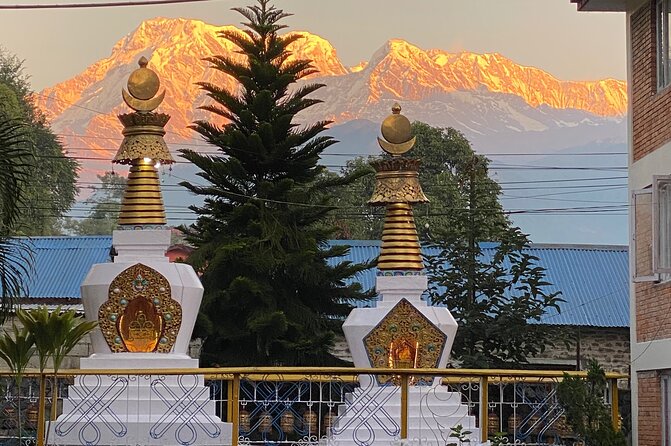
Reviewed · TIBETAN CULTURE TOURS
Morning Tibetan cultural tour to Tibetan settlements Pokhara
Sunrise is early here, but the payoff is real. This morning Tibetan cultural tour in Pokhara pairs a smooth hotel pickup with small-group time and real conversation with Mr. Thupten Gyatso. I love the way the day links religion, refugee life, and everyday culture without turning it into a museum run.
One thing to plan for: you’ll start at 05:30 a.m., and the schedule moves at a steady pace for 8 to 9 hours, so comfort depends on how you handle early mornings.
In This Review
- Key highlights you’ll notice fast
- Pokhara at 5:30 a.m.: why this early start matters
- Small-group touring in Pokhara: personal attention without the fluff
- Meet Mr. Thupten Gyatso and learn the context as you walk
- Jangchub Choeling Tibetan Buddhist Monastery: first symbols, then meaning
- Tashi Palkhel Tibetan Settlement: breakfast with a real family home feel
- Pema Ts’al Sakya Monastic Institute: talk to a young monk
- Shree Gaden Dhargay Ling Monastery: prayer wheels, flags, and stupas
- Tashi Ling Tibetan Village (about 4 hours): daily life beyond the postcard
- Where the food fits in: momos and thukpa for a morning reset
- Price and value: is $85 fair for this kind of day?
- Weather, clothing, and stamina: the unglamorous part that matters
- Who should book this tour (and who might not)
- Should you book Tibetan settlements in Pokhara at 5:30 a.m.?
- FAQ
- What time does the tour start?
- How long is the Tibetan cultural tour to Tibetan settlements in Pokhara?
- Is pickup or hotel transfer included?
- How big is the group?
- Are admissions included for the monastery and related stops?
- Do they offer food options for dietary needs?
- What is the cancellation policy?
Key highlights you’ll notice fast
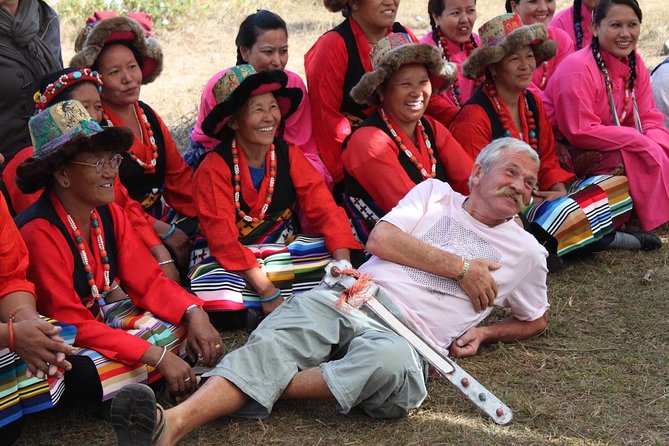
- 05:30 a.m. start with hotel transfers included so you don’t waste daylight hunting for the group
- Mr. Thupten Gyatso leads the tour and connects what you see to Tibetan history, culture, religion, and refugee life
- Monastery visits with symbol explanations, including prayer wheels, prayer flags, and stupas
- Tashi Palkhel Tibetan settlement breakfast and family-home food, with chances to ask questions
- Tashi Ling Tibetan village walk for a grounded look at daily life and local schooling
- Food stops built in: expect momos and thukpa, plus vegetarian/non-vegetarian and gluten-free options
More visits to Pokhara's Tibetan settlements.
- Full-Day Tibetan Cultural Tour to Tibetan Settlements Pokhara★ 5.0 · 184 reviews
- Afternoon Tibetan Cultural Tour to Tibetan Settlements Pokhara★ 5.0 · 106 reviews
- Morning Tibetan cultural tour to Tibetan settlements Pokhara★ 5.0 · 66 reviews
- Half Day Tibetan Cultural tour Pokhara★ 5.0 · 36 reviews
Pokhara at 5:30 a.m.: why this early start matters
This tour begins at 05:30 a.m., which is early enough that you’ll likely still be negotiating with your alarm. The upside is timing: you get a quieter, calmer visit to sacred spaces and fewer crowds hovering around the same photo spot.
The day is designed as a single cultural thread. You’re not hopping between random stops; you’re moving from monastery to monastery, then into Tibetan settlement life, then out into village routines. That flow matters because Tibetan Buddhism and community life aren’t separate topics here—they connect.
If you dislike early departures, be honest with yourself. This isn’t a “sleep in and stroll” kind of morning. But if you can handle the start time, you’ll get a more relaxed experience at the spiritual sites and a better feel for daily rhythms.
Small-group touring in Pokhara: personal attention without the fluff
The group limit is 15 travelers, which is a big deal for a day like this. With fewer people, you can actually ask questions and get answers that fit what you’re noticing. That’s also why Mr. Thupten Gyatso’s role feels central rather than scripted.
Hotel transfers are included, and pickup is offered. That saves you time and stress—especially in Pokhara, where you don’t want to spend the morning playing taxi-chess just to start on schedule.
You’ll also use a mobile ticket, which keeps things simple. You just show up with your details and go.
Meet Mr. Thupten Gyatso and learn the context as you walk
The tour’s real strength is the guide. Mr. Thupten Gyatso doesn’t just point; he explains how Tibetan culture and Buddhism show up in daily choices, community structures, and belief.
That matters because monastery buildings and prayer items can feel like “cool stuff to look at” if there’s no context. Here, you’re guided to notice the meaning behind what you see—signs, symbols, and everyday religious practice. It’s the difference between taking a photo and understanding why people treat a place as important.
I especially like how the day connects religious life with the modern reality of Tibetans in Nepal. That link shows up not as an abstract lecture, but as part of the story of settlements and community teaching.
Jangchub Choeling Tibetan Buddhist Monastery: first symbols, then meaning
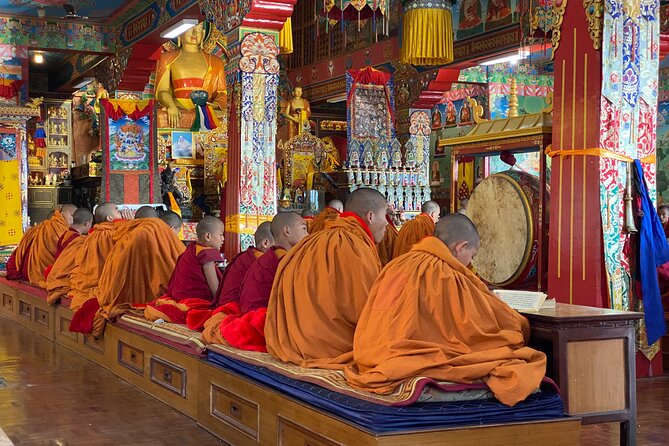
Your first stop is Jangchub Choeling Tibetan Buddhist Monastery, with about one hour on site. Even before you get to the deeper teachings, you’ll start learning how to read Tibetan Buddhist symbols in real life.
This is a good first stop because it sets the language of the day. Once you understand what certain items represent, later monastery visits feel less repetitive and more like progressive layers.
Admission is listed as free, so you’re spending your money on the experience rather than a stack of small entry fees. The real cost here is time—so use it well. Ask questions while you’re there, not after you’ve left.
More culture and heritage stops around Pokhara.

Tashi Palkhel Tibetan Settlement: breakfast with a real family home feel
Next you head to Tashi Palkhel Tibetan Settlement for about one hour. This is where the tour shifts from religious sites to lived culture.
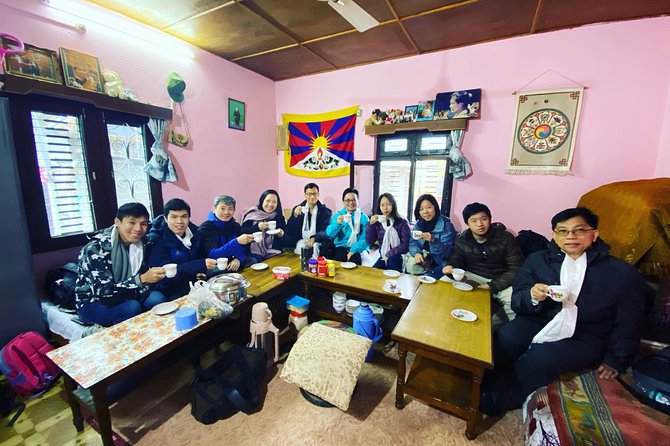
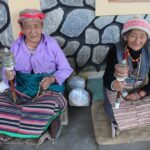
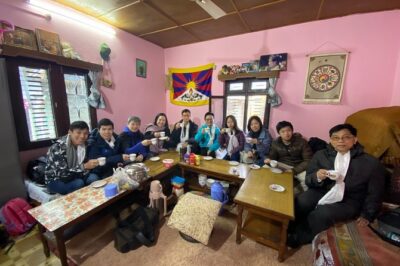
You’ll visit a local Tibetan family, with a chance to taste Tibetan food. The plan includes breakfast at a local home setup, and this is also where you’ll get a sense of what “tradition” looks like outside ceremonies.
Food is one of the easiest ways to connect. If you’ve never tried Tibetan-style dishes before, a family setting is a friendly place to learn how they eat, what they consider normal, and how hospitality works.
One practical note: this part of the day may involve more sitting or slower pacing. If you have mobility needs, pace yourself and take breaks when offered.
Pema Ts’al Sakya Monastic Institute: talk to a young monk
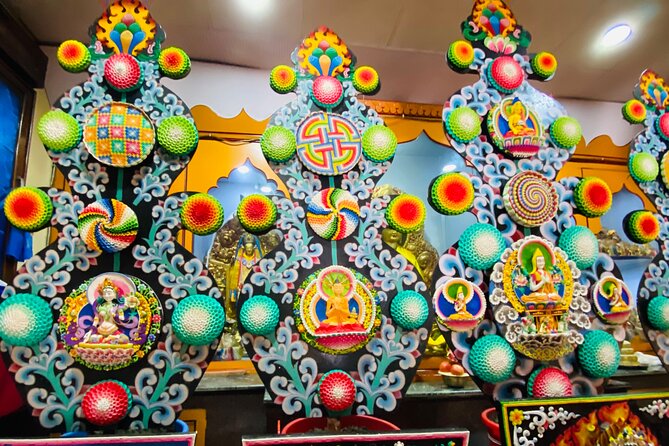
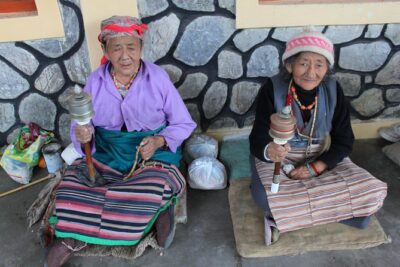
The third stop is Pema Ts’al Sakya Monastic Institute (about one hour). Here, you meet with a young monk who shares insights into monastic life and education.
This is one of those moments that can make a tour feel less like a checklist. When a person explains what their routine is actually like—study, discipline, daily responsibilities—it turns a monastery from a building into a living system.
The interactive angle matters. You can ask questions to understand what you’re seeing and hearing, instead of collecting random facts you won’t remember later.
As with all sacred settings, keep your questions respectful and simple. You’ll get more out of thoughtful conversation than a rapid-fire interrogation.
Shree Gaden Dhargay Ling Monastery: prayer wheels, flags, and stupas
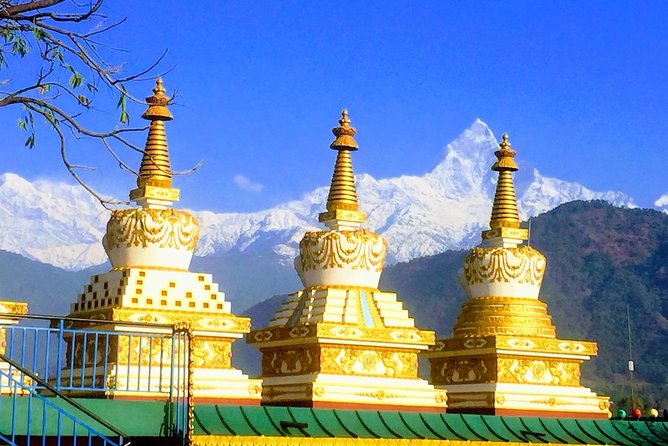
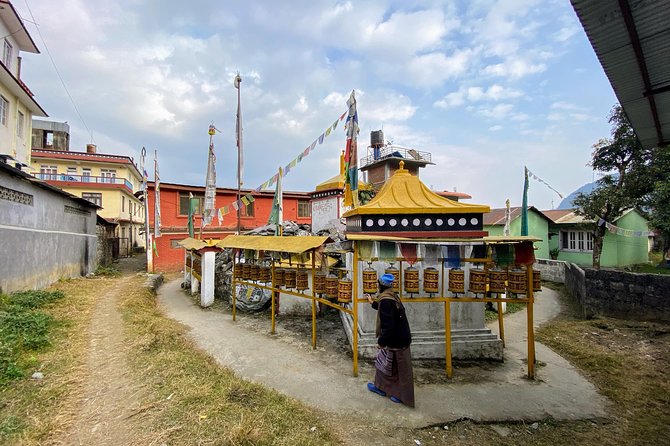
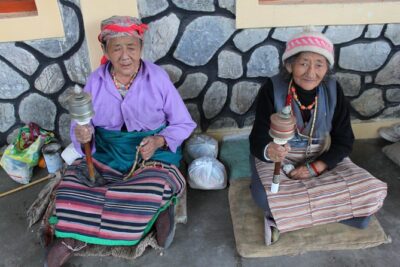
After that you go to Shree Gaden Dhargay Ling Monastery for about 45 minutes. The focus here is on signs and symbols that show up in daily life—prayer wheels, prayer flags, stupas, and related religious markers.
Why this stop feels valuable: it teaches you how to notice details. Prayer wheels and flags aren’t just decorative. Once you understand their role, you’ll start seeing them as part of how people manage prayer through the rhythms of the day.
This segment is shorter, so it’s best to stay mentally present. If you wait until later to ask questions, the time may slip away.
Tashi Ling Tibetan Village (about 4 hours): daily life beyond the postcard

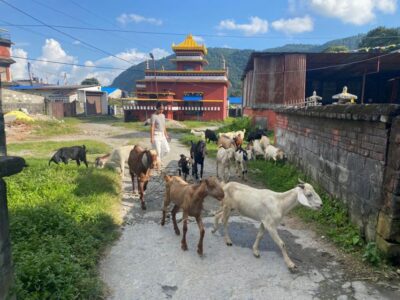
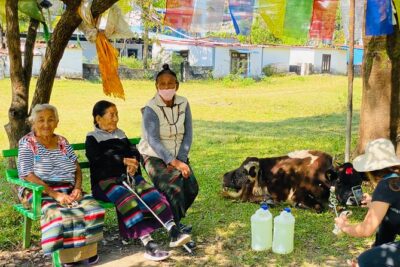
The final long stretch is Tashi Ling Tibetan Village, around four hours. You’ll walk through the village and see daily life at a slower, more grounded pace.
This is also where you get a chance to explore Tibetan schools (the itinerary mentions school viewing), plus see how community members structure everyday routines. Even if you’re not there to “tour” classrooms, watching how people move and communicate tells you a lot about stability, priorities, and the practical side of education in a settlement environment.
If you want authentic travel value, this is the part to pay attention to. It’s less about sacred objects and more about daily human behavior—what matters, what’s taught, and what’s passed on.
Bring your patience for walking time. Four hours can feel long if you treat it like sightseeing. But if you treat it like observation—slower, curious, respectful—it becomes one of the day’s best sections.
Where the food fits in: momos and thukpa for a morning reset
Your day includes lunch featuring momos and thukpa, and the overall experience mentions that you’ll enjoy tasty Tibetan-style comfort food during the trip. Food like this is more than a break; it’s part of culture you can eat.
The tour also states that you’ll have options for vegetarian/non-vegetarian food and gluten-free needs. That’s a solid practical point in Nepal, where the menu can be flexible but not always labeled.
In my view, this kind of built-in meal planning is what makes a long cultural day actually enjoyable. You don’t want to trade your monastery learning for a last-minute scramble for lunch.
Price and value: is $85 fair for this kind of day?
At $85 per person, this tour isn’t a budget “hop-on hop-off” deal. But it does look like fair value if you care about guide-led context and included movement.
Here’s what you’re paying for, beyond the stops:
- Pickup and hotel transfers, so you’re not losing time or money to taxis
- A small group cap (15 people), which supports better questions and attention
- Guide-led interpretation from Mr. Thupten Gyatso, connecting religion, history, and refugee life
- Multiple free admission entries listed for the monastery/learning stops
- Food included in the day flow, including momos and thukpa, plus dietary options
The early 05:30 start also suggests the provider is actually structuring the day to fit the best visiting windows, not just filling time. If you’re traveling on a tight schedule in Pokhara, that time efficiency is part of the value.
It’s also been booked on average 32 days in advance, which can be a sign that it fills up. If you’re set on it, don’t wait until the last week and hope.
Weather, clothing, and stamina: the unglamorous part that matters
The tour runs in all weather conditions, so you should dress for the day you get, not the one you wish you had. That means layers and weather protection, especially for a morning start at 05:30 a.m.
You’ll spend hours walking and moving between sites. Even with breaks, it’s still a long stretch—8 to 9 hours. If you don’t love early starts or long sitting periods, plan your day around it: keep your next activity light.
Who should book this tour (and who might not)
Book this if you want:
- A guide-led cultural morning with Tibetan religion and settlement life tied together
- A small group experience where questions are encouraged
- Practical comfort food stops (momos and thukpa) and dietary handling
Skip it if:
- You hate early mornings and don’t handle them well
- You want a purely spontaneous schedule with no fixed timing
- You’re looking for only panoramic sightseeing rather than community learning
This is best for curious travelers who like their travel with context—history, faith, and daily life—not just views.
Should you book Tibetan settlements in Pokhara at 5:30 a.m.?
I think this is a strong choice if your priority is understanding Tibetan culture in Nepal through real people, not just monuments. The combination of Mr. Thupten Gyatso’s explanations, multiple monastery stops with symbol reading, and the settlement and village time gives the day a clear purpose.
If you can handle the early start and you like asking questions, you’ll likely find it worth the $85. If you’re on the fence because of the 05:30 a.m. timing, ask yourself one question: will you regret missing a guided cultural morning, or will you regret losing sleep more?
FAQ
What time does the tour start?
The morning tour departs at 05:30 a.m.
How long is the Tibetan cultural tour to Tibetan settlements in Pokhara?
It runs about 8 to 9 hours.
Is pickup or hotel transfer included?
Yes. Hotel transfers are included, and pickup is offered for this experience.
How big is the group?
The tour has a maximum of 15 travelers.
Are admissions included for the monastery and related stops?
Admission tickets are listed as free for each stop.
Do they offer food options for dietary needs?
Yes. The tour serves vegetarian or non-vegetarian food and also provides gluten-free options.
What is the cancellation policy?
You can cancel for a full refund up to 24 hours in advance of the experience start time.
More Heritage and Culture


Also Reviewed Around Pokhara

More Tibetan Culture Tours
Newer Pokhara reviews to browse before you decide




Tibetan Culture Tours, compared.
 ★ 5.0Full-Day Tibetan Cultural Tour to Tibetan Settlements PokharaFrom $85184 reviews
 ★ 5.0Afternoon Tibetan Cultural Tour to Tibetan Settlements PokharaFrom $60106 reviews
 ★ 5.0Afternoon Tibetan cultural tourFrom $5641 reviews
 ★ 5.0Half Day Tibetan Cultural tour PokharaFrom $6336 reviews
 ★ 5.0Morning Half Day Tibetan cultural tour to Tibetan SettlementsFrom $6026 reviews
 ★ 3.8Private Half-Day Tour and Tibetan Culture TourFrom $2414 reviews
 ★ 5.0Sarangkot Sunrise with a half day Tibetan cultural tourFrom $9113 reviews
 ★ 5.0Full Day Tibetan Cultural TourFrom $8212 reviews
Browse the lists this tour appears in