
Reviewed · ANNAPURNA FOOTHILLS DAY HIKES
Private Tour Local Culture and The View of Mohare Danda
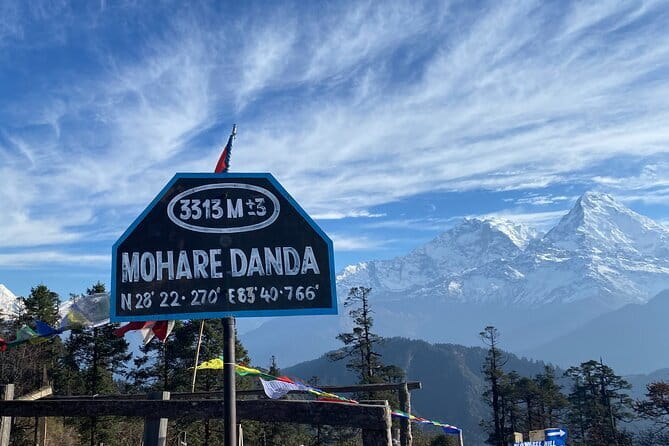
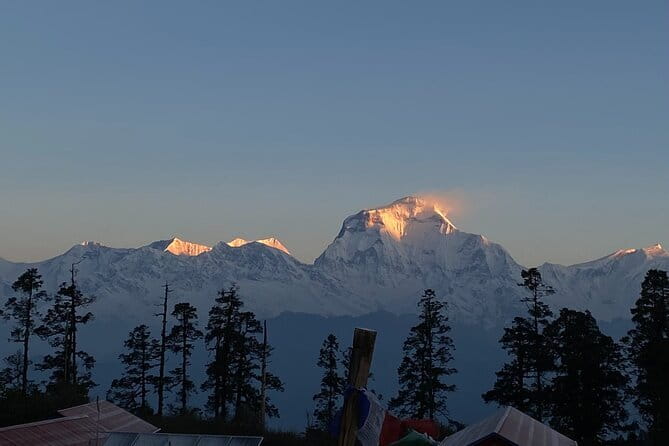
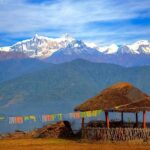
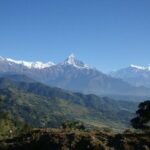
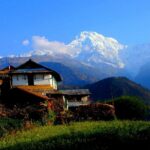
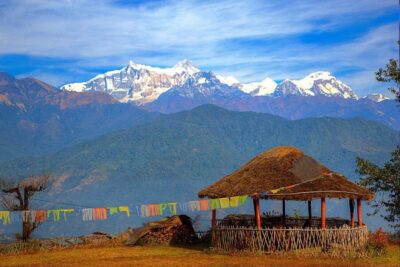
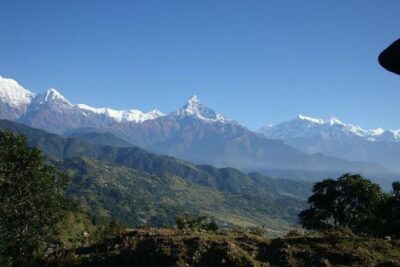
Sunrise here feels personal and close. This private Mohare Danda route connects you to the Annapurna region through community-run lodges and guides like Chitra and Lukesh, with Mohare Danda sunrise views of Dhaulagiri, Annapurna, and Manaslu. One thing to plan for: early starts and a steep, tiring stretch during the Mohare Danda descent.
I really like that you’re not just watching mountains—you’re walking through working villages, with a licensed guide and local porters taking care of the practical stuff like luggage between stops. You get a true feeling for how daily life fits around the trails and viewpoints.
For $315 (about 5 days), the value is strong because meals are built in and you’ll have tea/coffee and hot shower support along the way. Still, alcohol is not included, and the optional Pun Magar Traditional Cultural Program costs extra if you want it.
In This Review
- Key highlights worth waking up for
- Why this Mohare Danda trek feels different in the Annapurna region
- Price and what you really get for $315
- Day 1: Pokhara to Beni, then hiking into Banskharka village
- Day 2: Dhaulagiri views and the Lokta paper craft stop
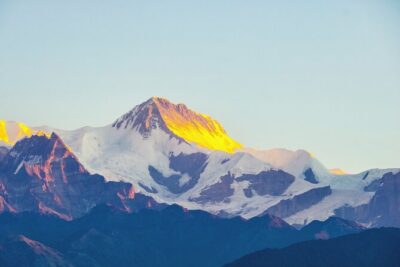
- Day 3: A sunrise morning over Annapurna, Dhaulagiri, and Manaslu
- Day 4: Kali Daha Lake reflections, rhododendron trail, and Kali Gandaki gorge facts
- Day 5: Kali Gandaki River rituals and a sacred final walk
- Guides, safety, and why the small details matter
- Who this trek suits best (and who should think twice)
- Should you book this Mohare Danda local culture and mountain-view tour?
- FAQ
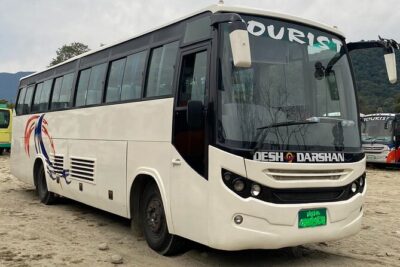
- What kind of transport is included?
- Is the tour private?
- What meals are included?
- Are there any entrance fees for stops?
- Is hot shower included?
- Is there an optional cultural program?
- What if weather is bad?
- What about cancellation if plans change?
Key highlights worth waking up for
- Sunrise focus, not just daytime scenery: multiple mornings aimed at Annapurna, Dhaulagiri, and Manaslu views
- Village benefit model: lodge operations and local work help support education, health, and infrastructure
- Kali Gandaki in context: the sacred river plus the world-famous gorge geometry
- Handmade Lokta paper stop: a simple way to buy a real craft instead of a mass souvenir
- Porters + licensed guide support: smoother days when the trail gets steep
- Guide connections can help on tough descents: past groups have been able to reduce risk and fatigue with car support when needed
More short day walks in the Annapurna foothills.
- Pokhara: Annapurna Foothills Day Hike with Transfers★ 5.0 · 100 reviews
- Day Hike at Annapurna Foothills★ 4.7 · 17 reviews
- 2 Days Panchase Hill Trek from Pokhara★ 5.0 · 13 reviews
- Day hiking to Dhampus – Astam Village★ 5.0 · 7 reviews
Why this Mohare Danda trek feels different in the Annapurna region
This route is built around local communities, not big-name tourist checkpoints. The lodges you stay in are run locally, and the tour’s stated goal is that money you spend stays in the area—supporting education, health, and infrastructure. That matters because it changes what your trip funds: fewer dollars vanish into distant systems, more stays tied to the villages you walk past.
You’ll also feel the difference in staffing. Local people aren’t just background performers here. They provide jobs and on-the-ground expertise, which helps the day-to-day flow. When a guide knows the people, the conversations are easier, and you get small moments that don’t feel staged—like chatting about farming land you can actually see from the trail.
The other big “why” is the off-the-beaten-path angle. This is not a high-traffic, checkpoint-by-checkpoint trek. Instead, you get nature, small settlements, and mountain views that still feel earned rather than packaged. That’s the trade-off: you need moderate fitness, and you should expect some walking that can feel harder than the photos suggest.
Price and what you really get for $315
Let’s break down the value without pretending it’s a bargain bargain. At about $315 for roughly 5 days, you’re paying for a private format plus support services that usually cost extra if you piece them together yourself.
What you get included:
- Private transportation (with air-conditioned vehicle included)
- Licensed or certified in-person guide
- Local professional porters to move your luggage between destinations
- Meals: 5 lunches, 4 breakfasts, and 4 dinners
- Tea/coffee
- Hot shower
- Dietary requirements handled if you flag them when booking
What’s not included:
- Alcohol and soft drinks
- Optional Pun Magar Traditional Cultural Program fee of USD 48 total if you request it
That food list is one of the biggest practical wins. Treks can quietly get expensive when meals aren’t covered. Here, you’re buying into a plan where the daily eating is handled, and you’re not hunting for lunch mid-hike.
The other hidden value is the porter + transport combo. Even when you pack light, carrying a heavy day bag on a steep descent can add up. With porters handling luggage between destinations, you can keep your own load reasonable and protect your energy for the views.
Day 1: Pokhara to Beni, then hiking into Banskharka village
Your first day starts with a drive that follows the Kali Gandaki River. It’s a good warm-up for what the trek is really about: mountains plus the river system that shapes the valleys. After lunch in Beni, you shift from road-travel pace to trail pace.
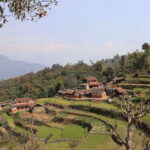
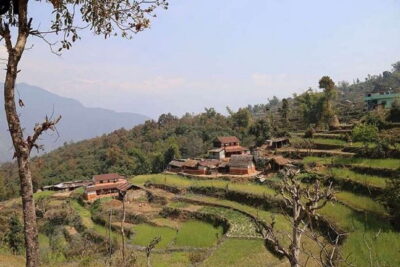
Then comes the hike toward Banskharka village. Along the way, you pass through areas where you can see Brahmans settlement and farming land around Mallaj. This is the kind of stop that doesn’t need a museum ticket to be meaningful. You’re seeing how people use the land, not just looking at it.
Practical note: day one is where you’ll feel the difference between “a walk in the woods” and a mountain trek. If you’re used to flat hiking, pace yourself early. Hydrate often. Keep your effort steady, especially if you’re carrying anything beyond a day pack.
Day 2: Dhaulagiri views and the Lokta paper craft stop
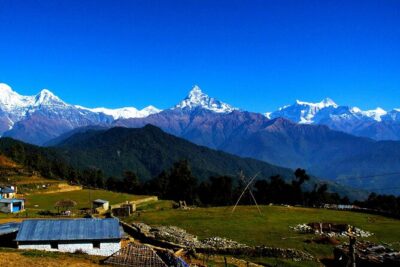
Day two centers on Dhaulagiri, and the tour leans into the payoff: an outdoor lunch with big mountain visibility. Dhaulagiri, listed as the 7th highest mountain in the world, is the headliner, and you’re set up with both views and village detail.
You’ll also see traditional Nepalese houses and farming land during this day. That blend matters, because it keeps the day from turning into pure sightseeing. You’re stopping where people live and work, not only where photographers line up.
Then there’s a nice, tangible cultural element: you can buy handmade Lokta paper and other handicrafts as souvenirs. Lokta paper is made from the lokta plant, and buying craft here (if it fits your budget) is a better souvenir than another generic trekking magnet.
One consideration for this day: if you’re sensitive to cold in the open air, your comfort depends on timing and weather. Outdoor lunches are great, but your layers matter. Bring something you can add or remove without turning it into a chore.
More private, guide-led trips in Pokhara.
Day 3: A sunrise morning over Annapurna, Dhaulagiri, and Manaslu
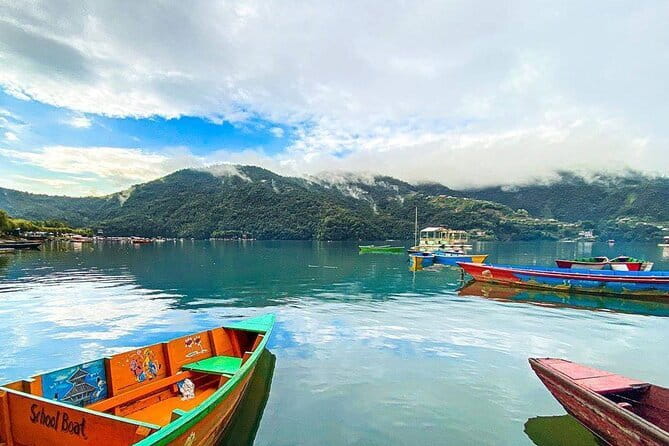
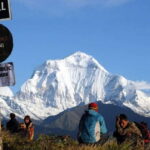
Day three is built around sunrise. First, you get a morning aimed at seeing the Annapurna mountain range along with views unfolding toward Dhaulagiri and Manaslu. The tour setting includes cozy dining with a firewood chimney, which is more than a romantic detail. It’s practical: it helps you stay warm during the waiting-and-watching stretch.
There’s also a small modern touch listed here: free internet facility available. If you want to message home or check maps for the next transition, it’s there.
The day doesn’t stop at one big view. You get additional sunrise time focused again on Dhaulagiri and then a specific look at Mount Manaslu, identified as the 8th highest mountain in the world at 8,163 metres. When a trek gives you repeated chances for a key panorama, you’re more likely to catch the conditions you want. Clouds can happen. Light can shift fast. More than one attempt helps.
If you do sunrise mornings, the main adjustment is not mental; it’s physical. Your best move is to keep your routine simple: water, warm layer, hat, and a snack you can manage without fuss. Sunrise trekking is not the day to experiment with gear that takes forever to put on.
Day 4: Kali Daha Lake reflections, rhododendron trail, and Kali Gandaki gorge facts
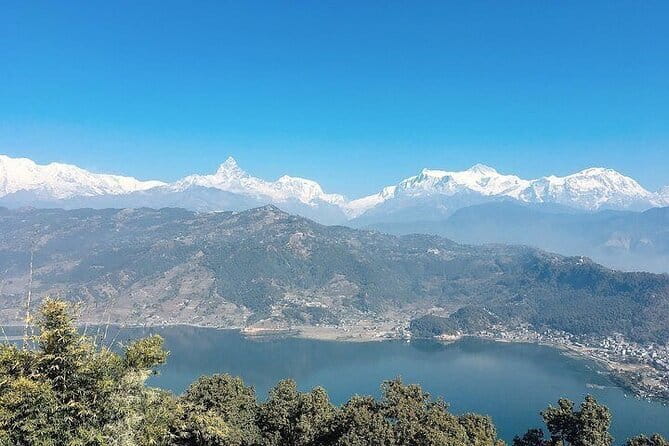
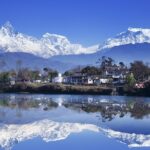
Day four is a mix of calm and wow-factor. You’ll visit Kali Daha Lake, described as having a mirror-like surface that reflects the Annapurna peaks. Sunrise over the lake is the moment you’re chasing, and the description of golden rays dancing on the water is the type of scene that makes you pause even if you’re trying to keep walking.
After that, you’re back on the trail through lush paths with rhododendron bushes. Rhododendron plants are culturally significant in Nepal, so you’re not just walking past pretty flowers. You’re seeing something tied to local meaning, at a human scale that makes the culture feel close.
Later, the tour connects the area’s geology to a famous global claim: the Kali Gandaki separates two of the world’s 10 highest mountains, and measured from tip to riverbed it’s described as the deepest gorge in the world at about 5.5 kilometres vertical distance. Even if you don’t memorize the numbers, the point lands: this isn’t a gentle river valley. It’s a dramatic carving of the earth.
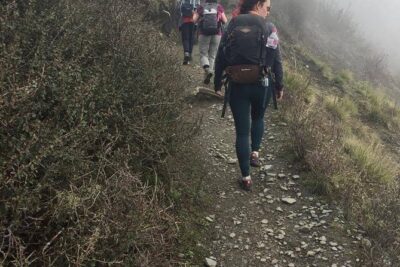
What to watch out for on day four is trail feel. Rhododendron areas can mean uneven footing and sometimes slick ground depending on recent weather. Bring footwear with solid grip and expect the last steps before a viewpoint to be slower than you planned.
Day 5: Kali Gandaki River rituals and a sacred final walk
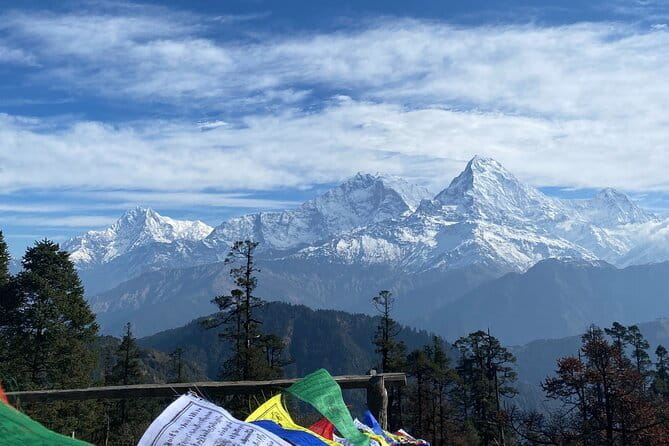
Your final day includes a return focus on the Kali Gandaki River. This is the spiritual wrap-up: the river is described as sacred in Hindu and Buddhist beliefs, with religious rituals and ceremonies along its banks. Pilgrims often take dips in its holy waters for purification and spiritual cleansing.
If you’re used to seeing rivers purely as scenery, this part changes the lens. You’ll notice how the same place can be both practical life-support and sacred space. The tone here is quieter, more observational, and it fits the route’s theme of local connection.
The best approach on day five is to stay open and not rush the moment. If you keep your schedule flexible and your walking pace calm, you’ll get more out of the last day than simply arriving.
Guides, safety, and why the small details matter
I like the way this trek emphasizes real support. You’re not only paying for a guide to point out mountains. You’re getting:
- a licensed or certified in-person guide
- local professional porters for luggage transfers
- included meals and warm drink support
- transport by air-conditioned vehicle for the drive parts
That combination matters most when weather or fatigue show up. One of the most telling bits from the experience is how guides handle difficult sections. During a steep Mohare Danda descent in past trips, guides have arranged car support down the mountain to save time and reduce unnecessary injury risk.
You should not assume car transport is guaranteed in every situation. But it’s a strong sign that your guide isn’t powerless when conditions change. If you’re worried about steep descents, ask directly how descent logistics are handled for your group and what options exist if the route feels too hard that day.
Who this trek suits best (and who should think twice)
This is a great fit if you want:
- mountain sunrise views that include Dhaulagiri, Annapurna, and Manaslu
- a route tied to local livelihoods and community-run lodges
- a private experience with practical support like porters and a licensed guide
- an off-the-beaten-path feel without DIY planning stress
You might want to think twice if you:
- hate early mornings (the sunrise focus is real)
- want a fully easy walk with no steep sections
- prefer fixed city comforts and don’t like basic rural trail pacing
Fitness note: the tour asks for moderate physical fitness. That’s usually code for “comfortable walking, plus some steep stretches.” If that describes you, you’re in the right zone.
Should you book this Mohare Danda local culture and mountain-view tour?
Book it if you want value that goes beyond views: meals included, private transport, porter help, and a sunrise-focused plan that connects to village life. The community-run lodge model is also more than marketing when you care about where your money lands in the Annapurna region.
Don’t book it if you’re chasing a casual stroll with no steep bits. Mohare Danda-style descents can be tough, and the whole point of a mountain sunrise trek is that you earn those views by accepting early mornings and changing trail conditions.
If you do book, I’d ask two questions up front:
- What’s the plan for steep descents like Mohare Danda for your specific group?
- Are your guides planning multiple sunrise attempts for visibility, or is it one main morning?
FAQ
What kind of transport is included?
You get private transportation, including an air-conditioned vehicle for the drive portions of the route.
Is the tour private?
Yes. It’s listed as a private tour/activity, meaning only your group participates.
What meals are included?
Meals included are 5 lunches, 4 breakfasts, and 4 dinners, plus tea/coffee.
Are there any entrance fees for stops?
The stops in the plan are marked as Admission Ticket Free, so you’re not paying entrance fees for the viewpoints and included stops described.
Is hot shower included?
Yes. Hot shower is included.
Is there an optional cultural program?
Yes. The Pun Magar Traditional Cultural Program can be requested for an extra USD 48 total.
What if weather is bad?
The experience requires good weather. If it’s canceled due to poor weather, you’ll be offered a different date or a full refund.
What about cancellation if plans change?
You can cancel for free up to 24 hours in advance for a full refund.
More Private Trips
Also Reviewed Around Pokhara

More Foothill Day Hikes
Newer Pokhara reviews to browse before you decide
Annapurna Foothills Day Hikes, compared.
 ★ 5.0Annapurna Foothills Day Hike with TransfersFrom $42100 reviews
 ★ 4.7Day Hike at Annapurna FoothillsFrom $9817 reviews
 ★ 5.02 Days Panchase Hill Trek from PokharaFrom $9413 reviews
 ★ 4.3Annapurna Day Hike with Panoramic ViewsFrom $507 reviews
 ★ 5.0Day hiking to Dhampus – Astam VillageFrom $667 reviews
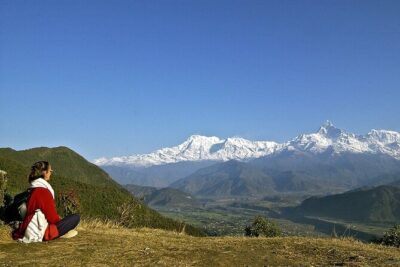 ★ 5.0The Best Of Pokhara: Kahu Hill View Point Tour with GuideFrom $356 reviews
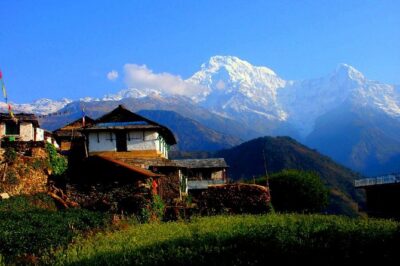 ★ 5.0Private Full-Day Hike in the Annapurna Foothills in PokharaFrom $1256 reviews
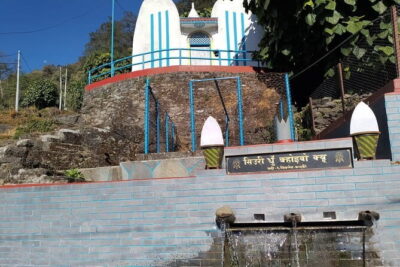 ★ 5.02 Days Sikles Trek from PokharaFrom $2005 reviews
Browse the lists this tour appears in