
Reviewed · MARDI HIMAL BASE CAMP TREKS
From Pokhara: 4-Day Mardi Himal Base Camp Trek
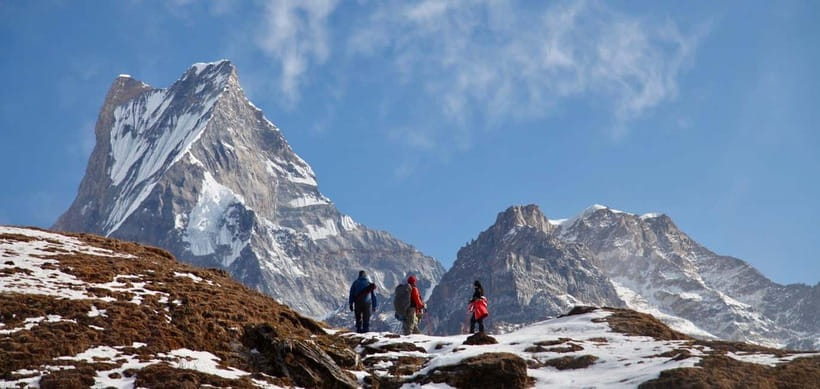
Rhododendron climbs to Himalayan silence. This 4-day private Mardi Himal hike is a smart way to see a lot of the Annapurna region without committing to a longer trek. I like the payoff: Mardi Himal Base Camp views that feel big and close, and Machapuchhre sunrise from high viewpoints. Add in a personal guide experience—people you might be paired with include Anil or Tanka—so the day plan can match your pace instead of forcing you to suffer on schedule.
My second favorite part is the route choice: you spend time away from the most crowded paths, moving through forests, then up toward alpine terrain and back down through villages. The one real consideration is altitude and effort—especially the steep stair-like sections and cold mornings above 4,000m—so you’ll want solid footwear, layers, and a realistic fitness base.
In This Review
- Key highlights worth your attention
- Pokhara to Forest Camp: First day, real altitude prep
- Forest Camp to High Camp: Rhododendron steepness and Machapuchhre in reach
- Sunrise and Mardi Viewpoint: Where effort turns into clarity
- Low Camp to Lumre via Siding: A gentle letdown, then a real finale
- What you’re paying for: The real value of $138 per person
- Guide and porter experience: Why pace matters on Mardi Himal
- Tea houses, meals, and cold nights: Keep it simple, pack smart
- Who this 4-day Mardi Himal trek fits best
- Should you book this Mardi Himal Base Camp trek?
- FAQ
- Where does this trek start and finish?
- How long is the Mardi Himal trek?
- Is this a private trek?
- What language will the guide speak?
- Are trekking permits included?
- Is transportation included?
- Do I stay in teahouses?
- Is a porter included?
- What should I bring for the trek?
- Is travel insurance required, and what about cold weather?
Key highlights worth your attention
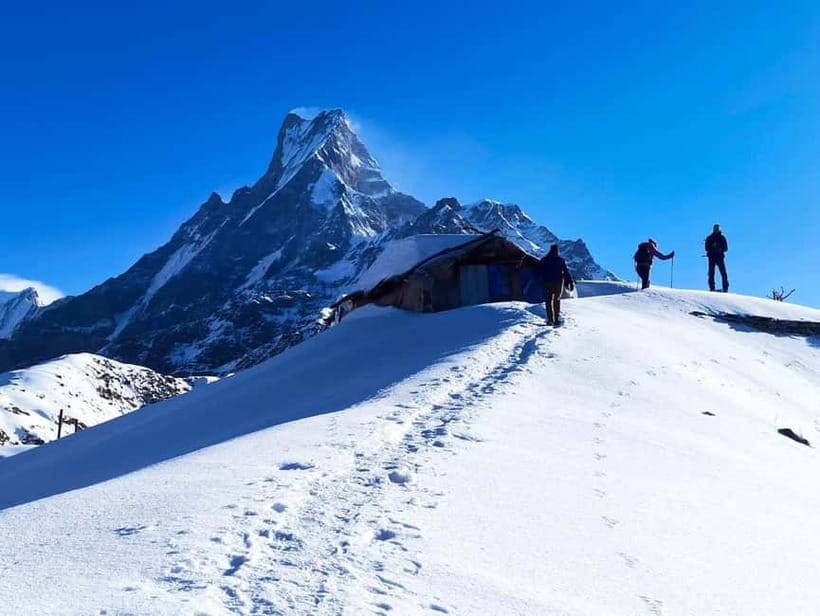
- Base Camp views in just 4 days: You get big Annapurna drama without a long time commitment.
- A quieter-feeling trail: Dense forest-to-meadow walking helps you forget the crowds.
- High viewpoints at the right time: Early hikes for sunrise views over Machapuchhre and the range.
- Teahouse nights with local routine: Simple lodges, good enough meals, and mountain atmosphere.
- Guides that adjust pace: Past groups praised guides like Anil and Santosh for patience and safety focus.
- Private means flexible pacing: The schedule can slow down for your needs, even on steep climbs.
More Mardi Himal itineraries worth comparing.
- Pokhara: 4-Day Mardi Himal Trek★ 4.9 · 59 reviews
- Private Mardi Himal Trek★ 5.0 · 42 reviews
- From Pokhara: 4-Day Mardi Himal Base Camp Trek★ 4.9 · 31 reviews
- Mardi Himal Trek★ 5.0 · 30 reviews
Pokhara to Forest Camp: First day, real altitude prep
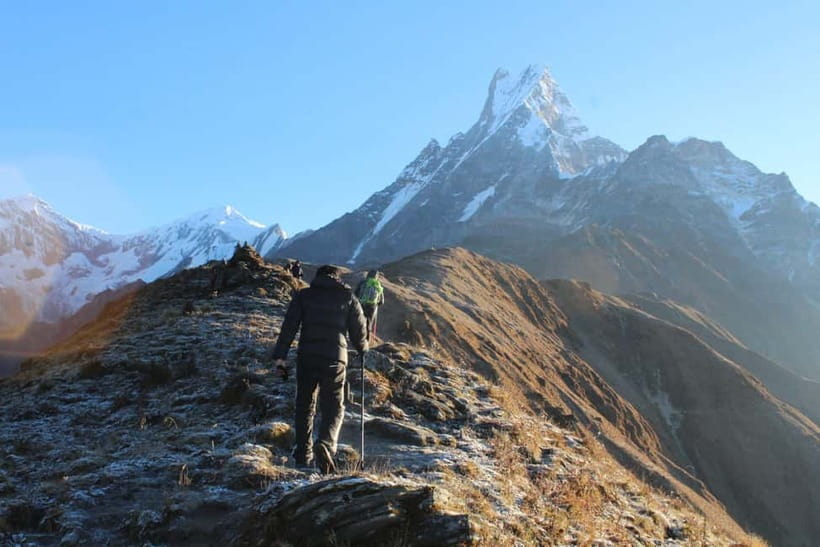
Your trek starts with a drive out of Pokhara. You’ll typically head toward Kande, then walk onward through trails connected with Australian Camp and Pothana. This matters because the first hours help you get your legs used to a hiking rhythm, not just to “being on the move.” Even with short climbs and forest shade, you’ll still feel the altitude change by the time you reach Forest Camp at about 2,550m.
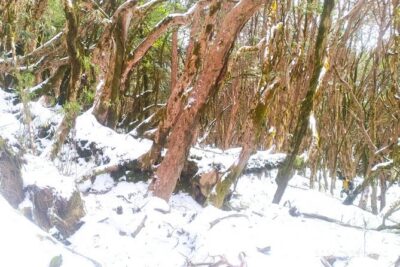
The trail here is about transitions. You move through rhododendron and oak forest conditions, with cooler air under the canopy and occasional mountain glimpses. If you’re someone who likes a steady start, this day fits: it’s long enough to feel like a trek, but not so punishing that you’re cooked before tomorrow’s steep push.
At Forest Camp, you’ll sleep in a simple teahouse. Expect basic comfort—hot meals, a place to sit, and bedding that’s fine if you’re prepared for mountain cold. If you’re traveling with a guide and porter option, this is a good time to settle in and ask how the next day’s climb feels at your pace. Many trekkers find Day 2 mentally easier when they know what’s coming.
Practical tip: start slow today. The climb ahead has several uphill stretches, and your “easy day” performance often decides whether the sunrise morning feels fun or just exhausting.
Forest Camp to High Camp: Rhododendron steepness and Machapuchhre in reach
Day 2 is where Mardi Himal turns from a pleasant hike into a proper mountain trek. You’ll climb uphill for roughly 6–7 hours through dense rhododendron and oak forests, gaining height quickly enough that your breathing will notice.
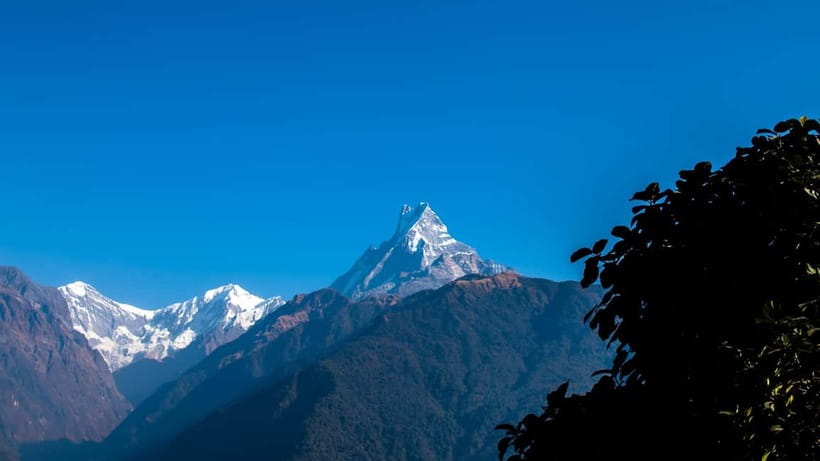
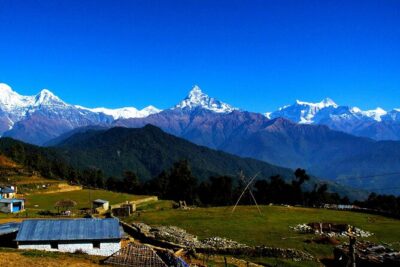
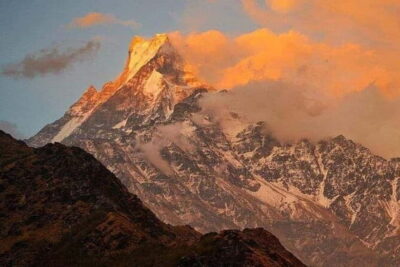
The big reward comes as you approach High Camp (about 3,580m). This is where Machapuchhre starts to feel close. You’re not just watching a mountain—you’re seeing the range’s scale change as the path climbs into thinner air. It’s also a satisfying day for anyone who enjoys variety: forest shade, then widening views as you get higher.
At High Camp, you’ll sleep again in a teahouse. This is where packing choices matter. If you plan to be warm at night and comfortable in early morning, bring layers you can actually hike in. Temperatures can swing, and high-altitude cold is no joke.
One more practical note: High Camp is also a good checkpoint for your body. You’ll want to monitor hydration and energy here, because Day 3 includes an early push for sunrise and possibly a side extension to Base Camp for fitter hikers.
Sunrise and Mardi Viewpoint: Where effort turns into clarity
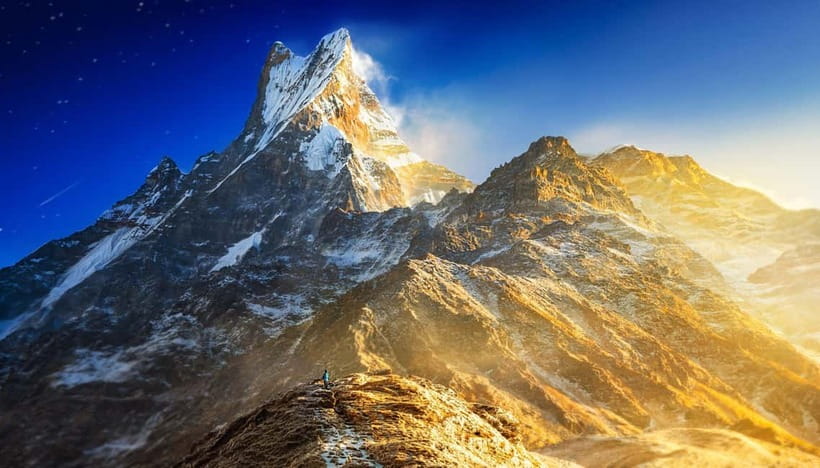
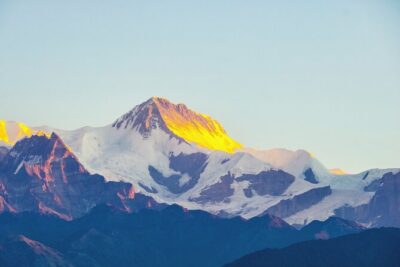
Day 3 starts early with a hike toward Mardi Himal Viewpoint around 4,200m. You’ll move for about 3–4 hours early in the morning. This is the part many people remember because it combines altitude with timing—sunrise light can make mountains look sharper and more three-dimensional than during the day.
From the viewpoint, you’re aiming for panoramas over the Annapurna range, with Machapuchhre views highlighted by the route. In plain terms: you’re climbing because the sky opens.
You also have a choice. If you’re fit and feeling good, you can continue on toward Mardi Himal Base Camp (around 4,500m). If you’re not, you still get the major payoff from the viewpoint. The private-guided format helps here. I like that you’re not locked into a single outcome; your guide can adjust plans depending on how your body responds to the morning cold and steep steps.
After the sunrise effort, you descend to Low Camp at about 2,970m. This descent (roughly 3–4 hours) is not just a rest. It’s your chance to reset your legs, catch your breath, and settle into a more comfortable altitude range.
Teahouse comfort on Low Camp night is part of the value of this trek. You’ll likely be tired, but the simple lodging and meals along the way keep the day practical instead of turning into a survival exercise.
Low Camp to Lumre via Siding: A gentle letdown, then a real finale
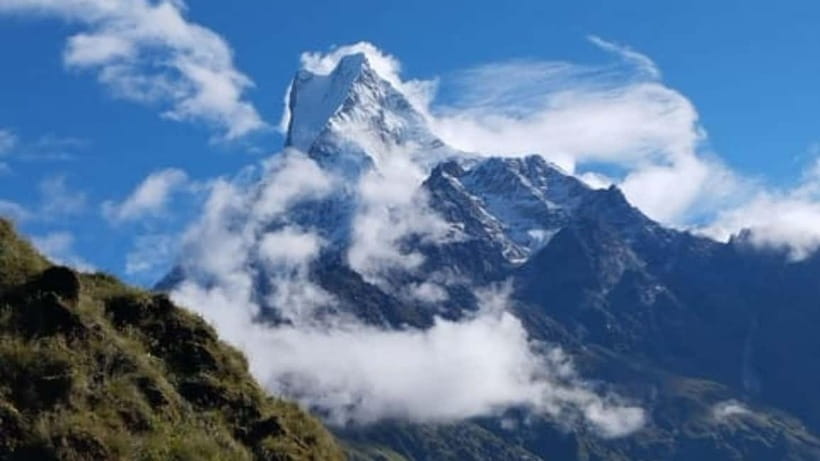
Day 4 is about finishing, not fighting the mountain. You’ll hike downhill for about 4–5 hours to Siding Village, then continue around an hour to Lumre. Finally, you drive back toward Pokhara, wrapping the trek with about a 1-hour vehicle transfer.
The downhill day is a blessing for anyone who’s worried about leaving the mountains without lingering fatigue. Still, don’t ignore it. Stairs and steep steps can be hard on knees, and your feet will notice the day-after-day trekking pattern.
This final leg also gives you a different feeling than the higher camps. The route through villages helps the landscape of the trek change from pure altitude drama back to human scale—where you’re walking alongside local life and seeing how these mountain communities connect with the trekking season.
When you reach Lumre, it’s the perfect moment to think about what you’ll remember most: not just the final peak view, but the rhythm of the whole 4 days. You go up through forests, you work for sunrise, and you come back down with a clear sense of closure.
More treks and hikes across the Annapurna region.
What you’re paying for: The real value of $138 per person
At around $138 per person for this 4-day private trek, the value comes from what’s included—not just the guide.
Here’s where the money goes:
- Permits and TIMS paperwork are included, which avoids a common headache.
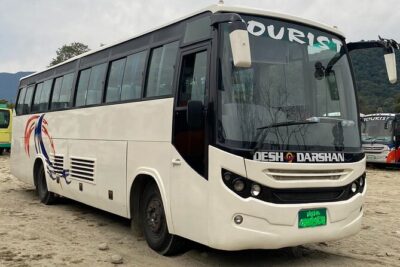
- Round-trip transport connects you from your Pokhara base (or the airport) to the trek start and back after.
- Teahouse/lodge accommodation along the route is included in the core package.
- A government-certified English-speaking guide (and porter option, if selected) takes responsibility for pacing, safety decisions, and day-to-day logistics.
- Luggage storage in Pokhara helps you travel lighter before the trek.
- A first aid kit is carried as part of the service.
The one thing I’d watch: the price depends on what add-ons you choose. Meals are listed as included if you select the option, and you’ll still have personal expenses along the way (snacks, drinks, extras). I also advise comparing the included meals option against the reality of ordering at teahouses. If you like freedom with your food choices, you might prefer paying as you go rather than locking yourself into a fixed package.
Bottom line: if you want a guide-led experience with permits handled and transport taken care of, the price makes sense. If you’re the type who enjoys planning every permit and building your own route, you may find cheaper DIY options elsewhere—but you’ll lose the convenience and pace control that this private format is designed around.
Guide and porter experience: Why pace matters on Mardi Himal
A private trekking guide isn’t just a translator. On Mardi Himal, the route includes long uphill stretches, cold early mornings, and steep sections that can feel like stairs for long stretches. That’s why your guide’s style can shape the whole trip.
From the guide names people share—Anil, Santosh, Bala, Jeet, Chandra, and others—you can see a pattern: guides who focus on pacing, safety check-ins, and even morale make the trek feel manageable. In particular, several trekkers highlight that guides adjusted the pace to needs, took breaks without drama, and helped with tough climbs. That matters if you’re a first-time trekker, coming off illness, or simply not a cardio machine.
If you add a porter, your pack load gets reduced. That can be a bigger deal than it sounds. When the route is steep and your breathing is already working, the difference between carrying everything and having support can be the difference between finishing relaxed and finishing wrecked.
Also, guides here often share local culture and nature facts along the way. Even if you’re not a trivia person, it breaks up the monotony of stepping. You notice the rhododendron forests more when someone can tell you what to look for.
Tea houses, meals, and cold nights: Keep it simple, pack smart
The trek uses teahouses or lodges along the route. That means:
- You’ll have a place to sleep each night without carrying camping gear.
- Meals are available at stops along the trail.
- Comfort is basic but workable if you dress for mountain temperatures.
The altitude swings are part of the deal. High points are often cold, especially with early morning starts. So your clothing plan matters more than fancy gear.
What I’d bring based on the practical guidance:
- Comfortable hiking shoes (and shoes that work well on stairs and uneven ground)
- Change of clothes (you’ll appreciate this more than you think)
- Warm layers for high altitude mornings
- A passport or ID card for permits paperwork
- Cash for tea house extras
- Travel insurance (mandatory for safety coverage)
If you’re bringing a camera, also bring a waterproof option or cover. Mountain weather can change fast, and wet gear ruins photo fun.
Who this 4-day Mardi Himal trek fits best
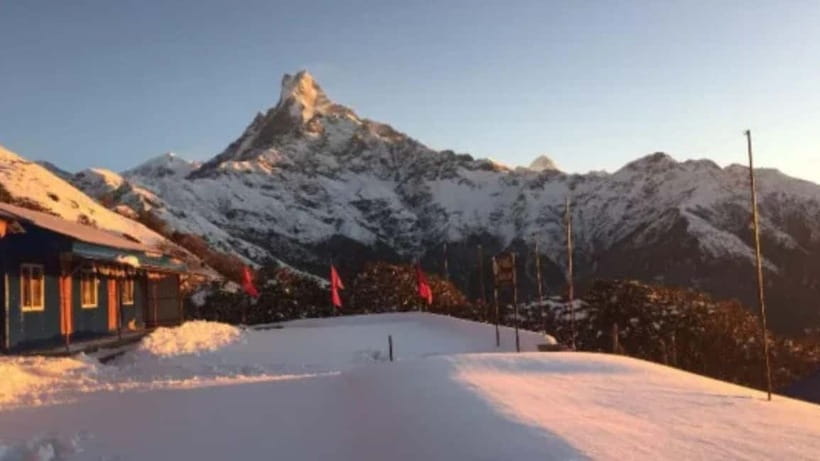
This trek is ideal if you want a high-reward Annapurna trek in a short timeframe. Four days is enough to experience real altitude steps—forest trails, high camps, and a sunrise morning—without needing a full-on week of trekking.
It’s also a strong fit if you:
- Want a private guide and pacing that matches your fitness
- Prefer teahouse hiking over camping
- Like scenery changes day by day: forest → alpine zones → viewpoint sunrise → village descent
- Want a route that feels quieter than the most heavily traveled corridors
It might be a poor fit if you:
- Are expecting a flat walk (there’s meaningful uphill and many steps)
- Have no interest in cold mornings
- Are unable to handle physical strain for short periods at altitude
Should you book this Mardi Himal Base Camp trek?
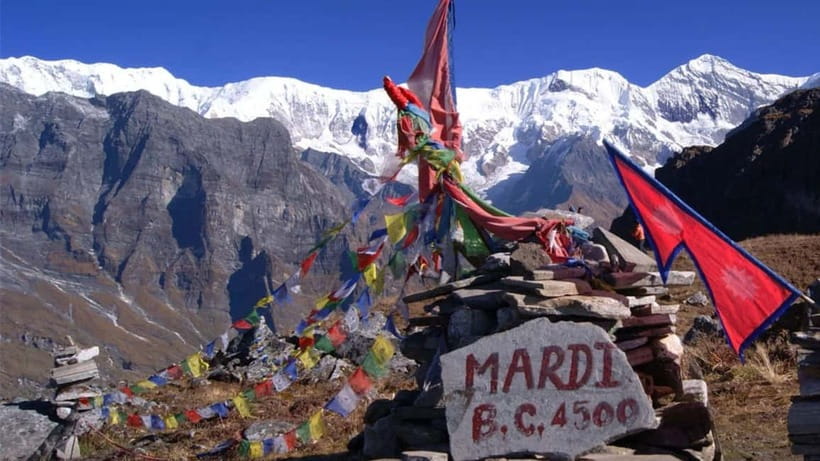
Yes—if you want the Annapurna experience in a focused 4-day window and you value having a certified English-speaking guide handling permits, pacing, and logistics. The price makes sense for what’s included: transport, paperwork, teahouse nights, and on-the-ground support.
Before you book, be honest about one thing: Day 2’s uphill and Day 3’s early altitude push take effort. If you train a bit, bring good layers, and start slow, the trek feels like a satisfying challenge with real payoff. If you’re going in expecting comfort first, you’ll likely feel annoyed at the steep sections and cold.
FAQ
Where does this trek start and finish?
It starts from Pokhara and follows the route from Kande through Forest Camp, High Camp, Low Camp, and onward to Siding and Lumre. You then drive back to Pokhara to end the trek.
How long is the Mardi Himal trek?
The duration is 4 days.
Is this a private trek?
Yes. It’s listed as a private group, with a private trekking guide.
What language will the guide speak?
The guide offers live tour guidance in English, Hindi, and Nepali.
Are trekking permits included?
Yes. The trek includes required trekking permits, TIMS fees, and the necessary paperwork.
Is transportation included?
Yes. Round-trip transportation is included between your hotel or airport pickup in Pokhara and the trek starting point, plus the return drive at the end.
Do I stay in teahouses?
Yes. Accommodation is provided in simple tea houses or lodges along the trekking route.
Is a porter included?
A porter is included if you select the porter option. Otherwise, the package includes the trekking guide.
What should I bring for the trek?
Bring a passport or ID card, comfortable shoes, change of clothes, camera (and a waterproof option if you have one), travel insurance, cash, and hiking pants. Hand sanitizer or tissues are also recommended.
Is travel insurance required, and what about cold weather?
Travel insurance is mandatory. Temperatures can vary significantly, and higher altitudes are often very cold, so you should pack warm clothing for both warm and cold conditions.
More Treks in the Annapurnas
Also Reviewed Around Pokhara

More Mardi Himal Treks

Newer Pokhara reviews to browse before you decide
Mardi Himal Base Camp Treks, compared.
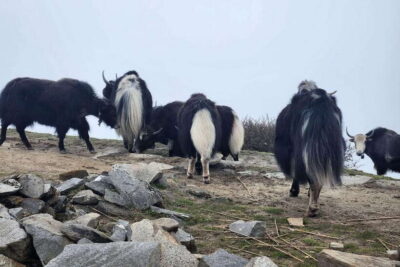 ★ 4.94-Day Mardi Himal TrekFrom $13959 reviews
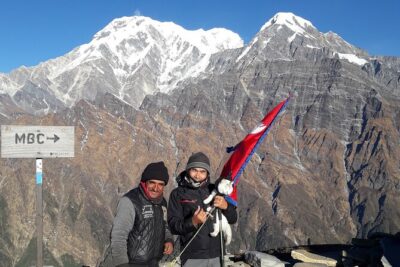 ★ 5.0Private Mardi Himal TrekFrom $39942 reviews
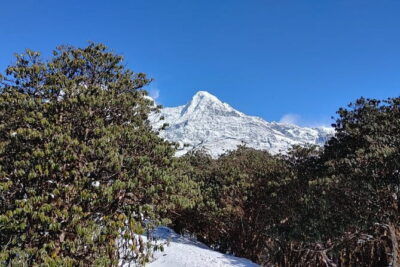 ★ 5.0Mardi Himal TrekFrom $39930 reviews
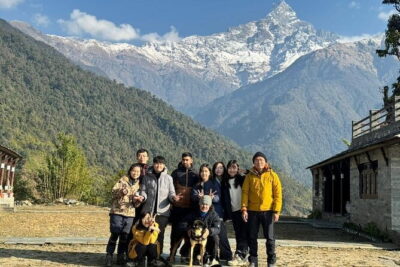 ★ 5.04 Day Mardi Himal Base Camp Trek from PokharaFrom $29018 reviews
 ★ 5.05-Day Mardi Himal Base Camp TrekFrom $18110 reviews
 ★ 5.04 Days Mardi Himal Base Camp Trek from PokharaFrom $2909 reviews
 ★ 5.05 Day Mardi Himal Base Camp Trek in PokharaFrom $2308 reviews
★ 5.04 Days Mardi Himal Base Camp Trek from PokharaFrom $2998 reviews
★ 5.05 Day Mardi Himal Base Camp Trek in PokharaFrom $2308 reviews
★ 5.04 Days Mardi Himal Base Camp Trek from PokharaFrom $2998 reviews
Browse the lists this tour appears in