

Reviewed · MARDI HIMAL BASE CAMP TREKS
4 Days Mardi Himal Base Camp Trek from Pokhara
Mardi Himal delivers big views, short time. You start from Pokhara and steadily climb through forests and ridges toward Mardi Himal Base Camp, with repeated wow moments as the Annapurna massif and Machapuchare (Fishtail) come into view. I love how the trek gives you classic Himalaya drama without the bigger crowd pressure on many Annapurna routes, and I love the mix of nature and real rural life. The one catch: the altitude gets real fast (you’ll spend time around 4,000–4,500 m) and the day often starts early, so if you pace poorly, you’ll feel it.
I also like that service is built in, not tacked on. You get hotel pickup and drop-off, a guide, permits (TIMS plus a trekking permit), and guest-house accommodation, plus sharing jeep transfers that keep the logistics simple. In the stories people share, the guide names come up often, including Prakash, Surya, Bikram, Biru, and Krishna, and the common thread is helpful, easy coordination.
For me, the best part is how the trek stays practical while still feeling special. You’ll hike through subtropical forest, then higher alpine scenery, then back down through villages like a proper circuit. If you’re hoping for an all-easy walk on a flat trail, this isn’t that trek. It’s a four-day challenge with real rewards.
In This Review
- Key highlights to know before you go
- Mardi Himal in four days: big scenery, smaller crowds, smarter pacing
- Price and included value: what $290 really covers
- How the four days are structured (and why it works)
- Day 1: Pokhara to Forest Camp (about 2,500 m) and that first big view feeling
- Day 2: Forest Camp to High Camp (around 4,000 m) through jungle and wildlife country
- Day 3: The 4:00 a.m. viewpoint at 4,500 m, then base camp time and the descent to Low Camp
- Day 4: Low Camp to Siding Village (about 1,800 m) and the jeep ride home to Pokhara
- Culture along the trail: Gurung and Magar community encounters
- Guides and service: why the people on this trek feel cared for
- Who this suits best (and who should think twice)
- Should you book the 4-day Mardi Himal Base Camp trek from Pokhara?
- FAQ
- How long is the Mardi Himal Base Camp trek?
- Is hotel pickup and drop-off included?
- What are the key inclusions for the trek price?
- Do I need a permit for this trek?
- What kind of accommodation do you use during the trek?
- Is this trek private or group-based?
- What is the highest elevation you reach?
- How much time do I spend hiking each day?
- Do you offer transportation back to Pokhara after the trek?
- What is the cancellation policy?
- Is confirmation provided at booking?
Key highlights to know before you go
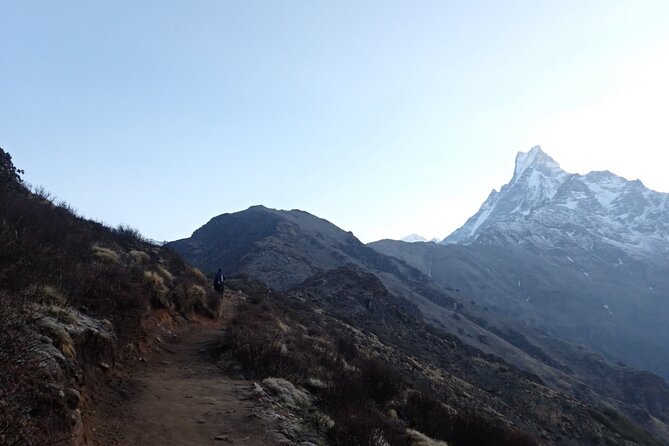
- Mardi Himal Base Camp views without the heavy crowds common on some nearby treks
- Early-morning viewpoint push around 4,500 m for Machapuchare and the Annapurna range
- Guest-house nights that keep things comfortable enough to enjoy the trail
- Cultural encounters with Gurung and Magar communities along the route
- Permits + TIMS included, plus an English-speaking trekking guide
- Private trek for just your group, so pacing feels more flexible
More Mardi Himal itineraries worth comparing.
- Pokhara: 4-Day Mardi Himal Trek★ 4.9 · 59 reviews
- Private Mardi Himal Trek★ 5.0 · 42 reviews
- From Pokhara: 4-Day Mardi Himal Base Camp Trek★ 4.9 · 31 reviews
- Mardi Himal Trek★ 5.0 · 30 reviews
Mardi Himal in four days: big scenery, smaller crowds, smarter pacing
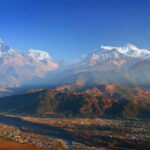
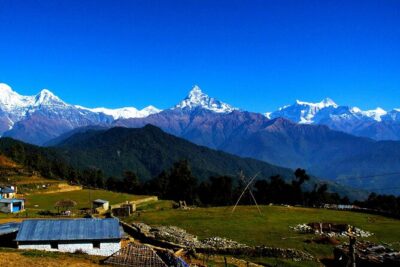
Mardi Himal is one of those treks that makes you feel like you’re getting a lot for the time you spend. The whole route is designed around that Annapurna drama: you’re climbing into the higher zones where Machapuchare (Fishtail) starts showing up more clearly, and the Annapurna massif fills more of your view each day. And unlike some more famous trails, this one tends to feel calmer. You still meet people, but the experience doesn’t feel dominated by constant crowds.
You also get variety. The trek moves from lower forests into higher terrain, and that shift matters. Forest trekking is cooler and more shaded, and it gives you a softer start. Then you transition toward alpine meadows and rougher base-camp terrain, which changes how your body feels and how the scenery frames the peaks.
And you get to do it in a realistic timeframe. Four days means you can keep your travel rhythm. You’re not committing to a long itinerary where one bad weather day can derail your entire trip.
Price and included value: what $290 really covers
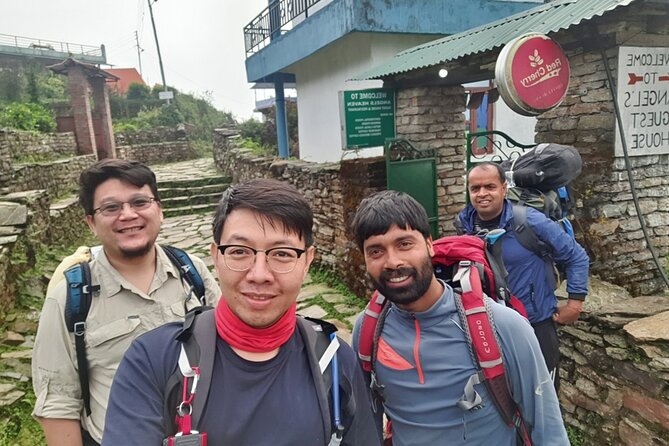
At $290 per person, the headline price looks straightforward, but the value is in what’s included. This trek is set up with real-world essentials: hotel pickup and drop-off, trekking permit plus TIMS, an experienced English-speaking guide, guest-house accommodation, and round-trip transfer by sharing jeep.
That package matters because it reduces the usual Nepal trekking headaches:
- You don’t have to figure out permits on your own.
- You don’t have to arrange transport twice around the trek.
- You have a guide who can keep the day flowing at a pace that makes sense for your group.
The “private trek” detail also helps your value. Only your group participates, so you’re not stuck matching your speed to a totally different fitness level. That’s especially nice on a route where altitude and early starts can make everyone’s rhythm different.
What’s not included is also clear: personal expenses and optional gratitude. In practice, that means you’ll budget for your own meals/snacks and any extras you decide you need once you’re already on the trail.
How the four days are structured (and why it works)
This trip runs as a simple climb-and-return circuit built around altitude steps:
- Day 1: Pokhara to Forest Camp (~2,500 m)
- Day 2: Forest Camp up to Mardi Himal High Camp (~4,000 m)
- Day 3: Early viewpoint at about 4,500 m, then onward to base camp area and down toward Low Camp (~3,000 m)
- Day 4: Low Camp down to Siding Village (~1,800 m), then jeep back to Pokhara (~800 m)
The design helps because you’re not going straight to the highest altitude without a buffer. You get a couple of nights at different elevations and time to adjust. Still, you should take altitude seriously on this route. Even if it’s only four days, you’re spending time where the air feels thinner than Pokhara.
Also note the rhythm. You’re often waking up with a mission—especially on Day 3—so think of this as a trek with some “early-day effort,” not a relaxed vacation hike.
Day 1: Pokhara to Forest Camp (about 2,500 m) and that first big view feeling
You start around 8:00 am, with a drive from Pokhara to Kande (about 1.5 hours). Then the trek proper begins. Day 1 is all about getting your legs moving while the scenery slowly starts to sharpen. Expect lush lower terrain and dense forest sections, plus that gradual build-up that makes the Himalaya feel closer each hour.
What I like about starting here: Forest Camp sits at a sweet spot. At roughly 2,500 m, you’re higher than sea level but not yet at the “why am I breathing like this” stage. It’s a manageable first day that lets you settle in.
Possible consideration: it’s still a full day. The schedule runs about seven hours total, so you’ll want to treat Day 1 as training for your body, not as a warm-up stroll. Hydrate, walk steadily, and don’t try to win the trek in the first hours.
More treks and hikes across the Annapurna region.

Day 2: Forest Camp to High Camp (around 4,000 m) through jungle and wildlife country
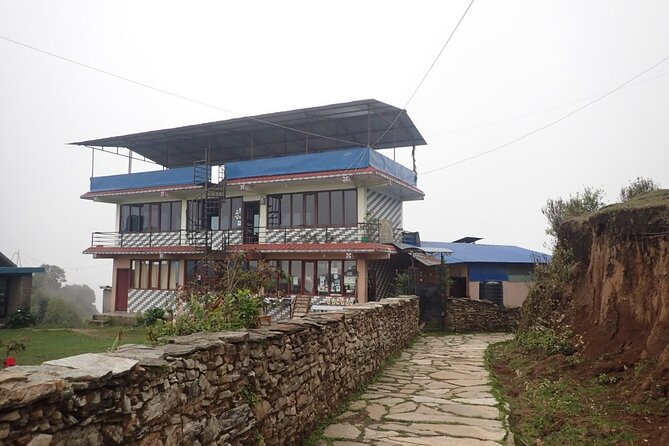
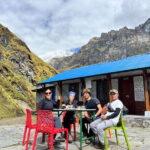
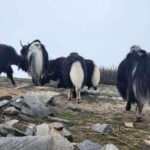
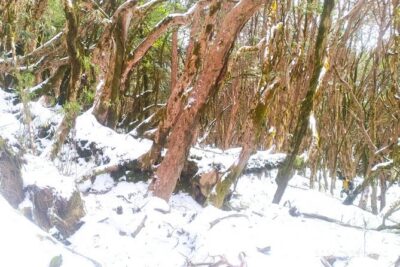
Day 2 ramps things up. You’ll trek for about five hours from Forest Camp to Mardi Himal High Camp at around 4,000 m. The path includes dense jungle sections, which can mean wildlife and constant green shade. It’s a different feel than Day 1 and it’s a good reminder that your trail isn’t just about mountain photos—it’s also about how your environment changes as you gain height.
High Camp at ~4,000 m is a real altitude step. Even if the route is moving steadily, your breathing will likely notice the difference. This is a day to keep your pace controlled. If you feel tempted to rush because the views are starting to show, resist it. On treks, going too fast early is like borrowing energy from tomorrow.
A practical perk: reaching High Camp puts you in position for the most dramatic morning of the itinerary. You’re not waiting around in a low town while the peaks look out of reach—you’re sleeping close enough to go chase them early.
Day 3: The 4:00 a.m. viewpoint at 4,500 m, then base camp time and the descent to Low Camp
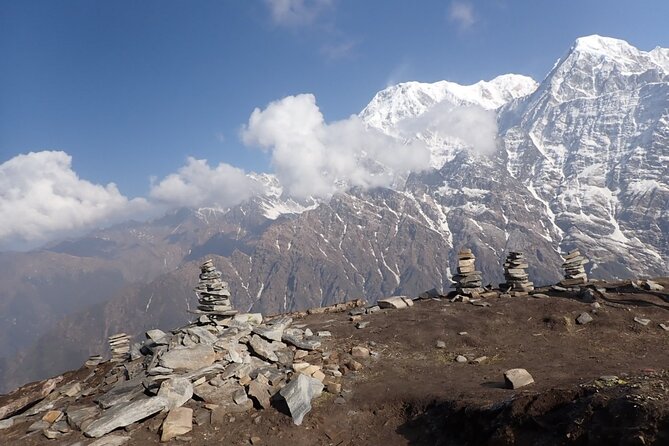
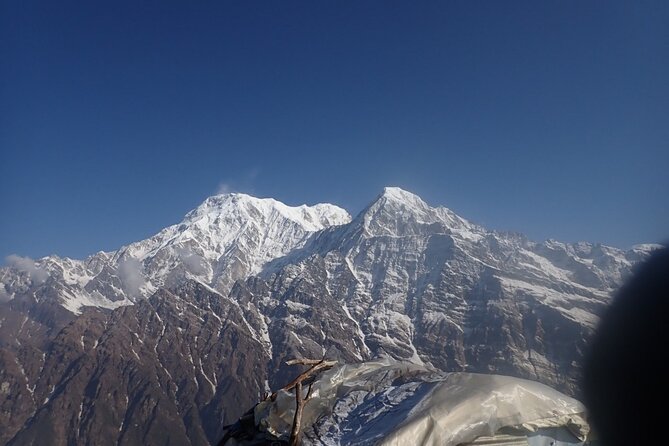
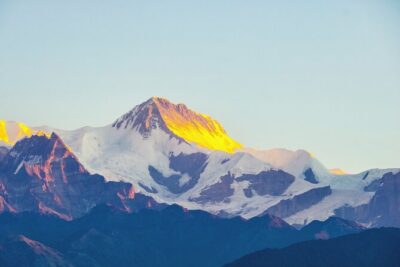
This is the day most people remember. You’ll wake up around 4:00 am and hike toward a viewpoint around 4,500 m. From there, the views of Mt. Fishtail and the entire Annapurna range can be jaw-dropping in a way that’s hard to explain while your body is still figuring out how to work at altitude.
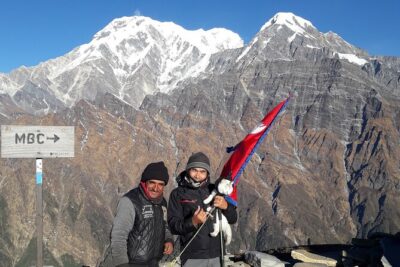
After the viewpoint segment, you’ll continue toward the base camp area. The key idea is that you’re stacking your best scenery early, then using daylight time to get where you need to be. Once you spend time at Mardi Himal Base Camp, you start moving again—because the day continues with a descent back down toward Low Camp at about 3,000 m.
A detail that helps you understand the flow: the route includes going back through High Camp to pick up your belongings, then continuing down to Low Camp. That means you’re not just rushing downhill in one continuous line. There are built-in pauses that keep the day from feeling like a nonstop grind.
Possible consideration: early starts feel easier when you prepare your mindset the night before. If you’re the type who struggles with mornings, plan for that. Also, because you’re going up early and then down later, this day tests endurance both ways.
Day 4: Low Camp to Siding Village (about 1,800 m) and the jeep ride home to Pokhara
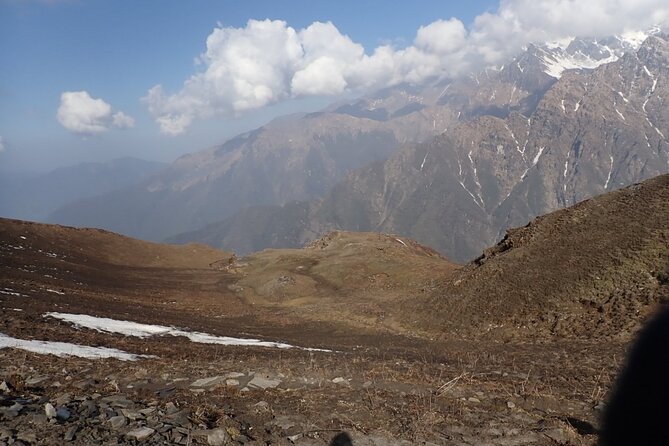
Day 4 is the release valve. You start at Low Camp and descend for about four hours to Siding Village at around 1,800 m. This is where the route feels more forgiving. You’re still on a trek, but the downhill profile tends to be easier mentally because the goal line is clear: after Siding Village, you’ve got the jeep back to Pokhara.
That jeep ride from Siding Village to Pokhara (around 800 m) is more than just convenience. It helps you end the trek feeling human again, not stranded in the hills with sore legs and no plan.
One thing I’d watch for: downhill can still wreck your knees if you go too fast. So, descend with control. The trail might feel easier, but your body still needs good form.
Culture along the trail: Gurung and Magar community encounters
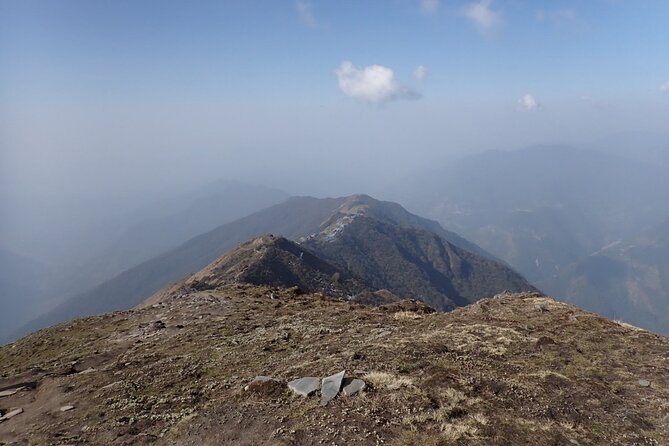
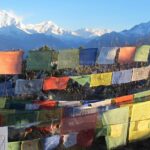
Mardi Himal isn’t only about mountains. You pass through areas tied to Gurung and Magar communities, and the experience is described as more than scenery—more like a window into rural life. That matters because it keeps your trek grounded. It reminds you that people live here, work here, and maintain the trails and pathways that you benefit from.
You should expect friendly village interactions, and that’s often where the trek becomes personal. A trekking route can be a checklist, but on Mardi Himal it feels more like meeting a living place as you hike through.
Just keep the usual Nepal trekking respect in mind: move politely, ask before taking photos, and remember that guest-house life and village life are part of the ecosystem you’re stepping into.
Guides and service: why the people on this trek feel cared for
The guides associated with this experience are a big part of its reputation. Names that come up include Prakash, Surya, Bikram, Biru, and Krishna. What connects them in the stories is the same pattern: people appreciated friendly help, good coordination, and guides who made the experience feel organized from pickup through the last jeep back.
You’ll also benefit from having an experienced English-speaking trekking guide. Even when the route is straightforward, altitude and timing add stress. A guide’s job isn’t just pointing the way—it’s helping your group keep moving with less guesswork. That’s worth something on a trek with an early-morning day built in.
One more point: the trek is private for your group. That can change how your guide works with you. Instead of managing a mixed group with different speeds and needs, you’re more likely to get pacing that matches your actual fitness and comfort level.
Who this suits best (and who should think twice)
This trek is best for you if:
- You have moderate physical fitness.
- You want a Himalayan trek that fits in about four days.
- You like a mix of forest walking, higher ridges, and village passes.
- You want strong views of Machapuchare and the Annapurna range without a huge time commitment.
It’s a tougher fit if:
- You’re sensitive to altitude and struggle with early mornings.
- You expect a totally low-effort itinerary.
- You want a route without any hard hiking hours. This is still a trek with real elevation changes.
The good news: the itinerary steps you upward over multiple days and includes guest-house accommodations, so you’re not just doing one day of effort after another without recovery.
Should you book the 4-day Mardi Himal Base Camp trek from Pokhara?
I’d book this if you want a practical, scenic trek with strong payoff and less crowd pressure than many Annapurna routes. The combination of permits + TIMS, an English-speaking guide, hotel pickup/drop-off, guest-house stays, and jeep transfers makes it easier to travel smart. Add in the repeated views of Machapuchare and Annapurna, plus the Gurung and Magar village encounters, and it becomes a well-rounded four-day Nepal experience.
Skip it (or at least plan carefully) if you’re not comfortable with altitude changes around 4,000–4,500 m or you can’t handle a 4:00 a.m. start. Bring your best pacing skills, and take the early morning seriously.
If you want, tell me your travel dates and fitness level, and I’ll help you decide whether four days is the right fit—or suggest a better pacing plan.
FAQ
How long is the Mardi Himal Base Camp trek?
The trekking experience is listed as about 4 days, with the itinerary planned across four days from Pokhara up to the base camp area and back down.
Is hotel pickup and drop-off included?
Yes. Hotel pickup and drop-off are included as part of the experience.
What are the key inclusions for the trek price?
Included items are hotel pickup and drop-off, trekking permit and TIMS, an experienced English-speaking trekking guide, round trip transfer by sharing jeep, guest house accommodation, and a private trek.
Do I need a permit for this trek?
Yes. The trekking permit and TIMS are included.
What kind of accommodation do you use during the trek?
You stay in guest houses during the trek, as accommodation is included.
Is this trek private or group-based?
It’s described as a private tour/activity, and only your group will participate.
What is the highest elevation you reach?
The itinerary references a viewpoint at around 4,500 meters, and the High Camp is around 4,000 meters.
How much time do I spend hiking each day?
The schedule shows full-day hiking on multiple days. Day 1 runs about 7 hours, Day 2 about 6 hours, and Day 3 and Day 4 include multiple hiking segments with several hours of movement across the day.
Do you offer transportation back to Pokhara after the trek?
Yes. After reaching Siding Village, a jeep transfer is included to take you back to Pokhara, and the trek concludes there.
What is the cancellation policy?
You can cancel up to 3 days in advance for a full refund. If you cancel less than 3 full days before the start time, the amount paid is not refunded.
Is confirmation provided at booking?
Confirmation will be received at the time of booking.
More Treks in the Annapurnas
Also Reviewed Around Pokhara

More Mardi Himal Treks
Newer Pokhara reviews to browse before you decide
Mardi Himal Base Camp Treks, compared.
 ★ 4.94-Day Mardi Himal TrekFrom $13959 reviews
 ★ 5.0Private Mardi Himal TrekFrom $39942 reviews
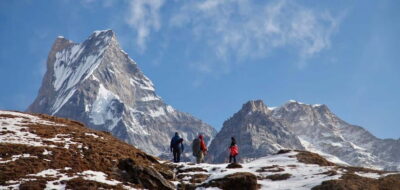 ★ 4.94-Day Mardi Himal Base Camp TrekFrom $13831 reviews
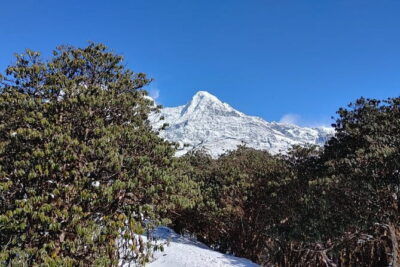 ★ 5.0Mardi Himal TrekFrom $39930 reviews
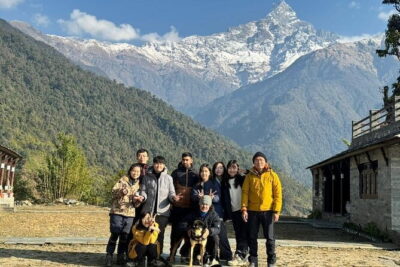 ★ 5.04 Day Mardi Himal Base Camp Trek from PokharaFrom $29018 reviews
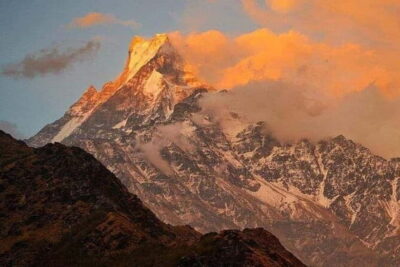 ★ 5.05-Day Mardi Himal Base Camp TrekFrom $18110 reviews
 ★ 5.05 Day Mardi Himal Base Camp Trek in PokharaFrom $2308 reviews
 ★ 5.04 Days Mardi Himal Base Camp Trek from PokharaFrom $2998 reviews
Browse the lists this tour appears in