
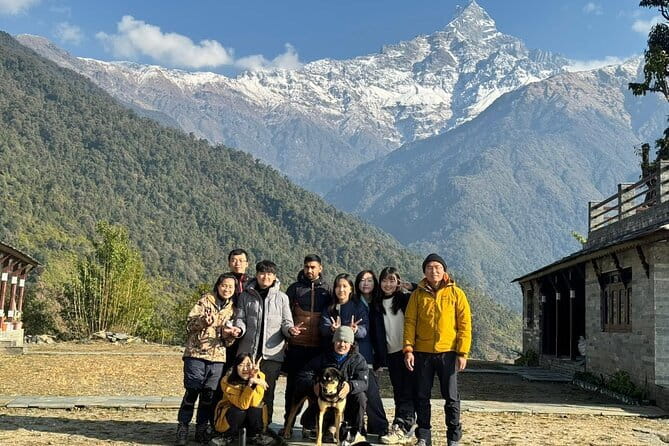
Reviewed · MARDI HIMAL BASE CAMP TREKS
4 Day Mardi Himal Base Camp Trek from Pokhara
Mardi Himal is a short trek with big views. This 4-day Mardi Himal Base Camp trek from Pokhara mixes forest trails, villages, and alpine scenery with clear steps toward major Himalayan peaks, including Machhapuchhre, Annapurna, and Hiunchuli. I like that you get serious trail structure for a short time window, and I also love that the trip takes care of the hard parts up front, like permits and official documents. The main thing to consider: parts of the route are steep, so “short” doesn’t mean “easy.”
What makes this plan feel practical is the way it’s built around you being on your own schedule within a group: it’s a private tour, guided by an experienced English speaker. In the same spirit, I like that the trek includes an emergency normal first aid kit with the guide. You’ll meet for the start around 7:15 pm, then be transferred toward the trailhead the next day, so plan for a travel/trek rhythm.
One more note for your budget: the trek includes accommodation, but food and drinks are on you (you can buy them along the way). Pack smart, hydrate, and don’t treat this like a casual stroll—because the mountains don’t care about your timeline.
In This Review
- Key highlights worth knowing
- Why Mardi Himal Base Camp works so well from Pokhara
- Price and value: how $290 stacks up
- Getting started the right way: Pokhara transfer timing
- Day 1: Kande to Forest Camp and the first real effort
- Day 2: Gradual ascent to Low Camp Guest House with expanding views
- Day 3: High Camp to Mardi Himal Base Camp when the trail gets steep
- Day 4: Descend through forests and villages back to Pokhara lakeside
- Guesthouses and tea house style comfort (what to expect)
- The guide factor: English support and real trail help
- Fitness level: moderate is the right word, but steep is real
- Who should book this trek (and who might prefer something else)
- Should you book the 4 Day Mardi Himal Base Camp trek from Pokhara?
- FAQ
- What is the duration of the Mardi Himal Base Camp trek?
- How much does the trek cost?
- What parts of the trip include transfers and pickup/drop-off?
- What’s included in the trek price?
- Are meals included?
- How many hours do you trek each day?
- Is this a private tour?
Key highlights worth knowing
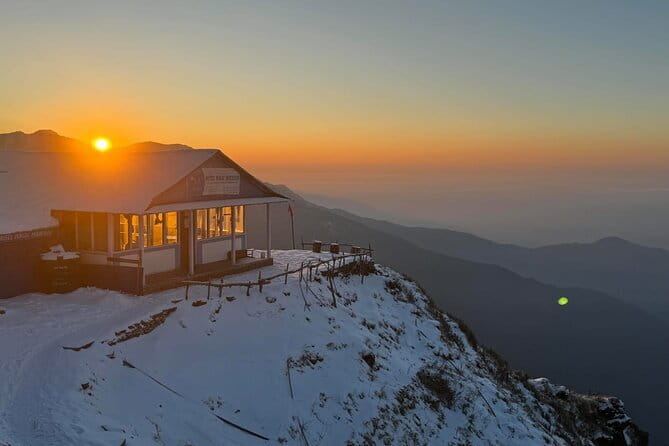
- Permits and official documents handled so you aren’t scrambling last minute
- English-speaking guide support, including a normal first aid kit on hand
- Tea house style trekking with tourist-standard guesthouses each night
- Focused route timing: steep sections early, base camp push mid-trek, then a long descent
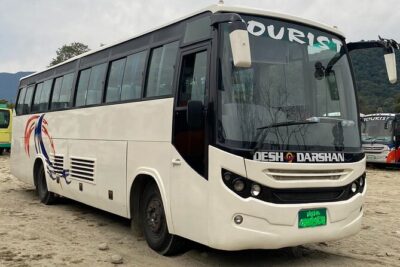
- Transfers included by bus or jeep, plus hotel pickup and drop-off
- Guides you may meet include names like Krishna Adhikari, Krishna, Biru, and Birendra
More Mardi Himal itineraries worth comparing.
- Pokhara: 4-Day Mardi Himal Trek★ 4.9 · 59 reviews
- Private Mardi Himal Trek★ 5.0 · 42 reviews
- From Pokhara: 4-Day Mardi Himal Base Camp Trek★ 4.9 · 31 reviews
- Mardi Himal Trek★ 5.0 · 30 reviews
Why Mardi Himal Base Camp works so well from Pokhara

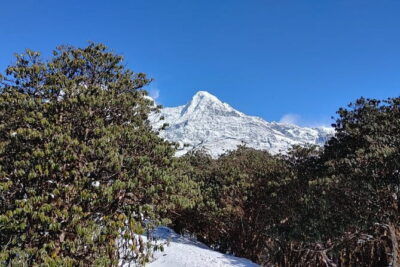
Mardi Himal Base Camp is in the Annapurna region, and the whole trek benefits from that setup: you get a real mountain journey without needing a huge time commitment. The scenery path is the classic Annapurna mix—lush forest trails, small settlements along the way, and higher ground with more open views as you climb.
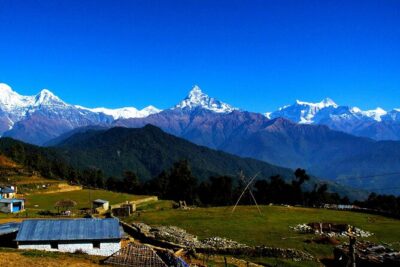
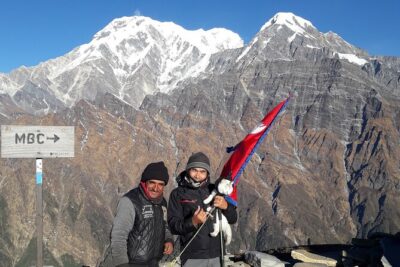
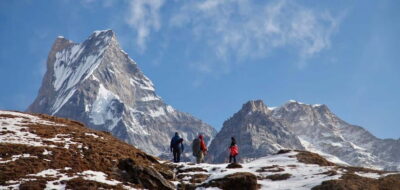
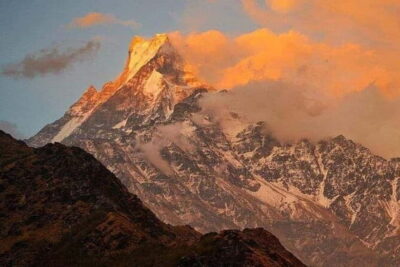
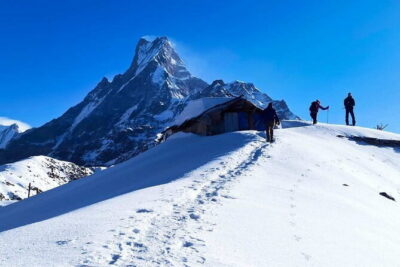
The overview of what you’re walking toward is also a strong motivator. On clear days, you’re looking in the direction of Machhapuchhre, Annapurna, and Hiunchuli, with valley views that expand as elevation increases. That’s the kind of reward that makes the day-by-day effort feel worth it, especially on a 4-day itinerary where you don’t want long filler hours.
If you’re coming from Pokhara, the experience also plays nicely with a short pre-trek window. You can arrive, get organized, and start your hike without turning the whole trip into logistics class.
Price and value: how $290 stacks up
At $290 per person, the big question is what you’re actually buying—and here, a lot is included. You get:
- trekking permits and all official documents
- an experienced English-speaking trekking guide
- round-trip transfer by shared bus or jeep (per the itinerary)
- tourist-standard guesthouse accommodation during the trek
- entrance fees (listed as included)
- hotel pickup and drop-off
- emergency normal first aid kit with your guide
What’s not included is also clear: food and drinks (available for purchase) and optional gratuities.
So is it good value? For many travelers, yes—because trekking in Nepal usually becomes expensive when you add up permits, guide costs, and transfers separately. Here, they’re bundled into one package. The one extra cost you should plan for is meals and drinks on the trail. If you tend to eat more than the average hiker (or you like hot drinks every stop), budget extra so you don’t feel surprised later.
Also, the trek is private (your group only). That can matter if you want a smoother pace with less waiting around.
Getting started the right way: Pokhara transfer timing
You meet at about 7:15 pm. That’s a useful detail because it shapes your first day: you’re likely moving after dark or at least into the evening, then stepping into the trail plan with daylight.
Day 1 begins after a drive from Pokhara to Kande, about one hour. That short transfer is one of the quiet benefits of this route. You’re not spending half a day just getting to the start line—you’re in motion, then on foot.
And then on the back side, you finish with a drive from Siding Village back to Pokhara, about 2–3 hours. That means you’ll feel like you’re “done” faster than some longer trekking loops.
Day 1: Kande to Forest Camp and the first real effort
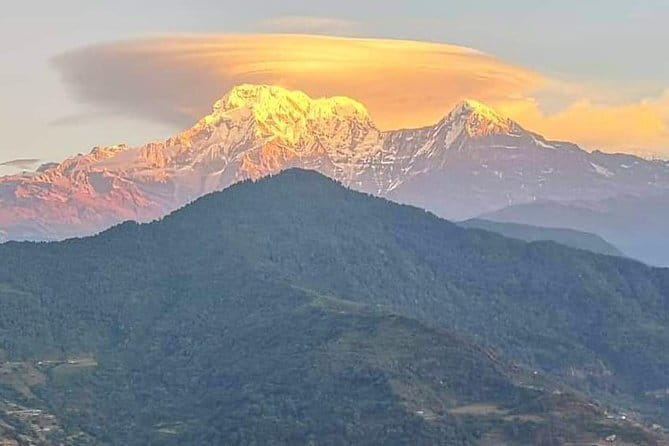
Day 1 is where your legs learn the trek. From Kande, you start through lush forests and village trails, and the walking includes steep sections. Expect about 5–6 hours to reach Forest Camp.
This day matters because it sets your pace for the week. If you go out too fast on the first climb, you’ll pay for it later. The trail described here isn’t just gently uphill—it includes steeper bits—so I’d treat the first day like a warm-up with a little attitude.
Forest Camp also gives you that classic Nepal tea house rhythm. You’ll be settling into tourist-standard guesthouse accommodation for the night, which is part of why this trek feels doable for many people with moderate fitness levels. (More on fitness later.)
One practical tip: start Day 1 with a steady breathing pace and keep your stops short. You’ll get better views if you’re not too wiped out—especially as the morning fades into afternoon light.
More treks and hikes across the Annapurna region.

Day 2: Gradual ascent to Low Camp Guest House with expanding views
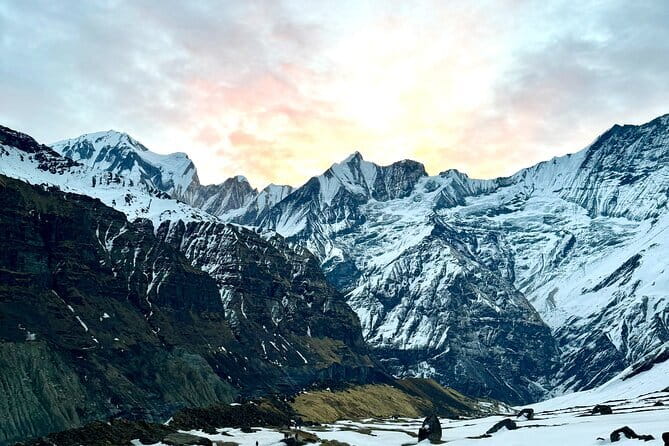
Day 2 is built for progress without constant suffering. The walk begins with a gradual ascent through forest, and as you gain elevation, the mountains start showing more clearly.
Expect about 6–7 hours to reach High Camp (with overnight described as a Low Camp guest house and restaurant stop on this day). The tone here is that the trail is relatively easier than the steeper push you’ll face later. That makes it a strong day to find a rhythm: good for steady walking, photo stops, and adjusting your layers as temperatures change.
This is also the day when you’ll start thinking about your Day 3 strategy. Day 3 is the steeper day, so Day 2 is your chance to conserve energy without losing momentum.
If you’re the kind of hiker who likes to plan, I’d use Day 2 to decide how early you’ll start for the base camp push and how you’ll handle the steeper trail segments.
Day 3: High Camp to Mardi Himal Base Camp when the trail gets steep
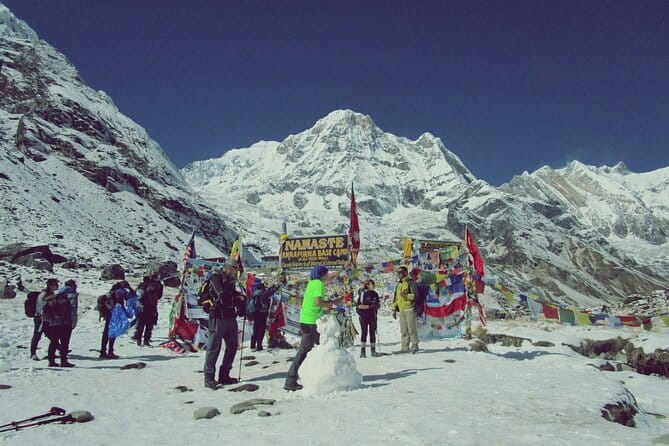
Day 3 is the big moment. The trail becomes steeper and more challenging as you climb higher, and the time breakdown gives you a good reality check: reaching Mardi Himal Base Camp takes about 3–4 hours from the high camp area, but the overall day is closer to 8 hours.
So yes, you’re doing a focused summit-style push, but you’re also living the whole day—more walking before and after the base camp segment.
The payoff is described as panoramic mountain views and valley views from up high. This is where you’re most likely to feel that “short trek, serious accomplishment” feeling. You’re walking into position for broader sights in the Annapurna region, with the peaks identified in the trek overview.
When you’re facing a steep final stretch, the best move is boring: keep your steps small, don’t rush the breathing, and drink water even if you don’t feel thirsty. Steep trails punish bravado.
Day 4: Descend through forests and villages back to Pokhara lakeside
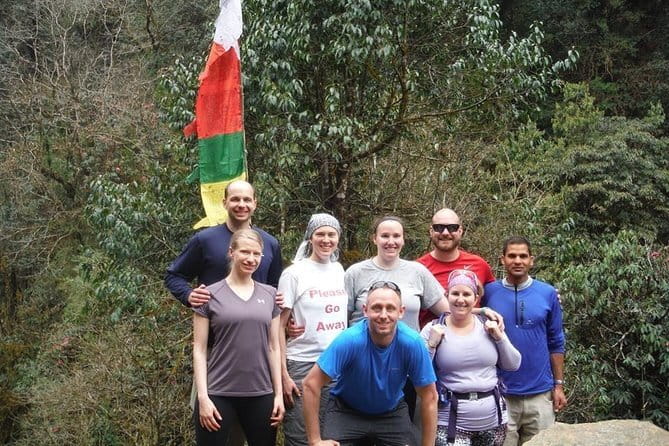
After the high point, Day 4 turns into a long descent and a reset. The route drops through forests and villages, and you’ll see traditional Nepalese houses and terraced fields along the way.
You’ll reach Siding Village after about 5–6 hours of trekking, then have another 2–3 hours by vehicle back to Pokhara. The finish point is Pokhara Lakeside, which is exactly what you want after four days: somewhere you can cool down, eat well, and wash the trek dust off your shoes.
Descent days can feel deceptively tiring. Your legs might be less “out of breath,” but they work hard to control each step. If your knees get cranky, plan for frequent short breaks.
Guesthouses and tea house style comfort (what to expect)
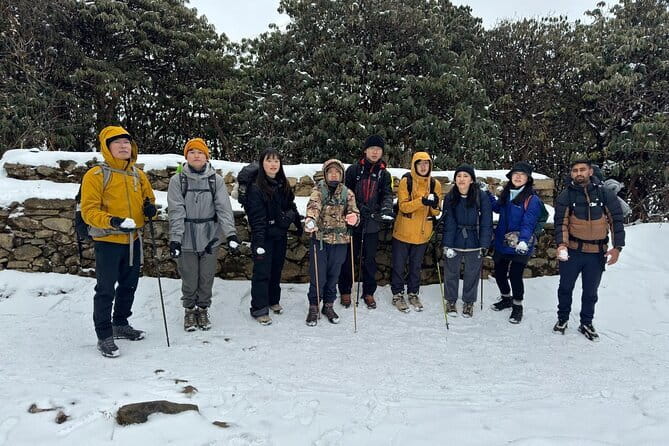
This trek includes accommodation in tourist standard guest houses during the trek. That usually means clean enough rooms and a predictable setup for basic rest, but it’s still trekking lodging—so think in terms of comfort that’s practical, not fancy.
Food and drinks are available on purchase, not included. So you’ll want to budget for meals and hot drinks. The upside is flexibility: you can choose what you feel like eating at each stop instead of being locked into one menu.
For your packing list, think layers. Even if you don’t get freezing conditions, Nepal mountain weather can switch moods quickly. Warm socks, a jacket that blocks wind, and a hat/gloves setup you can adjust makes life easier.
The guide factor: English support and real trail help
A trekking guide can either add calm or add chaos. This one is set up to do the right kind of job: an experienced English-speaking trekking guide is included, plus an emergency normal first aid kit carried with the guide.
The reviews’ guide names give a sense of who you might meet: people report guides such as Krishna Adhikari, Krishna, Biru, and Birendra. That matters because it suggests consistency in staffing and local knowledge—especially for pacing, trail navigation, and helping you manage the steep sections on Day 1 and Day 3.
Here’s what you should look for in practice:
- does your guide keep the group moving at a sustainable pace?
- do they explain what to expect on the next segment?
- do they check in during tougher stretches?
If your guide does those basics well, the trek feels smoother—even when the trail is steep.
Fitness level: moderate is the right word, but steep is real
The trek is labeled for travelers with moderate physical fitness. That’s a fair match for a 4-day itinerary with day lengths from about 5–6 hours up to 6–7 hours, plus Day 3’s steeper climb to base camp.
Even though the base camp segment is “only” a few hours from high camp, the trail angle is what makes it challenging. If you can handle repeated uphill walking for several hours, you’re likely in the right zone.
If you know you struggle with steep stairs, long descents, or leg fatigue, you might want to train a bit before going or consider a less steep alternative.
Who should book this trek (and who might prefer something else)
This is a smart pick if:
- you want a short Annapurna-area trek with major mountain viewpoints
- you like structured planning (permits, transfers, guesthouses handled)
- you’re okay paying for your own meals and drinks on the trail
- you’d rather do a private tour with your group than share the experience with strangers
You might think twice if:
- you expect a fully easy walk. The description includes steep sections on multiple days.
- you’re sensitive to long vehicle transfers around trekking days (even though the drives listed are fairly short).
Should you book the 4 Day Mardi Himal Base Camp trek from Pokhara?
If you want a mountain trek that’s short enough to fit a focused trip, but organized enough that you won’t spend your energy on logistics, this one makes sense. The value is strongest because it bundles permits, guide support, guesthouse lodging, and transfers into one price.
My practical recommendation: book it if you’re willing to treat Day 1 and Day 3 like real hikes, and you’ll budget for food and drinks. If your idea of a trek is a gentle stroll, the steep parts may test your patience.
FAQ
What is the duration of the Mardi Himal Base Camp trek?
It’s listed as 4 days (approx.).
How much does the trek cost?
The price is $290.00 per person.
What parts of the trip include transfers and pickup/drop-off?
You get hotel pick up and drop off, plus round trip transfer by shearing bus or jeep according to the itinerary.
What’s included in the trek price?
Included are trekking permits and official documents, an experienced English-speaking trekking guide, tourist standard guesthouse accommodation during the trek, an emergency normal first aid kit with the guide, and all entrance fees.
Are meals included?
No. Food and drinks are not included, though you can purchase them along the way.
How many hours do you trek each day?
The itinerary lists approximate trekking times as: Day 1 (5–6 hours), Day 2 (6–7 hours), Day 3 (about 3–4 hours to reach base camp, total day about 8 hours), and Day 4 (5–6 hours trekking plus about 2–3 hours driving).
Is this a private tour?
Yes. It’s described as a private tour/activity, meaning only your group participates.
More Treks in the Annapurnas

Also Reviewed Around Pokhara

More Mardi Himal Treks

Newer Pokhara reviews to browse before you decide

Mardi Himal Base Camp Treks, compared.
 ★ 4.94-Day Mardi Himal TrekFrom $13959 reviews
 ★ 5.0Private Mardi Himal TrekFrom $39942 reviews
 ★ 4.94-Day Mardi Himal Base Camp TrekFrom $13831 reviews
 ★ 5.0Mardi Himal TrekFrom $39930 reviews
 ★ 5.05-Day Mardi Himal Base Camp TrekFrom $18110 reviews
 ★ 5.04 Days Mardi Himal Base Camp Trek from PokharaFrom $2909 reviews
★ 5.04 Days Mardi Himal Base Camp Trek from PokharaFrom $2998 reviews
★ 5.04 Days Mardi Himal Base Camp Trek from PokharaFrom $2909 reviews
★ 5.04 Days Mardi Himal Base Camp Trek from PokharaFrom $2998 reviews
 ★ 5.0Mardi Himal Base Camp Trek from Pokhara 4 DaysFrom $2708 reviews
Browse the lists this tour appears in