

Reviewed · MARDI HIMAL BASE CAMP TREKS
4 Days Mardi Himal Base Camp Trek from Pokhara
Quick mountains, calm trails, great value. In just four days from Pokhara, the Mardi Himal Base Camp trek takes you up to about 4,500 meters without the long slog of longer Annapurna itineraries, and it does it through forest paths that feel quietly local. You’ll also get that classic change of scenery fast: terraced hillsides, rhododendron woodland, dense evergreen forest, then big sunrise views.
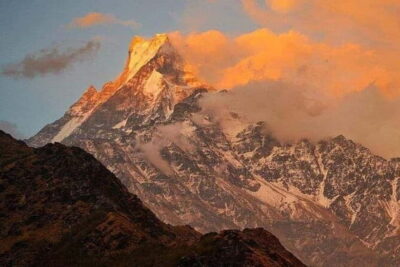
Two things I really liked are the mix of expert local guidance and the way the trek is timed for sunrise. Guides like Amrit (and other top guides from Nomad Mountain Club) keep the day practical and safe, and they also explain mountain culture and everyday Nepali life as you walk. Then there are the viewpoints: the early push to Mardi Himal Base Camp for sunrise, plus Badal Danda, where you get panorama time focused on the Annapurna range.
One consideration: this is still trekking at altitude in a short window. Day 4 includes a steep, tougher descent toward Sidhing, and you need a moderate fitness base to handle long uphill/downhill walking over multiple days.
In This Review
- Key highlights at a glance
- Why Mardi Himal Base Camp feels different from the usual Annapurna routes
- The guide factor: safety, pace, and stories you can actually use
- Hotel pickup, jeep transport, and how the trek starts clean
- Day 1: Rhododendron forests and terraced farms before the big altitude push
- Day 2: Dense evergreen trails and the feeling of being away from noise
- Day 3: Sunrise to Mardi Himal Base Camp and a viewpoint win at Badal Danda
- Day 4: The steep descent toward Sidhing by way of Machhapuchhre forest
- What’s included in the price (and what that means for real value)
- What you should pack and plan for (based on the trek’s reality)
- Who this trek suits best
- Should you book this Mardi Himal Base Camp trek?
- FAQ
- How long is the Mardi Himal Base Camp trek from Pokhara?
- Does the tour include hotel pickup and drop-off?
- Are there permits included for the trek?
- What kind of guide do I get?
- What kind of accommodation is provided during the trek?
- How do you handle transportation to the trail start?
- What do I need to provide for trekking permits?
- What’s not included in the tour price?
Key highlights at a glance
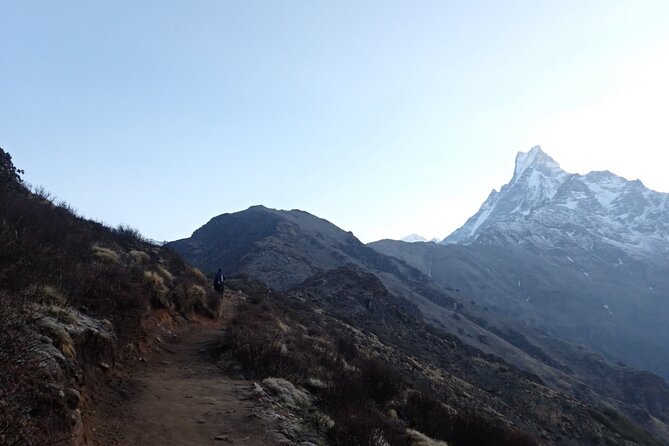
- Fast rise to around 4,500 meters in a compact four-day plan
- Sunrise at Mardi Himal Base Camp plus more viewpoint time at Badal Danda
- Guides with real cultural context, including stories of the mountains and Nepali lifestyle
- Cozy tea house and guest house stays with traditional mountain meals
- Permits handled with the Annapurna Conservation Area Permit and TIMS card included
- Hotel pickup and sharing jeep transport from Pokhara to the trail start area
More Mardi Himal itineraries worth comparing.
- Pokhara: 4-Day Mardi Himal Trek★ 4.9 · 59 reviews
- Private Mardi Himal Trek★ 5.0 · 42 reviews
- From Pokhara: 4-Day Mardi Himal Base Camp Trek★ 4.9 · 31 reviews
- Mardi Himal Trek★ 5.0 · 30 reviews
Why Mardi Himal Base Camp feels different from the usual Annapurna routes
If you’ve looked at popular Annapurna trekking and thought, too many people, too much noise, Mardi Himal is a smart alternative. This route aims for the quieter side of the region: you’ll spend more time in rhododendron and dense evergreen forest than on wide, busy ridgelines. The result is that the hike feels more intimate, like the mountains are the main event and you’re just lucky enough to be there.
The time frame matters, too. A four-day trek means you get that Himalayan payoff—high views and snow-peak presence—without taking a full week off life. You climb steadily and move through different plant zones quickly, so each day feels like a new chapter rather than a repeat of the same valley walk.
And the route is designed for early mornings. Instead of one big scenic moment at the end, you build the best parts into the schedule: you start early for base camp sunrise, then you revisit viewpoint time at Badal Danda the next day segment. That pacing helps you feel like you’re earning the views rather than just stumbling into them after a long, slow grind.
The guide factor: safety, pace, and stories you can actually use
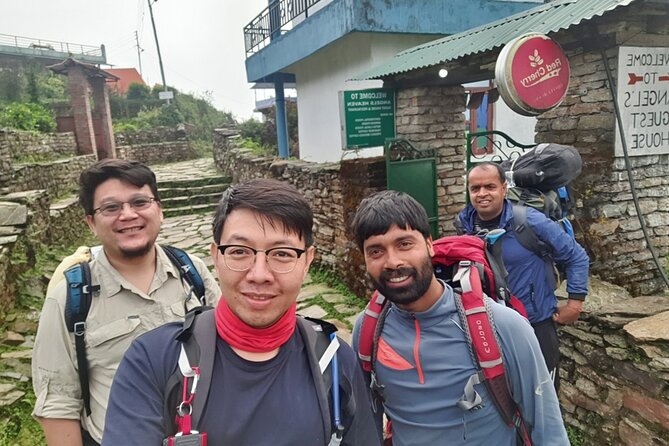
The biggest quality-of-life upgrade on a short trek like this is a strong guide. This trip includes a professional English-speaking guide, plus a first aid kit carried by the guide. On paper that sounds standard. On the trail, it means smoother decision-making when weather shifts, when you feel the altitude, or when the trail gets steeper.
The names you’ll hear in real-world feedback are Amrit and Biru, both praised for being professional, attentive, and supportive. What stands out is how they explain more than just where to step next. You’ll get cultural context for what you’re seeing: the way people live in mountain communities, the legends tied to places, and day-to-day Nepali lifestyle details that make the walking feel connected instead of random.
Pacing is another big deal here. The trek is only about four days, so you want someone who can keep you moving without turning the trail into a race. With the guidance included, the days feel structured: you know what time to get up, when to focus on the climb, and when to slow down and enjoy the views without losing the rest of your daylight.
Hotel pickup, jeep transport, and how the trek starts clean
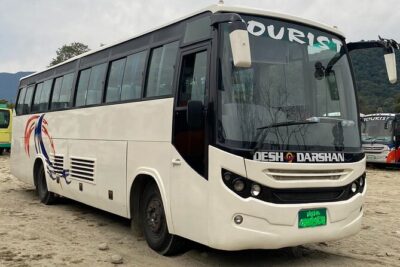
A lot of trekking plans fall apart at the beginning. Not because the trail is bad, but because logistics eat your energy. Here, you get hotel pickup and drop off and transportation by sharing jeep to and from the starting point. That saves you time in Pokhara and helps you arrive at the trailhead ready to walk instead of hunting for schedules.
You also get a mobile ticket, and the tour is described as private for your group. That combination matters if you want a more controlled experience on a short trek. In practice, it can mean fewer waiting gaps and more efficient starts.
One thing to plan early: you’ll need a passport digital copy and a passport-size photo to issue your trekking permits ahead of time. If you show up in Nepal without these ready, you can lose days. The rule is simple—send the documents to your operator before your travel date so permits can be processed on time.
Day 1: Rhododendron forests and terraced farms before the big altitude push
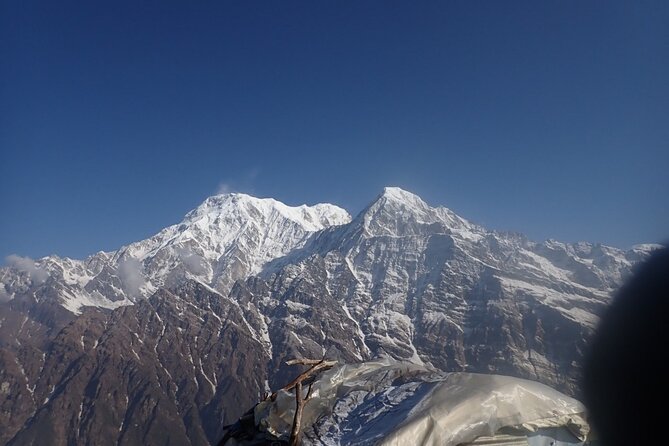
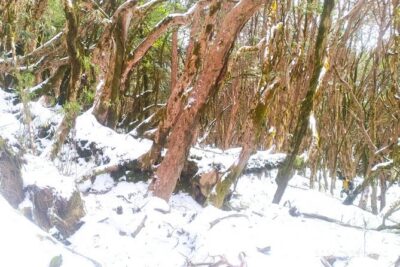
Day one is a gentle warm-up that still makes you feel like you’re in the mountains. You’ll hike for about six hours through terraced farmlands and then into a magnificent rhododendron forest, where the trail inclination is relatively gradual. This is the day where you learn the rhythm of your body: steady steps, short pauses, and focusing on breathing rather than speed.
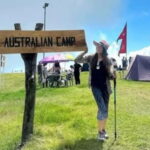
Along the way, you’ll encounter Australian camp. Even if you’re not thinking about camps and landmarks, spots like that act like natural checkpoints. They break the day into sections, so you don’t feel like you’re “always walking” without landmarks to rest your mind on.
Teahouse style accommodation is included for the night. That’s one of the best parts of a short trek: you get a real place to settle rather than scrambling for last-minute arrangements. You’ll likely eat traditional Nepali meals and spend the evening with other trekkers or local hosts, depending on how busy the area is at that time. It’s the kind of downtime that helps you sleep better for the next morning’s early start.
More treks and hikes across the Annapurna region.
Day 2: Dense evergreen trails and the feeling of being away from noise
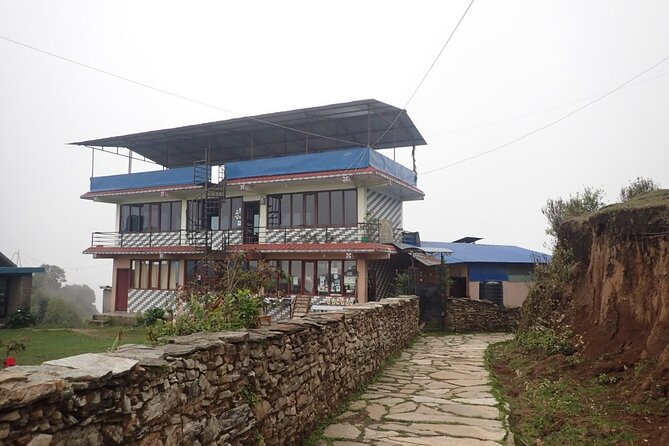
Day two keeps you moving for about six hours, and it shifts your scenery toward dense forests. The route here is described as immersed in dense, evergreen foliage, with moderate plant life and abundant jungle-like stretches. Translation: this is a day for cooler shade, a calmer footstep pace, and noticing how the trail changes under different tree types.
When a trek is only four days, every day counts. This one does the job of building endurance without throwing you into the highest altitude too quickly. Instead of pushing hard uphill all day, you’re learning to walk efficiently through changing forest terrain.
The practical upside is that forest days often feel more forgiving on your eyes. Instead of staring at bright exposed slopes all day, your focus stays on the path and the subtle scenery. And because it’s quieter than many more famous Annapurna routes, the trail atmosphere can feel more personal.
Day 3: Sunrise to Mardi Himal Base Camp and a viewpoint win at Badal Danda
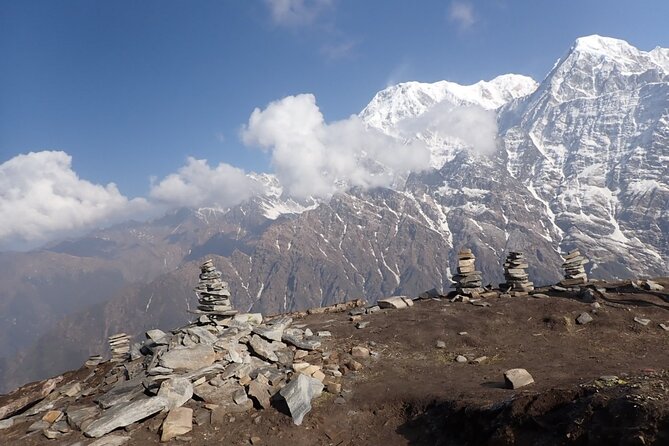
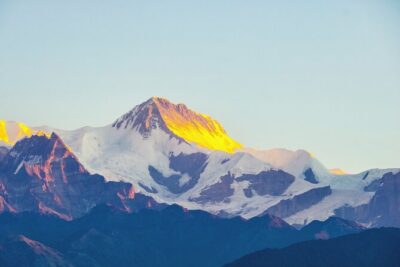
Day three is the day many people remember. It starts bright and early so you can reach Mardi Himal Base Camp with time for sunrise. That early push is part trekking and part moment. You’ll climb to a higher vantage point while the day is still waking up, and you’ll get that moment where the mountains look close enough to touch.
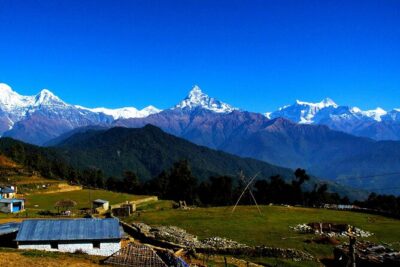
After base camp time, you continue toward Badal Danda, where you get about two hours of additional viewpoint focus. This is one of the key scenic highlights of the whole trek, with a panorama of Annapurna’s majestic peaks. People often rate sunrise viewpoint sections as their favorite on short treks, and here you get that payoff built into the route design.
There’s also a good reason Badal Danda earns attention: it’s a place where you can pause and actually take in the scale. When you only have a few days, it’s not enough to “see mountains.” You want to feel oriented, see how ranges sit relative to each other, and let the view land.
Day 4: The steep descent toward Sidhing by way of Machhapuchhre forest
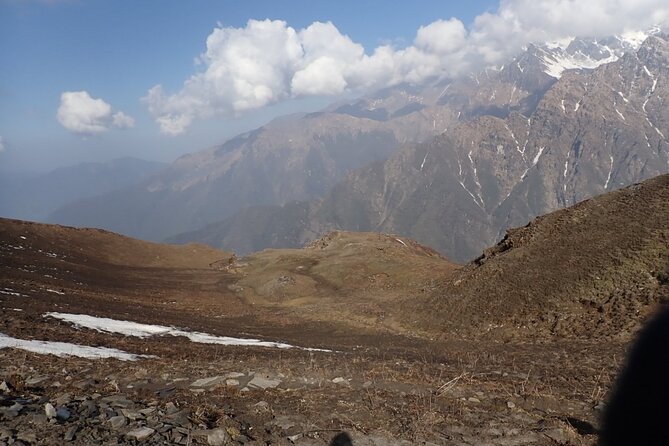
On day four, the trail turns more challenging. After the Badal Danda viewpoint, the route diverges toward Sidhing, guiding you through thick forests at the base of Mt. Machhapuchhre. Expect the descent to become steeper and more arduous, with about seven hours of walking.
This is where your gear and your legs matter. A steep descent can be harder on knees and thighs than the climb. You’ll want to keep steps short, move steadily, and take brief breaks when you need them rather than powering through and paying for it later.
The upside is that you’re dropping out of the higher viewpoint zone into a more shaded forest corridor. It often feels less mentally demanding than altitude walking, even if it’s physically tougher. And because this day connects the mountain views to a forest finish, the overall trek feels complete: big early moments, then a return to the quieter real-world mountain paths.
What’s included in the price (and what that means for real value)
The price is $299 per person for a roughly four-day trek from Pokhara. What makes that number feel more sensible is that several costs are handled for you, including the Annapurna Conservation Area Permit and TIMS card, plus the guide, tea house/guest house accommodation during the trek, and the jeep transport.
You’re also not left alone for safety. A first aid kit is carried by the guide, and the guide is described as certified and English-speaking. For many trekkers, that’s the difference between “doing it” and “doing it comfortably.”
There are a couple of items not included: personal expenses and gratitude (optional). That’s normal for trekking in Nepal. The part that changes your real budget is mainly what you choose to buy on top of included meals and stays—snacks, hot drinks, extra charging, or personal tips.
If you’re comparing value, focus on what you get without extra admin work: permits, guide support, transport, and lodging are all baked in. For a short trek, that reduces stress a lot, which is often worth more than saving a few dollars and handling permits yourself.
What you should pack and plan for (based on the trek’s reality)
This is a walking trek with ups and downs on mountain trails, and you should plan for days that feel longer than a casual hike. The altitude target around 4,500 meters adds another layer: you might not need technical skills, but you do need pacing discipline.
Here’s how to think about packing, even though exact gear lists aren’t provided here:
- Bring layers that work in forest shade and then in open viewpoint areas.
- Expect a steeper descent on day four; footwear with good grip matters.
- Plan your passport documents early, since a passport digital copy and passport-size photo are required for trekking permits.
Also, keep your hydration and snack strategy simple. The trek is only four days, so you don’t need complicated systems. You just need enough to keep moving without feeling shaky.
Who this trek suits best
This trek fits best if you want a short but meaningful Himalayan experience from Pokhara. It’s ideal for:
- People who want mountain views fast, without committing to a longer Annapurna trek
- Trekkers who prefer forest walking and quieter trails over crowded ridgelines
- Anyone who benefits from a strong guide who handles permits and pacing
It’s less ideal if you’re looking for a mostly flat walk. The trip expects a moderate fitness level, with uphill and downhill hiking every day.
Should you book this Mardi Himal Base Camp trek?
I’d say book it if you want a compact, well-supported way to reach high views without spending a week trekking. The combination of English-speaking guide support, included permits, teahouse/guest house lodging, and sunrise-focused timing at Mardi Himal Base Camp and Badal Danda makes this feel like a “do it right” version of a short Himalayan trek.
Skip it (or ask more questions first) if you’re worried about steep downhill walking on day four or if your current fitness level makes long walking days hard. The altitude climb is short but real, and this trek rewards steady pacing.
If you do book, the smartest move is document readiness. Send your passport digital copy and passport photo early so permits can be issued without last-minute stress.
FAQ
How long is the Mardi Himal Base Camp trek from Pokhara?
It’s about four days, based on the tour duration given.
Does the tour include hotel pickup and drop-off?
Yes. Hotel pickup and drop-off are included.
Are there permits included for the trek?
Yes. The Annapurna Conservation Area Permit and TIMS card are included.
What kind of guide do I get?
You’ll have a professional English-speaking guide. A first aid kit is carried by the guide as well.
What kind of accommodation is provided during the trek?
Accommodation during the trek is included in tea house or guest house options.
How do you handle transportation to the trail start?
Transportation is by sharing jeep to and from the starting point.
What do I need to provide for trekking permits?
You’ll need to send your passport digital copy and a passport-size photo prior to your travel date.
What’s not included in the tour price?
Personal expenses and gratitude (optional) are not included.
More Treks in the Annapurnas
Also Reviewed Around Pokhara

More Mardi Himal Treks
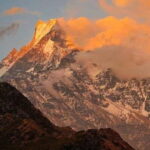
Newer Pokhara reviews to browse before you decide
Mardi Himal Base Camp Treks, compared.
 ★ 4.94-Day Mardi Himal TrekFrom $13959 reviews
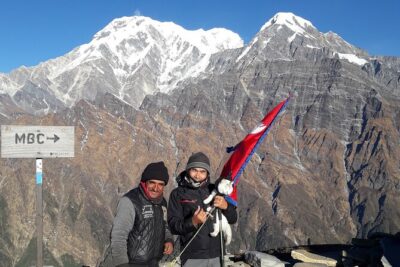 ★ 5.0Private Mardi Himal TrekFrom $39942 reviews
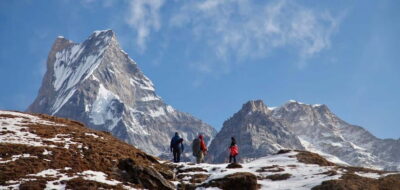 ★ 4.94-Day Mardi Himal Base Camp TrekFrom $13831 reviews
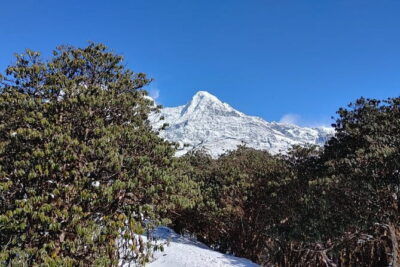 ★ 5.0Mardi Himal TrekFrom $39930 reviews
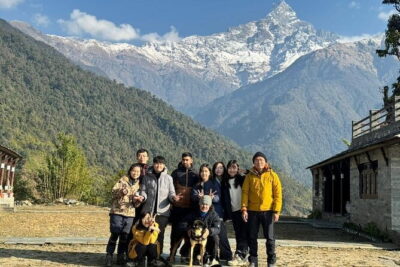 ★ 5.04 Day Mardi Himal Base Camp Trek from PokharaFrom $29018 reviews
 ★ 5.05-Day Mardi Himal Base Camp TrekFrom $18110 reviews
 ★ 5.04 Days Mardi Himal Base Camp Trek from PokharaFrom $2909 reviews
 ★ 5.05 Day Mardi Himal Base Camp Trek in PokharaFrom $2308 reviews
Browse the lists this tour appears in