
Reviewed · MARDI HIMAL BASE CAMP TREKS
Mardi Himal Base Camp Trek from Pokhara 4 Days
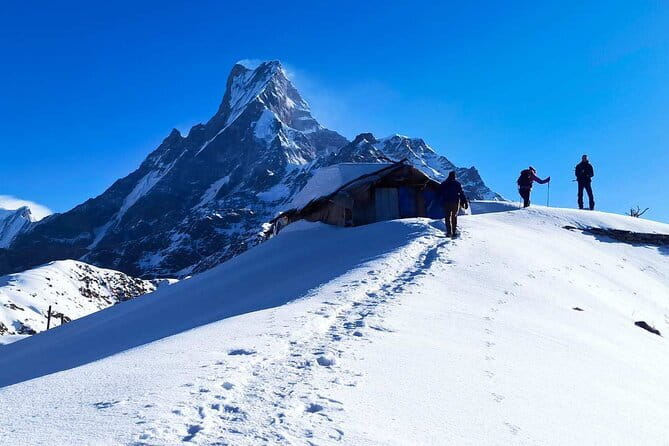
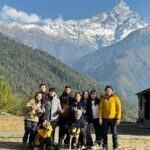
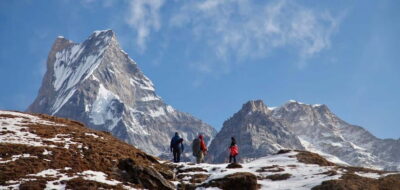
If you want big Himalayan views without a huge time commitment, this trek is a smart pick. Starting from Pokhara, you move quickly into the Annapurna region for Mardi Himal Base Camp in about 4 days. The vibe is calm, the trails are less crowded than the headline-famous treks, and you get repeated chances to look straight at Machapuchare (Fishtail).
Two things I really like: first, the route is timed for mountain mornings, including an early hike for sunrise and viewpoint moments. Second, the support feels practical, with a guide (many guests mention guide Krishna by name), plus hotel pickup, permits, and guest-house accommodation included.
One consideration: you do reach serious altitude (around 4,500 m at base camp), so you can expect some breathing difficulty if you’re not used to trekking at height, even though the trek is only a few days long.
In This Review
- Key things to know before you go
- Pokhara to the Trailhead: the “short drive, big mountains” setup
- Day 1 at Forest Camp: the green start and Fishtail’s first clear moment
- Day 2 to Mardi High Camp: sunrise, then the forest-to-open change
- Day 3: Viewpoints, Mardi Himal Base Camp around 4,500 m, and the return to camp
- Day 4: Siding village descent, then back to Pokhara Lakeside
- Price and logistics: is $270 good value for what you get?
- The guide makes the difference (and you’ll feel it most at altitude)
- How hard is it really? Fit, pacing, and altitude reality
- Where the best moments happen on this route
- Should you book the 4-day Mardi Himal Base Camp trek?
- FAQ
- How long is the Mardi Himal Base Camp trek from Pokhara?
- Where does the trek start and what’s included in the transfer?
- Is a trekking permit included?
- Do I need a guide, and what language do they speak?
- What kind of lodging is provided during the trek?
- How high do you reach on this itinerary?
- What fitness level do I need?
- Do I need to send passport details before the trek?
- What is the cancellation policy if I change my plans?
Key things to know before you go
- Quiet trail energy: fewer people than the big-name trekking routes, so you can actually enjoy the air and the quiet.
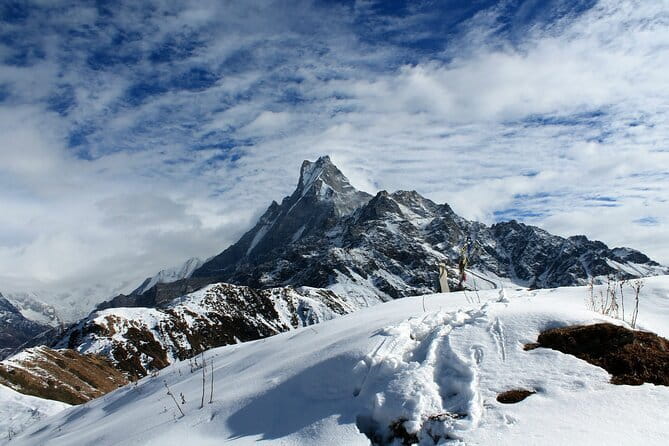
- Big sunrise payoffs: early mornings are built into the itinerary for views of Fishtail and the surrounding peaks.
- English-speaking guidance: you’re not left guessing on route or pacing.
- Guest-house lodging: simple, included stays make this easier to manage in a short trip.
- Permits handled: trekking permit and TIMS card are included as part of the package.
- Private group feel: it’s set up as a private trip with only your group.
More Mardi Himal itineraries worth comparing.
- Pokhara: 4-Day Mardi Himal Trek★ 4.9 · 59 reviews
- Private Mardi Himal Trek★ 5.0 · 42 reviews
- From Pokhara: 4-Day Mardi Himal Base Camp Trek★ 4.9 · 31 reviews
- Mardi Himal Trek★ 5.0 · 30 reviews
Pokhara to the Trailhead: the “short drive, big mountains” setup
Pokhara is your launch pad, and that matters more than it sounds. You’ll get hotel pickup around 8:30 in the morning, then you drive first and head into the trail the same day. That means you lose less time to logistics and more time to being on the path toward the Annapurna region.
The trek is also built for people who have limited time. Four days is short for the Himalayas, but it doesn’t feel like a rushed highlight reel. It feels like a focused climb-and-look experience: walk in the daytime, and hunt for the best views early.
Finally, the trip is run as a private experience for your group, with transfers by sharing jeep. That strikes a useful balance: you get group convenience without being swallowed by a massive crowd on the trail.
Day 1 at Forest Camp: the green start and Fishtail’s first clear moment
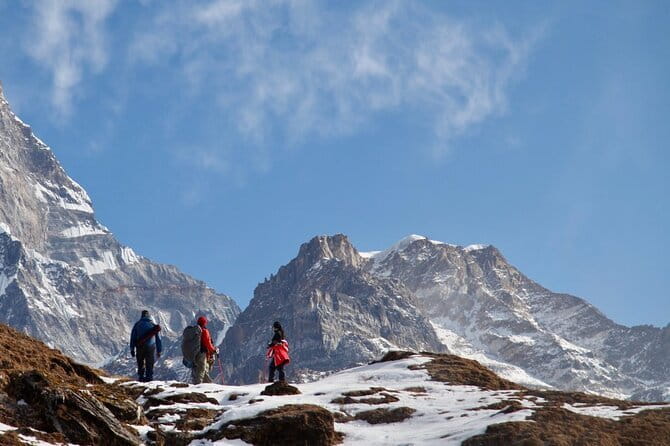
Day 1 begins with that hotel pickup and a drive into the hills, then the trek toward Forest Camp. Expect a mix of green landscapes and a route where the mountain drama builds slowly instead of hitting you all at once.
One detail I like here: the itinerary specifically points out that Machapuchare (Fishtail) is clearly visible from early on. Even if clouds roll in later, getting an early look helps you “set your map in your head.” You’re not just walking—you’re learning where the major peaks sit relative to where you’re headed.
The day is listed as around 6 hours of activity. That’s long enough to feel like you’ve started the trek in a meaningful way, but it’s not so long that you’re immediately smashed before the real altitude work.
A practical drawback to keep in mind: early trekking days can feel deceptively easy at first. You’re still at lower elevation, so the climb may feel manageable—until tomorrow when the higher camps demand more from your lungs and legs.
Day 2 to Mardi High Camp: sunrise, then the forest-to-open change
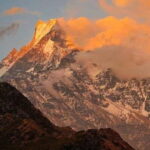
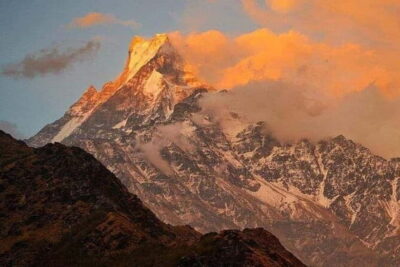
Day 2 is about one of the main reasons people choose Mardi Himal: you wake up with Mount Fishtail in front and then hike toward Mardi High Camp. The schedule is designed so you’re moving while the light is good—especially around sunrise.
The hike is listed at about 7 hours, and it has a rhythm you’ll feel in your body. The itinerary describes stretches where the path is inside the forest, then after Badal Danda the trail goes above the treeline. That shift matters. Forest trekking often feels cooler and shaded. Once you’re above the trees, the air can feel thinner and the sun can be more direct—great for views, but harder to pace if you’re not paying attention.
This is also where you start to feel that Mardi Himal’s quiet reputation is real. You’re not fighting crowds. You’re meeting other trekkers at sensible times, not in constant streams. That makes it easier to stop for short breaks, take photos, and keep moving without feeling rushed by the flow.
If you get breathing changes today, treat it as normal. The itinerary for later days even notes breathing difficulty can happen. On day 2, the best approach is slow steps and steady breathing—not heroic speed.
Day 3: Viewpoints, Mardi Himal Base Camp around 4,500 m, and the return to camp
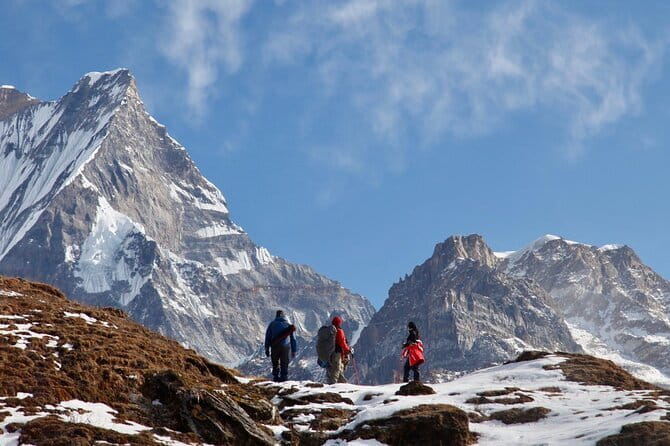
Day 3 is the big one. You wake up early to catch sunrise from Mardi Himal Viewpoint, then you do a morning hike that’s described as about 2 to 3 hours of ascent.
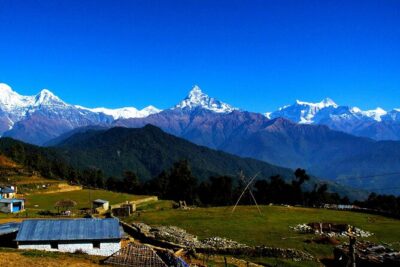
This section is where you earn the classic Mardi Himal payoff. The viewpoint morning matters because it’s your best chance to see a clean panorama of the Annapurna region—Annapurna peaks, Machapuchare (Fishtail), and Mardi Himal itself. Even with clouds, early light often helps you get clearer contrast.
The itinerary also explicitly warns you might feel breathing difficulties. If that happens, don’t panic. It’s a common altitude effect. Your guide’s job is to keep you moving at a pace that your body can handle—slowly, steadily, and without big surges.
After you explore around the viewpoint, you hike back down toward Mardi High Camp, then continue to Middle Camp and/or toward the lower camp area (the plan includes a stop at Low Camp as the second viewpoint worth stopping for). The itinerary calls Low Camp the second-best viewpoint after Mardi Himal Viewpoint. That’s a nice touch because it means you’re not done just because you reached the top area. You get a second look.
In plain terms: this day is part summit effort, part “view windows,” part controlled descent. If you’re the type who likes structured days, you’ll appreciate how it’s laid out. If you prefer super laid-back trekking with no early starts, this might feel intense, but it’s still manageable because the overall trek is only four days.
More treks and hikes across the Annapurna region.


Day 4: Siding village descent, then back to Pokhara Lakeside
Day 4 is your reward day. You get another morning at Pokhara Lakeside for sunrise and mountain views, then you continue with the trek down to Siding village.
The itinerary describes the last trekking push as taking you all the way down to Siding village, then a drive back to Pokhara using a sharing jeep. The day is listed around 6 hours.
Why this matters: the descent is often when your legs complain the most. But it’s also when you get a sense of progress you can feel immediately—altitude dropping, air getting thicker, and the body gradually relaxing. If you treat it as a slow “walk it out” day, you’ll land back in Pokhara with less misery than you might expect.
Also, ending with Lakeside is a smart way to decompress. You go from mountain air to city comfort without needing a long extra travel buffer.
Price and logistics: is $270 good value for what you get?
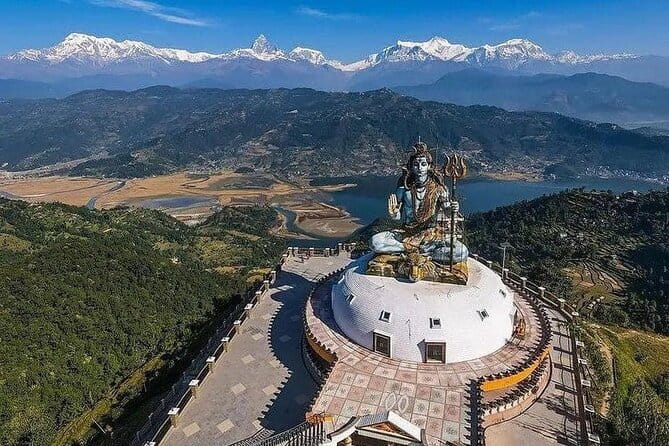
At $270 per person for a ~4-day trek, the best way to judge value is what’s included and what that prevents you from having to manage yourself.
This package covers:
- Hotel pickup and drop-off
- Round trip transfers by sharing jeep
- Trekking permit and TIMS card
- English speaking trekking guide
- Guest house accommodation
- Private trip for your group
That’s a lot of the “annoying admin” handled up front. Permits and TIMS are easy to overlook when you’re planning, and they’re not just paperwork—they’re part of making the trek legitimate and smooth. Having the guide and lodging organized for a short itinerary also reduces the risk of scrambling day-of.
What’s not included is what you’d expect:
- personal expenses
- gratitude
So the cost feels fair if you value convenience and support. It also feels reasonable if you’re comparing against the hidden costs of DIY trekking (permit hassle, lodging planning, and guide coordination).
In short: you’re paying for structure. And in a quick 4-day trek, structure is exactly what keeps the experience enjoyable instead of stressful.
The guide makes the difference (and you’ll feel it most at altitude)
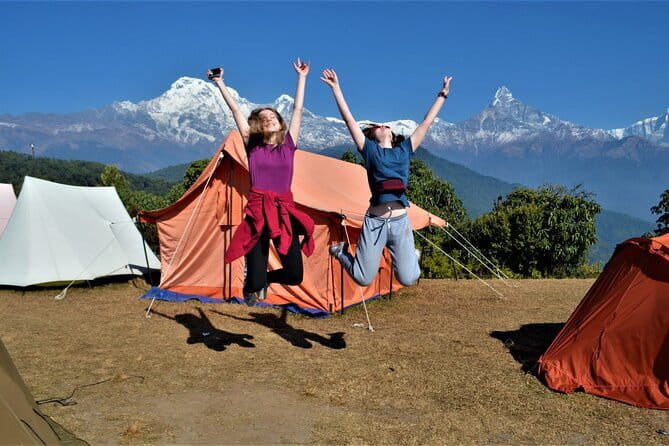
The trek highlights a steady, guide-led pace. A recurring theme from guest feedback is that guides like Krishna are helpful and supportive, and that the service level from the operator feels solid. You’ll notice that most on the tougher sections—especially that day 3 ascent toward the viewpoint and the base camp area where altitude can mess with your rhythm.
An English-speaking guide matters for more than comfort. It helps you understand pacing instructions, route choices, and what to expect from each camp-to-camp segment. That translates into fewer surprises and more confidence when you’re tired and your body is working harder than usual.
And it’s not just guidance. Reviews also mention clean rooms and good service on the Pokhara side, plus food that people described as nice. Even though guest-house standards can vary by season and location, the fact that guests repeatedly point to cleanliness and room quality is a good sign you won’t be stuck with a frustrating situation after a long hike.
How hard is it really? Fit, pacing, and altitude reality
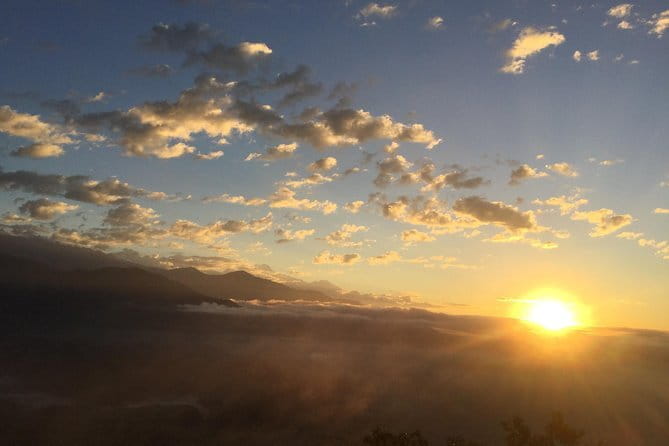
This trek is aimed at travelers with moderate physical fitness. That’s a useful label because it tells you the goal isn’t extreme mountaineering. You’re walking uphill for several hours a day, you’re doing repeated camp-to-camp moves, and your body adapts (or doesn’t) based on your pace.
The realistic challenge is altitude, not technical difficulty. The plan reaches around 4,500 m at Mardi Himal Base Camp, and day 3 specifically mentions possible breathing difficulty. If you’re coming from a low-elevation trip and you tend to sprint early, you should plan to slow down fast.
A simple strategy that fits this itinerary: treat early mornings seriously. They’re part of the viewing schedule. But also remember that starting early doesn’t mean starting fast. Keep your steps short, pause when needed, and let your lungs catch up. You’ll enjoy the views more because you won’t be angry at your own pace.
Where the best moments happen on this route
Mardi Himal’s appeal is not just reaching a marker on a map. It’s the sequence of view opportunities you get along the way.
Here are the moments that usually make this trek worth your time:
- Early-day Fishtail visibility on day 1, so you begin with a clear goal
- Sunrise in front of you on day 2 at the start of the climb
- Mardi Himal Viewpoint on day 3, because it’s built for the best light and the biggest panorama
- Low Camp as a second viewpoint on day 3, giving you another chance if you missed the first window
- A lakeside sunrise finish on day 4, which helps you transition back to normal life
It’s a trek designed like a set of timed windows. If you like photography, you’ll love the early starts. If you just want peace and clean air, the quieter trail still delivers, especially compared to the more crowded options in Nepal.
Should you book the 4-day Mardi Himal Base Camp trek?
If you want a short trek with Himalayan payoff, this is a strong yes. It fits travelers who:
- have limited time but still want base-camp-level bragging rights
- prefer a quieter trail experience
- like sunrise and viewpoint routines
- value organized permits, an English-speaking guide, and guest-house stays
I’d think twice if you:
- hate early starts and don’t want to deal with ascent days that can feel demanding
- know you struggle with altitude, even with slow pacing
- want luxury comforts (guest houses are included, but this isn’t positioned as a high-end lodge trek)
If you’re in the sweet spot, Mardi Himal offers exactly what many people chase Nepal for: big mountain views, a calm trail, and a guide who helps you make it through the altitude part without turning the trek into a battle.
FAQ
How long is the Mardi Himal Base Camp trek from Pokhara?
It’s listed as about 4 days.
Where does the trek start and what’s included in the transfer?
You start in Pokhara with hotel pickup around 8:30, plus round trip transfers by sharing jeep.
Is a trekking permit included?
Yes. The package includes a trekking permit and a TIMS card.
Do I need a guide, and what language do they speak?
An English speaking trekking guide is included.
What kind of lodging is provided during the trek?
Accommodation in guest houses is included.
How high do you reach on this itinerary?
Mardi Himal Base Camp is listed at around 4,500 meters.
What fitness level do I need?
The tour notes that travelers should have a moderate physical fitness level.
Do I need to send passport details before the trek?
Yes. A passport copy and a passport size photo are required prior to the trip to issue the trekking permit.
What is the cancellation policy if I change my plans?
You can cancel for free up to 24 hours in advance for a full refund. If you cancel less than 24 hours before the start time, the amount paid is not refunded.
More Treks in the Annapurnas

Also Reviewed Around Pokhara


More Mardi Himal Treks
Newer Pokhara reviews to browse before you decide

Mardi Himal Base Camp Treks, compared.
 ★ 4.94-Day Mardi Himal TrekFrom $13959 reviews
 ★ 5.0Private Mardi Himal TrekFrom $39942 reviews
 ★ 4.94-Day Mardi Himal Base Camp TrekFrom $13831 reviews
 ★ 5.0Mardi Himal TrekFrom $39930 reviews
 ★ 5.04 Day Mardi Himal Base Camp Trek from PokharaFrom $29018 reviews
 ★ 5.05-Day Mardi Himal Base Camp TrekFrom $18110 reviews
 ★ 5.04 Days Mardi Himal Base Camp Trek from PokharaFrom $2909 reviews
 ★ 5.05 Day Mardi Himal Base Camp Trek in PokharaFrom $2308 reviews
Browse the lists this tour appears in