
Reviewed · ANNAPURNA SANCTUARY TREKS
Pokhara: 5-Day Trek to Annapurna Base Camp and Hot Springs
A steep hike toward big mountains sounds intense, but this one is built for momentum. You get classic Annapurna scenery plus a real payoff at Jhinu hot springs after trekking through village paths and high-altitude valleys. Two things I really like: you travel with a professional English-speaking guide who stays focused on your pace and safety, and you’re not stuck guessing about logistics because permits and route paperwork are handled. The main drawback to consider is that the return legs can be tough on your knees, especially if you feel leg fatigue easily at altitude.
If you like the idea of walking from riverside trails up into the Annapurna Sanctuary area, then easing off with a soak after you’re done, this route hits the sweet spot. You’ll spend nights in tourist-standard lodge accommodations and sleep well enough to keep moving, even when the days get long.
In This Review
- Trekking route in plain terms: what you’ll walk and why it matters
- Day-by-day: from Pokhara jeep ride to Annapurna Base Camp
- Day 1: Lakeside Pokhara, Samrung, and your first lodge stop around 2200m
- Day 2: Sinuwa up to Deurali (around 3230m), with bigger views
- Day 3: Deurali to Annapurna Base Camp (around 4120m)
- Day 4: Base Camp back down toward the lower valley (toward Sinuwa area)
- Day 5: Return toward Pokhara via Jhinu Dada Hot Springs
- Machhapuchhare Base Camp and Ablation Valley vibes: the high point before the summit feeling
- Guide and team: why safety and pace feel real here
- Price and value: what $206 covers and where you’ll spend extra
- What you should pack (and what people forget)
- Fitness reality check: knees, altitude, and who should skip this
- Who this trek fits best (and who should choose a different route)
- Should you book this Annapurna Base Camp and Jhinu Hot Springs trek?
- FAQ
- How long is the trek?
- Where does the trek start from and how do you get there?
- Are permits included?
- Is there an English-speaking guide?
- Will I visit Annapurna Base Camp?
- Are the hot springs included?
- Are meals and a porter included?
Trekking route in plain terms: what you’ll walk and why it matters
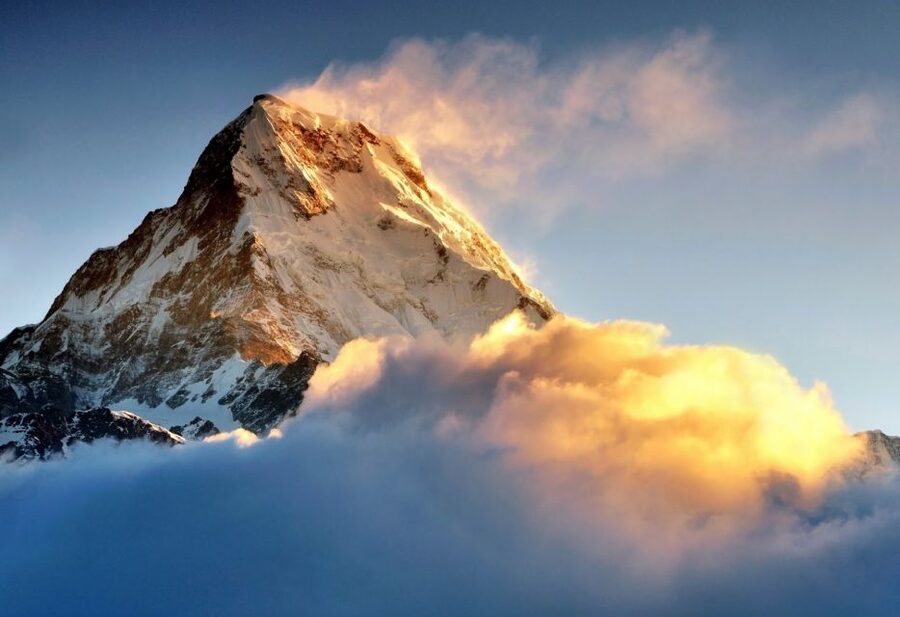
This is a Pokhara-to-Annapurna Base Camp trek with hot springs at the end. The day structure is designed so you build altitude gradually, then spend real time up at the Annapurna Base Camp area before descending again toward the lower valleys.
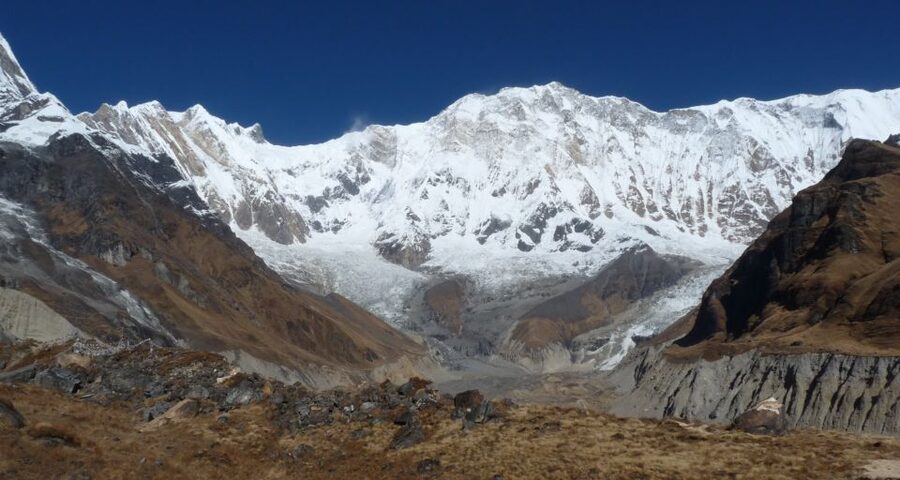
You start from Lakeside Pokhara by car to the trail entry point area, then hike through local villages and river valleys. Early on, you’re walking alongside the Modi Khola river corridor, which makes the terrain feel less like a straight grind and more like a sequence of climbs and pauses in small settlements. As you gain elevation, the trail swings you from village edges into forested stretches and then into higher, more exposed views—glacial rivers, waterfalls, and mountain walls included.
Why this matters: most people don’t struggle because trekking is hard. They struggle because they arrive at the next stage too fast. This trip’s pacing (with a guide who adjusts to your level) is set up to help you stay upright and keep your breathing under control.
Other ways up to Annapurna Base Camp from Pokhara.
- Kathmandu/Pokhara: 5-Day Annapurna Base Camp (ABC) Trek★ 4.9 · 72 reviews
- Private 7 – Day Annapurna Base Camp Trekking★ 5.0 · 50 reviews
- From Pokhara: 5-Day Annapurna Basecamp Trek with Hot Springs★ 4.9 · 26 reviews
- Annapurna Base Camp Trek from Pokhara 7 Days★ 5.0 · 19 reviews
Day-by-day: from Pokhara jeep ride to Annapurna Base Camp
Day 1: Lakeside Pokhara, Samrung, and your first lodge stop around 2200m
You begin with pickup from your hotel in Lakeside Pokhara (or the airport area) by car. Then you switch to a jeep ride out toward the last road before the hiking begins. After that, you’re on foot for a half-day trek through the village route—passing places like Samrung—before reaching your first overnight lodge around 2200m at Sinuwa.
This is a “wake up your legs” day. It’s not designed to crush you, but it gets your body used to the rhythm: uphill effort, a steady pace, and short breaks that keep your energy even.
Practical note: the jeep portion matters. It cuts out hours of unnecessary slog on rough roads, which lets you save that energy for the trail itself.
Day 2: Sinuwa up to Deurali (around 3230m), with bigger views
The second day turns the volume up. You trek from the Sinuwa area toward Deurali, reaching around 3230m after roughly 6–7 hours of walking.
Along the way, you’ll move through more dramatic scenery than Day 1—think forest-to-view transitions and longer uphill sections. Deurali is a classic stopping point because it sets you up for the Base Camp approach without jumping straight from “valley day” to “high camp day.”
What to expect mentally: at this stage, you’ll start noticing the difference between good hiking effort and “wheeze hiking.” If you find yourself rushing, slow down. This is one place where your guide’s job—adjusting daily to your performance—can be the difference between enjoying the scenery and feeling like you’re fighting your lungs.
Day 3: Deurali to Annapurna Base Camp (around 4120m)
Day 3 is your big arrival day. You hike from Deurali up to Annapurna Base Camp at about 4120m, typically around 5–6 hours.
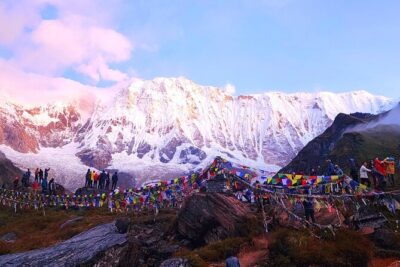
This is where the trail stops feeling like a path through villages and starts feeling like a route into the core of the mountains. Even when you’re not sprinting, you can feel the altitude in your breathing. The view payoffs usually come in waves: you think you’ve reached peak scenery, then you walk a bit more and realize there’s more ahead.
If you’re sensitive to altitude, this is where you want to be disciplined. Sip water consistently, take shorter rests, and keep your pace even. No hero moments.
More treks and hikes across the Annapurna region.
Day 4: Base Camp back down toward the lower valley (toward Sinuwa area)
On Day 4 you turn around and head down. You go from Annapurna Base Camp back toward the Sinuwa area at roughly 2350m, and the walking time can be long—around 7–8 hours.
Downhill seems easier until you realize it hits different muscles. Your quads and knees do most of the work. Take longer breaks on flat spots, shorten your stride when the slope gets steep, and consider trekking poles if your body likes them.
This day is also part of how the route threads through the Annapurna Sanctuary exit terrain. You may encounter sections tied to the main exit corridor (including areas like Bamboo on the broader descent path), where the altitude drop is significant and can be hard on knees.
Day 5: Return toward Pokhara via Jhinu Dada Hot Springs
The last day mixes trekking and comfort. You continue hiking down toward the lower route and make your way to Jhinu Dada Hot Springs. Then you finish with a jeep ride back to Lakeside Pokhara.
Expect about 4 hours of trekking plus roughly 3 hours by jeep. The hot springs are the reward, and not a small one. After several days of walking, a soak helps you feel human again—especially if your legs are tight and your feet feel permanently “inflated.”
If you want the full effect, don’t treat hot springs like an afterthought. Bring a change of clothes, plan to soak long enough to feel warmth settle into sore muscles, and then keep the rest of your day calm.
Machhapuchhare Base Camp and Ablation Valley vibes: the high point before the summit feeling
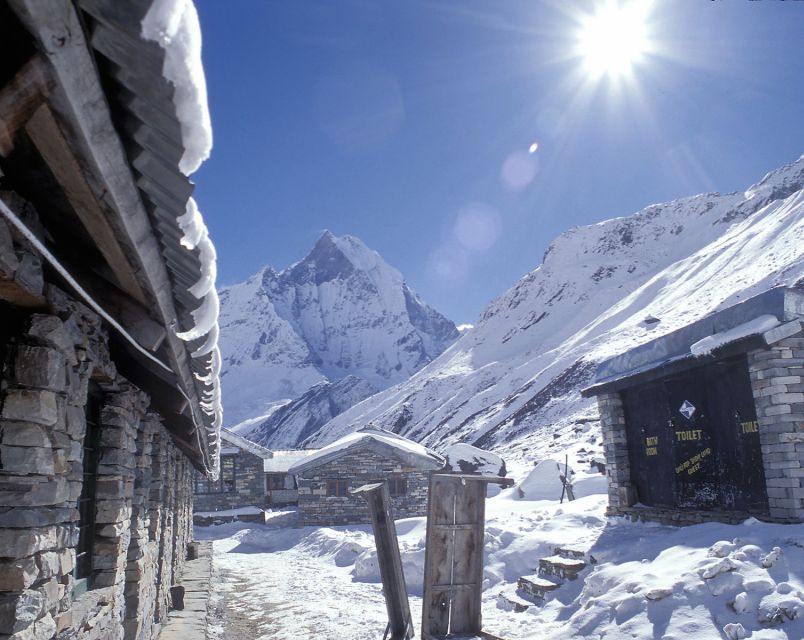
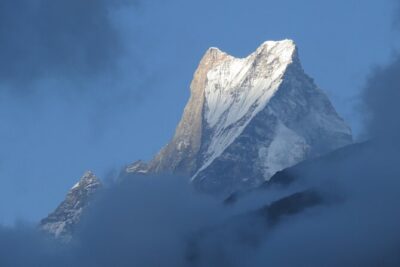
One of the most interesting parts of this route is the “approach corridor” feel on the way into the Annapurna Base Camp area. You may follow trails toward Machhapuchhare Base Camp and then onward to Ablation Valley—described as a hollow corridor between the glacier and the mountain.
Why I’d care about that if you’re not a glacier nerd: this kind of scenery tends to make you slow down, look up, and actually appreciate the environment you’re moving through. It’s also a natural cue that you’re near the emotional peak of the trek, so your brain starts settling in: you stop rushing, you start taking photos carefully (without dropping your camera into meltwater—yes, people have accidents).
Guide and team: why safety and pace feel real here
The reviews you’ll see for this trek put a lot of weight on the guide. I like that because in the Himalayas, the “product” isn’t just the views—it’s the people who keep you moving safely.
In the feedback, guides like Tanka and Amir come up for being attentive and adjusting the trek daily to the group’s ability. There’s also the practical side: punctuality, safety focus, and answering questions about animals, nature, and culture. Even if you already know a bit about Nepal, that kind of context turns a long walk into something more meaningful than steps and sweat.
A porter named Chhabi also gets credit for steadiness and kindness in at least one account. If you’re considering whether to travel with a porter, this is where it starts making sense: you conserve energy for altitude effort, not just weight management.
Price and value: what $206 covers and where you’ll spend extra
At $206 per person for 5 days, the value comes from what’s included: hotel pickup and drop-off in Lakeside Pokhara (or airport), a sharing jeep to the hiking connection point, private tourist-standard lodge accommodation, and the paperwork (including conservation entry permits and TIMS).
You also get a professional trekking guide (government registered). That’s not a trivial piece. It’s one of the main reasons this kind of trek can feel organized instead of chaotic.
Where costs can rise:
- Hot, cold, and/or alcoholic drinks aren’t included.
- Travel insurance isn’t included.
- Meals depend on which option you choose, and porters may be extra if you’re using a budget option.
My take: if you go with the more complete meal plan and you’re realistic about bringing your own water/drinks, $206 looks like a fair deal for a trek that includes permits, guide time, and the trail-to-lodge infrastructure.
What you should pack (and what people forget)
The trip lists essentials, and they’re worth treating as a real checklist:
- Passport or ID card
- Comfortable shoes plus hiking shoes
- Sunglasses and a sun hat
- Sunscreen and insect repellent
- Change of clothes and toiletries
- A daypack
A couple extra practical thoughts: altitude days punish anything “almost good enough.” If your shoes aren’t already broken in, you’ll feel it fast. And don’t wait until the last minute for sun protection. Even on colder days, sun exposure can surprise you.
Fitness reality check: knees, altitude, and who should skip this
This trek isn’t described as beginner-friendly in the physical sense, and I wouldn’t treat it as such. You’re walking multiple long days, including a high point at Annapurna Base Camp and then returning down.
Two specific issues to plan for:
- Knee strain on descents, especially when altitude drops are significant (the broader route includes areas like Bamboo, which is much lower than Annapurna Base Camp, so expect tough downhill hours).
- Altitude stress around the Base Camp approach and area.
The activity also states it’s not suitable for pregnant women and people with heart problems. If you fall into those categories, don’t “test it” with this trek.
If you’re generally healthy and you’ve done multi-day hikes before, you’re likely in good shape. The key is pacing and not rushing just because other people are moving.
Who this trek fits best (and who should choose a different route)
This is a strong match if you:
- Want one of Nepal’s most well-known trekking routes with a clear end reward at hot springs
- Like day-by-day structure and want a guide to handle permits and keep pacing sensible
- Prefer lodge-based trekking over camping
It’s not ideal if you:
- Know you struggle on long descents and knee strain is your weakness
- Need a less demanding itinerary or want a gentler altitude progression
For couples and small groups, it’s a good blend: the trek is scenic and classic, but the pace can be adjusted to your level when the guide is doing their job well.
Should you book this Annapurna Base Camp and Jhinu Hot Springs trek?
I’d book it if you want a well-organized route to Annapurna Base Camp that ends with a real physical payoff. The hot springs at Jhinu Dada are the kind of finishing touch that makes the last day feel worth it, not just “getting back.”
I would hesitate if you’re worried about downhill pain or you’re new to multi-day altitude hiking. If you have any medical concerns, especially related to your heart, it’s not a safe choice based on the stated unsuitability.
If you do book, go in with the right mindset: steady pace, careful descents, and use the guide’s experience. The difference between a stressful trek and a memorable one is often that simple.
FAQ
How long is the trek?
The trek is listed as 5 days.
Where does the trek start from and how do you get there?
It includes hotel pickup in Lakeside Pokhara (or the airport by car). You then take a sharing jeep to the trekking starting point connection, with hiking from there.
Are permits included?
Yes. The trip includes the necessary paper work, including conservation entry permits and TIMS.
Is there an English-speaking guide?
Yes. You’ll have a live tour guide in English.
Will I visit Annapurna Base Camp?
Yes. The route includes a stay at Annapurna Base Camp, spending the night there.
Are the hot springs included?
Yes. The trek ends with Jhinu Dada Hot Springs as a key part of the last day.
Are meals and a porter included?
Meals and a porter depend on the option you select. Meals are included only if you choose the all-inclusive option; a porter is included only if you choose the all-inclusive option.
More Treks in the Annapurnas
Also Reviewed Around Pokhara
More Annapurna Base Camp Routes
Newer Pokhara reviews to browse before you decide
Annapurna Sanctuary Treks, compared.
 ★ 4.9Kathmandu/Pokhara: 5-Day Annapurna Base Camp (ABC) TrekFrom $9672 reviews
 ★ 5.0Private 7 – Day Annapurna Base Camp TrekkingFrom $62550 reviews
 ★ 5.0Annapurna Base Camp Trek (8 days)From $65045 reviews
 ★ 4.97 Day Annapurna Base Camp TrekFrom $21538 reviews
 ★ 4.95-Day Annapurna Basecamp Trek with Hot SpringsFrom $15526 reviews
 ★ 5.0Annapurna Base Camp Trek from Pokhara 7 DaysFrom $39519 reviews
 ★ 5.06 days Annapurna Basecamp TrekFrom $45016 reviews
 ★ 5.010 Days Private Guided Annapurna Basecamp Trek via Poon HillFrom $80015 reviews
Browse the lists this tour appears in