
Reviewed · MARDI HIMAL BASE CAMP TREKS
Mardi Himal Base Camp Trek (5 Days)
Mardi Himal feels like a secret to the sky. I love how this route stays quieter than the big-name basecamps, so you can hear your own footsteps in the forest. I also love the sunrise plan on Day 4, when the peaks start looking sharp and real instead of postcard blur.
One thing to consider: this trek leans on early starts and mountain weather. If clouds roll in, you might reach a sunrise viewpoint instead of the basecamp itself, and that changes the vibe a bit.
In This Review
- Why Mardi Himal Base Camp Works in Only 5 Days
- Day 1: Pokhara Lakeside to Forest Camp Without Rushing
- Day 2: The Quiet Jungle to Badal Dhanda (6 Hours of Silence)
- Day 3: March Toward High Camp and Your First Big 360 Moment (4–5 Hours)
- Day 4: The 4:00–4:30 AM Sunrise Push to Mardi Himal Base Camp
- Day 5: Back to Pokhara, Catching the Ride from Sidhing (8 Hours)
- What $480 Really Buys: Permits, Food, Stays, and Transport
- Private Trek Feel, with Guides Like Madhav or Madu
- Practical Tips: What You’ll Want to Pack and Expect
- Weather Reality: Fog, Clouds, and How the Plan Adjusts
- Getting to the Trailhead: Meeting Point, Pickup, and Mobile Ticket
- Should You Book This 5-Day Mardi Himal Base Camp Trek?
- FAQ
- How long is the Mardi Himal Base Camp trek?
- Is pickup offered from Pokhara?
- What’s included in the trek price?
- Do I need to bring trekking equipment?
- Are porter services included?
- What fitness level do I need?
- What happens if weather affects the sunrise?
Why Mardi Himal Base Camp Works in Only 5 Days
This is a shorter Himalayan trek, but it doesn’t feel watered down. You still get a proper sense of altitude and big mountain presence, plus you move through the Annapurna region without spending a full week (or more) on the trail.
The big practical win is how the days are paced: you’ll walk enough to feel like you’re doing something meaningful, while still having time for a long look around—especially on the higher days. And because this part of the Annapurna Conservation Area can be less crowded, you often get a calmer feel than the busier basecamp routes.
You’re also in a good place for future add-ons. If you later decide you want more days in the Annapurna region, you’re already based out of Pokhara and close to the logistics you’ll need.
More Mardi Himal itineraries worth comparing.
- Pokhara: 4-Day Mardi Himal Trek★ 4.9 · 59 reviews
- Private Mardi Himal Trek★ 5.0 · 42 reviews
- From Pokhara: 4-Day Mardi Himal Base Camp Trek★ 4.9 · 31 reviews
- Mardi Himal Trek★ 5.0 · 30 reviews
Day 1: Pokhara Lakeside to Forest Camp Without Rushing
Your trek day begins early from Pokhara Lakeside, aiming for Khande before you start walking. The goal is simple: get onto the trail while the morning air is cool and the light is still clean.
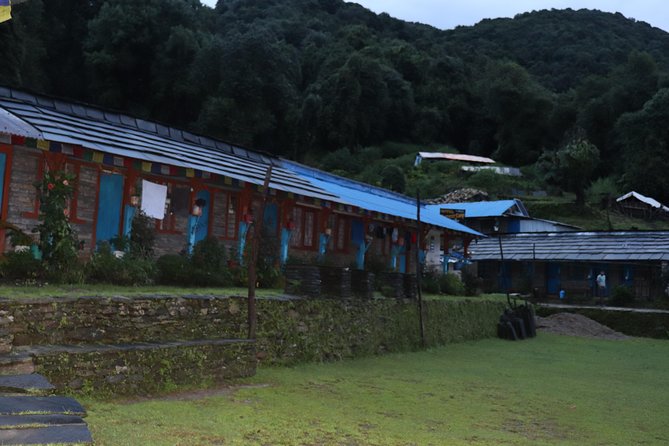
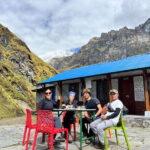
From there, you head to Forest Camp, typically taking around 6 hours on foot. This is a tea house stop, so you’re not just walking through scenery—you’re settling into the rhythm of local trekking life. Expect a straightforward dinner and a night in mountain comfort that’s more practical than fancy.
Why this first day matters: it sets your pace. If you go out too fast on Day 1, the higher days feel harder. If you keep it calm, you’ll be in good shape for the jungle morning and the high-camp push later.
Day 2: The Quiet Jungle to Badal Dhanda (6 Hours of Silence)
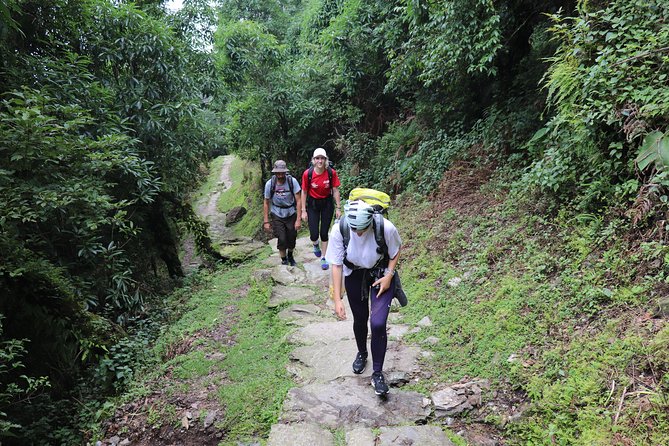
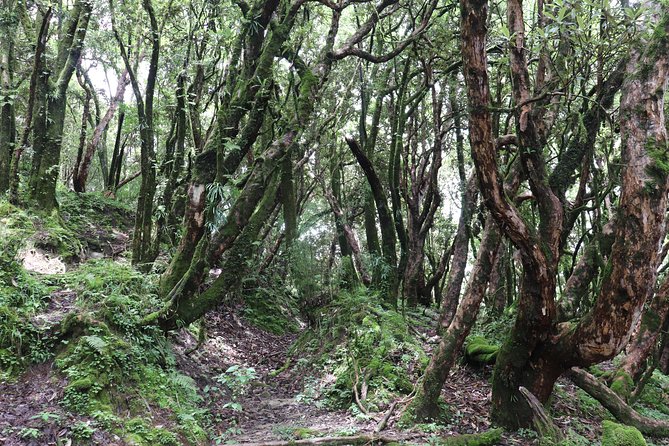
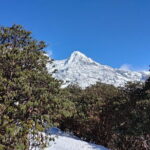
After breakfast, you start trekking toward Badal Dhanda. This is the day that leans into the Annapurna Conservation District feel: trees, quiet stretches, and a sense of being away from everything.
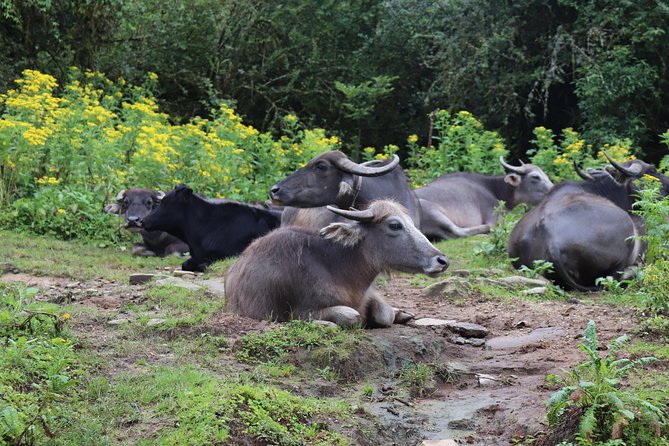
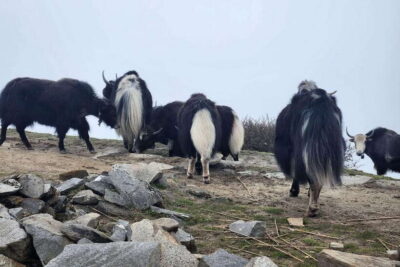
You’ll be walking for about 6 hours, and the tone is slower and more “watch the trail” than “chase the view.” That’s a good thing. The forest sections help you settle in, and you may spot wildlife when you pause instead of constantly moving.
Practical note: jungle days can feel humid, even when temperatures are pleasant. Wear something that dries, and keep a small bottle strategy—sip often, don’t wait until you feel thirsty.
Day 3: March Toward High Camp and Your First Big 360 Moment (4–5 Hours)
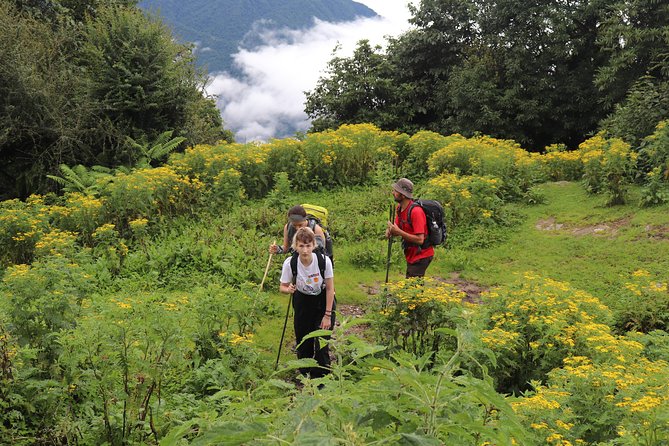
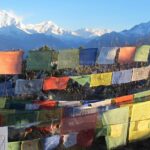
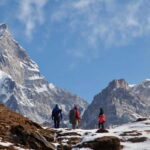
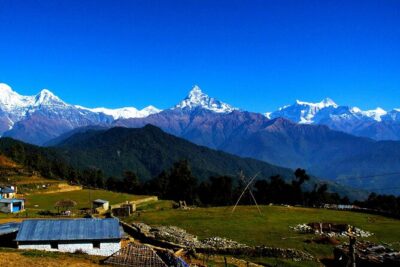
Day 3 is shorter on paper—around 4–5 hours—but it’s a turning point. As you trek on toward High Camp, the mountains start doing more than look impressive from far away. You begin getting that 360-degree view feeling across the Annapurna Conservation District and the Himalayan peaks.
This is also the day where your eyes get trained. You’ll start recognizing ridgelines and angles, and you’ll understand why people talk about perspective in the mountains. One hour, you’re thinking about foot placement; the next, you’re staring at a view you didn’t expect to be that close.
Tea house nights at higher points are great for sunrise planning, too. You’ll have time to rest, hydrate, and ask your guide what time conditions look best for the next morning.
Day 4: The 4:00–4:30 AM Sunrise Push to Mardi Himal Base Camp
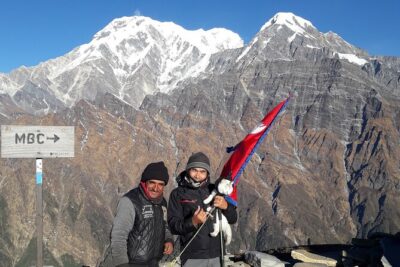
This is the day you tell your friends about. You start very early, around 4:00–4:30 AM, to reach Mardi Himal Base Camp for sunrise.
The walk takes about 6 hours total. If weather or timing doesn’t allow reaching basecamp before sunrise, you’ll go to a nearby viewpoint for the best possible morning views instead. Either way, the early start is the point: you’re watching the mountains wake up, not just “seeing” them.
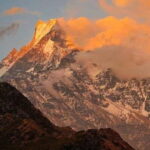
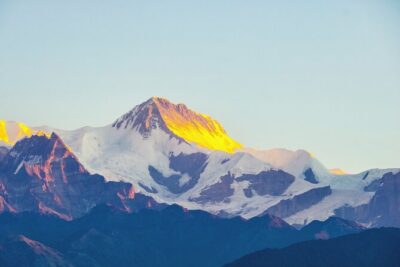
What to expect emotionally: the mountains look different in morning light. Colors deepen, shadows sharpen, and the whole ridgeline looks more solid. You’ll feel the difference between foggy distance and clear perspective within minutes.
And yes, that early wake-up can be a bit of a shock. If you’re the type who loves sunrise photos, this day will feel worth it. If mornings are painful for you, plan for a slower pace in the afternoon of Day 4 so you don’t feel wrecked before the return.
More treks and hikes across the Annapurna region.

Day 5: Back to Pokhara, Catching the Ride from Sidhing (8 Hours)
On Day 5, you walk back toward Sidhing and then catch a ride back to Pokhara. The day is listed around 8 hours, so it’s not a quick stroll.
This is a “finish strong” day. Your legs might feel tired from the earlier elevation, so keep the same steady rhythm you used on Day 2. It’s also a nice day for noticing what changed: the way the trail looks in daylight versus earlier fog, and how much easier things feel once your body knows the route.
You’ll end up back in Pokhara ready for proper food and rest—tea houses are comforting, but your first hot shower after the trek will feel like a major life upgrade.
What $480 Really Buys: Permits, Food, Stays, and Transport
This trek is $480 per person for about 5 days, and the value comes from what’s included, not just the price tag.
Included basics that matter:
- All fees and taxes
- Private transportation
- Permits including TIMS and the Annapurna Conservation Area Project (ACAP)
- Food and accommodation on the trek
- Breakfast (4), lunch (4), dinner (4)
That permit piece is a big deal in the Annapurna region. You’re not left trying to figure out paperwork while already excited to hike. And food and lodge stays mean you can travel lighter on the administrative side, while still keeping the trek experience real (tea houses, not luxury hotels).
What you should plan for (not included):
- Trekking equipment
- Porter services
- Personal expenses
So the $480 is a solid base if you’re bringing your own hiking gear and you’re okay handling your own bags. If you want a porter, you’ll need to arrange that outside this package.
Private Trek Feel, with Guides Like Madhav or Madu
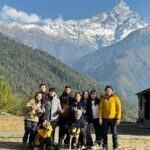
This is a private tour/activity, meaning only your group participates. That matters on a trek because you’re not forced into someone else’s pace or preferences.
Guides connected with this trek—names you may see include Madhav and Madu—are praised for being attentive and helpful with logistics and pacing. Several experiences describe guides who adapt the route and rhythm to what you want and what your body can handle, rather than pushing a rigid plan.
This is especially valuable when you hit the real question of a trek: not just what the trail is, but how you feel on it. A good guide helps you stay comfortable, read conditions, and keep moving confidently.
Also, you’ll likely meet a porter alongside the guide on at least some departures. One mention included Gopal (porter), noted for helping make the trek smoother. If porter services are not included in your booking, that detail is worth clarifying early based on what you want.
Practical Tips: What You’ll Want to Pack and Expect
Since trekking equipment is not included, you’ll want to make sure you have what you need before you arrive. At minimum, plan for solid hiking footwear and weather-appropriate layers. The early morning on Day 4 especially can feel colder than you expect at first.
Your fitness level should be moderate. This isn’t an extreme mountaineering program, but the days include several hours of walking with elevation gain and descents. If you’re coming from sea level or you haven’t been walking regularly, start building hills and stairs into your routine before Nepal.
On the “small but important” side: bring a few comfort items for tea house nights. Even on well-run treks, your comfort depends on how prepared you are for basic mountain living—sleeping bags or warm layers, quick-dry items, and water management.
Weather Reality: Fog, Clouds, and How the Plan Adjusts
Mountain treks are weather trips. This one specifically notes that sunrise can depend on conditions. If the route to the basecamp before sunrise isn’t possible, you’ll switch to a viewpoint.
That’s the right kind of flexibility. You still get morning mountain views, and you don’t waste the day by staring at a closed door. Still, it’s smart to hold expectations lightly. If you’re chasing a single exact photo, fog can change everything.
The good news is that the trek still has multiple view moments on higher days. So even if sunrise isn’t perfect, you’ll likely leave with solid mountain memories from High Camp day and the higher ridgeline scenery.
Getting to the Trailhead: Meeting Point, Pickup, and Mobile Ticket
You’ll depart from Pokhara, and pickup is offered. The meeting point has stated opening hours (Monday 7:45 AM–4:15 PM) and is noted as being near public transportation, which helps if you’re coordinating your own arrival into town.
You’ll also receive a mobile ticket, which is a modern convenience compared to paper vouchers. The key for you is to confirm your timing early so you start Day 1 with zero stress.
Should You Book This 5-Day Mardi Himal Base Camp Trek?
Book it if:
- You want a short trek that still delivers real Himalayan payoff.
- You like quieter trails and don’t need the busiest basecamp crowd.
- You’re okay with an early morning on Day 4 for sunrise.
Skip it or rethink if:
- You hate very early starts and don’t want the Day 4 wake-up.
- You rely on a single “perfect basecamp sunrise” scenario. Weather can force a viewpoint plan.
If you want a trek that feels personal, with permits and logistics handled, and a good chance of big views without a huge time commitment, this is a strong choice. You’re paying for planning, meals, stays, and the permits that keep you legally and practically set for the Annapurna Conservation Area.
FAQ
How long is the Mardi Himal Base Camp trek?
It’s approximately 5 days.
Is pickup offered from Pokhara?
Yes, pickup is offered.
What’s included in the trek price?
The price includes all fees and taxes, private transportation, permits (TIMS and ACAP), food and accommodation on the trek, and meals: breakfast (4), lunch (4), dinner (4).
Do I need to bring trekking equipment?
Yes. Trekking equipment is not included.
Are porter services included?
Porter services are not included.
What fitness level do I need?
You should have a moderate physical fitness level.
What happens if weather affects the sunrise?
This experience requires good weather. If it’s canceled due to poor weather, you’ll be offered a different date or a full refund.
More Treks in the Annapurnas

Also Reviewed Around Pokhara


More Mardi Himal Treks
Newer Pokhara reviews to browse before you decide
Mardi Himal Base Camp Treks, compared.
 ★ 4.94-Day Mardi Himal TrekFrom $13959 reviews
 ★ 5.0Private Mardi Himal TrekFrom $39942 reviews
 ★ 4.94-Day Mardi Himal Base Camp TrekFrom $13831 reviews
 ★ 5.0Mardi Himal TrekFrom $39930 reviews
 ★ 5.04 Day Mardi Himal Base Camp Trek from PokharaFrom $29018 reviews
 ★ 5.05-Day Mardi Himal Base Camp TrekFrom $18110 reviews
 ★ 5.04 Days Mardi Himal Base Camp Trek from PokharaFrom $2909 reviews
★ 5.04 Days Mardi Himal Base Camp Trek from PokharaFrom $2998 reviews
★ 5.04 Days Mardi Himal Base Camp Trek from PokharaFrom $2909 reviews
★ 5.04 Days Mardi Himal Base Camp Trek from PokharaFrom $2998 reviews
Browse the lists this tour appears in