
Reviewed · MARDI HIMAL BASE CAMP TREKS
Experience Mardi Himal Trek
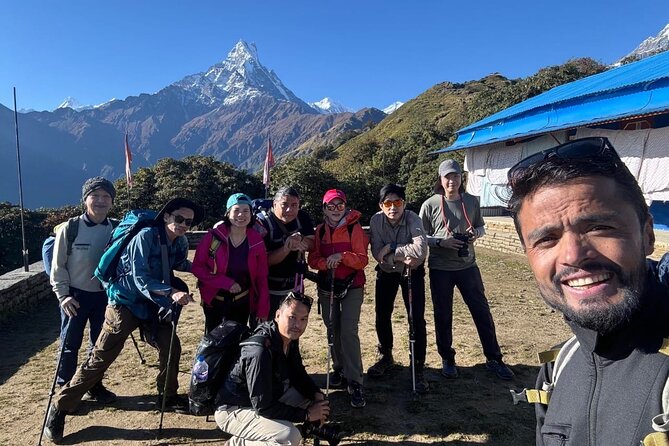
Mardi Himal rewards patient hikers with big mountain days. This trek in Nepal’s Annapurna region keeps the pace steady while delivering standout views of Machhapuchhre and the Mardi Himal massif, plus a real sense of getting off the main trail. I especially liked how the team builds a clear route and supports you each step with a licensed trekking guide.
I also like that the essentials aren’t left to chance: you get the ACAP permit, tea-house or lodge accommodation during the trek, and a meal plan with breakfast, lunch, and dinner included on the trekking days. That means less time figuring things out and more time looking up at the peaks.
The main drawback to consider is that this is still an altitude trek, including an ascent to about 4,500m and a move above the tree line. If you’re not used to steep days, you’ll want to take the pace seriously, and budget for things not included like tips and any porter support.
In This Review
- Key things I’d plan around before you go
- Mardi Himal: Why This Route Feels Special (and Practical)
- Pokhara to Kande: The Easy Start That Sets the Tone
- Day 1: Mar-dihi and Forest Camp Comfort
- Day 2: Forest Camp to Low Camp and Machhapuchhre Comes Into View
- Day 3: Low Camp to High Camp and the Tree Line Shift
- Day 4: High Camp to Mardi Himal Base Camp for Sunrise Payoff
- Day 5: Siding Village Descent and Village Culture Without the Rush
- Day 6: Transfer Toward Kathmandu and the Slower Finish
- Price and Value: What $760 Buys (and What It Doesn’t)
- Support That Actually Helps: Guide, Gear, and Safety Rhythm
- What the Included Meals and Tea Houses Mean for Your Day
- Who This Trek Fits Best (Beginner Friendly, But Not Easy)
- Should You Book This Mardi Himal Trek?
- FAQ
- How long is the Mardi Himal Trek?
- Where does the trek start and where does it reach the highest point?
- What is included for permits?
- Is transport included in the package?
- What meals are included during the trek?
- Do you provide accommodation during the trek?
- Are trekking poles, down jackets, or sleeping bags provided?
- Is a guide included?
- Is travel insurance included?
- Can I cancel for a full refund?
Key things I’d plan around before you go
- Machhapuchhre spotting early: Views of Fishtail show up as you gain height.
- Above-the-tree-line day: One day pushes higher where the air feels thinner.
- Sunrise at Mardi Himal Base Camp: That early start is the payoff day.
- Tea house stays with food included: You’re not trekking hungry or guessing meals every night.
- Support gear in the mix: A first aid kit and an oximeter are included for safety.
More Mardi Himal itineraries worth comparing.
- Pokhara: 4-Day Mardi Himal Trek★ 4.9 · 59 reviews
- Private Mardi Himal Trek★ 5.0 · 42 reviews
- From Pokhara: 4-Day Mardi Himal Base Camp Trek★ 4.9 · 31 reviews
- Mardi Himal Trek★ 5.0 · 30 reviews
Mardi Himal: Why This Route Feels Special (and Practical)
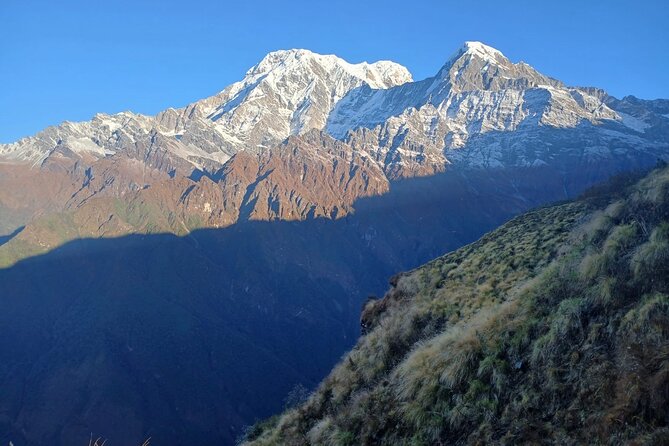
Mardi Himal is the kind of trek where the rewards arrive from effort you can actually manage. You gain altitude day by day, but the itinerary is built with gradual progress and short-to-medium walking distances. The result is a trek that feels attainable without turning into a casual stroll.
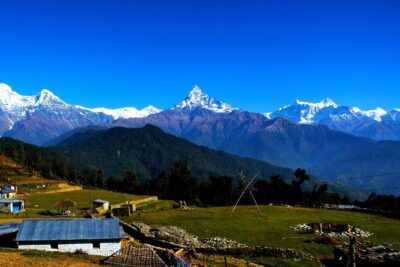
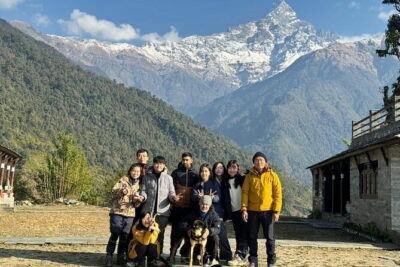
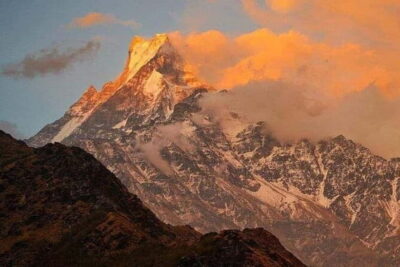
You also get classic Annapurna-area scenery, including close-up views of Mardi Himal itself and a strong chance of seeing Machhapuchhre (Fishtail) from several points along the way. And because you’re spending multiple nights in simple lodges/tea houses, the trip feels grounded and real rather than staged.
One more thing: this package is set up for logistics, not just walking. You’re covered for permits, most meals during the trek, and the major transport links around the trek. That matters because the main “cost” on treks is often mental energy, not just money.
Pokhara to Kande: The Easy Start That Sets the Tone
Most trek problems start before the first step. Here, you begin with a scenic drive from Pokhara to Kande (about 1.5 hours). That gets you into trekking country without wasting your first day on chaos.
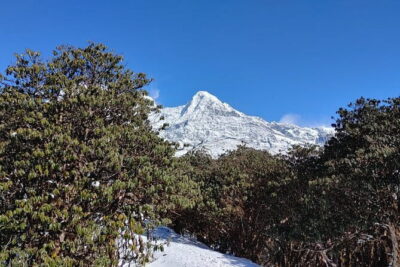
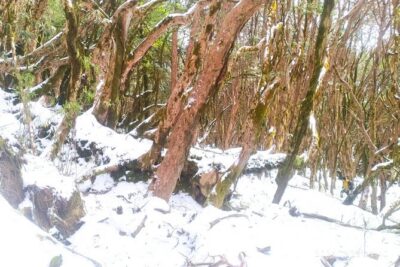
Then you switch into walking mode: Day 1 covers about 8 km over roughly 5 hours, moving from Kande (around 1,770m) up to Forest Camp (about 2,600m). The route goes through forest with rhododendron and oak trees, which is a nice way to warm up. If you like trail variety, you get it early: shaded forest, steady incline, and no immediate need to sprint uphill.
This is also a helpful day for judging your pace. You’ll feel your breathing change as you climb, but you’re not thrown into the hardest altitudes on day one. I’d treat Day 1 like your calibration: slow enough to keep control, but steady enough to build confidence.
Day 1: Mar-dihi and Forest Camp Comfort
Day 1 is where the trek becomes more than a line on a map. You climb from Kande to Forest Camp, passing through the kind of forest that makes you walk slower without even noticing. It’s quiet country, and that matters because Nepal’s popular trails can get busy; this route gives you a more relaxed rhythm.
The trek highlights are simple and genuine: rhododendron and oak along the way, and a calm setup that makes your first night in the tea house feel earned. After your arrival at Forest Camp, you’ll have accommodation as part of the package, and the included meal plan keeps things straightforward.
One practical note: mornings at altitude can feel chilly even when your afternoon feels fine. So if you tend to run cold, use the layers early, not later.
Day 2: Forest Camp to Low Camp and Machhapuchhre Comes Into View
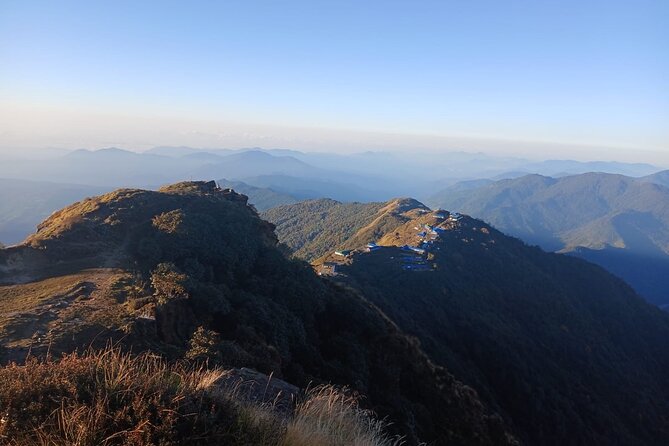
By Day 2 you’re in the zone where the views start paying off. You walk about 6 km in 4–5 hours, climbing from Forest Camp (2,600m) to Low Camp (3,150m).
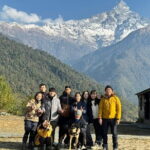
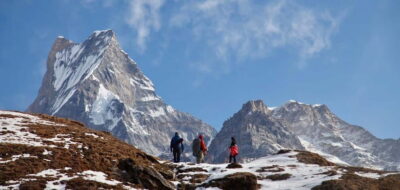
This day is described as a gradual ascent through dense forests. That matters because you’re not fighting steep grades while your lungs are still adjusting. And along the route, you get those stunning views of Machhapuchhre (Fishtail) and surrounding peaks.
The “value” of a day like this is that it builds momentum without exhausting you. If you’re traveling as a beginner or you’re returning to trekking after time off, you’ll likely appreciate the pacing. The best treks help you keep energy for the higher days.
More treks and hikes across the Annapurna region.
Day 3: Low Camp to High Camp and the Tree Line Shift
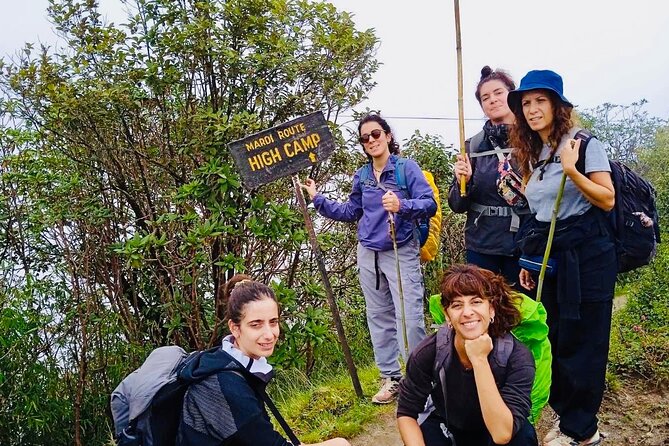
Day 3 is the one that signals change. You cover about 7 km in 4–5 hours, rising from Low Camp (3,150m) to High Camp (3,580m).
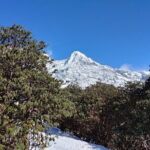
This is where the itinerary pushes above the tree line. Walking without the shelter of forest can feel sharper: more wind, more direct sun, and air that feels thinner than the earlier days. The highlight is the expansive view across the Annapurna and Dhaulagiri ranges, with dramatic scenery as you gain height.
If you’re the type who gets nervous at altitude, this is the day to stay disciplined about pace. The goal is to arrive feeling tired-but-well, not wrecked. You’ll be climbing higher later, so treat Day 3 as training for Day 4.
Day 4: High Camp to Mardi Himal Base Camp for Sunrise Payoff
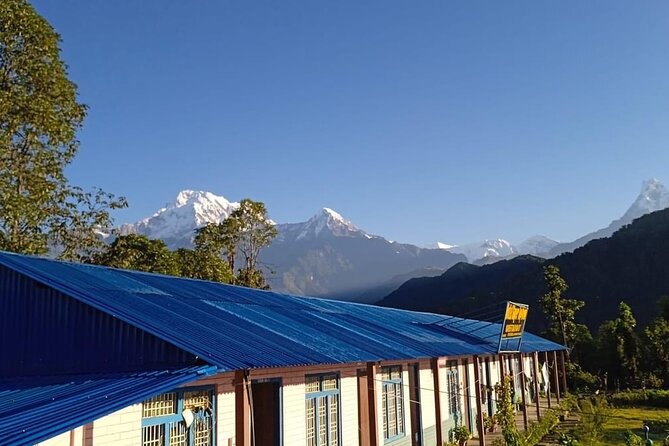
This is the big day on the trek. You’ll walk 10–12 km over about 6–7 hours, from High Camp (3,580m) to Mardi Himal Base Camp (4,500m) and then back. It’s long enough that you’ll feel it in your legs, but structured enough that you shouldn’t feel lost.
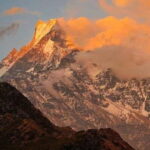
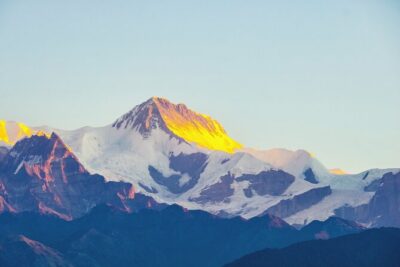
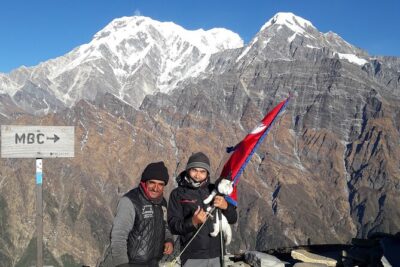
The standout highlight is the sunrise view of the Himalayas and close-up perspectives of Mardi Himal and Annapurna peaks. If you’ve ever wondered why people plan early mornings, this is it: you get a crisp view when the weather has more stability and the lighting makes peaks look sharper.
A sunrise day like this also tests your layering. Temperatures near base camp can drop fast. The package may include gear like sleeping bag and down jacket if necessary (and you return it after the trek), which can be a real help if you don’t want to pack bulky insulation from home.
Practical tip: don’t overdo your breakfast right before a climb, but do eat enough to keep energy steady. Then focus on rhythm—small, consistent steps.
Day 5: Siding Village Descent and Village Culture Without the Rush
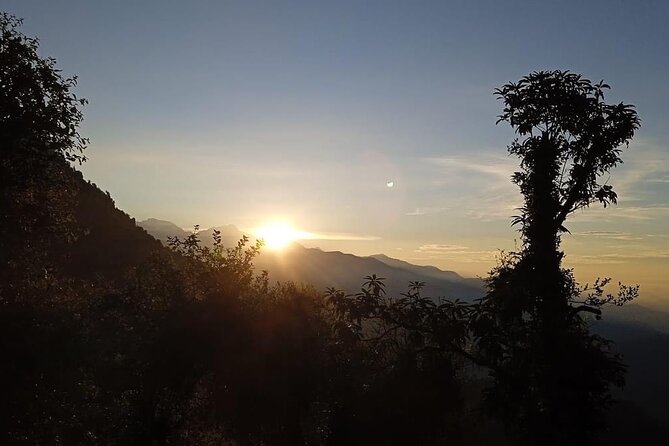
Day 5 switches gears from high-altitude effort to descent and local life. You walk about 8 km in 4–5 hours, then there’s about 2 hours of drive as you connect down to Siding Village (about 1,700m).
You’ll descend through terraced fields and traditional villages. This is where the trek changes from “mountain focus” to “people and daily rhythm” again. The itinerary also points to interaction with the local Gurung community, which is where you’ll often hear stories that are more grounded than anything you’d read online.
The benefit of a descent day is that it can restore your confidence. Your lungs may still feel altitude effects if you’re sensitive, but moving downhill generally lets you breathe easier than uphill days.
The tradeoff: knees and calves can complain. Take your time on steep sections, and don’t rush because you’re excited to be done.
Day 6: Transfer Toward Kathmandu and the Slower Finish
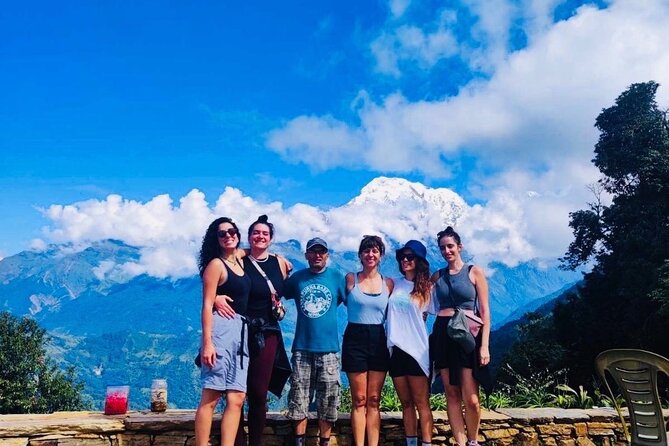
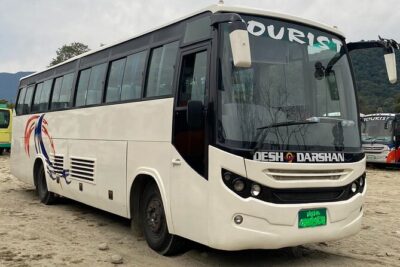
Day 6 is the recovery day for the whole trip, with transport back toward Kathmandu. The included plan notes 7 hours on a tourist bus for the Kathmandu transfer.
That’s a useful detail because a trek ends, but travel fatigue doesn’t automatically disappear. You’ll want to treat this day like a cooldown: hydrate, eat something gentle, and keep your body moving lightly.
Also, because this package includes flight to Pokhara and then bus back to Kathmandu, you get fewer handoffs to manage. That usually makes the overall experience calmer, especially if it’s your first trek in Nepal.
Price and Value: What $760 Buys (and What It Doesn’t)
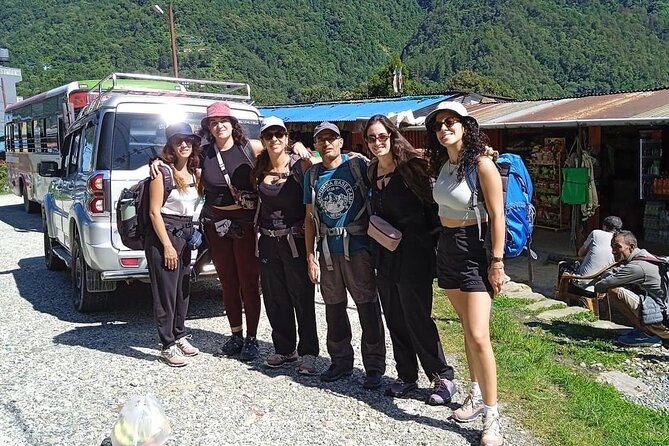
At $760 per person for an about 6-day trek, the value depends on what you’d have to arrange yourself. In this package, you get a lot of the “hidden work” done: permits, guide support, most trek meals, and trek accommodations.
Included items that matter day-to-day:
- Pokhara to Kande by car
- Shiding to Pokhara by private jeep (after the trek)
- A professional trekking licensed guide (with his insurance and food)
- Tea house or lodge accommodation during the trek
- ACAP permit
- First aid kit and an oximeter
- Sleeping bag / down jacket / duffle bag if necessary (returned after the trek)
- Meals on the trek days: breakfast (5), lunch (5), dinner (4)
Not included items to plan for:
- Nepal entry visa fee
- Porter cost
- Travel insurance (compulsory)
- Lunch and dinner in Pokhara
- Personal expenses like drinks, hot/cold items, Wi-Fi, and charging
- Tips for the guide and porters
So the real question is: do you want to buy a package that reduces guesswork? If yes, this cost is easier to justify. If you already have your own guide, gear, and meals sorted, then you might find a cheaper DIY route. But for most people, the included structure is what makes this trek feel smooth.
Support That Actually Helps: Guide, Gear, and Safety Rhythm
The guide is the backbone of a good trek. Here, the trekking guide is licensed, and the package includes his insurance and food. That’s a good sign because it usually means the operator isn’t trying to cut corners on the most important role.
The other practical win is the medical layer. You get a well-equipped first aid kit and an oximeter. Altitude is serious, and having monitoring tools in the mix helps you respond instead of guessing.
Gear support is also included in a limited, targeted way: sleeping bag and down jackets can be provided if necessary, then returned after the trek. If you don’t want to pack bulky insulation, that can lower both travel weight and cost.
And from the way the operation is described through the experience feedback, the management matters too. I’ve seen how teams led by Surendra Lamichhane and supported by Yaka can make planning feel calm even when you’re nervous. That’s a real benefit for beginners.
What the Included Meals and Tea Houses Mean for Your Day
On a trek, food is logistics and morale. With breakfast, lunch, and dinner built into the plan for trek days, you’re less likely to hit the dreaded moment where you’re tired and don’t know what you’ll eat.
Tea house or lodge accommodation also means you’re not carrying heavy camp gear. You can focus on walking, resting, and recovering. And because the trek progresses in stages, your appetite typically returns after each overnight.
One note: meals in Pokhara (lunch and dinner) aren’t included. Plan a couple of meals there so you’re not trying to squeeze calories into your first travel day.
Who This Trek Fits Best (Beginner Friendly, But Not Easy)
This trek is suitable for most travelers, and there’s a clear emphasis on helping beginners who may feel anxious. If you’re returning after a break, or it’s your first real trek in the Himalaya, the structured route and day-by-day pacing can work well.
It also suits:
- Nature lovers who want forest trails and mountain views
- People who want a shorter commitment than long Everest-style itineraries
- Travelers who prefer a guided plan over route-hunting
It may not suit you if:
- You need a fully gentle walking style every day
- You’re unwilling to manage altitude and cold mornings
- You hate early starts (Day 4 sunrise is part of the deal)
Should You Book This Mardi Himal Trek?
I’d book this trek if you want a guided, structured Mardi Himal experience that handles permits, most meals, and key transport links. The itinerary is built with a steady climb, strong view days, and a satisfying finish through terraced villages. For the money, you’re paying for reduced decision fatigue and real support, not just scenery.
I’d pause before booking if you’re sensitive to altitude or you hate long walking days, especially the Day 4 push to base camp. Also, check your budget for items not included, like insurance, visa, and tips, and decide whether you want porter help.
If you’re aiming to do Mardi Himal without turning your trip into a logistics project, this one is a solid bet.
FAQ
How long is the Mardi Himal Trek?
The trek is about 6 days.
Where does the trek start and where does it reach the highest point?
It starts at Kande (about 1,770m) and reaches Mardi Himal Base Camp (about 4,500m), then descends to Siding Village (about 1,700m).
What is included for permits?
The ACAP (Annapurna Conservation Area Permit) is included.
Is transport included in the package?
Yes. The plan includes Pokhara to Kande by car, Shiding to Pokhara by private jeep, a flight to Pokhara, and a tourist bus to Kathmandu.
What meals are included during the trek?
Breakfast is included for 5 days, lunch for 5 days, and dinner for 4 days. Lunch and dinner in Pokhara are not included.
Do you provide accommodation during the trek?
Yes. You’ll have accommodation in tea house or lodge during the trek.
Are trekking poles, down jackets, or sleeping bags provided?
A sleeping bag and down jacket are included if necessary, and they come with a duffle bag (returned after the trek).
Is a guide included?
Yes. The tour includes a professional trekking licensed guide with his insurance and food.
Is travel insurance included?
No. Travel insurance is compulsory, but it is not included.
Can I cancel for a full refund?
Yes. Free cancellation is available up to 24 hours in advance of the experience start time for a full refund.
More Treks in the Annapurnas
Also Reviewed Around Pokhara

More Mardi Himal Treks
Newer Pokhara reviews to browse before you decide
Mardi Himal Base Camp Treks, compared.
 ★ 4.94-Day Mardi Himal TrekFrom $13959 reviews
 ★ 5.0Private Mardi Himal TrekFrom $39942 reviews
 ★ 4.94-Day Mardi Himal Base Camp TrekFrom $13831 reviews
 ★ 5.0Mardi Himal TrekFrom $39930 reviews
 ★ 5.04 Day Mardi Himal Base Camp Trek from PokharaFrom $29018 reviews
 ★ 5.05-Day Mardi Himal Base Camp TrekFrom $18110 reviews
 ★ 5.04 Days Mardi Himal Base Camp Trek from PokharaFrom $2909 reviews
 ★ 5.05 Day Mardi Himal Base Camp Trek in PokharaFrom $2308 reviews
Browse the lists this tour appears in