
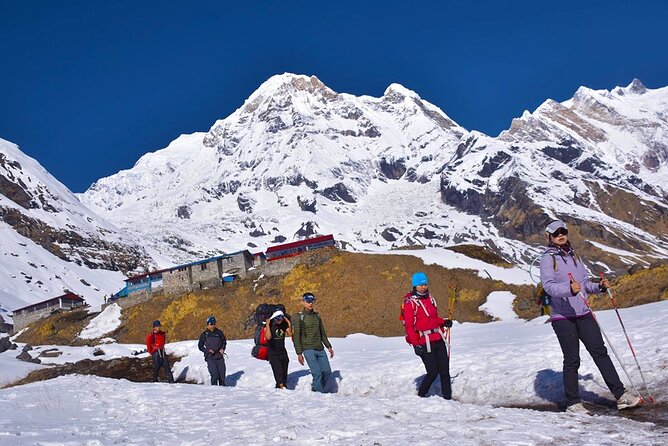
Reviewed · ANNAPURNA SANCTUARY TREKS
Annapurna Base Camp Trek from Pokhara and Kathmandu
A base-camp trek with low-stress planning. This Annapurna Base Camp journey links Pokhara and Kathmandu with a clear plan, local guidance, and day-by-day meals, so you can focus on walking and watching the peaks grow closer. I especially liked the small-group feel plus expert local guidance, which makes it easier to ask questions and keep your pace sensible.
I also really liked the built-in recovery moments, especially the Jhinu Danda hot springs on the way down and the full rest day in Pokhara after the climb. One consideration: drinks aren’t included, and at altitude you’ll want to budget for water and other essentials, plus any personal extras along the way.
In This Review
- Key things that make this Annapurna Base Camp trek work
- Kathmandu to Pokhara: getting the travel part out of the way
- Day 2 to Chumrung: your first real taste of the Annapurna region
- Day 3: Chhomrong to Dovan and the switch into higher, cooler trekking
- Day 4: Dovan to Deurali, gaining altitude with denser forest and bigger views
- Day 5: Annapurna Base Camp day—where the route finally feels worth it
- Day 6: Down to Bamboo—descending is still work
- Day 7: Bamboo to Jhinu Danda—hot springs after hard walking
- Day 8: Jhinu Danda to Nayapul and back to Pokhara
- Day 9: a real rest day in Pokhara (not just a stopover)
- Day 10: Pokhara back to Kathmandu by private vehicle
- Price and what you’re really paying for ($1,150 per person)
- Guides, small-group attention, and why Santosh’s name keeps showing up
- Who should book this Annapurna Base Camp trek (and who should rethink it)
- Should you book? My practical take
- FAQ
- How many days is the Annapurna Base Camp trek?
- Where does the trip start, and how do you get back to Kathmandu?
- What meals are included?
- Are transportation and permits/fees included?
- Do I need a certain fitness level?
- Is this tour private?
Key things that make this Annapurna Base Camp trek work
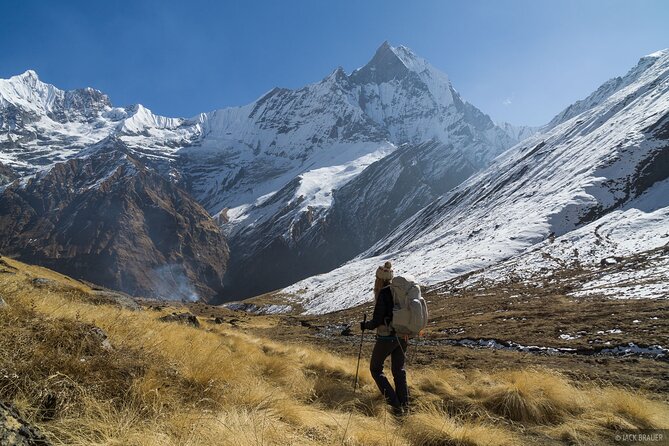
- Small-group trekking with expert local guides so you’re not stuck guessing what’s next
- All-in transport and permits/fees so the logistics stay mostly handled
- Full board meals (breakfast, lunch, dinner on trek days listed) to keep you fueled
- Hot springs at Jhinu Danda as a reward for the downhill grind
- Pokhara recovery time on Day 9, not just a rushed finish
Other ways up to Annapurna Base Camp from Pokhara.
- Kathmandu/Pokhara: 5-Day Annapurna Base Camp (ABC) Trek★ 4.9 · 72 reviews
- Private 7 – Day Annapurna Base Camp Trekking★ 5.0 · 50 reviews
- From Pokhara: 5-Day Annapurna Basecamp Trek with Hot Springs★ 4.9 · 26 reviews
- Annapurna Base Camp Trek from Pokhara 7 Days★ 5.0 · 19 reviews
Kathmandu to Pokhara: getting the travel part out of the way
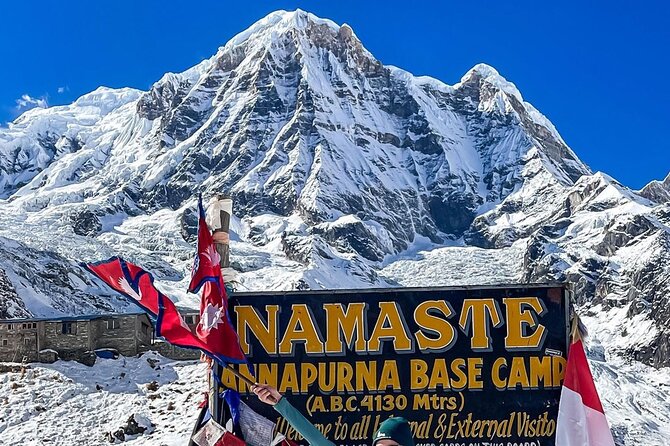
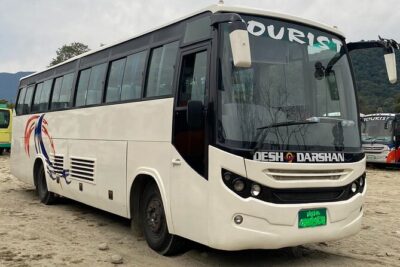
This trip starts with pickup from your Kathmandu hotel. You’ll give your hotel name and address at booking so the team can arrange a convenient pickup, and from there the plan focuses on moving you to Pokhara with private transportation. That matters, because with any trek in Nepal, the “how do I get there” part can eat energy you’d rather save for your first long hike.
Once you’re in Pokhara, you’re set up for the trekking rhythm. Pokhara is also the logical staging point for Annapurna treks: it’s where you can get comfortable with the idea that the mountains are the main event, not the travel hassle.
One small reality check: the meeting point info shown for the activity lists Pokhara Airport, while the day-by-day notes include a Kathmandu hotel pickup. Your booking confirmation should clarify what your exact first handoff looks like, and that’s the safest way to avoid confusion.
Day 2 to Chumrung: your first real taste of the Annapurna region
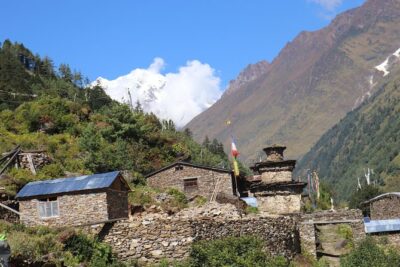
After the drive from Pokhara to Nayapul, you start trekking toward Chumrung (the itinerary references Chumrung as your Day 2 destination). This is your warm-up phase, walking through lush forests and picture-friendly villages as you move away from the lowland noise.
Why this start is worth paying attention to: Day 2 is where you learn the “feel” of your body at elevation and the kind of rhythm that works for you. You’ll want to avoid the temptation to walk fast early. On Annapurna, the mountains can look close and tempting even when they’re still hours away.
This is also where a good guide makes a difference. Even without changing your itinerary, they help you pace smartly and keep the day from turning into an exhausting slog.
Day 3: Chhomrong to Dovan and the switch into higher, cooler trekking
Day 3 goes from Chhomrong to Dovan, climbing in stages as you pass rhododendron forests and keep gaining altitude. You’ll see more of the Annapurna side’s seasonal character here—especially with the mix of trees that can frame the trail and soften the climb.
The itinerary lists breakfast, lunch, and dinner included on trekking days like this, which is practical. Food availability matters on treks, and staying on schedule helps you avoid the common altitude problem: you’re tired because you’re not consistently fueled.
What to watch for on Day 3: your breathing will likely feel heavier as you go up. That’s normal. The trick is keeping your effort steady rather than spiking your pace whenever you get a good view.
Day 4: Dovan to Deurali, gaining altitude with denser forest and bigger views
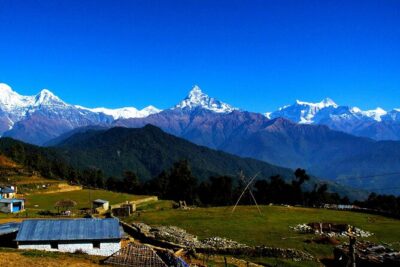
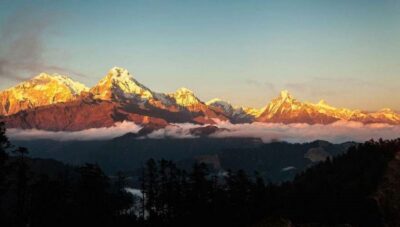
On Day 4 you trek from Dovan to Deurali, continuing the altitude climb through dense forest with promises of spectacular mountain views. This day is often where trekkers feel the cumulative effect of previous elevation gain—your legs might be fine, but your effort-to-distance ratio can change.
The big value of having a guide on this part of the route is simple: you get help deciding what pace fits your body. In a small group, that coaching tends to be easier than if you were just following random advice from strangers along the way.
Also, this is one more reason the meals are helpful. When dinner and breakfast are handled, you’re more likely to eat on time, sleep when you can, and wake up ready for the next push.
More treks and hikes across the Annapurna region.
Day 5: Annapurna Base Camp day—where the route finally feels worth it
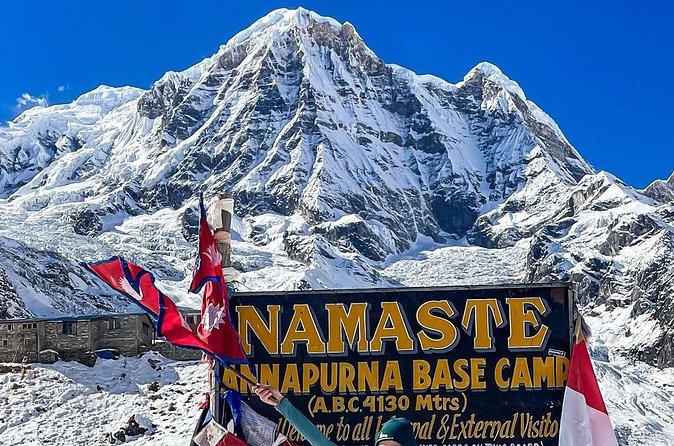
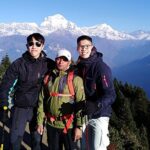
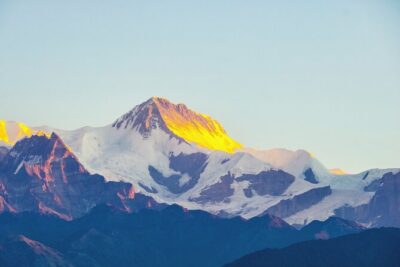
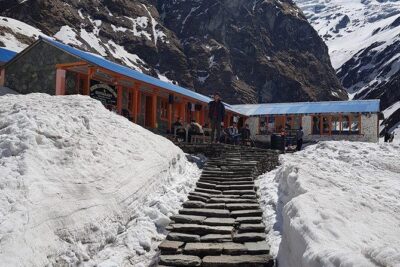
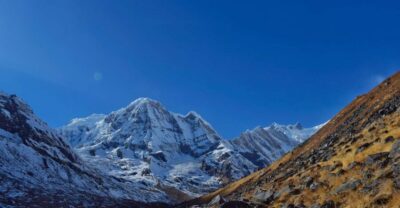
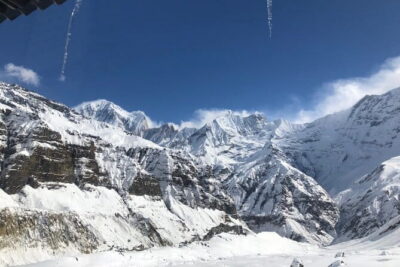
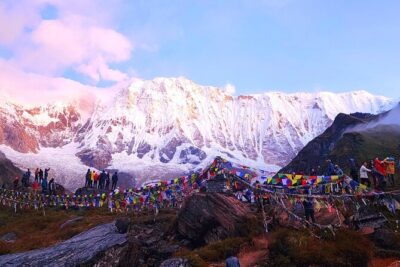
Day 5 is the payoff: you trek from Deurali to Annapurna Base Camp, reaching the heart of the Annapurna massif. The itinerary calls it a day of breathtaking panoramic views of surrounding peaks, and that’s exactly the kind of day where your earlier pacing pays off.
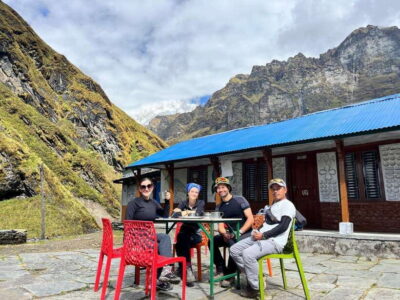
Here’s what I’d focus on, practically. A base camp arrival often feels unreal at first—like the trek is suddenly “real” rather than just a long walk with occasional views. But once you’re there, don’t treat the day like a sprint of photos and leaving immediately. If you can, use time on-site to breathe, drink, and observe. Even a short rest can help you enjoy the moment instead of just enduring it.
One more point: because this trek runs on a fixed plan, you don’t want to waste your energy early. When people feel run down at base camp, it’s usually because earlier days were too ambitious.
Day 6: Down to Bamboo—descending is still work
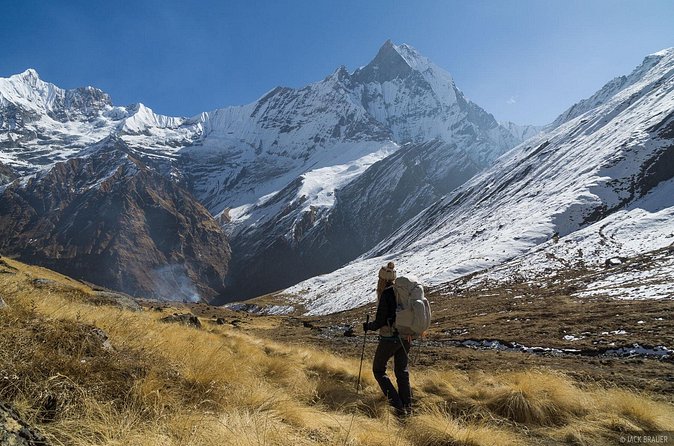
Day 6 descends from Annapurna Base Camp to Bamboo. This “down day” is still physically demanding: steep descents can beat up your knees and ankles, even when the air feels kinder.
The itinerary again notes breakfast, lunch, and dinner included, and that matters more than it sounds. If you’re sore, you’ll want regular meals to keep recovery moving.
Also, the Bamboo stretch is the right mindset stage. You’ve reached the summit point of your hiking goal—now your job is to keep moving downhill safely, stay hydrated, and avoid careless footing. A good guide’s role is huge here, because downhill technique is not something you should guess your way through.
Day 7: Bamboo to Jhinu Danda—hot springs after hard walking
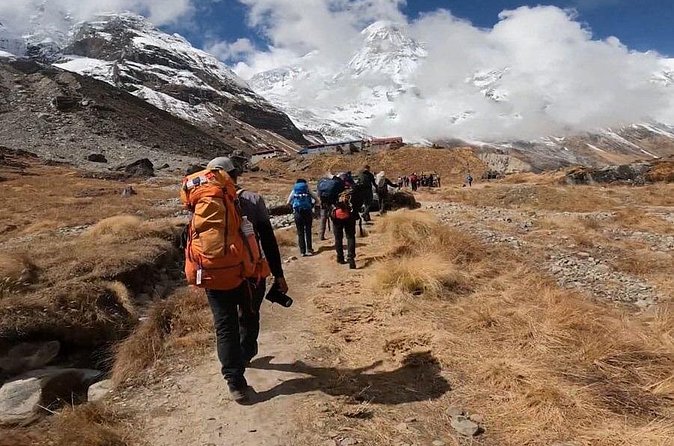
On Day 7 you trek from Bamboo to Jhinu Danda. Then you get to relax in the natural hot springs at Jhinu Danda—one of the most satisfying parts of any Annapurna itinerary. Even if you’ve never tried hot springs after trekking, you’ll get why this stop is popular: sore muscles don’t magically vanish, but warm water can make the next day feel possible.
This is one of the “value moments” of the package. Hot springs aren’t just entertainment; they’re recovery. If you’re carrying any trek aches, you’ll likely appreciate the chance to soak instead of bouncing straight into more hiking.
Tip from experience in Nepal-style trek recovery: go in with sensible expectations. It won’t erase altitude fatigue overnight, but it can reduce the “walking with bruised legs” feeling.
Day 8: Jhinu Danda to Nayapul and back to Pokhara
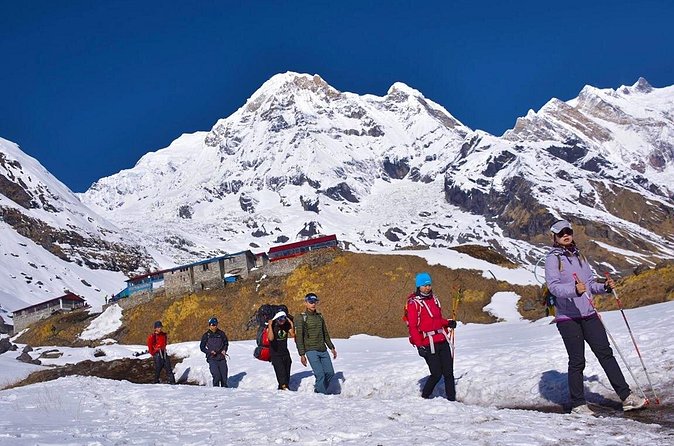
Day 8 is trekking from Jhinu Danda to Nayapul, then a drive back to Pokhara. This is the day where you get your breathing space back. After days on foot, being driven saves your body from turning the return journey into one more long grind.
Once you’re in Pokhara, you can unwind on your terms. The itinerary frames this as time to relax and recover, and that’s exactly what you should do. Your body has done a lot of work; your only job now is to let it catch up.
Day 9: a real rest day in Pokhara (not just a stopover)
Day 9 is your rest day in Pokhara, where you can explore at your own pace—lakeside area, local cafes, and general city comfort. This is where trekking trips often win or fail: if the recovery day is too short, you end up feeling flat for the final travel segment.
Here, you get room to do simple things: eat something you actually want to eat, sit near the water if you feel like it, and let your mind wander back into normal life.
I also like that this trek connects the mountain effort with a practical decompression period. It makes the whole journey feel more complete.
Day 10: Pokhara back to Kathmandu by private vehicle
Day 10 returns you from Pokhara to Kathmandu by private vehicle to conclude your trekking adventure. If you’ve done enough treks, you know the final day can feel anticlimactic. Having a private ride helps keep that day from dragging out into extra time and stress.
Because this is listed as a private tour/activity for your group only, you’re not stuck waiting on unrelated schedules. That’s a small thing, but it makes a big difference when you’re tired.
Price and what you’re really paying for ($1,150 per person)
At $1,150 per person for roughly 10 days, this Annapurna Base Camp trek isn’t the cheapest style of booking, but it also doesn’t sound like a bare-bones DIY setup. The better question is what you get for your money—and the package includes a lot of the common trip costs that trip up independent travelers.
Here’s what the program covers based on the details you’re given:
- Private transportation (Pokhara/Kathmandu segments included)
- All fees and taxes
- Meals: lunch listed clearly, and trekking days show breakfast, lunch, dinner included
- Guide support in English plus Hindi and Japanese
- Accommodation and porters are described in the overview as part of the all-inclusive service
- A focus on safety, comfort, and personalized attention with small group sizes
That value calculation matters most on a route like this, where delays, missing permits, or inconsistent meal planning can mess with your energy and altitude readiness. You’re paying to reduce decision fatigue.
Is $1,150 a guarantee of a perfect trek? No. But it’s the kind of price that usually correlates with handled logistics—exactly what you want when the goal is the mountains, not paperwork.
One more value note from the provided feedback: people praised stress-free organization and professional, friendly guidance, plus an office team that answers quickly and helps plan smoothly. That lines up with the idea of you buying peace of mind, not just a walking route.
Guides, small-group attention, and why Santosh’s name keeps showing up
The guide team is listed with language options: English, Hindi, and Japanese. That flexibility is practical—especially if you’re traveling with someone who doesn’t speak much English, or if you want to ask questions about altitude, weather, or route choices without guessing.
In the feedback you provided, the company specifically called out office support and mentioned a staff member named Santosh in a response tied to trekking experience. While that doesn’t replace your need to do your own research, it does suggest the team is organized enough to recognize individual staff roles. In real trekking terms, that often translates into smoother coordination before and during the trek.
Who should book this Annapurna Base Camp trek (and who should rethink it)
This trek is a fit for you if you want:
- Moderate physical fitness and a structured 10-day plan
- A guide-led experience with meals and logistics handled
- Time to recover in Pokhara and enjoy Jhinu Danda hot springs
It may be less ideal if:
- You love completely DIY freedom and dislike fixed-day itineraries
- You have limited tolerance for multiple trekking days where your schedule is consistent, not flexible
- You’re not ready to budget for drinks or personal expenses (since those aren’t included)
If you’re traveling with family or a mixed-ability group, the small-group/private nature can help, but you’ll want to be honest with the team about fitness so they can match expectations.
Should you book? My practical take
I’d book this Annapurna Base Camp trek if you want the Annapurna experience without turning your vacation into a logistics project. The combination of private transportation, guide support, included meals, and the neat recovery beats (Jhinu Danda and Day 9 in Pokhara) makes it a solid “get it done and enjoy it” choice.
I would pause before booking if you’re trying to keep costs ultra-low or you’re very sensitive to included vs. excluded essentials like drinks. Also, if you’re unsure about your altitude readiness, make sure you’re aligned with the moderate fitness requirement and ask the team how they’ll pace the days.
If your goal is to walk to base camp, soak your legs, and return with a clear plan rather than a headache, this one looks like a smart pick.
FAQ
How many days is the Annapurna Base Camp trek?
The trek is listed as 10 days (approx.).
Where does the trip start, and how do you get back to Kathmandu?
Your pickup is described as starting from your Kathmandu hotel. The trek then runs via Pokhara, and Day 10 returns you to Kathmandu by private vehicle. Your booking confirmation should clarify your exact first meeting point details.
What meals are included?
The itinerary shows breakfast, lunch, and dinner included on the trekking days listed (for example Days 3 through 8) and breakfast, lunch, and dinner also on Day 10. Lunch is explicitly included as well. Drinks or other beverages are not provided.
Are transportation and permits/fees included?
Yes. The package includes private transportation and all fees and taxes.
Do I need a certain fitness level?
You should have a moderate physical fitness level.
Is this tour private?
Yes. It’s described as a private tour/activity, with only your group participating. The guide is listed in English, Hindi, and Japanese.
More Treks in the Annapurnas
Also Reviewed Around Pokhara

More Annapurna Base Camp Routes
Newer Pokhara reviews to browse before you decide
Annapurna Sanctuary Treks, compared.
 ★ 4.9Kathmandu/Pokhara: 5-Day Annapurna Base Camp (ABC) TrekFrom $9672 reviews
 ★ 5.0Private 7 – Day Annapurna Base Camp TrekkingFrom $62550 reviews
 ★ 5.0Annapurna Base Camp Trek (8 days)From $65045 reviews
 ★ 4.97 Day Annapurna Base Camp TrekFrom $21538 reviews
 ★ 4.95-Day Annapurna Basecamp Trek with Hot SpringsFrom $15526 reviews
 ★ 5.0Annapurna Base Camp Trek from Pokhara 7 DaysFrom $39519 reviews
 ★ 5.06 days Annapurna Basecamp TrekFrom $45016 reviews
 ★ 5.010 Days Private Guided Annapurna Basecamp Trek via Poon HillFrom $80015 reviews
Browse the lists this tour appears in