
Reviewed · ANNAPURNA SANCTUARY TREKS
Annapurna Base Camp 7 Days Trek from Pokhara
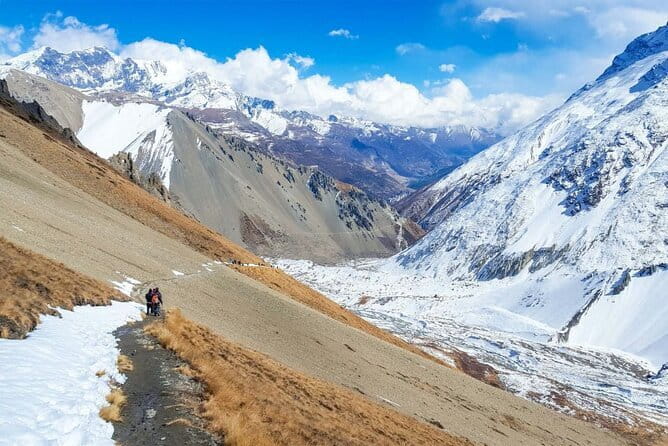
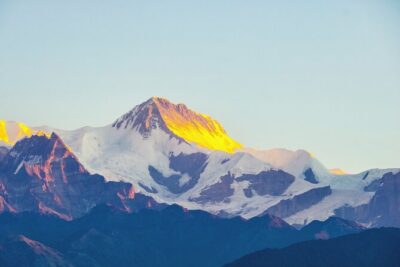
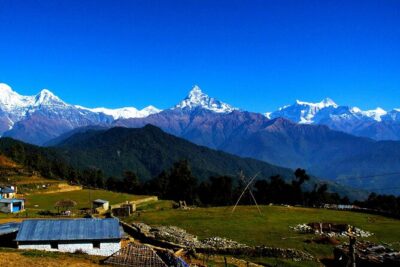
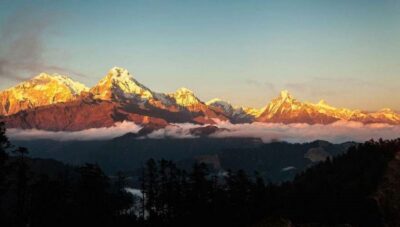
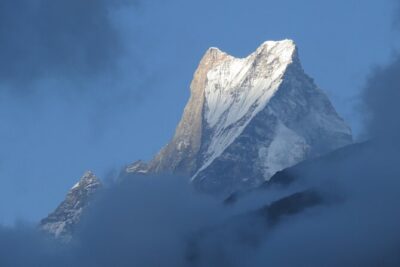
High mountain mornings start here. This 7-day Annapurna Base Camp trek from Pokhara guides you from Gurung villages up through bamboo and rhododendron forest to Annapurna Base Camp at 4,130 meters, with big views of Annapurna South, Machhapuchhre (Fishtail), and Hiunchuli. I love how the hike blends village life with hard-earned scenery, and I love the feeling of reaching Annapurna Base Camp at the center of the Annapurna massif.
The logistics are also pretty clear-cut: you get hotel pickup and drop-off, round-trip transfers, an English-speaking trekking guide, and the permits handled. The one consideration is simple: this is real walking at altitude. The route is for moderate fitness, and you’ll be climbing and descending on trail most days.
In This Review
- Key Highlights You’ll Care About
- Starting in Pokhara: Your Base Camp for the Trek
- Day 1: Ghandruk — First Big Views and Real Gurung Village Life
- Day 2: Sinuwa via Chhomrong and the Ridge Walk Feel
- Day 3: Toward Annapurna Base Camp — Bamboo, Rhododendron, and the Eden Valley Vibe
- Day 4: Annapurna Sanctuary and the Push to Base Camp
- Day 5: Descending Back to Bamboo — Recovery, Not Just Retreat
- Day 6: Jhinu Danda — The Chomrong Ridge Connection and a Final Big Down
- Day 7: Pokhara Lakeside Finish — Suspension Bridge to Local Jeep
- Price and Logistics: What $435 Really Covers
- The Guide Factor: Why Ram and Krishna Get Mentioned
- Altitude Reality Check (Because You’ll Feel It)
- What Your Days Feel Like: A Trek With Changing Terrain
- Rooms, Food, and Comfort: The Real-World Expectation
- Who This Trek Suits Best
- Should You Book This Annapurna Base Camp Trek from Pokhara?
- FAQ
- How long is the Annapurna Base Camp trek from Pokhara?
- Where does the trek start and where does it end?
- What is the highest point on this trek?
- Is pickup and drop-off included?
- Are the trekking permit and TIMS card included?
- Does the tour include a guide?
- What kind of accommodation is provided during the trek?
- Are meals included?
- Is this a private trip?
- What fitness level do you need?
- Is it wheelchair accessible?
- What are the cancellation terms?
Key Highlights You’ll Care About
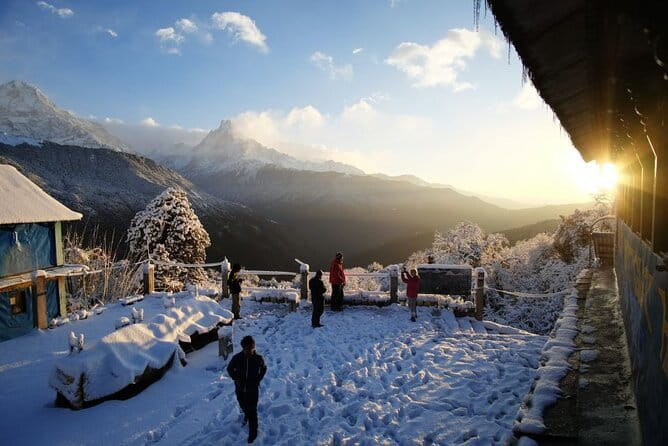
- Ghandruk and Gurung culture with strong Annapurna viewpoints and village stops
- Rhododendron and bamboo walking that makes the trek feel varied, not repetitive
- A big altitude day climbing from Machhapuchhre Base Camp area up to Annapurna Base Camp
- Guides like Ram and Krishna who are repeatedly praised for helpful support
- Guest house nights on the trail so you’re not carrying lodging logistics in your head
- Return to Pokhara by local jeep so you end with an easier downhill finish
Other ways up to Annapurna Base Camp from Pokhara.
- Kathmandu/Pokhara: 5-Day Annapurna Base Camp (ABC) Trek★ 4.9 · 72 reviews
- Private 7 – Day Annapurna Base Camp Trekking★ 5.0 · 50 reviews
- From Pokhara: 5-Day Annapurna Basecamp Trek with Hot Springs★ 4.9 · 26 reviews
- Annapurna Base Camp Trek from Pokhara 7 Days★ 5.0 · 19 reviews
Starting in Pokhara: Your Base Camp for the Trek
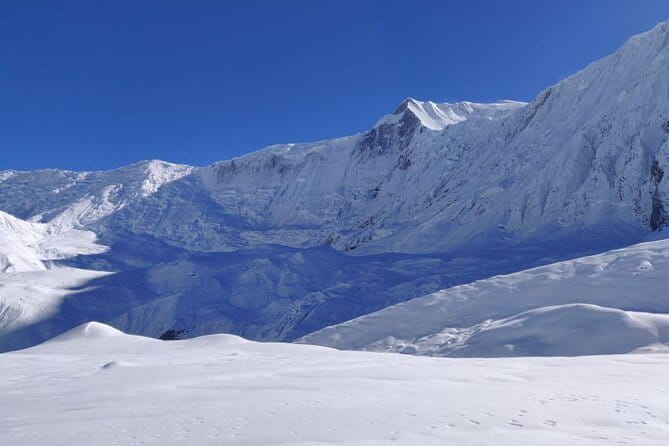
Pokhara is the practical launching pad for Annapurna Base Camp. You’ll typically begin with hotel pickup, then head out by shared road transport toward the trekking start points. The trek itself starts with a drive segment that includes a bumpy, unpaved stretch—so if you’re the type who gets carsick, plan to take it slowly and sit where you can see out clearly.
One smart thing about this style of trek is that it reduces what you have to coordinate on your own. With the pickup, transfers, and trekking permit/TIMS card already included, you can focus on the rhythm of the days: walk, eat, rest, and repeat. You’ll still need to pay attention to altitude and pacing, but at least the trip won’t turn into a paperwork puzzle.
Also, the tour is described as private trip (only your group participates). That’s worth noting if you want less crowd energy on the trail and more control over your schedule.
Day 1: Ghandruk — First Big Views and Real Gurung Village Life
Day 1 is built to get you into the Annapurna mood right away. After time in Pokhara with views over the Annapurna and Manaslu Himalayas and nearby lakes, you’ll drive toward Kyu Mi Danda via Nayapul and Birethati, then switch to a sharing jeep route toward Ghandruk.
Ghandruk is the heart of the Gurung community in this area. It’s also one of those places where you’ll see why people come back to the Annapurna region year after year: the mountain views feel close, and the village atmosphere is lively and grounded. On your way in, you’ll pass through the Modi River valley area and climb through classic hillside terrain.
What I like about a first day like this is that it’s not only about starting the trek—it also gives you context. You’re not just walking in “scenery”; you’re walking through the daily life of a mountain-adapted community.
Time on feet: about 7 hours (including trail time; meals/tea breaks are built in).
Day 2: Sinuwa via Chhomrong and the Ridge Walk Feel
Day 2 shifts you into a more demanding day of trekking. You leave Ghandruk and head toward Upper Sinuwa, and the route is described as fluctuating with a strenuous walk before you reach your overnight area.
This is the day that threads several of the Annapurna classics together:
- Kimrung Danda and the Kimrung River area
- A pass through Chhomrong village
- Continuing on to Sinuwa
Chhomrong is often a key point of balance on the ABC route: it’s known for views and for that unmistakable “approaching the sanctuary” feeling. From there, you keep moving through zones that change as elevation rises—so your walking experience starts to feel less like one long trail and more like a sequence of mini-worlds.
The Sinuwa stop matters because it sets you up for the sanctuary approach. You’ll be tired, but you’ll also feel like you’re getting closer in a way that’s hard to describe until you’re there.
Time on feet: about 7 hours (excluding lunch/tea breaks).
Day 3: Toward Annapurna Base Camp — Bamboo, Rhododendron, and the Eden Valley Vibe
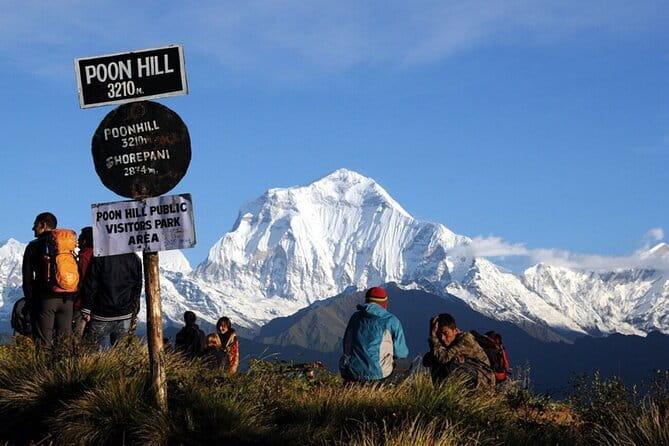
Day 3 is the start of the “this is changing” phase. The trail ahead goes uphill and the air gets cooler and fresher. You’ll walk through bamboo and rhododendron forest, and you’ll pass areas like Bamboo and Dovan on the way.
The way this stage is described makes it sound like a slow reveal. You’re not just climbing for the sake of climbing—you’re walking through shaded forest sections while the terrain gradually lifts you toward Annapurna Sanctuary.
A practical way to think about Day 3: it’s training for Day 4. You’ll learn how your body handles steady uphill segments, how often you need a break, and how to keep your breathing controlled. If you go too fast early, the sanctuary days punish you.
Time on feet: about 7 hours.
More treks and hikes across the Annapurna region.
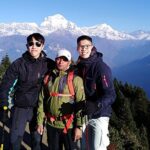
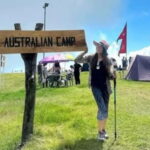
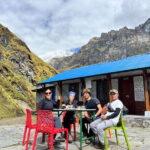
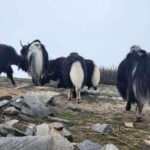
Day 4: Annapurna Sanctuary and the Push to Base Camp
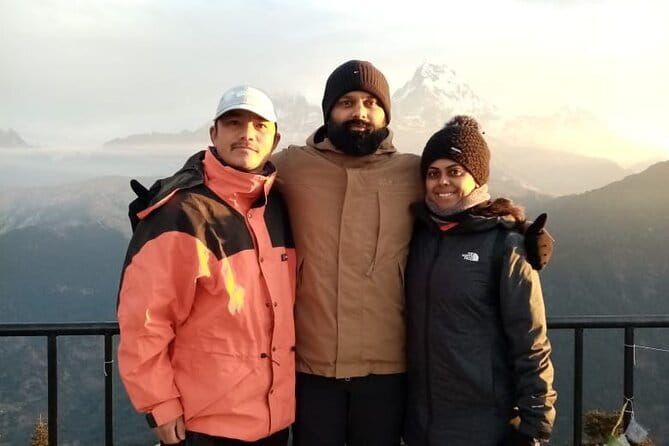
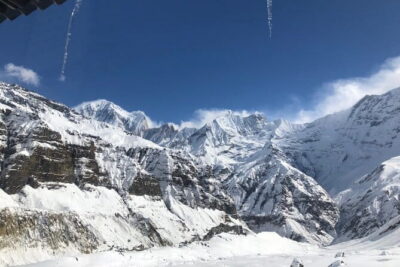
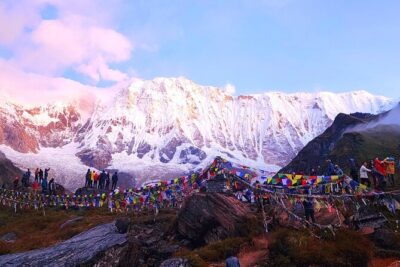
This is the day that most people picture when they think of Annapurna Base Camp. You move through the Annapurna Sanctuary area, and you’re heading higher toward Annapurna Base Camp at 4,130 meters.
The itinerary notes a key milestone: Machhapuchhre Base Camp at about 3,900 meters, then a climb of roughly 730 meters up to Annapurna Base Camp. That’s not just a number—it’s the reason this day often feels like a different trek compared to the earlier forest and village stages.
You’ll also be passing through zones described as grassy uphill sections as you get higher. And along the way, you’ll be closing in on the big shapes of the peaks around the sanctuary, including the Annapurna massif circling the area and Annapurna I.
One detail that matters for your planning: you’ll want to keep your energy for the final push. The first part of the day can feel steady, and then the higher sections ask for more focus. This is also where having an English-speaking guide helps—you can lean on their experience for pacing and decision-making on the fly.
Time on feet: about 6 hours.
Day 5: Descending Back to Bamboo — Recovery, Not Just Retreat
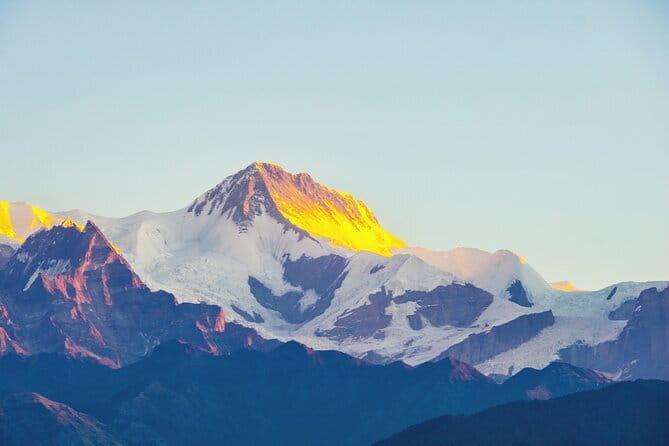
After you’ve spent time at Annapurna Base Camp, Day 5 turns into a descent day. The itinerary brings you back down to Bamboo, with the trail described as decent but one where you still need care on the way down.
If you’re hoping the lower day will feel easy, that’s a common mistake. Descending is often where knees complain. The good news is that this day uses a gradual winding trail through forests and tree lines. It gives you a chance to catch your breath without the same steep upward grind.
You’ll move via Deurali and Himalaya/Dovan zones before reaching Bamboo for the night. Think of this day as a controlled reset: less elevation stress, more attention to foot placement and hydration.
Also, the itinerary mentions a warm hot shower opportunity at Baboo—details like that matter more than people think on trek days, because small comfort turns into big mental energy for the next morning.
Time on feet: about 6 hours.
Day 6: Jhinu Danda — The Chomrong Ridge Connection and a Final Big Down
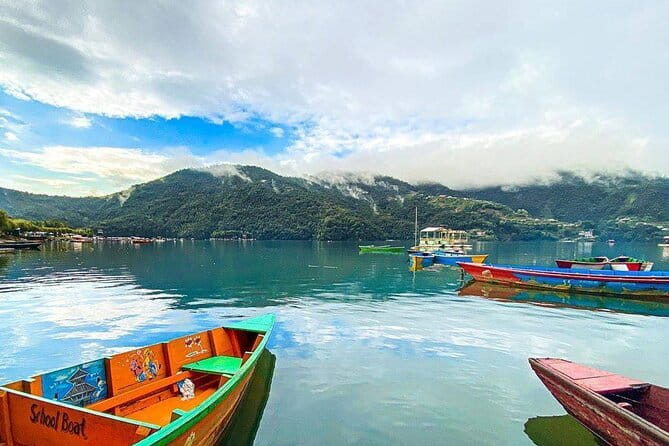
Day 6 is a mix of short climbs and long descents that bring you back toward lower elevations. You start with a short steep up to KhuldiGhar, then descend through forest to Sinuwa-Danda, and continue down toward Chhomrong Khola.
After a bridge climb and a short push, you reach Chomrong village for lunch. That village stop helps break up the day and makes it feel more human, less like nonstop hiking.
Then you finish with another short uphill to Chomrong ridge. From there, the last part of Day 6 tilts downhill toward Jhinu-Danda.
This is the day I’d treat as your “stay present” day. You’re not far from Pokhara now, but your body still needs time to unwind from the altitude swings. Don’t celebrate too early with a sprint. Save that energy for when you’re actually off the trail.
Time on feet: about 6 hours.
Day 7: Pokhara Lakeside Finish — Suspension Bridge to Local Jeep
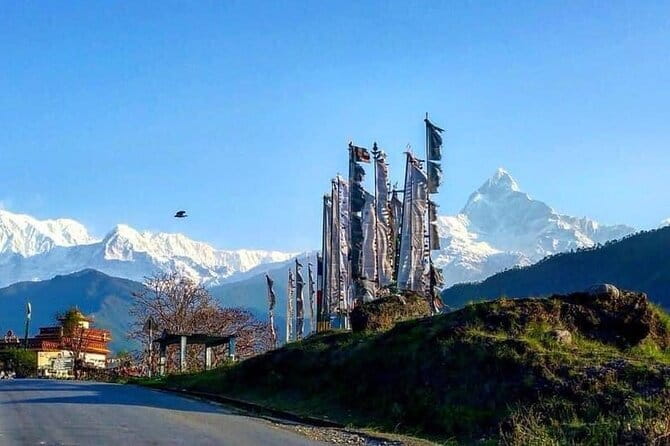
Day 7 is the payoff day: the trail gives you a short downhill section and includes a long suspension bridge crossing before you reach Samrung Khola.
From Samrung Khola, you catch a local jeep back to Pokhara. The drive is listed as about 4 hours, and it passes through places such as Kimrung village, Syauli Bazaar, Birethati Nayapul, Kande, and Naudanda before reaching Pokhara.
Then it’s the end-of-trek moment: time at Pokhara Lakeside.
If Day 6 felt like the “final downhill,” Day 7 feels like the last chapter you didn’t know you needed. The bridge crossing is memorable, but it’s the transition from trek-life to city-life that really lands. You’ll likely feel a mix of relief and emptiness, which is normal—tours like this build a bubble around you for a week.
Time on feet: about 5 hours (then about 4 hours by jeep).
Price and Logistics: What $435 Really Covers
At $435 per person for an approx. 7-day trek, the value here comes from what’s included rather than what’s optional.
Included items:
- Hotel pickup and drop-off
- Round-trip transfer by shared bus/jeep
- Trekking permit and TIMS card
- English speaking trekking guide
- Guest house accommodation
- Private trip (only your group)
Not included:
- Personal expenses
- Gratitude
So you’re not paying only for “walking.” You’re paying for the pieces that can derail a trek if handled badly: permits, local transport timing, guiding, and lodging logistics. That matters on ABC because altitude and route decisions are not the place to improvise.
Also, the tour lists mobile ticket and confirmation at booking time. If you like knowing where things stand before you arrive, that’s a comfort.
One thing to ask before you go: because the features mention group discounts but the included notes say private trip, clarify what size your group actually is. Either way, the route is the main event.
The Guide Factor: Why Ram and Krishna Get Mentioned
The reviews consistently credit the guide with making the trip smoother. Two names show up often: Ram and Krishna. Both are praised as helpful, friendly, and effective at getting people onto the right trail moments and ensuring good support on the hike.
That matters on ABC more than you might think. A good guide is not just someone who points the way. They help you keep pacing steady, manage decision-making when conditions change, and make sure the day feels structured instead of chaotic.
When people say they had good transport service, nice rooms, and good mountain views, it usually means the planning behind the scenes was working. Guides like Ram and Krishna are part of that.
Altitude Reality Check (Because You’ll Feel It)
This trek reaches 4,130 meters at Annapurna Base Camp. You also have a climb to ABC from the Machhapuchhre Base Camp area (around 3,900 meters). Even if you’re a strong hiker, altitude turns “normal effort” into “extra effort.”
The tour is recommended for moderate physical fitness and is not recommended for wheelchair users because you’ll hike on trekking trails. That’s not a small detail. It’s the difference between a trek you manage and a trek that manages you.
My practical advice:
- Keep your pace slow enough that you can breathe steadily.
- Plan for tired legs on descent days. Your thighs will remember.
- Choose warm layers early. The air cools as you climb into the sanctuary.
If you’ve never hiked at altitude before, consider training with long walks and hills, then go conservative on the first couple of days.
What Your Days Feel Like: A Trek With Changing Terrain
Even without getting too technical, you can expect a mix of:
- Terraced fields and village trail sections
- Terrific forest walking with bamboo and rhododendron
- Higher, more exposed uphill sections toward the sanctuary and base camp
- Alpine-meadow style conditions at the top areas (as altitude rises)
This variety is one reason the route feels worth doing. You’re not just grinding monotonous steps. Each stage changes your rhythm, your visuals, and how often you get a chance to stop and look up.
And because the itinerary includes both culture-heavy days (Ghandruk and Chhomrong areas) and scenery-heavy days (sanctuary approach and base camp), you get balance. It’s not all awe, and it’s not all chores.
Rooms, Food, and Comfort: The Real-World Expectation
Guest houses are included for accommodation. Rooms and transport are repeatedly mentioned positively in the reviews, which tells me the basic comfort level tends to be dependable.
Food is also described in reviews as good, but meals are not explicitly listed in the included section. In other words, expect to pay for meals as part of normal trek spending at the guest houses and teahouses.
A smart trek mindset is to treat comfort as practical, not luxurious:
- Sleep is for recovery.
- Showers are a bonus when available (the Baboo mention is a good example).
- Pack for warmth and drying socks if you can.
Who This Trek Suits Best
This Annapurna Base Camp trek is a strong match if:
- You want classic Annapurna scenery plus village culture (Gurung areas are a highlight).
- You’re comfortable with long walking days around 5–7 hours.
- You prefer having a guide handle permits and day-to-day logistics.
- You want to end in Pokhara Lakeside without dragging out extra travel days.
It may not be the right fit if you need step-free access or wheelchair-friendly routes, since this trek is trail-based and steep in places.
Should You Book This Annapurna Base Camp Trek from Pokhara?
I’d book it if you want a well-organized ABC trek that takes care of the key moving parts—permits, transfers, guide, and guest house nights—so your main job is pacing and enjoying the mountain views. The repeated praise for helpful guides like Ram and Krishna, plus comments about good rooms, food, and transport, points to a trip that runs smoothly when it matters.
I’d pause and think first if altitude is a big unknown for you, or if you’re not ready for long days of uphill and downhill walking. This is a trek, not a stroll—and it rewards smart effort more than speed.
If you’re asking me what makes the decision easier: it’s the combination of cultural stops (Ghandruk/Chhomrong) and the payoff day at Annapurna Base Camp (4,130m). That’s the heart of it.
FAQ
How long is the Annapurna Base Camp trek from Pokhara?
The trek is listed as about 7 days (with daily walking times ranging roughly from 5 to 7 hours).
Where does the trek start and where does it end?
It starts from the Pokhara area, with driving and jeep/sharing transport toward the trek route. It ends in Pokhara Lakeside after a trek day and a local jeep ride back.
What is the highest point on this trek?
Annapurna Base Camp at 4,130 meters is listed as the main high point.
Is pickup and drop-off included?
Yes. Hotel pickup and drop-off are included.
Are the trekking permit and TIMS card included?
Yes. Trekking permit and TIMS card are included.
Does the tour include a guide?
Yes. An English speaking trekking guide is included.
What kind of accommodation is provided during the trek?
Accommodation in guest houses is included.
Are meals included?
Meals are not listed under what’s included. You should expect to handle food spending as part of personal expenses while on the trek.
Is this a private trip?
The tour is described as a private trip, with only your group participating.
What fitness level do you need?
The trek is recommended for travelers with moderate physical fitness.
Is it wheelchair accessible?
No. It is not recommended for wheelchair users because it involves hiking on trekking trails.
What are the cancellation terms?
Free cancellation is offered up to 24 hours in advance of the experience’s start time for a full refund. If you cancel less than 24 hours before, the amount paid is not refunded.
More Treks in the Annapurnas
Also Reviewed Around Pokhara

More Annapurna Base Camp Routes
Newer Pokhara reviews to browse before you decide
Annapurna Sanctuary Treks, compared.
 ★ 4.9Kathmandu/Pokhara: 5-Day Annapurna Base Camp (ABC) TrekFrom $9672 reviews
 ★ 5.0Private 7 – Day Annapurna Base Camp TrekkingFrom $62550 reviews
 ★ 5.0Annapurna Base Camp Trek (8 days)From $65045 reviews
 ★ 4.97 Day Annapurna Base Camp TrekFrom $21538 reviews
 ★ 4.95-Day Annapurna Basecamp Trek with Hot SpringsFrom $15526 reviews
 ★ 5.0Annapurna Base Camp Trek from Pokhara 7 DaysFrom $39519 reviews
 ★ 5.06 days Annapurna Basecamp TrekFrom $45016 reviews
 ★ 5.010 Days Private Guided Annapurna Basecamp Trek via Poon HillFrom $80015 reviews
Browse the lists this tour appears in