
Reviewed · ANNAPURNA SANCTUARY TREKS
7 Days Annapurna Base Camp Trek from Pokhara
Annapurna Base Camp is a classic for a reason. This 7-day trek from Pokhara threads through Gurung countryside, forest paths, and suspension bridges, then pushes upward toward the Annapurna range. I especially like that the trip is built around real village stops like Ghandruk and that you get an English-speaking trekking guide to keep things smooth day after day. One thing to consider: this is a walking-heavy schedule, so you’ll want solid fitness before you sign up.
The other big plus is how the support team shows up. Names like Saroj (the owner mentioned in messages I’ve seen) and guides such as Krishna show a pattern of caring service, plus a fun attitude on the trail—things like dance breaks on the walk. If you want a trekking experience that feels organized without feeling stiff, this one fits that tone well.
In This Review
- Key highlights you’ll feel on the trail
- Pokhara to Nayapul: starting the trek the easy way
- Ghandruk and Chhomrong: the best kind of village trekking
- Annapurna Sanctuary to Himalaya: the day the mountains start to press in
- Machhapuchhare Base Camp and Annapurna Base Camp: the payoff with altitude in the background
- Down to Bamboo: gaining legs again
- Ghandruk and hot springs: the reset day that feels earned
- Phedi Khola back to Pokhara: finishing with an actual landing
- Support that makes the trek feel manageable
- Price and value: what $287.92 covers (and what you must plan for)
- Fitness reality check: what strong means for this schedule
- Packing and comfort tips that matter on guest-house treks
- Who this private Annapurna Base Camp trek suits best
- Should you book this 7-day Annapurna Base Camp trek?
- FAQ
- How long is the Annapurna Base Camp trek from Pokhara?
- Where does the trek start?
- Are permits included?
- Is there an English-speaking guide included?
- Where do you stay during the trek?
- Are meals included in the price?
- Is this a private trek?
- What happens if you need rescue in an emergency?
- Is free cancellation available?
Key highlights you’ll feel on the trail
- Private trip for your group, with hotel pickup/drop-off in Pokhara
- Permits included: trekking permit and TIMS card for the route
- Guest-house accommodations for the overnight rhythm (not camping logistics)
- A culturally rich route through Gurung villages, especially Ghandruk
- Big mountain days toward Annapurna Sanctuary, Machhapuchhare Base Camp, and Base Camp
- Hot springs time on the way back, a welcome reset after altitude
Other ways up to Annapurna Base Camp from Pokhara.
- Kathmandu/Pokhara: 5-Day Annapurna Base Camp (ABC) Trek★ 4.9 · 72 reviews
- Private 7 – Day Annapurna Base Camp Trekking★ 5.0 · 50 reviews
- From Pokhara: 5-Day Annapurna Basecamp Trek with Hot Springs★ 4.9 · 26 reviews
- Annapurna Base Camp Trek from Pokhara 7 Days★ 5.0 · 19 reviews
Pokhara to Nayapul: starting the trek the easy way
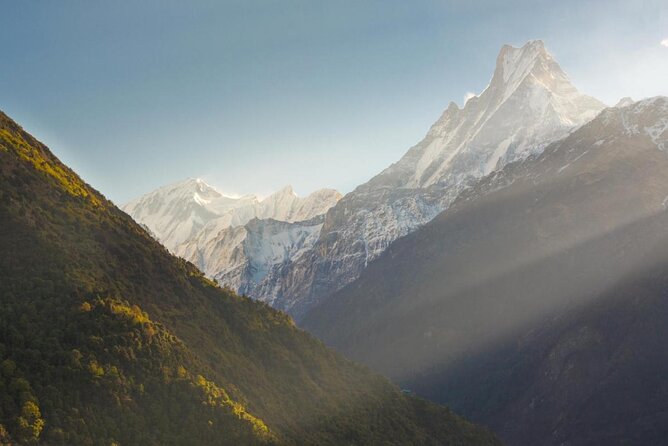
You begin with a drive from Pokhara to Nayapul, about 1 hour 30 minutes. That matters more than it sounds: you’re not spending your first day wrestling with logistics, maps, or transport timing. Instead, you step into the trail with daylight and momentum.
From Nayapul, the route points you toward one of the trek’s first major village anchors. You’ll trek toward Ghandruk on Day 1, with about 6 hours on your feet. Expect a classic “warm-up” day—still work, but it’s a good time to settle into the rhythm: steady steps, short rests, and learning how your body reacts at trek altitude.
The value here is not just convenience. It’s that you start with a plan, and you don’t waste early energy figuring things out.
Ghandruk and Chhomrong: the best kind of village trekking
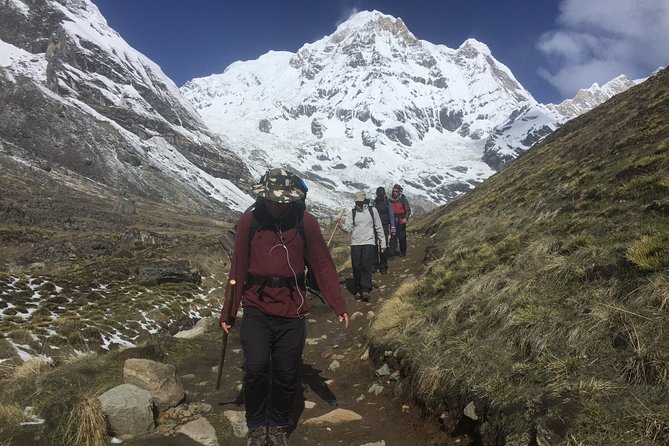
On Day 1, you reach Ghandruk after roughly 6 hours. Day 2 continues to Chhomrong, again around 6 hours of hiking. These village-to-village days are the backbone of why this trek feels authentic rather than just scenic.
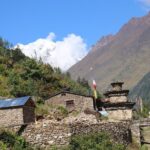
Ghandruk is a big deal on the Annapurna route. It’s one of the places where you’ll feel the Gurung culture more clearly—people, stone-and-wood village life, and the everyday mountain community vibe. You’re not just passing through; you’re getting time in a real settlement, which makes the climb feel like a journey through Nepal, not a checklist.
Chhomrong is another key stop that often sets your mental pace for the rest of the trek. By the time you’re hiking toward it, you’ve usually figured out:
- how fast you can walk comfortably
- when you need short breaks
- how to manage effort on uphill stretches
One drawback to keep in mind: 6-hour hiking days twice in a row are normal on this route, and there’s no magic trick to turn it into an easy stroll. If you want a gentler pace, plan for slower going and realistic rest stops.
Annapurna Sanctuary to Himalaya: the day the mountains start to press in
Day 3 is about moving deeper into the core trekking zone. You trek from Annapurna Sanctuary toward Himalaya for about 7 hours. That extra hour compared to earlier days is meaningful. The trail tends to feel more serious—less of the “village cruise” energy and more of that focused, rising trek feeling.
This is also the section where the Annapurna region starts to feel bigger in scale. The scenery evolves as you go: you’ll pass through stretches of forest and cross suspension bridges along the way, then gradually transition toward higher, wilder terrain. If you’ve ever wondered what it means when people talk about the Annapurna foothills gradually changing into mountain-country, this day is where you notice it.
My advice: treat Day 3 like a pacing test. Don’t go out too fast just because Day 1 and Day 2 felt manageable. If you start feeling winded early, slow down and keep breathing steady. You’ll need that strategy later.
Machhapuchhare Base Camp and Annapurna Base Camp: the payoff with altitude in the background
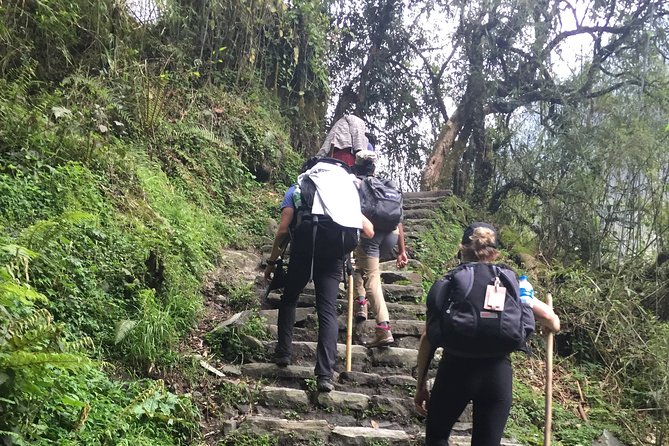
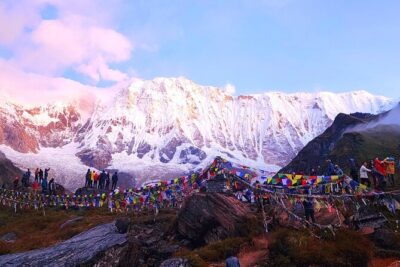
Day 4 is the big day. You first trek to Machhapuchhare Base Camp, then continue toward Annapurna Base Camp. The timing looks like this:
- about 5 hours to Machhapuchhare Base Camp
- about 2 hours onward to Annapurna Base Camp
That adds up to a long, high-energy day. The upside is obvious: reaching Base Camp is the whole reason you’re here. In messages I’ve seen, trekkers called out Annapurna Base Camp around 4,130–4,310 meters, which puts this experience in the “feel the altitude” category. Even if you’re fit, higher air can make you work harder just to move at a normal pace.
Also, remember that Base Camp days aren’t only about walking. They’re about waiting for the right moments—when clouds clear, when light hits the peaks, when you have energy to take in the view without rushing.
A practical consideration: because this is a high, exposed-feeling day, you’ll want to keep a steady plan for warm layers. Don’t assume it’ll only be “cold later.” It can change quickly, and it’s better to be prepared than tough it out.
More treks and hikes across the Annapurna region.
Down to Bamboo: gaining legs again
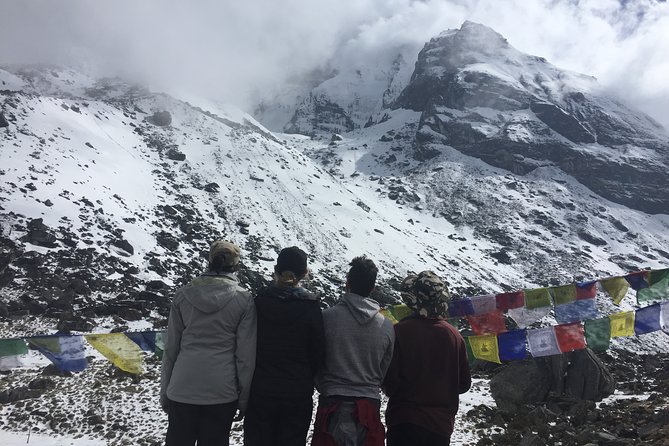
Day 5 shifts gears. You trek down toward Bamboo for about 6 hours. After the intensity of Day 4, a downhill-oriented day can feel like relief, but don’t treat it as vacation. Descents use different muscles, and they can be surprisingly tiring on knees and ankles.
This stage is useful for two reasons:
- You keep moving without stacking another peak-stretch day right away.
- You set up the rest of your descent, including the chance to recharge.
If you’ve got good trekking shoes and you’ve been managing your pace, Day 5 can feel like you’re “getting your body back.” If you’ve gone too hard on Day 4, it can be a day of catching up.
Ghandruk and hot springs: the reset day that feels earned
Day 6 is a short-to-medium hiking day of about 4 hours, centered around Ghandruk and a trip to hot springs. The itinerary specifically includes time where you can take a hot spring bath.
That’s not a small detail. It’s smart planning. Hot springs are one of those perks that doesn’t just feel nice—it can help your body recover after multiple days of uphill effort and downhill impact.
After a Base Camp push, you’ll likely be carrying some tightness in your legs. A proper soak can turn “I’m sore” into “I’m okay for tomorrow,” which is exactly what you want heading into your final descent day.
Phedi Khola back to Pokhara: finishing with an actual landing
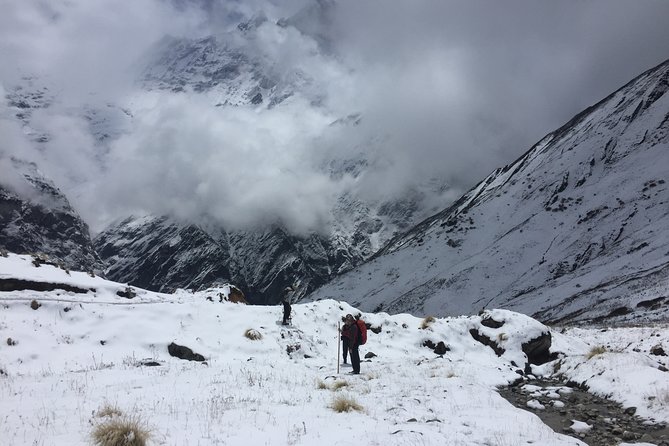
Day 7 brings you down to Phedi for about 4 hours, then a drive back to Pokhara, about 45 minutes. You also get transfer back to your hotel, so you’re not left trying to find a ride after a long final hike.
That finish matters. Many trekking days end with a scramble—transport, paperwork, finding food. Here, the plan takes you home smoothly, so you can shower, eat normally, and sleep like a person again.
Also, the last descent is often mentally easier than it looks. Once you start moving toward Pokhara, you’ve already done the hard part. Even if your legs feel heavy, your brain is usually calmer.
Support that makes the trek feel manageable
This trip includes an English-speaking trekking guide and guest-house accommodations. It also includes hotel pickup and drop-off, plus round-trip private car transfers as part of the itinerary. On paper, those are “standard” inclusions. In real trekking life, they remove a lot of stress.
Where this becomes especially valuable is the human side. The names that show up—Saroj, Krishna, and other team members such as DB and Prem—are repeatedly tied to good organization and a friendly vibe. One described the trek team as amazing and fun, and specifically mentioned dance breaks on the way up and down. That kind of energy can sound silly until you remember what trekking is: hours of repetition. A little morale boost helps you keep walking with less dread.
Just as important: having a guide who can handle route decisions, timing, and basic trekking flow means you can focus on your footing and your breathing.
Price and value: what $287.92 covers (and what you must plan for)
The price is listed as $287.92 per person for the 7-day trek. Whether that feels like value depends on how you read what’s included.
Here’s what you get:
- Hotel pickup and drop off
- Round trip transfers by private car
- Trekking permit and TIMS card
- English speaking trekking guide
- Guest-house accommodation
- This is listed as a private trip (only your group participates)
What you need to budget separately:
- All meals
- Personal expenses
- Rescue cost in case of emergency (not included)
- Gratitude is optional
So the value equation is mostly about transport + permits + guide + lodging being handled. That’s often where costs add up quickly if you try to plan independently or stitch services together on your own.
If you’re the type who wants one clean plan with fewer decisions, this pricing structure usually feels fair. If you like full independence and you already have a guide and permits sorted, your value may shrink—because you might be paying for parts you’d already do.
Fitness reality check: what strong means for this schedule
The trip notes that travelers should have a strong physical fitness level. That’s not a warning label meant to scare you. It’s a heads-up about the workload:
- Day 1: about 6 hours
- Day 2: about 6 hours
- Day 3: about 7 hours
- Day 4: about 7 hours total of key segments
- Day 5: about 6 hours
- Day 6: about 4 hours
- Day 7: about 4 hours
Even with downhill days at the end, you’re still stacking 4–7 hour hiking blocks through multiple days. Add altitude, and it’s a real effort test.
If you’ve been hiking regularly—especially with hills or stairs—you’ll likely find the pace manageable. If you’re coming in from a sedentary routine, you’ll feel it, and you’ll spend energy just trying to keep moving rather than enjoying the experience.
Practical approach: choose a conservative pace early, and let your body adapt as you go.
Packing and comfort tips that matter on guest-house treks
The trip uses guest houses, so you’re not dealing with full camping setup. That’s good for practicality. But you’ll still want to think about comfort because you’ll be in cold air at higher elevations, and you’ll be waking up and moving each day.
A few no-drama tips:
- Wear layers you can adjust while walking and while resting.
- Keep essentials easy to access (you don’t want to unpack every time you pause).
- Plan for the fact that meals are not included, so you’ll need spending money and patience for menus that can be simpler than home.
Also: hot springs on Day 6 can be a nice reset. Don’t forget you’ll want something for the soak and afterward—just keep it simple and packable.
Who this private Annapurna Base Camp trek suits best
This is a strong fit if you want:
- a private experience for your group
- an organized route with permits and TIMS taken care of
- an English-speaking guide
- a mix of village culture and big mountain days
- guest-house stays instead of complicated camping
It’s also a great option if you like the idea of a team that brings energy—like the dance-break vibe people highlighted—because morale can be as important as legs on a long trek.
It may not be the best fit if:
- you’re new to trekking and still building uphill stamina
- you hate being on a set schedule for multiple days
- you expect meals to be included
Should you book this 7-day Annapurna Base Camp trek?
I’d book it if you want a classic Annapurna Base Camp run with fewer moving parts. The biggest reasons: permits and guide support are included, guest-house lodging is handled, and the route gives you both village life (Ghandruk and Chhomrong) and the Base Camp payoff. The hot spring stop is also a smart touch for recovery.
I’d hesitate if you’re not ready for the daily walking time and altitude. This trek assumes you can handle long days with a steady pace. And since meals and rescue costs aren’t included, budget and planning matter.
One more good note for decision-making: the trek lists free cancellation up to 24 hours before the experience start time for a full refund. That gives you some flexibility if your plans shift.
If you match the fitness requirement and you want an organized, human-supported trek, this one is a solid pick.
FAQ
How long is the Annapurna Base Camp trek from Pokhara?
It’s listed as 7 days (approx.).
Where does the trek start?
You drive from Pokhara to Nayapul, then start trekking from there.
Are permits included?
Yes. The price includes a trekking permit and TIMS card.
Is there an English-speaking guide included?
Yes. An English speaking trekking guide is included.
Where do you stay during the trek?
You stay in guest houses during the trek.
Are meals included in the price?
No. All meals and personal expenses are not included.
Is this a private trek?
Yes. It’s listed as a private trip, and only your group participates.
What happens if you need rescue in an emergency?
Rescue cost in case of an emergency is not included, so you should plan accordingly.
Is free cancellation available?
Yes. You can cancel up to 24 hours in advance for a full refund. If you cancel less than 24 hours before the start time, the amount paid will not be refunded.
More Treks in the Annapurnas
Also Reviewed Around Pokhara

More Annapurna Base Camp Routes
Newer Pokhara reviews to browse before you decide
Annapurna Sanctuary Treks, compared.
 ★ 4.9Kathmandu/Pokhara: 5-Day Annapurna Base Camp (ABC) TrekFrom $9672 reviews
 ★ 5.0Private 7 – Day Annapurna Base Camp TrekkingFrom $62550 reviews
 ★ 5.0Annapurna Base Camp Trek (8 days)From $65045 reviews
 ★ 4.97 Day Annapurna Base Camp TrekFrom $21538 reviews
 ★ 4.95-Day Annapurna Basecamp Trek with Hot SpringsFrom $15526 reviews
 ★ 5.0Annapurna Base Camp Trek from Pokhara 7 DaysFrom $39519 reviews
 ★ 5.06 days Annapurna Basecamp TrekFrom $45016 reviews
 ★ 5.010 Days Private Guided Annapurna Basecamp Trek via Poon HillFrom $80015 reviews
Browse the lists this tour appears in