
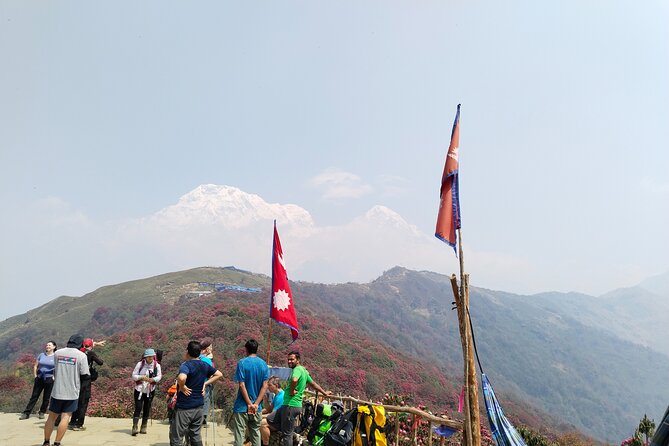
Reviewed · MARDI HIMAL BASE CAMP TREKS
5 Days Mardi Himal Trek.
Mardi Himal feels like a real off-the-map trek. This 5-day hike in Nepal brings you up toward 4500 meters, with a route that includes forest walking, big mountain moments, and sunrise from a high viewpoint. What I like most is the pace and structure, with teahouse stops that make the climb feel manageable instead of chaotic.
I also like the human touch you get from Dadhi Ram Thapa. He’s an English-speaking trekking guide, flexible on the route when your group wants adjustments, and he’ll answer questions along the way instead of treating the trek like just a job.
One thing to consider: you’re not just doing pretty walks. This trek asks for moderate fitness, and the longer uphill days (around 6 hours) plus early-morning starts mean you’ll want good energy and solid boots.
In This Review
- Key things that make this trek worth your attention
- Why Mardi Himal is special (and not just another trek)
- Price and logistics: what $500 buys you from Pokhara
- Day 1: Pokhara to Pothana, with Melbot transfer and a smooth start
- Day 2: Forest Camp day, where birds and river sounds do the work
- Day 3: Mardi High Camp, with ridges on both sides
- Day 4: Sunrise viewpoint, then Siddhing for your last full hiking day
- Day 5: Lumre village walk, hanging bridge, and back to Pokhara
- What Dadhi Ram Thapa adds to the trek (more than just direction)
- Teahouse accommodation: comfort you can plan around
- Meals, drinks, and the real cost of eating on the trail
- Best fit: who should book this trek
- Monsoon and fog: what to expect when weather isn’t perfect
- Should you book the 5-Day Mardi Himal Trek?
- FAQ
- What time does the trek start?
- Where does the trek begin?
- Is hotel pickup and drop-off included?
- Is there a trekking guide?
- Do I need to pay for the permits?
- Is teahouse accommodation included?
- Are meals included?
- What’s the maximum altitude?
- What fitness level do I need?
- What’s the cancellation window?
Key things that make this trek worth your attention
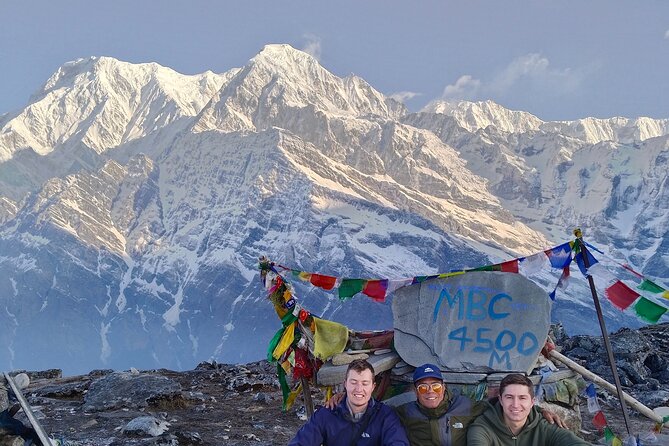
- 4500m goal with a gradual build, using teahouses so you can focus on hiking instead of logistics
- Dadhi Ram Thapa as your guide, experienced and flexible with route choices
- Forest-to-ridge progression, so you’ll feel the terrain change as the days go on
- Sunrise viewpoint time, which turns one chilly morning into a major payoff
- Rural walking on the way back, including a hanging bridge and a lunch stop in Lumre
- Private group experience, so you’re not sharing your trek with strangers
More Mardi Himal itineraries worth comparing.
- Pokhara: 4-Day Mardi Himal Trek★ 4.9 · 59 reviews
- Private Mardi Himal Trek★ 5.0 · 42 reviews
- From Pokhara: 4-Day Mardi Himal Base Camp Trek★ 4.9 · 31 reviews
- Mardi Himal Trek★ 5.0 · 30 reviews
Why Mardi Himal is special (and not just another trek)
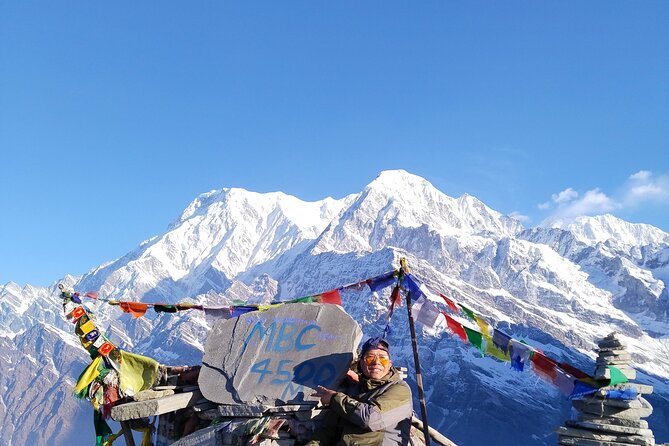
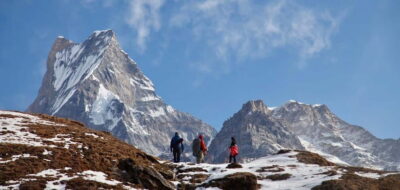
Mardi Himal is often described like a pioneer route, and the vibe is very different from the busiest trekking corridors. The draw here is the mix of altitude and scenery without turning your days into a crowded, bottlenecked parade. You’re hiking through layers of Nepal’s hills: quieter forest sections, ridge days where the views expand on both sides, and then those morning moments when the mountains finally give you the full show.
The altitude target matters too. The trek is built around reaching roughly 4500 meters, which is high enough to change how you feel when you hike, but it’s not an ultra-technical expedition. For me, that’s the sweet spot: you get that real high-altitude feeling without needing climbing gear or special training.
And there’s a practical upside: the route is organized around teahouse nights. That’s not just comfort. It keeps you from chasing meals, beds, and shelter in remote areas. You can plan your energy around hiking instead of panicking about what comes next.
Price and logistics: what $500 buys you from Pokhara
At $500 per person, the price isn’t just “a guide and some trails.” It includes the parts that usually cost time and stress: permits, teahouse accommodation, an English-speaking guide (with local expertise), and the transport pieces tied to getting you to the start and back to Pokhara.
Here’s what’s included that matters for value:
- Hotel pickup and drop off in Pokhara (so you’re not scrambling on your own)
- Necessary transportation, including private transport from Pokhara up toward the trailhead area
- Tim’s and permits (administrative stuff you don’t want to sort last-minute)
- Teahouse accommodation each night
- English-speaking trekking guide to help with route decisions and questions
You’ll still pay separately for meals and drinks. The estimate is about $30 per day per person, which is normal for Nepal treks but worth planning for. If you eat more than the average day or want extra snacks, your total can creep up. For budgeting, I treat that $30/day as a baseline, not a ceiling.
A small bonus: the operator mentions a mobile ticket and group discounts. If you’re not solo and you have a small group, that can lower your effective cost without changing the trekking experience.
Day 1: Pokhara to Pothana, with Melbot transfer and a smooth start
Your day starts around 8:30 am. The plan is to get you out of Pokhara with private transport first (Pokhara to Melbot), then shift into walking mode toward Pothana.
This first day is important because it sets your rhythm. Instead of a punishing day that jumps straight into steep altitude gain, you get roughly 5 hours of trekking to ease into the hike. You’ll also get your first real feel for the trail conditions: dust paths, uneven ground, and the difference between walking in town air versus higher, cooler mountain air.
Pothana is your first teahouse stop. Practically, that means you can settle in, eat, and prep for a longer day tomorrow without having to “keep going” just because you still have daylight.
A drawback to watch for on Day 1: if you treat this as a casual stroll, your body might still feel it later. Even a moderate day can make your calves tight, especially if you’re not used to hours of downhill/uphill shifts.
Day 2: Forest Camp day, where birds and river sounds do the work
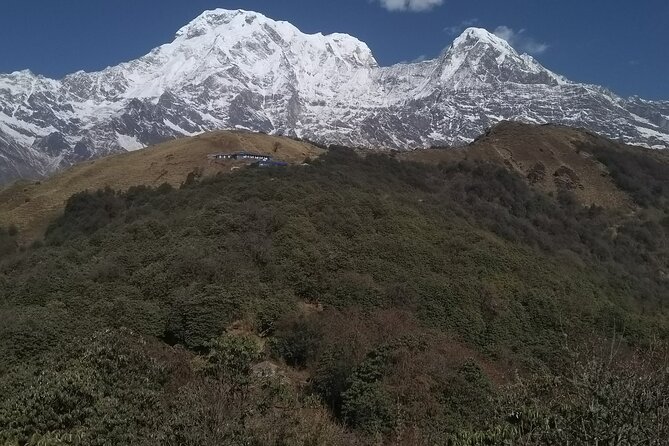
After breakfast, you trek toward Forest Camp, with about 5 hours on the trail.
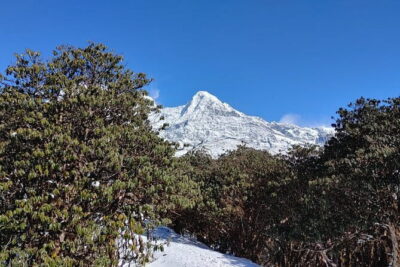
This is the day where the route’s character really shows. You’ll walk through forest sections, and the scenery is built around smaller-scale details: mountain views when the trail opens up, a moving river nearby at times, and plenty of bird life. In other words, it’s not only about altitude. It’s about staying present and letting the hike unfold at a calmer tempo.
This forest day is also useful for acclimatization in real terms. When you’re in the woods, you often get more stable footing, and the walk feels less exposed. You can focus on breath, foot placement, and pacing your effort instead of fighting the wind on open slopes.
What I’d suggest if you want to enjoy Day 2 fully: don’t rush the forest segments. Keep a steady pace and save your energy for the moment the trail opens and you catch better mountain angles.
More treks and hikes across the Annapurna region.
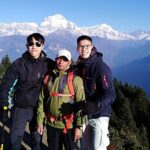
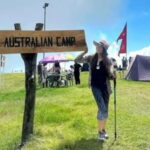
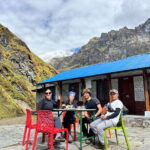
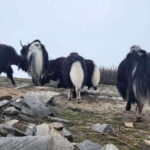
Day 3: Mardi High Camp, with ridges on both sides
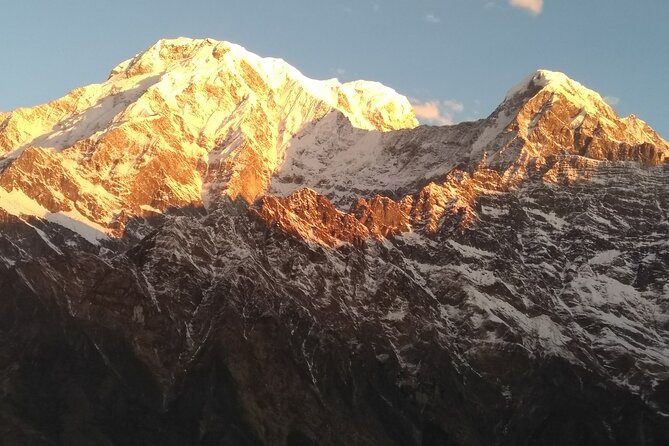
Day 3 is a step up. You’re trekking toward Mardi High Camp after breakfast, with about 6 hours.
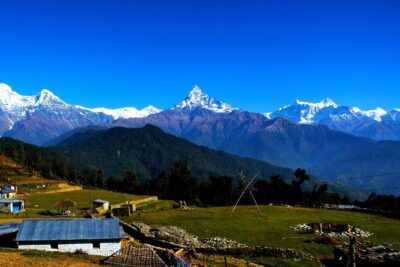
The route shifts from forest to more hill-style walking, and you’ll get expanded sightlines. This is where the views tend to feel more dramatic: you can see valley stretches, river directions, and glacier-related sights when the weather cooperates. The key phrase for this day is contrast—forest segments early on, then ridge or hillside hiking that shows you more of what’s around you.
This is also where your altitude awareness should be sharper. At this stage, your body will ask for slower breathing. If you go too fast, you’ll feel it. The smartest move is to treat the day as “steady climbing,” not “fast progress.”
One more thing: fog can change everything up high. If you’re hiking during monsoon or low-visibility periods (possible on this route), you might still get rewarding hiking through thick forest, but the biggest visual payoff depends on conditions.
Day 4: Sunrise viewpoint, then Siddhing for your last full hiking day
Day 4 starts early. You go to a viewpoint before sunrise, then return for breakfast, and later trek toward Siddhing. Total trekking time is about 6 hours.
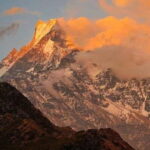
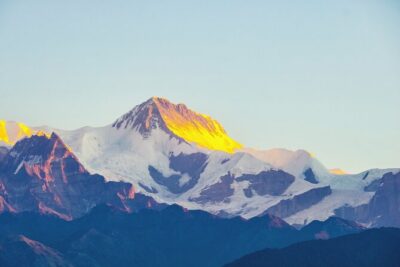
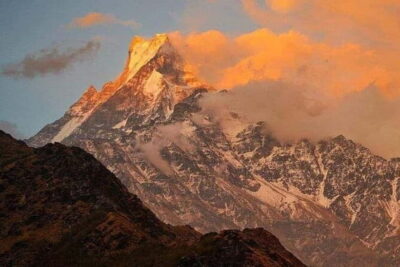
That sunrise leg is one of the best value moments in the whole trek. Early hours are a hassle, yes, but they’re also when the mountains can look like they’ve been turned up in contrast. Even if the sky isn’t crystal clear, the effort often feels worth it because you’re there before the day gets busy with clouds or haze.
After breakfast, you head toward Siddhing. This day’s mix is what I like most: a short, early push for a major payoff, then a longer hiking segment that brings you toward the finish. You’ll likely feel the cumulative effort by now, so pacing and hydration matter more than on the first two days.
The practical drawback: early starts mean you’ll want layers. Mountain mornings can be cold, and packing light but smart beats trying to tough it out in just one layer.
Day 5: Lumre village walk, hanging bridge, and back to Pokhara
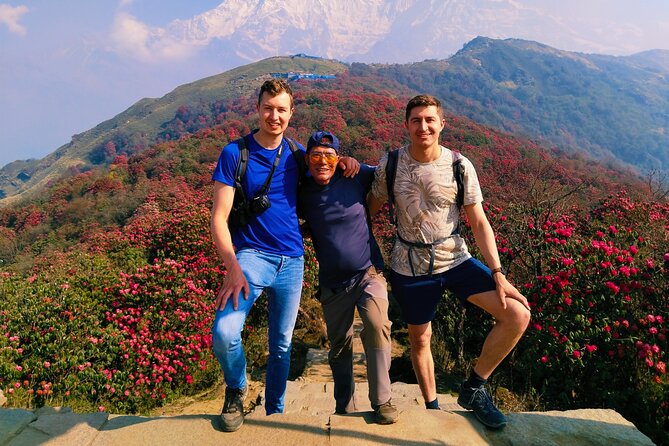
Your last day is a good mix of final views and cultural texture. After breakfast, you trek toward Lumre, walk through rural village areas, cross a hanging bridge, and then stop for lunch in Lumre. After that, you drive back to Pokhara to end the trek. This day is about 6 hours of walking time.
This is the day that helps the whole trip feel complete. The higher-altitude days can be mentally intense; Lumre gives you a slower, more human pace. A hanging bridge adds a memorable moment too—short, but it breaks up the final effort and gives you something different to focus on besides altitude.
By the time you reach Lumre, you’re done with “climb mode.” You can step into relaxed traveler mode, enjoy the final stretch, and then look forward to a proper shower and real downtime back in Pokhara.
What Dadhi Ram Thapa adds to the trek (more than just direction)
Dadhi Ram Thapa is the experience provider, and he’s also the guide many groups talk about directly. The big theme is experience and adaptability. If you want to change the route based on your group’s preferences, he’s described as flexible. That matters more than it sounds, because conditions can shift day to day.
The other thing I value here: answers. You won’t just get “turn left, keep going.” You can ask questions and get explanations about the area and the country, which helps you connect what you’re seeing with why it exists.
For your day-to-day experience, this means:
- You’re less likely to feel lost when weather changes
- You can understand why the route timing matters
- You’ll feel more like a participant than a passenger
Teahouse accommodation: comfort you can plan around
This trek uses teahouses for accommodation. That doesn’t mean luxury. It means you’ll have a roof, a place to rest, and meals available for purchase while you’re on the trail circuit.
This is a value point. When lodging is included, you can pack and plan without worrying about finding a bed at the right moment. It also keeps your daily rhythm stable: hike, eat, rest, repeat.
Still, don’t assume every teahouse will feel the same. Some places can be warmer than others, and older trekkers often suggest bringing what you need to stay comfortable at night. If you’re sensitive to cold, plan for chilly mountain evenings.
Meals, drinks, and the real cost of eating on the trail
Meals and drinks are not included, with an estimate of about $30 per day per person. That’s typical for Nepal treks, but you should treat it as a real budget line item.
My practical approach: decide your “must-haves” so you don’t overspend without realizing it. For example:
- Keep breakfast simple before a longer hike
- Plan an early lunch strategy so you’re not hunting when you’re tired
- Save snacks for when you’re actually low on energy
If you tend to drink a lot during trekking days, include that in your estimate too, since drinks are purchased separately.
Best fit: who should book this trek
This hike suits you if you want:
- A moderate fitness trek with serious altitude exposure
- Teahouse convenience rather than camping logistics
- An organized route with an English-speaking guide who can answer questions and adjust when needed
- Mountain views that build day by day, plus a sunrise moment
It’s also a good match if you’re traveling with a group and like the idea of a private trek where it’s just your group participating.
If you hate early starts or you’re looking for a totally flat hike, this won’t match your style. The point of Mardi Himal is effort for reward.
Monsoon and fog: what to expect when weather isn’t perfect
One review note that’s genuinely useful is that hiking during monsoon season is possible, with memorable foggy forest walking and great wildlife variety. So yes, you can still have a great trek even when the sky doesn’t give you constant clear views.
But here’s the practical reality: cloud and fog can reduce visibility at ridges and viewpoints. Your experience then shifts from “constant panorama” to “mood trek,” where the forest sounds, bird activity, and moments of view-through-weather become the story.
If your main goal is maximum skyline views, you may want to align your dates with better weather windows. If your goal is the lived-in trekking feel, the monsoon-style fog atmosphere can be part of the charm.
Should you book the 5-Day Mardi Himal Trek?
Book it if you want a serious altitude trek that still feels organized and human. The teahouse setup, the included permits and transportation, and the guidance from Dadhi Ram Thapa make it easier to focus on walking and enjoying the route rather than juggling details.
Don’t book it if you’re after a fully comfortable vacation-style hike or if early mornings drain you. Also be honest about fitness: this is moderate, not effortless, and your body will ask for respect above the valleys.
If you’re the kind of traveler who likes learning as you walk—asking questions, noticing forest life, and chasing sunrise for the payoff—this trek is a strong match.
FAQ
What time does the trek start?
The meeting start time is 8:30 am.
Where does the trek begin?
The trek is based out of Pokhara, Nepal, with pickup and transport arranged to get you to the trail start.
Is hotel pickup and drop-off included?
Yes. Hotel pickup and drop off in Pokhara are included.
Is there a trekking guide?
Yes. The trek includes an English-speaking trekking guide.
Do I need to pay for the permits?
Permits are included in the package.
Is teahouse accommodation included?
Yes. You get teahouse accommodation during the trek.
Are meals included?
No. All meals and drinks are not included, and meals are available for purchase (about $30 per day per person).
What’s the maximum altitude?
The trek is described as an altitude trek reaching around 4500 meters.
What fitness level do I need?
It’s recommended for travelers with moderate physical fitness.
What’s the cancellation window?
You can get a full refund with free cancellation up to 24 hours before the experience start time.
More Treks in the Annapurnas
Also Reviewed Around Pokhara

More Mardi Himal Treks
Newer Pokhara reviews to browse before you decide
Mardi Himal Base Camp Treks, compared.
 ★ 4.94-Day Mardi Himal TrekFrom $13959 reviews
 ★ 5.0Private Mardi Himal TrekFrom $39942 reviews
 ★ 4.94-Day Mardi Himal Base Camp TrekFrom $13831 reviews
 ★ 5.0Mardi Himal TrekFrom $39930 reviews
 ★ 5.04 Day Mardi Himal Base Camp Trek from PokharaFrom $29018 reviews
 ★ 5.05-Day Mardi Himal Base Camp TrekFrom $18110 reviews
 ★ 5.04 Days Mardi Himal Base Camp Trek from PokharaFrom $2909 reviews
 ★ 5.0Mardi Himal Base Camp Trek from Pokhara 4 DaysFrom $2708 reviews
Browse the lists this tour appears in