
Reviewed · MARDI HIMAL BASE CAMP TREKS
4 Days Mardi Himal Base Camp Trekking in Pokhara
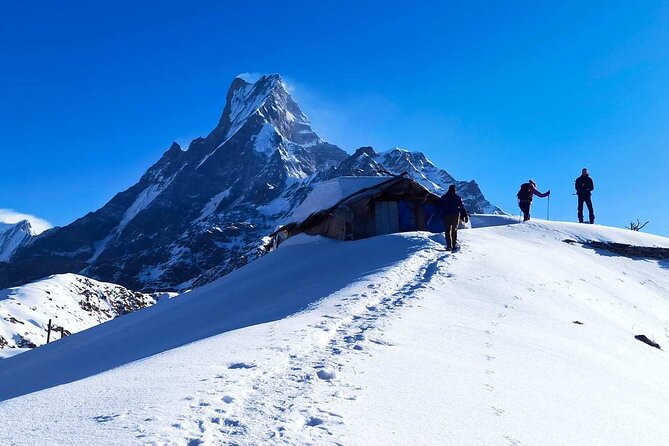
Four days to earn big Himalayan views. This Mardi Himal trek links Pokhara with Kande, Australian Camp, Forest Camp, High Camp, and the base camp viewpoint with a clear plan and local support.
I especially like two things: the route is built for real effort with scenic waypoints like Australian Camp and High Camp, not just “walk and hope” trekking. And I like that you also get chances for cultural interaction along the way, not only mountain photos.
One key consideration: you’ll be on the trail about 6 to 9 hours per day. If you’re not used to sustained uphill walking, this pace can feel demanding.
In This Review
- Key highlights worth clocking before you go
- Mardi Himal in four days: what the pacing really means
- From Pokhara to Kande: your guided transfer makes day one easier
- Kande to Forest Camp via Australian Camp: the first big taste of the views
- Forest Camp to High Camp: rhododendron forests and mountain focus
- High Camp to base camp and back to Low Camp: the panorama day
- Downhill to Siding Village and the sharing jeep back to Pokhara
- Permits, guides, and guest houses: does the $245 price feel fair?
- Who should book 4-day Mardi Himal—and who should think twice
- Practical tips so your trip feels smooth (not stressful)
- Should you book this Mardi Himal Base Camp trek?
- FAQ
- How long is the Mardi Himal base camp trekking trip?
- Where does the trek start and end?
- What’s included in the tour price of $245 per person?
- Are meals included?
- How long are the trekking days?
- What kind of fitness level do I need?
- Is this trip private or shared with other groups?
- Do I need trekking permits?
- What is the cancellation policy?
Key highlights worth clocking before you go
- Private start from Pokhara with hotel pickup and a direct ride to Kande by private car
- Experienced English-speaking trekking guide to keep navigation and pacing under control
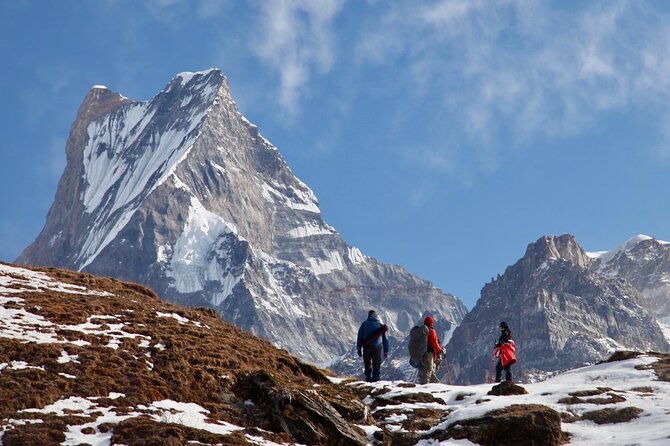
- Rhododendron-filled day on the way toward High Camp, with mountain views along the route
- Base camp morning timing designed so you have time to enjoy the big panorama before returning
- Guest house accommodations for nights on trek, so you’re not carrying everything
- Siding Village finish with a sharing jeep back to Pokhara to close out smoothly
More Mardi Himal itineraries worth comparing.
- Pokhara: 4-Day Mardi Himal Trek★ 4.9 · 59 reviews
- Private Mardi Himal Trek★ 5.0 · 42 reviews
- From Pokhara: 4-Day Mardi Himal Base Camp Trek★ 4.9 · 31 reviews
- Mardi Himal Trek★ 5.0 · 30 reviews
Mardi Himal in four days: what the pacing really means
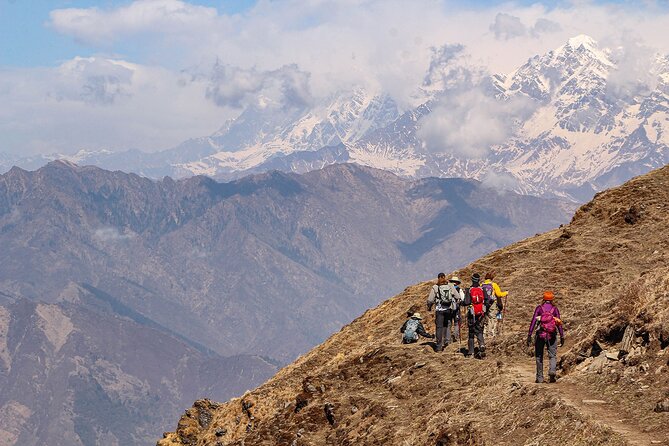
This trek is short by Himalayan standards, but it’s not a stroll. You’ll cover a chain of camps—Kande to Forest Camp, Forest Camp to High Camp, High Camp to Mardi Himal Base Camp and back down to Low Camp, then a downhill finish toward Siding Village. The daily walking totals roughly land in the 6–9 hour range.
Why that matters for you: short trips can trick people into underestimating stamina. Here, the time on your feet is real, and the route includes ascent and descent, not just one long climb. The good news is that the schedule is tight in a smart way. It starts early on the “bigger view” days so you’re not trekking at the wrong moment for calmer conditions and better sightlines (you’ll see this in the way Day 2 and Day 3 are paced).
The trek is also built for a moderate fitness level. That’s helpful, but it doesn’t mean “easy.” Think steady hiking with breaks, not sprinting between photo stops. If you can comfortably handle multiple hours walking on uneven ground at altitude, you’ll likely find this a good fit.
From Pokhara to Kande: your guided transfer makes day one easier
Your trek day begins with hotel pickup in Pokhara. From there, you travel by private car to Kande. That first move is more than convenience. It means you’re not wasting energy on extra ground transfers before you even hit the trail.
Once you reach Kande, trekking starts with the route heading through Australian Camp and on toward Forest Camp. Day 1 is listed at about 6 hours, which is a solid “warm-up” day in the context of the whole trek.
A practical way to use this: treat Day 1 as both a walking day and an acclimation-friendly rhythm. You’re not aiming for a personal speed record. You’re building a feel for the trail under your boots, plus settling into your guide’s pace and rest strategy.
Also note the tour is a private trip, so only your group participates. That tends to make the day more flexible—especially helpful if your group includes a mix of hiking comfort levels.
Kande to Forest Camp via Australian Camp: the first big taste of the views
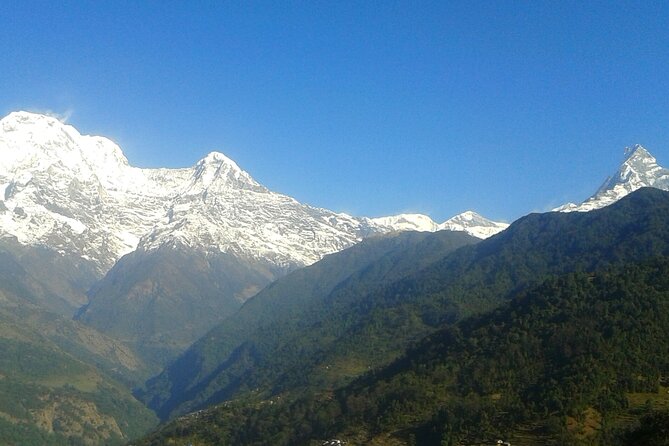
Day 1 has a classic structure: start at Kande, pass Australian Camp, then continue to Forest Camp. The “Australian Camp” stop is a nice early waypoint because it gives you a mental milestone. You’re not just walking forward with no landmarks. That helps when the trail gets steady—your brain likes knowing you’re moving toward something.
Once you’re on the route to Forest Camp, you’ll likely notice how the scenery shifts as you gain elevation. Even on a relatively short day, the environment can feel different in pockets—more trees, different light, and often clearer mountain sightlines when the weather behaves.
The Forest Camp night matters, too. It sets you up for a longer view-focused day the next morning. So on Day 1, your goal should be: arrive rested enough to enjoy the early start, not wiped out from pushing too hard.
What you should pack for this section (general trekking sense, not tour-specific): comfortable hiking shoes, layers you can adjust during early mornings, and something small for quick snacks. You’ll be walking long enough that “I’ll eat later” can turn into “I feel awful later.”
Forest Camp to High Camp: rhododendron forests and mountain focus
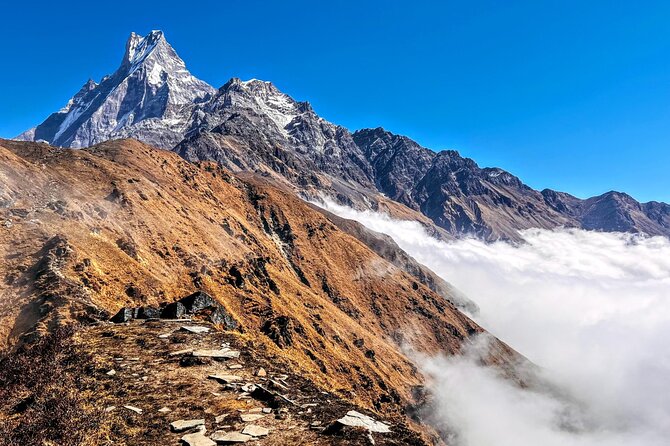
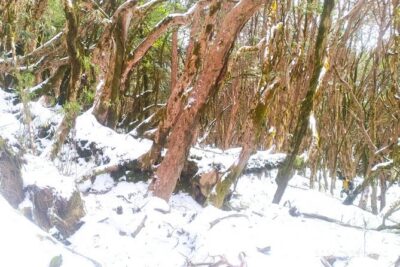
Day 2 starts early from Forest Camp and heads toward High Camp. The trek time is roughly 6 hours. This day is highlighted for its rhododendron forests, along with serene stretches and stunning mountain views.
That rhododendron detail isn’t just pretty branding. Forest walking changes your effort level. Trees can reduce wind and sometimes make the path feel calmer underfoot. It can also mean the trail is shaded for a while—helpful if you run warm.
Why this day is a highlight for many hikers: High Camp is a psychological step up. You’re moving closer to the day most people came for, and you’re walking through a zone that feels distinct from the lower sections. You also get views along the way, so it’s not “grind until reward.” You’re seeing results while you still have energy.
A balanced caution: the same forest that makes the trail feel sheltered can hide footing details. Stay focused on where you step, especially if the path is uneven or a bit muddy. Let your guide set the rhythm—this trek includes an English-speaking guide for a reason: pacing and footing count as much as ambition.
More treks and hikes across the Annapurna region.

High Camp to base camp and back to Low Camp: the panorama day
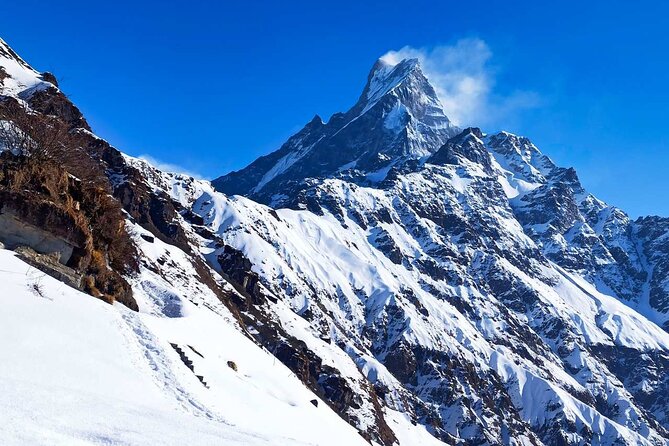
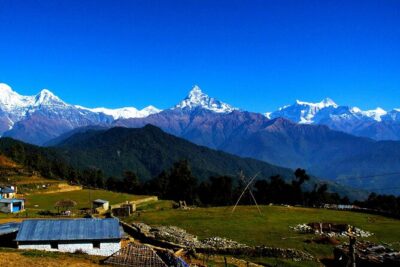
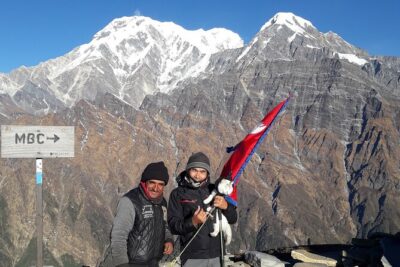
Day 3 is the big one. You begin early for Mardi Himal Base Camp, and the plan gives you time to relish the breathtaking grandeur of the Himalayas and enjoy panoramic vistas. Trekking duration is roughly 8 hours, and then you return to Low Camp.
This is the kind of day where going too fast can ruin the best part. Base camp isn’t just a checkbox. The value is in reaching a viewpoint with enough energy to actually take it in—slow breathing, steady footing on any rocky edges, and the patience to watch the horizon change as clouds move (when they do).
It helps that the schedule includes an early start. Early mornings often mean the mountain air is calmer and visibility tends to be better. Even if conditions are mixed, you’ll be in a position to enjoy what you get rather than arriving late with tired legs.
One more practical thought: Day 3 is longer than the previous days. So if you’re deciding whether to push pace, decide early. Save your strongest effort for safe, steady ascent—not for a last-minute sprint. Your guide will help you gauge effort and rest.
Downhill to Siding Village and the sharing jeep back to Pokhara
Day 4 brings the reward of switching from high effort to downhill walking. You trek downhill to Siding Village through lush forest areas and a calmer atmosphere, then you catch a sharing jeep back to Pokhara.
Day 4 is listed at about 9 hours, which might look odd for a “downhill day.” The trick is that downhill can still take time. Descents can be just as tiring for your knees and thighs, and the trail may have bends and footing you can’t rush.
This final day is also where the route feels complete. You don’t end in the wilderness with no plan. The sharing jeep means you’re back in Pokhara without negotiating your own transport after an exhausting hike.
If you want to make the end of the trek feel like a proper holiday, plan a light evening in Pokhara after you arrive. Your legs will need a reset, and the city is a great place to do that—plus it makes the whole trip feel like more than just “hike, sleep, repeat.”
Permits, guides, and guest houses: does the $245 price feel fair?
The price is $245 per person for a 4-day trek. For a short, multi-day mountain experience, what makes this value stand out is what’s actually included.
You get:
- hotel pickup and drop off in Pokhara
- trekking permit and TIMS
- an English-speaking trekking guide
- Pokhara to Kande by private car, plus Siding to Pokhara by sharing jeep
- guest house accommodations
- a private trip (only your group)
The biggest “price reality” item that’s not included: meals. You’ll typically budget around 3500 NPR per person per day for food (buy as needed). That can add up, depending on what you eat and what your appetite looks like after long trail days.
So is $245 fair? For me, it reads like good value if you want structure and local handling. Permits, transport, and an English-speaking guide are often where low-cost tours get shaky. Here, those basics are covered, and the accommodations are included—meaning you’re paying for a complete trek package rather than cobbling it together.
One more detail: the tour is often booked about 41 days in advance on average. That suggests popularity during decent season windows. If your dates are firm, you’ll save yourself stress by booking earlier rather than waiting.
Who should book 4-day Mardi Himal—and who should think twice
This trek is best for hikers who want a real mountain journey without committing to a longer trek. You’ll get multi-day trekking, camp-to-camp progress, and a base camp morning designed for maximum enjoyment.
You’ll likely love this if:
- you prefer going with an English-speaking guide instead of solo navigation
- you can handle 6–9 hours of walking per day on uneven terrain
- you want a trip short enough to fit a focused getaway, but still meaningful
You might want to think twice if:
- you struggle with sustained uphill walking
- your comfort zone is closer to casual walks than trekking days
- you’re not willing to budget extra for meals (since food isn’t included)
There’s also a strong “peace of mind” factor. One of the standout themes from the feedback is how important a reputable guide feels—especially if you’re traveling alone. Even though individual safety specifics aren’t spelled out here, the structure is clear: you’re not doing this as a lone traveler with no support.
Practical tips so your trip feels smooth (not stressful)
A few straightforward things help you get more joy from every day:
- Start early with the right mindset. Day 2 and Day 3 are built around early starts, so treat mornings like your performance window, not your scramble time.
- Let your guide set the pace. On a base camp day, the goal isn’t to “win.” It’s to arrive feeling good enough to look around.
- Plan for knee fatigue on the downhill day. Day 4 includes a long 9-hour finish even though it’s downhill overall. Take short, controlled steps when the trail steepens.
- Budget for meals at about 3500 NPR per day. This keeps you from feeling surprised mid-trek.
- Bring a daypack for essentials. Even in a well-run trek, you want quick access to water, snacks, and layers without rummaging through luggage.
If you want a less stressful trip, also check that your fitness level matches “moderate physical fitness” for a multi-day trek. You don’t need to be an athlete—but you do need steady endurance.
Should you book this Mardi Himal Base Camp trek?
If you want a well-paced, 4-day mountain trek from Pokhara with permits handled, transport included, and an English-speaking guide guiding you through the main Mardi Himal route, this is a strong choice. The guest house lodging and private trip setup also make it feel organized without becoming stiff.
I’d book it if you’re comfortable walking 6–9 hours a day and you’re ready to budget for meals. I’d hold off if sustained trekking days aren’t your thing yet. For the right fitness level, this trek hits a sweet spot: short enough for a getaway, long enough to feel like you earned those Himalayan views.
FAQ
How long is the Mardi Himal base camp trekking trip?
It runs for about 4 days.
Where does the trek start and end?
You’re picked up in Pokhara, driven to Kande to start trekking, and you finish by trekking to Siding Village then taking a sharing jeep back to Pokhara.
What’s included in the tour price of $245 per person?
Hotel pickup and drop off, trekking permits and TIMS, an English-speaking trekking guide, private transport from Pokhara to Kande, sharing jeep transport from Siding Village to Pokhara, guest house accommodations, and a private trip.
Are meals included?
No. Meals are not included and you can purchase them during the trek. The listed estimate is about 3500 NPR per person per day.
How long are the trekking days?
The trekking time is listed as roughly 6 hours on Day 1, about 6 hours on Day 2, about 8 hours on Day 3, and about 9 hours on Day 4.
What kind of fitness level do I need?
The trip is described as suitable for travelers with moderate physical fitness.
Is this trip private or shared with other groups?
It’s a private tour/activity. Only your group participates.
Do I need trekking permits?
Yes. Trekking permit and TIMS are included with the tour.
What is the cancellation policy?
Cancellation is free up to 24 hours in advance for a full refund. Within 24 hours, you won’t receive a refund.
More Treks in the Annapurnas

Also Reviewed Around Pokhara

More Mardi Himal Treks
Newer Pokhara reviews to browse before you decide


Mardi Himal Base Camp Treks, compared.
 ★ 4.94-Day Mardi Himal TrekFrom $13959 reviews
 ★ 5.0Private Mardi Himal TrekFrom $39942 reviews
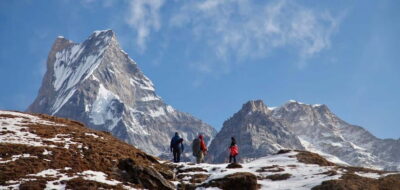 ★ 4.94-Day Mardi Himal Base Camp TrekFrom $13831 reviews
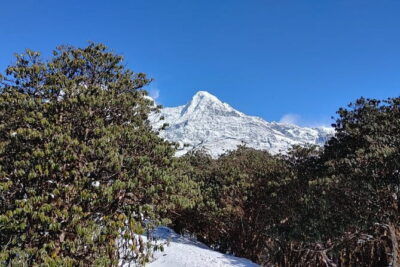 ★ 5.0Mardi Himal TrekFrom $39930 reviews
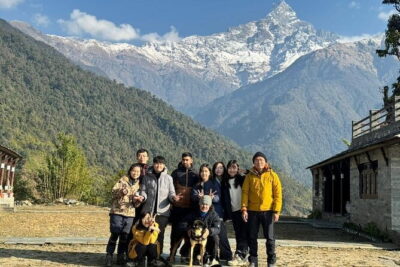 ★ 5.04 Day Mardi Himal Base Camp Trek from PokharaFrom $29018 reviews
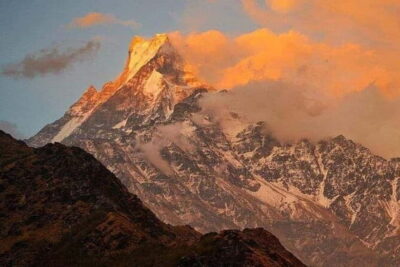 ★ 5.05-Day Mardi Himal Base Camp TrekFrom $18110 reviews
 ★ 5.04 Days Mardi Himal Base Camp Trek from PokharaFrom $2909 reviews
 ★ 5.05 Day Mardi Himal Base Camp Trek in PokharaFrom $2308 reviews
Browse the lists this tour appears in