
Reviewed · MARDI HIMAL BASE CAMP TREKS
3 Day Mardi Himal Base Camp Trek from Pokhara
Three days to a Himalayan base camp. This short trek into the Annapurna region blends rhododendron forest walking with big, clean viewpoints toward Machhapuchhre and Annapurna, all from Pokhara. I like how the route keeps moving while still giving you real village moments along the way, from Dhampus to Pothana and up to Mardi High Camp.
Two things I really like: first, the mountain payoff is immediate and clear, especially on the day you push from High Camp toward the Viewpoint and Mardi Himal Base Camp. Second, I appreciate the organization—hotel pickup and drop-off, private jeep transfers, trekking permit handling, and an English-speaking guide—so you’re not juggling paperwork and logistics while you’re trying to hike.
One possible drawback is that this is a time-compressed trek. You’re looking at long hiking days (about 7 hours on Days 1–2 and about 9 hours on Day 3), and you’ll also need to be comfortable with early starts and cold air, especially since day 3 begins with warm layers and a headlamp.
In This Review
- Quick hits from the Mardi Himal run
- How the trek starts: Pokhara pickup and the Dhampus launch
- Day 1: Forest Camp to Pothana through green trails
- Day 1 tea houses and guest house reality
- Day 2: Mardi High Camp and the rhododendron hike
- The guide factor: names that came up in real-world service
- Day 3: High Camp to Viewpoint, then onward to Mardi Himal Base Camp
- What Mardi Himal Base Camp delivers (and what it doesn’t)
- Price and value: is $299 reasonable for this 3-day plan?
- What to expect on the trail: pace, fitness, and early mornings
- Comfort tips that make a short base camp trek feel better
- Who this trek suits best (and who should look elsewhere)
- Should you book this 3-day Mardi Himal Base Camp trek?
- FAQ
- FAQ
- How long is the Mardi Himal Base Camp trek?
- Does the tour include pickup and drop-off in Pokhara?
- Are permits included?
- Is accommodation included during the trek?
- Are meals included in the trek price?
- Is a porter available and what does it cost?
- What’s the cancellation window?
Quick hits from the Mardi Himal run
- Private guide support with English-friendly guidance plus an emergency first aid kit
- Permit and official documents included, so you can focus on the trail
- Tea-house style guest house stays during the trek (simple, practical, and local)
- Forest-to-viewpoint hiking with rhododendron forest sections and early morning starts
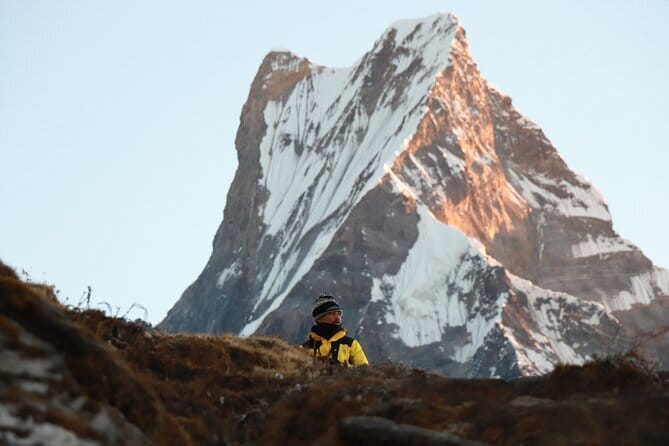
- Big-name views on a short schedule tied to Machhapuchhre and Annapurna
- Optional porter service if you want help carrying your pack (listed as $25/day)
More Mardi Himal itineraries worth comparing.
- Pokhara: 4-Day Mardi Himal Trek★ 4.9 · 59 reviews
- Private Mardi Himal Trek★ 5.0 · 42 reviews
- From Pokhara: 4-Day Mardi Himal Base Camp Trek★ 4.9 · 31 reviews
- Mardi Himal Trek★ 5.0 · 30 reviews
How the trek starts: Pokhara pickup and the Dhampus launch
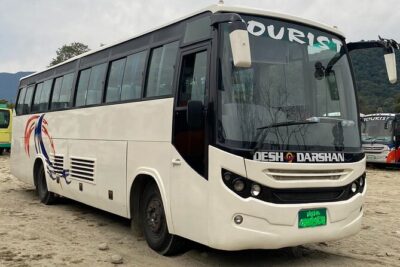
You begin in Pokhara with hotel pickup and drop-off, then head toward Dhampus by private jeep. Dhampus is where the experience pivots from city logistics to trail life, and that transition matters on a short trek—you lose less time getting started and you get to spend more hours walking.
The plan also includes a checkpoint stop before you truly settle into the hike. That’s not just formality; it helps keep the route organized, and it means you’re not guessing what happens next once you’re on foot. Also, the listed meeting time shows 10:15 pm, so I’d treat that as a firm start cue and confirm your exact on-the-ground schedule with CAN Travels before you go.
Day 1: Forest Camp to Pothana through green trails

Day 1 kicks off after breakfast, with roughly an hour’s drive to Dhampus, then you move toward Pothana. The walking leg runs through green forests, which is a big part of why this trek feels calmer than some routes that jump straight to big ridgelines. In other words, you get trail atmosphere first—shade, birdsong, and that steady rhythm of ascent—before the big view days.
You’ll reach Pothana and continue to the Forest Camp area as part of the day’s arc. The listing frames Day 1 as about 7 hours, so this isn’t a casual stroll. It’s a good way to “warm up” your legs without pretending it’s a day hike, and it also sets up your stamina for the slightly higher terrain later.
One small practical point: you’re climbing with the Annapurna region’s mix of village and forest terrain in play, and those environments can change your pace quickly. Your guide’s job here is important—when the trail gets steep, they’ll help you keep a manageable tempo rather than sprinting early and paying for it later.
Day 1 tea houses and guest house reality
Accommodation on the trek is in guest houses, which is exactly what you want on a 3-day itinerary. You get a warm bed and a base for tomorrow’s push, but you’re not paying for luxury. This setup is also why the trek price can stay reasonable: you’re buying transportation, guides, permits, and stays, while meals are handled separately.
Based on the experience feedback I saw around food and accommodation, this style of guest house service is generally the kind people enjoy most on short treks. If you like simple, you’ll fit right in. If you need a fully catered meal plan, you’ll want to plan your daily food budget in advance.
Day 2: Mardi High Camp and the rhododendron hike
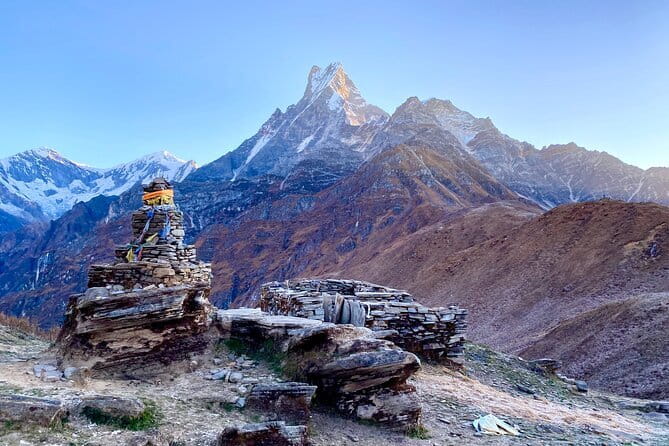
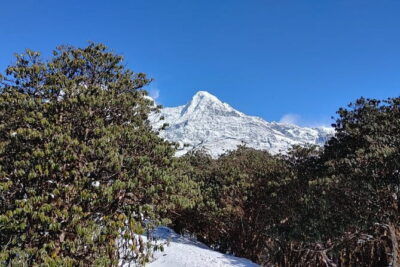
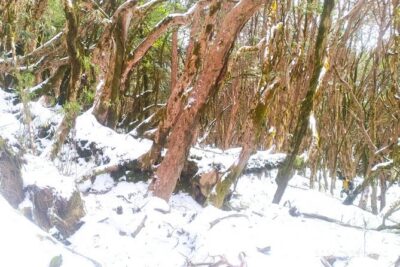
Day 2 starts with a morning rhythm: birds chirping, breakfast with Himalayan views, then a little uphill to begin. The key feature on this day is the rhododendron forest walking. Rhododendron country tends to feel good underfoot (often cooler and shaded), and it can break up the mental grind of a steady climb by giving you a changing scene every few minutes.
The itinerary lists Day 2 as about 7 hours, and that’s a sweet spot for a short base camp run. You’re working, but you’re not spending the whole day in one long grind. It’s also the kind of day where a guide’s pace-setting helps you stay comfortable—especially if this is your first real trek in the Himalaya.
You’ll end at Mardi High Camp, where you’ll sleep in a guest house. Higher camps mean colder mornings, even if daytime hiking is manageable. That’s why it’s smart to keep your layers organized and easy to access. Don’t bury your warm layer deep in your bag the night before.
More treks and hikes across the Annapurna region.

The guide factor: names that came up in real-world service
The quality of a 3-day trek is tightly linked to your guide, because they manage more than directions. In the feedback for this operator, I saw three guide names connected to the same standout theme: people felt looked after and the experience felt smooth.
Amrita showed up in one set of comments as the best guide, with positive notes around food, accommodation, mountain views, and the overall experience. Krishna was described as professional and knowledgeable, and Prakash received praise for making the tour memorable and being helpful. Even if every trekking guide has their own style, what you’re hoping for is the same thing: calm control, good timing, and a pace that keeps you moving without frying you.
Day 3: High Camp to Viewpoint, then onward to Mardi Himal Base Camp
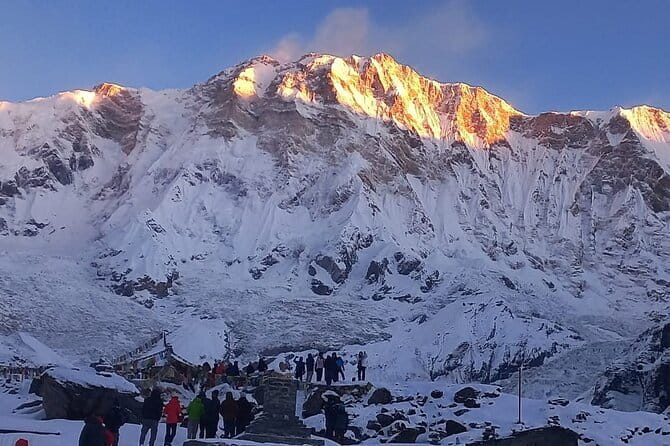
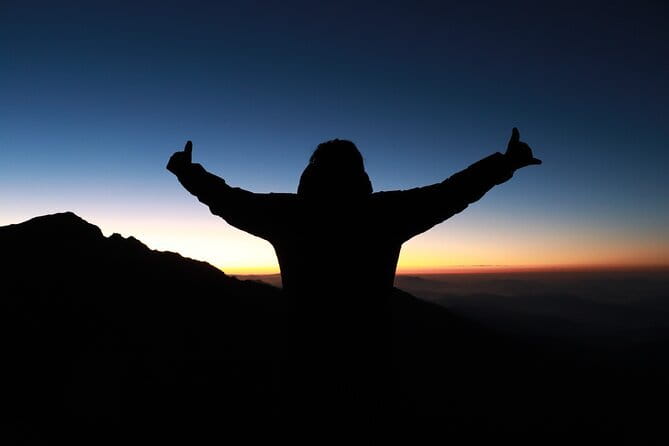
Day 3 is the long day. You wake early, get hot tea, and then start hiking with warm clothes, a bottle of water, and a headlamp. That headlamp detail is your clue that the day begins before full daylight, so expect cold and low light. If you hate early mornings, you might still enjoy this trek—because the reward is timed for early mountain clarity.
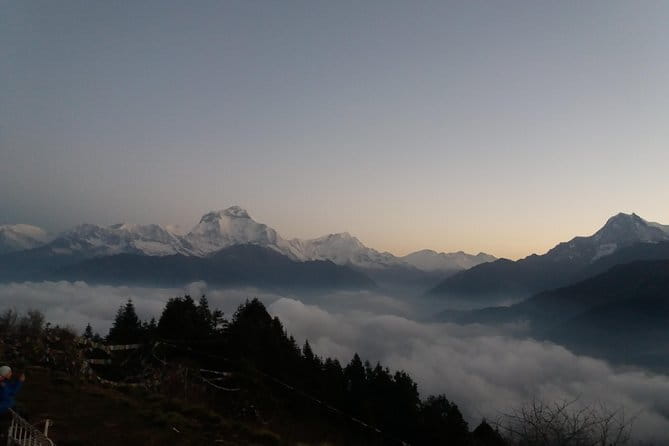
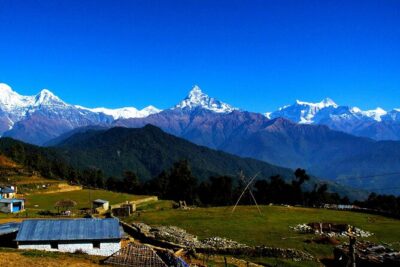
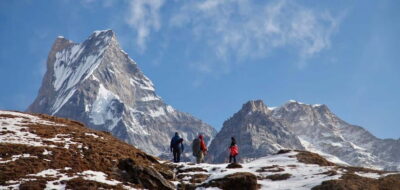
The listing says you walk about 2 hours from High Camp to the Viewpoint. That’s a practical timing detail: you’re not stuck hiking in the dark forever, but you’re also not waiting until the sun is high and the mountains get washed out. When you arrive at the Viewpoint, you’re in the zone for the best sightlines toward the major peaks—especially the type of views people highlight for Machhapuchhre and Annapurna.
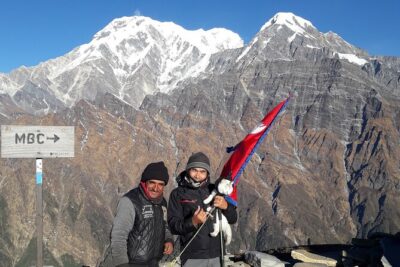
After the viewpoint, you continue onward as part of the Mardi Himal Base Camp day. The day’s total hiking time is listed at about 9 hours, so treat it as your main effort. This is also where good boots and steady pacing matter most. Base camp days feel more intense than they look on paper because every stop for photos also costs time and energy.
What Mardi Himal Base Camp delivers (and what it doesn’t)
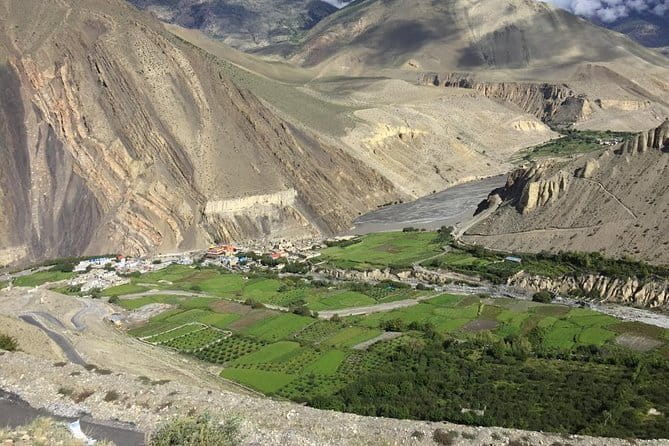
A common trap with short base camp treks is expecting a huge, all-day summit festival. Mardi Himal is more about the payoff moments—where the trail opens just enough to show you why the Annapurna region is famous.
From what’s been reported, people love the feel of the trail and the big mountain visuals once you climb high enough. One of the standout themes was that the path felt peaceful with fewer crowds than many alternatives. That fits the whole “short, focused, meaningful” vibe of Mardi Himal: you don’t spend all your time navigating people, you spend it watching the mountains shift with the light.
What it doesn’t guarantee is a long acclimatization storyline. This is a 3-day format, and it works best if you’re already physically comfortable with uphill walking. You’ll get the base camp experience, but you won’t have a multi-day cushion to slowly adjust to altitude like on longer treks.
Price and value: is $299 reasonable for this 3-day plan?

The price is listed as $299 per person, and the value depends on what’s included versus what you’ll still pay separately.
Included:
- hotel pickup and drop-off in Pokhara
- private jeep transfers (Pokhara to Dhampus and Siding back to Pokhara)
- an English-speaking trekking guide
- trekking permit and official documents
- guest house accommodation during the trek
- private tour
- emergency normal first aid kit with the guide
Not included:
- food and drinks (tea-house style meals are available for purchase)
- gratuities (optional)
- porter service (optional), listed as $25/day, with one porter for two people
Here’s the practical way to think about it: $299 covers the “hard-to-arrange” stuff—transport, permits, guide, and the places you sleep. What remains is daily eating, plus the choice to add a porter. For many hikers, that’s exactly where a trek price should sit. You choose how many meals you want, and you can keep control over spending.
If you prefer a fully bundled meal plan with no decisions, you might find the extra day-to-day purchase item annoying. If you don’t mind eating tea-house food and want control, this price structure often feels fair.
What to expect on the trail: pace, fitness, and early mornings
The trek is listed for moderate physical fitness. That matches the daily times: about 7 hours on Days 1 and 2, and about 9 hours on Day 3. Moderate doesn’t mean easy; it means you should feel steady on uphill walking for several hours without needing constant breaks.
You’ll also experience a pattern of early starts that keep the trek moving. Day 2 begins with breakfast after an early morning wake-up routine and views. Day 3 explicitly starts with a headlamp, warm layers, and hot tea. That tells you the schedule is built around mountain light and workable hiking windows, not around leisurely mornings.
Weather-wise, the key is to plan for cold dawn and changing conditions. Even if you don’t get snow or heavy rain, your body will feel the cold early because you’re walking in shadow and low temperatures at altitude.
Comfort tips that make a short base camp trek feel better
Even with a guide handling the route and guest houses, you control your comfort. For a 3-day trek, small choices matter more because you don’t have time to “fix it tomorrow.”
- Pack for layers you can add or remove quickly, since mornings can be cold and daytime hiking can warm you up.
- Use a headlamp for any dawn hiking; you’ll want it on day 3 anyway.
- Keep water simple and consistent. The itinerary notes a bottle of water for the day 3 start.
- Bring cash for tea-house meals since food and drinks aren’t included in the tour price.
- If you’re carrying a heavy pack, consider the optional porter. The listed porter rate is $25/day, and it’s shared as one porter for two people.
Also, wear footwear you trust. Short treks punish weak shoes because you’re walking enough hours that foot discomfort turns into fatigue quickly.
Who this trek suits best (and who should look elsewhere)
This 3-day Mardi Himal Base Camp experience is a great fit if you:
- want a base camp goal without taking a week off
- like forest walking and village-to-mountain transitions
- value clear organization (permits, guides, transfers, guest house stays)
- appreciate mountain views tied to Machhapuchhre and Annapurna
It might not be ideal if you:
- need a fully catered meal package with no extra purchases
- want a longer acclimatization timeline before a base camp objective
- are not ready for 7–9 hour hiking days
If you’re the kind of traveler who enjoys the simple rhythm of tea houses, steady uphill progress, and that early light at high viewpoints, you’ll likely feel right at home.
Should you book this 3-day Mardi Himal Base Camp trek?
I think this trek is worth considering if you want a focused Annapurna experience with solid logistics and mountain payoff, without spending extra time planning details. The included guide support and permit handling are the big wins, and the short schedule can feel energizing rather than rushed.
Before you book, sanity-check one thing: your hiking comfort for 7–9 hour days. If that part sounds doable and you’re okay paying for meals during the trek, you’re in the sweet spot. If meals included is a dealbreaker, or if you’d rather spread altitude changes across more days, you might want a longer itinerary instead.
FAQ
FAQ
How long is the Mardi Himal Base Camp trek?
It’s listed as 3 days (approx.), with daily hiking times of about 7 hours on Days 1 and 2, and about 9 hours on Day 3.
Does the tour include pickup and drop-off in Pokhara?
Yes. The package includes hotel pick up and drop off in Pokhara.
Are permits included?
Yes. Trekking permits and all official documents are included.
Is accommodation included during the trek?
Yes. You’ll stay in guest houses during the trek.
Are meals included in the trek price?
No. Food and drinks are not included, but you can purchase them along the way at tea houses.
Is a porter available and what does it cost?
A porter is optional and not included in the base price. The listing gives a porter rate of $25 per day, with one porter for two people.
What’s the cancellation window?
Free cancellation is available up to 24 hours in advance for a full refund. If you cancel less than 24 hours before the start time, the amount you paid isn’t refunded.
More Treks in the Annapurnas

Also Reviewed Around Pokhara

More Mardi Himal Treks

Newer Pokhara reviews to browse before you decide

Mardi Himal Base Camp Treks, compared.
 ★ 4.94-Day Mardi Himal TrekFrom $13959 reviews
 ★ 5.0Private Mardi Himal TrekFrom $39942 reviews
 ★ 4.94-Day Mardi Himal Base Camp TrekFrom $13831 reviews
 ★ 5.0Mardi Himal TrekFrom $39930 reviews
 ★ 5.04 Day Mardi Himal Base Camp Trek from PokharaFrom $29018 reviews
 ★ 5.05-Day Mardi Himal Base Camp TrekFrom $18110 reviews
 ★ 5.04 Days Mardi Himal Base Camp Trek from PokharaFrom $2909 reviews
 ★ 5.05 Day Mardi Himal Base Camp Trek in PokharaFrom $2308 reviews
Browse the lists this tour appears in